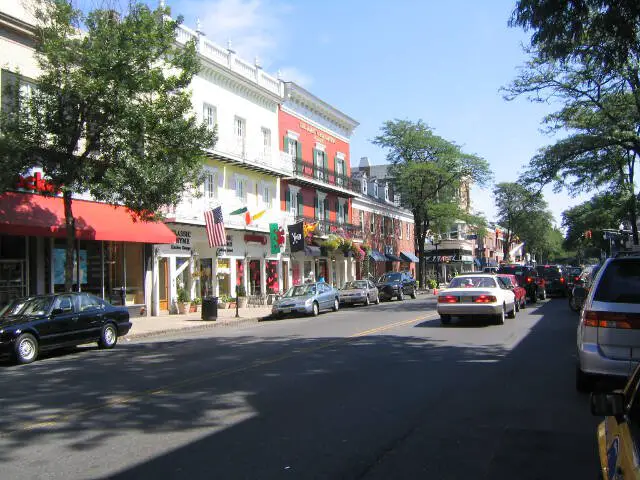
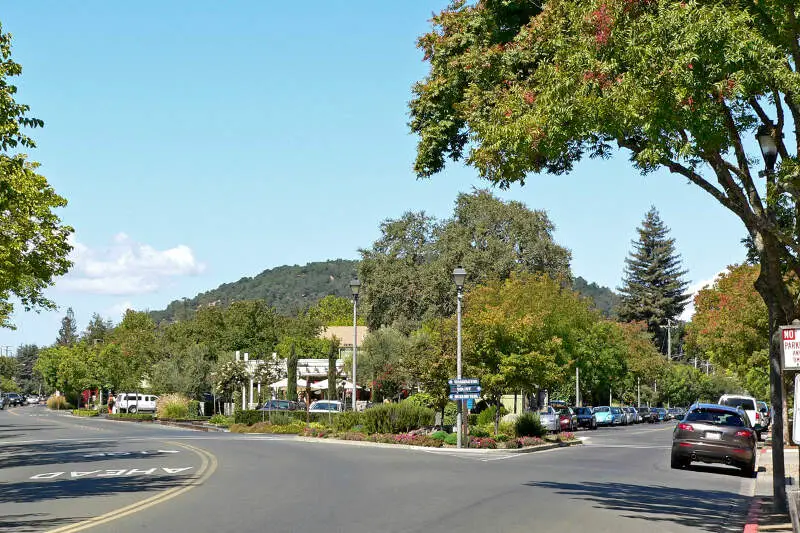
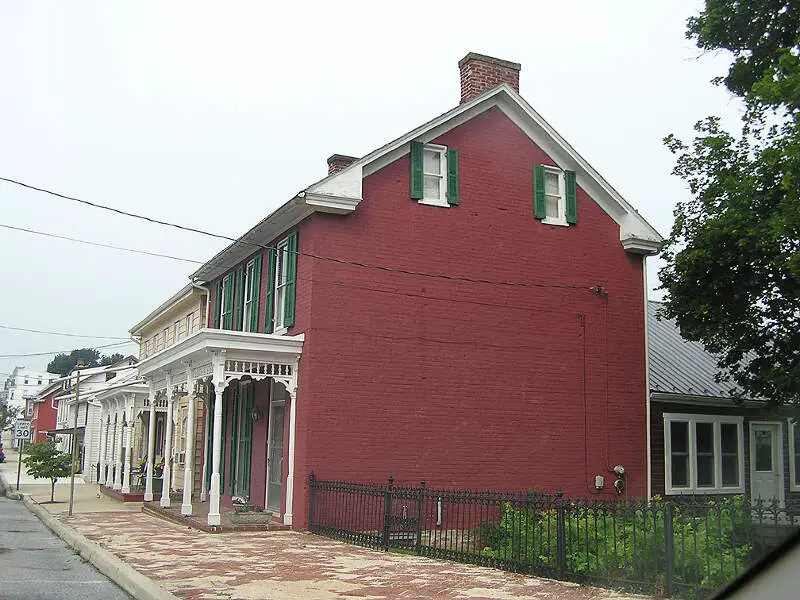
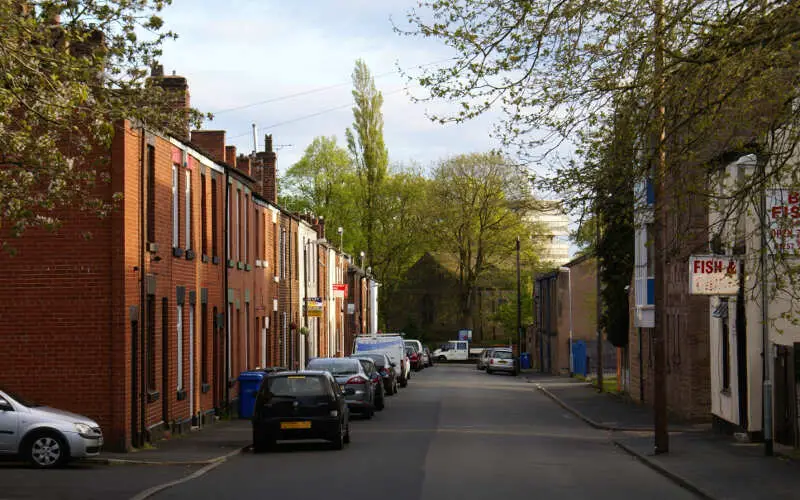
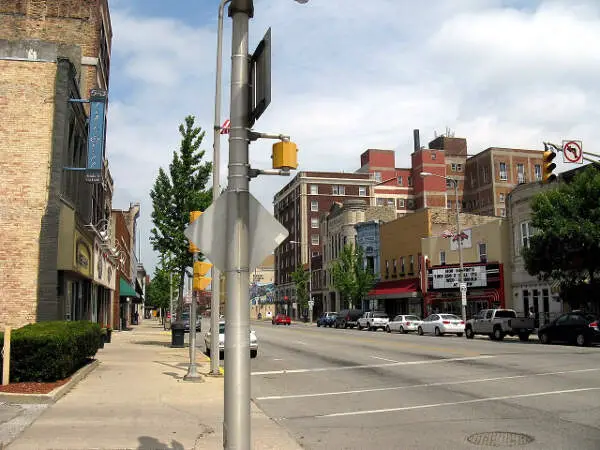
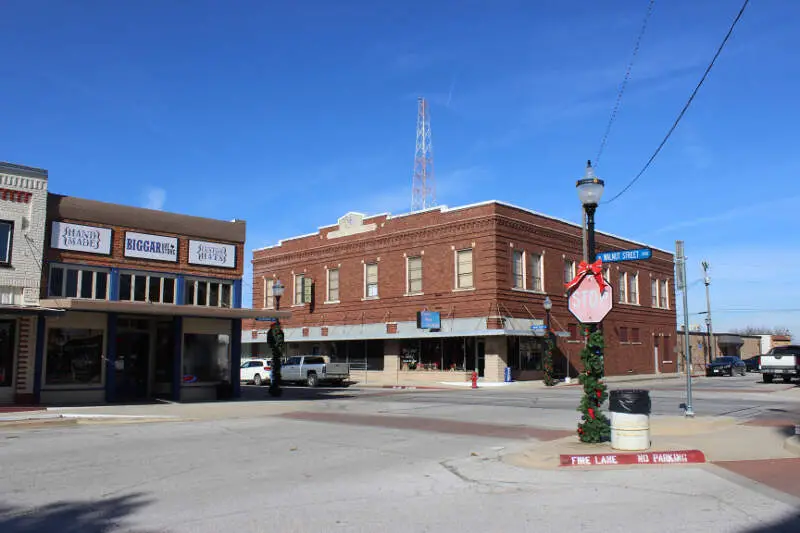
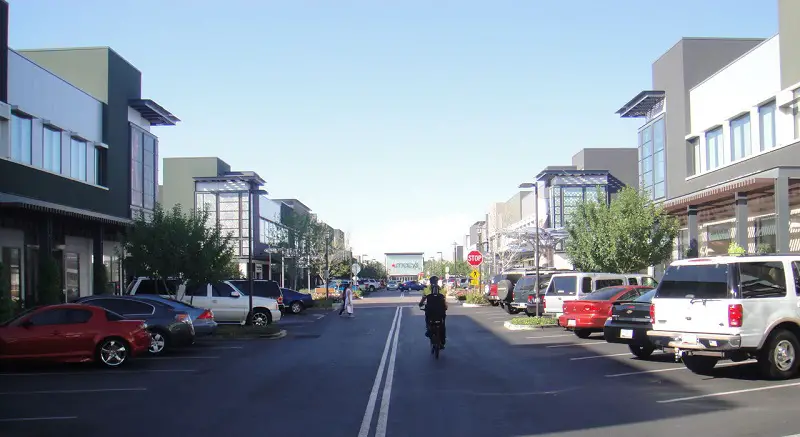
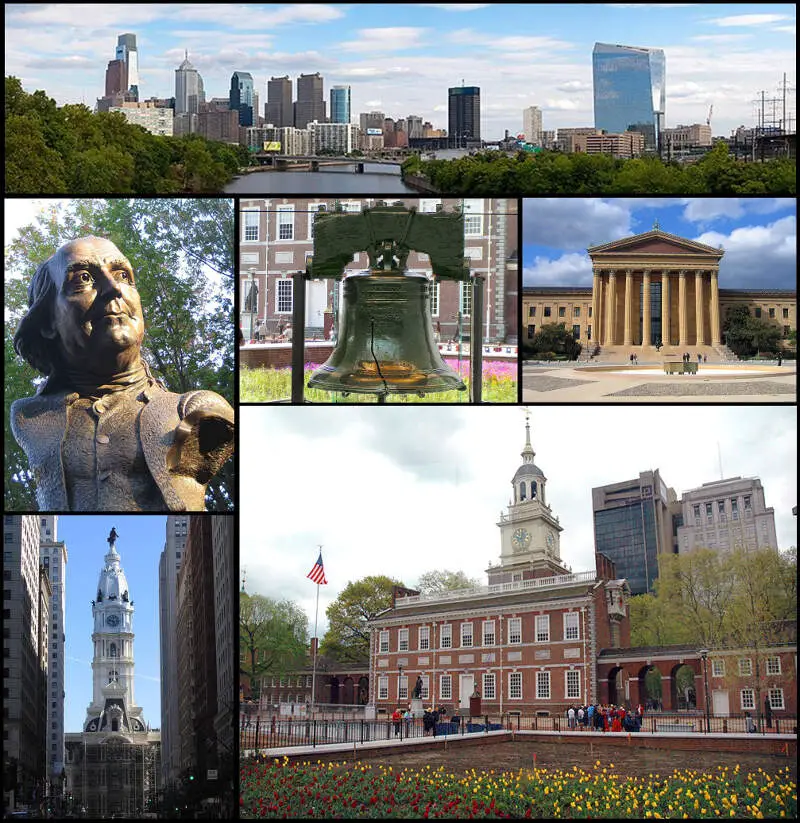
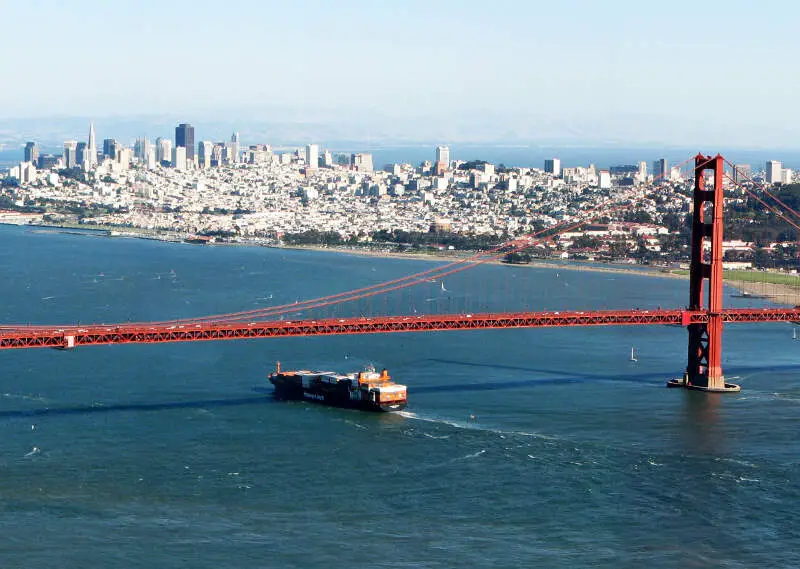
Philadelphia vs. San Francisco in photos
A side-by-side look at each city.


Cost of living
Philadelphia is the cheaper city overall — 58% higher in San Francisco than its rival. Index baseline: 100 = national average.
| Living expense | Philadelphia | San Francisco | US average |
|---|---|---|---|
| Overall | 103 | 247 | 100 |
| Services | 103 | 122 | 100 |
| Groceries | 100 | 125 | 100 |
| Health | 101 | 518 | 100 |
| Housing | 107 | 132 | 100 |
| Transportation | 99 | 128 | 100 |
| Utilities | 112 | 139 | 100 |
Lower index = cheaper. 100 = U.S. national average. Bar inside each cell scales relative to the highest value in the table.
Sources: HomeSnacks Cost of Living indices, normalized so 100 = U.S. national average. Drill in: Philadelphia cost of living, San Francisco cost of living, or the cheapest cities in America.
Housing breakdown
Home prices are higher in Philadelphia. Compare absolute price and price-to-income — a $500k home in a $100k-income city is very different from one in a $50k-income city.
| Metric | Philadelphia | San Francisco | United States |
|---|---|---|---|
| Median Home Value | $231,814 | $1,356,661 | $332,700 |
| Median Rent | $1,397 | $2,476 | $1,413 |
| Median Income | $61,953 | $140,970 | $80,734 |
| Home Value To Income | 3.7x | 9.6x | 4.1x |
| Rent To Monthly Income | 0.27x | 0.21x | 0.21x |
Source: U.S. Census Bureau ACS 2020-2024. See also states with the highest rent in America.
Crime
San Francisco is the safer city — total crime rate of 4,526 per 100k people vs 5,457 for Philadelphia. US average: 2,119.
| Crime (per 100k) | Philadelphia | San Francisco | US average |
|---|---|---|---|
| Total crime | 5,457 | 4,526 | 2,119 |
| Murder | 17 | 4 | 5 |
| Robbery | 273 | 267 | 61 |
| Aggravated Assault | 572 | 290 | 256 |
| Violent Crime | 909 | 596 | 359 |
| Burglary | 319 | 637 | 229 |
| Larceny | 3,224 | 2,619 | 1,272 |
| Car Theft | 1,006 | 673 | 259 |
| Property Crime | 4,548 | 3,929 | 1,760 |
Lower = safer. Bar inside each cell scales relative to the highest crime rate in the table.
Source: FBI Uniform Crime Reporting (2024). All rates are per 100,000 people. City pages: Philadelphia crime, San Francisco crime. See also: safest cities in America.
Diversity
Philadelphia is more racially diverse — lower HHI (closer to 0) means a more even mix across groups.
| Group | Philadelphia | San Francisco | United States |
|---|---|---|---|
| White | 33.2% | 36.8% | 57.4% |
| African American | 38.3% | 4.7% | 11.9% |
| American Indian | 0.1% | 0.2% | 0.5% |
| Asian | 7.9% | 34.9% | 5.9% |
| Hawaiian | 0.0% | 0.3% | 0.2% |
| Other | 0.8% | 0.8% | 0.6% |
| Two Or More | 4.1% | 6.1% | 4.3% |
| Hispanic | 15.6% | 16.2% | 19.3% |
Source: U.S. Census ACS 2020-2024. Lower HHI = more even racial mix. See also: most diverse cities in America.
SnackAbility — overall quality of life
San Francisco scores higher overall — 8.5/10 vs 6/10. SnackAbility is our 1–10 quality-of-life score; the median U.S. city scores a 7.
Scores are 0–10; both bars share the same scale.
SnackAbility is a HomeSnacks proprietary 1–10 score blending jobs, housing, education, commute, amenities, affordability, crime, and diversity. Median U.S. city ≈ 7. Data: Census, BLS, FBI. See also: best places to live in America.
Getting around: Philadelphia vs. San Francisco
How each city handles commuting, transit, walkability, and car culture — the day-to-day reality that shapes where you'd actually want to live.
Philadelphia runs on SEPTA, which is one of the older systems in the country but covers more ground than you'd expect: subway lines (the Broad Street Line and Market-Frankford El), trolleys, buses, and Regional Rail reaching suburbs like Media, Doylestown, and Paoli. Center City is genuinely walkable, and neighborhoods like Fishtown and South Philly are bikeable without much effort. The Schuylkill Expressway will test your patience daily if you commute by car.
San Francisco leans hard on BART for regional travel to Oakland, Berkeley, and SFO, and on Muni for getting around the city, but the steep hills make some neighborhoods rough on bikes and legs. Traffic on 101 and I-80 during peak hours is legitimately brutal. Parking costs far more in San Francisco than in Philly, and car ownership feels less necessary in SF if you live near a BART station.
Jobs and careers in Philadelphia vs. San Francisco
The local job market, dominant industries, and which city to choose based on your career.
Philadelphia's economy runs on healthcare and education: Penn Medicine, Jefferson Health, Children's Hospital of Philadelphia, and Drexel and Temple universities rank among the largest employers. Finance and insurance add stability, and a growing life sciences corridor in University City has been attracting biotech investment. The median household income of $61,953 reflects a more working- and middle-class employment base than you'll find on the coasts.
San Francisco sits at the center of the global tech industry, and that shapes everything about working there. Salesforce, Twitter/X, and dozens of startups in SoMa and the Financial District push the median household income to $140,970, more than double Philadelphia's figure. But before you pack up: a cost of living index of 247 versus Philadelphia's 103 means that higher paycheck gets consumed fast, especially with median rent at $2,476 compared to Philly's $1,397.
Weather and climate
What to expect day-to-day — sun, fog, heat, rain, and the seasonal extremes that shape the lifestyle.
Philadelphia gives you genuine four seasons. Summers are hot and humid, with mid-July highs often in the low 90s and real dew points; winters typically bring several measurable snowfalls between December and February. Spring and fall are the payoff: Rittenhouse Square in October is hard to beat.
San Francisco operates on a completely different climate logic. Summers are cool and often foggy, especially west of Twin Peaks, and locals half-joke that Karl the Fog is a reliable summer resident. Winters are mild and rainy, with temperatures rarely dropping below the low 40s.
If you're moving from somewhere with hot summers, the perpetual mild gray of an SF July can catch you off guard. For year-round temperate conditions without extremes, San Francisco wins clearly.
Culture, nightlife, and entertainment
Food, music, neighborhoods, and the city vibe that gives each place its personality.
Philadelphia punches well above its size culturally. The Philadelphia Museum of Art, the Barnes Foundation, and Reading Terminal Market are worth your time on their own, and neighborhoods like Fishtown, Northern Liberties, and Old City have dense clusters of independent bars, restaurants, and music venues. The sports culture is its own religion: Phillies, Eagles, and Sixers fandom is loud, earnest, and completely genuine.
Nightlife concentrates around South Street and the Broad Street corridor, with later hours and generally lower cover charges than you'll find on the West Coast. San Francisco has the Mission District for taquerias and murals, the Castro for LGBTQ history and nightlife, and North Beach for Italian coffee shops and remnants of the Beat era.
The dining scene in SF trends ambitious and expensive; a regular dinner out in Hayes Valley or the Richmond easily outpaces a comparable Philly meal. Both cities have genuine cultural depth, but Philadelphia delivers it at a cost of living index of 103 rather than 247.
Outdoor activities and day trips
Parks, beaches, hikes, and the weekend escapes that define life outside the city limits.
Philadelphia's Fairmount Park is one of the largest urban park systems in the country, with Wissahickon Valley Park offering creekside trail running and mountain biking that feels surprisingly wild for a city of 1.5 million. Valley Forge National Historical Park is a 45-minute drive. The Jersey Shore is two hours east (Ocean City and Cape May are popular summer destinations), and the Pocono Mountains offer skiing and hiking a couple of hours north.
San Francisco is almost unfairly positioned for outdoor access. Golden Gate Park anchors the city, and the Marin Headlands are a 20-minute drive across the Golden Gate Bridge for serious hiking with bay views. Muir Woods, Point Reyes National Seashore, and Mount Tamalpais are all within an hour.
Napa and Sonoma for wine country day trips are roughly 90 minutes out. If outdoor recreation is a deciding factor, San Francisco's proximity to world-class trails, coastline, and mountains gives it a clear edge over Philadelphia.
Bottom line: which city is right for you?
Based on the head-to-head data above, here's the short version — pick the city that lines up with what you actually care about.
Choose Philadelphia if you prioritize…
- a lower cost of living (cheaper groceries, services, and day-to-day expenses).
- more affordable housing relative to San Francisco.
- a more racially diverse community (lower HHI on Census data).
Choose San Francisco if you prioritize…
- lower crime — a safer place to live, work, and raise a family.
- a higher overall SnackAbility quality-of-life score.
Methodology: winners are picked from public data — U.S. Census Bureau ACS (income, home value, rent, race/HHI), FBI Uniform Crime Reporting (crime rates per 100k), and HomeSnacks' proprietary SnackAbility quality-of-life score, which blends Bureau of Labor Statistics data with the above.
Other comparisons
Still weighing your options? See how these two cities stack up against other places we've compared head-to-head.