
Most Asian cities in Alaska research summary. We analyzed Alaska’s most recent Census data to determine the most Asian cities in Alaska based on the percentage of Asian residents.
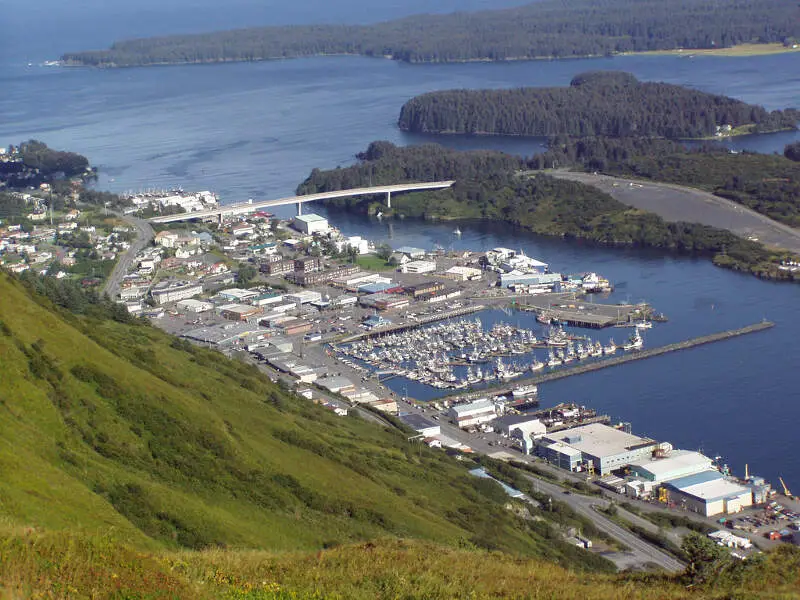
43.3% Asian · #1 most Asian in Alaska
 Located in
Kodiak Island Borough, Alaska
Located in
Kodiak Island Borough, Alaska
Kodiak is one of seven communities and the main city on Kodiak Island, Kodiak Island Borough, in the U.S. state of Alaska. All commercial transportation between the entire island and the outside world goes through this city either via ferryboat or airline. The population was 6,130 as of the 2010 census. 2014 estimates put the population at 6,304.
Data | Crime | Cost of living | Movers
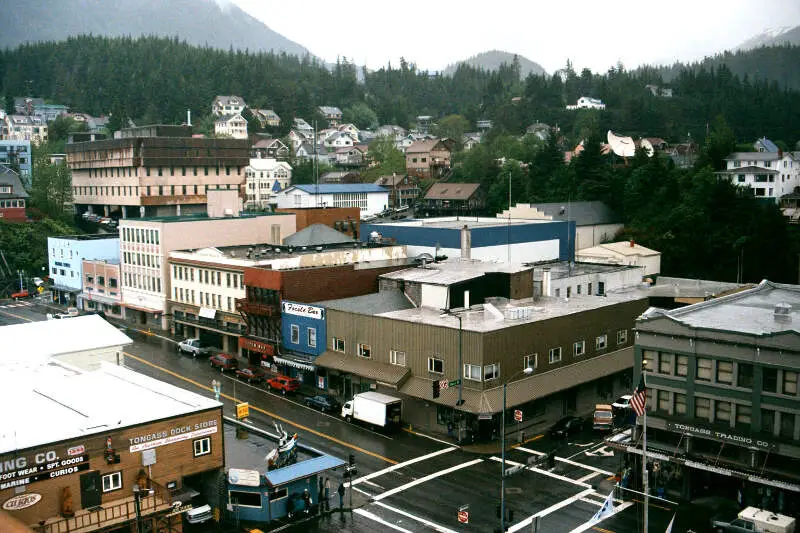
13.9% Asian · #2 most Asian in Alaska
 Located in
Ketchikan Gateway Borough, Alaska
Located in
Ketchikan Gateway Borough, Alaska
Ketchikan is a city in the Ketchikan Gateway Borough, Alaska, United States, the southeasternmost city in Alaska. With a population at the 2010 census of 8,050, it is the fifth-most populous city in the state, and tenth-most populous community when census-designated places are included.
Data | Crime | Cost of living | Movers
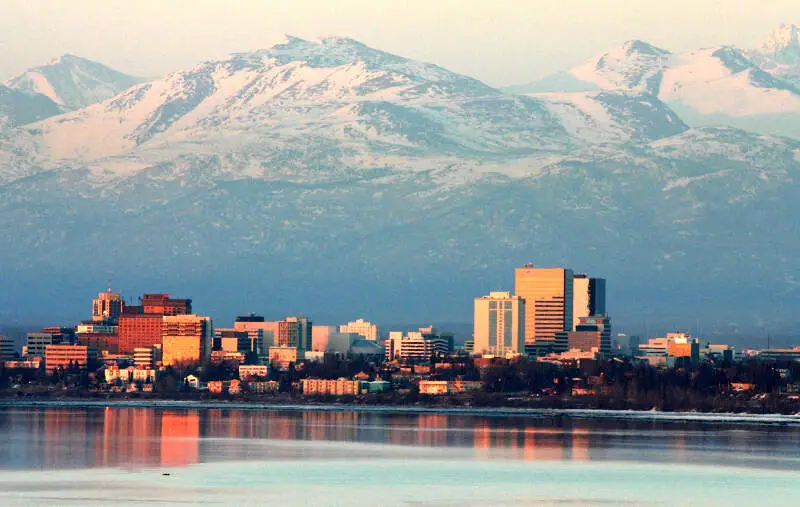
9.8% Asian · #3 most Asian in Alaska
 Located in
Anchorage Municipality, Alaska
Located in
Anchorage Municipality, Alaska
Anchorage is a unified home rule municipality in the U.S. state of Alaska. With an estimated 298,192 residents in 2016, it is Alaska’s most populous city and contains more than 40 percent of the state’s total population; among the 50 states, only New York has a higher percentage of residents who live in its most populous city. All together, the Anchorage metropolitan area, which combines Anchorage with the neighboring Matanuska-Susitna Borough, had a population of 401,635 in 2016, which accounts for more than half of the state’s population.
Data | Crime | Cost of living | Movers | Compare
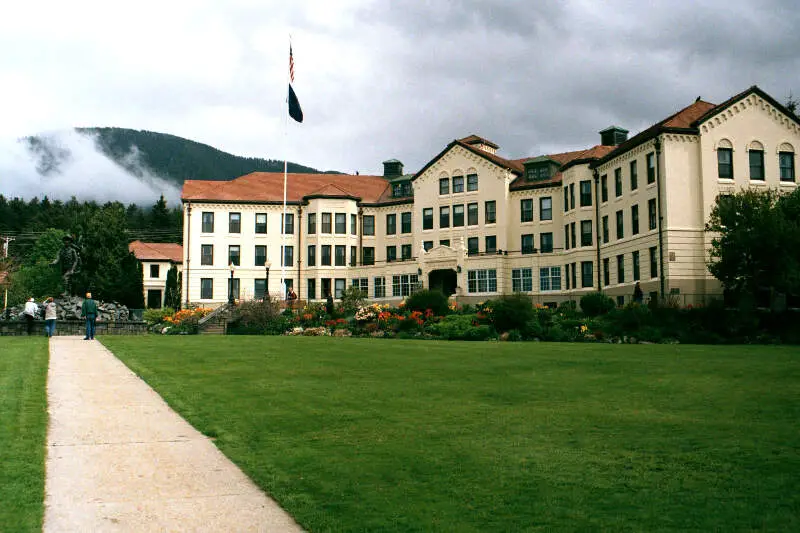
8.3% Asian · #4 most Asian in Alaska
 Located in
Sitka City and Borough, Alaska
Located in
Sitka City and Borough, Alaska
The City and Borough of Sitka, formerly Novo-Arkhangelsk, or New Archangel under Russian rule, is a unified city-borough located on Baranof Island and the southern half of Chichagof Island in the Alexander Archipelago of the Pacific Ocean, in the U.S. state of Alaska. As of the 2010 census, the population was 8,881. In terms of land area, it is the largest city-borough in the U.S., with a land area of 2,870.3 square miles and a total area of 4,811.4 square miles ; however, it is the smallest of Alaska’s boroughs. Urban Sitka, the part that is usually thought of as the “city” of Sitka, is on the west side of Baranof Island.
Data | Crime | Cost of living | Movers
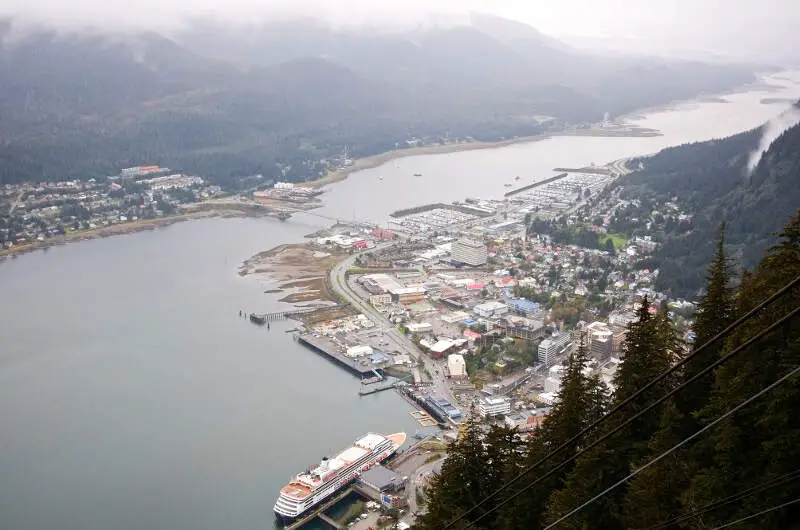
7.2% Asian · #5 most Asian in Alaska
 Located in
Juneau City and Borough, Alaska
Located in
Juneau City and Borough, Alaska
The City and Borough of Juneau, commonly known as Juneau, is the capital city of Alaska. It is a unified municipality located on the Gastineau Channel in the Alaskan panhandle, and it is the second largest city in the United States by area. Juneau has been the capital of Alaska since 1906, when the government of what was then the District of Alaska was moved from Sitka as dictated by the U.S. Congress in 1900. The municipality unified on July 1, 1970, when the city of Juneau merged with the city of Douglas and the surrounding Greater Juneau Borough to form the current municipality, which is larger by area than both Rhode Island and Delaware.
Data | Crime | Cost of living | Movers | Compare
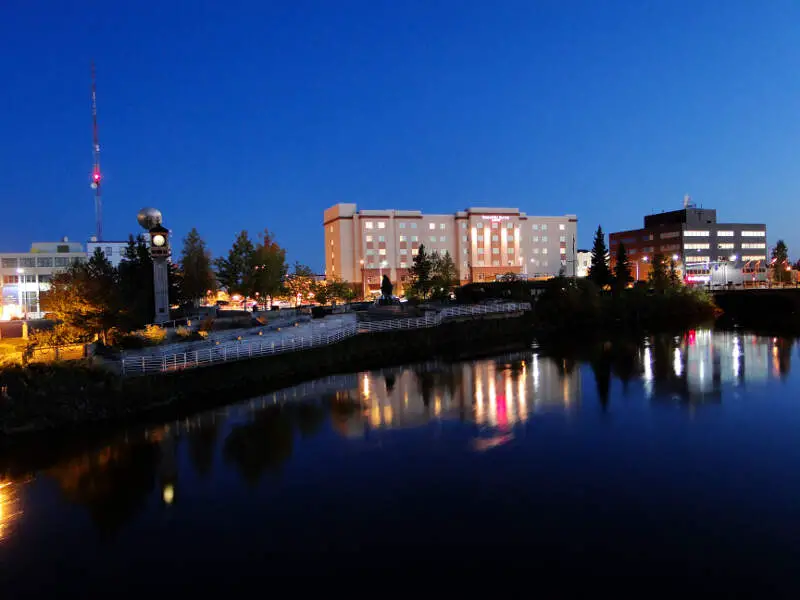
4.2% Asian · #6 most Asian in Alaska
 Located in
Fairbanks North Star Borough, Alaska
Located in
Fairbanks North Star Borough, Alaska
Fairbanks is a home rule city and the borough seat of the Fairbanks North Star Borough in the U.S. state of Alaska.
Data | Crime | Cost of living | Movers | Compare
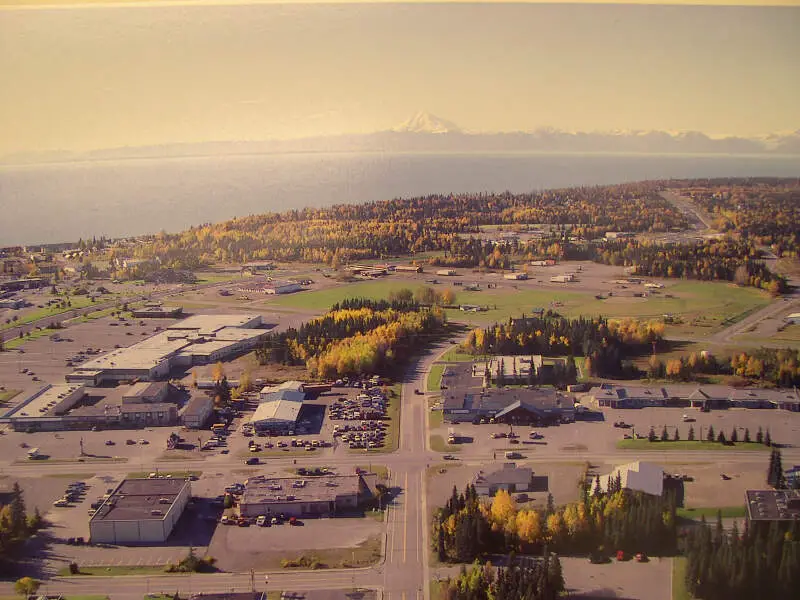
3.4% Asian · #7 most Asian in Alaska
 Located in
Kenai Peninsula Borough, Alaska
Located in
Kenai Peninsula Borough, Alaska
Kenai is a city in the Kenai Peninsula Borough in the U.S. state of Alaska. The population was 7,100 as of the 2010 census.
Data | Crime | Cost of living | Movers
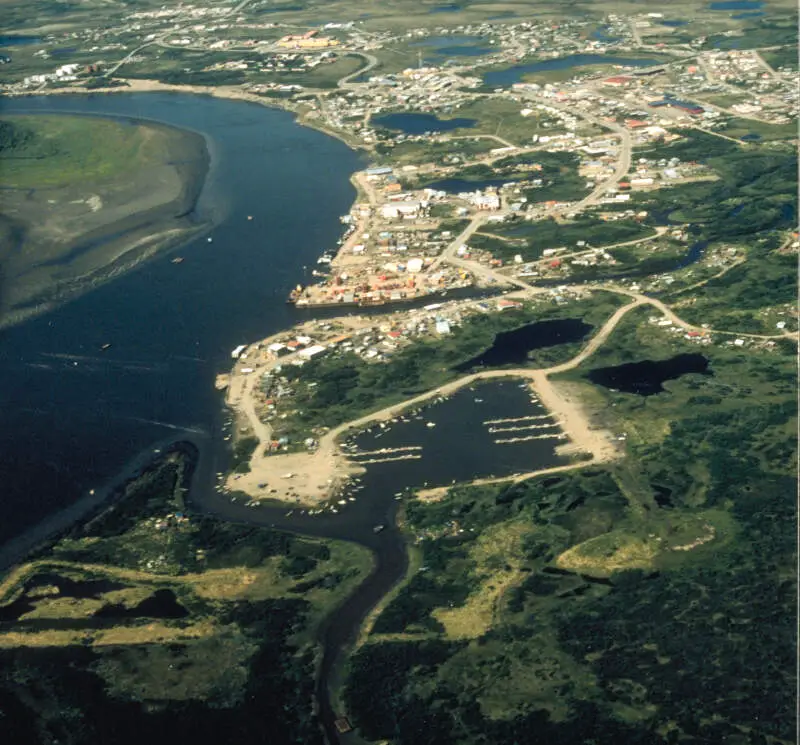
2.8% Asian · #8 most Asian in Alaska
 Located in
Bethel Census Area, Alaska
Located in
Bethel Census Area, Alaska
Bethel is a city located near the west coast of the U.S. state of Alaska, approximately 400 miles west of Anchorage, in the Bethel Census Area. Accessible only by air and river, Bethel is the main port on the Kuskokwim River and is an administrative and transportation hub for the 56 villages in the Yukon-Kuskokwim Delta.
Data | Crime | Cost of living | Movers
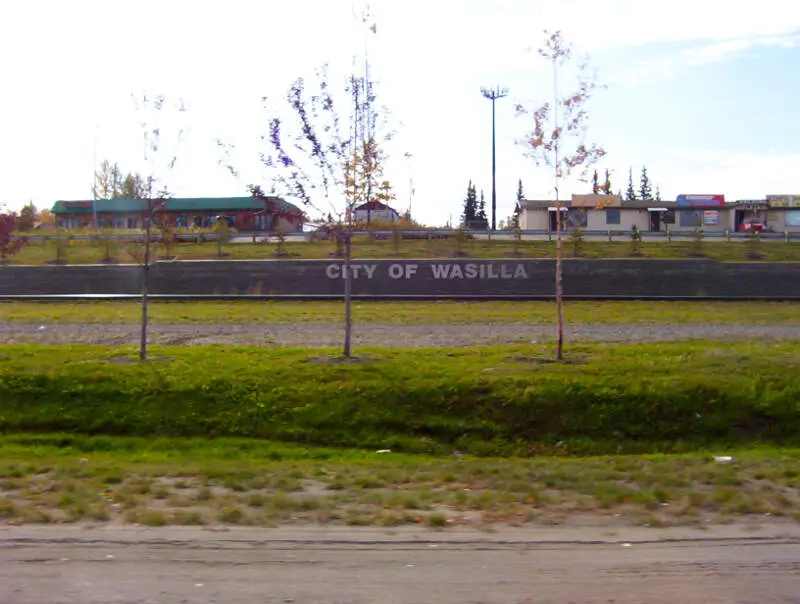
1.9% Asian · #9 most Asian in Alaska
 Located in
Matanuska-Susitna Borough, Alaska
Located in
Matanuska-Susitna Borough, Alaska
Wasilla is a city in Matanuska-Susitna Borough, United States and the sixth-largest city in Alaska. It is located on the northern point of Cook Inlet in the Matanuska-Susitna Valley of the southcentral part of the state. The city’s population was 7,831 at the 2010 census. Estimates in 2013 put the population at roughly 8,621. Wasilla is the largest city in the borough and a part of the Anchorage metropolitan area, which had an estimated population of 396,142 in 2013.
Data | Crime | Cost of living | Movers
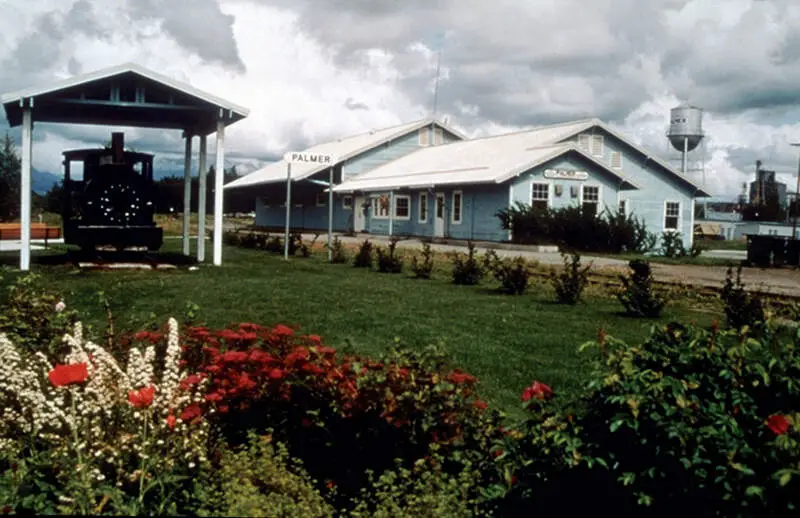
1.6% Asian · #10 most Asian in Alaska
 Located in
Matanuska-Susitna Borough, Alaska
Located in
Matanuska-Susitna Borough, Alaska
Palmer is a city in and the borough seat of the Matanuska-Susitna Borough in the U.S. state of Alaska. It is part of the Anchorage Metropolitan Statistical Area. As of the 2010 census, the population of the city is 5,937.
Data | Crime | Cost of living | Movers
The receipts
Compare the top ten
Pick a metric. The bars rescale. The red line is Alaska’s statewide median.
On the map
Where Alaska’s Asian communities live
Saturday Night Science
Methodology: How We Determined The Cities In Alaska With The Largest Asian Population For 2026
We used Saturday Night Science to compare Census data on race across every place in Alaska.
The Census’s most recently available data comes from the 2020-2024 American Community Survey.
Specifically, we looked at table B03002: Hispanic OR LATINO ORIGIN BY RACE. Here are the category names as defined by the Census:
- Hispanic or Latino
- White alone*
- Black or African American alone*
- American Indian and Alaska Native alone*
- Asian alone*
- Native Hawaiian and Other Pacific Islander alone*
- Some other race alone*
- Two or more races*
Our particular column of interest here was the number of people who identified as Asian alone.
We limited our analysis to cities with a population greater than 5,000 people. That left us with 10 cities.
We then calculated the percentage of residents that are Asian. The percentages ranked from 43.3% to 1.6%.
Finally, we ranked each city based on the percentage of Asian population, with a higher percentage being more Asian. Kodiak took the distinction of being the most Asian, while Palmer was the least Asian city.
We updated this article for 2026. This report reflects our eleventh time ranking the cities in Alaska with the largest Asian population.
The full plate
Cities In Alaska By Asian Population
Click any column to sort. Search by city name.
Source: U.S. Census ACS 2020-2024. 10 cities with more than 5,000 residents.
Summary
Summary: Asian Populations Across Alaska
If you’re looking for a breakdown of Asian populations across Alaska according to the most recent data, this is an accurate list.
The most Asian cities in Alaska are Kodiak, Ketchikan, Anchorage, Sitka, Juneau, Fairbanks, Kenai, Bethel, Wasilla, and Palmer. Not sold on Alaska? Take the two-minute Find Your Place quiz and see which state actually fits you.
Questions and answers
Most Asian Cities In Alaska FAQs
What is the most Asian city in Alaska?
Kodiak is the most Asian city in Alaska for 2026, at 43.3% of residents. Ketchikan and Anchorage are next.
What cities in Alaska have the largest Asian population?
The Alaska cities with the largest Asian population shares are Kodiak, Ketchikan, Anchorage, Sitka, Juneau, Fairbanks, Kenai, Bethel, Wasilla, and Palmer. We ranked all 10 places with more than 5,000 residents.
What percent of Kodiak is Asian?
Asian residents make up 43.3% of Kodiak, the highest share of the 10 Alaska places we measured. The numbers come from the Census Bureau’s American Community Survey.
What is the least Asian city in Alaska?
Palmer is the least Asian city in Alaska, at 1.6%. It sits at the opposite end of the same ranking.
Where does this data come from?
Every share is calculated from the Census Bureau’s American Community Survey (2020-2024), based on residents identifying as Asian alone. We rank each Alaska place with more than 5,000 residents.