
If you were to draw a line down the middle of the contiguous United States, you’d find a surprising difference in the diversity of the populous.
So, we did draw that line, determine the diversity of every state in America, and came out surprised.
The Southern States of the Union are, with some exceptions, a lot more diverse than the Northern States. The single most diverse state? That would be Hawaii, followed in a distant second by California. Using the Herfindahl-Hirschman Index (HHI), a standard measure of inequality, we ranked each state from most diverse to least diverse.
We found it interesting that Texas is such a staunchly Republican state given its level of diversity. Its diversity is a major reason why many pundits believe Texas will soon go blue.
But enough about politics, let’s take a dive into the science behind the maps and graphs.
On the map
The most diverse states in America, mapped
Source: HomeSnacks
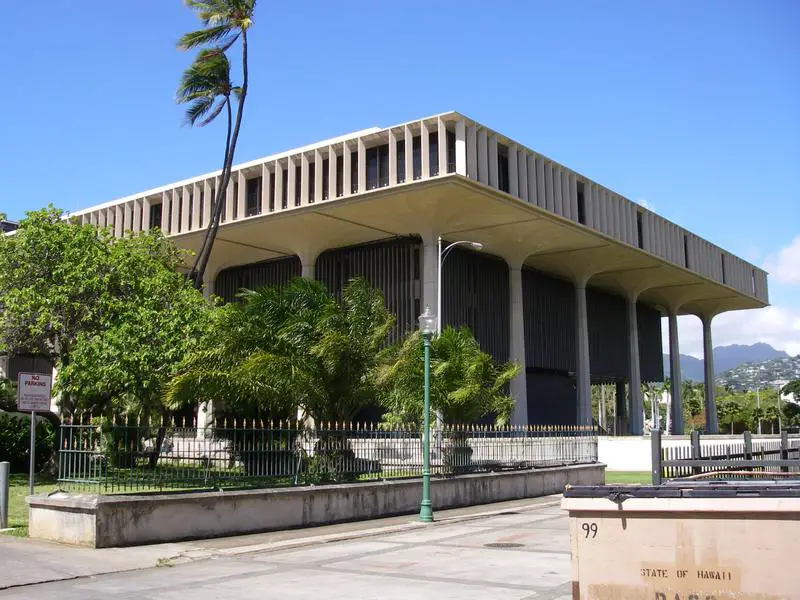
Hawaii takes the diversity cake. Look at these numbers: 36.39% Asian, 24% mixed, 20.92% white, 9.94% Hispanic, 10% Native Hawaiian or Islander and 2% black. There’s also a few Native Americans here too.
Hawaii is interestingly the third most economically diverse state, too – meaning there’s a big gap between the rich and the poor here. And 3% of people in Honolulu are Buddhist. If you’ve ever been to Hawaii, you’d know, this is also a melting pot of cuisine. There’s poke, poi, pineapple, spam musubi, laulau, plate lunch, and of course, shaved ice.
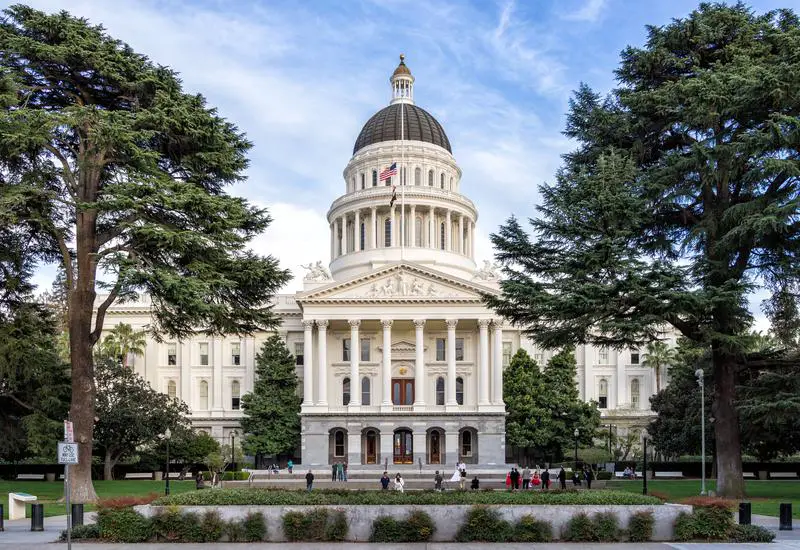
Of course, California is diverse. And at the rate things are currently going, California will be atop this list at some point soon. California is currently 33.77% white, 40.16% Hispanic, 15.29% Asian, and 5.19% African American. When you look at this ethnic mix, you can understand why there are more various languages spoken in California households than any other place in America.
While most people assume California’s diversity stems from a hispanic population boom, in fact, it’s the Asian population that’s stemming a majority of the growth here. As such, California has the nation’s highest Chinese population, too. Overall, as you can imagine, California has the most foriegn born residents. 27% of California’s population was born outside of the US.
In West Virginia, that number is 1%.
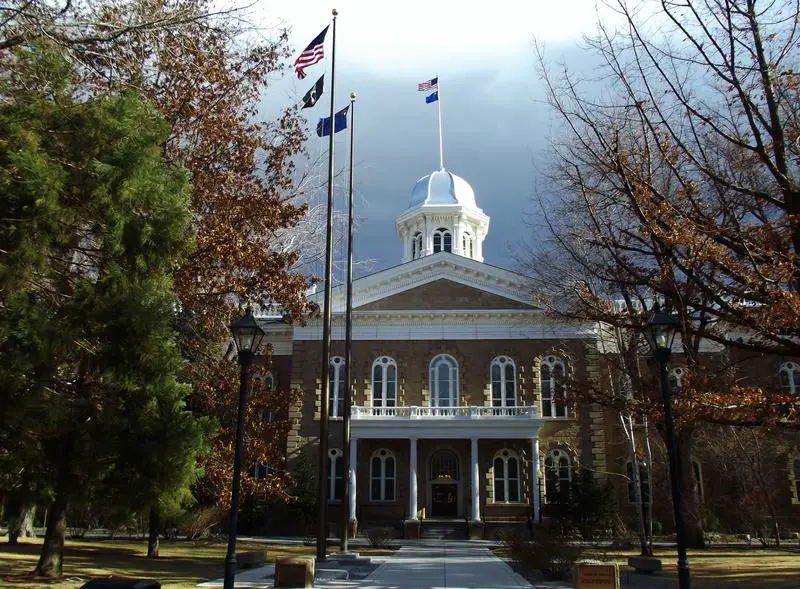
What makes Nevada such a diverse place? It’s less than half white for starters. (Hispanics make up nearly a third of the population, and African American and Asian populations are nearly 10%.)
The Las Vegas metro makes up a quarter of this state’s population. Due to the city’s international flair, it’s a big draw for people from all over the world. It has a large Phillipino population, and 5% of Vegas” population is of mixed descent. We won a little bit of money while we were in Vegas, but we lost it all again. Same as it ever was.
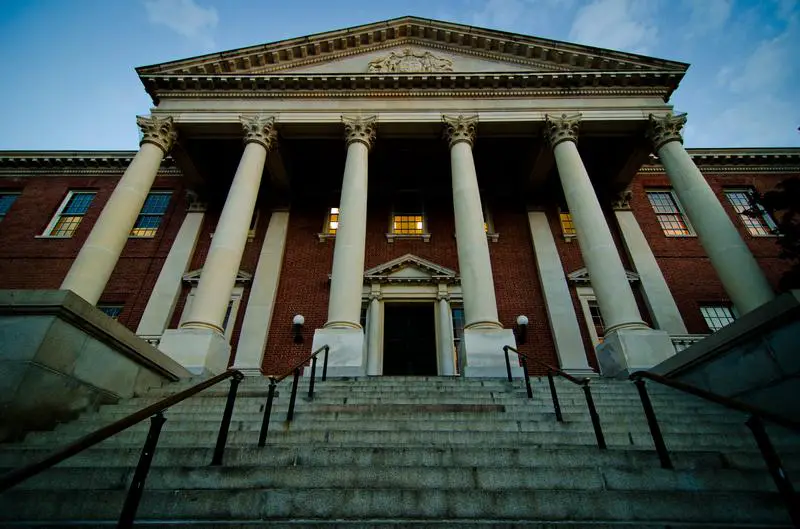
It’s time to take a quick flight to Maryland. Maryland is the second least white state we’ll see, after New Mexico. Here, half the population is white. About a third are African American, ~10% are Hispanic, and ~7% are Asian.
Baltimore is the big reason Maryland has such a high black population. Baltimore is 63% black, which makes it the 5th most african americanest city in the country. Going back to 1940, Baltimore was 80% white. That’s a big change.
Maryland also ranks 4th in terms of income diversity. There’s a lot of really rich and really poor people here.
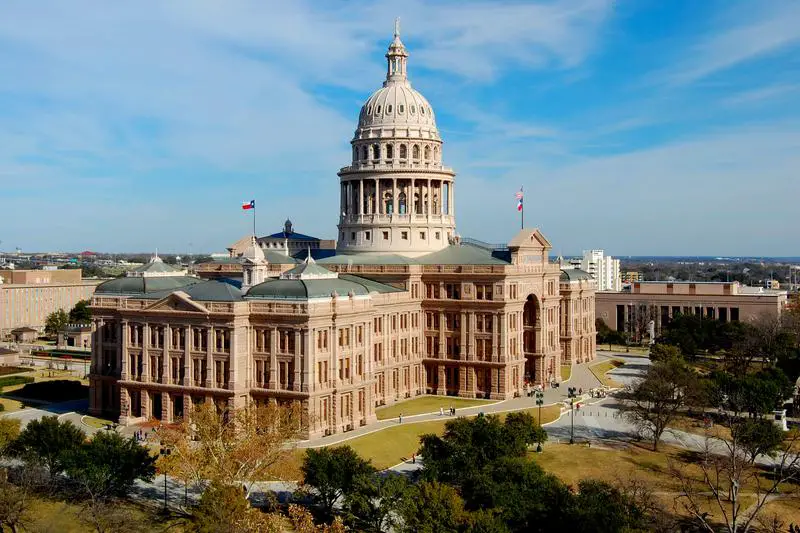
Here in Texas, it’s pretty much a white or Hispanic state. 39.12% are white, 39.72% are Hispanic, and the other 20% pretty much black or Asian). Of course, over time, Texas has become very hispanic. Over the last few years, the white birth rate in Texas has shrunk to 33%, and the hispanic birth rate has risen, and is now 47%. But, across America, the birth rate for Hispanic women has fallen by 31 percent in the last ten years. That’s because now, 2 in 3 Hispanic women were born in the US.
Today’s American-born Hispanic women are less likely to be poor and more likely to be educated than their immigrant mothers and grandmothers, and are more often delaying childbearing so they can finish school and start careers. Hence, in many areas of America, the Hispanic population boom is slowing.
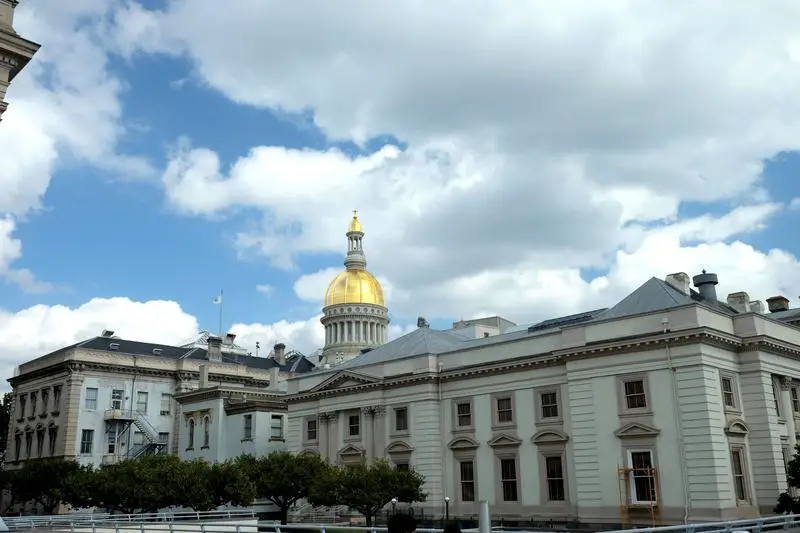
Here in the Garden State, god planted a lot of different seeds. The racial breakdown is as such, which shows there are actually four major races here, since the Asian population stands at 10%.
New Jersey has America’s largest Italian population. There are also a lot of Jews in New Jersey. 6% of Jew Nersians are of the Jewish American population, good for the 3rd highest population in the US
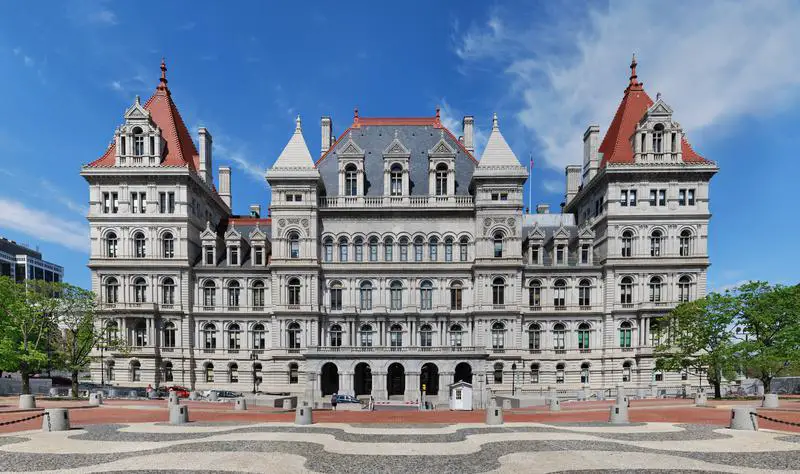
Of course New York is one of the most diverse states. This chart shows just over half of the population is white, and its about 20% Hispanic, 18% black, and nearly 10% Asian. Notice New York is also 2.6% mixed race, which is really high. New York is home to the nation’s largest Dominican population, too.
But New York City alone is what really makes this state so diverse in many ways. Within New York City there are more racial, ethnic and cultural differences than anywhere else in the US. Another interesting fact: 10% of New York City are either Muslims, Hindus, Buddhists or Jewish.
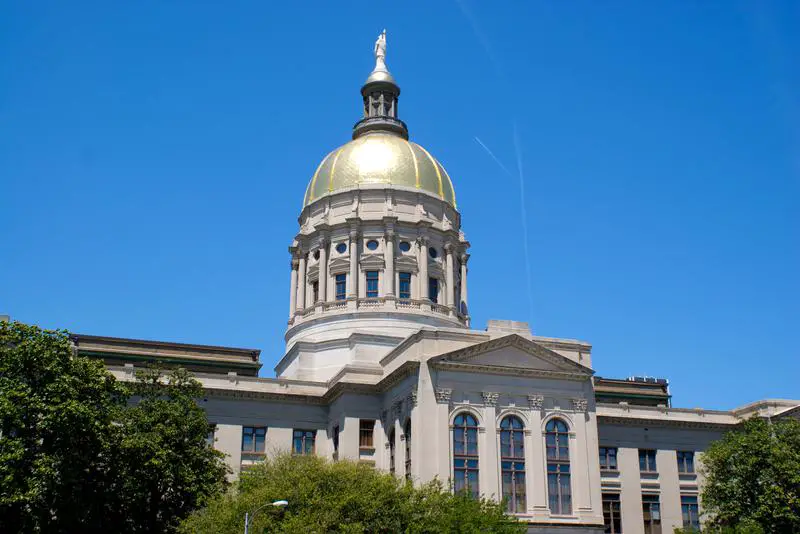
As we come in for a landing, we realize where we are, and this is quite a surprise. We’re in Georgia. But when you look at the numbers, it makes sense. Here’s why: In the United States, the racial makeup is as follows: 60% white alone, 18% hispanic, 13% black, 6% asian, and 1% native american. And some other smaller races.
In Georgia, the racial composition is quite different. Here, the African American population is very high – at 30.73%. The White population here is 49.12% and hispanics make up almost 11.01%.
Now, let’s compare that to our least diverse state in America, Maine, where it’s over 90% white. A real big difference.
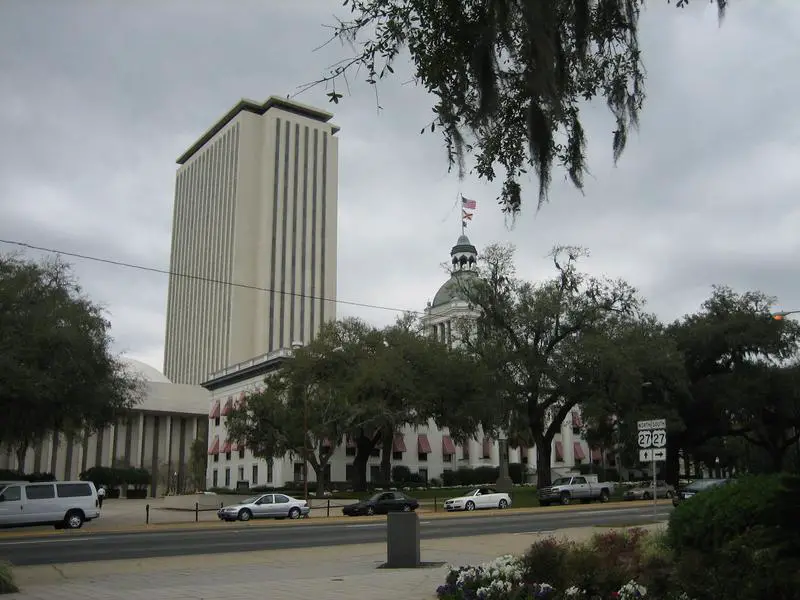
Next we pull into Miami International Airport, and Florida, our ninth most diverse state in the union.
In Georgia, it’sthe black population that made it diverse, in Florida, it’s the hispanic and latino population which makes it so varied here. Florida is 50.42% white, 27.42% hispanic and 14.63% African American. That’s a racial stew. Plus, Florida has the nation’s largest Cuban population, which make up 7% of the state’s total population. That’s a lot.
Because of Florida’s high elderly population, it ranks first in the US for generational diversity – meaning the gap between the young and old is the biggest in Florida. That makes for some interesting conversations, I’m sure.
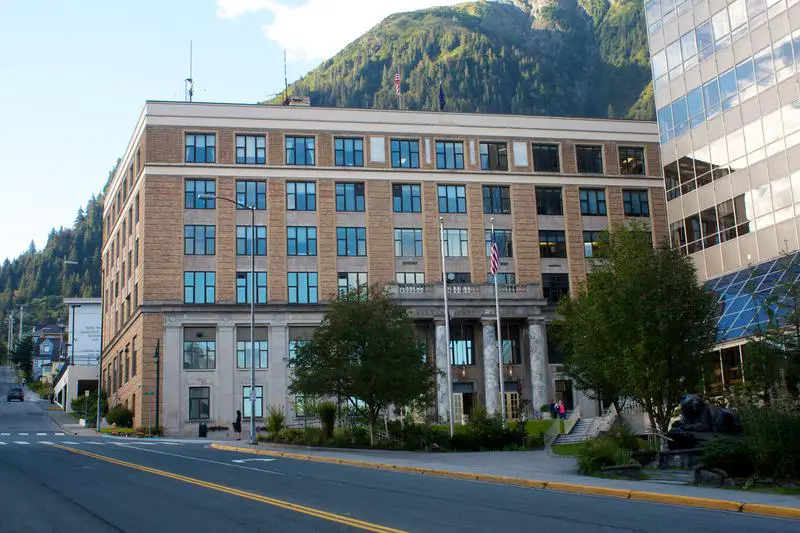
Alaska is the tenth most diverse state for 2026, and it gets there in a way no other state can match. The white population sits at 57.71%, lower than most people guess, but the real story is who fills the rest. Alaska Natives make up a larger share here than in any other state, and that one fact reshapes the whole picture.
The other groups round it out, with Asian residents at 6.35%, Hispanic residents at 7.31%, and an African American population of 2.88%. It is a different mix than you find in California or Texas. You feel it most in the small villages around Denali, where the cultures predate the state by a few thousand years.
The verdict
So what’s the most diverse state in America for 2026?
What’s the most diverse state in America for 2026? It turns out Hawaii is the most diverse state in the country. Hawaii took the distinction of being the most diverse, while Vermont was the least diverse state in America.
Read below to see how we crunched the numbers and how your state ranked. Or check out more on the most diverse cities in America.
Saturday Night Science
How We Determined The Most Diverse States In The United States For 2026?
We decided to look at racial diversity across America using Saturday Night Science and the most recently available Census data — the 2020-2024 American Community Survey data from the US Census. Specifically, we looked at table B03002: HISPANIC OR LATINO ORIGIN BY RACE. Here are the actual categories as defined by the Census:
We then calculated the HHI for each state by taking the percent of each of the above for the state, squaring them, and then adding it together. This left us with scores ranging from 2,395 (Hawaii) to 8,118 (Vermont).
- White alone*
- Black or African American alone*
- American Indian and Alaska Native alone*
- Asian alone*
- Native Hawaiian and Other Pacific Islander alone*
- Some other race alone*
- Two or more races*
- Hispanic or Latino
Finally, we ranked each state based on the HHI with a lower score being more diverse than a high score. Hawaii took the distinction of being the most diverse, while Vermont was the least diverse state in America.
We updated this report for 2026. This report is our eleventh time ranking the most diverse states in the United States.
The full plate
All 50 states, ranked by diversity
Click any column to sort. Search by state name.
| Rank | State | HHI | Population | % White | % Black | % Hispanic | % Asian |
|---|---|---|---|---|---|---|---|
| 1 | Hawaii | 2,395 | 1,445,235 | 20.9% | 1.8% | 9.9% | 36.4% |
| 2 | California | 3,034 | 39,287,377 | 33.8% | 5.2% | 40.2% | 15.3% |
| 3 | Nevada | 3,078 | 3,184,612 | 44.8% | 9.0% | 29.6% | 8.8% |
| 4 | Maryland | 3,229 | 6,206,011 | 46.6% | 28.9% | 12.5% | 6.5% |
| 5 | Texas | 3,290 | 30,188,424 | 39.1% | 11.9% | 39.7% | 5.5% |
| 6 | New Jersey | 3,362 | 9,343,809 | 50.9% | 12.2% | 22.5% | 10.1% |
| 7 | New York | 3,453 | 19,852,366 | 52.8% | 13.4% | 19.8% | 9.0% |
| 8 | Georgia | 3,514 | 10,940,407 | 49.1% | 30.7% | 11.0% | 4.5% |
| 9 | Florida | 3,531 | 22,416,077 | 50.4% | 14.6% | 27.4% | 2.9% |
| 10 | Alaska | 3,715 | 735,706 | 57.7% | 2.9% | 7.3% | 6.3% |
| 11 | New Mexico | 3,726 | 2,120,246 | 36.0% | 1.8% | 48.4% | 1.6% |
| 12 | Arizona | 3,809 | 7,378,838 | 52.6% | 4.4% | 31.4% | 3.5% |
| 13 | Virginia | 3,930 | 8,705,170 | 58.4% | 18.3% | 11.0% | 6.9% |
| 14 | Illinois | 3,949 | 12,694,798 | 58.1% | 13.3% | 18.8% | 5.9% |
| 15 | Delaware | 3,996 | 1,021,191 | 58.1% | 21.4% | 11.1% | 4.3% |
| 16 | Louisiana | 4,109 | 4,611,961 | 55.7% | 30.5% | 7.2% | 1.7% |
| 17 | North Carolina | 4,157 | 10,730,404 | 60.0% | 20.0% | 11.3% | 3.3% |
| 18 | Oklahoma | 4,195 | 4,028,634 | 62.1% | 6.8% | 12.7% | 2.4% |
| 19 | Connecticut | 4,301 | 3,624,508 | 61.9% | 9.8% | 18.3% | 4.8% |
| 20 | Washington | 4,351 | 7,816,116 | 63.1% | 3.9% | 14.4% | 9.7% |
| 21 | Mississippi | 4,390 | 2,946,779 | 55.2% | 36.3% | 3.7% | 1.0% |
| 22 | South Carolina | 4,507 | 5,296,225 | 61.9% | 24.6% | 7.4% | 1.8% |
| 23 | Alabama | 4,720 | 5,086,768 | 63.4% | 25.6% | 5.6% | 1.4% |
| 24 | Massachusetts | 4,734 | 7,044,056 | 66.6% | 6.4% | 13.3% | 7.2% |
| 25 | Colorado | 4,752 | 5,862,189 | 64.8% | 3.8% | 22.5% | 3.2% |
| 26 | Arkansas | 4,880 | 3,049,391 | 67.4% | 14.7% | 9.0% | 1.6% |
| 27 | Rhode Island | 5,000 | 1,101,801 | 68.0% | 4.9% | 17.7% | 3.5% |
| 28 | Tennessee | 5,355 | 7,066,383 | 71.0% | 15.4% | 7.4% | 1.9% |
| 29 | Oregon | 5,370 | 4,254,293 | 71.4% | 1.8% | 14.7% | 4.4% |
| 30 | Michigan | 5,473 | 10,077,761 | 72.3% | 13.1% | 5.9% | 3.4% |
| 31 | Kansas | 5,531 | 2,947,197 | 72.7% | 5.2% | 13.6% | 2.9% |
| 32 | Pennsylvania | 5,540 | 13,018,639 | 73.0% | 10.3% | 8.7% | 3.8% |
| 33 | Indiana | 5,860 | 6,851,073 | 75.4% | 9.1% | 8.6% | 2.6% |
| 34 | Utah | 5,861 | 3,392,331 | 74.7% | 1.1% | 15.9% | 2.4% |
| 35 | Nebraska | 5,875 | 1,978,707 | 75.3% | 4.6% | 12.7% | 2.6% |
| 36 | Minnesota | 5,894 | 5,739,445 | 75.9% | 7.0% | 6.4% | 5.1% |
| 37 | Ohio | 5,943 | 11,810,293 | 75.8% | 12.0% | 4.8% | 2.5% |
| 38 | Missouri | 5,993 | 6,191,814 | 76.3% | 10.9% | 5.2% | 2.1% |
| 39 | Wisconsin | 6,293 | 5,914,872 | 78.6% | 6.0% | 8.0% | 2.9% |
| 40 | Idaho | 6,378 | 1,934,262 | 78.5% | 0.7% | 13.7% | 1.3% |
| 41 | South Dakota | 6,461 | 907,428 | 79.8% | 2.1% | 4.8% | 1.4% |
| 42 | Kentucky | 6,750 | 4,534,824 | 81.5% | 7.5% | 5.0% | 1.6% |
| 43 | North Dakota | 6,750 | 784,841 | 81.7% | 3.3% | 4.7% | 1.6% |
| 44 | Wyoming | 6,752 | 582,397 | 81.3% | 0.8% | 10.7% | 0.8% |
| 45 | Iowa | 6,861 | 3,210,507 | 82.3% | 3.8% | 7.3% | 2.5% |
| 46 | Montana | 7,060 | 1,116,875 | 83.6% | 0.4% | 4.6% | 0.8% |
| 47 | New Hampshire | 7,601 | 1,394,868 | 86.9% | 1.3% | 4.7% | 2.6% |
| 48 | West Virginia | 8,073 | 1,778,373 | 89.7% | 3.1% | 2.1% | 0.8% |
| 49 | Maine | 8,112 | 1,387,817 | 89.9% | 1.8% | 2.2% | 1.1% |
| 50 | Vermont | 8,118 | 647,106 | 89.9% | 1.1% | 2.6% | 1.8% |
Source: U.S. Census ACS 2020-2024.
Summary: The Most Diverse States For 2026
After measuring the HHI of every state, these states came out on top with Hawaii as being the state that is the most diverse.
The most diverse states in the United States are Hawaii, California, Nevada, Maryland, Texas, New Jersey, New York, Georgia, Florida, and Alaska.
The least diverse states in the United States are Vermont, Maine, West Virginia, New Hampshire, Montana, Iowa, Wyoming, North Dakota, Kentucky, and South Dakota.
Questions and answers
Most Diverse States FAQs
What is the most diverse state in America?
Hawaii is the most diverse state in America for 2026, with the lowest diversity index (HHI) of 2,395. California and Nevada are next.
What are the top 10 most diverse states?
The most diverse states in America are Hawaii, California, Nevada, Maryland, Texas, New Jersey, New York, Georgia, Florida, and Alaska. We ranked all 50 states by racial-diversity HHI, where a lower score means more diverse.
How do you measure diversity?
We compute a Herfindahl-Hirschman Index (HHI) across each state’s White, Black, Hispanic, and Asian population shares from the Census American Community Survey. A lower score means the mix is more even.
What is the least diverse state?
Vermont is the least diverse state in America, with an HHI of 8,118. That means one group makes up most of its population.
Where does the data come from?
All population shares come from the Census Bureau’s American Community Survey. Scores range from 2,395 in Hawaii to 8,118 in Vermont across the 50 states.