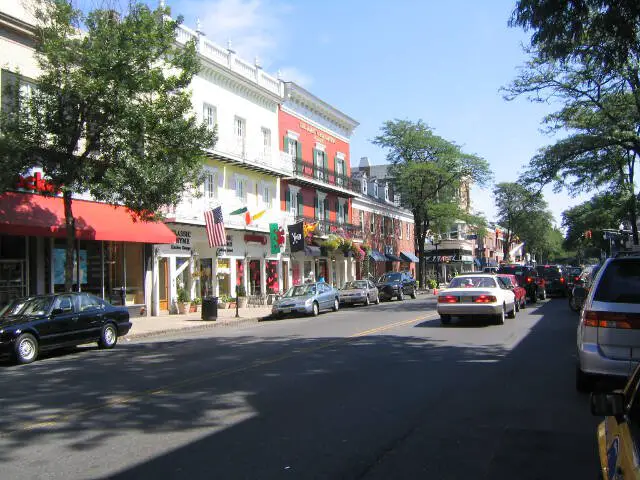
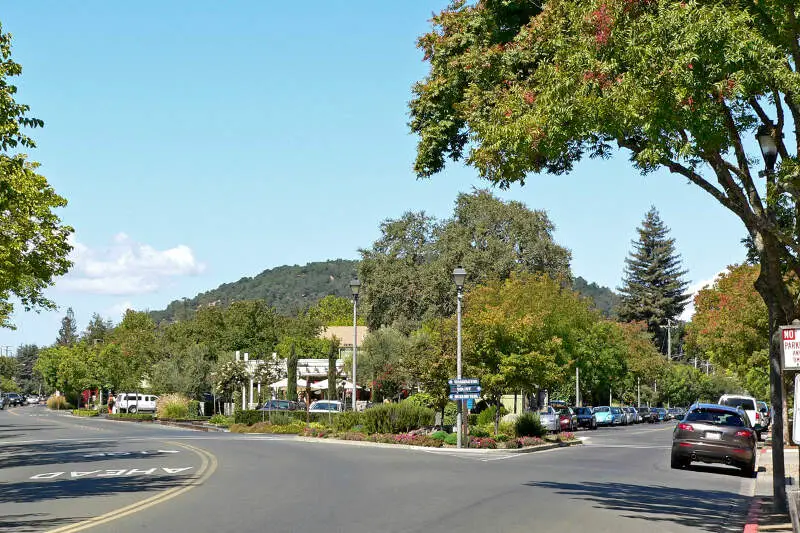
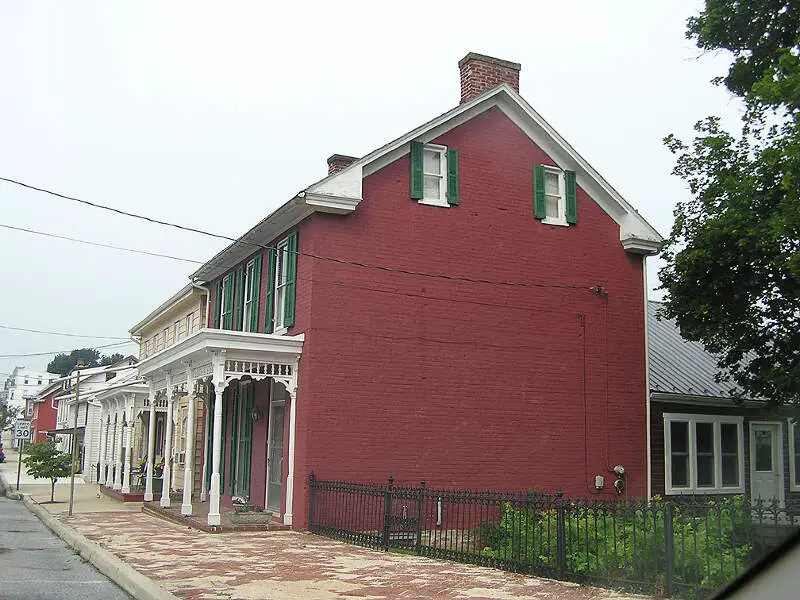
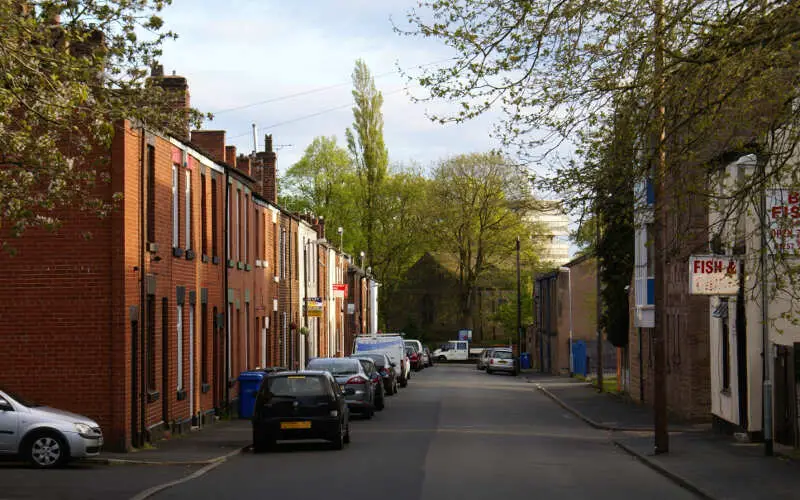
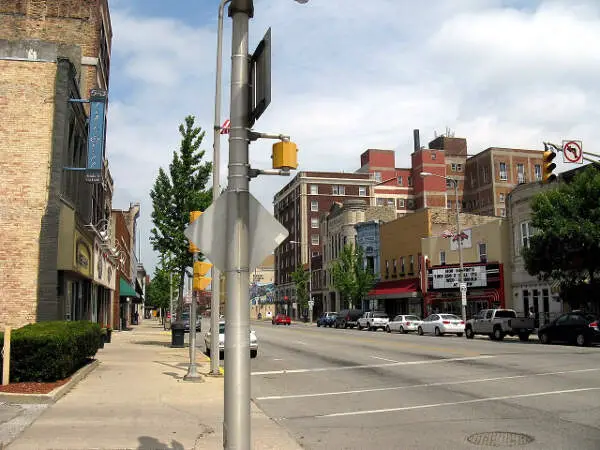
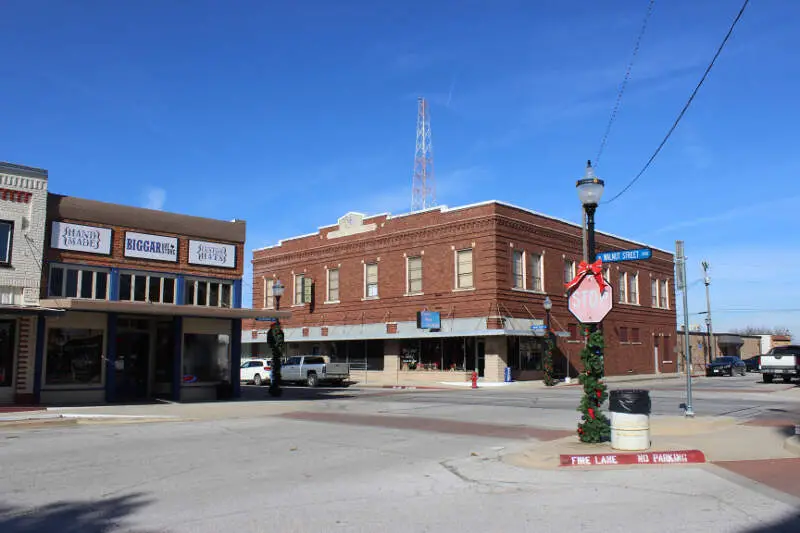
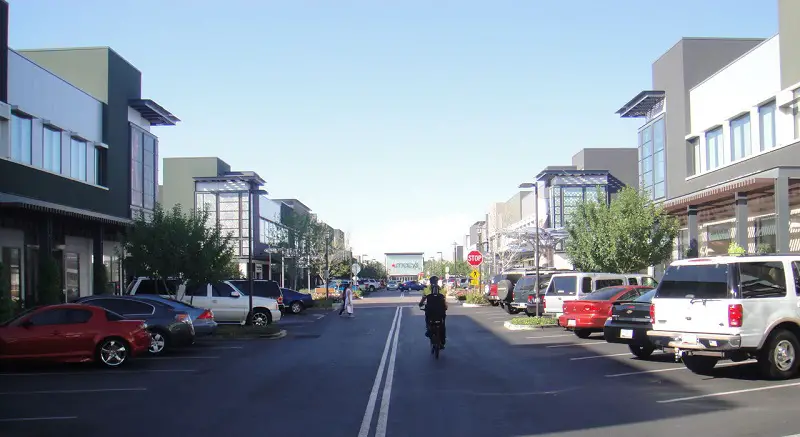
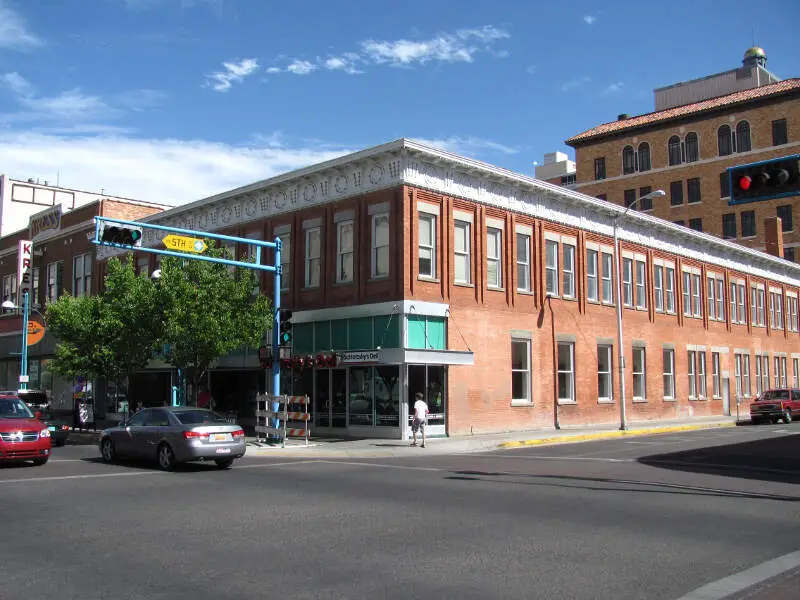
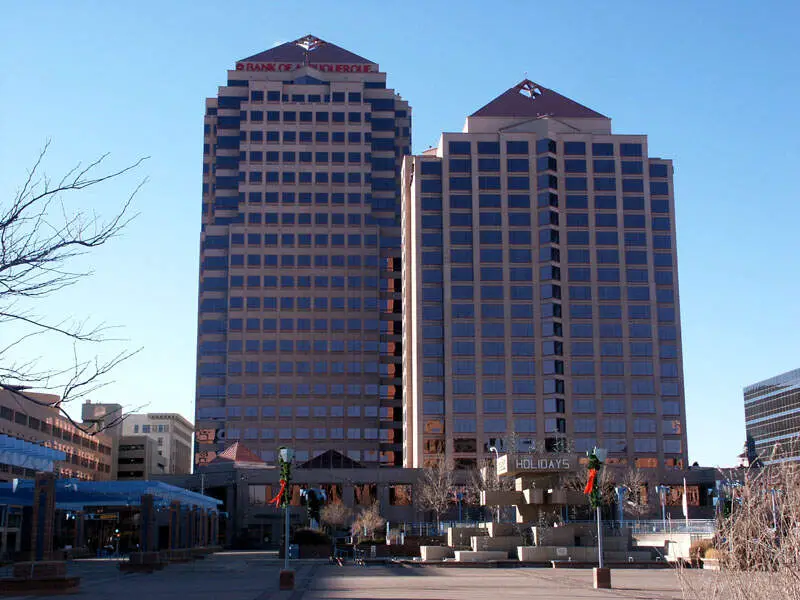
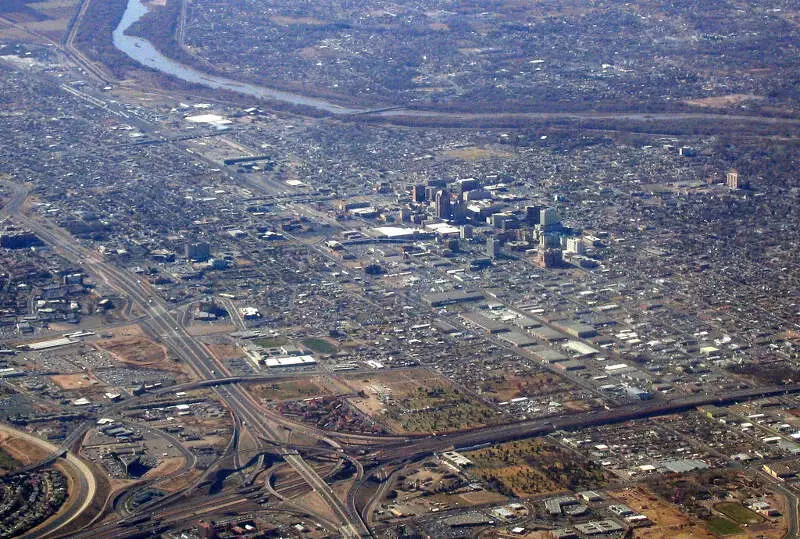
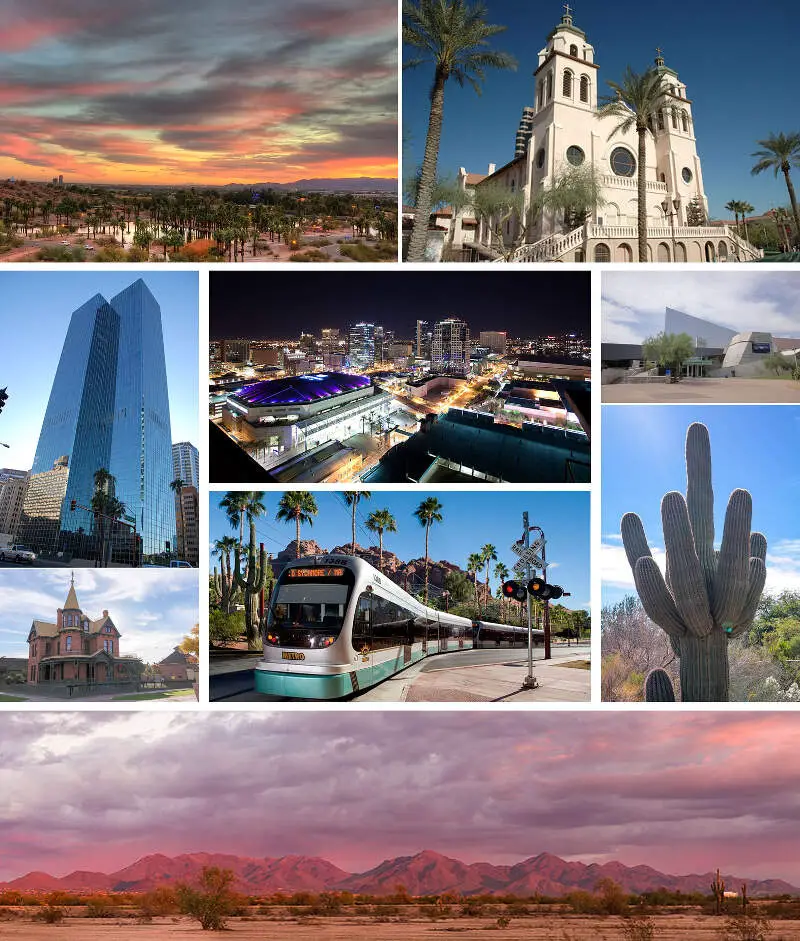
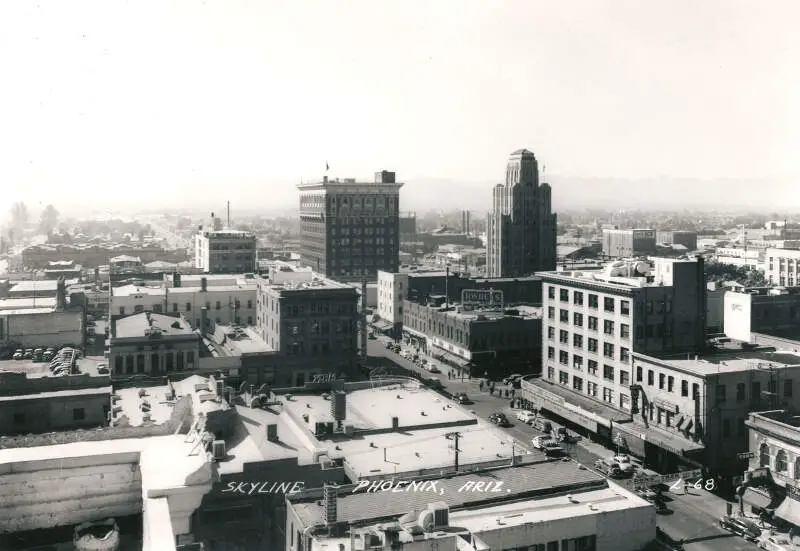
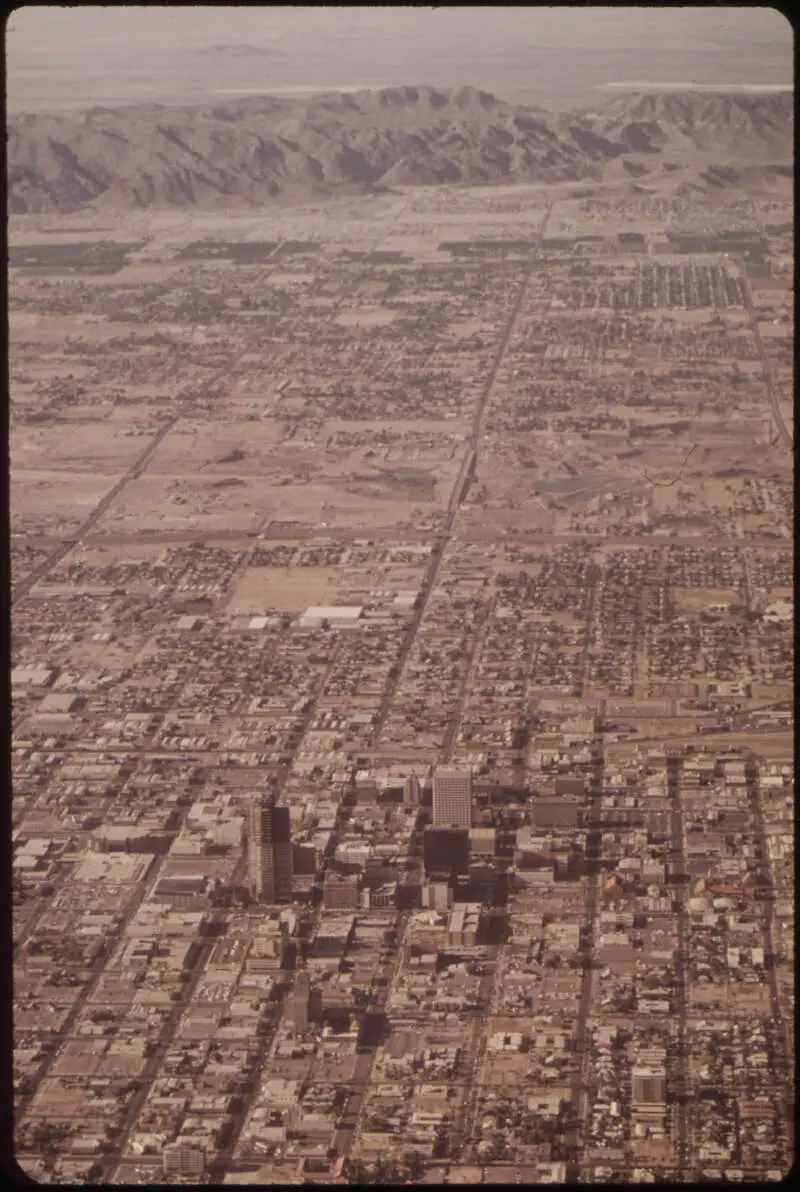
Albuquerque vs. Phoenix in photos
A side-by-side look at each city.
Cost of living
Albuquerque is the cheaper city overall — 8% higher in Phoenix than its rival. Index baseline: 100 = national average.
| Living expense | Albuquerque | Phoenix | US average |
|---|---|---|---|
| Overall | 102 | 111 | 100 |
| Services | 97 | 105 | 100 |
| Groceries | 97 | 104 | 100 |
| Health | 110 | 133 | 100 |
| Housing | 97 | 106 | 100 |
| Transportation | 94 | 112 | 100 |
| Utilities | 97 | 103 | 100 |
Lower index = cheaper. 100 = U.S. national average. Bar inside each cell scales relative to the highest value in the table.
Sources: HomeSnacks Cost of Living indices, normalized so 100 = U.S. national average. Drill in: Albuquerque cost of living, Phoenix cost of living, or the cheapest cities in America.
Housing breakdown
Home prices are higher in Phoenix. Compare absolute price and price-to-income — a $500k home in a $100k-income city is very different from one in a $50k-income city.
| Metric | Albuquerque | Phoenix | United States |
|---|---|---|---|
| Median Home Value | $344,457 | $410,168 | $332,700 |
| Median Rent | $1,145 | $1,582 | $1,413 |
| Median Income | $68,317 | $81,332 | $80,734 |
| Home Value To Income | 5.0x | 5.0x | 4.1x |
| Rent To Monthly Income | 0.2x | 0.23x | 0.21x |
Source: U.S. Census Bureau ACS 2020-2024. See also states with the highest rent in America.
Crime
Phoenix is the safer city — total crime rate of 3,125 per 100k people vs 5,811 for Albuquerque. US average: 2,119.
| Crime (per 100k) | Albuquerque | Phoenix | US average |
|---|---|---|---|
| Total crime | 5,811 | 3,125 | 2,119 |
| Murder | 18 | 8 | 5 |
| Robbery | 159 | 182 | 61 |
| Aggravated Assault | 942 | 545 | 256 |
| Violent Crime | 1,182 | 800 | 359 |
| Burglary | 772 | 317 | 229 |
| Larceny | 2,839 | 1,582 | 1,272 |
| Car Theft | 1,017 | 426 | 259 |
| Property Crime | 4,629 | 2,325 | 1,760 |
Lower = safer. Bar inside each cell scales relative to the highest crime rate in the table.
Source: FBI Uniform Crime Reporting (2024). All rates are per 100,000 people. City pages: Albuquerque crime, Phoenix crime. See also: safest cities in America.
Diversity
Phoenix is more racially diverse — lower HHI (closer to 0) means a more even mix across groups.
| Group | Albuquerque | Phoenix | United States |
|---|---|---|---|
| White | 37.5% | 40.6% | 57.4% |
| African American | 2.9% | 7.4% | 11.9% |
| American Indian | 3.9% | 1.4% | 0.5% |
| Asian | 3.2% | 4.0% | 5.9% |
| Hawaiian | 0.1% | 0.2% | 0.2% |
| Other | 0.7% | 0.4% | 0.6% |
| Two Or More | 3.9% | 4.0% | 4.3% |
| Hispanic | 47.7% | 42.0% | 19.3% |
Source: U.S. Census ACS 2020-2024. Lower HHI = more even racial mix. See also: most diverse cities in America.
SnackAbility — overall quality of life
Albuquerque and Phoenix tied at 6/10.
Scores are 0–10; both bars share the same scale.
SnackAbility is a HomeSnacks proprietary 1–10 score blending jobs, housing, education, commute, amenities, affordability, crime, and diversity. Median U.S. city ≈ 7. Data: Census, BLS, FBI. See also: best places to live in America.
Getting around: Albuquerque vs. Phoenix
How each city handles commuting, transit, walkability, and car culture — the day-to-day reality that shapes where you'd actually want to live.
Both Albuquerque and Phoenix run on cars, so expect the freeway to be your main route in either city. Albuquerque's grid centers on the I-25/I-40 "Big I" interchange, and while ABQ Ride buses cover the metro, the Sun Link streetcar serves only a short Central Avenue corridor. Cross-town drives are rarely brutal, and parking is cheap and plentiful compared to bigger metros.
Phoenix operates at a different scale entirely. Valley Metro Rail runs about 28 miles through downtown Phoenix, Tempe, and Mesa, which makes it genuinely useful if you live and work near the line. The Loop 101, 202, and I-10 still dominate daily life, and sprawl across Scottsdale, Chandler, and Gilbert means many commuters log real miles.
If getting around without a car matters to you, Phoenix has the better transit setup. Neither city will let you ditch the keys entirely.
Jobs and careers in Albuquerque vs. Phoenix
The local job market, dominant industries, and which city to choose based on your career.
Albuquerque's economy leans heavily on federal spending and research. Kirtland Air Force Base and Sandia National Laboratories together employ tens of thousands of scientists, engineers, and contractors. The University of New Mexico anchors healthcare and education hiring through Presbyterian and UNM Health, and Intel runs a large fabrication plant in nearby Rio Rancho.
The trade-off is a narrower private-sector base, reflected in a median household income of $68,317.
Phoenix is a larger and more diversified job market, with a median household income of $81,332. Banner Health, American Express, and Charles Schwab all have major operations here, and the metro has pulled in substantial semiconductor investment: TSMC's fabrication campus in north Phoenix ranks among the biggest U.S. manufacturing commitments in recent memory. The tech and finance sectors have matured enough that Phoenix now competes for talent with Dallas and Denver.
If career ceiling and industry variety are priorities, Phoenix offers more room to grow.
Weather and climate
What to expect day-to-day — sun, fog, heat, rain, and the seasonal extremes that shape the lifestyle.
Albuquerque sits at roughly 5,300 feet in the high desert, and the elevation makes a real difference. Summers are warm, but afternoons top out in the low 90s rather than triple digits, and nights stay cool even in July. A monsoon season moves through from mid-July into September, bringing afternoon thunderstorms and a brief green-up.
Winters are mild by mountain standards, with light snow that typically melts within a day or two.
Phoenix trades elevation for intensity. Summer highs regularly exceed 110°F from June through August, and overnight lows stay above 90°F during heat waves. If you work outdoors or exercise outside, the Phoenix summer will push you to early mornings or evenings only.
Winters are a different story: December through February brings sunny days in the mid-60s to low 70s, and Phoenix is genuinely one of the best cold-season climates in the country. Albuquerque's year-round balance is easier to live with daily; Phoenix winters are hard to beat.
Culture, nightlife, and entertainment
Food, music, neighborhoods, and the city vibe that gives each place its personality.
Albuquerque's cultural identity runs deep. Old Town preserves Spanish colonial architecture dating to 1706, the Indian Pueblo Cultural Center is one of the better indigenous history museums in the Southwest, and the International Balloon Fiesta each October draws more than 500 balloons to the Río Grande bosque. Nob Hill along Central Avenue has the city's most walkable stretch of independent restaurants, bars, and record shops.
Green chile shows up on everything, and the local food scene, from red-or-green enchiladas to green chile cheeseburgers, is genuinely its own thing.
Phoenix has the scale to support major cultural institutions and a real nightlife scene. The Roosevelt Row arts district anchors downtown's creative side, Scottsdale's Old Town has upscale dining and a dense bar strip, and Tempe's Mill Avenue stays lively thanks to Arizona State University. Sports fans get four major professional franchises: the Suns, Diamondbacks, Cardinals, and a recently arrived NHL club.
Phoenix's scene is broader and busier; Albuquerque's is smaller but more locally rooted.
Outdoor activities and day trips
Parks, beaches, hikes, and the weekend escapes that define life outside the city limits.
Albuquerque's backyard is genuinely dramatic. The Sandia Mountains rise nearly a vertical mile above the city, and the Sandia Peak Tramway takes you to 10,378 feet in under 15 minutes: ski in winter, hike and mountain bike in summer. The Paseo del Bosque Trail runs 16 paved miles along the Río Grande through cottonwood forest, and Petroglyph National Monument preserves thousands of volcanic rock carvings on the city's west mesa.
Day trips reach Valles Caldera, White Sands, and Taos without much trouble.
Phoenix has plenty of desert terrain. Camelback Mountain and South Mountain Park sit inside city limits and get heavy trail traffic, and the McDowell Sonoran Preserve in Scottsdale adds another 30,000 acres of Sonoran Desert hiking. Sedona is about two hours north and makes an easy weekend escape; the Grand Canyon South Rim is roughly four hours away.
The main caveat is summer: trail use essentially shuts down from late May through September before dawn. Albuquerque's elevation keeps outdoor activities accessible year-round, which gives it a real edge for hikers and cyclists who don't want to rearrange their lives around heat.
Bottom line: which city is right for you?
Based on the head-to-head data above, here's the short version — pick the city that lines up with what you actually care about.
Choose Albuquerque if you prioritize…
- a lower cost of living (cheaper groceries, services, and day-to-day expenses).
Choose Phoenix if you prioritize…
- lower crime — a safer place to live, work, and raise a family.
- more affordable housing relative to Albuquerque.
- a more racially diverse community (lower HHI on Census data).
Methodology: winners are picked from public data — U.S. Census Bureau ACS (income, home value, rent, race/HHI), FBI Uniform Crime Reporting (crime rates per 100k), and HomeSnacks' proprietary SnackAbility quality-of-life score, which blends Bureau of Labor Statistics data with the above.
Other comparisons
Still weighing your options? See how these two cities stack up against other places we've compared head-to-head.