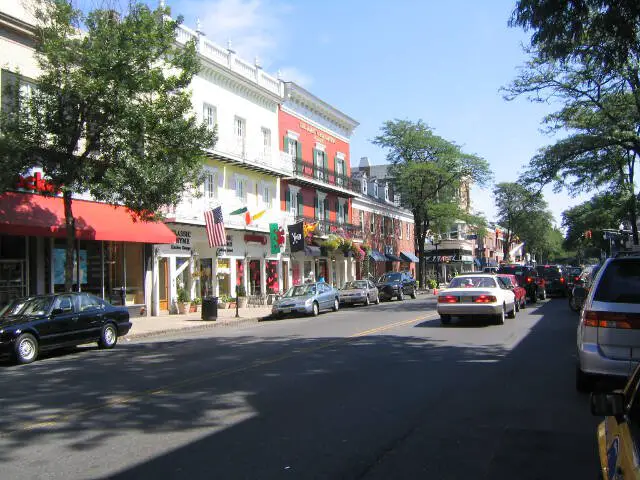
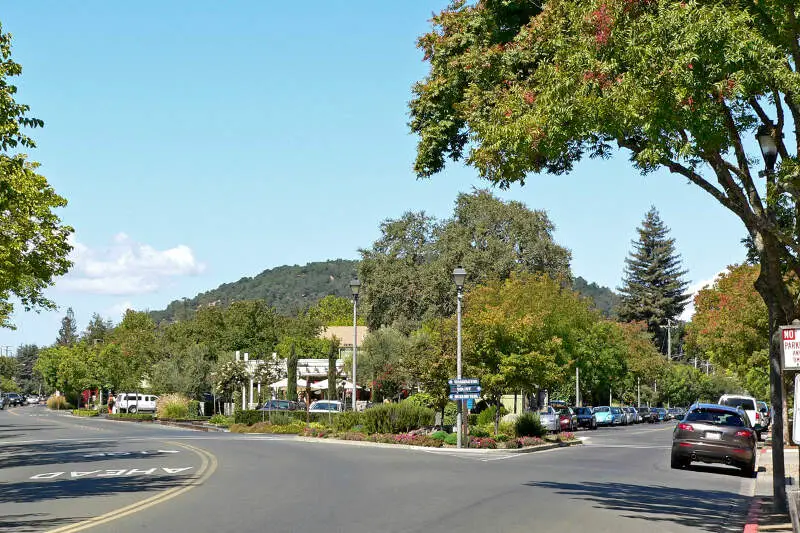
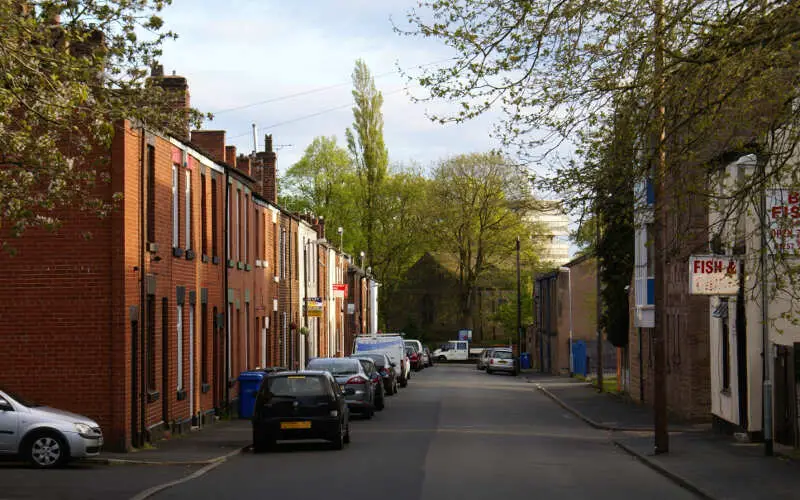
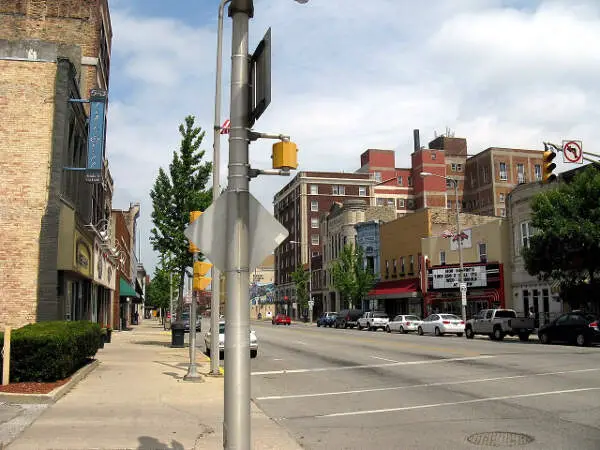
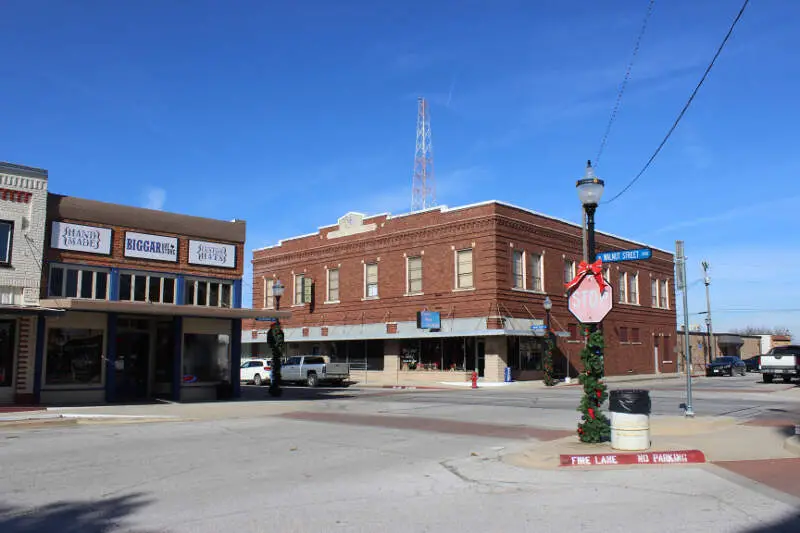
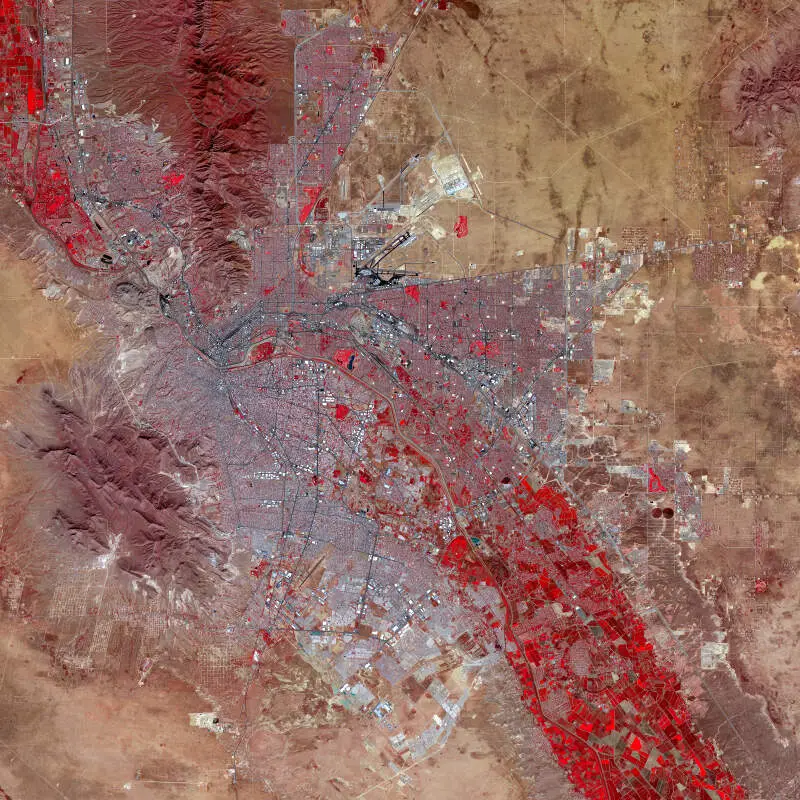
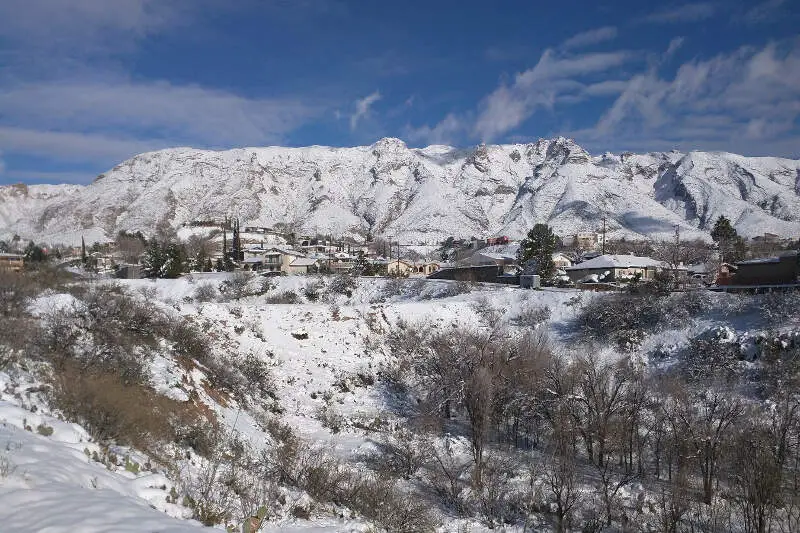
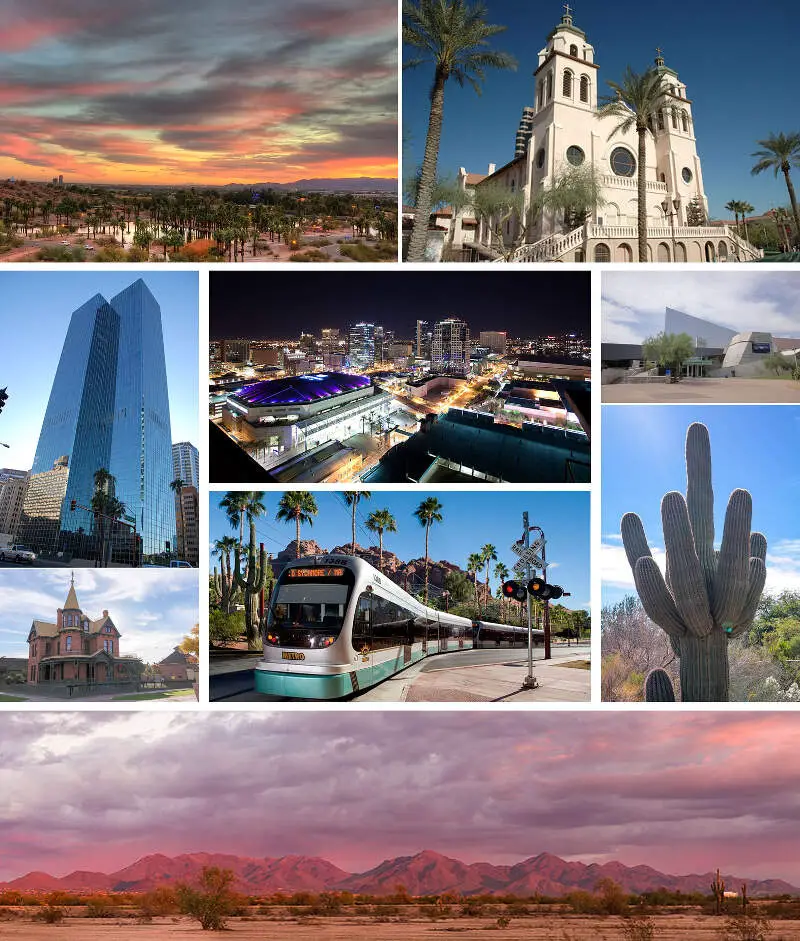
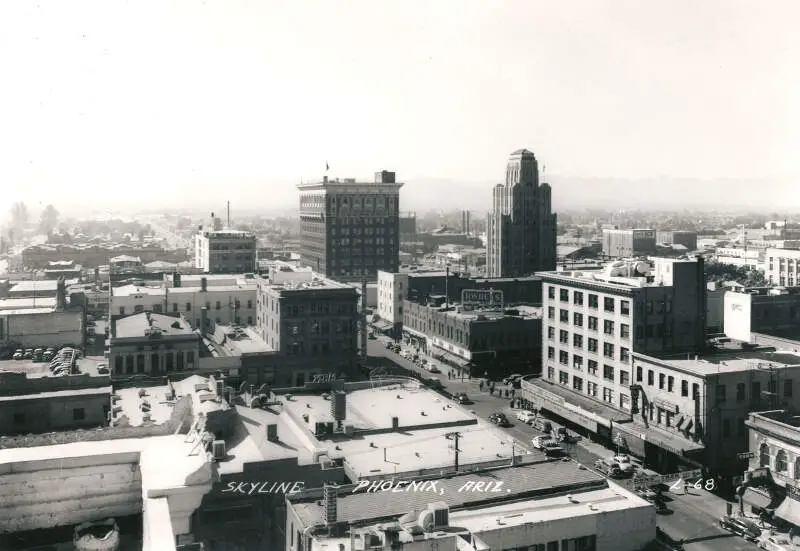
El Paso vs. Phoenix in photos
A side-by-side look at each city.
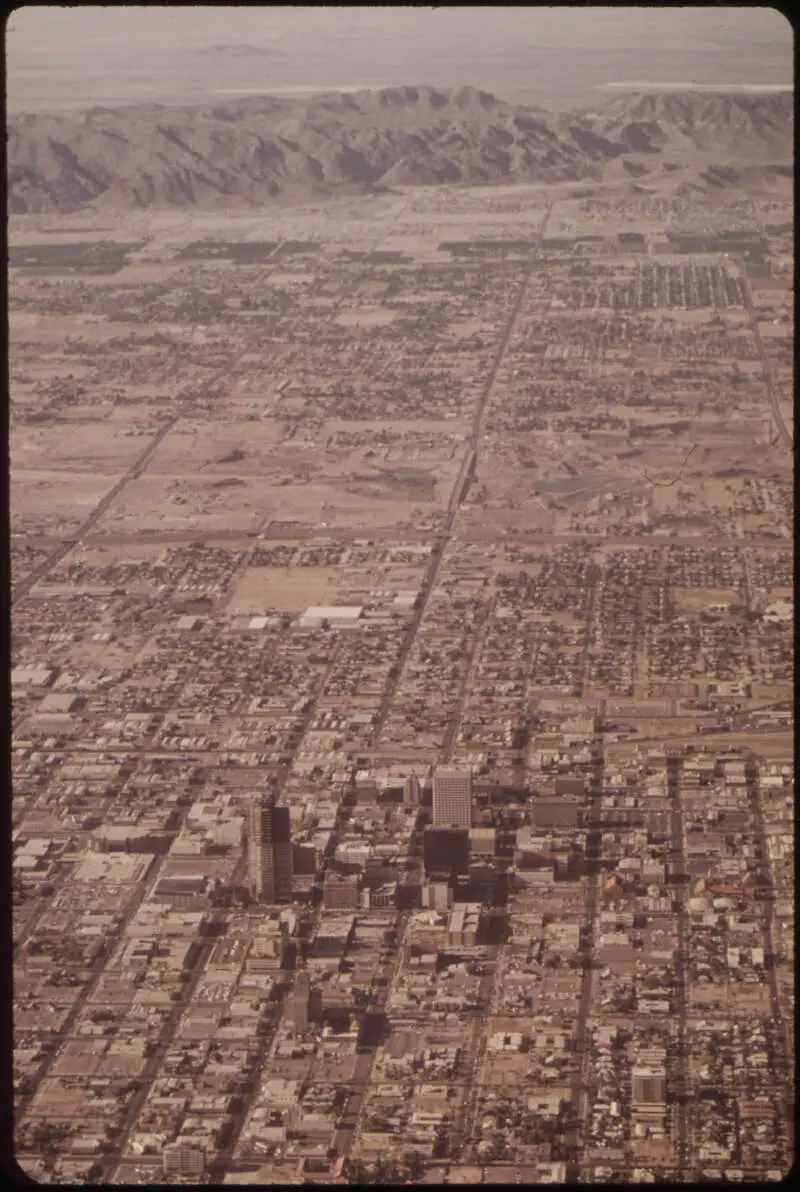
Cost of living
El Paso is the cheaper city overall — 14% higher in Phoenix than its rival. Index baseline: 100 = national average.
| Living expense | El Paso | Phoenix | US average |
|---|---|---|---|
| Overall | 95 | 111 | 100 |
| Services | 99 | 105 | 100 |
| Groceries | 100 | 104 | 100 |
| Health | 79 | 133 | 100 |
| Housing | 104 | 106 | 100 |
| Transportation | 107 | 112 | 100 |
| Utilities | 98 | 103 | 100 |
Lower index = cheaper. 100 = U.S. national average. Bar inside each cell scales relative to the highest value in the table.
Sources: HomeSnacks Cost of Living indices, normalized so 100 = U.S. national average. Drill in: El Paso cost of living, Phoenix cost of living, or the cheapest cities in America.
Housing breakdown
Home prices are higher in Phoenix. Compare absolute price and price-to-income — a $500k home in a $100k-income city is very different from one in a $50k-income city.
| Metric | El Paso | Phoenix | United States |
|---|---|---|---|
| Median Home Value | $234,774 | $410,168 | $332,700 |
| Median Rent | $1,073 | $1,582 | $1,413 |
| Median Income | $59,745 | $81,332 | $80,734 |
| Home Value To Income | 3.9x | 5.0x | 4.1x |
| Rent To Monthly Income | 0.22x | 0.23x | 0.21x |
Source: U.S. Census Bureau ACS 2020-2024. See also states with the highest rent in America.
Crime
El Paso is the safer city — total crime rate of 1,772 per 100k people vs 3,125 for Phoenix. US average: 2,119.
| Crime (per 100k) | El Paso | Phoenix | US average |
|---|---|---|---|
| Total crime | 1,772 | 3,125 | 2,119 |
| Murder | 3 | 8 | 5 |
| Robbery | 37 | 182 | 61 |
| Aggravated Assault | 238 | 545 | 256 |
| Violent Crime | 278 | 800 | 359 |
| Burglary | 140 | 317 | 229 |
| Larceny | 1,072 | 1,582 | 1,272 |
| Car Theft | 281 | 426 | 259 |
| Property Crime | 1,494 | 2,325 | 1,760 |
Lower = safer. Bar inside each cell scales relative to the highest crime rate in the table.
Source: FBI Uniform Crime Reporting (2024). All rates are per 100,000 people. City pages: El Paso crime, Phoenix crime. See also: safest cities in America.
Diversity
Phoenix is more racially diverse — lower HHI (closer to 0) means a more even mix across groups.
| Group | El Paso | Phoenix | United States |
|---|---|---|---|
| White | 12.0% | 40.6% | 57.4% |
| African American | 3.2% | 7.4% | 11.9% |
| American Indian | 0.2% | 1.4% | 0.5% |
| Asian | 1.3% | 4.0% | 5.9% |
| Hawaiian | 0.2% | 0.2% | 0.2% |
| Other | 0.3% | 0.4% | 0.6% |
| Two Or More | 1.6% | 4.0% | 4.3% |
| Hispanic | 81.2% | 42.0% | 19.3% |
Source: U.S. Census ACS 2020-2024. Lower HHI = more even racial mix. See also: most diverse cities in America.
SnackAbility — overall quality of life
Phoenix scores higher overall — 6/10 vs 5/10. SnackAbility is our 1–10 quality-of-life score; the median U.S. city scores a 7.
Scores are 0–10; both bars share the same scale.
SnackAbility is a HomeSnacks proprietary 1–10 score blending jobs, housing, education, commute, amenities, affordability, crime, and diversity. Median U.S. city ≈ 7. Data: Census, BLS, FBI. See also: best places to live in America.
Getting around: El Paso vs. Phoenix
How each city handles commuting, transit, walkability, and car culture — the day-to-day reality that shapes where you'd actually want to live.
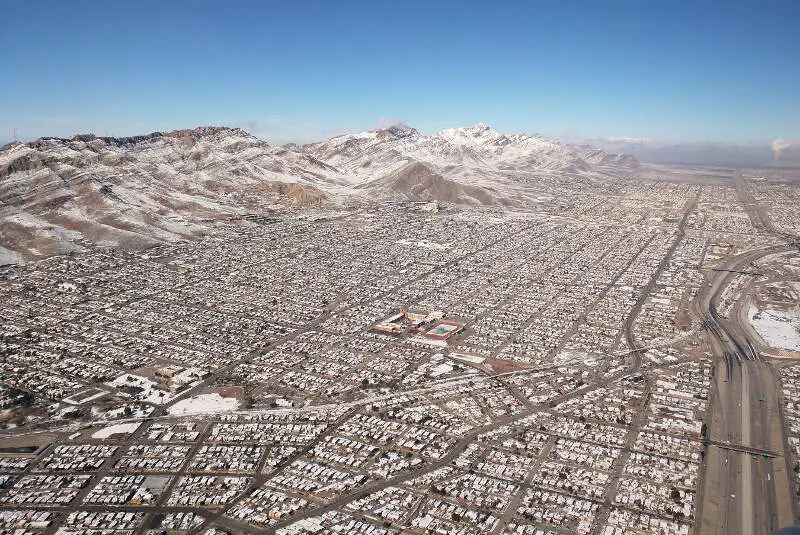
Both El Paso and Phoenix are sprawling Sun Belt cities, and in both you'll be driving most places. El Paso's Sun Metro bus network covers the city adequately, and the El Paso Streetcar loops through the downtown Union Plaza district, but outside those corridors a car is necessary. Traffic is manageable compared to larger metros, and the compact grid around the Franklin Mountains keeps most cross-town trips short.
Phoenix is larger and more congested, but it has one meaningful advantage: Valley Metro Rail, a light-rail line running roughly 28 miles from Mesa through Tempe and downtown Phoenix to the Northwest Side. If your job or apartment sits along that corridor, car-free commuting is genuinely viable. Away from the light rail, Phoenix's freeway-dependent sprawl means long drives are the norm, and with a cost of living index of 111 versus El Paso's 95, you're also paying more for the gas.
Jobs and careers in El Paso vs. Phoenix
The local job market, dominant industries, and which city to choose based on your career.
El Paso's economy leans heavily on the public sector and cross-border trade. Fort Bliss is one of the largest Army installations in the country and a top employer, alongside University of Texas at El Paso (UTEP), University Medical Center, and a retail and service sector driven partly by shoppers crossing from Ciudad Juárez. Manufacturing tied to the maquiladora economy provides blue-collar work, but white-collar salaries lag the national average, with median household income at $59,745.
Phoenix runs on a more diversified private-sector economy: Intel's semiconductor fabs in Chandler, Banner Health and Mayo Clinic's large hospital campuses, and corporate operations from USAA, American Express, and Amazon, all drawn by Arizona's tax climate. Median household income here is $81,332, nearly $22,000 above El Paso's $59,745. If career ceiling matters to your decision, Phoenix has the edge.
Weather and climate
What to expect day-to-day — sun, fog, heat, rain, and the seasonal extremes that shape the lifestyle.
El Paso sits at roughly 3,800 feet in the Chihuahuan Desert, and that altitude keeps it noticeably cooler than you might expect. Summers are hot (highs regularly reach the mid-90s to low 100s) but low humidity makes them bearable, and dust storms are rare compared to cities further west. The city averages over 300 sunny days a year, with very little rain outside a brief summer monsoon and only occasional winter freezes.
Phoenix bakes in the Sonoran Desert at about 1,100 feet, and that lower elevation means extreme summers: triple-digit heat from May through September, with July averages topping 106°F. Stepping outside in August feels punishing if you're not used to it. Phoenix winters, though, are among the most pleasant in the country, sunny and warm enough for golf and patio dining from October through April, and how much summer heat you can handle is really the deciding factor between these two cities.
Culture, nightlife, and entertainment
Food, music, neighborhoods, and the city vibe that gives each place its personality.
El Paso's culture is inseparable from its identity as a bilingual border city. The Segundo Barrio is one of the oldest Mexican-American communities in the US, the food scene runs deep on Tex-Mex and authentic Chihuahuan-style cuisine, and crossing the international bridge to walk around Ciudad Juárez for an afternoon is a genuine local activity. The Union Plaza entertainment district has a growing bar and live-music scene, with venues like the Plaza Theatre, and the overall feel is unpretentious and community-oriented.
Phoenix offers more sheer volume: Roosevelt Row is an established arts and gallery corridor, Old Town Scottsdale draws a lively bar crowd and upscale restaurants, and the metro's size supports national touring acts and major professional sports (Suns, Cardinals, Diamondbacks, Coyotes). If you prize variety and a packed events calendar, Phoenix has it. El Paso wins on distinctive local character, with a border-culture identity you won't find anywhere else.
Outdoor activities and day trips
Parks, beaches, hikes, and the weekend escapes that define life outside the city limits.
El Paso's headline outdoor asset is Franklin Mountains State Park, a 26,000-acre preserve right inside city limits and one of the largest urban parks in the country. You can hike or mountain bike to ridge-line views over the Rio Grande and into New Mexico within 20 minutes of downtown, and Hueco Tanks State Park, about 35 miles east, is a world-class bouldering destination. Guadalupe Mountains National Park, the highest point in Texas, is a 90-minute drive and worth it for the backcountry solitude.
Phoenix's outdoor scene benefits from the Sonoran Desert's dramatic terrain: Camelback Mountain is one of the more physically demanding urban hikes in the country, South Mountain Park has over 50 miles of trail inside the city, and Papago Park suits casual walks. Sedona is about two hours north for red-rock hiking and canyoneering, and the Grand Canyon's South Rim is roughly 3.5 hours. Both cities are excellent bases for outdoor recreation, though El Paso's options are quieter and less crowded while Phoenix's are more varied and closer to iconic destinations.
Bottom line: which city is right for you?
Based on the head-to-head data above, here's the short version — pick the city that lines up with what you actually care about.
Choose El Paso if you prioritize…
- a lower cost of living (cheaper groceries, services, and day-to-day expenses).
- lower crime — a safer place to live, work, and raise a family.
Choose Phoenix if you prioritize…
- more affordable housing relative to El Paso.
- a more racially diverse community (lower HHI on Census data).
- a higher overall SnackAbility quality-of-life score.
Methodology: winners are picked from public data — U.S. Census Bureau ACS (income, home value, rent, race/HHI), FBI Uniform Crime Reporting (crime rates per 100k), and HomeSnacks' proprietary SnackAbility quality-of-life score, which blends Bureau of Labor Statistics data with the above.
Other comparisons
Still weighing your options? See how these two cities stack up against other places we've compared head-to-head.