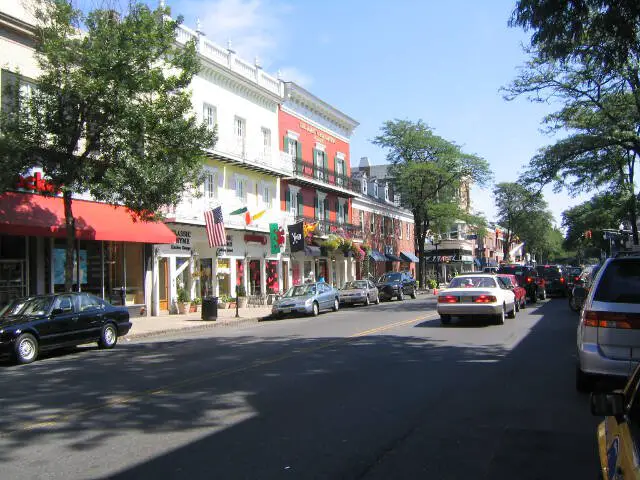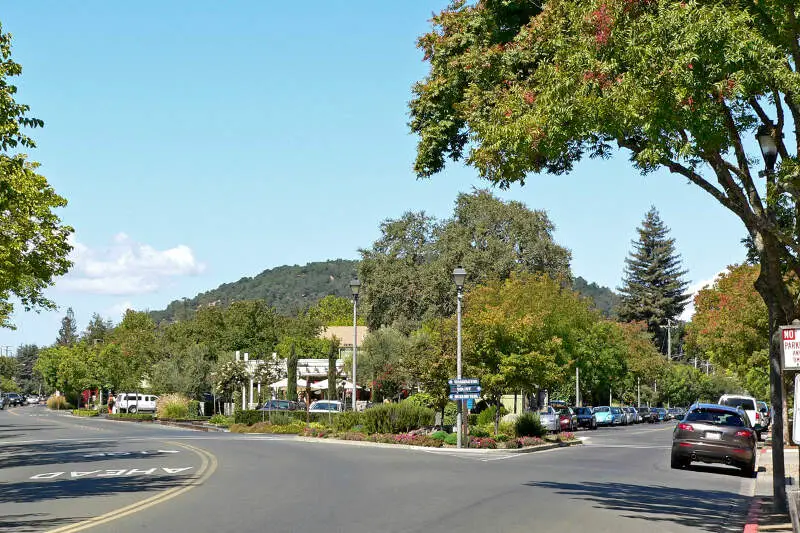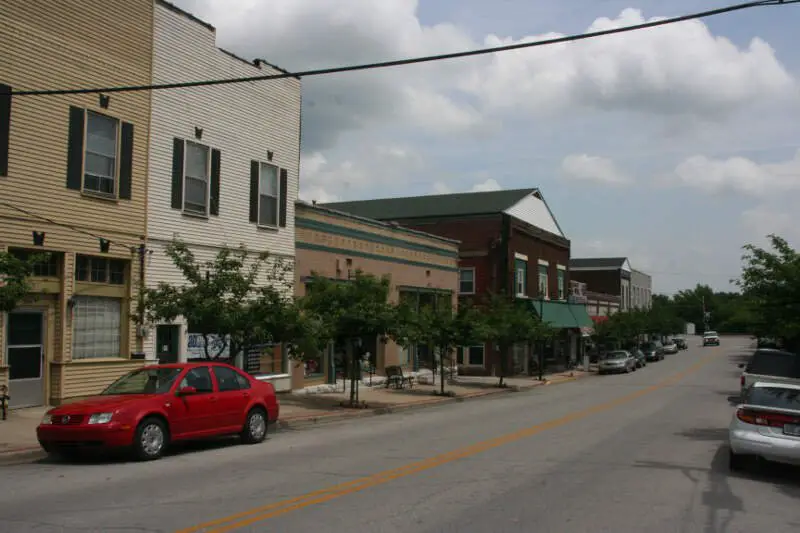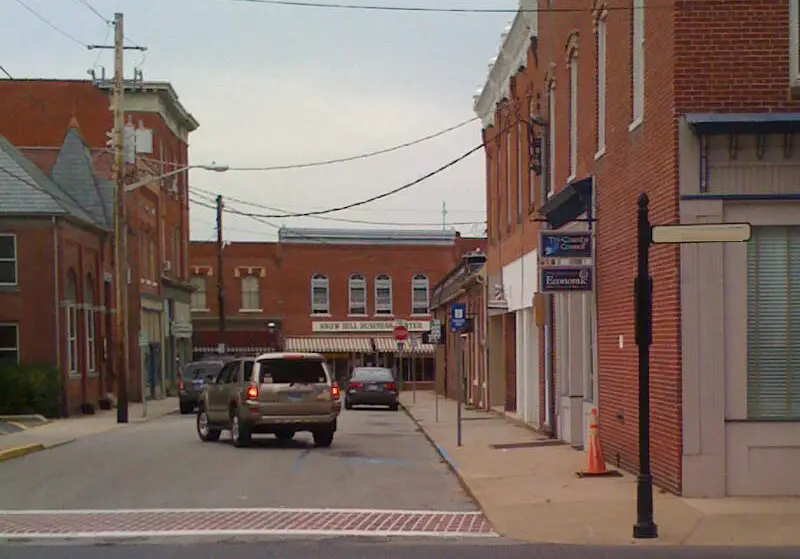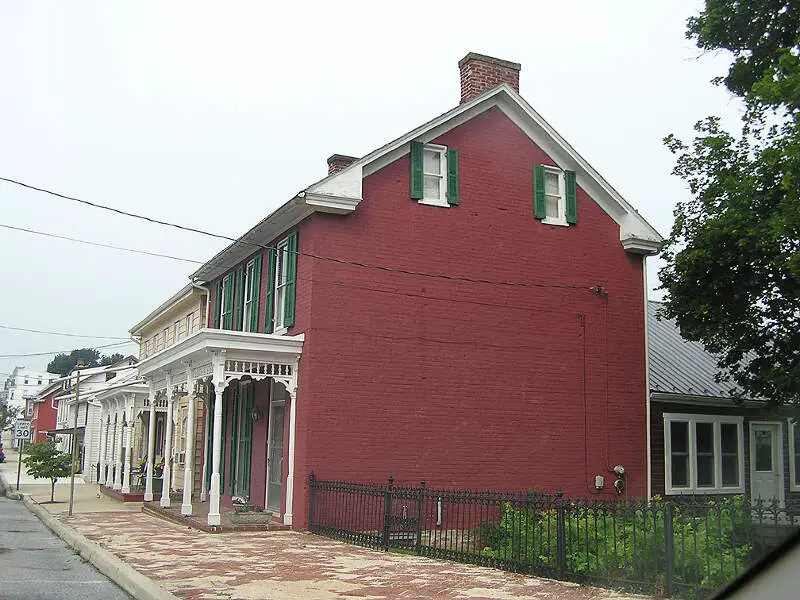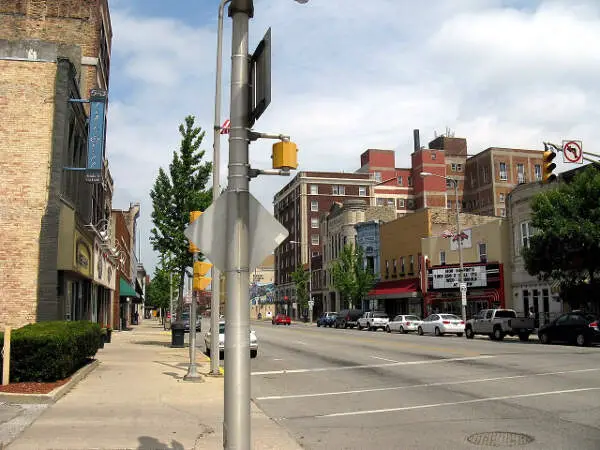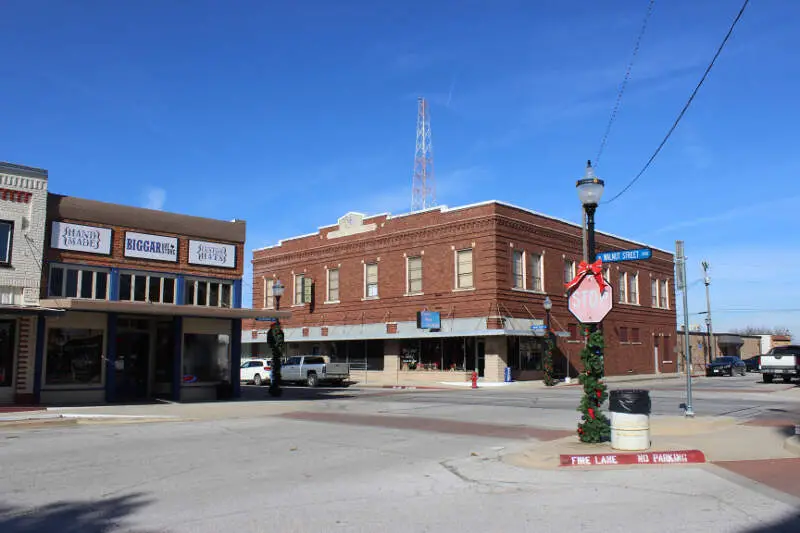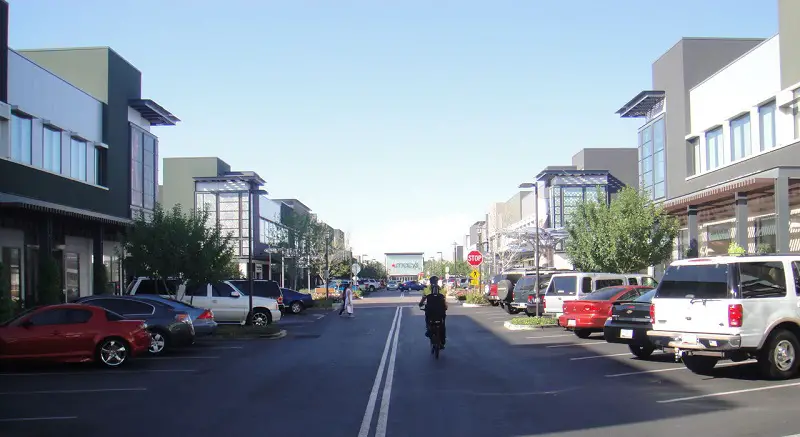
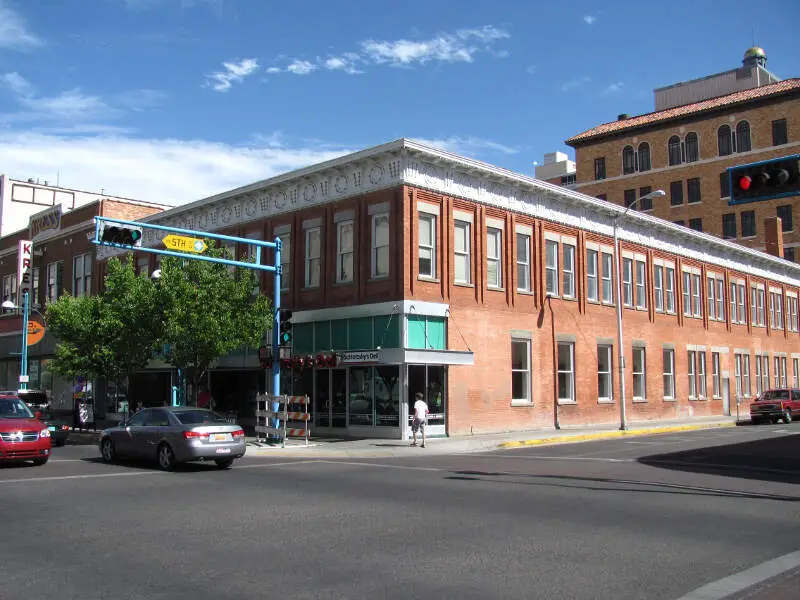
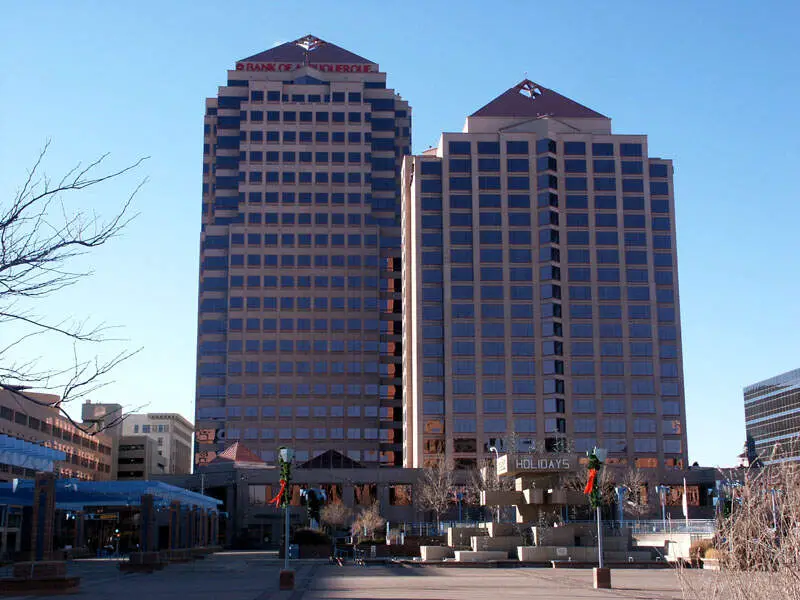
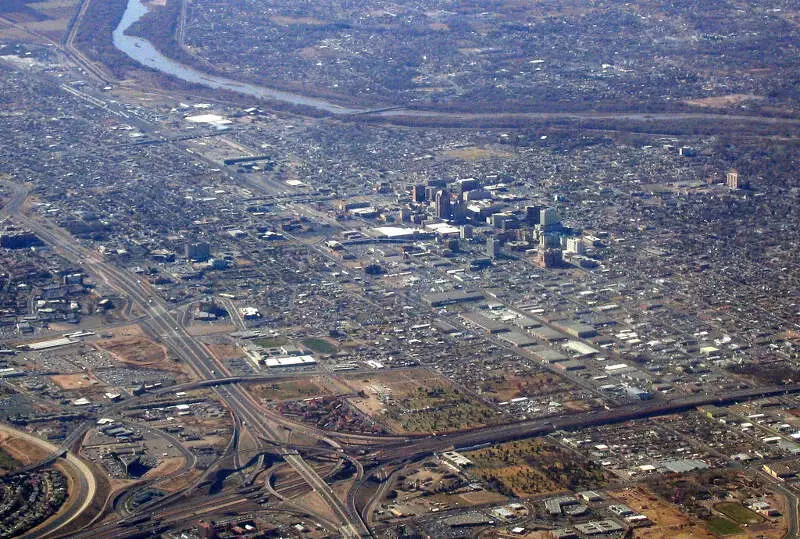
Albuquerque vs. Tucson in photos
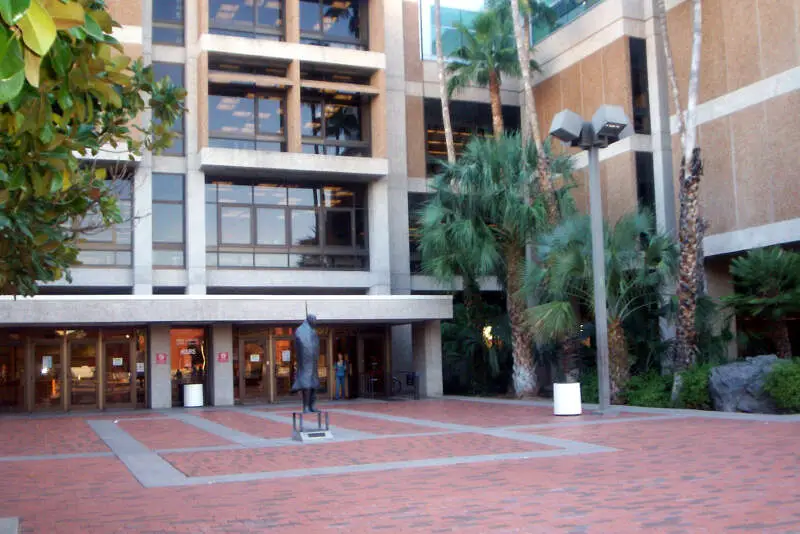
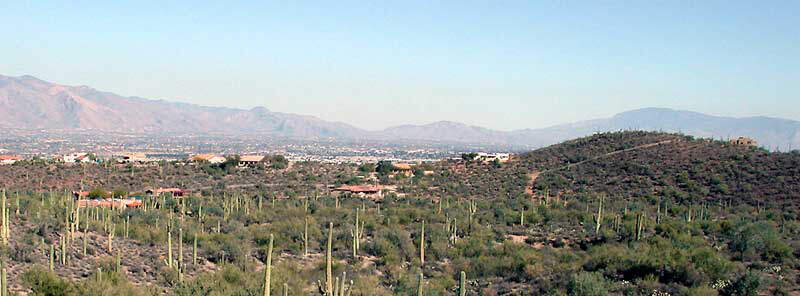
A side-by-side look at each city.
Cost of living
Albuquerque is the cheaper city overall — same index. Index baseline: 100 = national average.
| Living expense | Albuquerque | Tucson | US average |
|---|---|---|---|
| Overall | 102 | 102 | 100 |
| Services | 97 | 104 | 100 |
| Groceries | 97 | 102 | 100 |
| Health | 110 | 91 | 100 |
| Housing | 97 | 99 | 100 |
| Transportation | 94 | 112 | 100 |
| Utilities | 97 | 107 | 100 |
Lower index = cheaper. 100 = U.S. national average. Bar inside each cell scales relative to the highest value in the table.
Sources: HomeSnacks Cost of Living indices, normalized so 100 = U.S. national average. Drill in: Albuquerque cost of living, Tucson cost of living, or the cheapest cities in America.
Housing breakdown
Home prices are higher in Albuquerque. Compare absolute price and price-to-income — a $500k home in a $100k-income city is very different from one in a $50k-income city.
| Metric | Albuquerque | Tucson | United States |
|---|---|---|---|
| Median Home Value | $344,457 | $324,023 | $332,700 |
| Median Rent | $1,145 | $1,145 | $1,413 |
| Median Income | $68,317 | $57,073 | $80,734 |
| Home Value To Income | 5.0x | 5.7x | 4.1x |
| Rent To Monthly Income | 0.2x | 0.24x | 0.21x |
Source: U.S. Census Bureau ACS 2020-2024. See also states with the highest rent in America.
Crime
Tucson is the safer city — total crime rate of 3,902 per 100k people vs 5,811 for Albuquerque. US average: 2,119.
| Crime (per 100k) | Albuquerque | Tucson | US average |
|---|---|---|---|
| Total crime | 5,811 | 3,902 | 2,119 |
| Murder | 18 | 7 | 5 |
| Robbery | 159 | 108 | 61 |
| Aggravated Assault | 942 | 426 | 256 |
| Violent Crime | 1,182 | 589 | 359 |
| Burglary | 772 | 297 | 229 |
| Larceny | 2,839 | 2,501 | 1,272 |
| Car Theft | 1,017 | 516 | 259 |
| Property Crime | 4,629 | 3,313 | 1,760 |
Lower = safer. Bar inside each cell scales relative to the highest crime rate in the table.
Source: FBI Uniform Crime Reporting (2024). All rates are per 100,000 people. City pages: Albuquerque crime, Tucson crime. See also: safest cities in America.
Diversity
Albuquerque is more racially diverse — lower HHI (closer to 0) means a more even mix across groups.
| Group | Albuquerque | Tucson | United States |
|---|---|---|---|
| White | 37.5% | 43.3% | 57.4% |
| African American | 2.9% | 4.8% | 11.9% |
| American Indian | 3.9% | 1.2% | 0.5% |
| Asian | 3.2% | 3.1% | 5.9% |
| Hawaiian | 0.1% | 0.2% | 0.2% |
| Other | 0.7% | 0.4% | 0.6% |
| Two Or More | 3.9% | 4.3% | 4.3% |
| Hispanic | 47.7% | 42.8% | 19.3% |
Source: U.S. Census ACS 2020-2024. Lower HHI = more even racial mix. See also: most diverse cities in America.
SnackAbility — overall quality of life
Albuquerque scores higher overall — 6/10 vs 4/10. SnackAbility is our 1–10 quality-of-life score; the median U.S. city scores a 7.
Scores are 0–10; both bars share the same scale.
SnackAbility is a HomeSnacks proprietary 1–10 score blending jobs, housing, education, commute, amenities, affordability, crime, and diversity. Median U.S. city ≈ 7. Data: Census, BLS, FBI. See also: best places to live in America.
Getting around: Albuquerque vs. Tucson
How each city handles commuting, transit, walkability, and car culture — the day-to-day reality that shapes where you'd actually want to live.
Both Albuquerque and Tucson are car cities, so expect to drive for most daily trips. Albuquerque's ABQ Ride bus network covers the metro reasonably well, and the Rail Runner Express commuter train links downtown to Santa Fe, a real advantage if you work in the state capital. The I-25/I-40 interchange, known locally as the Big I, is the main choke point during rush hour.
Tucson runs Sun Tran buses across the metro and added the Sun Link streetcar connecting 4th Avenue to downtown Congress Street, which works well for University of Arizona students and downtown workers. Neither city has heavy rail, but Tucson's more compact footprint makes some central neighborhoods genuinely walkable or bikeable in a way most of sprawling Albuquerque is not.
Jobs and careers in Albuquerque vs. Tucson
The local job market, dominant industries, and which city to choose based on your career.
Albuquerque's median household income of $68,317 runs about $11,000 higher than Tucson's $57,073. Sandia National Laboratories and Kirtland Air Force Base are major federal employers, and the University of New Mexico and Presbyterian Healthcare anchor the healthcare-and-education sector. Netflix opened a large film production studio here, though the creative economy is still building out.
Tucson's economy centers on the University of Arizona (both as a direct employer and as a driver of biotech and optics spinoffs) alongside Raytheon Technologies and Davis-Monthan Air Force Base. Defense and aerospace jobs pay well, but the broader private-sector market is thinner than Albuquerque's. Both cities share a cost of living index of 102, so the income gap is a real take-home difference, not a cost-of-living illusion.
Weather and climate
What to expect day-to-day — sun, fog, heat, rain, and the seasonal extremes that shape the lifestyle.
Albuquerque sits at roughly 5,300 feet, which makes for meaningfully cooler summers than Tucson. July highs in Albuquerque hover around 93°F; in Tucson, triple digits are routine from June through early September. Both cities share the Southwest monsoon pattern, with afternoon thunderstorms through July and August, and both log around 300 sunny days a year.
Winters flip the comparison: Albuquerque sees occasional snow and overnight lows in the 20s, while Tucson winters are among the mildest in the country, with daytime highs often in the 60s and 70s. If summer heat is your main concern, Albuquerque's elevation gives it a clear edge. If you'd rather take hot summers in exchange for near-perfect winters, Tucson wins.
Culture, nightlife, and entertainment
Food, music, neighborhoods, and the city vibe that gives each place its personality.
Albuquerque's cultural identity layers Native American, Spanish colonial, and Route 66 Americana all at once. Old Town anchors the history side, while the Nob Hill strip along Central Avenue has the independent restaurants, bars, and coffee shops that draw a younger crowd. The International Balloon Fiesta each October brings visitors from around the world, and the green chile food culture is genuine: it's on everything for good reason.
Tucson overdelivers on food: it holds a UNESCO City of Gastronomy designation, the only U.S. city with one, and the Mexican and Sonoran cuisine along 4th Avenue and South 6th is exceptional. The Hotel Congress and the Congress Street corridor keep live music and nightlife concentrated and walkable. The University of Arizona keeps a younger crowd around year-round, not just during the school year.
Outdoor activities and day trips
Parks, beaches, hikes, and the weekend escapes that define life outside the city limits.
Albuquerque's signature outdoor experience is the Sandia Peak Tramway, a 2.7-mile aerial tram that lifts you from desert floor to 10,378 feet with views across half of New Mexico. The Bosque trail system along the Rio Grande is flat, shaded, and one of the better urban bike paths in the Southwest. Day trips to the Jemez Mountains or the ski runs above Santa Fe add considerably to your options.
Tucson is flanked by Saguaro National Park on both its east and west sides, putting classic Sonoran Desert hiking at city limits. Mount Lemmon and the Santa Catalina Mountains rise to 9,157 feet directly north of town, with sky-island ecosystems that shift from cactus to pine forest in under an hour's drive. Sabino Canyon and Madera Canyon (a well-known birding destination) give Tucson an outdoor range that rivals Albuquerque's in variety and beats it in desert character.
Bottom line: which city is right for you?
Based on the head-to-head data above, here's the short version — pick the city that lines up with what you actually care about.
Choose Albuquerque if you prioritize…
- a lower cost of living (cheaper groceries, services, and day-to-day expenses).
- more affordable housing relative to Tucson.
- a more racially diverse community (lower HHI on Census data).
- a higher overall SnackAbility quality-of-life score.
Choose Tucson if you prioritize…
- lower crime — a safer place to live, work, and raise a family.
Methodology: winners are picked from public data — U.S. Census Bureau ACS (income, home value, rent, race/HHI), FBI Uniform Crime Reporting (crime rates per 100k), and HomeSnacks' proprietary SnackAbility quality-of-life score, which blends Bureau of Labor Statistics data with the above.
Other comparisons
Still weighing your options? See how these two cities stack up against other places we've compared head-to-head.