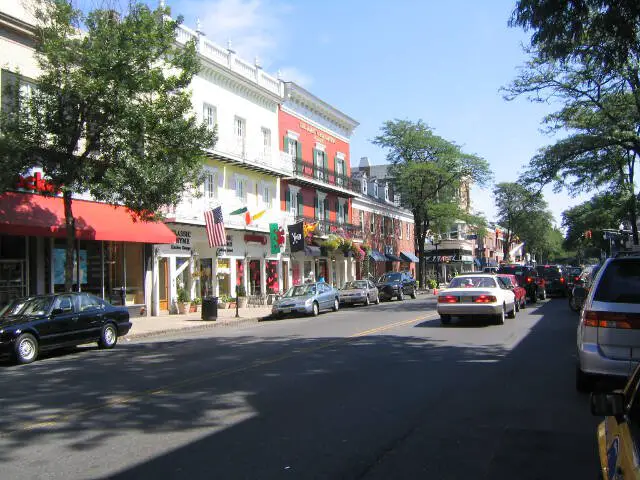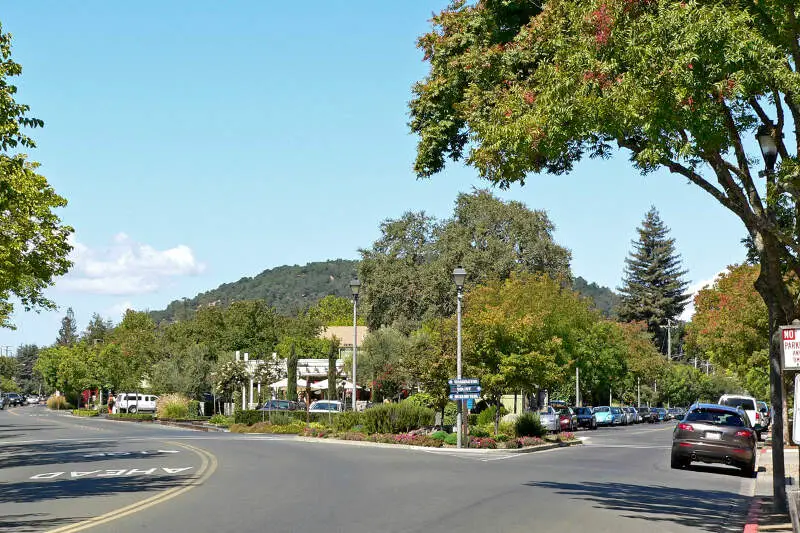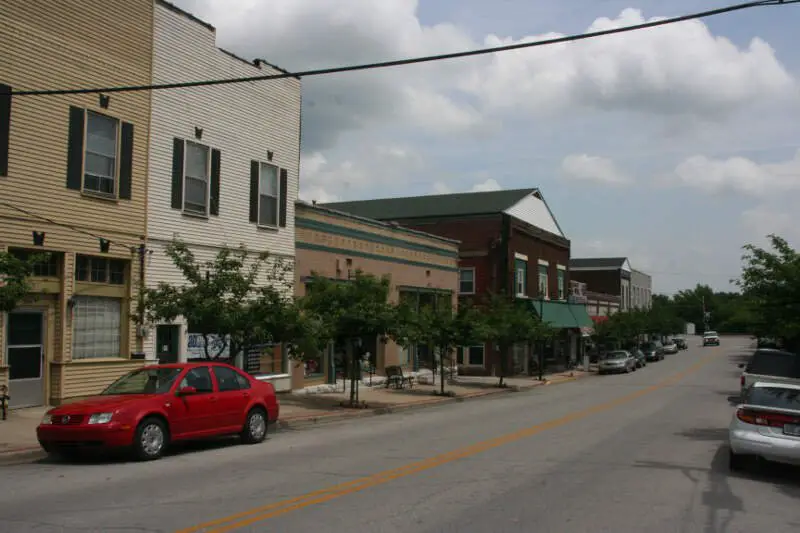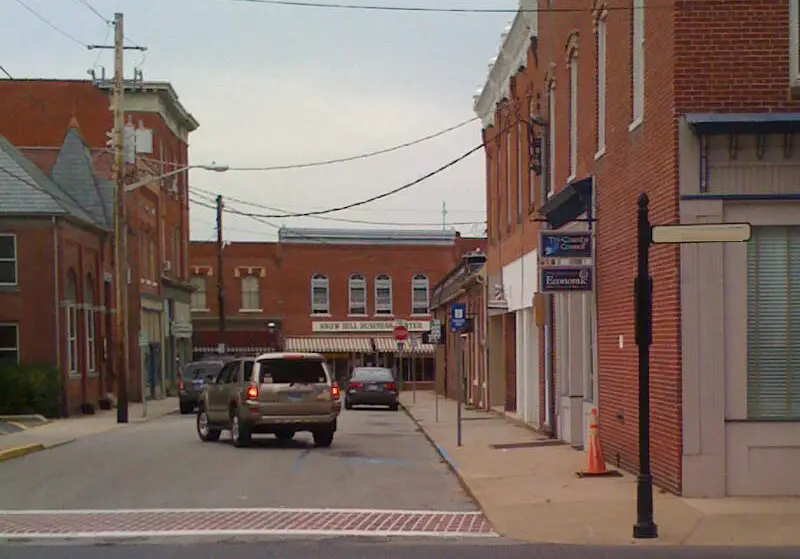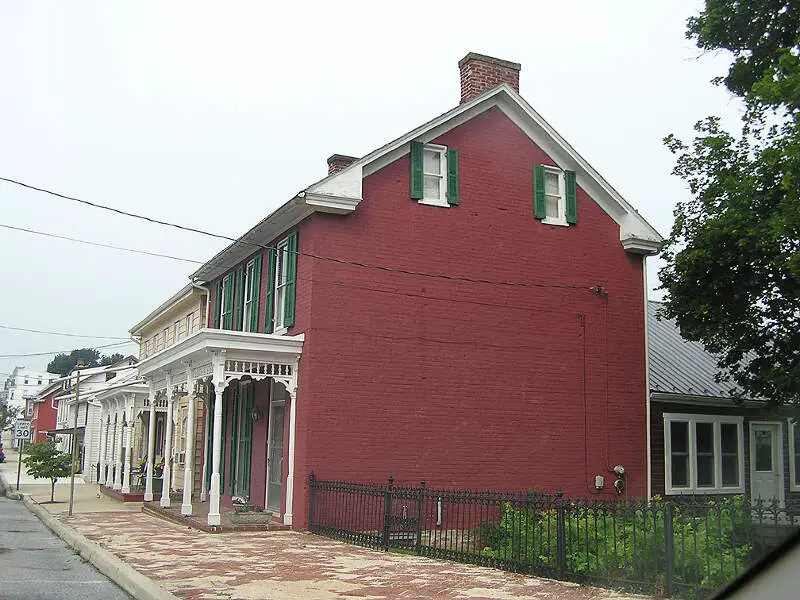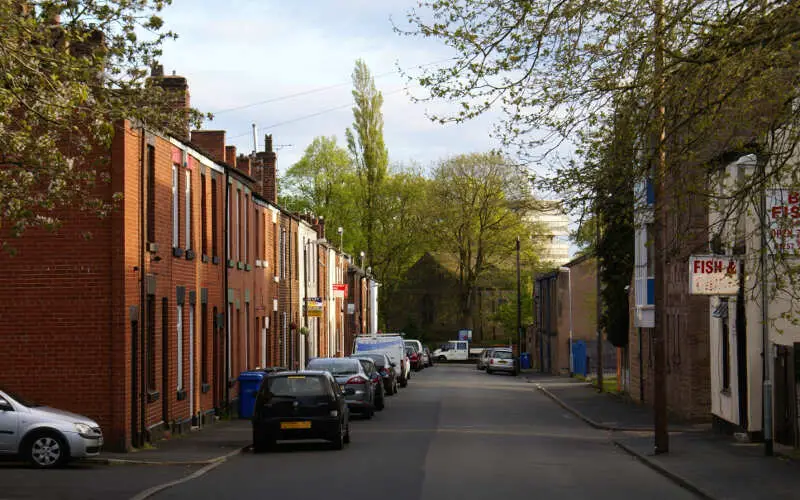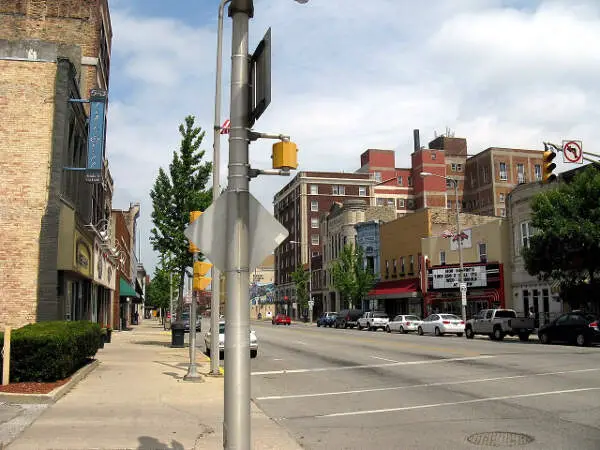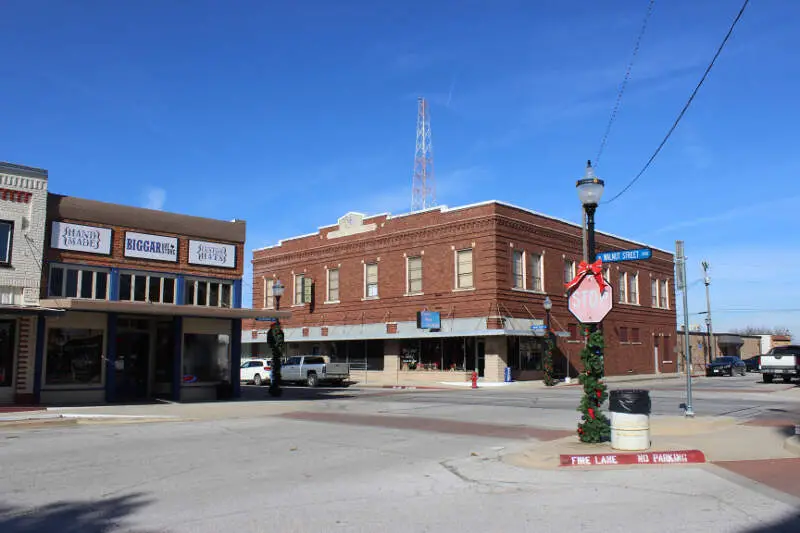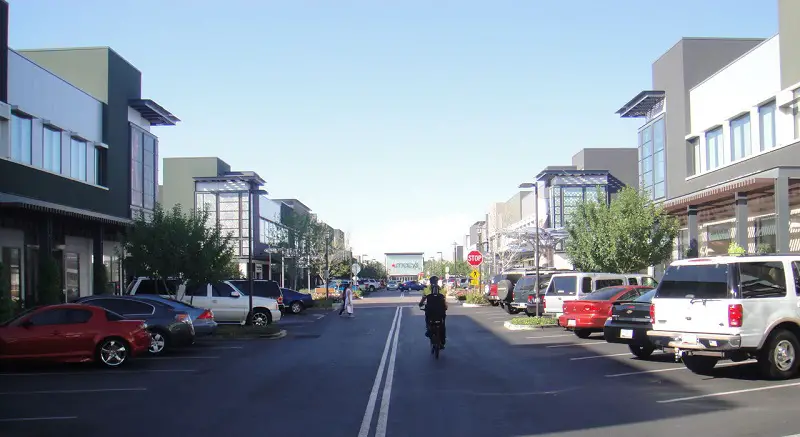
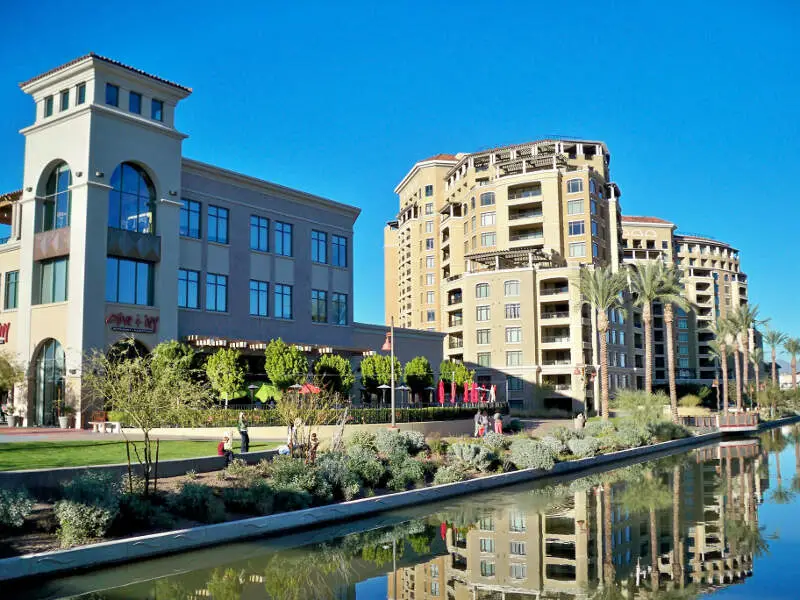
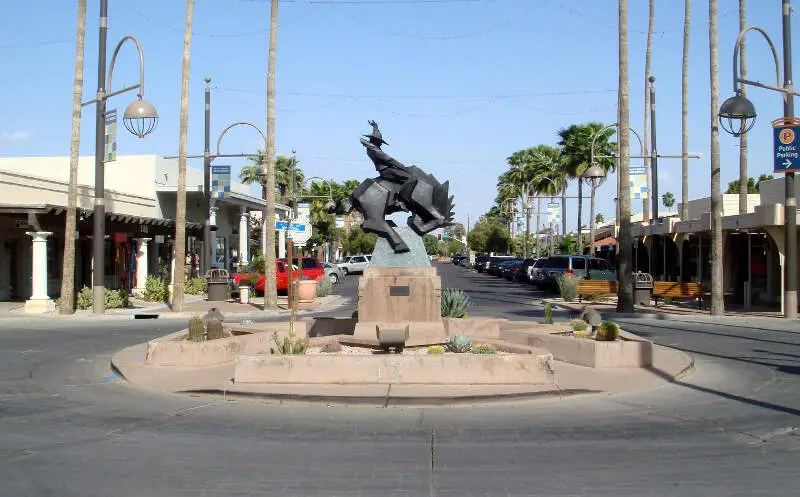
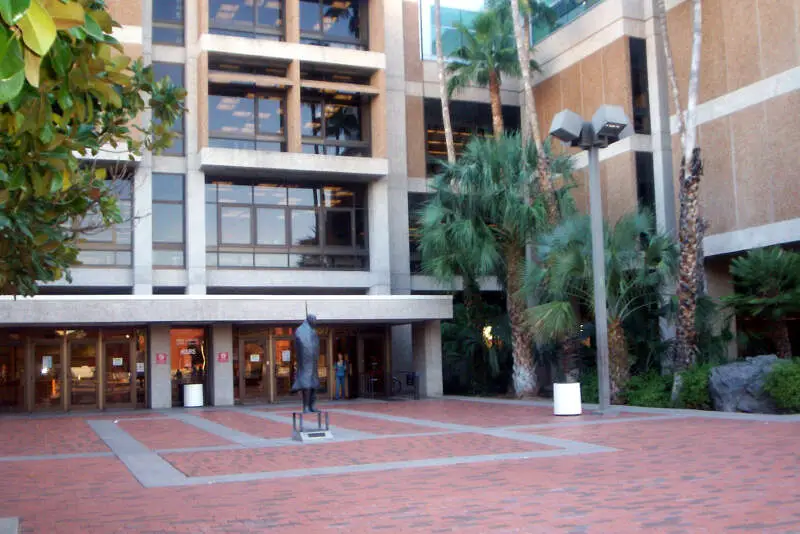
Scottsdale vs. Tucson in photos
A side-by-side look at each city.

Cost of living
Tucson is the cheaper city overall — 41% higher in Scottsdale than its rival. Index baseline: 100 = national average.
| Living expense | Scottsdale | Tucson | US average |
|---|---|---|---|
| Overall | 144 | 102 | 100 |
| Services | 101 | 104 | 100 |
| Groceries | 103 | 102 | 100 |
| Health | 243 | 91 | 100 |
| Housing | 107 | 99 | 100 |
| Transportation | 112 | 112 | 100 |
| Utilities | 104 | 107 | 100 |
Lower index = cheaper. 100 = U.S. national average. Bar inside each cell scales relative to the highest value in the table.
Sources: HomeSnacks Cost of Living indices, normalized so 100 = U.S. national average. Drill in: Scottsdale cost of living, Tucson cost of living, or the cheapest cities in America.
Housing breakdown
Home prices are higher in Scottsdale. Compare absolute price and price-to-income — a $500k home in a $100k-income city is very different from one in a $50k-income city.
| Metric | Scottsdale | Tucson | United States |
|---|---|---|---|
| Median Home Value | $858,022 | $324,023 | $332,700 |
| Median Rent | $2,013 | $1,145 | $1,413 |
| Median Income | $110,886 | $57,073 | $80,734 |
| Home Value To Income | 7.7x | 5.7x | 4.1x |
| Rent To Monthly Income | 0.22x | 0.24x | 0.21x |
Source: U.S. Census Bureau ACS 2020-2024. See also states with the highest rent in America.
Crime
Scottsdale is the safer city — total crime rate of 2,028 per 100k people vs 3,902 for Tucson. US average: 2,119.
| Crime (per 100k) | Scottsdale | Tucson | US average |
|---|---|---|---|
| Total crime | 2,028 | 3,902 | 2,119 |
| Murder | 0 | 7 | 5 |
| Robbery | 22 | 108 | 61 |
| Aggravated Assault | 96 | 426 | 256 |
| Violent Crime | 153 | 589 | 359 |
| Burglary | 182 | 297 | 229 |
| Larceny | 1,535 | 2,501 | 1,272 |
| Car Theft | 158 | 516 | 259 |
| Property Crime | 1,875 | 3,313 | 1,760 |
Lower = safer. Bar inside each cell scales relative to the highest crime rate in the table.
Source: FBI Uniform Crime Reporting (2024). All rates are per 100,000 people. City pages: Scottsdale crime, Tucson crime. See also: safest cities in America.
Diversity
Tucson is more racially diverse — lower HHI (closer to 0) means a more even mix across groups.
| Group | Scottsdale | Tucson | United States |
|---|---|---|---|
| White | 77.1% | 43.3% | 57.4% |
| African American | 2.1% | 4.8% | 11.9% |
| American Indian | 0.5% | 1.2% | 0.5% |
| Asian | 4.9% | 3.1% | 5.9% |
| Hawaiian | 0.1% | 0.2% | 0.2% |
| Other | 0.6% | 0.4% | 0.6% |
| Two Or More | 4.0% | 4.3% | 4.3% |
| Hispanic | 10.6% | 42.8% | 19.3% |
Source: U.S. Census ACS 2020-2024. Lower HHI = more even racial mix. See also: most diverse cities in America.
SnackAbility — overall quality of life
Scottsdale scores higher overall — 9/10 vs 4/10. SnackAbility is our 1–10 quality-of-life score; the median U.S. city scores a 7.
Scores are 0–10; both bars share the same scale.
SnackAbility is a HomeSnacks proprietary 1–10 score blending jobs, housing, education, commute, amenities, affordability, crime, and diversity. Median U.S. city ≈ 7. Data: Census, BLS, FBI. See also: best places to live in America.
Getting around: Scottsdale vs. Tucson
How each city handles commuting, transit, walkability, and car culture — the day-to-day reality that shapes where you'd actually want to live.
Both Scottsdale and Tucson are firmly car-first cities, though the degree varies. In Scottsdale, you'll spend most of your commute on the Loop 101 or Scottsdale Road; Valley Metro's light rail connects into Tempe and Phoenix but stops short of most Scottsdale neighborhoods, so it's useful mainly if you work downtown. Expect to drive almost everywhere, though Uber and Lyft cover Old Town well on weekend nights.
Tucson relies on Sun Tran buses and a short Sun Link streetcar that loops through downtown and the University of Arizona corridor. If you live near the UA or 4th Avenue, the streetcar is genuinely handy; everywhere else, you're in a car. Tucson's grid is flatter and more spread out than Scottsdale's, which keeps commutes manageable, though neither city offers public transit that feels like a real alternative to owning a vehicle.
Jobs and careers in Scottsdale vs. Tucson
The local job market, dominant industries, and which city to choose based on your career.
Scottsdale's job market punches well above its population, with a dense tech and finance corridor along the Loop 101. Vanguard runs a major campus here, CVS Health is headquartered in town, and GoDaddy and a cluster of fintech and healthcare firms fill the northern suburbs. The median household income of $110,886 reflects that concentration of white-collar work; Mayo Clinic's Arizona campus and HonorHealth add a substantial healthcare sector.
Tucson's economy runs on different engines: the University of Arizona is one of the largest employers in the state, Raytheon Technologies (now RTX) drives a significant defense and aerospace sector, and Davis-Monthan Air Force Base adds military jobs. Banner Health rounds out the healthcare picture. The tradeoff shows up in the numbers: median household income sits at $57,073, roughly half of Scottsdale's, so if career earnings are a priority, the Phoenix metro's reach into Scottsdale is hard to match.
Weather and climate
What to expect day-to-day — sun, fog, heat, rain, and the seasonal extremes that shape the lifestyle.
Scottsdale sits at roughly 1,200 feet elevation in the Valley of the Sun, and summer makes itself known: triple-digit heat from May through September is routine, with July highs regularly cresting 110°F. Winters are genuinely pleasant, with highs in the mid-60s from December through February, which is exactly what draws snowbirds and resort guests. Rainfall is sparse outside the July–September monsoon season.
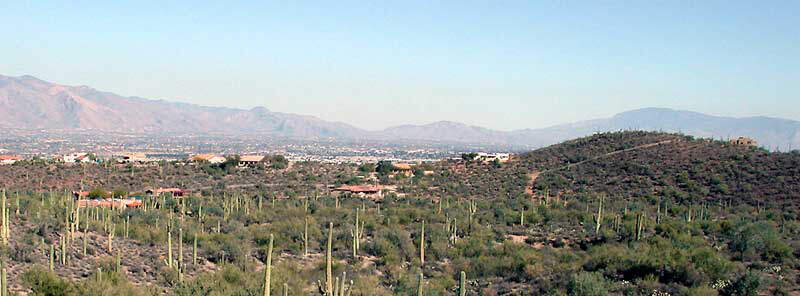
Tucson's higher elevation (around 2,400 feet) takes a few degrees off the summer peak; you'll still hit 100–105°F regularly, but the brutal 110°F days are less common. More importantly, Tucson receives noticeably more monsoon moisture, which turns the desert vivid green each summer and gives the city a lusher feel than Scottsdale. Winters are mild but can dip to freezing overnight, and the Santa Catalina Mountains above town hold ski runs at Ski Valley on Mount Lemmon, a surreal bonus for a desert city.
Culture, nightlife, and entertainment
Food, music, neighborhoods, and the city vibe that gives each place its personality.
Old Town Scottsdale is the social anchor: upscale restaurants, a dense nightclub strip, and a legitimate gallery scene that draws serious buyers every Thursday evening during the ArtWalk. Scottsdale Fashion Square is one of the largest malls in the Southwest, and the Cactus League brings MLB Spring Training games within easy reach; the San Francisco Giants and Colorado Rockies both train nearby. The overall vibe leans affluent and polished, with a cost of living index of 144 against the U.S. average.
Tucson trades luxury for character. The 4th Avenue district and Congress Street corridor have independent bars, music venues, and vintage shops built around the University of Arizona's 50,000-plus students and faculty; the Gem and Mineral Show each February draws visitors from around the world. Tucson's deep Sonoran Mexican food culture (think Barrio Anita and the legendary Sonoran hot dog stands) gives the dining scene a regional identity that Scottsdale's national-chain-heavy restaurant row can't match, and with a cost of living index near 102, your entertainment dollar stretches considerably further.
Outdoor activities and day trips
Parks, beaches, hikes, and the weekend escapes that define life outside the city limits.
Scottsdale's outdoor calling card is the McDowell Sonoran Preserve: more than 30,000 acres of protected desert tucked against the city's northeastern edge, one of the largest urban wilderness preserves in the country. Camelback Mountain and South Mountain Park are within easy reach for hiking and climbing. Desert cycling and year-round golf (over 200 courses in the greater Valley) fill out the calendar, and Sedona's red-rock canyon trails are a two-hour drive for weekend escapes.
Tucson may have the edge for serious outdoors enthusiasts. Saguaro National Park wraps around the city in two separate units, east and west, with immediate access to the densest saguaro forests on earth; the Santa Catalina Mountains rise to nearly 9,200 feet above town, putting a full sky-island ecosystem (and Ski Valley's ski runs) within an hour's drive. Sabino Canyon, Madera Canyon for world-class birding, and proximity to Chiricahua National Monument make Tucson a surprisingly deep destination for anyone who wants varied terrain just outside their door.
Bottom line: which city is right for you?
Based on the head-to-head data above, here's the short version — pick the city that lines up with what you actually care about.
Choose Scottsdale if you prioritize…
- lower crime — a safer place to live, work, and raise a family.
- more affordable housing relative to Tucson.
- a higher overall SnackAbility quality-of-life score.
Choose Tucson if you prioritize…
- a lower cost of living (cheaper groceries, services, and day-to-day expenses).
- a more racially diverse community (lower HHI on Census data).
Methodology: winners are picked from public data — U.S. Census Bureau ACS (income, home value, rent, race/HHI), FBI Uniform Crime Reporting (crime rates per 100k), and HomeSnacks' proprietary SnackAbility quality-of-life score, which blends Bureau of Labor Statistics data with the above.
Other comparisons
Still weighing your options? See how these two cities stack up against other places we've compared head-to-head.