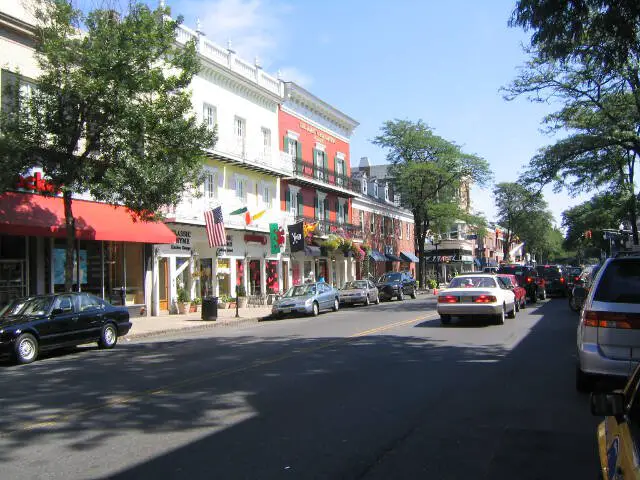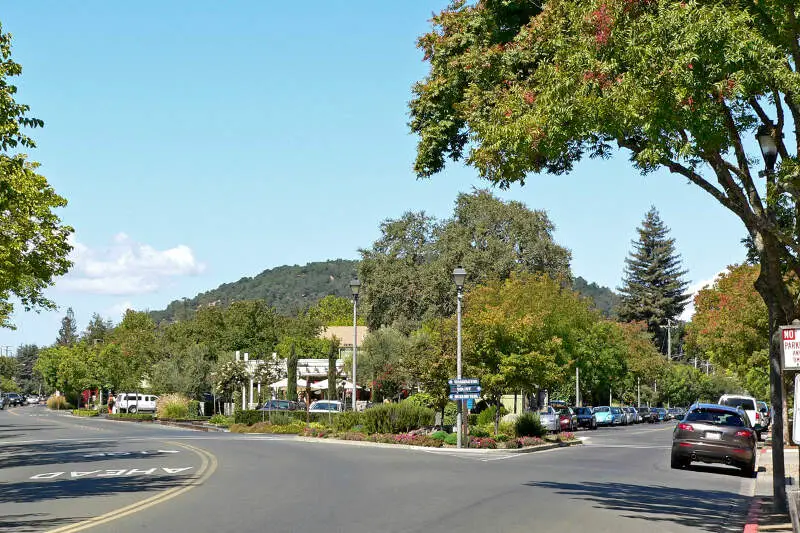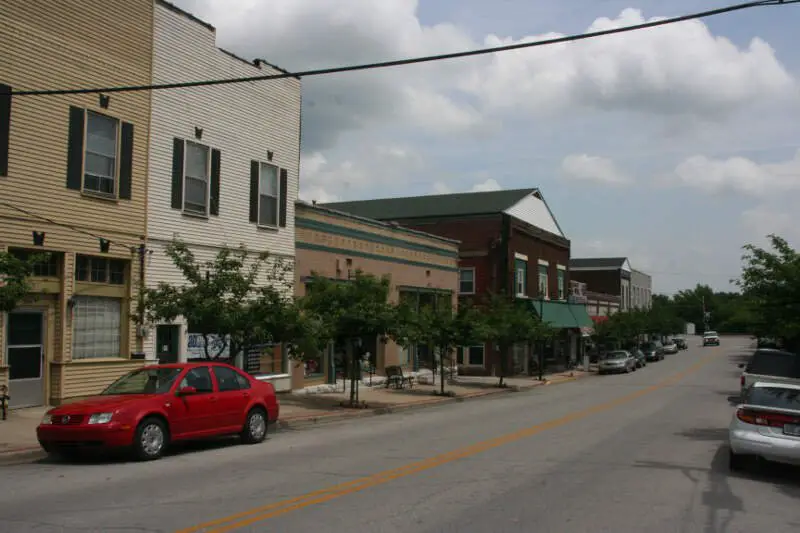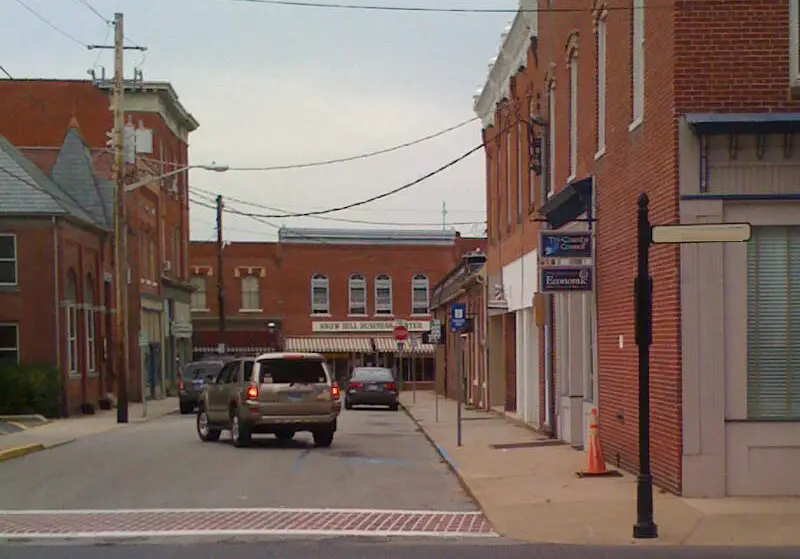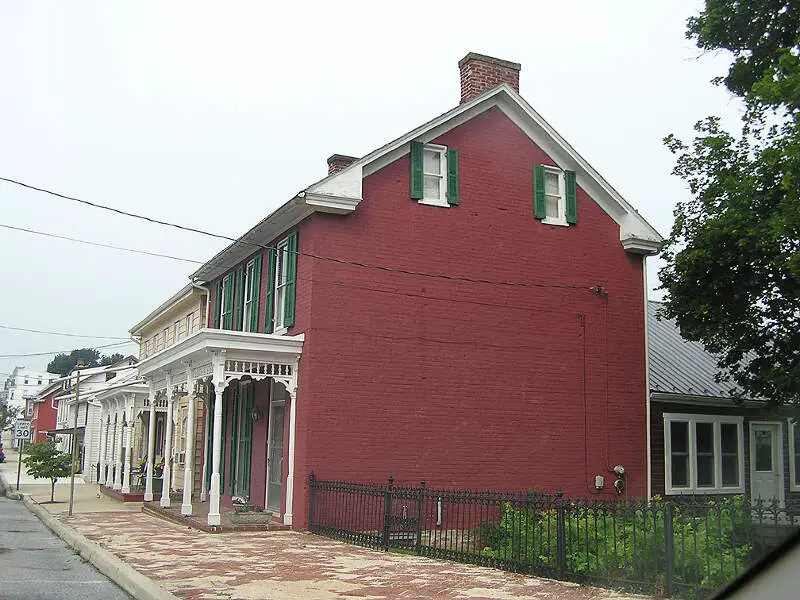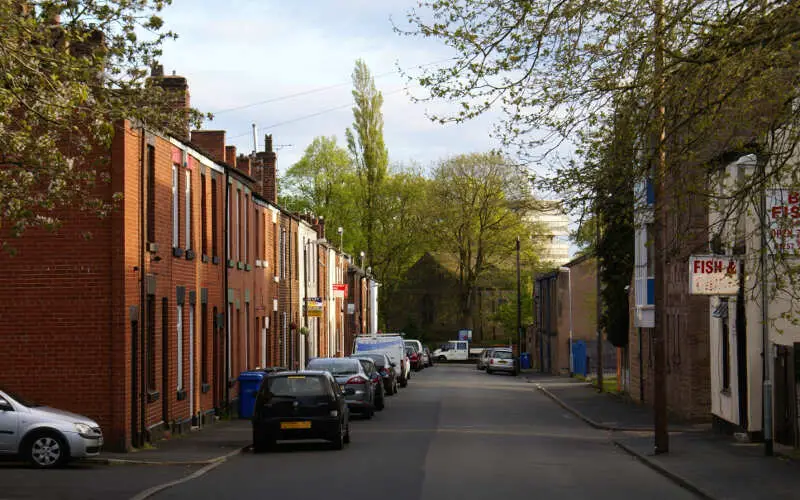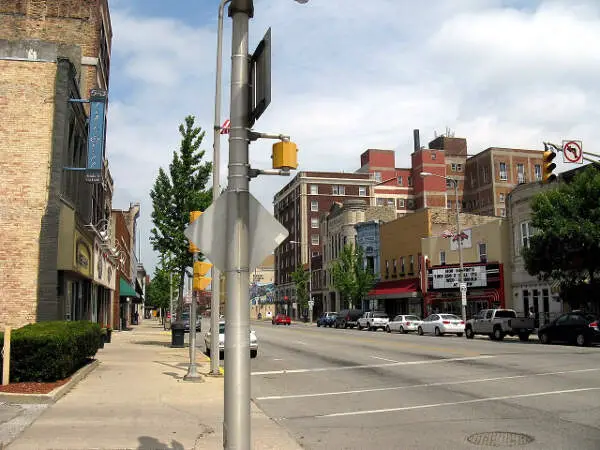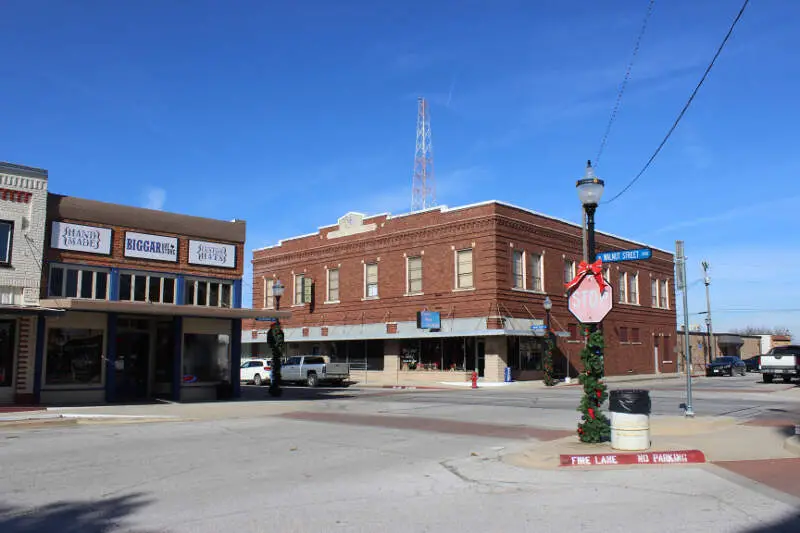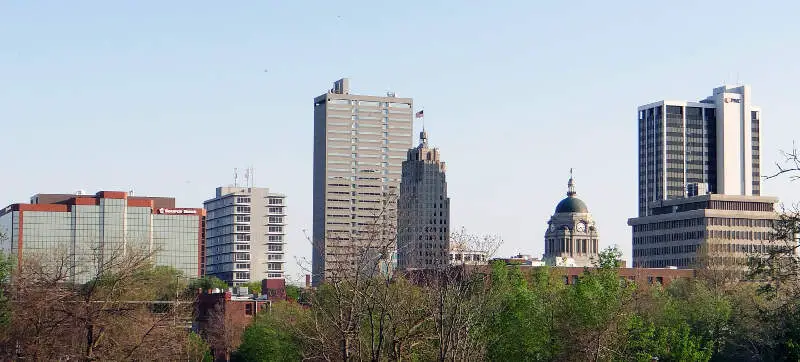
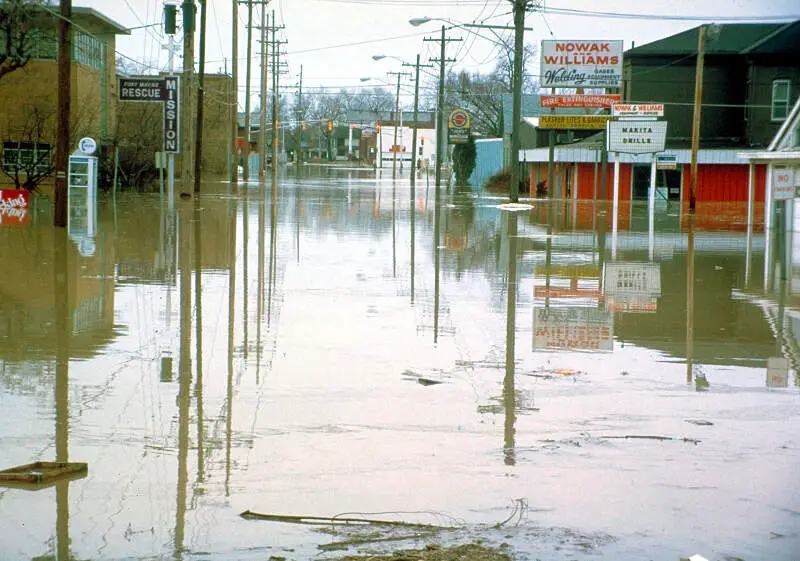
Fort Wayne vs. Indianapolis in photos
A side-by-side look at each city.




Cost of living
Fort Wayne is the cheaper city overall — 3% higher in Indianapolis than its rival. Index baseline: 100 = national average.
| Living expense | Fort Wayne | Indianapolis | US average |
|---|---|---|---|
| Overall | 91 | 94 | 100 |
| Services | 100 | 97 | 100 |
| Groceries | 94 | 97 | 100 |
| Health | 73 | 84 | 100 |
| Housing | 101 | 100 | 100 |
| Transportation | 96 | 99 | 100 |
| Utilities | 95 | 95 | 100 |
Lower index = cheaper. 100 = U.S. national average. Bar inside each cell scales relative to the highest value in the table.
Sources: HomeSnacks Cost of Living indices, normalized so 100 = U.S. national average. Drill in: Fort Wayne cost of living, Indianapolis cost of living, or the cheapest cities in America.
Housing breakdown
Home prices are higher in Fort Wayne. Compare absolute price and price-to-income — a $500k home in a $100k-income city is very different from one in a $50k-income city.
| Metric | Fort Wayne | Indianapolis | United States |
|---|---|---|---|
| Median Home Value | $242,384 | $229,209 | $332,700 |
| Median Rent | $999 | $1,156 | $1,413 |
| Median Income | $61,422 | $66,219 | $80,734 |
| Home Value To Income | 3.9x | 3.5x | 4.1x |
| Rent To Monthly Income | 0.2x | 0.21x | 0.21x |
Source: U.S. Census Bureau ACS 2020-2024. See also states with the highest rent in America.
Crime
Fort Wayne is the safer city — total crime rate of 2,531 per 100k people vs 4,214 for Indianapolis. US average: 2,119.
| Crime (per 100k) | Fort Wayne | Indianapolis | US average |
|---|---|---|---|
| Total crime | 2,531 | 4,214 | 2,119 |
| Murder | 11 | 20 | 5 |
| Robbery | 55 | 143 | 61 |
| Aggravated Assault | 199 | 656 | 256 |
| Violent Crime | 307 | 878 | 359 |
| Burglary | 217 | 518 | 229 |
| Larceny | 1,742 | 2,072 | 1,272 |
| Car Theft | 265 | 746 | 259 |
| Property Crime | 2,224 | 3,336 | 1,760 |
Lower = safer. Bar inside each cell scales relative to the highest crime rate in the table.
Source: FBI Uniform Crime Reporting (2024). All rates are per 100,000 people. City pages: Fort Wayne crime, Indianapolis crime. See also: safest cities in America.
Diversity
Indianapolis is more racially diverse — lower HHI (closer to 0) means a more even mix across groups.
| Group | Fort Wayne | Indianapolis | United States |
|---|---|---|---|
| White | 63.2% | 48.9% | 57.4% |
| African American | 14.0% | 27.6% | 11.9% |
| American Indian | 0.1% | 0.1% | 0.5% |
| Asian | 6.1% | 4.2% | 5.9% |
| Hawaiian | 0.0% | 0.0% | 0.2% |
| Other | 0.5% | 0.6% | 0.6% |
| Two Or More | 5.4% | 4.9% | 4.3% |
| Hispanic | 10.6% | 13.8% | 19.3% |
Source: U.S. Census ACS 2020-2024. Lower HHI = more even racial mix. See also: most diverse cities in America.
SnackAbility — overall quality of life
Fort Wayne scores higher overall — 6/10 vs 5/10. SnackAbility is our 1–10 quality-of-life score; the median U.S. city scores a 7.
Scores are 0–10; both bars share the same scale.
SnackAbility is a HomeSnacks proprietary 1–10 score blending jobs, housing, education, commute, amenities, affordability, crime, and diversity. Median U.S. city ≈ 7. Data: Census, BLS, FBI. See also: best places to live in America.
Getting around: Fort Wayne vs. Indianapolis
How each city handles commuting, transit, walkability, and car culture — the day-to-day reality that shapes where you'd actually want to live.
Both Fort Wayne and Indianapolis are car-first cities, but their scales are very different. Fort Wayne's compact footprint means most residents can cross town in under 20 minutes on a clear day. Street-level congestion rarely matches what you'll find on Indianapolis's I-465 beltway or the I-70/I-65 interchange downtown.
Fort Wayne's Citilink bus network covers the basics but won't replace a car for most commuters.
Indianapolis has IndyGo, including the Red Line bus rapid transit corridor running from Broad Ripple through downtown to the south side, a genuine upgrade over a standard bus grid. If you work in the suburbs or Carmel, you're still driving.
Indianapolis has more ride-share activity and bikeable neighborhoods like Fountain Square and Mass Ave, but it also has the traffic headaches that come with an 885,000-person metro. If a shorter, lower-stress daily commute matters to you, Fort Wayne has the edge.
Jobs and careers in Fort Wayne vs. Indianapolis
The local job market, dominant industries, and which city to choose based on your career.
Indianapolis is Indiana's state capital and its largest employer hub. Its private sector includes Eli Lilly, Salesforce, Rolls-Royce North America, Elevance Health (formerly Anthem), and a growing IU Health hospital system. Median household income sits at $66,219.
The tech startup scene around the Wholesale District and the 16 Tech innovation campus has added another layer in recent years.
Fort Wayne punches above its population weight in manufacturing and healthcare. Lincoln Financial Group is headquartered here, General Motors runs a major truck assembly plant on the north side, and Parkview Health and Lutheran Health Network together employ tens of thousands.
The median household income of $61,422 trails Indianapolis, but Fort Wayne's cost of living index of 91 versus Indianapolis's 94 helps close that gap in real purchasing power. If your field is advanced manufacturing, healthcare administration, or logistics, Fort Wayne's labor market is surprisingly deep.
Weather and climate
What to expect day-to-day — sun, fog, heat, rain, and the seasonal extremes that shape the lifestyle.
Expect nearly identical four-season Indiana weather in both cities, with bitter cold stretches in January and humid summers that push into the low 90s. Fort Wayne sits a bit closer to Lake Erie and occasionally catches lake-effect snow that doesn't reach Indianapolis, which can mean a few extra inches of accumulation and slightly grayer skies from November through February.
Indianapolis's position in central Indiana puts it just far enough from the lake to escape most of that effect, and its slightly more southerly location gives it marginally milder winter averages. Neither city is a weather destination. Tornado watches are a normal part of spring in both places, and August humidity is aggressive throughout the state.
If you're choosing between them on climate, the difference is modest: Indianapolis is slightly more temperate in winter, while summers are essentially interchangeable.
Culture, nightlife, and entertainment
Food, music, neighborhoods, and the city vibe that gives each place its personality.
Indianapolis delivers big-city cultural weight for a mid-size metro. Mass Avenue has independent restaurants, theater companies like the Phoenix and the Indiana Repertory Theatre, and walkable bars. Broad Ripple adds a younger bar-and-live-music corridor, and Fountain Square has become the city's arts-and-craft-cocktail hub.
Sports fans get the Colts at Lucas Oil Stadium and the Pacers at Gainbridge Fieldhouse, plus an annual Formula 1 race at IMS alongside the Indy 500.
Fort Wayne has invested heavily in its downtown core. The Promenade Park riverfront, the renovated Electric Works mixed-use campus, and a growing restaurant strip along Calhoun Street are the visible results. The Fort Wayne Museum of Art and the Embassy Theatre anchor a modest but genuine arts scene.
That said, for variety of nightlife, dining, and major events, Indianapolis is in a different league. If proximity to major concerts, pro sports, and a dense restaurant scene matters, Indianapolis is the clear call.
Outdoor activities and day trips
Parks, beaches, hikes, and the weekend escapes that define life outside the city limits.
Fort Wayne's signature outdoor feature is its Rivergreenway system, more than 20 miles of paved trail winding through the city along the confluence of the St. Marys, St. Joseph, and Maumee rivers. Franke Park and Fox Island County Park offer accessible woods and wildlife close to the city center. The three-river geography gives the city a green spine that many cities its size lack, and Promenade Park has made the riverfront an active gathering spot year-round.
Indianapolis counters with Eagle Creek Park, one of the largest municipal parks in the country at roughly 5,300 acres, which includes a reservoir popular for sailing and kayaking. The Monon Trail stretches more than 27 miles north into Carmel, and the broader Indy Greenways network connects most quadrants of the city by trail. Both cities are flat and well-suited to cycling.
For a quick escape, Indianapolis is about 90 minutes from Brown County State Park; Fort Wayne is a similar drive to Pokagon State Park in northeastern Indiana.
Bottom line: which city is right for you?
Based on the head-to-head data above, here's the short version — pick the city that lines up with what you actually care about.
Choose Fort Wayne if you prioritize…
- a lower cost of living (cheaper groceries, services, and day-to-day expenses).
- lower crime — a safer place to live, work, and raise a family.
- more affordable housing relative to Indianapolis.
- a higher overall SnackAbility quality-of-life score.
Choose Indianapolis if you prioritize…
- a more racially diverse community (lower HHI on Census data).
Methodology: winners are picked from public data — U.S. Census Bureau ACS (income, home value, rent, race/HHI), FBI Uniform Crime Reporting (crime rates per 100k), and HomeSnacks' proprietary SnackAbility quality-of-life score, which blends Bureau of Labor Statistics data with the above.
Other comparisons
Still weighing your options? See how these two cities stack up against other places we've compared head-to-head.