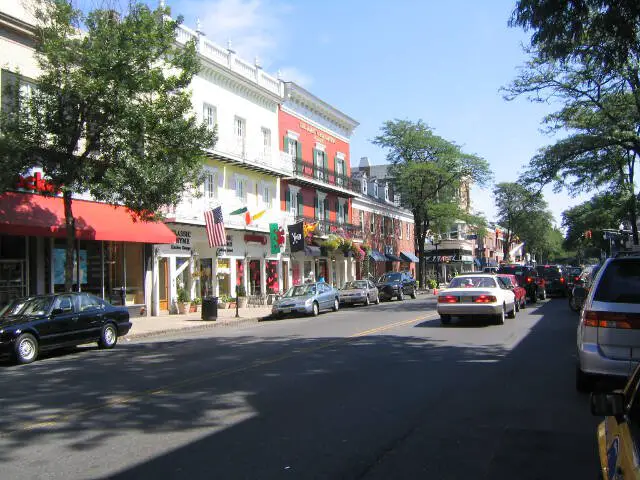
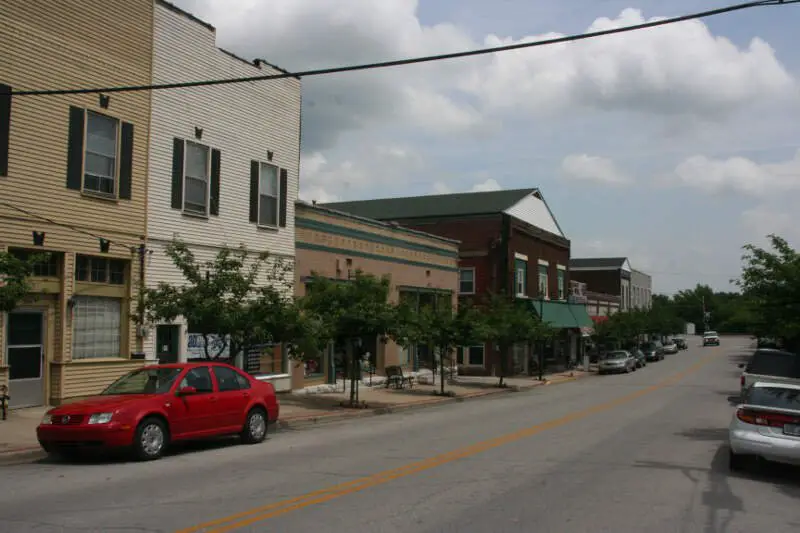
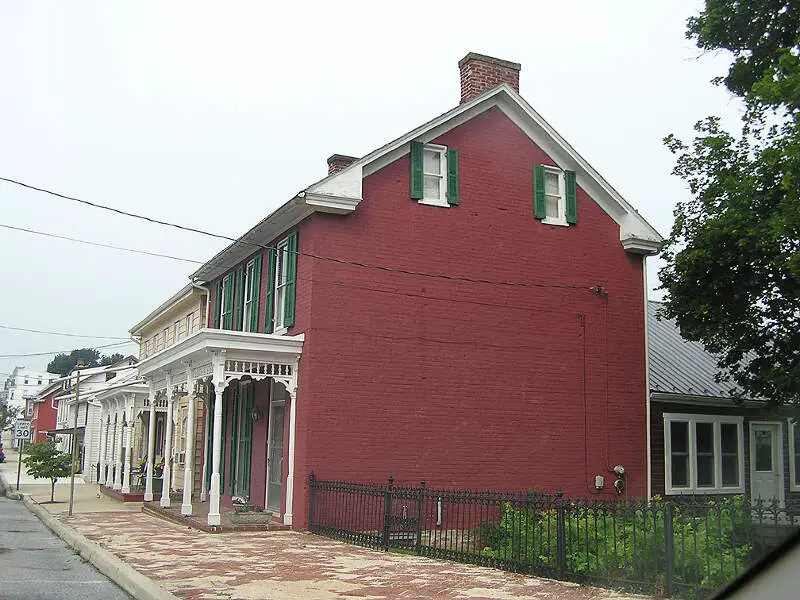
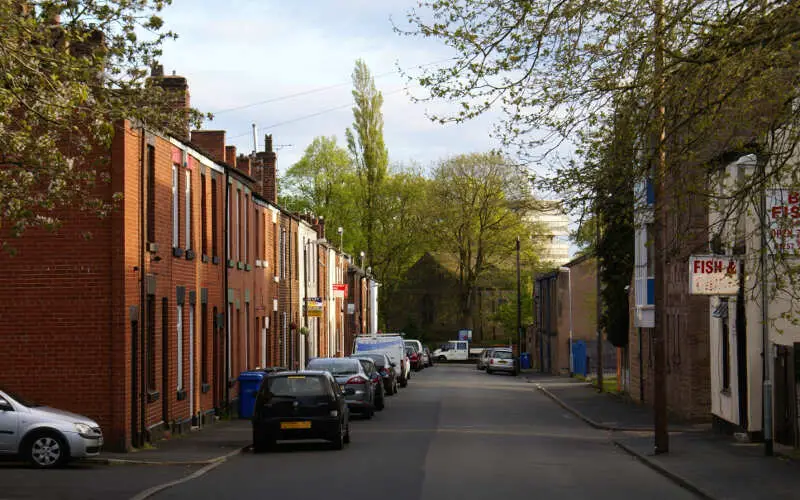
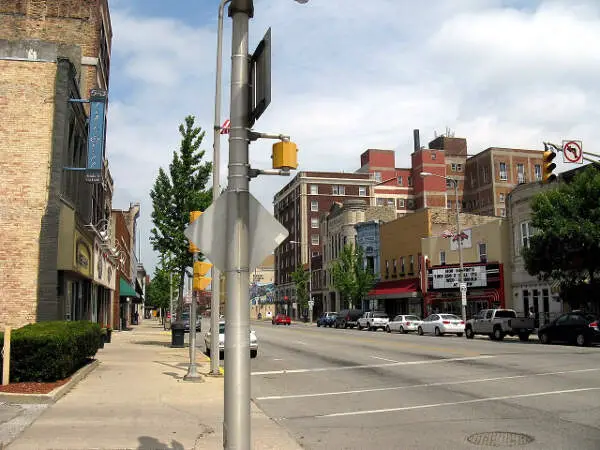
Indianapolis vs. Atlanta in photos
A side-by-side look at each city.






Cost of living
Indianapolis is the cheaper city overall — 21% higher in Atlanta than its rival. Index baseline: 100 = national average.
| Living expense | Indianapolis | Atlanta | US average |
|---|---|---|---|
| Overall | 94 | 119 | 100 |
| Services | 97 | 99 | 100 |
| Groceries | 97 | 102 | 100 |
| Health | 84 | 163 | 100 |
| Housing | 100 | 100 | 100 |
| Transportation | 99 | 106 | 100 |
| Utilities | 95 | 104 | 100 |
Lower index = cheaper. 100 = U.S. national average. Bar inside each cell scales relative to the highest value in the table.
Sources: HomeSnacks Cost of Living indices, normalized so 100 = U.S. national average. Drill in: Indianapolis cost of living, Atlanta cost of living, or the cheapest cities in America.
Housing breakdown
Home prices are higher in Atlanta. Compare absolute price and price-to-income — a $500k home in a $100k-income city is very different from one in a $50k-income city.
| Metric | Indianapolis | Atlanta | United States |
|---|---|---|---|
| Median Home Value | $229,209 | $385,599 | $332,700 |
| Median Rent | $1,156 | $1,711 | $1,413 |
| Median Income | $66,219 | $85,652 | $80,734 |
| Home Value To Income | 3.5x | 4.5x | 4.1x |
| Rent To Monthly Income | 0.21x | 0.24x | 0.21x |
Source: U.S. Census Bureau ACS 2020-2024. See also states with the highest rent in America.
Crime
Indianapolis is the safer city — total crime rate of 4,214 per 100k people vs 4,600 for Atlanta. US average: 2,119.
| Crime (per 100k) | Indianapolis | Atlanta | US average |
|---|---|---|---|
| Total crime | 4,214 | 4,600 | 2,119 |
| Murder | 20 | 26 | 5 |
| Robbery | 143 | 120 | 61 |
| Aggravated Assault | 656 | 537 | 256 |
| Violent Crime | 878 | 707 | 359 |
| Burglary | 518 | 347 | 229 |
| Larceny | 2,072 | 2,500 | 1,272 |
| Car Theft | 746 | 1,046 | 259 |
| Property Crime | 3,336 | 3,893 | 1,760 |
Lower = safer. Bar inside each cell scales relative to the highest crime rate in the table.
Source: FBI Uniform Crime Reporting (2024). All rates are per 100,000 people. City pages: Indianapolis crime, Atlanta crime. See also: safest cities in America.
Diversity
Indianapolis is more racially diverse — lower HHI (closer to 0) means a more even mix across groups.
| Group | Indianapolis | Atlanta | United States |
|---|---|---|---|
| White | 48.9% | 38.1% | 57.4% |
| African American | 27.6% | 45.4% | 11.9% |
| American Indian | 0.1% | 0.1% | 0.5% |
| Asian | 4.2% | 5.2% | 5.9% |
| Hawaiian | 0.0% | 0.0% | 0.2% |
| Other | 0.6% | 0.5% | 0.6% |
| Two Or More | 4.9% | 4.4% | 4.3% |
| Hispanic | 13.8% | 6.3% | 19.3% |
Source: U.S. Census ACS 2020-2024. Lower HHI = more even racial mix. See also: most diverse cities in America.
SnackAbility — overall quality of life
Atlanta scores higher overall — 7/10 vs 5/10. SnackAbility is our 1–10 quality-of-life score; the median U.S. city scores a 7.
Scores are 0–10; both bars share the same scale.
SnackAbility is a HomeSnacks proprietary 1–10 score blending jobs, housing, education, commute, amenities, affordability, crime, and diversity. Median U.S. city ≈ 7. Data: Census, BLS, FBI. See also: best places to live in America.
Getting around: Indianapolis vs. Atlanta
How each city handles commuting, transit, walkability, and car culture — the day-to-day reality that shapes where you'd actually want to live.
If you commute by car, Indianapolis is built for you. The I-65, I-70, and I-465 loop move traffic reasonably well outside rush hour, and median commutes run short by big-city standards. IndyGo's Red Line bus rapid transit has added some car-free options along College Avenue, but the network is thin and most residents drive by default.
Biking infrastructure has improved downtown and in Broad Ripple, but not enough to ditch the car entirely. Atlanta is different: MARTA's rail lines (Red, Gold, Blue, Green) connect Hartsfield-Jackson airport to Midtown, Buckhead, and Decatur, giving transit commuters real options Indianapolis doesn't have. The trade-off is notorious highway congestion; the I-285 perimeter and I-75/I-85 downtown junction can turn a 10-mile trip into 45 minutes at 5 p.m., so if you live near a MARTA stop, you'll be glad you do.
Jobs and careers in Indianapolis vs. Atlanta
The local job market, dominant industries, and which city to choose based on your career.
Indianapolis is a healthcare and life-sciences hub: Eli Lilly is headquartered here, and IU Health, Ascension St. Vincent, and Community Health Network collectively employ tens of thousands. Salesforce has a major presence downtown, and a growing tech and logistics sector rounds things out. With a cost of living index of 94 (below the U.S. average) and a median household income of $66,219, paychecks stretch further than in most metros.
Atlanta operates at a different scale. Fortune 500 anchors (Delta Air Lines, Coca-Cola, Home Depot, and UPS) share the city with CNN, NCR Voyix, and a fast-growing film and television production industry. Median household income of $85,652 reflects that corporate density, though the cost of living index of 119 means those dollars don't go as far as the raw number suggests.
For career climbers in finance, tech, or media, Atlanta's job market has more runway.
Weather and climate
What to expect day-to-day — sun, fog, heat, rain, and the seasonal extremes that shape the lifestyle.
Indianapolis gives you all four seasons. Winters average well below freezing in January, with regular snowfall and occasional ice storms that shut things down for a day or two. Summers are warm and humid, with July highs routinely in the upper 80s.
Spring and fall are pleasant, but you'll want a real coat from November through March and a reliable weather app year-round.
Atlanta's climate is noticeably milder. January lows hover around the mid-30s, and measurable snow is rare enough that a two-inch storm still makes local news. Summers are hot and muggy, with July highs near 90°F and humidity that makes it feel worse.
The upside is a long spring and fall with comfortable temperatures stretching well into November. If cold winters are a dealbreaker, Atlanta wins this comparison.
Culture, nightlife, and entertainment
Food, music, neighborhoods, and the city vibe that gives each place its personality.
Indianapolis has a livelier cultural scene than outsiders expect. Mass Ave is the anchor for galleries, indie restaurants, and live music venues, while Fountain Square draws a younger, artsy crowd. The Indianapolis Museum of Art at Newfields sits on 152 acres and is genuinely world-class.
Sports culture here is intense: Colts games at Lucas Oil Stadium and Pacers basketball dominate fall and winter, and the Indianapolis 500 in May is one of the most singular sporting events in the country.
Atlanta's cultural footprint is larger. The BeltLine corridor has transformed neighborhoods like Old Fourth Ward and Inman Park into walkable hubs of murals, bars, and pop-up markets. Ponce City Market, Little Five Points, and Buckhead each have a distinct nightlife personality.
The city's influence on hip-hop and R&B is unmatched outside of New York and Los Angeles. With median rent at $1,711 versus Indianapolis's $1,156, you'll pay more to be close to it all, but the variety of things to do on any given weekend isn't really comparable.
Outdoor activities and day trips
Parks, beaches, hikes, and the weekend escapes that define life outside the city limits.
Indianapolis is flat, which shapes what outdoor life looks like here. Eagle Creek Park (one of the largest municipally owned parks in the country) has sailing, trail running, and birding on its reservoir just minutes from downtown. The Cultural Trail is a well-maintained urban cycling and pedestrian loop connecting neighborhoods, and the White River has seen significant greenway investment.
For bigger adventures, Brown County State Park is about an hour south, with ridgeline hiking and mountain biking that surprises visitors expecting nothing but corn.
Atlanta's outdoor access is more dramatic. Piedmont Park anchors Midtown with greenspace, but the real draws are within an hour or two: Chattahoochee River National Recreation Area has paddling and trail running inside the metro, while Stone Mountain Park has family-friendly hiking with a striking summit view. The Blue Ridge Mountains, including Amicalola Falls and Blood Mountain, are under two hours north, giving Atlantans a genuine alpine escape that Indianapolis residents simply don't have on their doorstep.
Bottom line: which city is right for you?
Based on the head-to-head data above, here's the short version — pick the city that lines up with what you actually care about.
Choose Indianapolis if you prioritize…
- a lower cost of living (cheaper groceries, services, and day-to-day expenses).
- lower crime — a safer place to live, work, and raise a family.
- a more racially diverse community (lower HHI on Census data).
Choose Atlanta if you prioritize…
- more affordable housing relative to Indianapolis.
- a higher overall SnackAbility quality-of-life score.
Methodology: winners are picked from public data — U.S. Census Bureau ACS (income, home value, rent, race/HHI), FBI Uniform Crime Reporting (crime rates per 100k), and HomeSnacks' proprietary SnackAbility quality-of-life score, which blends Bureau of Labor Statistics data with the above.
Other comparisons
Still weighing your options? See how these two cities stack up against other places we've compared head-to-head.