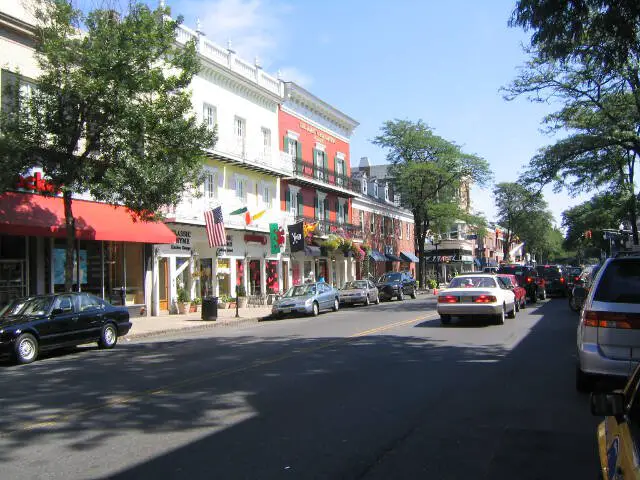
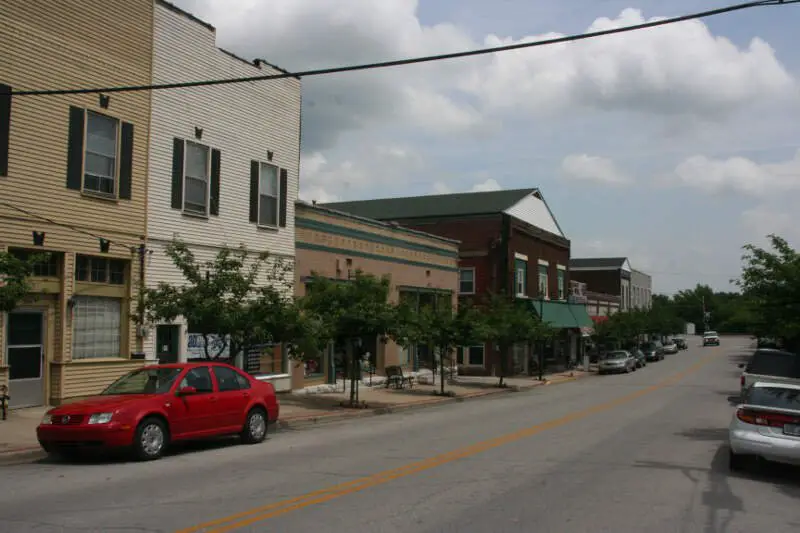
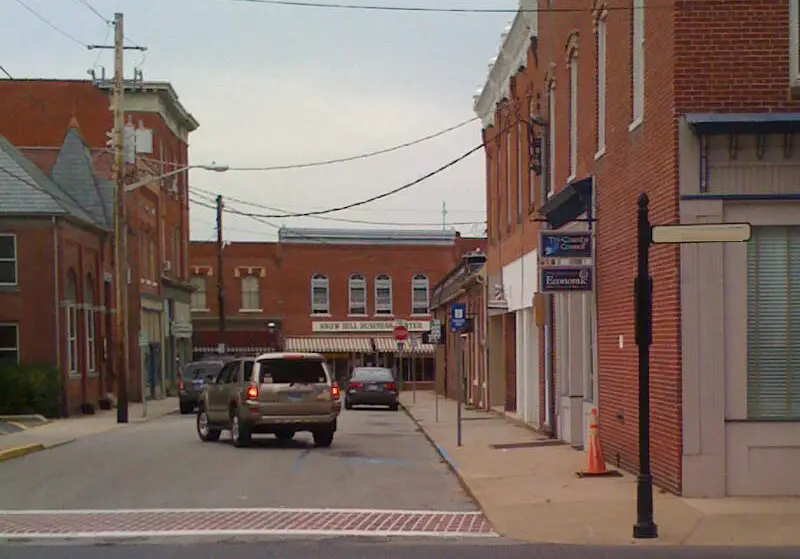
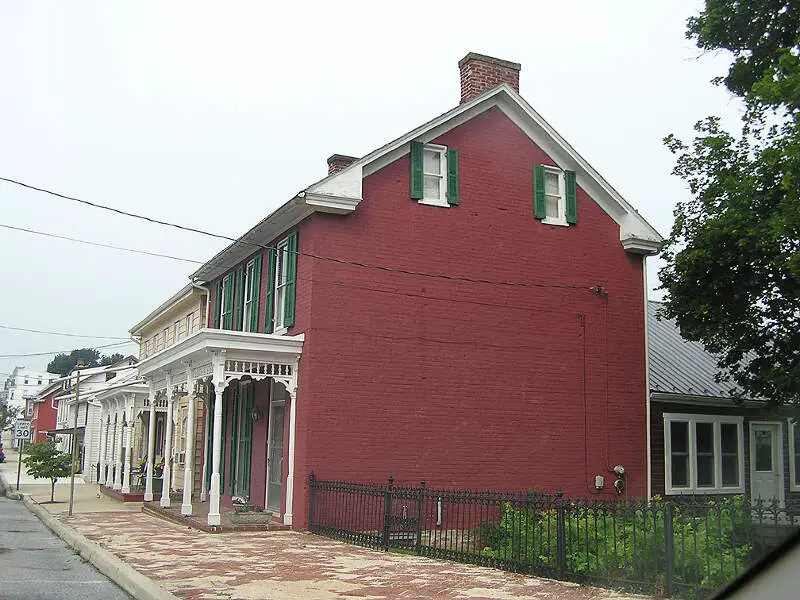
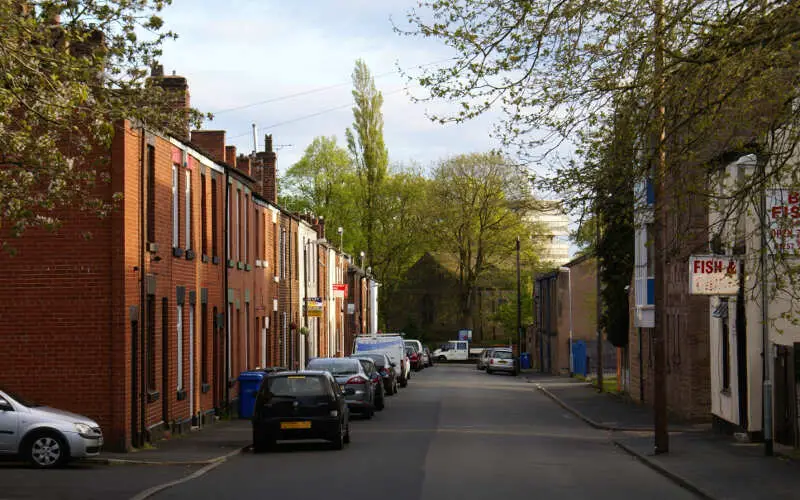
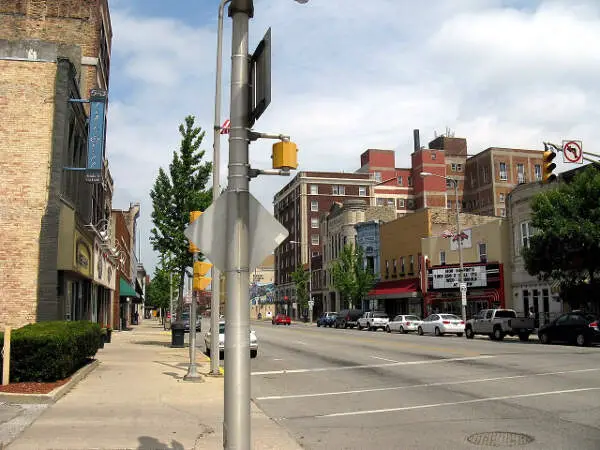
Memphis vs. Cincinnati in photos
A side-by-side look at each city.






Cost of living
Memphis is the cheaper city overall — 1% higher in Cincinnati than its rival. Index baseline: 100 = national average.
| Living expense | Memphis | Cincinnati | US average |
|---|---|---|---|
| Overall | 93 | 94 | 100 |
| Services | 102 | 98 | 100 |
| Groceries | 94 | 99 | 100 |
| Health | 71 | 82 | 100 |
| Housing | 102 | 98 | 100 |
| Transportation | 99 | 96 | 100 |
| Utilities | 103 | 97 | 100 |
Lower index = cheaper. 100 = U.S. national average. Bar inside each cell scales relative to the highest value in the table.
Sources: HomeSnacks Cost of Living indices, normalized so 100 = U.S. national average. Drill in: Memphis cost of living, Cincinnati cost of living, or the cheapest cities in America.
Housing breakdown
Home prices are higher in Cincinnati. Compare absolute price and price-to-income — a $500k home in a $100k-income city is very different from one in a $50k-income city.
| Metric | Memphis | Cincinnati | United States |
|---|---|---|---|
| Median Home Value | $144,710 | $249,567 | $332,700 |
| Median Rent | $1,181 | $1,001 | $1,413 |
| Median Income | $51,736 | $52,909 | $80,734 |
| Home Value To Income | 2.8x | 4.7x | 4.1x |
| Rent To Monthly Income | 0.27x | 0.23x | 0.21x |
Source: U.S. Census Bureau ACS 2020-2024. See also states with the highest rent in America.
Crime
Cincinnati is the safer city — total crime rate of 4,675 per 100k people vs 9,400 for Memphis. US average: 2,119.
| Crime (per 100k) | Memphis | Cincinnati | US average |
|---|---|---|---|
| Total crime | 9,400 | 4,675 | 2,119 |
| Murder | 41 | 22 | 5 |
| Robbery | 349 | 232 | 61 |
| Aggravated Assault | 2,042 | 535 | 256 |
| Violent Crime | 2,501 | 846 | 359 |
| Burglary | 916 | 548 | 229 |
| Larceny | 4,399 | 2,395 | 1,272 |
| Car Theft | 1,584 | 886 | 259 |
| Property Crime | 6,899 | 3,829 | 1,760 |
Lower = safer. Bar inside each cell scales relative to the highest crime rate in the table.
Source: FBI Uniform Crime Reporting (2024). All rates are per 100,000 people. City pages: Memphis crime, Cincinnati crime. See also: safest cities in America.
Diversity
Cincinnati is more racially diverse — lower HHI (closer to 0) means a more even mix across groups.
| Group | Memphis | Cincinnati | United States |
|---|---|---|---|
| White | 22.4% | 48.2% | 57.4% |
| African American | 62.7% | 36.3% | 11.9% |
| American Indian | 0.1% | 0.1% | 0.5% |
| Asian | 1.7% | 2.6% | 5.9% |
| Hawaiian | 0.1% | 0.0% | 0.2% |
| Other | 0.5% | 0.8% | 0.6% |
| Two Or More | 2.3% | 5.9% | 4.3% |
| Hispanic | 10.4% | 6.1% | 19.3% |
Source: U.S. Census ACS 2020-2024. Lower HHI = more even racial mix. See also: most diverse cities in America.
SnackAbility — overall quality of life
Cincinnati scores higher overall — 5/10 vs 3/10. SnackAbility is our 1–10 quality-of-life score; the median U.S. city scores a 7.
Scores are 0–10; both bars share the same scale.
SnackAbility is a HomeSnacks proprietary 1–10 score blending jobs, housing, education, commute, amenities, affordability, crime, and diversity. Median U.S. city ≈ 7. Data: Census, BLS, FBI. See also: best places to live in America.
Getting around: Memphis vs. Cincinnati
How each city handles commuting, transit, walkability, and car culture — the day-to-day reality that shapes where you'd actually want to live.
Memphis runs on cars. I-240 and I-40 are the main arteries, and commute times are typical for a mid-size Sun Belt city. The Memphis Area Transit Authority (MATA) runs bus routes and a small downtown trolley loop, but coverage is thin enough that going car-free is genuinely difficult in most neighborhoods.
Memphis International Airport offers direct flights to major hubs, which matters if your job involves travel.
Cincinnati is also car-dependent, but the hillside geography creates pockets where walking actually works. Neighborhoods like Mt. Adams, Hyde Park, and Clifton feel more walkable than most of Memphis. The Southwest Ohio Regional Transit Authority (SORTA) Metro bus network is reasonably functional, and the Cincinnati Bell Connector streetcar links the Banks to Over-the-Rhine and downtown for short hops.
Cincinnati/Northern Kentucky International Airport serves the tristate area well. Neither city will remind you of a transit-rich metro, but Cincinnati edges Memphis for non-car options.
Jobs and careers in Memphis vs. Cincinnati
The local job market, dominant industries, and which city to choose based on your career.
Memphis's economy is anchored in logistics and distribution. FedEx was founded here and remains the city's dominant private employer, with its global headquarters still in town. AutoZone, International Paper, and St. Jude Children's Research Hospital round out the major employer list, covering healthcare, manufacturing, and corporate services.
The median household income is $51,736. A cost of living index of 93 means your dollar goes further than the national average, which helps offset wages that can trail larger metros.
Cincinnati's economy is broader. Procter & Gamble, Kroger, Fifth Third Bank, and Cincinnati Children's Hospital Medical Center are all headquartered here, putting multiple Fortune 500 names in one city. The median household income is $52,909, only modestly higher than Memphis, but the professional services, finance, and healthcare sectors tend to generate more mid-to-senior level openings.
If you're early in a corporate career and want name-brand employers on your resume, Cincinnati's bench is deep.
Weather and climate
What to expect day-to-day — sun, fog, heat, rain, and the seasonal extremes that shape the lifestyle.
Memphis delivers genuine four-season weather without the extremes of the Deep South. Summers are hot and humid; July highs routinely reach the low 90s. Winters are mild but not toothless, with occasional ice storms that catch residents off guard.
Spring and fall are legitimately pleasant, and snow is infrequent and rarely sticks. If you can tolerate heat, the long warm season is a real quality-of-life asset.
Cincinnati's winters bite harder. Expect grey, cold stretches from December through February, occasional significant snowfall, and wind off the Ohio River that makes temperatures feel colder than they read. Summers are warm and humid but slightly cooler than Memphis, with July highs in the mid-80s.
Spring can be rainy and unpredictable. If you're coming from the South, the Cincinnati winter will require an adjustment; if you're used to Midwest weather, it'll feel familiar. Memphis clearly wins on warmth and sunshine hours.
Culture, nightlife, and entertainment
Food, music, neighborhoods, and the city vibe that gives each place its personality.
Memphis carries a cultural identity that punches well above its population of 618,980. Beale Street is the obvious starting point: live blues nightly, bars and clubs, and a tourist energy that locals either embrace or avoid depending on the night.
The real depth is in the neighborhoods. Cooper-Young hosts indie restaurants and galleries, South Main has become an arts district anchored by the Crosstown Concourse, and the Stax Museum and Sun Studio make Memphis a genuine pilgrimage site for music history.
The food scene is nationally recognized and cheap. Central BBQ, Gus's Fried Chicken, and Charles Vergos' Rendezvous are the names that come up.
Cincinnati's cultural life is built around a different kind of legacy. Over-the-Rhine, a beautifully preserved 19th-century German neighborhood, is now one of the country's most compelling urban revival stories, packed with bars, restaurants, and the Cincinnati Art Museum nearby. FC Cincinnati's new stadium has added an electric live-sports atmosphere alongside the city's serious symphony, opera, and ballet.
With a population of 311,224, Cincinnati is smaller but has a concentrated, walkable nightlife core that Memphis lacks. Which suits you depends on whether you prefer blues heritage or a European-influenced urban grid.
Outdoor activities and day trips
Parks, beaches, hikes, and the weekend escapes that define life outside the city limits.
Memphis's outdoor identity is shaped by the Mississippi River. The bluffs along Tom Lee Park and Mud Island offer dramatic views, and Shelby Farms Park, at over 4,500 acres, gives residents serious trail, paddling, and open-space access right inside city limits.
The broader Mid-South region puts you within a few hours of the Natchez Trace, Shiloh National Military Park, and the Buffalo National River in Arkansas. Winters mild enough for year-round cycling and running are a genuine advantage.
Cincinnati's outdoor scene centers on the Ohio River and the network of parks and trails climbing the surrounding hills. The Little Miami Scenic Trail is a beloved multi-use path stretching northeast from the city. Red River Gorge in Kentucky, some of the best climbing and hiking in the eastern U.S., is only about 90 minutes away.
Closer in, Eden Park and the Cincinnati Nature Center in Milford offer accessible green space. The hillier terrain makes for more varied cycling and hiking than the flatter Memphis environs, and the proximity to the Appalachian foothills is a real asset for weekend trips.
Bottom line: which city is right for you?
Based on the head-to-head data above, here's the short version — pick the city that lines up with what you actually care about.
Choose Memphis if you prioritize…
- a lower cost of living (cheaper groceries, services, and day-to-day expenses).
Choose Cincinnati if you prioritize…
- lower crime — a safer place to live, work, and raise a family.
- more affordable housing relative to Memphis.
- a more racially diverse community (lower HHI on Census data).
- a higher overall SnackAbility quality-of-life score.
Methodology: winners are picked from public data — U.S. Census Bureau ACS (income, home value, rent, race/HHI), FBI Uniform Crime Reporting (crime rates per 100k), and HomeSnacks' proprietary SnackAbility quality-of-life score, which blends Bureau of Labor Statistics data with the above.
Other comparisons
Still weighing your options? See how these two cities stack up against other places we've compared head-to-head.