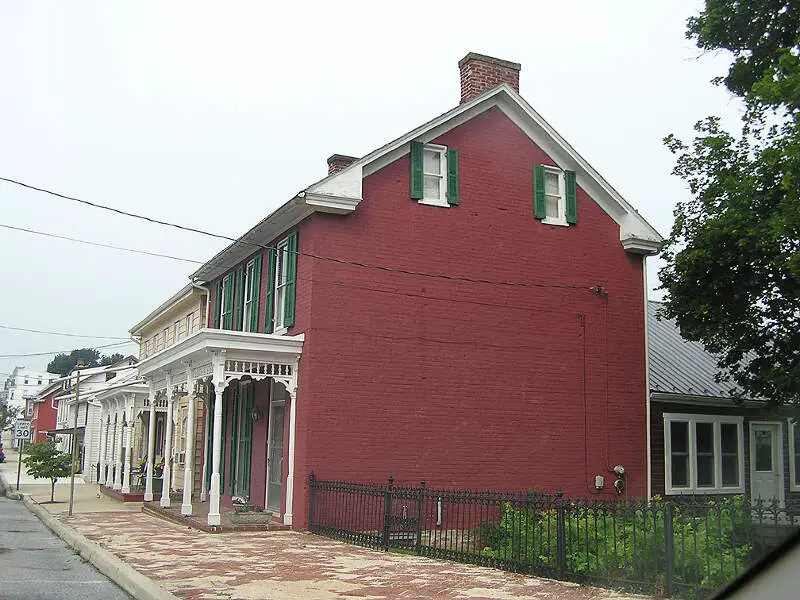
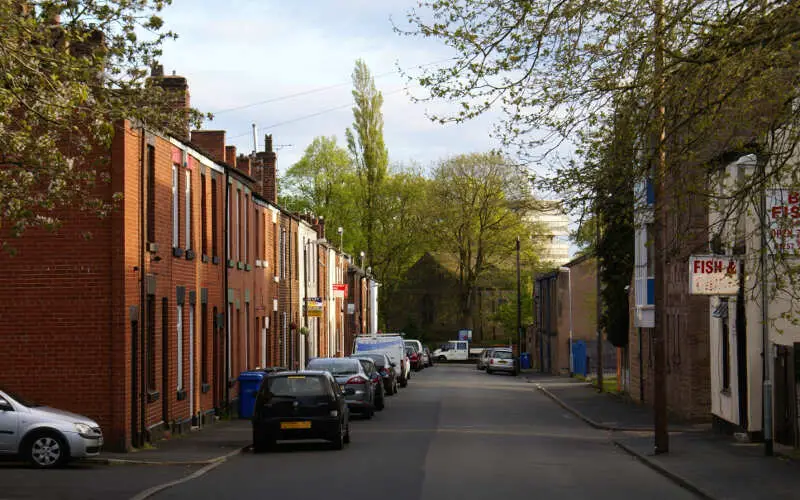
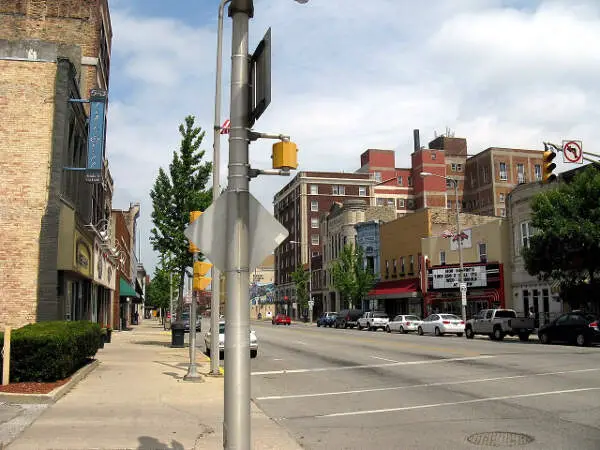
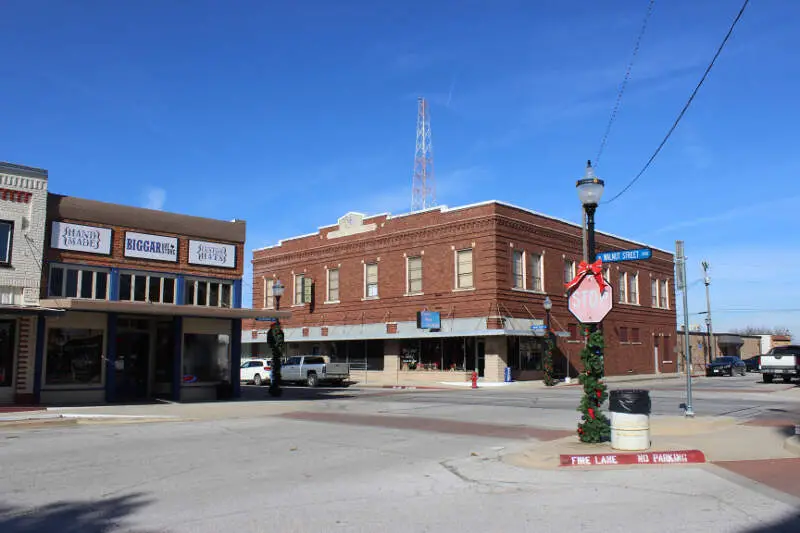
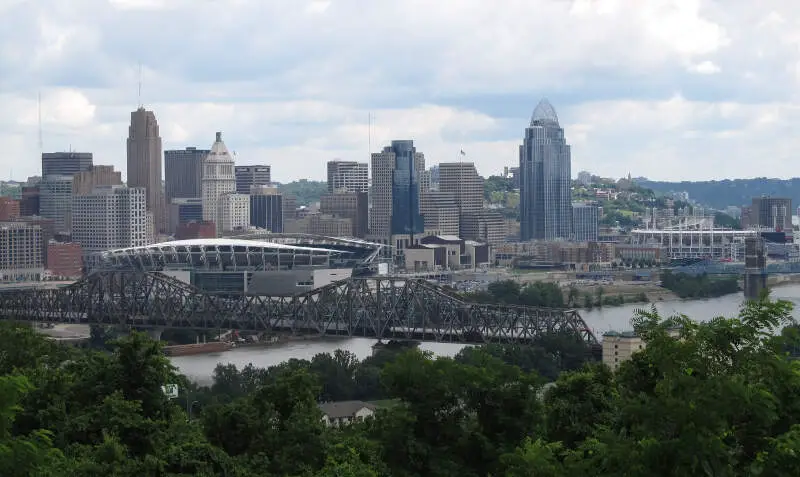
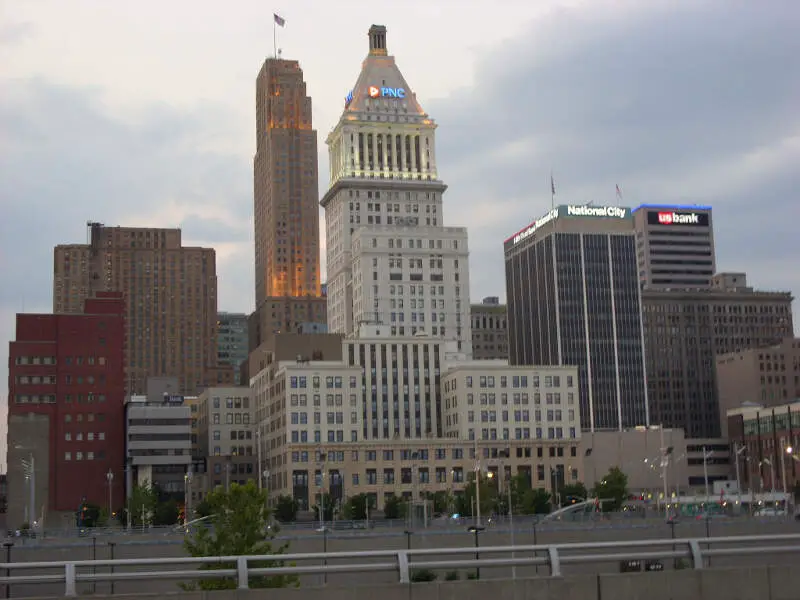
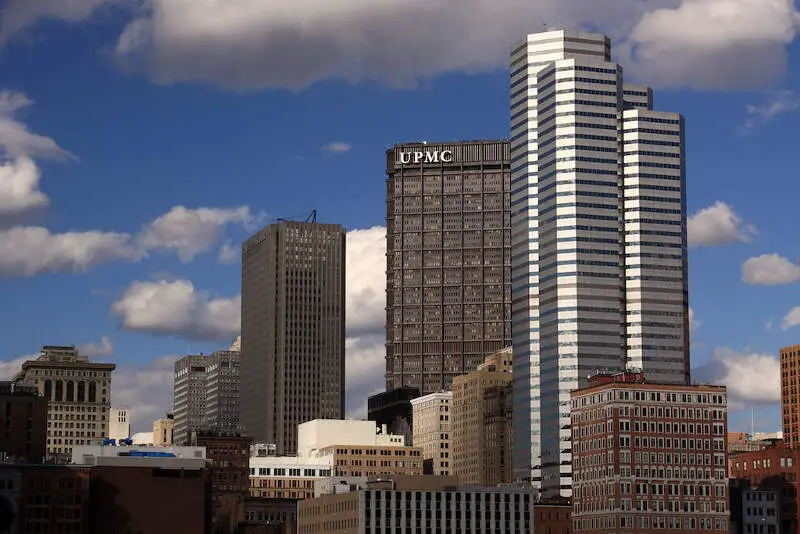
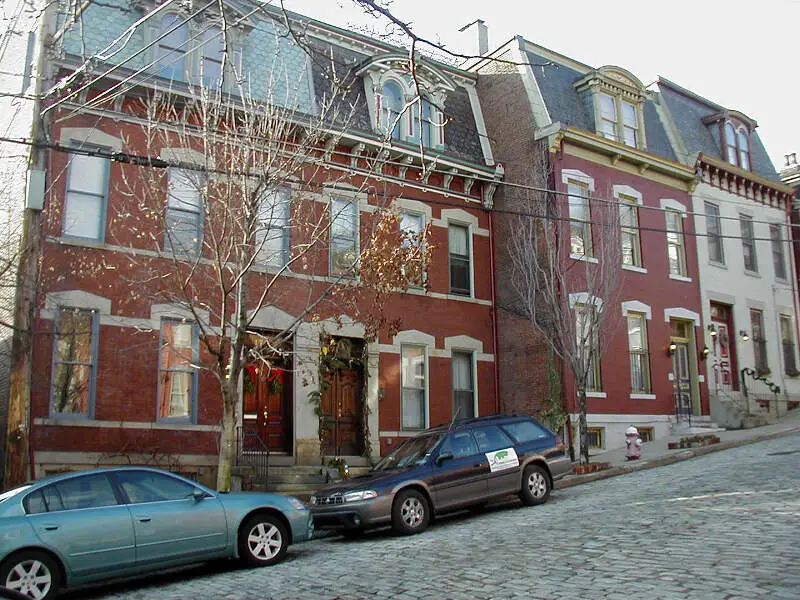
Cincinnati vs. Pittsburgh in photos
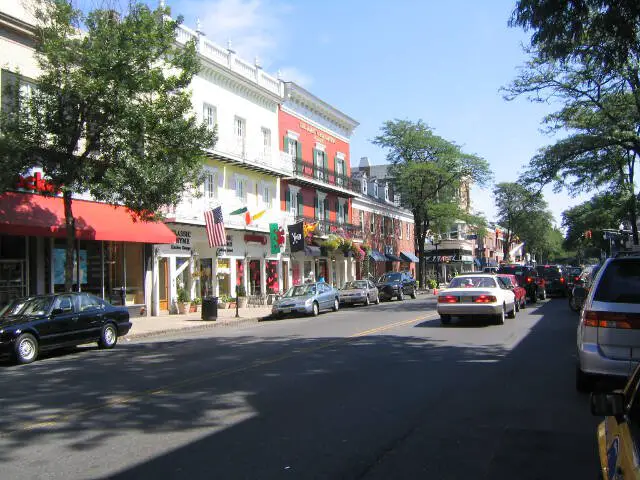
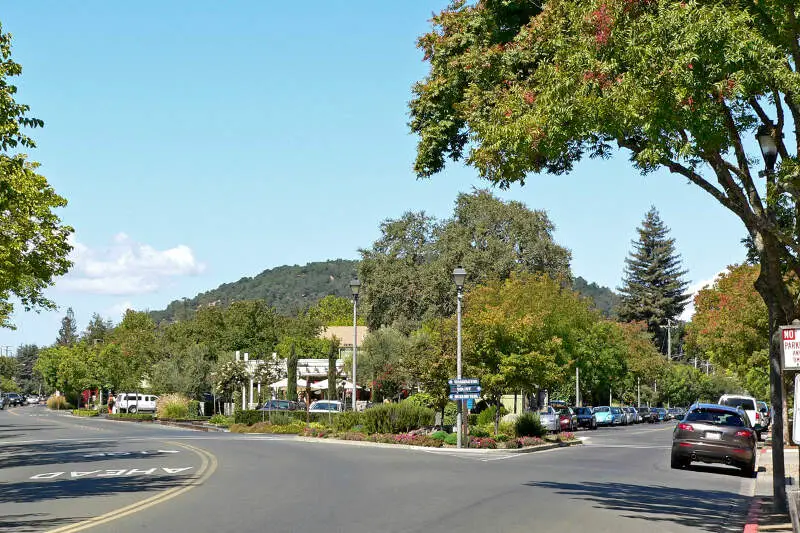
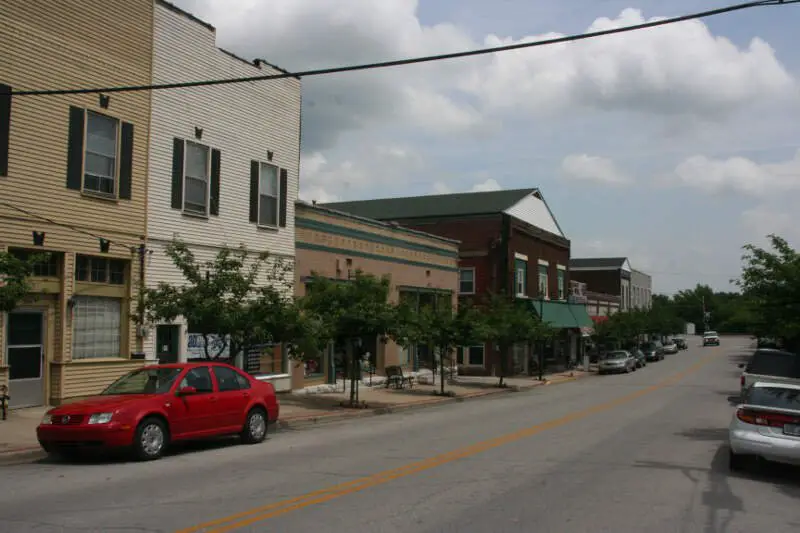
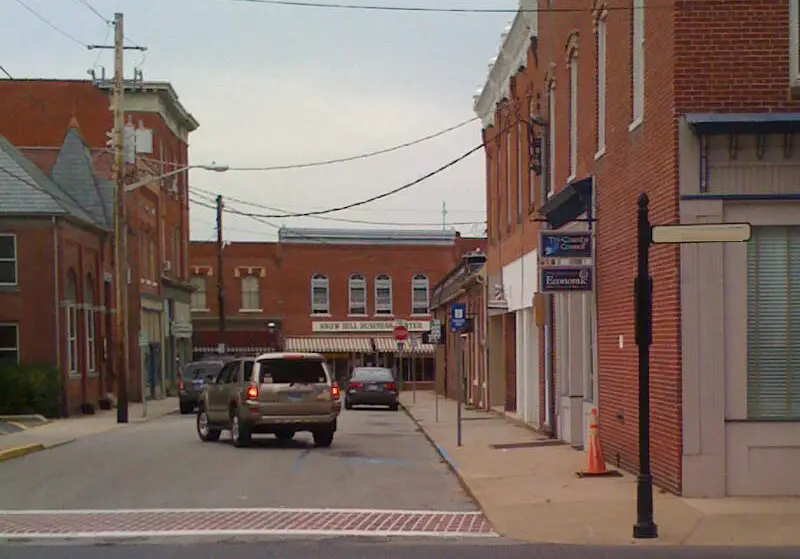
A side-by-side look at each city.


Cost of living
Cincinnati is the cheaper city overall — 4% higher in Pittsburgh than its rival. Index baseline: 100 = national average.
| Living expense | Cincinnati | Pittsburgh | US average |
|---|---|---|---|
| Overall | 94 | 98 | 100 |
| Services | 98 | 97 | 100 |
| Groceries | 99 | 101 | 100 |
| Health | 82 | 84 | 100 |
| Housing | 98 | 105 | 100 |
| Transportation | 96 | 106 | 100 |
| Utilities | 97 | 99 | 100 |
Lower index = cheaper. 100 = U.S. national average. Bar inside each cell scales relative to the highest value in the table.
Sources: HomeSnacks Cost of Living indices, normalized so 100 = U.S. national average. Drill in: Cincinnati cost of living, Pittsburgh cost of living, or the cheapest cities in America.
Housing breakdown
Home prices are higher in Cincinnati. Compare absolute price and price-to-income — a $500k home in a $100k-income city is very different from one in a $50k-income city.
| Metric | Cincinnati | Pittsburgh | United States |
|---|---|---|---|
| Median Home Value | $249,567 | $237,533 | $332,700 |
| Median Rent | $1,001 | $1,261 | $1,413 |
| Median Income | $52,909 | $65,742 | $80,734 |
| Home Value To Income | 4.7x | 3.6x | 4.1x |
| Rent To Monthly Income | 0.23x | 0.23x | 0.21x |
Source: U.S. Census Bureau ACS 2020-2024. See also states with the highest rent in America.
Crime
Pittsburgh is the safer city — total crime rate of 2,707 per 100k people vs 4,675 for Cincinnati. US average: 2,119.
| Crime (per 100k) | Cincinnati | Pittsburgh | US average |
|---|---|---|---|
| Total crime | 4,675 | 2,707 | 2,119 |
| Murder | 22 | 11 | 5 |
| Robbery | 232 | 124 | 61 |
| Aggravated Assault | 535 | 240 | 256 |
| Violent Crime | 846 | 427 | 359 |
| Burglary | 548 | 233 | 229 |
| Larceny | 2,395 | 1,704 | 1,272 |
| Car Theft | 886 | 343 | 259 |
| Property Crime | 3,829 | 2,280 | 1,760 |
Lower = safer. Bar inside each cell scales relative to the highest crime rate in the table.
Source: FBI Uniform Crime Reporting (2024). All rates are per 100,000 people. City pages: Cincinnati crime, Pittsburgh crime. See also: safest cities in America.
Diversity
Cincinnati is more racially diverse — lower HHI (closer to 0) means a more even mix across groups.
| Group | Cincinnati | Pittsburgh | United States |
|---|---|---|---|
| White | 48.2% | 61.9% | 57.4% |
| African American | 36.3% | 22.1% | 11.9% |
| American Indian | 0.1% | 0.1% | 0.5% |
| Asian | 2.6% | 6.1% | 5.9% |
| Hawaiian | 0.0% | 0.0% | 0.2% |
| Other | 0.8% | 0.6% | 0.6% |
| Two Or More | 5.9% | 4.8% | 4.3% |
| Hispanic | 6.1% | 4.5% | 19.3% |
Source: U.S. Census ACS 2020-2024. Lower HHI = more even racial mix. See also: most diverse cities in America.
SnackAbility — overall quality of life
Pittsburgh scores higher overall — 7/10 vs 5/10. SnackAbility is our 1–10 quality-of-life score; the median U.S. city scores a 7.
Scores are 0–10; both bars share the same scale.
SnackAbility is a HomeSnacks proprietary 1–10 score blending jobs, housing, education, commute, amenities, affordability, crime, and diversity. Median U.S. city ≈ 7. Data: Census, BLS, FBI. See also: best places to live in America.
Getting around: Cincinnati vs. Pittsburgh
How each city handles commuting, transit, walkability, and car culture — the day-to-day reality that shapes where you'd actually want to live.
Both Cincinnati and Pittsburgh are car cities, but they get there differently. Cincinnati's street grid is relatively flat in the basin; SORTA Metro buses cover the major corridors, but there's no light rail, so commuting by car means threading I-71 or I-75 downtown. Parking is cheap compared to most metros, and that keeps car ownership the default for most residents.
Pittsburgh's driving is its own challenge: 446 bridges, tunnels that dump you onto expressways, and hills that make GPS directions feel like riddles. Pittsburgh Regional Transit runs the T light-rail line to the South Hills and a bus rapid transit network along dedicated busways, giving Oakland, Downtown, and the East End reasonable transit options. If you land a job along one of those corridors, Pittsburgh's transit edge over Cincinnati is real; everywhere else, you'll still be in a car.
Jobs and careers in Cincinnati vs. Pittsburgh
The local job market, dominant industries, and which city to choose based on your career.
Cincinnati's job market leans heavily on its Fortune 500 base: Procter & Gamble, Kroger, and Fifth Third Bank all keep major operations downtown, and Cincinnati Children's Hospital Medical Center is a consistent national employer. The city's median household income of $52,909 trails Pittsburgh noticeably, reflecting a labor mix weighted toward logistics, retail, and manufacturing alongside the white-collar anchors.
Pittsburgh's economy has shifted since the steel collapse: UPMC, the University of Pittsburgh, and Carnegie Mellon now anchor the region through what's commonly called the Eds and Meds model. CMU's robotics and AI programs have pulled in Google, Uber, and Aurora to set up research here, pushing Pittsburgh's median household income to $65,742. For healthcare, higher education, or emerging tech, Pittsburgh's market is deeper; for consumer goods and finance, Cincinnati is the stronger pick.
Weather and climate
What to expect day-to-day — sun, fog, heat, rain, and the seasonal extremes that shape the lifestyle.
Cincinnati sits in a humid continental zone with hot, humid summers (expect stretches of 90-degree days in July and August) and cold but not brutal winters. Snowfall averages around 20 to 25 inches a year, heavy rain is common in spring, and you'll see all four seasons with reasonable clarity. Occasional ice storms are the real winter nuisance rather than deep snowpack.
Pittsburgh shares the same climate classification but runs cloudier and slightly colder, largely because the surrounding Allegheny ridges trap moisture. It's one of the least sunny large cities in the country and picks up closer to 40 inches of snow annually. Summers are milder than Cincinnati's; if gray skies affect your mood, that's worth factoring in before you commit, and Pittsburgh residents do own more serious snow boots.
Culture, nightlife, and entertainment
Food, music, neighborhoods, and the city vibe that gives each place its personality.
Cincinnati's Over-the-Rhine neighborhood is one of the most intact 19th-century German-American urban districts in the country, and it has become a genuine destination over the past decade: Findlay Market on weekends, a dense craft-beer corridor, and a restaurant scene that punches above its weight. The Cincinnati Symphony, Cincinnati Art Museum in Eden Park, and a passionate FC Cincinnati and Bengals fanbase give the city a strong civic identity tied closely to the Ohio River and its brewing heritage.
Pittsburgh's neighborhood culture runs just as deep and is more varied: Lawrenceville has become the city's arts-and-boutique-food corridor, the Strip District does Saturday morning produce-market energy, and South Side draws the bar crowd to East Carson Street. The Andy Warhol Museum, Carnegie Museum of Art, and Carnegie Music Hall are all worth your time. Steelers season is practically a civic religion, and at a median rent of $1,261 versus Cincinnati's $1,001, you'll pay a bit more to live near the action in Pittsburgh, but most residents find it worth it.
Outdoor activities and day trips
Parks, beaches, hikes, and the weekend escapes that define life outside the city limits.
Cincinnati's outdoor access centers on the Ohio River and the green hills that roll away from it on both sides. Eden Park and Mount Airy Forest offer solid in-city trail systems, and Devou Park across the river in Covington, Kentucky has skyline views worth the short drive. The Little Miami Scenic Trail is a flat, paved rail-trail popular with cyclists and runners, and Red River Gorge or Hocking Hills make excellent half-day road trips when you want serious terrain.
Pittsburgh sits at the confluence of three rivers and puts you within easy reach of the Laurel Highlands. Frick Park and Schenley Park are genuine urban forests with miles of mountain-bike and hiking trails, not just mowed grass. Ohiopyle State Park, about 90 minutes southeast, has some of the best whitewater in the East and connects to the Great Allegheny Passage, a 150-mile paved trail that runs all the way to Washington, D.C.
Bottom line: which city is right for you?
Based on the head-to-head data above, here's the short version — pick the city that lines up with what you actually care about.
Choose Cincinnati if you prioritize…
- a lower cost of living (cheaper groceries, services, and day-to-day expenses).
- more affordable housing relative to Pittsburgh.
- a more racially diverse community (lower HHI on Census data).
Choose Pittsburgh if you prioritize…
- lower crime — a safer place to live, work, and raise a family.
- a higher overall SnackAbility quality-of-life score.
Methodology: winners are picked from public data — U.S. Census Bureau ACS (income, home value, rent, race/HHI), FBI Uniform Crime Reporting (crime rates per 100k), and HomeSnacks' proprietary SnackAbility quality-of-life score, which blends Bureau of Labor Statistics data with the above.
Other comparisons
Still weighing your options? See how these two cities stack up against other places we've compared head-to-head.