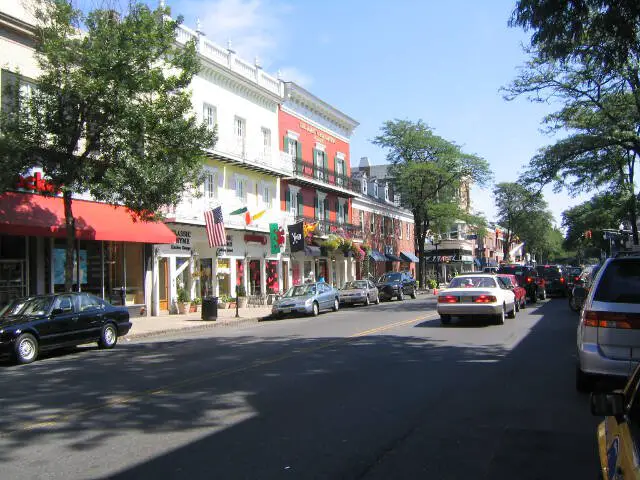
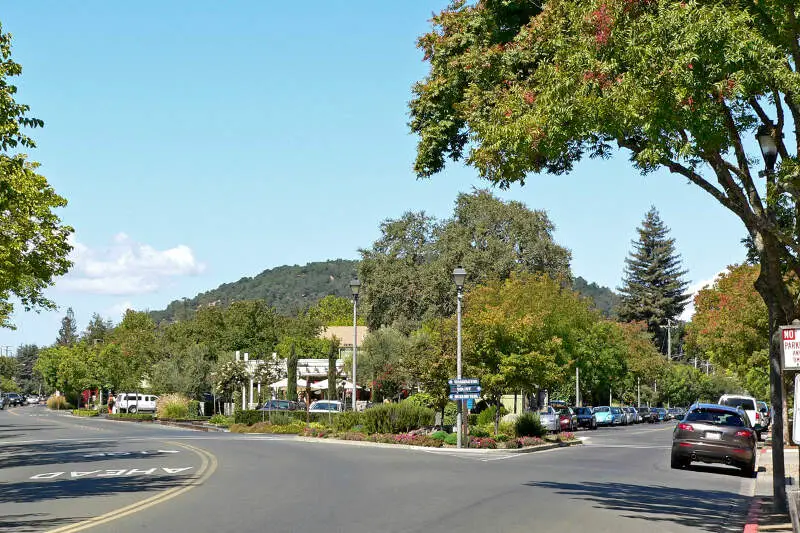
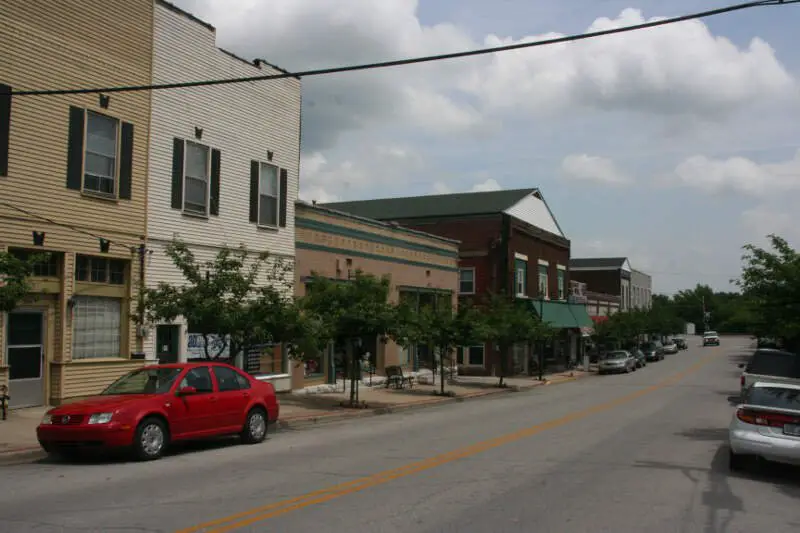
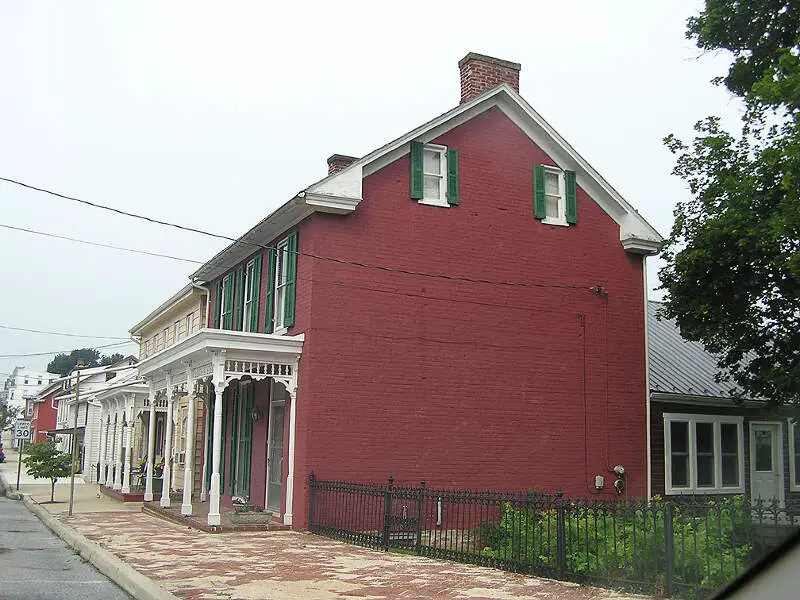
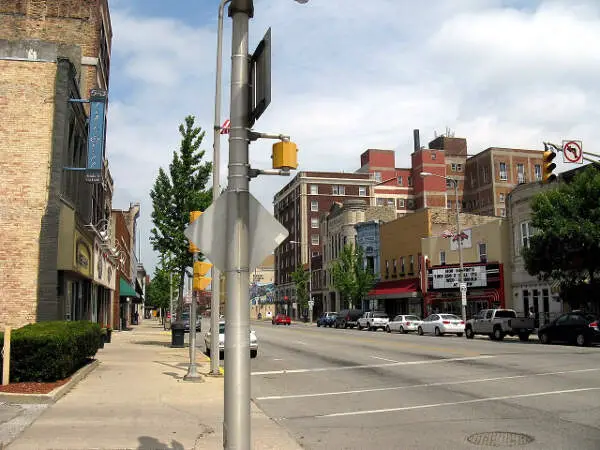
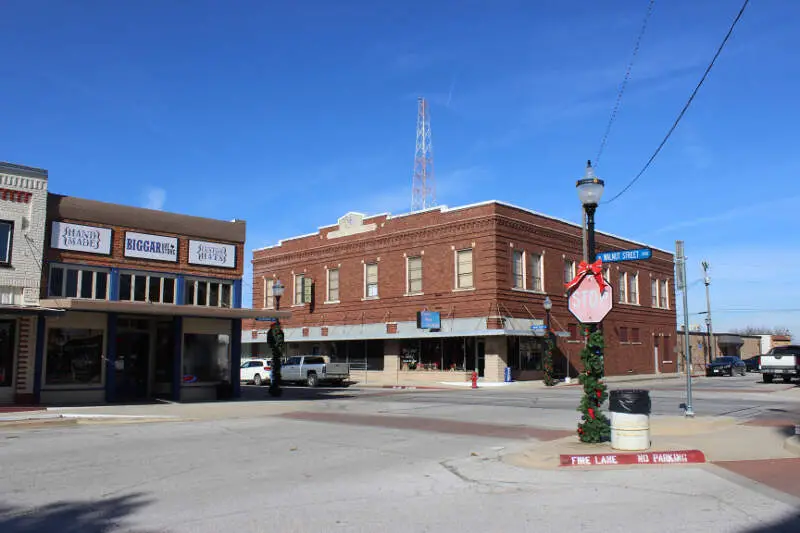
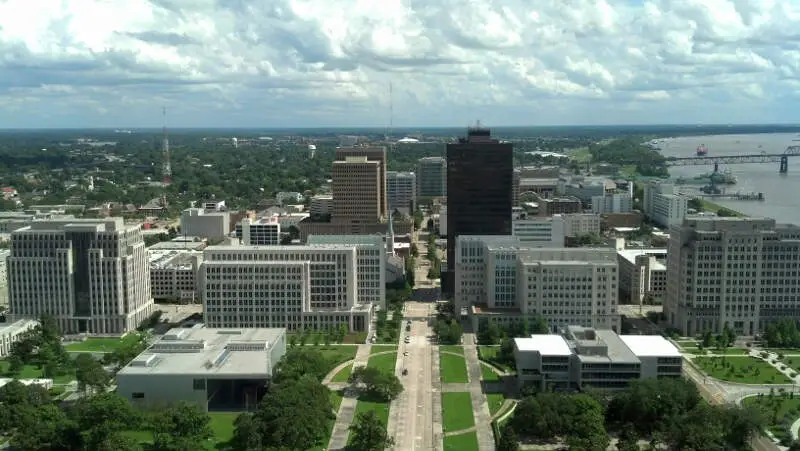
New Orleans vs. Baton Rouge in photos
A side-by-side look at each city.

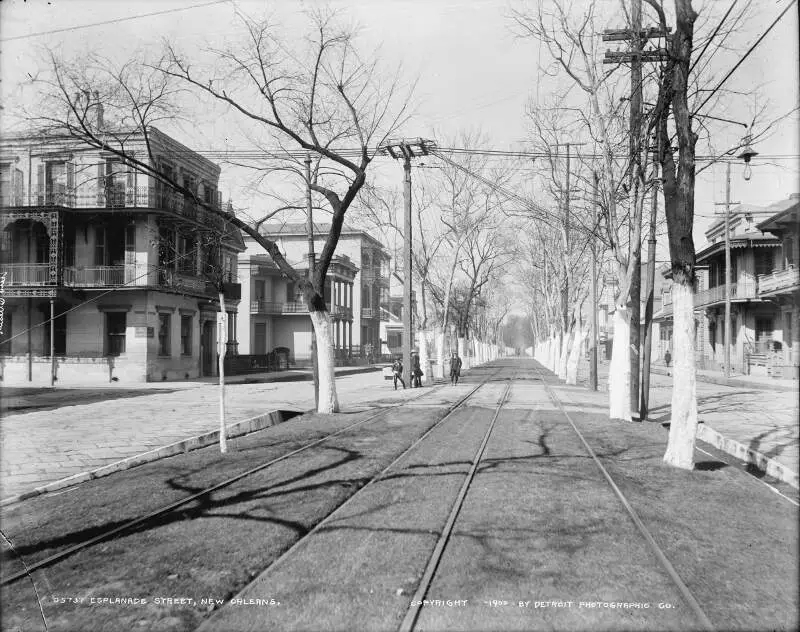
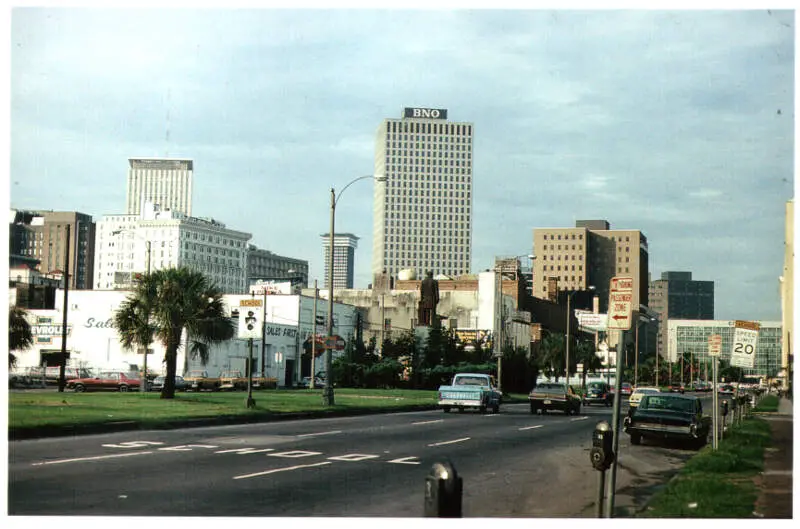
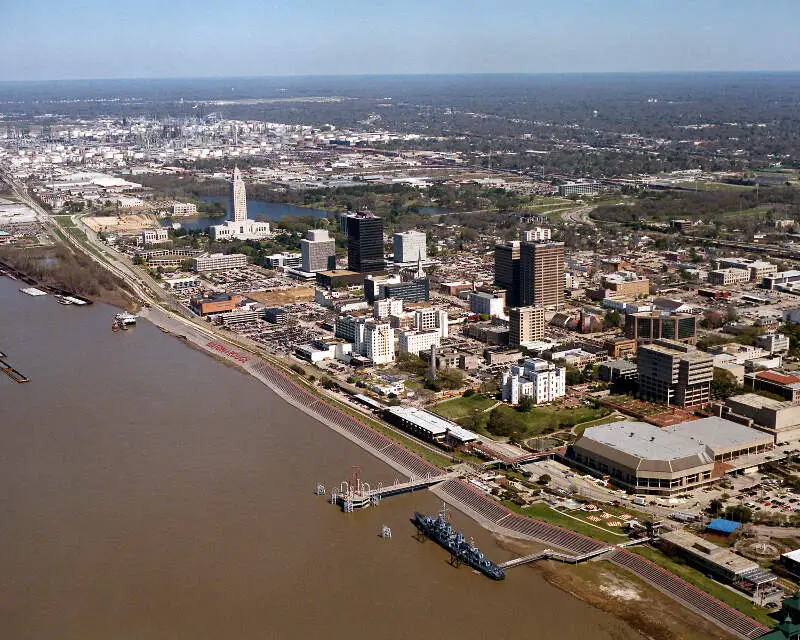
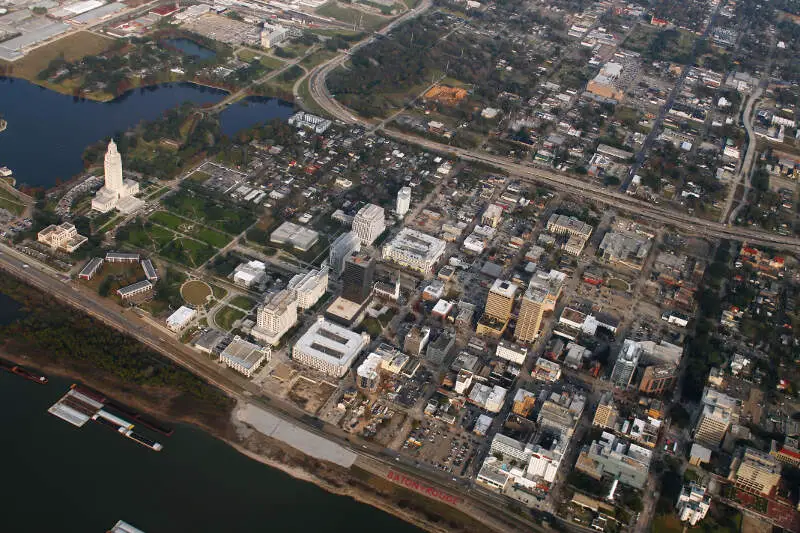
Cost of living
Baton Rouge is the cheaper city overall — 8% higher in New Orleans than its rival. Index baseline: 100 = national average.
| Living expense | New Orleans | Baton Rouge | US average |
|---|---|---|---|
| Overall | 108 | 100 | 100 |
| Services | 100 | 103 | 100 |
| Groceries | 99 | 97 | 100 |
| Health | 128 | 97 | 100 |
| Housing | 94 | 101 | 100 |
| Transportation | 97 | 101 | 100 |
| Utilities | 96 | 95 | 100 |
Lower index = cheaper. 100 = U.S. national average. Bar inside each cell scales relative to the highest value in the table.
Sources: HomeSnacks Cost of Living indices, normalized so 100 = U.S. national average. Drill in: New Orleans cost of living, Baton Rouge cost of living, or the cheapest cities in America.
Housing breakdown
Home prices are higher in New Orleans. Compare absolute price and price-to-income — a $500k home in a $100k-income city is very different from one in a $50k-income city.
| Metric | New Orleans | Baton Rouge | United States |
|---|---|---|---|
| Median Home Value | $242,492 | $228,414 | $332,700 |
| Median Rent | $1,251 | $1,067 | $1,413 |
| Median Income | $56,631 | $49,994 | $80,734 |
| Home Value To Income | 4.3x | 4.6x | 4.1x |
| Rent To Monthly Income | 0.27x | 0.26x | 0.21x |
Source: U.S. Census Bureau ACS 2020-2024. See also states with the highest rent in America.
Crime
New Orleans is the safer city — total crime rate of 6,451 per 100k people vs 6,530 for Baton Rouge. US average: 2,119.
| Crime (per 100k) | New Orleans | Baton Rouge | US average |
|---|---|---|---|
| Total crime | 6,451 | 6,530 | 2,119 |
| Murder | 53 | 24 | 5 |
| Robbery | 180 | 137 | 61 |
| Aggravated Assault | 941 | 778 | 256 |
| Violent Crime | 1,361 | 1,004 | 359 |
| Burglary | 478 | 1,299 | 229 |
| Larceny | 2,771 | 3,322 | 1,272 |
| Car Theft | 1,840 | 906 | 259 |
| Property Crime | 5,090 | 5,527 | 1,760 |
Lower = safer. Bar inside each cell scales relative to the highest crime rate in the table.
Source: FBI Uniform Crime Reporting (2024). All rates are per 100,000 people. City pages: New Orleans crime, Baton Rouge crime. See also: safest cities in America.
Diversity
Baton Rouge is more racially diverse — lower HHI (closer to 0) means a more even mix across groups.
| Group | New Orleans | Baton Rouge | United States |
|---|---|---|---|
| White | 30.1% | 34.8% | 57.4% |
| African American | 53.9% | 50.4% | 11.9% |
| American Indian | 0.1% | 0.1% | 0.5% |
| Asian | 2.8% | 4.0% | 5.9% |
| Hawaiian | 0.0% | 0.0% | 0.2% |
| Other | 1.0% | 0.6% | 0.6% |
| Two Or More | 4.0% | 4.0% | 4.3% |
| Hispanic | 8.2% | 6.2% | 19.3% |
Source: U.S. Census ACS 2020-2024. Lower HHI = more even racial mix. See also: most diverse cities in America.
SnackAbility — overall quality of life
New Orleans and Baton Rouge tied at 4/10.
Scores are 0–10; both bars share the same scale.
SnackAbility is a HomeSnacks proprietary 1–10 score blending jobs, housing, education, commute, amenities, affordability, crime, and diversity. Median U.S. city ≈ 7. Data: Census, BLS, FBI. See also: best places to live in America.
Getting around: New Orleans vs. Baton Rouge
How each city handles commuting, transit, walkability, and car culture — the day-to-day reality that shapes where you'd actually want to live.
Getting around New Orleans without a car is genuinely viable in a way it simply isn't in Baton Rouge. The RTA's St. Charles streetcar connects Uptown to the Central Business District, and the French Quarter and Marigny are walkable enough that many residents go car-free. Biking is realistic in the flat, compact core, and the Lafitte Greenway offers a dedicated off-street route.
If you commute by car in New Orleans, expect congestion on I-10 through the Westbank Expressway and the Crescent City Connection.
Baton Rouge runs almost entirely on car culture. The Capital Area Transit System (CATS) exists but serves a limited network, and most residents treat it as a last resort. Congestion on I-10 near the Atchafalaya bridge and the College Drive corridor can add significant time to daily commutes, particularly during LSU football weekends.
If a car-free or car-light lifestyle matters to you, New Orleans wins decisively.
Jobs and careers in New Orleans vs. Baton Rouge
The local job market, dominant industries, and which city to choose based on your career.
New Orleans carries a higher median household income ($56,631 versus Baton Rouge's $49,994), but context matters. Tourism and hospitality dominate the New Orleans economy, with the Port of New Orleans, Ochsner Health, Tulane University, and a growing tech and film production scene filling out the mix. Those industries can mean uneven hours and seasonal income for many workers, though professional services and healthcare offer more stability.
Baton Rouge's economy leans on state government employment, Louisiana State University, and a dense petrochemical corridor along the Mississippi that includes ExxonMobil, BASF, and Shell facilities. If you work in engineering, chemical manufacturing, or public administration, Baton Rouge often has straighter career ladders and relatively low competition. The lower income figure partly reflects the cost of living: Baton Rouge sits right at the national average (index 100) while New Orleans runs about 8 percent above it (index 108), so real purchasing power is closer than the headline numbers suggest.
Weather and climate
What to expect day-to-day — sun, fog, heat, rain, and the seasonal extremes that shape the lifestyle.
Both cities sit firmly in the humid subtropical belt, so expect long, punishing summers with heat indexes routinely above 100°F, high humidity from June through September, and brief, mild winters that rarely see frost. Afternoon thunderstorms are a near-daily occurrence from late spring through early fall. Hurricane season runs June through November, and both cities carry real exposure, though New Orleans, sitting below sea level and surrounded by Lake Pontchartrain and the Mississippi, faces considerably greater flood and storm surge risk.
If you're sensitive to that risk, Baton Rouge's position roughly 80 miles inland and at higher elevation offers a meaningful, if not absolute, margin of safety. Baton Rouge still floods (the August 2016 event was catastrophic), but the chronic inundation risk after major storms is lower than in New Orleans. Spring and fall in both cities are genuinely beautiful, and the stretch from October through April is when outdoor life is most enjoyable regardless of which city you choose.
Culture, nightlife, and entertainment
Food, music, neighborhoods, and the city vibe that gives each place its personality.
New Orleans is one of the most culturally distinct cities in the United States, full stop. The French Quarter draws tourists, but locals gravitate toward Frenchmen Street for live jazz every night of the week, the Bywater for galleries and bars, and Magazine Street for independent shopping and restaurants. Mardi Gras, Jazz Fest, and Essence Festival are national events that reshape the city's calendar.
The food scene, from Commander's Palace to the corner po-boy shop, is world-class and rooted in Creole and Cajun traditions.
Baton Rouge has a livelier cultural scene than it sometimes gets credit for, anchored largely by LSU. The arts district along Third Street downtown has grown steadily, and the Shaw Center for the Arts brings serious programming. Restaurants along Perkins Road and in the Mid City area have raised the dining bar considerably.
If nightlife energy, music heritage, and cultural density are priorities, New Orleans operates on a different level entirely. It is not a close comparison.
Outdoor activities and day trips
Parks, beaches, hikes, and the weekend escapes that define life outside the city limits.
New Orleans outdoor life centers on its green corridors and waterways. City Park's 1,300 acres include the New Orleans Museum of Art, disc golf, and lagoons popular with kayakers. Audubon Park anchors Uptown with a 1.8-mile loop favored by joggers.
Bayou St. John is a calm flatwater paddle right in the city, and Lake Pontchartrain's seawall draws cyclists and anglers. Day trips to Jean Lafitte National Historical Park put swamp and marshland ecology within 30 minutes.
Baton Rouge leans heavily on BREC, the parish recreation authority, which manages over 180 parks including the popular Bluebonnet Swamp Nature Center and Farr Park along the Mississippi River levee. The Tunica Hills area to the north offers surprisingly rugged trail hiking for the region. LSU's campus lakes are a pleasant spot for paddling and running.
Neither city offers mountains or dramatic elevation changes, so if hiking variety or cooler-weather activity is your goal, both will require road trips. The surrounding bayous, rivers, and Gulf Coast are the shared backyard.
Bottom line: which city is right for you?
Based on the head-to-head data above, here's the short version — pick the city that lines up with what you actually care about.
Choose New Orleans if you prioritize…
- lower crime — a safer place to live, work, and raise a family.
- more affordable housing relative to Baton Rouge.
Choose Baton Rouge if you prioritize…
- a lower cost of living (cheaper groceries, services, and day-to-day expenses).
- a more racially diverse community (lower HHI on Census data).
Methodology: winners are picked from public data — U.S. Census Bureau ACS (income, home value, rent, race/HHI), FBI Uniform Crime Reporting (crime rates per 100k), and HomeSnacks' proprietary SnackAbility quality-of-life score, which blends Bureau of Labor Statistics data with the above.
Other comparisons
Still weighing your options? See how these two cities stack up against other places we've compared head-to-head.