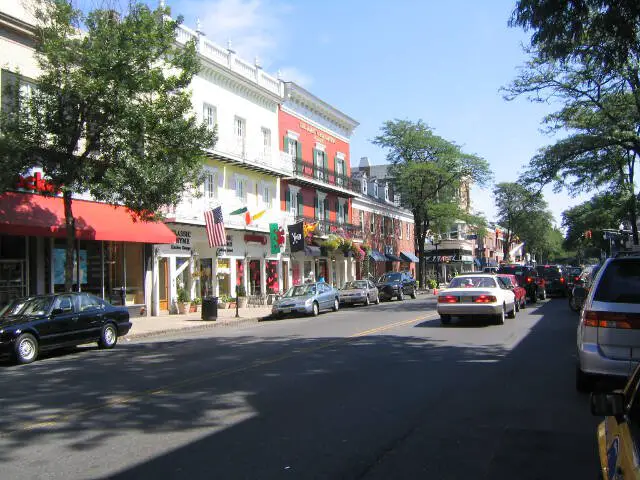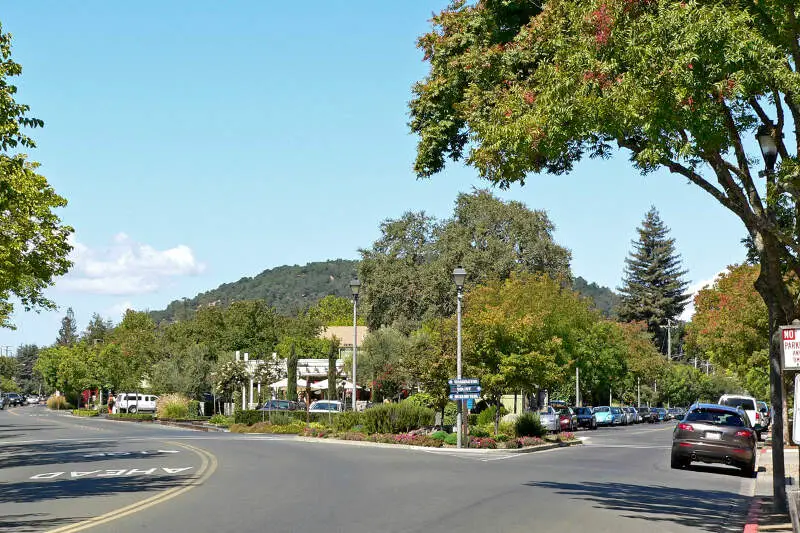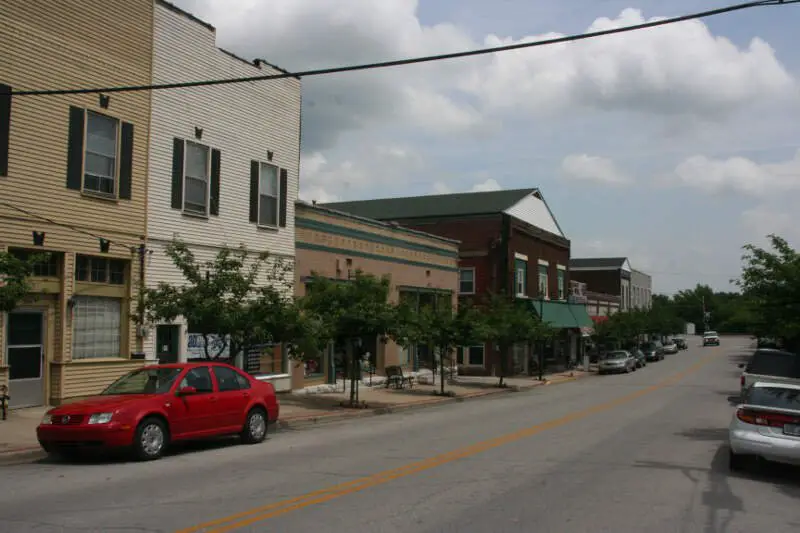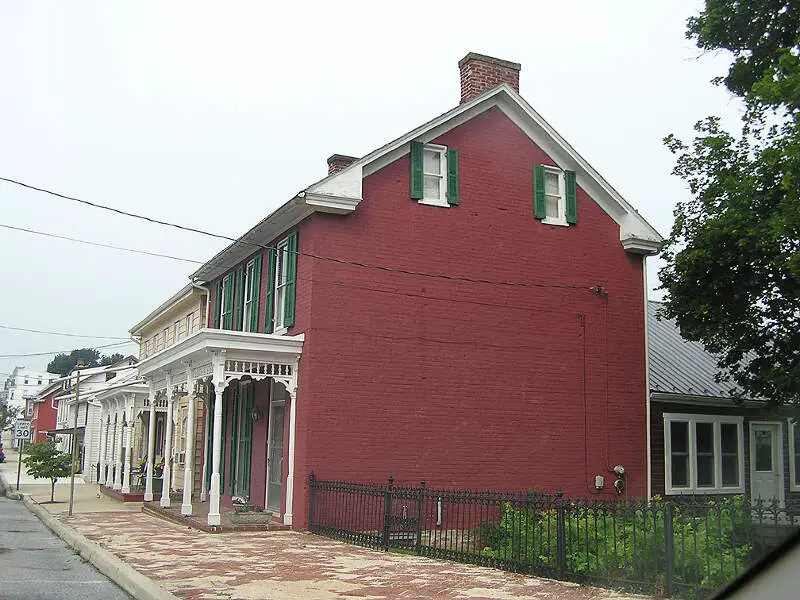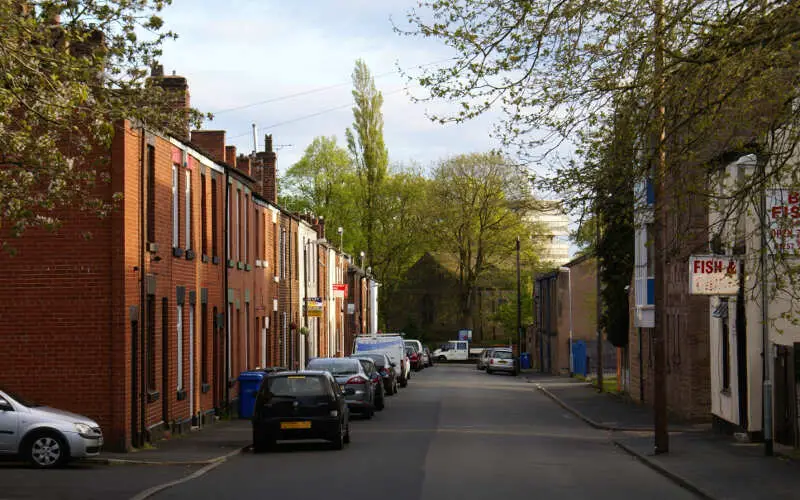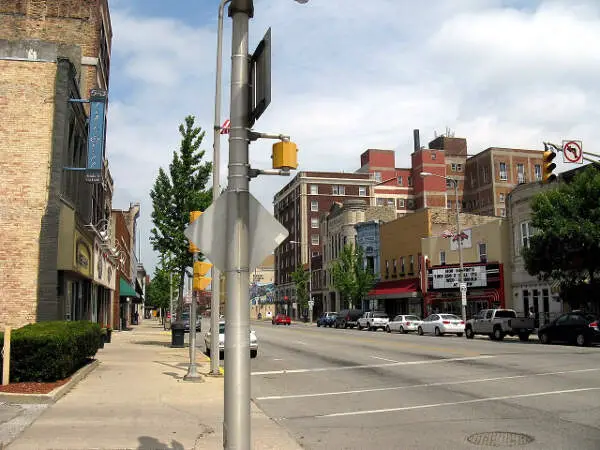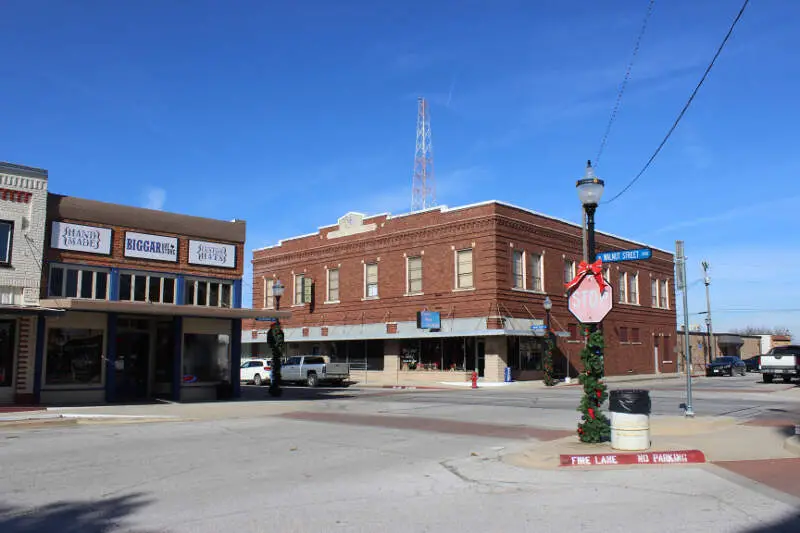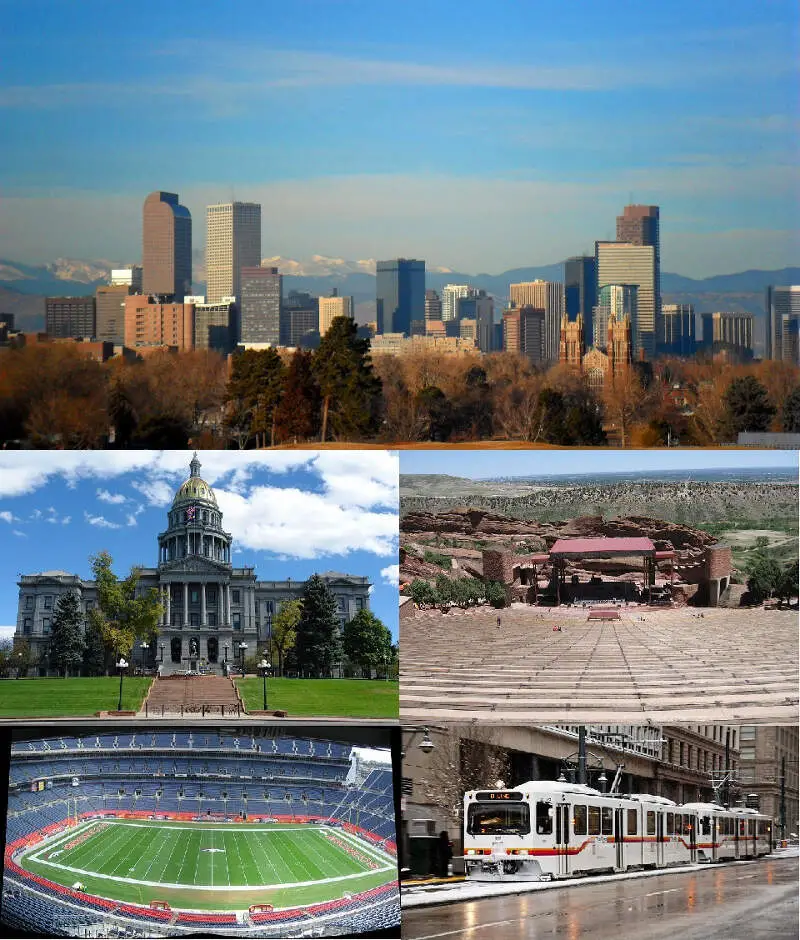
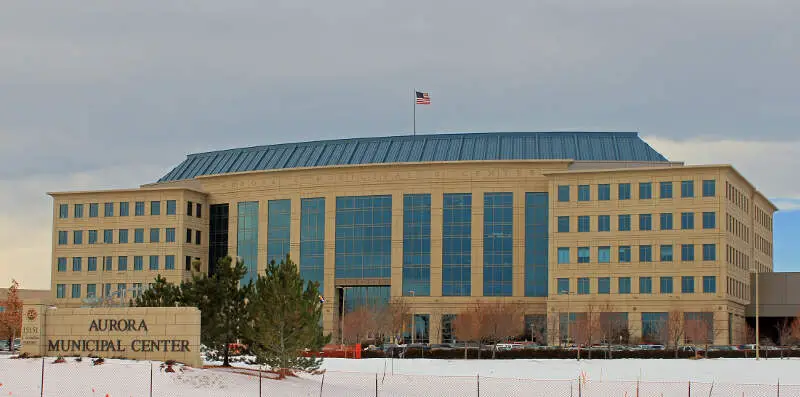
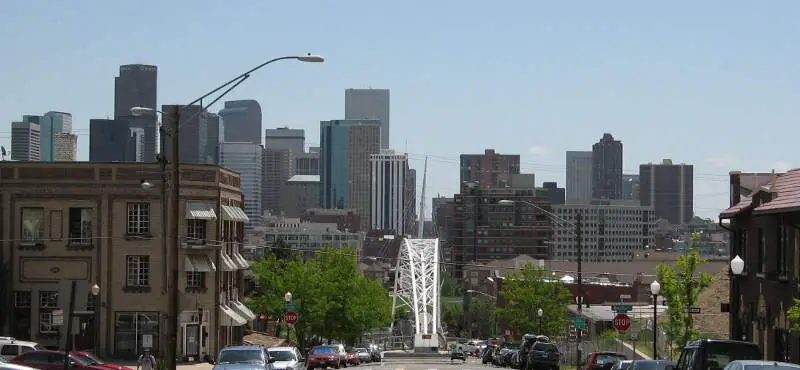
Aurora vs. Denver in photos
A side-by-side look at each city.
Cost of living
Aurora is the cheaper city overall — 11% higher in Denver than its rival. Index baseline: 100 = national average.
| Living expense | Aurora | Denver | US average |
|---|---|---|---|
| Overall | 127 | 142 | 100 |
| Services | 108 | 108 | 100 |
| Groceries | 108 | 107 | 100 |
| Health | 165 | 214 | 100 |
| Housing | 107 | 113 | 100 |
| Transportation | 113 | 110 | 100 |
| Utilities | 112 | 111 | 100 |
Lower index = cheaper. 100 = U.S. national average. Bar inside each cell scales relative to the highest value in the table.
Sources: HomeSnacks Cost of Living indices, normalized so 100 = U.S. national average. Drill in: Aurora cost of living, Denver cost of living, or the cheapest cities in America.
Housing breakdown
Home prices are higher in Denver. Compare absolute price and price-to-income — a $500k home in a $100k-income city is very different from one in a $50k-income city.
| Metric | Aurora | Denver | United States |
|---|---|---|---|
| Median Home Value | $463,080 | $539,666 | $332,700 |
| Median Rent | $1,835 | $1,831 | $1,413 |
| Median Income | $88,368 | $94,718 | $80,734 |
| Home Value To Income | 5.2x | 5.7x | 4.1x |
| Rent To Monthly Income | 0.25x | 0.23x | 0.21x |
Source: U.S. Census Bureau ACS 2020-2024. See also states with the highest rent in America.
Crime
Aurora is the safer city — total crime rate of 4,052 per 100k people vs 5,755 for Denver. US average: 2,119.
| Crime (per 100k) | Aurora | Denver | US average |
|---|---|---|---|
| Total crime | 4,052 | 5,755 | 2,119 |
| Murder | 10 | 10 | 5 |
| Robbery | 136 | 176 | 61 |
| Aggravated Assault | 728 | 713 | 256 |
| Violent Crime | 948 | 993 | 359 |
| Burglary | 371 | 708 | 229 |
| Larceny | 1,836 | 2,822 | 1,272 |
| Car Theft | 897 | 1,232 | 259 |
| Property Crime | 3,104 | 4,762 | 1,760 |
Lower = safer. Bar inside each cell scales relative to the highest crime rate in the table.
Source: FBI Uniform Crime Reporting (2024). All rates are per 100,000 people. City pages: Aurora crime, Denver crime. See also: safest cities in America.
Diversity
Aurora is more racially diverse — lower HHI (closer to 0) means a more even mix across groups.
| Group | Aurora | Denver | United States |
|---|---|---|---|
| White | 40.9% | 54.0% | 57.4% |
| African American | 15.3% | 8.6% | 11.9% |
| American Indian | 0.3% | 0.3% | 0.5% |
| Asian | 6.0% | 3.6% | 5.9% |
| Hawaiian | 0.4% | 0.1% | 0.2% |
| Other | 0.6% | 0.5% | 0.6% |
| Two Or More | 5.2% | 4.8% | 4.3% |
| Hispanic | 31.4% | 28.0% | 19.3% |
Source: U.S. Census ACS 2020-2024. Lower HHI = more even racial mix. See also: most diverse cities in America.
SnackAbility — overall quality of life
Denver scores higher overall — 8/10 vs 6/10. SnackAbility is our 1–10 quality-of-life score; the median U.S. city scores a 7.
Scores are 0–10; both bars share the same scale.
SnackAbility is a HomeSnacks proprietary 1–10 score blending jobs, housing, education, commute, amenities, affordability, crime, and diversity. Median U.S. city ≈ 7. Data: Census, BLS, FBI. See also: best places to live in America.
Getting around: Aurora vs. Denver
How each city handles commuting, transit, walkability, and car culture — the day-to-day reality that shapes where you'd actually want to live.
Aurora is built around the car. Most residents commute via I-225, E-470, or the congested I-70 corridor.
The RTD's R Line and A Line punch through Aurora, connecting neighborhoods like Town Center and Aurora Metro Center to downtown Denver in roughly 30-35 minutes without touching the highway.
Denver sits at the hub of the RTD network. Union Station feeds multiple light rail and commuter rail lines, and the 16th Street Mall Free MallRide makes getting around downtown car-free.
If you work in central Denver and live in Aurora, the rail commute is workable. Work anywhere off the main corridors and you're driving.
Denver's biking infrastructure is meaningfully better: the Cherry Creek Trail and protected lanes through Capitol Hill give cyclists real options. Aurora has been adding separated paths near Southlands and along the Toll Gate Creek trail system, but it's catching up, not leading.
Jobs and careers in Aurora vs. Denver
The local job market, dominant industries, and which city to choose based on your career.
Denver's median household income is $94,718, about $6,000 above Aurora's $88,368. Major employers span tech (Arrow Electronics, Palantir's U.S. hub), healthcare (SCL Health, UCHealth), energy, and a biotech corridor along I-25. The state capitol and a dense federal presence add public-sector stability.
Aurora's strongest sectors are defense and healthcare. Buckley Space Force Base is one of the city's largest employers, and the Fitzsimons campus, which includes Children's Hospital Colorado and the Aurora VA Medical Center, has drawn related biotech and life-science tenants.
For job seekers who don't need to be downtown daily, the math shifts. Aurora's cost of living index is 127 against Denver's 142, which makes that $6,000 income gap feel smaller in practice.
Weather and climate
What to expect day-to-day — sun, fog, heat, rain, and the seasonal extremes that shape the lifestyle.
Aurora and Denver share the same climate. You're at roughly 5,280 feet in both, so expect 300-plus days of sunshine, dramatic afternoon thunderstorms in July and August, and spring snowstorms that can dump a foot overnight and melt by afternoon.
Winters are milder than most people expect. Daytime highs in the 40s and 50s are common even in January, though cold snaps can push overnight lows well below zero.
Aurora's eastern reaches sit closer to the open plains, which can mean slightly stronger wind and more temperature swing than neighborhoods near Denver's western edge. If you're coming from the coasts, the low humidity takes some getting used to, and the altitude affects everyone differently for the first few weeks.
Culture, nightlife, and entertainment
Food, music, neighborhoods, and the city vibe that gives each place its personality.
Denver has the cultural infrastructure you'd expect from a city of 718,000: the Denver Art Museum, Red Rocks Amphitheatre (technically in Morrison, but Denver claims it), Coors Field, and Ball Arena. The bar and restaurant density along South Broadway and Tennyson Street is walkable in ways Aurora can't match. LoDo through RiNo into Capitol Hill forms a nightlife belt with real variety.
Aurora's cultural identity is different rather than lesser. It's one of the most ethnically diverse cities in Colorado, and the stretches of East Colfax running into Aurora have authentic Vietnamese, Ethiopian, Mexican, and East African restaurants that hold their own against anything in Denver proper. Stanley Marketplace, a converted aviation factory in northeast Aurora, has become a real food-and-arts anchor.
For live music and major touring acts, most Aurora residents still drive into Denver.
Outdoor activities and day trips
Parks, beaches, hikes, and the weekend escapes that define life outside the city limits.
Both cities sit within an hour of skiing at Breckenridge, Keystone, and Arapahoe Basin, and both reach the same Rocky Mountain trailheads via I-70.
Within city limits, the experiences diverge. Denver's City Park, Washington Park, and Sloan's Lake offer well-maintained urban green space with running loops and water access. The Cherry Creek Trail connects neighborhoods across town and extends south to Castlewood Canyon.
Aurora's standout is Cherry Creek State Park, a 4,000-acre reservoir on the city's southern edge with swim beaches, boat ramps, and trails that see far less weekend crowding than Denver's more famous spots. Quincy Reservoir and Aurora Reservoir add water recreation that's genuinely hard to find inside Denver's city limits.
If access within your own city matters more than destination variety, Aurora's parks-to-population ratio is competitive. Denver's western neighborhoods have one clear edge: they're closer to the mountain gateway on I-70.
Bottom line: which city is right for you?
Based on the head-to-head data above, here's the short version — pick the city that lines up with what you actually care about.
Choose Aurora if you prioritize…
- a lower cost of living (cheaper groceries, services, and day-to-day expenses).
- lower crime — a safer place to live, work, and raise a family.
- a more racially diverse community (lower HHI on Census data).
Choose Denver if you prioritize…
- more affordable housing relative to Aurora.
- a higher overall SnackAbility quality-of-life score.
Methodology: winners are picked from public data — U.S. Census Bureau ACS (income, home value, rent, race/HHI), FBI Uniform Crime Reporting (crime rates per 100k), and HomeSnacks' proprietary SnackAbility quality-of-life score, which blends Bureau of Labor Statistics data with the above.
Other comparisons
Still weighing your options? See how these two cities stack up against other places we've compared head-to-head.