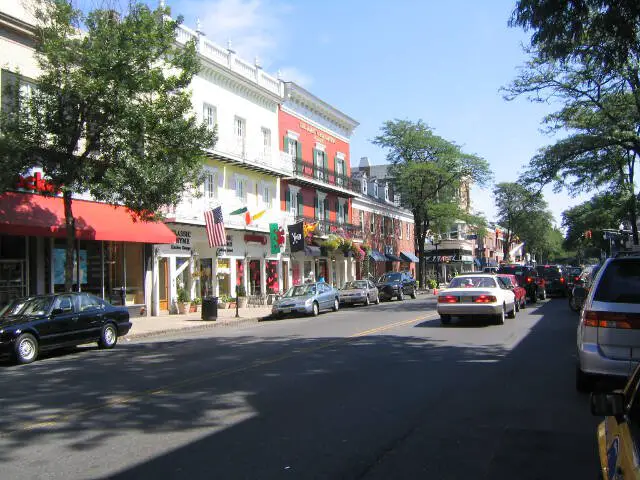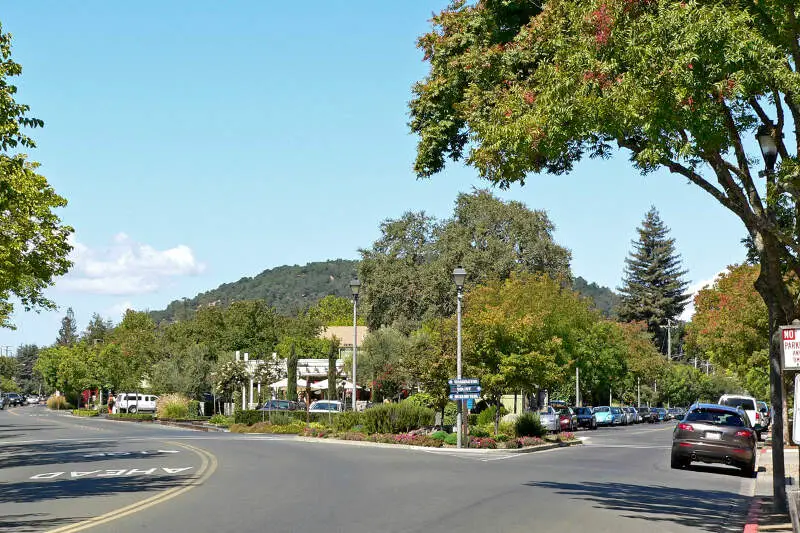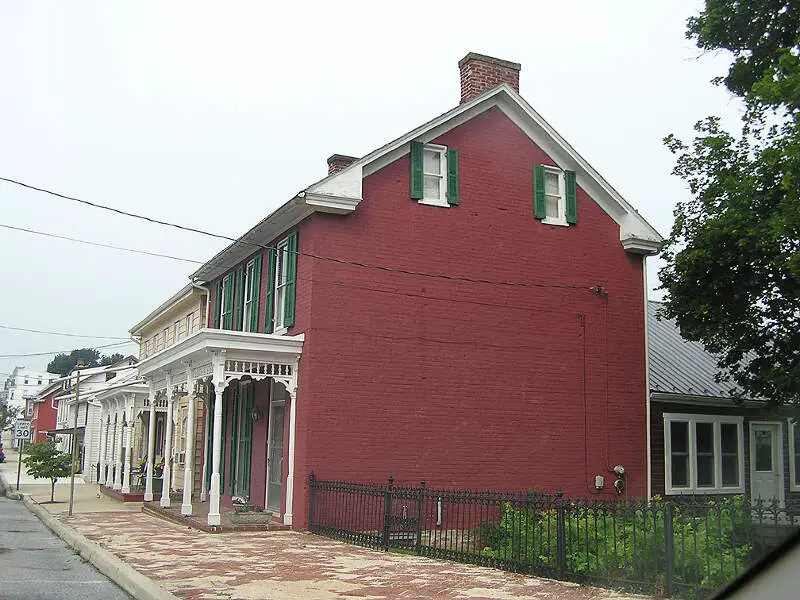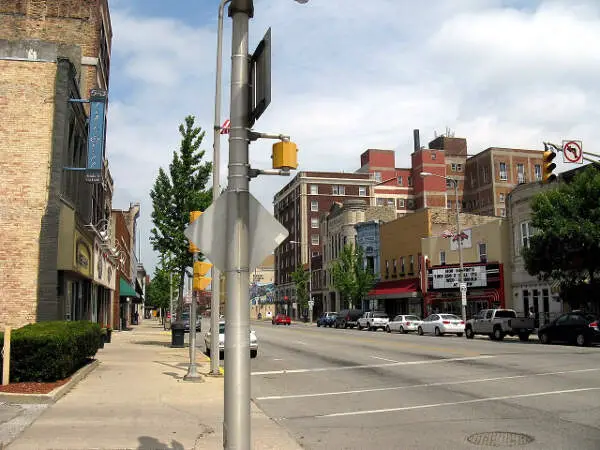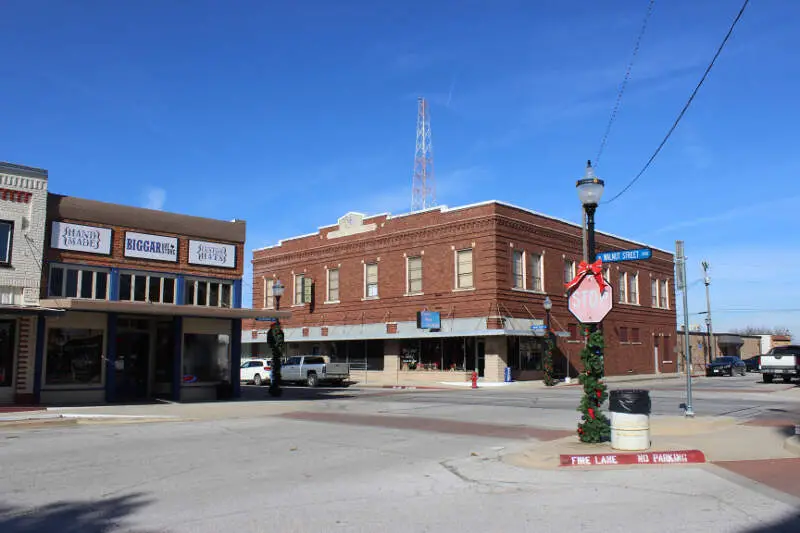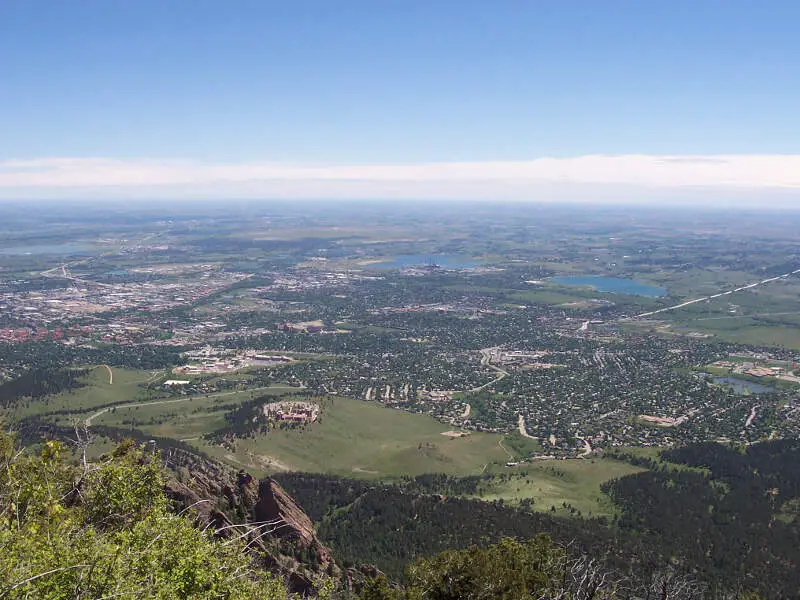
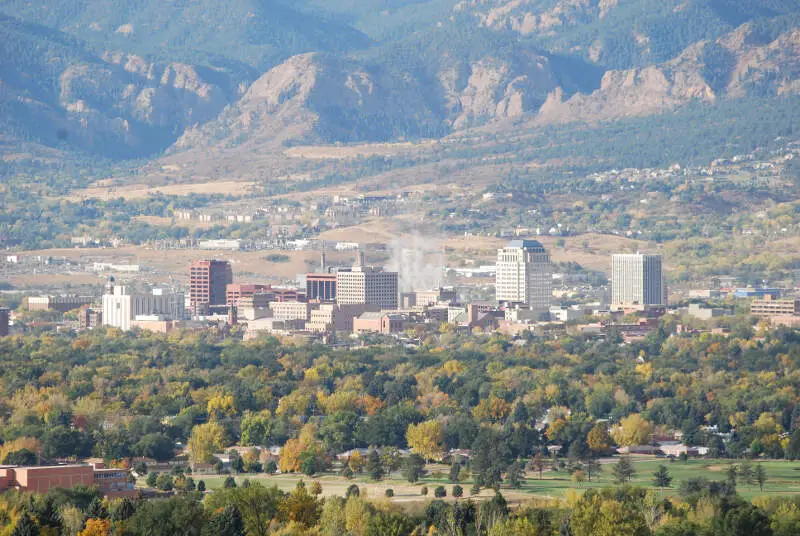
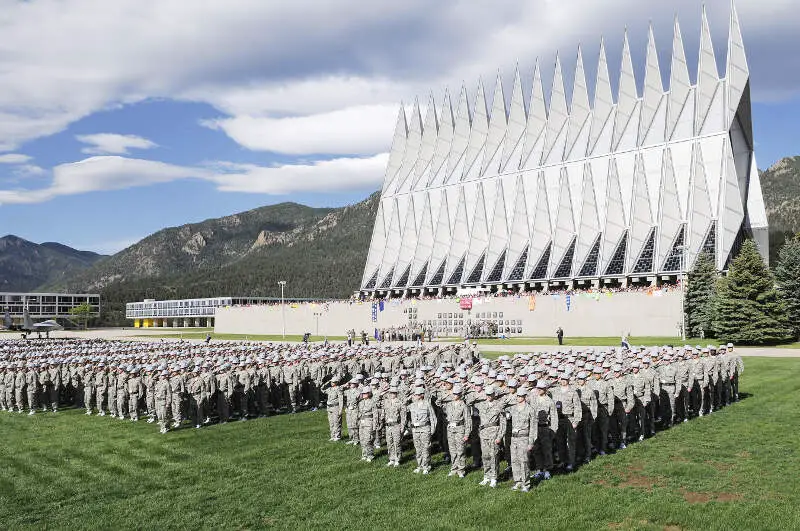
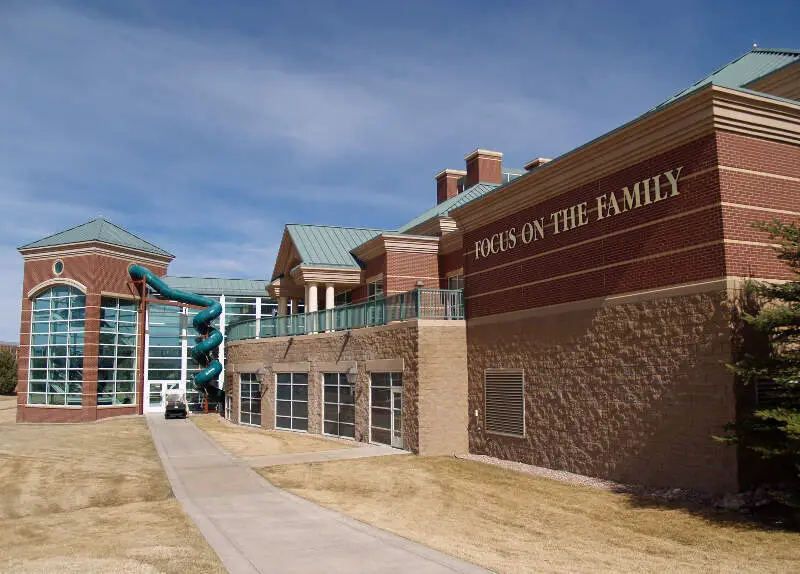
Colorado Springs vs. Boulder in photos
A side-by-side look at each city.
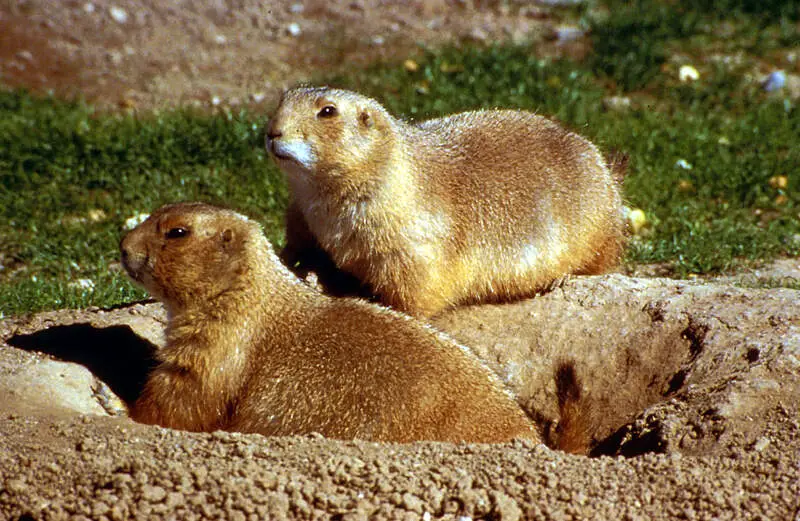
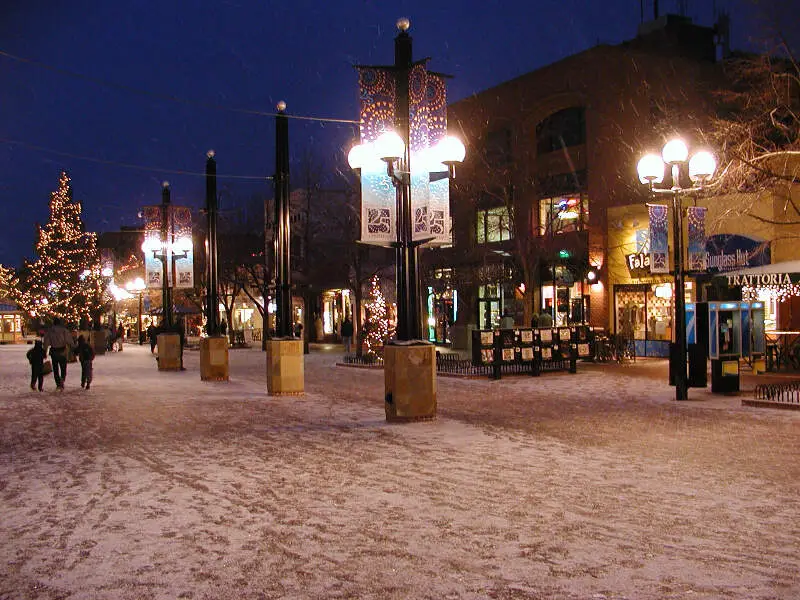
Cost of living
Colorado Springs is the cheaper city overall — 31% higher in Boulder than its rival. Index baseline: 100 = national average.
| Living expense | Colorado Springs | Boulder | US average |
|---|---|---|---|
| Overall | 122 | 176 | 100 |
| Services | 103 | 106 | 100 |
| Groceries | 108 | 105 | 100 |
| Health | 152 | 332 | 100 |
| Housing | 112 | 106 | 100 |
| Transportation | 109 | 108 | 100 |
| Utilities | 104 | 115 | 100 |
Lower index = cheaper. 100 = U.S. national average. Bar inside each cell scales relative to the highest value in the table.
Sources: HomeSnacks Cost of Living indices, normalized so 100 = U.S. national average. Drill in: Colorado Springs cost of living, Boulder cost of living, or the cheapest cities in America.
Housing breakdown
Home prices are higher in Boulder. Compare absolute price and price-to-income — a $500k home in a $100k-income city is very different from one in a $50k-income city.
| Metric | Colorado Springs | Boulder | United States |
|---|---|---|---|
| Median Home Value | $449,451 | $964,530 | $332,700 |
| Median Rent | $1,648 | $2,018 | $1,413 |
| Median Income | $84,818 | $87,493 | $80,734 |
| Home Value To Income | 5.3x | 11.0x | 4.1x |
| Rent To Monthly Income | 0.23x | 0.28x | 0.21x |
Source: U.S. Census Bureau ACS 2020-2024. See also states with the highest rent in America.
Crime
Boulder is the safer city — total crime rate of 3,055 per 100k people vs 4,164 for Colorado Springs. US average: 2,119.
| Crime (per 100k) | Colorado Springs | Boulder | US average |
|---|---|---|---|
| Total crime | 4,164 | 3,055 | 2,119 |
| Murder | 8 | 0 | 5 |
| Robbery | 78 | 45 | 61 |
| Aggravated Assault | 529 | 242 | 256 |
| Violent Crime | 716 | 322 | 359 |
| Burglary | 530 | 383 | 229 |
| Larceny | 2,227 | 2,142 | 1,272 |
| Car Theft | 692 | 208 | 259 |
| Property Crime | 3,449 | 2,733 | 1,760 |
Lower = safer. Bar inside each cell scales relative to the highest crime rate in the table.
Source: FBI Uniform Crime Reporting (2024). All rates are per 100,000 people. City pages: Colorado Springs crime, Boulder crime. See also: safest cities in America.
Diversity
Colorado Springs is more racially diverse — lower HHI (closer to 0) means a more even mix across groups.
| Group | Colorado Springs | Boulder | United States |
|---|---|---|---|
| White | 65.2% | 78.0% | 57.4% |
| African American | 5.3% | 1.0% | 11.9% |
| American Indian | 0.2% | 0.2% | 0.5% |
| Asian | 2.9% | 5.4% | 5.9% |
| Hawaiian | 0.2% | 0.0% | 0.2% |
| Other | 0.6% | 0.3% | 0.6% |
| Two Or More | 6.4% | 4.4% | 4.3% |
| Hispanic | 19.3% | 10.7% | 19.3% |
Source: U.S. Census ACS 2020-2024. Lower HHI = more even racial mix. See also: most diverse cities in America.
SnackAbility — overall quality of life
Boulder scores higher overall — 8/10 vs 7/10. SnackAbility is our 1–10 quality-of-life score; the median U.S. city scores a 7.
Scores are 0–10; both bars share the same scale.
SnackAbility is a HomeSnacks proprietary 1–10 score blending jobs, housing, education, commute, amenities, affordability, crime, and diversity. Median U.S. city ≈ 7. Data: Census, BLS, FBI. See also: best places to live in America.
Getting around: Colorado Springs vs. Boulder
How each city handles commuting, transit, walkability, and car culture — the day-to-day reality that shapes where you'd actually want to live.
Both Colorado Springs and Boulder are car-dependent by Colorado standards, but they lean into that reality very differently. Colorado Springs, with nearly 488,000 residents spread across a wide grid, almost requires a car: Mountain Metro Transit runs bus routes throughout the city, but service is infrequent enough that most commuters stick to I-25 and the Powers Boulevard corridor. Expect sprawl-style commute times on surface roads.
Boulder is far more bikeable and walkable, especially if you live near Pearl Street or the Hill. The RTD Flatiron Flyer BRT gets commuters to downtown Denver in about 45 minutes, and Boulder's extensive network of off-street paths means you can realistically commute by bike year-round. If you're working locally, a car matters much less here than it would in the Springs.
Jobs and careers in Colorado Springs vs. Boulder
The local job market, dominant industries, and which city to choose based on your career.
Colorado Springs leans heavily on the military and defense economy. Fort Carson, Peterson Space Force Base, Schriever Space Force Base, and NORAD collectively employ tens of thousands, and defense contractors like Lockheed Martin and Boeing have a significant local footprint. Healthcare, through UCHealth and CommonSpirit, rounds out the major employers, and median household income sits at $84,818.
Boulder punches well above its population of 106,000 in high-wage industries. The University of Colorado anchors a deep bench of biotech and research organizations, while Google, Oracle, IBM, and Ball Aerospace make it a real tech hub. The outdoor industry is also concentrated here, with companies like Crocs and Zayo headquartered locally.
Median household income of $87,493 is close to the Springs, but Boulder salaries skew higher in tech and research roles. A cost-of-living index of 176 versus 122 in the Springs means that gap closes fast.
Weather and climate
What to expect day-to-day — sun, fog, heat, rain, and the seasonal extremes that shape the lifestyle.
Colorado Springs sits at around 6,035 feet and gets more than 300 days of sunshine annually. Pikes Peak creates dramatic localized weather: afternoon thunderstorms roll through fast in summer, and Front Range snowstorms can drop a foot overnight before melting by noon. Winters are cold but dry, and the low humidity makes even sub-freezing days feel manageable.
Boulder, at roughly 5,430 feet, gets frequent chinook winds that push warm air down the foothills and regularly melt snow days after it falls. This makes Boulder winters slightly milder in feel, though wind can be fierce, with gusts of 60-plus mph not unusual near the Flatirons. Both cities see about 60 inches of snow per season and reward residents who embrace four-season outdoor activity rather than wait for perfect conditions.
Culture, nightlife, and entertainment
Food, music, neighborhoods, and the city vibe that gives each place its personality.
Colorado Springs has a largely conservative, military-influenced culture that shapes everything from its breweries to its neighborhoods. Downtown has improved over the past decade: Tejon Street and Old Colorado City offer solid dining and live music venues, and the quirky enclave of Manitou Springs adds independent art galleries and a bohemian counterpoint to the broader city. The Broadmoor resort hosts major events, and the U.S. Olympic and Paralympic Museum draws visitors year-round.
Boulder is a college town with a strong progressive, outdoor-lifestyle identity. Pearl Street Mall has street performers, independent restaurants, and bars that stay busy on weeknights, and the University of Colorado brings regular live music, theater, and lecture programming. If you're younger or lean left politically, Boulder's social scene will feel immediately comfortable; if you prefer a lower-key, less expensive night out, Colorado Springs is the easier fit.
Outdoor activities and day trips
Parks, beaches, hikes, and the weekend escapes that define life outside the city limits.
Colorado Springs might be the best-positioned large city in the country for walkable public land access. Garden of the Gods is free and right inside city limits; Red Rock Canyon Open Space offers miles of hiking and climbing just west of downtown. Pikes Peak, accessible by cog railway, auto road, or a brutal 13-mile trail, is essentially your backyard, and Cheyenne Mountain State Park and North Cheyenne Cañon add more trail miles on top.
Boulder's outdoor scene is excellent but more concentrated. The Flatirons rise directly above Chautauqua Park, and the Boulder Mountain Parks system gives you hundreds of trail miles without leaving city limits. Rocky Mountain National Park is about 45 minutes away for serious alpine objectives.
Boulder is also a legitimate destination for road and gravel cycling, with the Diagonal Highway and Left Hand Canyon drawing competitive riders from across the Front Range. Both cities are exceptional for outdoor recreation; your choice comes down to wide-open variety in the Springs versus density and elite-level access in Boulder.
Bottom line: which city is right for you?
Based on the head-to-head data above, here's the short version — pick the city that lines up with what you actually care about.
Choose Colorado Springs if you prioritize…
- a lower cost of living (cheaper groceries, services, and day-to-day expenses).
- a more racially diverse community (lower HHI on Census data).
Choose Boulder if you prioritize…
- lower crime — a safer place to live, work, and raise a family.
- more affordable housing relative to Colorado Springs.
- a higher overall SnackAbility quality-of-life score.
Methodology: winners are picked from public data — U.S. Census Bureau ACS (income, home value, rent, race/HHI), FBI Uniform Crime Reporting (crime rates per 100k), and HomeSnacks' proprietary SnackAbility quality-of-life score, which blends Bureau of Labor Statistics data with the above.
Other comparisons
Still weighing your options? See how these two cities stack up against other places we've compared head-to-head.