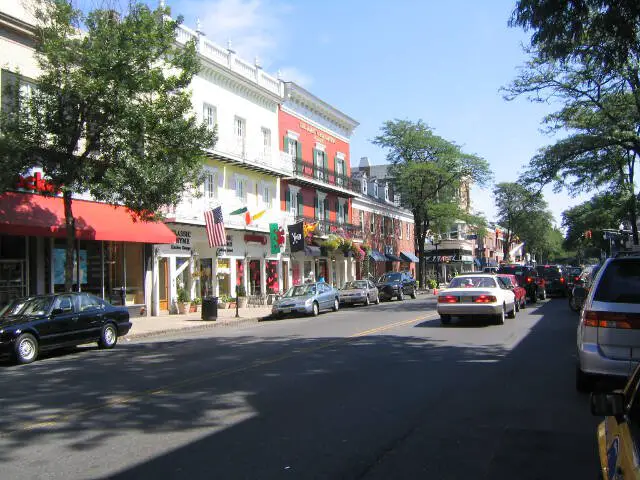
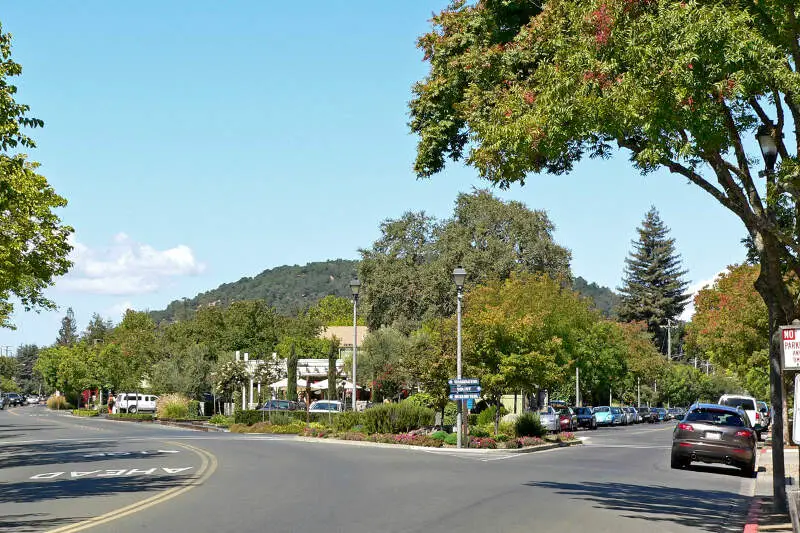
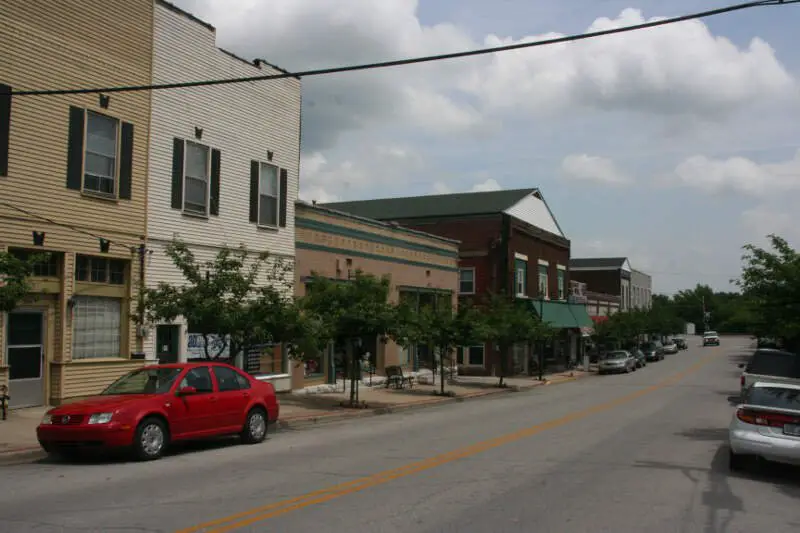
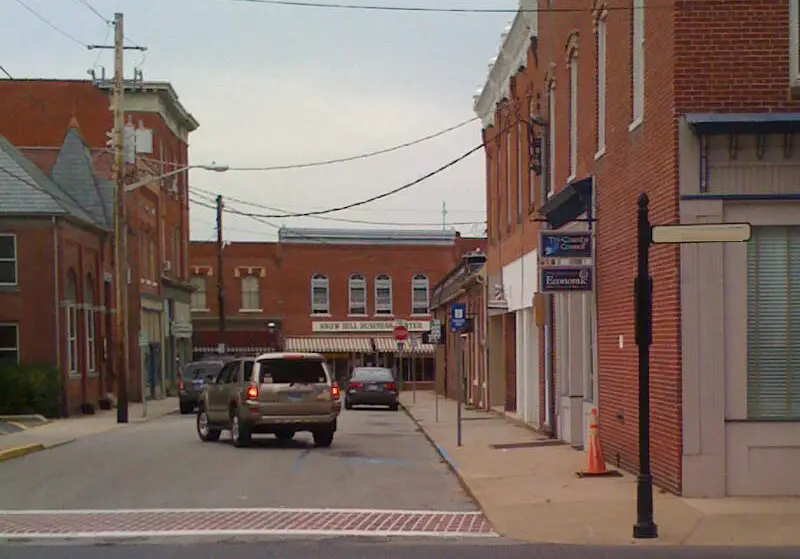
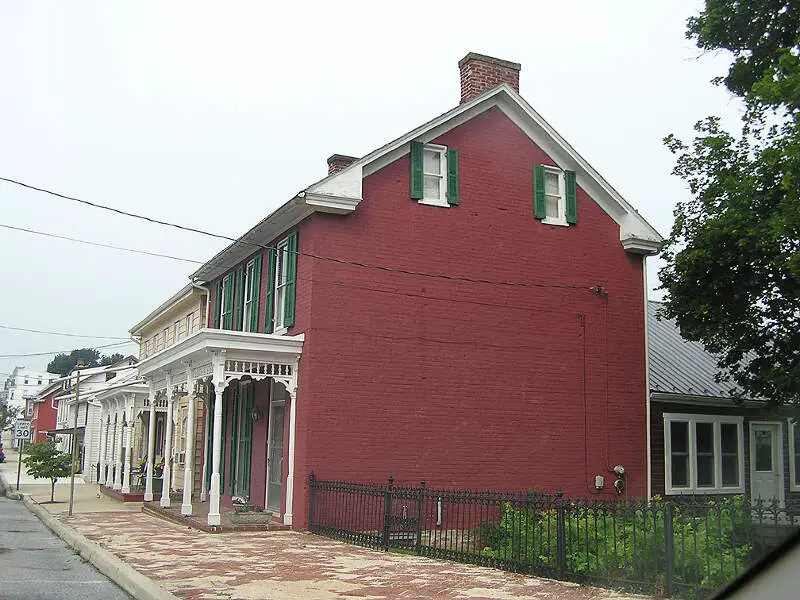
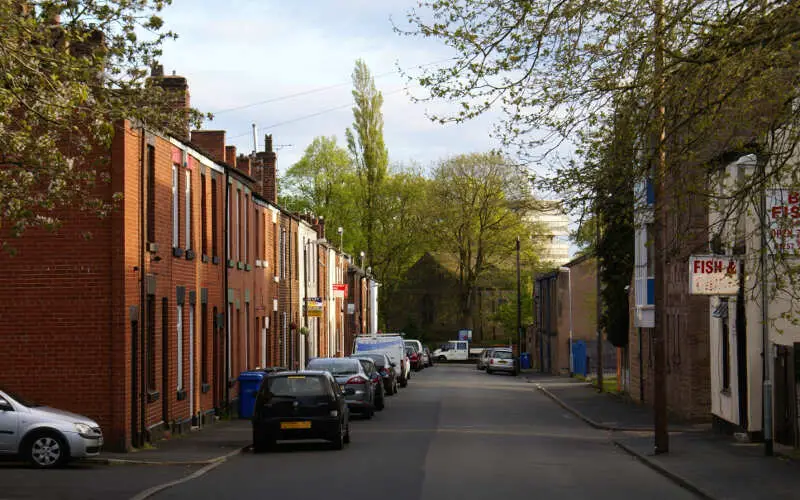
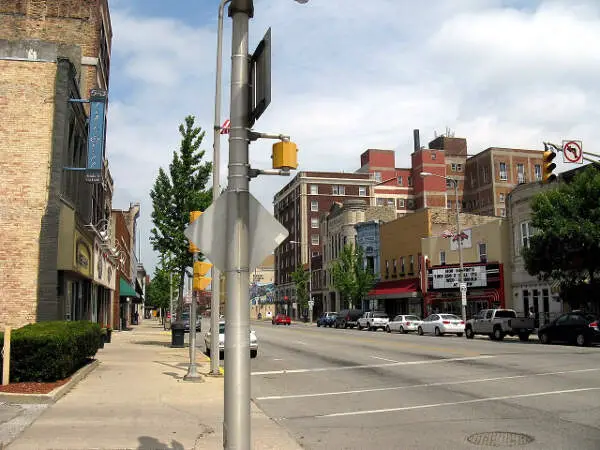
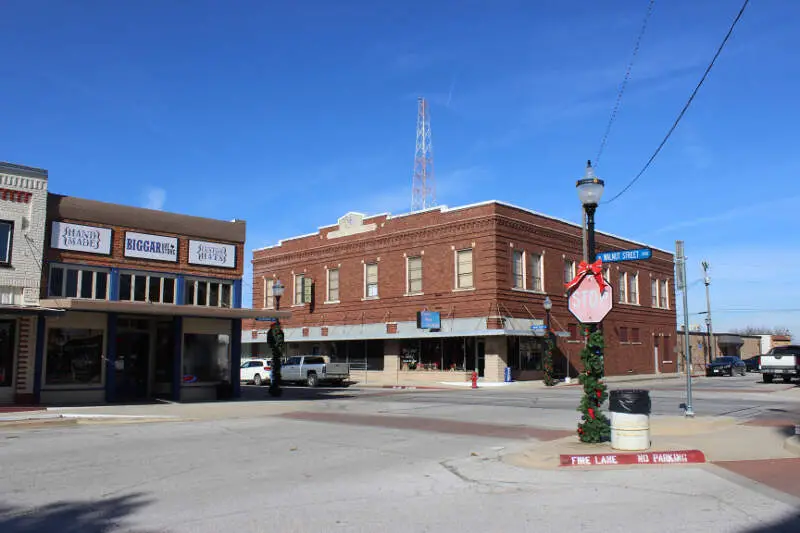
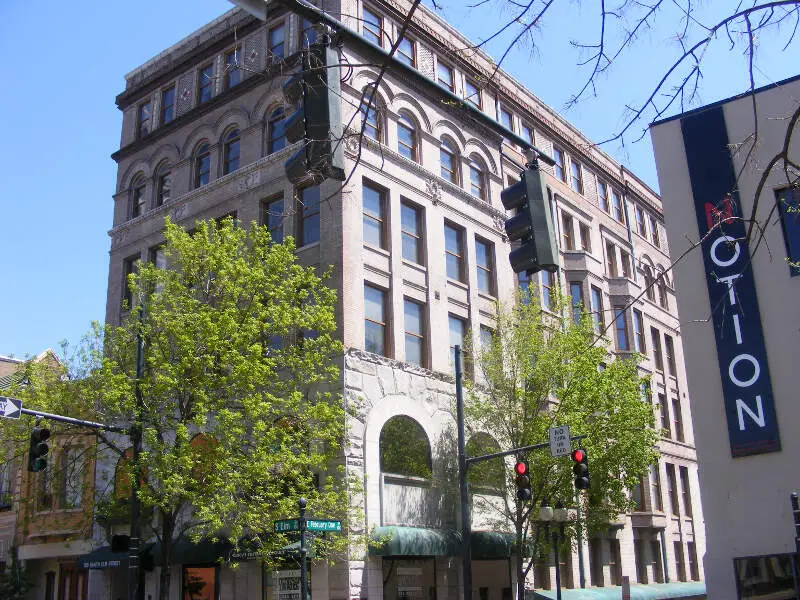
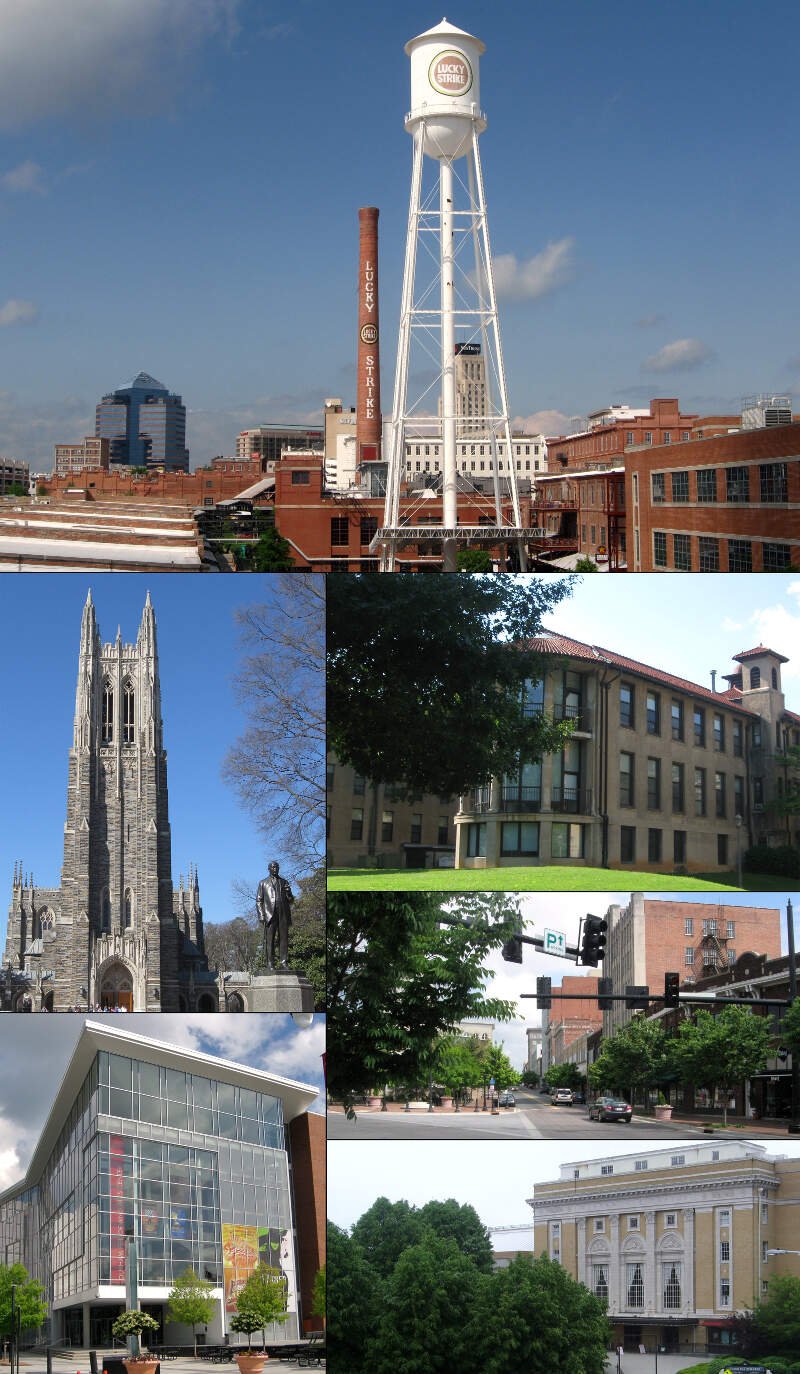
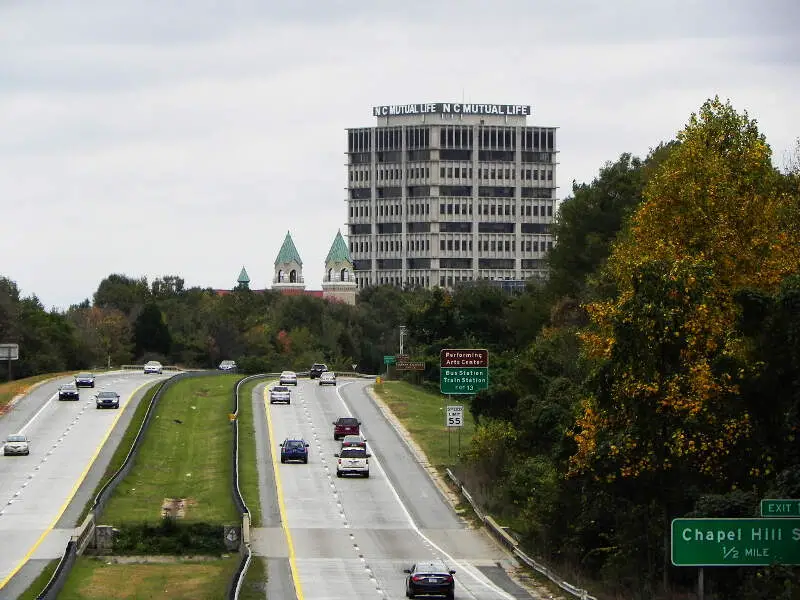
Greensboro vs. Durham in photos
A side-by-side look at each city.



Cost of living
Greensboro is the cheaper city overall — 11% higher in Durham than its rival. Index baseline: 100 = national average.
| Living expense | Greensboro | Durham | US average |
|---|---|---|---|
| Overall | 99 | 111 | 100 |
| Services | 104 | 103 | 100 |
| Groceries | 103 | 100 | 100 |
| Health | 89 | 129 | 100 |
| Housing | 103 | 103 | 100 |
| Transportation | 102 | 103 | 100 |
| Utilities | 95 | 106 | 100 |
Lower index = cheaper. 100 = U.S. national average. Bar inside each cell scales relative to the highest value in the table.
Sources: HomeSnacks Cost of Living indices, normalized so 100 = U.S. national average. Drill in: Greensboro cost of living, Durham cost of living, or the cheapest cities in America.
Housing breakdown
Home prices are higher in Durham. Compare absolute price and price-to-income — a $500k home in a $100k-income city is very different from one in a $50k-income city.
| Metric | Greensboro | Durham | United States |
|---|---|---|---|
| Median Home Value | $264,427 | $396,394 | $332,700 |
| Median Rent | $1,172 | $1,508 | $1,413 |
| Median Income | $61,515 | $81,619 | $80,734 |
| Home Value To Income | 4.3x | 4.9x | 4.1x |
| Rent To Monthly Income | 0.23x | 0.22x | 0.21x |
Source: U.S. Census Bureau ACS 2020-2024. See also states with the highest rent in America.
Crime
Greensboro is the safer city — total crime rate of 4,307 per 100k people vs 4,419 for Durham. US average: 2,119.
| Crime (per 100k) | Greensboro | Durham | US average |
|---|---|---|---|
| Total crime | 4,307 | 4,419 | 2,119 |
| Murder | 14 | 12 | 5 |
| Robbery | 174 | 161 | 61 |
| Aggravated Assault | 710 | 389 | 256 |
| Violent Crime | 924 | 619 | 359 |
| Burglary | 482 | 450 | 229 |
| Larceny | 2,308 | 2,725 | 1,272 |
| Car Theft | 592 | 624 | 259 |
| Property Crime | 3,383 | 3,800 | 1,760 |
Lower = safer. Bar inside each cell scales relative to the highest crime rate in the table.
Source: FBI Uniform Crime Reporting (2024). All rates are per 100,000 people. City pages: Greensboro crime, Durham crime. See also: safest cities in America.
Diversity
Durham is more racially diverse — lower HHI (closer to 0) means a more even mix across groups.
| Group | Greensboro | Durham | United States |
|---|---|---|---|
| White | 38.1% | 40.3% | 57.4% |
| African American | 41.0% | 33.2% | 11.9% |
| American Indian | 0.2% | 0.2% | 0.5% |
| Asian | 5.2% | 5.8% | 5.9% |
| Hawaiian | 0.0% | 0.0% | 0.2% |
| Other | 0.7% | 0.5% | 0.6% |
| Two Or More | 4.2% | 4.7% | 4.3% |
| Hispanic | 10.5% | 15.2% | 19.3% |
Source: U.S. Census ACS 2020-2024. Lower HHI = more even racial mix. See also: most diverse cities in America.
SnackAbility — overall quality of life
Durham scores higher overall — 6/10 vs 5/10. SnackAbility is our 1–10 quality-of-life score; the median U.S. city scores a 7.
Scores are 0–10; both bars share the same scale.
SnackAbility is a HomeSnacks proprietary 1–10 score blending jobs, housing, education, commute, amenities, affordability, crime, and diversity. Median U.S. city ≈ 7. Data: Census, BLS, FBI. See also: best places to live in America.
Getting around: Greensboro vs. Durham
How each city handles commuting, transit, walkability, and car culture — the day-to-day reality that shapes where you'd actually want to live.
Both Greensboro and Durham sit along the I-40 corridor, and in either city you should plan on owning a car. Transit exists in both, but it has real limits. Greensboro's Greensboro Transit Authority (GTA) runs local bus routes, with the regional Piedmont Authority for Regional Transportation (PART) connecting the Triad cities.
Durham relies on GoTriangle and its local DATA bus network. It's also closer to RDU International Airport, about 20 minutes away. Greensboro's Piedmont Triad International is smaller but often cheaper to fly out of.
Durham's downtown is more walkable. The American Tobacco Campus and Brightleaf Square districts let you reach restaurants and offices on foot, while Greensboro's layout is more spread out, though Elm Street's core is navigable without a car. If a short daily commute matters, Durham's density gives it a slight edge for city-center residents.
Jobs and careers in Greensboro vs. Durham
The local job market, dominant industries, and which city to choose based on your career.
Durham's median household income of $81,619 runs about $20,000 higher than Greensboro's $61,515. Much of that gap traces to Research Triangle Park, one of the largest research parks in the country, and the employment footprint of Duke University and Duke Health System. Biotech, pharma, and tech firms including Fidelity, Cree (Wolfspeed), and IBM have significant Durham-area operations.
If you work in life sciences or higher education, Durham is the stronger market.
Greensboro has its own anchors: VF Corporation, Honda Aircraft Company, Cone Health, and Volvo Trucks North America all maintain a major presence. That gives the city a more manufacturing-and-logistics-weighted job base, and it competes well for candidates in logistics, advanced manufacturing, or regional healthcare.
Greensboro's cost of living index of 99 versus Durham's 111 also means your dollar stretches further if salaries are comparable.
Weather and climate
What to expect day-to-day — sun, fog, heat, rain, and the seasonal extremes that shape the lifestyle.
Both cities share the same Piedmont North Carolina climate: humid subtropical, with hot summers and mild but occasionally icy winters. You won't experience dramatic differences moving between them.
Expect July highs in the low 90s, real humidity, and afternoon thunderstorms that roll through fast. Winters are mild overall, but the region gets hit by freezing rain and ice storms a few times each season. Neither city has extensive snow-removal infrastructure, so things can shut down quickly.
Spring and fall are the best seasons in both places: temperatures in the 60s and 70s, low humidity, and long stretches of clear skies. Durham sits slightly further east and closer to the coastal plain, but the day-to-day difference is negligible.
Neither city is a good fit if you're trying to escape Southern heat, but both deliver the four-season variety that draws people to the region.
Culture, nightlife, and entertainment
Food, music, neighborhoods, and the city vibe that gives each place its personality.
Durham's food and arts scene draws visitors from across the South. The American Tobacco Campus anchors a cluster of restaurants and breweries (Fullsteam is a local institution), along with live venues, and the Durham Performing Arts Center (DPAC) pulls national touring acts. The Durham Bulls Athletic Park draws minor-league crowds downtown.
Duke, NC Central, and the broader Triangle research community give the city a young, educated, and internationally diverse character.
Greensboro holds its own. The Greensboro Coliseum hosts major concerts and NCAA events, Natty Greene's anchors a growing craft beer scene, and the Elm Street corridor has a genuine local bar and live-music strip. NC A&T and UNCG bring significant student energy.
Greensboro's nightlife is less polished than Durham's but more affordable and less crowded, which suits some people just fine.
Outdoor activities and day trips
Parks, beaches, hikes, and the weekend escapes that define life outside the city limits.
Greensboro has solid green space for a city its size. Lake Brandt and Lake Townsend on the northern edge are popular for kayaking, fishing, and trail running, and the Bicentennial Greenway system weaves through much of the city. Guilford Courthouse National Military Park is a quiet, well-maintained historic site worth a visit.
Day trips west toward Hanging Rock State Park or the Blue Ridge Parkway are roughly 90 minutes out.
Durham's standout is Eno River State Park, a few miles from downtown, with rocky gorges and river swimming inside the city limits. The American Tobacco Trail is a long paved multi-use path for cyclists and runners. Falls Lake and Jordan Lake are both within 30 minutes for sailing, paddling, and swimming.
Both cities put you roughly 3 hours from the mountains and 3.5 hours from the coast, so the weekend-trip options are about even.
Bottom line: which city is right for you?
Based on the head-to-head data above, here's the short version — pick the city that lines up with what you actually care about.
Choose Greensboro if you prioritize…
- a lower cost of living (cheaper groceries, services, and day-to-day expenses).
- lower crime — a safer place to live, work, and raise a family.
Choose Durham if you prioritize…
- more affordable housing relative to Greensboro.
- a more racially diverse community (lower HHI on Census data).
- a higher overall SnackAbility quality-of-life score.
Methodology: winners are picked from public data — U.S. Census Bureau ACS (income, home value, rent, race/HHI), FBI Uniform Crime Reporting (crime rates per 100k), and HomeSnacks' proprietary SnackAbility quality-of-life score, which blends Bureau of Labor Statistics data with the above.
Other comparisons
Still weighing your options? See how these two cities stack up against other places we've compared head-to-head.