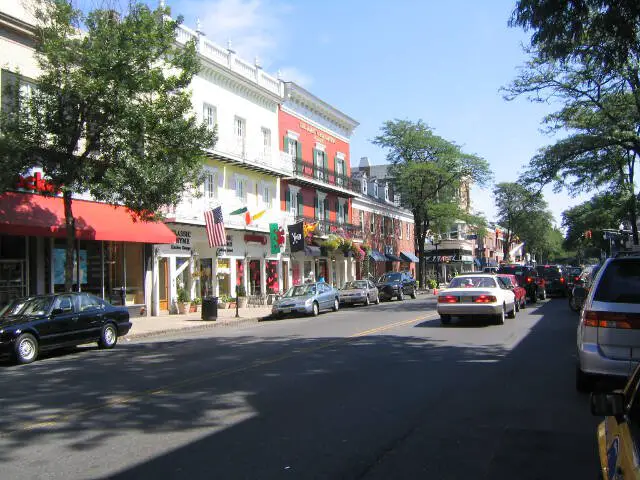
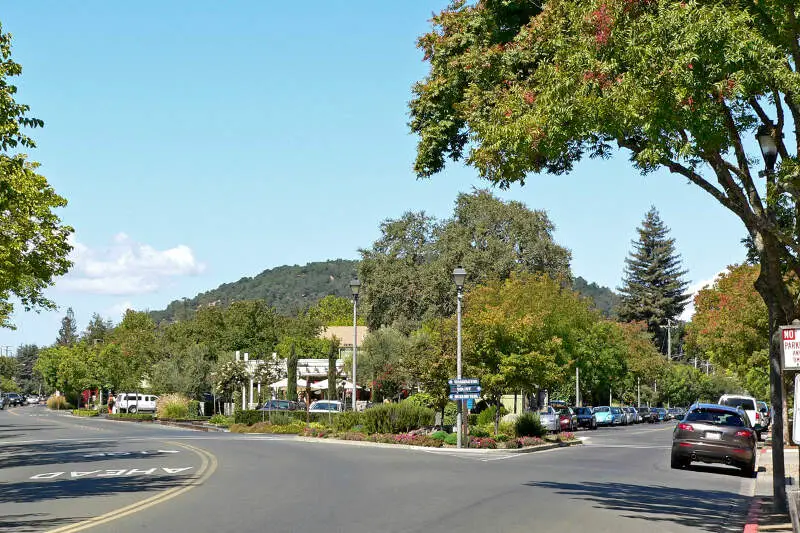
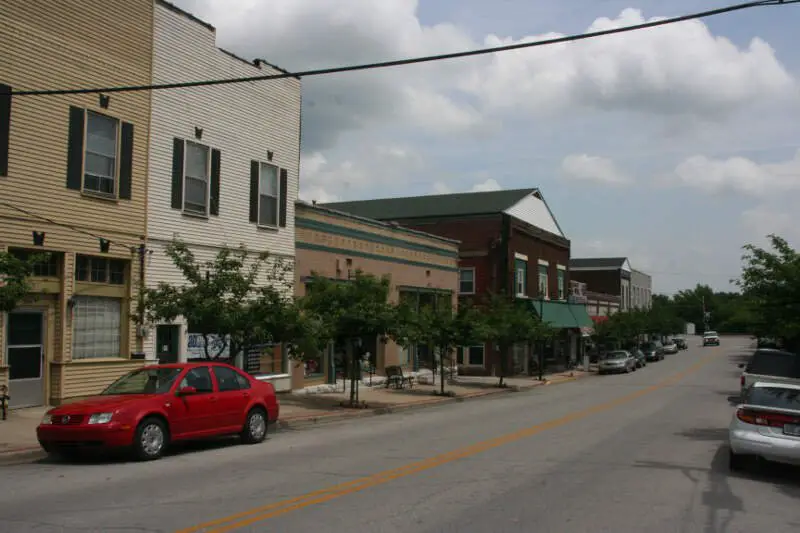
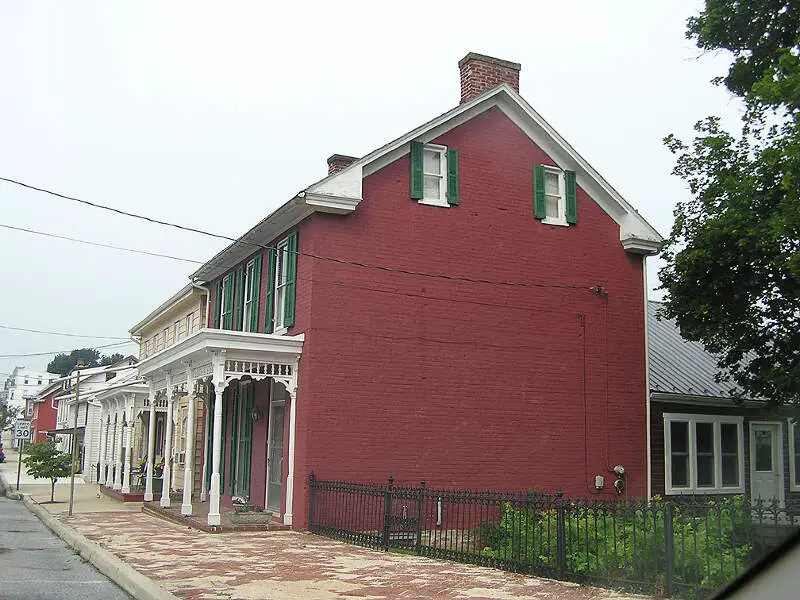
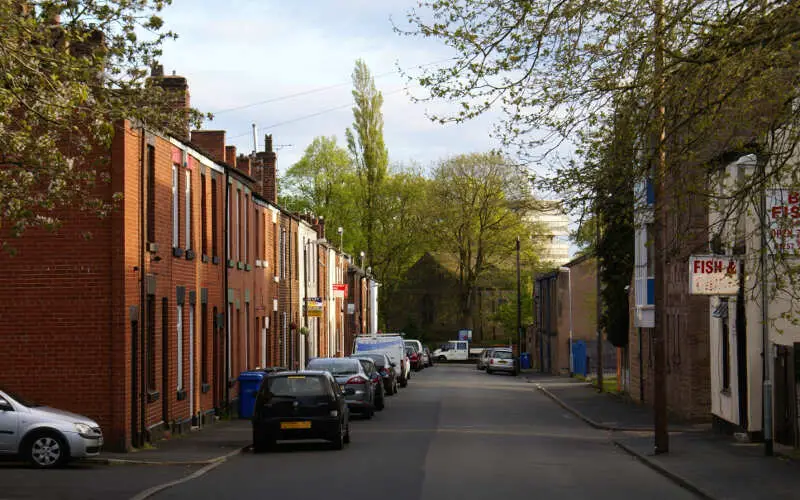
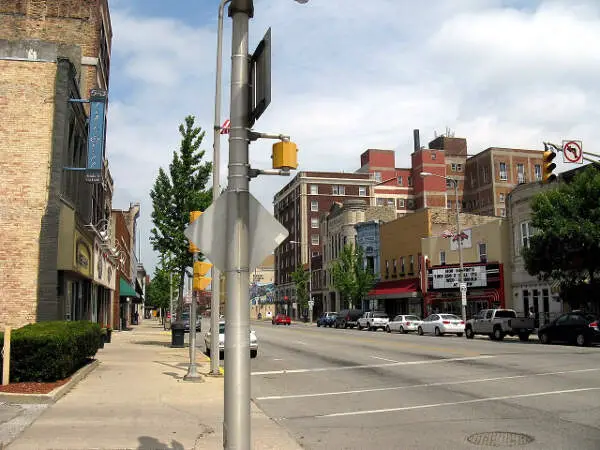
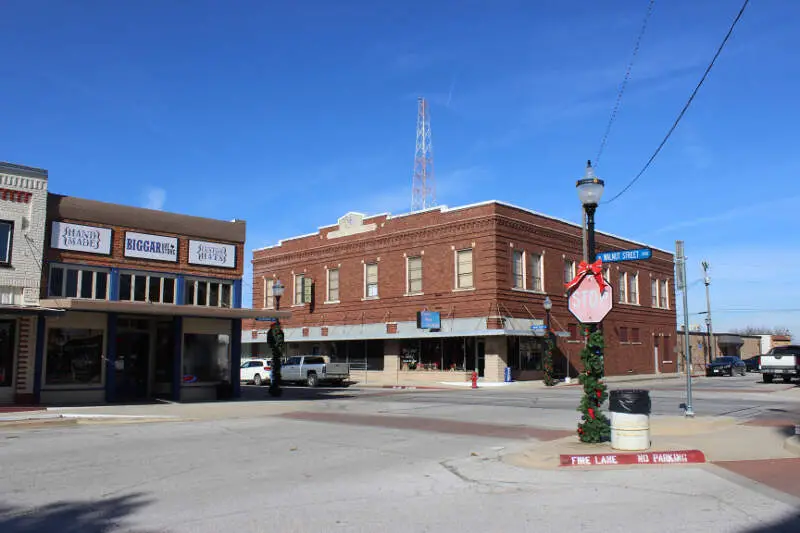
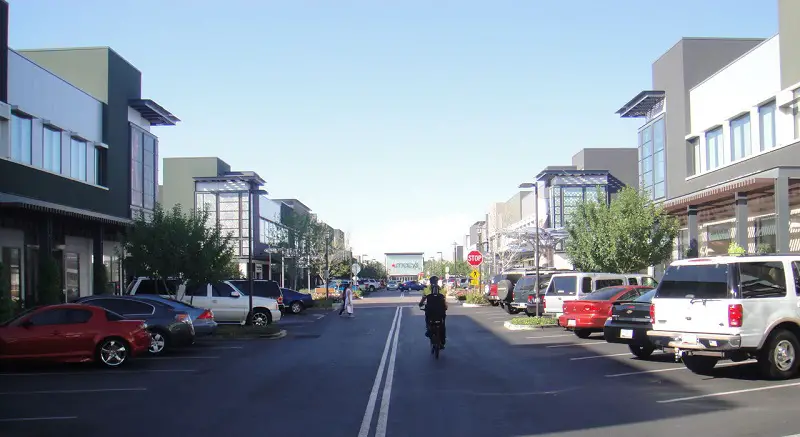
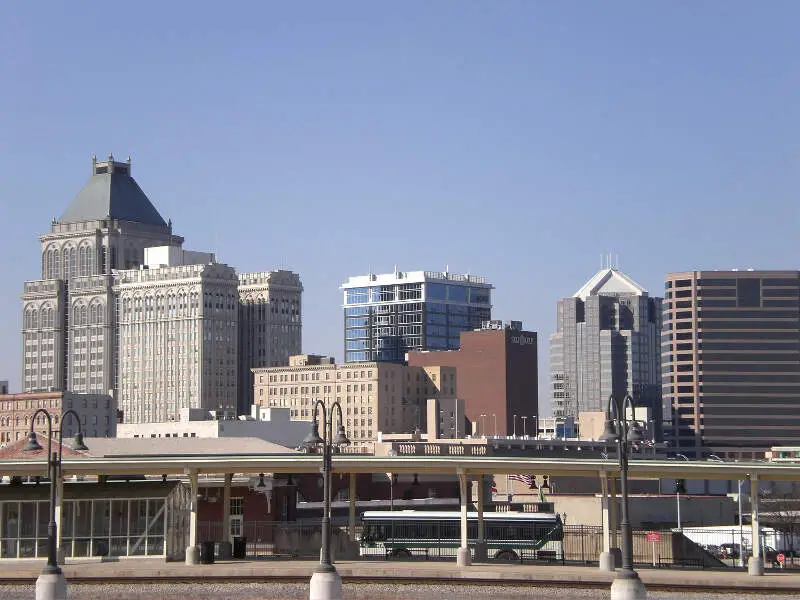
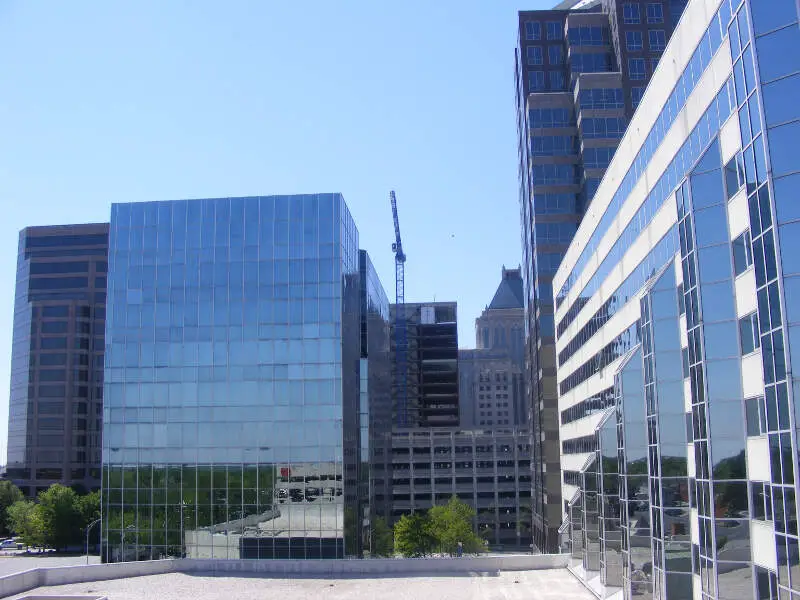
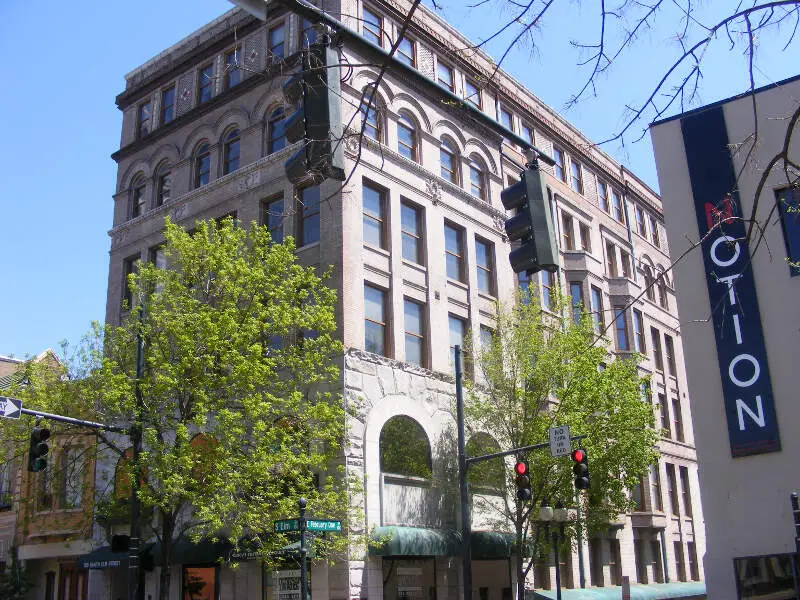
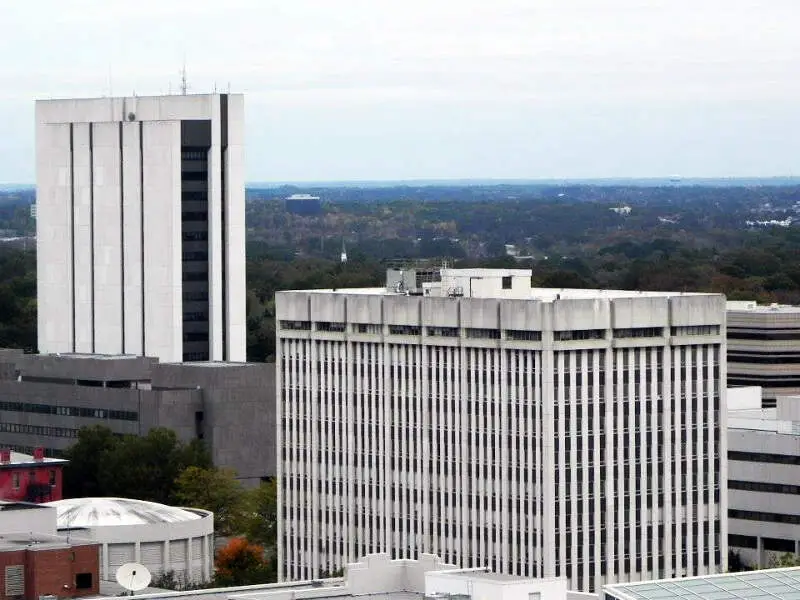
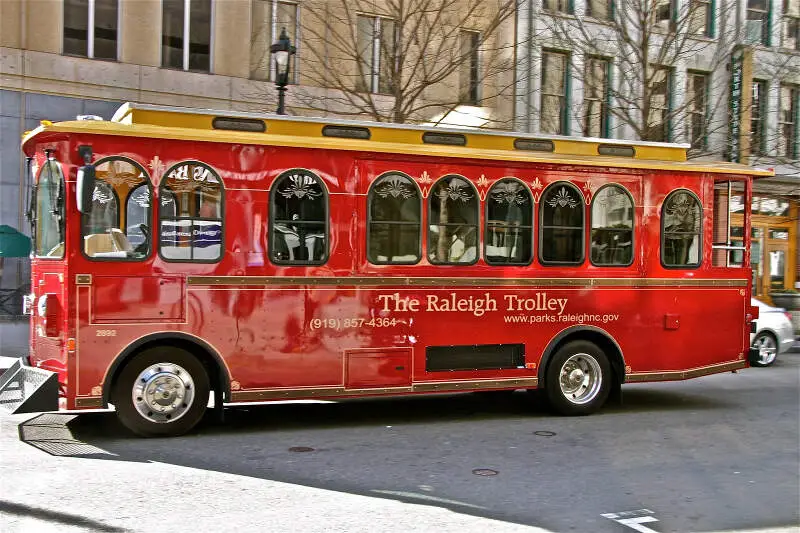
Greensboro vs. Raleigh in photos
A side-by-side look at each city.

Cost of living
Greensboro is the cheaper city overall — 15% higher in Raleigh than its rival. Index baseline: 100 = national average.
| Living expense | Greensboro | Raleigh | US average |
|---|---|---|---|
| Overall | 99 | 116 | 100 |
| Services | 104 | 101 | 100 |
| Groceries | 103 | 101 | 100 |
| Health | 89 | 144 | 100 |
| Housing | 103 | 106 | 100 |
| Transportation | 102 | 100 | 100 |
| Utilities | 95 | 106 | 100 |
Lower index = cheaper. 100 = U.S. national average. Bar inside each cell scales relative to the highest value in the table.
Sources: HomeSnacks Cost of Living indices, normalized so 100 = U.S. national average. Drill in: Greensboro cost of living, Raleigh cost of living, or the cheapest cities in America.
Housing breakdown
Home prices are higher in Raleigh. Compare absolute price and price-to-income — a $500k home in a $100k-income city is very different from one in a $50k-income city.
| Metric | Greensboro | Raleigh | United States |
|---|---|---|---|
| Median Home Value | $264,427 | $433,996 | $332,700 |
| Median Rent | $1,172 | $1,572 | $1,413 |
| Median Income | $61,515 | $85,395 | $80,734 |
| Home Value To Income | 4.3x | 5.1x | 4.1x |
| Rent To Monthly Income | 0.23x | 0.22x | 0.21x |
Source: U.S. Census Bureau ACS 2020-2024. See also states with the highest rent in America.
Crime
Raleigh is the safer city — total crime rate of 3,308 per 100k people vs 4,307 for Greensboro. US average: 2,119.
| Crime (per 100k) | Greensboro | Raleigh | US average |
|---|---|---|---|
| Total crime | 4,307 | 3,308 | 2,119 |
| Murder | 14 | 5 | 5 |
| Robbery | 174 | 87 | 61 |
| Aggravated Assault | 710 | 361 | 256 |
| Violent Crime | 924 | 489 | 359 |
| Burglary | 482 | 279 | 229 |
| Larceny | 2,308 | 2,059 | 1,272 |
| Car Theft | 592 | 481 | 259 |
| Property Crime | 3,383 | 2,819 | 1,760 |
Lower = safer. Bar inside each cell scales relative to the highest crime rate in the table.
Source: FBI Uniform Crime Reporting (2024). All rates are per 100,000 people. City pages: Greensboro crime, Raleigh crime. See also: safest cities in America.
Diversity
Greensboro is more racially diverse — lower HHI (closer to 0) means a more even mix across groups.
| Group | Greensboro | Raleigh | United States |
|---|---|---|---|
| White | 38.1% | 51.1% | 57.4% |
| African American | 41.0% | 26.0% | 11.9% |
| American Indian | 0.2% | 0.2% | 0.5% |
| Asian | 5.2% | 5.2% | 5.9% |
| Hawaiian | 0.0% | 0.0% | 0.2% |
| Other | 0.7% | 0.5% | 0.6% |
| Two Or More | 4.2% | 4.4% | 4.3% |
| Hispanic | 10.5% | 12.6% | 19.3% |
Source: U.S. Census ACS 2020-2024. Lower HHI = more even racial mix. See also: most diverse cities in America.
SnackAbility — overall quality of life
Raleigh scores higher overall — 8/10 vs 5/10. SnackAbility is our 1–10 quality-of-life score; the median U.S. city scores a 7.
Scores are 0–10; both bars share the same scale.
SnackAbility is a HomeSnacks proprietary 1–10 score blending jobs, housing, education, commute, amenities, affordability, crime, and diversity. Median U.S. city ≈ 7. Data: Census, BLS, FBI. See also: best places to live in America.
Getting around: Greensboro vs. Raleigh
How each city handles commuting, transit, walkability, and car culture — the day-to-day reality that shapes where you'd actually want to live.
Both cities are car-dependent, so highway access matters wherever you land. Greensboro sits at the junction of I-40 and I-85, a natural crossroads where cross-town drives rarely feel brutal. The Greensboro Transit Authority (GTA) runs local bus routes, and the smaller population keeps congestion manageable compared to most metros its size.
Raleigh is growing fast enough that I-440's beltline and I-40 near Research Triangle Park can grind during peak hours. GoRaleigh and the regional GoTriangle bus network serve the urban core and connect to Durham and Chapel Hill, but a car is still essential for most neighborhoods. If you're commuting to RTP, count on 20-30 minutes from many Raleigh zip codes on a good day.
Jobs and careers in Greensboro vs. Raleigh
The local job market, dominant industries, and which city to choose based on your career.
Greensboro's economy mixes logistics, manufacturing, and healthcare. Honda Aircraft Company's world headquarters is here, Volvo Trucks North America has a major presence, and Cone Health is one of the region's largest employers. UNC Greensboro and NC A&T State University add education and research jobs.
Median household income is $61,515, and with a cost of living index of 99 (essentially at the U.S. average), your dollar goes reasonably far.
Raleigh sits at the edge of Research Triangle Park, a major tech and life-sciences corridor, and that shows in the numbers: median household income hits $85,395. SAS Institute, Red Hat, Fidelity Investments, and a cluster of biotech and software startups call the area home. The cost of living index is 116 with a median home value of $433,996, so higher salaries get partially absorbed by housing.
Weather and climate
What to expect day-to-day — sun, fog, heat, rain, and the seasonal extremes that shape the lifestyle.
Both cities sit in North Carolina's Piedmont, so the climate is broadly similar: hot, humid summers with highs regularly pushing into the low 90s from June through August, and mild but unpredictable winters. The region is notorious for ice storms that can shut things down for a day or two, and both cities deal with that. Spring and fall are genuinely pleasant, with mild temperatures and lower humidity.
Climate differences between the two cities are minimal. Raleigh sits slightly lower in elevation and a bit closer to the coast, so it gets a touch more warm, moist air in summer, but you won't feel that distinction in daily life. If you're coming from the Midwest or Northeast, expect to adjust to the heat-humidity combination in either city, and enjoy winters that rarely call for a heavy coat.
Culture, nightlife, and entertainment
Food, music, neighborhoods, and the city vibe that gives each place its personality.
Greensboro punches above its weight culturally. The International Civil Rights Center and Museum, built in the former Woolworth's where the 1960 sit-ins took place, is a genuinely significant landmark. The Tanger Center for the Performing Arts hosts touring Broadway shows and concerts, and LeBauer Park anchors a lively downtown.
The Elm Street corridor has a walkable stretch of bars and restaurants with a low-key, unpretentious feel. You won't find a roaring nightlife scene, but for a city of 300,000, it holds its own.
Raleigh's growth has produced a more varied cultural and nightlife scene. Glenwood South is the main bar strip, the Warehouse District draws a younger creative crowd, and the NC Museum of Art, with its free permanent collection and large outdoor park, is a genuine cultural asset. The food scene has expanded fast, with James Beard-recognized chefs and international options across neighborhoods like Five Points and Mordecai.
The energy here feels like a city mid-transformation.
Outdoor activities and day trips
Parks, beaches, hikes, and the weekend escapes that define life outside the city limits.
Greensboro's outdoor options don't require a long drive. Lake Brandt and Lake Higgins on the city's north side give you kayaking, fishing, and trail access, and the Bog Garden at Benjamin Park is a peaceful spot for a walk. Country Park has a disc golf course and a lake for casual weekend afternoons.
The Mountains-to-Sea Trail passes through the region, and the Blue Ridge Parkway is roughly two hours west, a manageable day trip for hiking.
Raleigh's greenway system is a real draw: over 100 miles of connected trails wind through the city, making it practical to bike or walk between neighborhoods. William B. Umstead State Park sits right on the city's western edge and offers mountain biking and hiking minutes from downtown. Falls Lake to the north and Jordan Lake to the southwest add paddling and swimming options.
For bigger adventures, the same Blue Ridge access applies, and the Outer Banks beaches are a comfortable three-hour drive east.
Bottom line: which city is right for you?
Based on the head-to-head data above, here's the short version — pick the city that lines up with what you actually care about.
Choose Greensboro if you prioritize…
- a lower cost of living (cheaper groceries, services, and day-to-day expenses).
- a more racially diverse community (lower HHI on Census data).
Choose Raleigh if you prioritize…
- lower crime — a safer place to live, work, and raise a family.
- more affordable housing relative to Greensboro.
- a higher overall SnackAbility quality-of-life score.
Methodology: winners are picked from public data — U.S. Census Bureau ACS (income, home value, rent, race/HHI), FBI Uniform Crime Reporting (crime rates per 100k), and HomeSnacks' proprietary SnackAbility quality-of-life score, which blends Bureau of Labor Statistics data with the above.
Other comparisons
Still weighing your options? See how these two cities stack up against other places we've compared head-to-head.