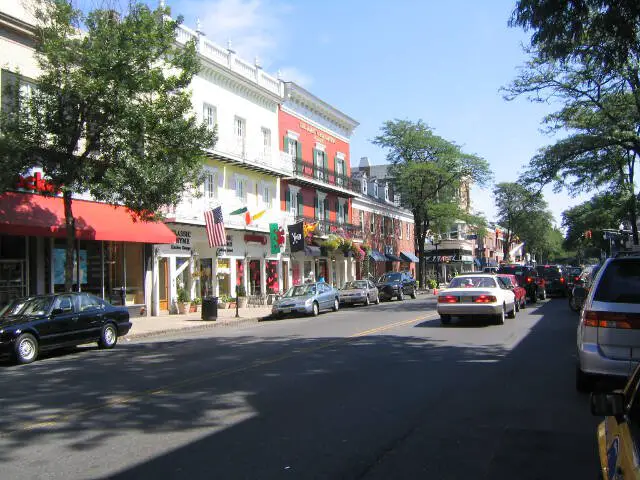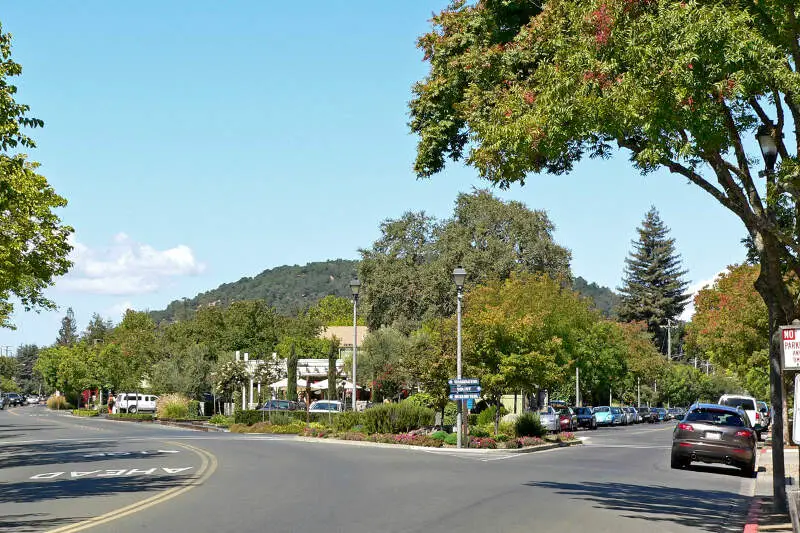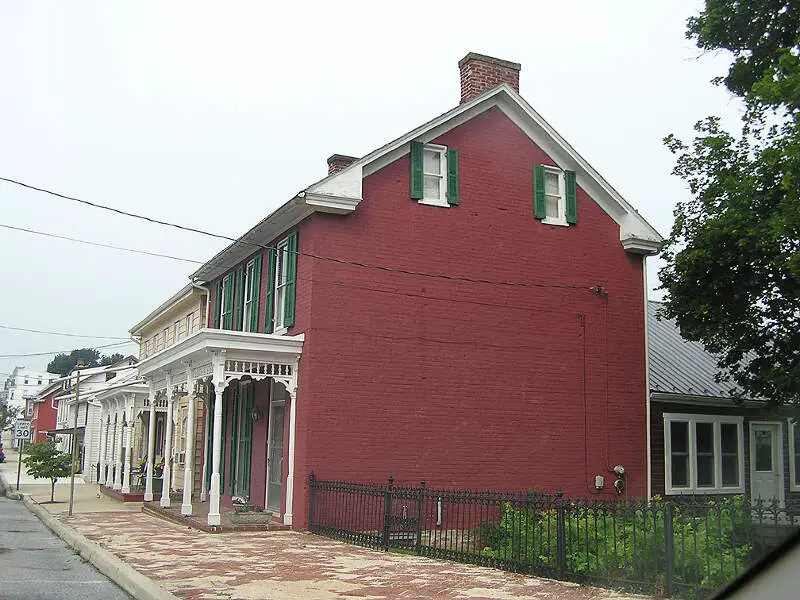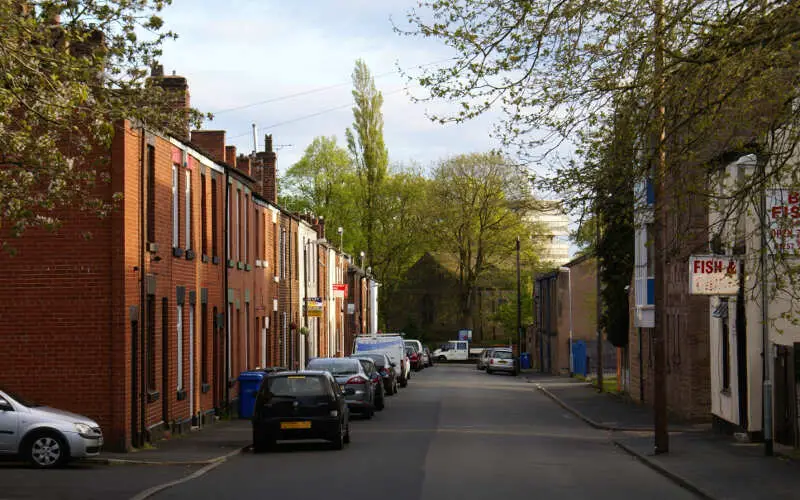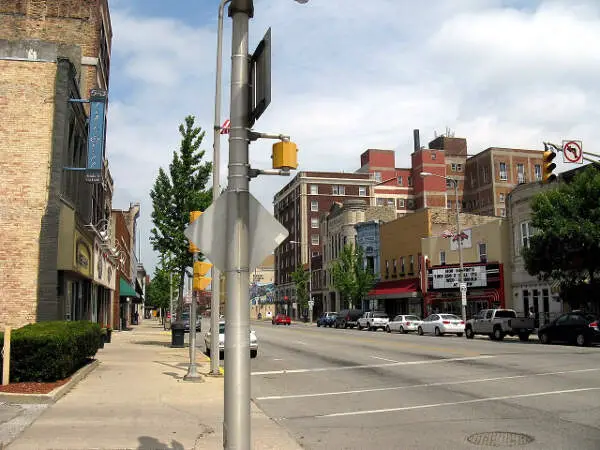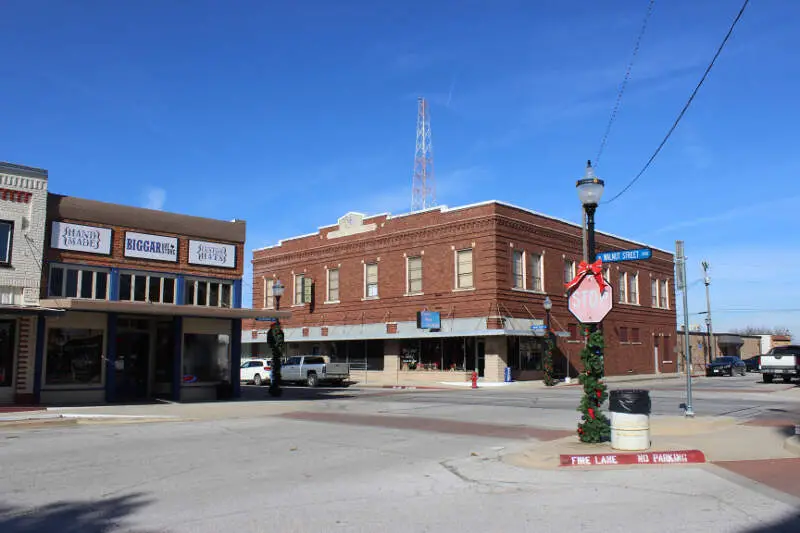
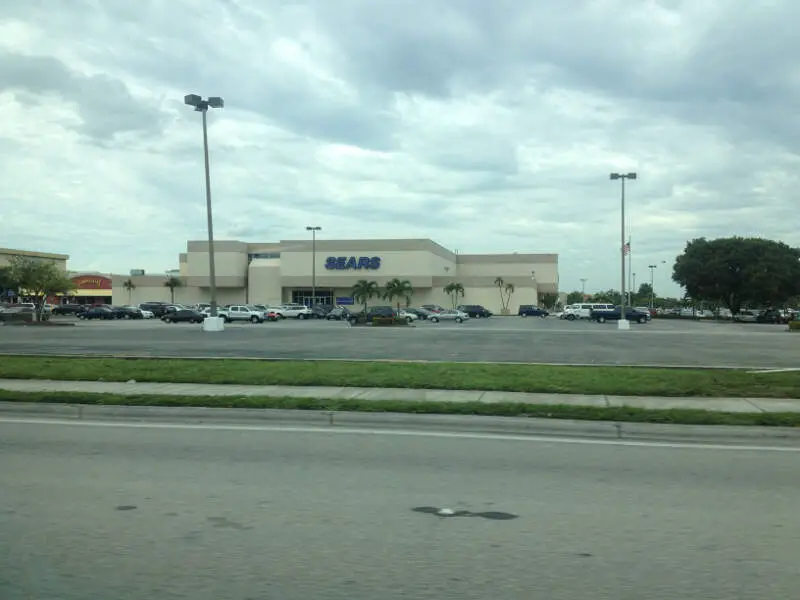
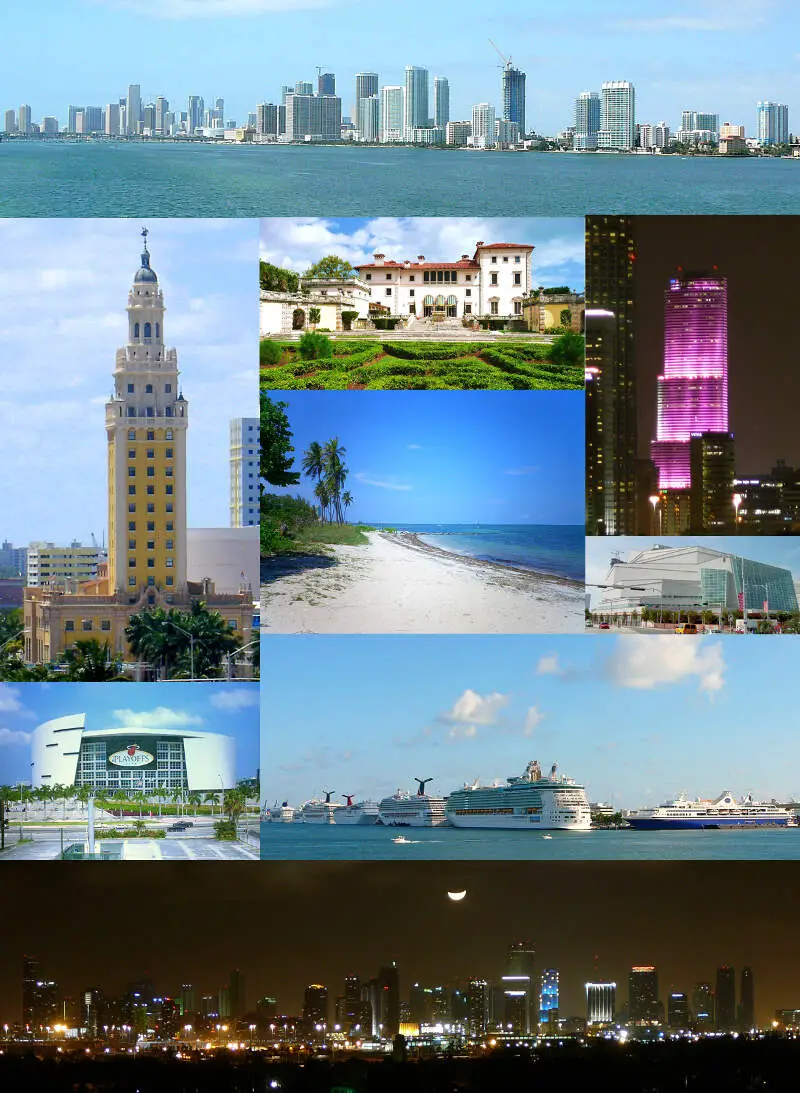
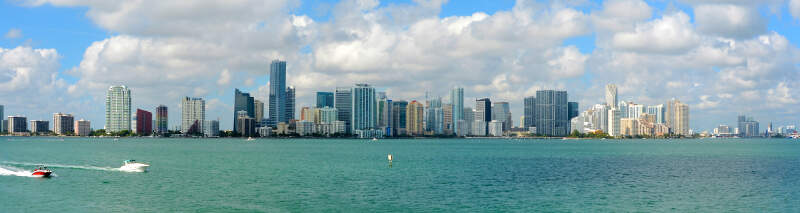
Hialeah vs. Miami in photos
A side-by-side look at each city.


Cost of living
Hialeah is the cheaper city overall — 12% higher in Miami than its rival. Index baseline: 100 = national average.
| Living expense | Hialeah | Miami | US average |
|---|---|---|---|
| Overall | 115 | 131 | 100 |
| Services | 106 | 106 | 100 |
| Groceries | 106 | 110 | 100 |
| Health | 135 | 169 | 100 |
| Housing | 106 | 108 | 100 |
| Transportation | 110 | 121 | 100 |
| Utilities | 109 | 120 | 100 |
Lower index = cheaper. 100 = U.S. national average. Bar inside each cell scales relative to the highest value in the table.
Sources: HomeSnacks Cost of Living indices, normalized so 100 = U.S. national average. Drill in: Hialeah cost of living, Miami cost of living, or the cheapest cities in America.
Housing breakdown
Home prices are higher in Miami. Compare absolute price and price-to-income — a $500k home in a $100k-income city is very different from one in a $50k-income city.
| Metric | Hialeah | Miami | United States |
|---|---|---|---|
| Median Home Value | $443,803 | $579,563 | $332,700 |
| Median Rent | $1,689 | $1,758 | $1,413 |
| Median Income | $55,594 | $62,462 | $80,734 |
| Home Value To Income | 8.0x | 9.3x | 4.1x |
| Rent To Monthly Income | 0.36x | 0.34x | 0.21x |
Source: U.S. Census Bureau ACS 2020-2024. See also states with the highest rent in America.
Crime
Hialeah is the safer city — total crime rate of 1,835 per 100k people vs 3,468 for Miami. US average: 2,119.
| Crime (per 100k) | Hialeah | Miami | US average |
|---|---|---|---|
| Total crime | 1,835 | 3,468 | 2,119 |
| Murder | 3 | 6 | 5 |
| Robbery | 42 | 95 | 61 |
| Aggravated Assault | 134 | 348 | 256 |
| Violent Crime | 191 | 473 | 359 |
| Burglary | 129 | 294 | 229 |
| Larceny | 1,285 | 2,290 | 1,272 |
| Car Theft | 230 | 410 | 259 |
| Property Crime | 1,644 | 2,995 | 1,760 |
Lower = safer. Bar inside each cell scales relative to the highest crime rate in the table.
Source: FBI Uniform Crime Reporting (2024). All rates are per 100,000 people. City pages: Hialeah crime, Miami crime. See also: safest cities in America.
Diversity
Miami is more racially diverse — lower HHI (closer to 0) means a more even mix across groups.
| Group | Hialeah | Miami | United States |
|---|---|---|---|
| White | 3.2% | 12.1% | 57.4% |
| African American | 0.8% | 11.9% | 11.9% |
| American Indian | 0.0% | 0.1% | 0.5% |
| Asian | 0.4% | 1.6% | 5.9% |
| Hawaiian | 0.0% | 0.0% | 0.2% |
| Other | 0.2% | 0.6% | 0.6% |
| Two Or More | 0.2% | 2.2% | 4.3% |
| Hispanic | 95.1% | 71.5% | 19.3% |
Source: U.S. Census ACS 2020-2024. Lower HHI = more even racial mix. See also: most diverse cities in America.
SnackAbility — overall quality of life
Hialeah scores higher overall — 6/10 vs 5/10. SnackAbility is our 1–10 quality-of-life score; the median U.S. city scores a 7.
Scores are 0–10; both bars share the same scale.
SnackAbility is a HomeSnacks proprietary 1–10 score blending jobs, housing, education, commute, amenities, affordability, crime, and diversity. Median U.S. city ≈ 7. Data: Census, BLS, FBI. See also: best places to live in America.
Getting around: Hialeah vs. Miami
How each city handles commuting, transit, walkability, and car culture — the day-to-day reality that shapes where you'd actually want to live.
Both Hialeah and Miami share Miami-Dade County's Metrorail, Metrobus, and Metromover network, though how much that matters depends on where you live and work. Hialeah is served by the Metrorail's Hialeah and Okeechobee stations, and the Palmetto Expressway (SR-826) and I-75 make car commutes across the metro manageable, though the Palmetto backs up badly during rush hour. Most Hialeah households own a car, and the street grid is more strip-mall suburban than walkable.
Miami has more transit options if you work downtown or in Brickell: the free Metromover loop covers the urban core, and Brightline intercity rail runs from MiamiCentral. Miami International Airport sits just east of Hialeah, so frequent flyers in either city are well placed. If you drive, though, Miami's denser streets and congestion around I-95 and SR-836 make daily commutes rougher than Hialeah's more open suburban roads.
Jobs and careers in Hialeah vs. Miami
The local job market, dominant industries, and which city to choose based on your career.
Hialeah has long been a working-class manufacturing and logistics hub, with distribution centers, light industrial employers, and a retail corridor along West 49th Street. The workforce leans heavily on healthcare, construction trades, and small family-owned businesses. With a median household income of $55,594, wages run below the regional average, and white-collar professional jobs within Hialeah are limited enough that many residents commute south or east to find them.
Miami's economy pays better on average, with a median household income of $62,462. Brickell finance, the Jackson Memorial and University of Miami health systems, the Port of Miami's international trade, and a growing tech scene around Wynwood all create demand for professional and mid-skill workers. If you're in hospitality, real estate, or international business, Miami's network advantages are hard to match.
The trade-off is a cost of living index of 131, versus Hialeah's 115, which can erase those salary gains quickly.
Weather and climate
What to expect day-to-day — sun, fog, heat, rain, and the seasonal extremes that shape the lifestyle.
Hialeah and Miami share nearly the same climate: humid subtropical, with long hot summers and mild dry winters. Afternoon temperatures hit the upper 80s and low 90s from June through September, with daily thunderstorms rolling in from the Everglades most summer afternoons. Winters bring daytime highs in the mid-70s and occasional cool fronts dipping below 60°F at night, with hurricane season running June through November for both cities.
Miami's coastal neighborhoods, including South Beach, Coconut Grove, and Key Biscayne, catch an afternoon sea breeze that takes the edge off summer heat; Hialeah's more inland location means slightly higher humidity and a bit more heat retention in summer evenings. Neither city gets meaningful rain in winter, so if you're coming from a cold-weather state, you'll find outdoor living possible year-round in both.
Culture, nightlife, and entertainment
Food, music, neighborhoods, and the city vibe that gives each place its personality.
Hialeah is one of the most Cuban-American cities in the United States — a statistic you feel immediately walking through its neighborhoods, eating at its ventanitas, and hearing Spanish as the dominant language in nearly every public space. Hialeah Park Racing and Casino hosts live greyhound and thoroughbred events, and the commercial strips along Palm Avenue and East 4th Avenue are lined with Latin restaurants, bakeries, and social clubs. The nightlife scene is more local and neighborhood-focused than destination-driven.
Miami runs at an entirely different scale of cultural infrastructure, with Wynwood's gallery district, South Beach's Ocean Drive, the Lincoln Road pedestrian mall, and events like Art Basel and Ultra Music Festival all drawing international visitors. Little Havana's Calle Ocho is a reasonable cultural bridge between the two cities. If you want world-class dining, rooftop bars, and live music every night of the week, Miami wins, though median rents of $1,758 run above Hialeah's $1,689.
Outdoor activities and day trips
Parks, beaches, hikes, and the weekend escapes that define life outside the city limits.
Hialeah's outdoor options are modest for a city of 226,000. Amelia Earhart Park in the northeast, at 515 acres with fishing ponds, BMX tracks, and equestrian facilities, is the standout, but large green space is otherwise scarce in a city that's densely built and prioritizes commercial land use. Biscayne Bay and the Atlantic coast are 20 to 30 minutes by car, and the Everglades are reachable to the west, but outdoor recreation here usually means driving out of the city.
Miami's geography gives it a real outdoor edge. Biscayne Bay is practically in the backyard of Coconut Grove and Brickell, with kayaking, sailing, and paddleboarding all within reach. Crandon Park and Bill Baggs Cape Florida State Park on Key Biscayne have uncrowded beaches and nature trails.
Oleta River State Park in North Miami is the largest urban park in Florida, popular with mountain bikers and kayakers. For day trips, Everglades National Park is less than an hour southwest, and the Florida Keys begin just 45 minutes south.
Bottom line: which city is right for you?
Based on the head-to-head data above, here's the short version — pick the city that lines up with what you actually care about.
Choose Hialeah if you prioritize…
- a lower cost of living (cheaper groceries, services, and day-to-day expenses).
- lower crime — a safer place to live, work, and raise a family.
- a higher overall SnackAbility quality-of-life score.
Choose Miami if you prioritize…
- more affordable housing relative to Hialeah.
- a more racially diverse community (lower HHI on Census data).
Methodology: winners are picked from public data — U.S. Census Bureau ACS (income, home value, rent, race/HHI), FBI Uniform Crime Reporting (crime rates per 100k), and HomeSnacks' proprietary SnackAbility quality-of-life score, which blends Bureau of Labor Statistics data with the above.
Other comparisons
Still weighing your options? See how these two cities stack up against other places we've compared head-to-head.