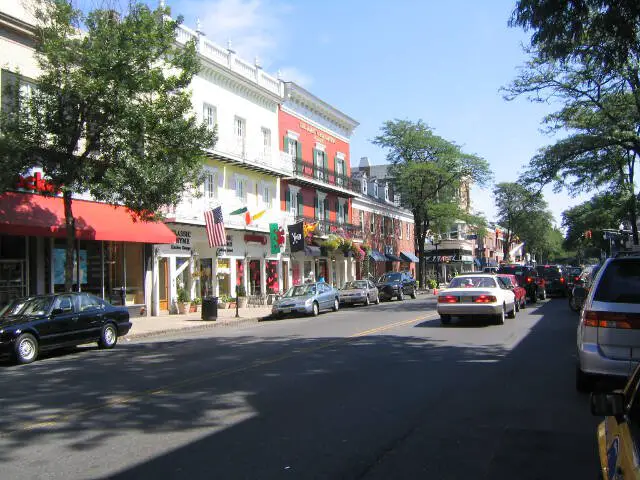
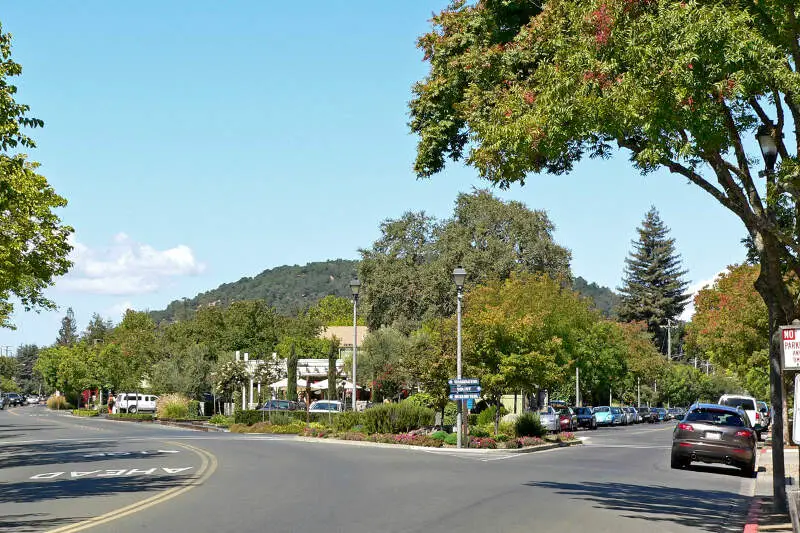
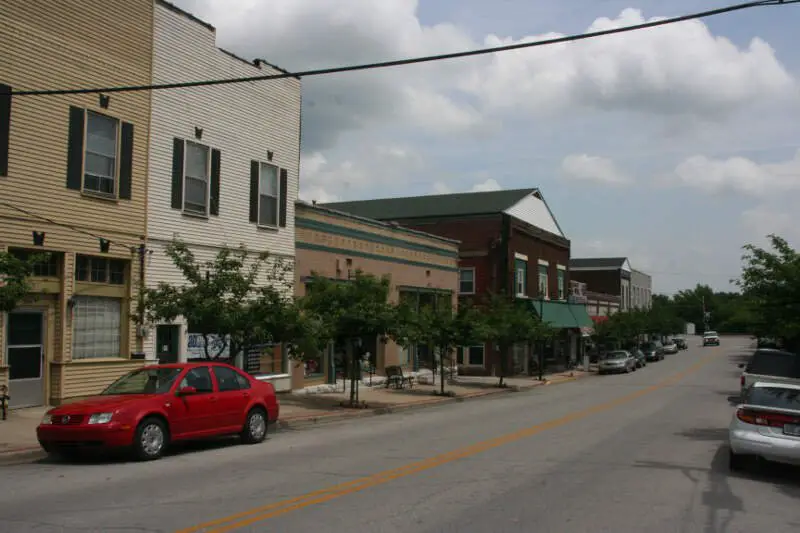
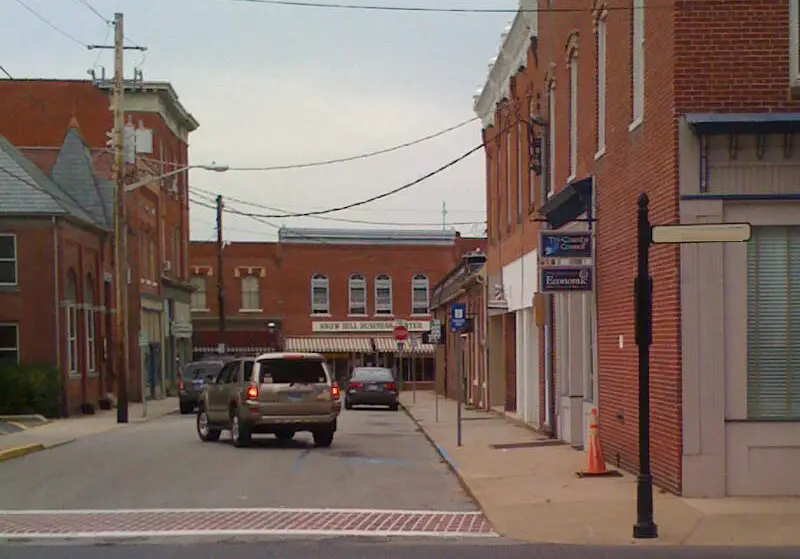
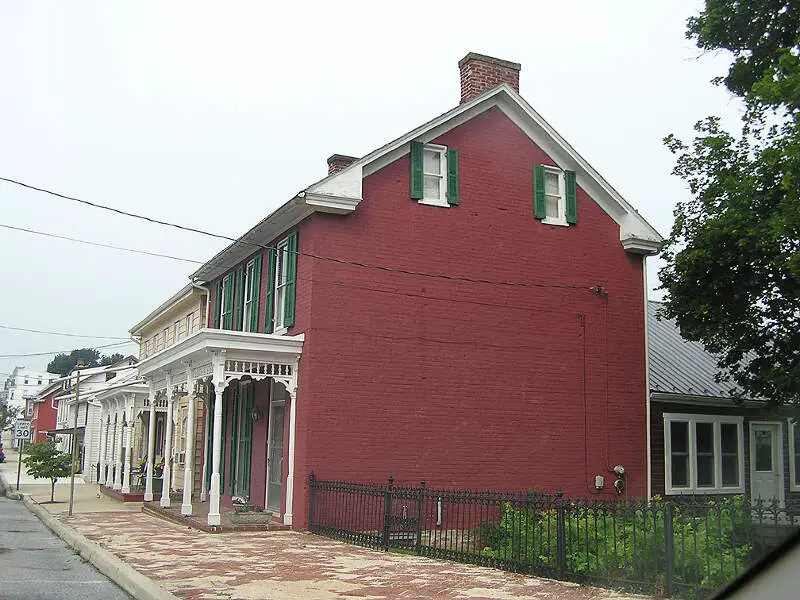
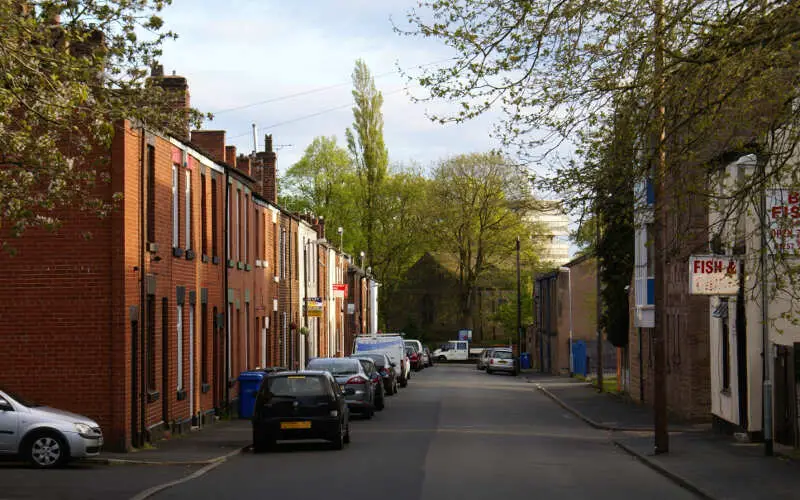
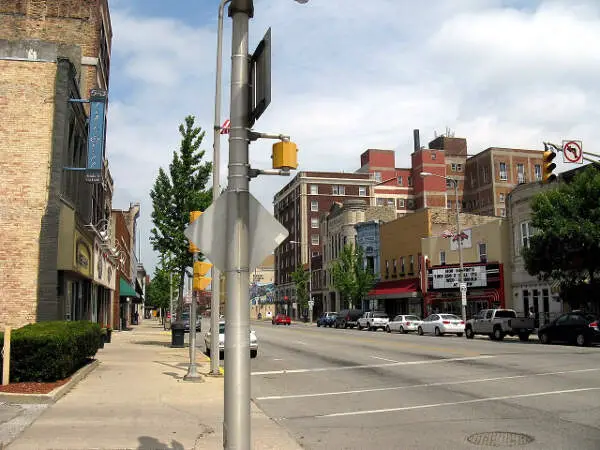
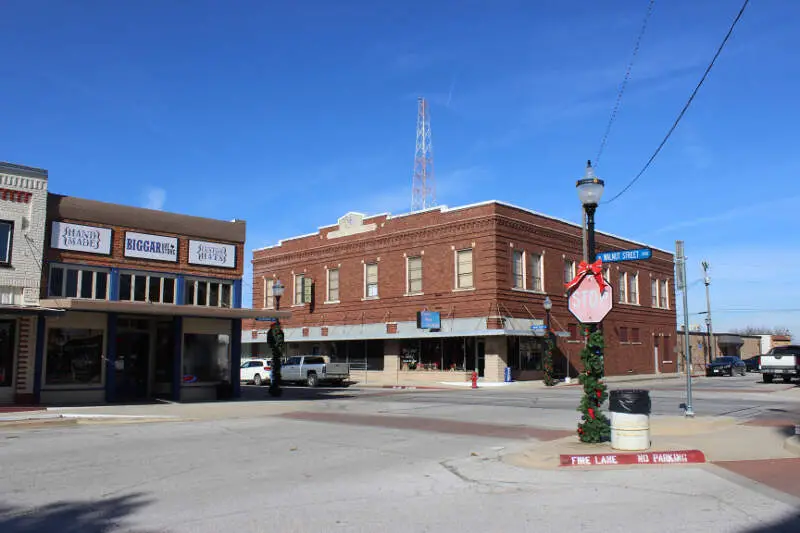
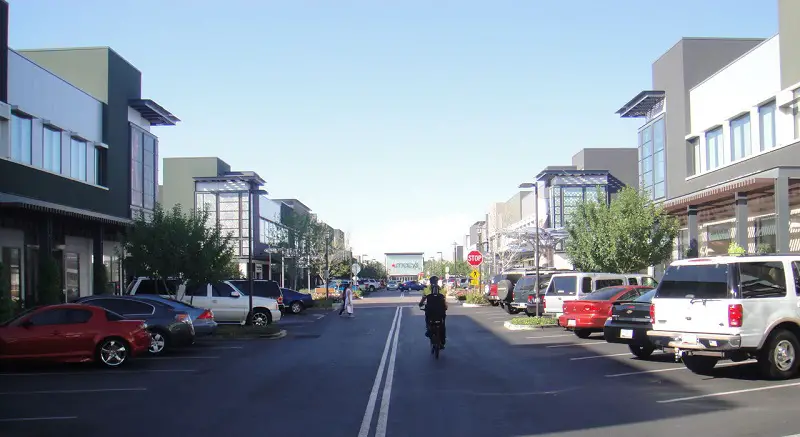
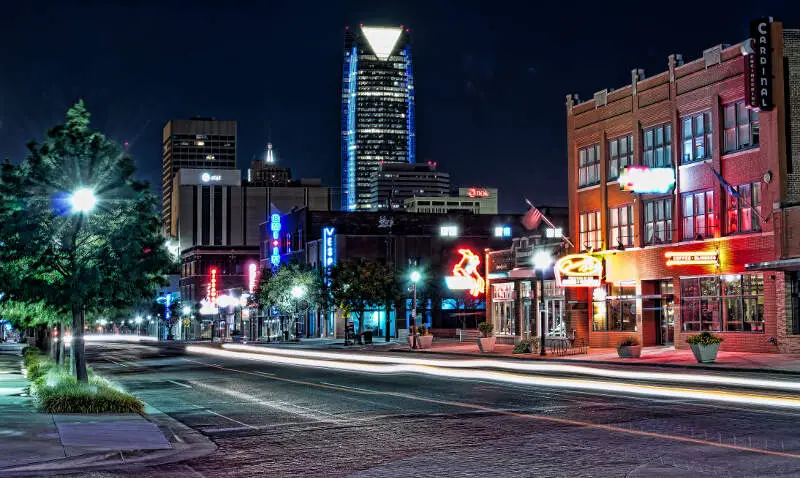
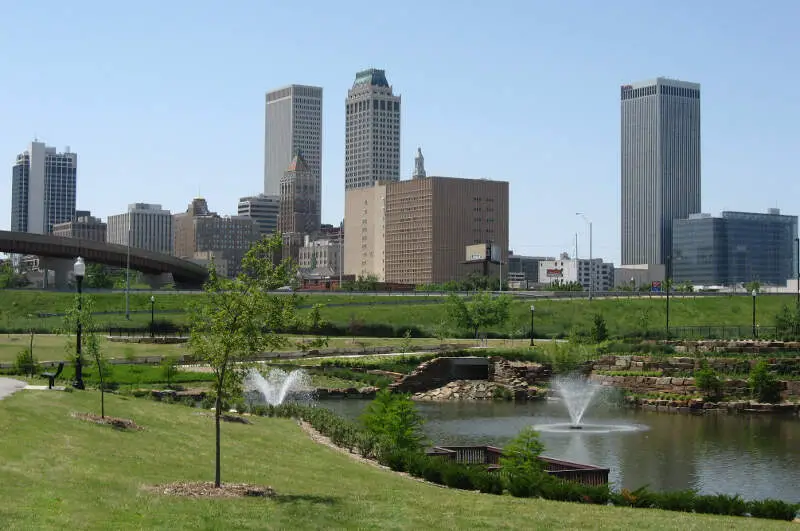
Oklahoma City vs. Tulsa in photos
A side-by-side look at each city.
Cost of living
Tulsa is the cheaper city overall — 3% higher in Oklahoma City than its rival. Index baseline: 100 = national average.
| Living expense | Oklahoma City | Tulsa | US average |
|---|---|---|---|
| Overall | 96 | 93 | 100 |
| Services | 94 | 96 | 100 |
| Groceries | 97 | 94 | 100 |
| Health | 91 | 84 | 100 |
| Housing | 99 | 95 | 100 |
| Transportation | 99 | 91 | 100 |
| Utilities | 96 | 94 | 100 |
Lower index = cheaper. 100 = U.S. national average. Bar inside each cell scales relative to the highest value in the table.
Sources: HomeSnacks Cost of Living indices, normalized so 100 = U.S. national average. Drill in: Oklahoma City cost of living, Tulsa cost of living, or the cheapest cities in America.
Housing breakdown
Home prices are higher in Tulsa. Compare absolute price and price-to-income — a $500k home in a $100k-income city is very different from one in a $50k-income city.
| Metric | Oklahoma City | Tulsa | United States |
|---|---|---|---|
| Median Home Value | $206,712 | $217,450 | $332,700 |
| Median Rent | $1,130 | $1,052 | $1,413 |
| Median Income | $68,656 | $59,838 | $80,734 |
| Home Value To Income | 3.0x | 3.6x | 4.1x |
| Rent To Monthly Income | 0.2x | 0.21x | 0.21x |
Source: U.S. Census Bureau ACS 2020-2024. See also states with the highest rent in America.
Crime
Oklahoma City is the safer city — total crime rate of 3,569 per 100k people vs 4,569 for Tulsa. US average: 2,119.
| Crime (per 100k) | Oklahoma City | Tulsa | US average |
|---|---|---|---|
| Total crime | 3,569 | 4,569 | 2,119 |
| Murder | 10 | 9 | 5 |
| Robbery | 100 | 99 | 61 |
| Aggravated Assault | 493 | 728 | 256 |
| Violent Crime | 676 | 942 | 359 |
| Burglary | 583 | 747 | 229 |
| Larceny | 1,951 | 2,398 | 1,272 |
| Car Theft | 360 | 483 | 259 |
| Property Crime | 2,893 | 3,627 | 1,760 |
Lower = safer. Bar inside each cell scales relative to the highest crime rate in the table.
Source: FBI Uniform Crime Reporting (2024). All rates are per 100,000 people. City pages: Oklahoma City crime, Tulsa crime. See also: safest cities in America.
Diversity
Tulsa is more racially diverse — lower HHI (closer to 0) means a more even mix across groups.
| Group | Oklahoma City | Tulsa | United States |
|---|---|---|---|
| White | 50.1% | 50.5% | 57.4% |
| African American | 13.1% | 13.7% | 11.9% |
| American Indian | 2.1% | 3.6% | 0.5% |
| Asian | 4.5% | 3.4% | 5.9% |
| Hawaiian | 0.1% | 0.3% | 0.2% |
| Other | 0.5% | 0.4% | 0.6% |
| Two Or More | 7.6% | 8.4% | 4.3% |
| Hispanic | 22.1% | 19.8% | 19.3% |
Source: U.S. Census ACS 2020-2024. Lower HHI = more even racial mix. See also: most diverse cities in America.
SnackAbility — overall quality of life
Oklahoma City and Tulsa tied at 4/10.
Scores are 0–10; both bars share the same scale.
SnackAbility is a HomeSnacks proprietary 1–10 score blending jobs, housing, education, commute, amenities, affordability, crime, and diversity. Median U.S. city ≈ 7. Data: Census, BLS, FBI. See also: best places to live in America.
Getting around: Oklahoma City vs. Tulsa
How each city handles commuting, transit, walkability, and car culture — the day-to-day reality that shapes where you'd actually want to live.
Both Oklahoma City and Tulsa are car-first cities. If you commute by car, you're in the majority in either place. Neither city has light rail, so if you're moving from a transit-connected metro, adjust your expectations now.
Oklahoma City's street grid sprawls across one of the largest land areas of any U.S. city. Its EMBARK bus system is expanding but still serves limited corridors. Major highways including I-35, I-40, and I-44 converge downtown, and surface-level congestion is the norm rather than gridlock.
Tulsa is more compact, which makes cross-town driving noticeably less painful day-to-day. Tulsa Transit covers more of the city's core, and the Riverside Drive corridor along the Arkansas River gives commuters a genuine alternative route. Parking costs in both downtowns remain low by national standards.
Jobs and careers in Oklahoma City vs. Tulsa
The local job market, dominant industries, and which city to choose based on your career.
Oklahoma City has a clear income edge: median household income of $68,656 versus Tulsa's $59,838.
OKC's economy centers on state government, energy (Devon Energy and the remnants of Chesapeake Energy are headquartered here), healthcare systems like INTEGRIS and Mercy, and the Tinker Air Force Base logistics operation east of town. The tech and startup scene around Midtown and Film Row has grown steadily.
Tulsa's employer base also centers on energy. Williams Companies and ONEOK anchor the corporate skyline, alongside a significant aerospace and aviation maintenance presence through American Airlines' Tulsa maintenance hub and NORDAM. Healthcare is a major employer in both cities.
For career climbers, OKC's larger population and state-capital status generate more mid-to-senior openings across sectors, while Tulsa's tighter professional community can make networking faster.
Weather and climate
What to expect day-to-day — sun, fog, heat, rain, and the seasonal extremes that shape the lifestyle.
Expect nearly identical climates in both cities: hot, humid summers with temperatures routinely climbing past 95°F in July and August, and winters that oscillate between mild weeks and sharp cold snaps with occasional ice storms.
Both cities sit squarely in Tornado Alley. Spring storm season, roughly March through May, means watching weather apps and knowing where your shelter is. Oklahoma City tends to see slightly more tornado activity given its position in the heart of the alley; Tulsa sits a bit farther northeast, which offers marginally more protection but not enough to ignore sirens.
Snowfall is light and irregular in both cities, rarely accumulating more than a few inches before melting. Fall is genuinely pleasant in either city, with cool temperatures and low humidity making September and October the most comfortable months of the year.
Culture, nightlife, and entertainment
Food, music, neighborhoods, and the city vibe that gives each place its personality.
Oklahoma City has invested heavily in its urban core over the past two decades. Bricktown, the converted warehouse district just east of downtown, anchors the entertainment scene with restaurants, bars, and the Paycom Center arena nearby. The Plaza District and Midtown offer a grittier mix of independent bars, art studios, and music venues, and Deep Deuce carries a historically significant jazz heritage.
Tulsa punches well above its size culturally. The Brady Arts District and the adjacent Blue Dome District form a walkable bar and live music cluster, and Cain's Ballroom is one of the most respected independent music venues in the country. The Philbrook Museum of Art and Gilcrease Museum give Tulsa a cultural depth that surprises first-time visitors.
Both cities have active local food scenes, though OKC's larger dining market means more variety overall.
Outdoor activities and day trips
Parks, beaches, hikes, and the weekend escapes that define life outside the city limits.
Tulsa has a genuine leg up on outdoor recreation. The Gathering Place, a privately funded 100-acre riverfront park on the Arkansas River that opened in 2018, is widely considered one of the best urban parks in the country. Turkey Mountain Urban Wilderness, over 300 acres of trail running and mountain biking right inside city limits, adds another strong asset, and the Riverside trail system connects neighborhoods along the river for cyclists and runners.
Oklahoma City has made real strides with Scissortail Park, a 70-acre downtown greenspace that opened in 2019 and hosts regular events along the Oklahoma River. Lake Hefner on the northwest side draws sailors, cyclists, and anglers, and the Bricktown Canal offers a pleasant waterfront walk.
For longer day trips, both cities reach Lake Eufaula, Grand Lake of the Cherokees, and the Wichita Mountains within roughly two hours by car.
Bottom line: which city is right for you?
Based on the head-to-head data above, here's the short version — pick the city that lines up with what you actually care about.
Choose Oklahoma City if you prioritize…
- lower crime — a safer place to live, work, and raise a family.
Choose Tulsa if you prioritize…
- a lower cost of living (cheaper groceries, services, and day-to-day expenses).
- more affordable housing relative to Oklahoma City.
- a more racially diverse community (lower HHI on Census data).
Methodology: winners are picked from public data — U.S. Census Bureau ACS (income, home value, rent, race/HHI), FBI Uniform Crime Reporting (crime rates per 100k), and HomeSnacks' proprietary SnackAbility quality-of-life score, which blends Bureau of Labor Statistics data with the above.
Other comparisons
Still weighing your options? See how these two cities stack up against other places we've compared head-to-head.