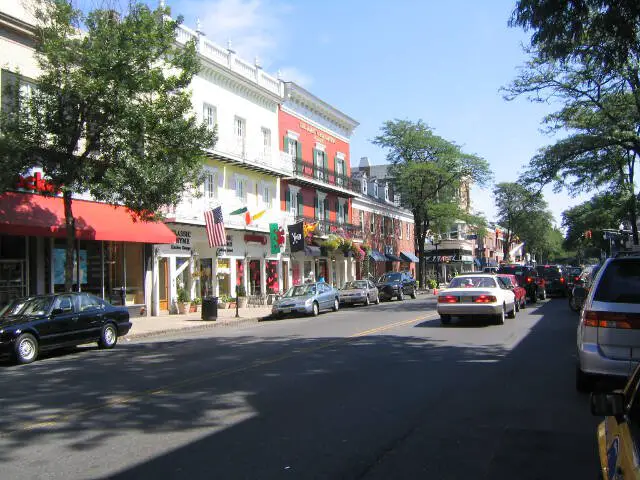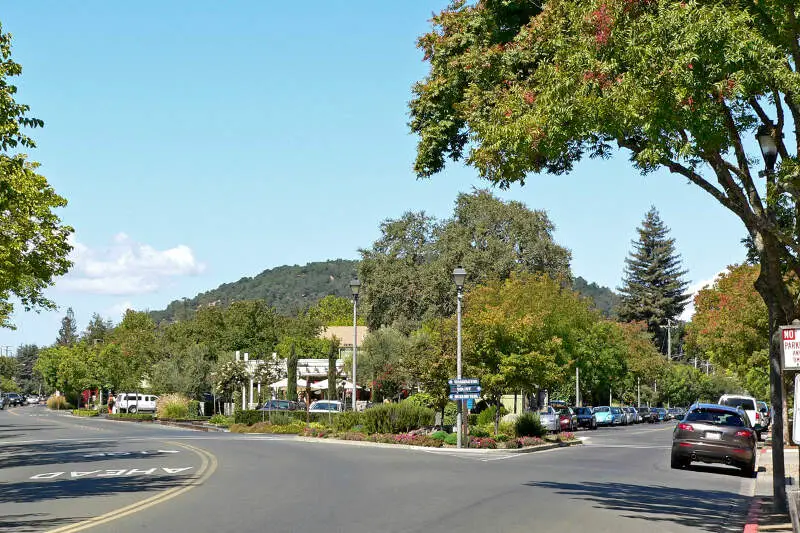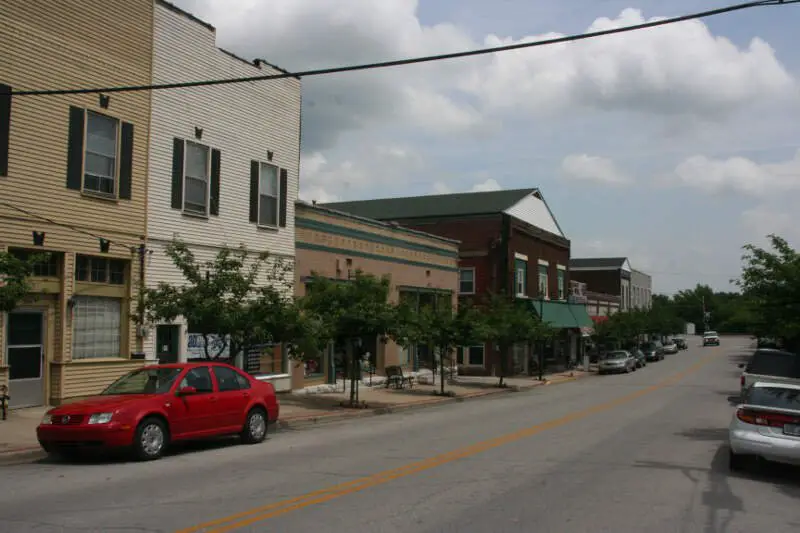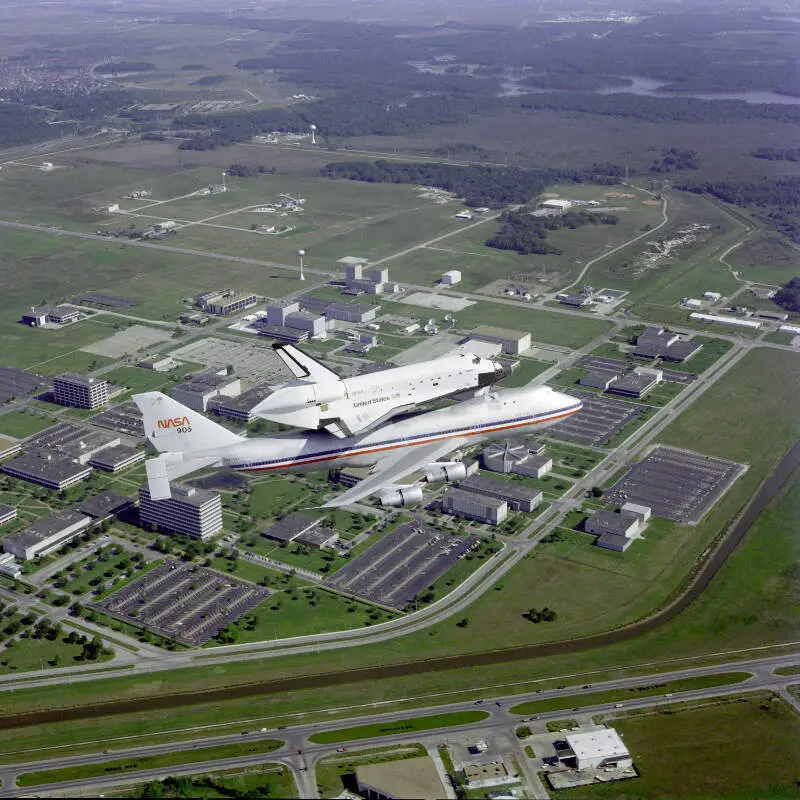
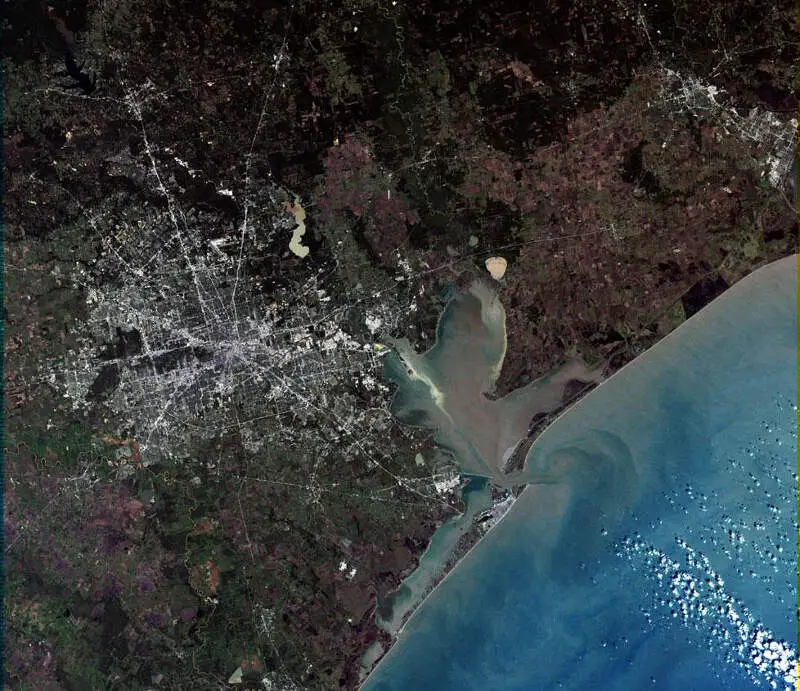
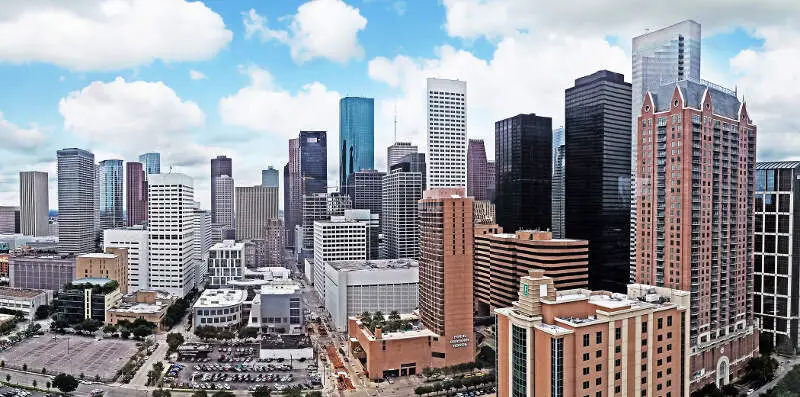
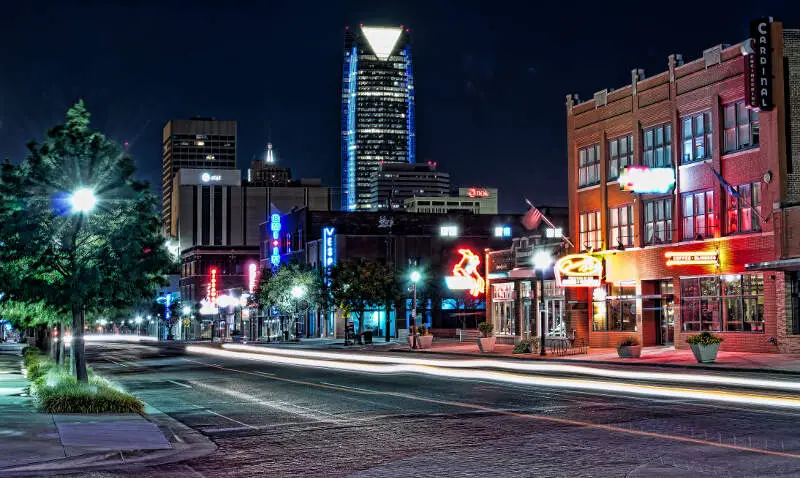
Houston vs. Oklahoma City in photos
A side-by-side look at each city.
Cost of living
Oklahoma City is the cheaper city overall — 8% higher in Houston than its rival. Index baseline: 100 = national average.
| Living expense | Houston | Oklahoma City | US average |
|---|---|---|---|
| Overall | 104 | 96 | 100 |
| Services | 104 | 94 | 100 |
| Groceries | 98 | 97 | 100 |
| Health | 106 | 91 | 100 |
| Housing | 102 | 99 | 100 |
| Transportation | 104 | 99 | 100 |
| Utilities | 98 | 96 | 100 |
Lower index = cheaper. 100 = U.S. national average. Bar inside each cell scales relative to the highest value in the table.
Sources: HomeSnacks Cost of Living indices, normalized so 100 = U.S. national average. Drill in: Houston cost of living, Oklahoma City cost of living, or the cheapest cities in America.
Housing breakdown
Home prices are higher in Houston. Compare absolute price and price-to-income — a $500k home in a $100k-income city is very different from one in a $50k-income city.
| Metric | Houston | Oklahoma City | United States |
|---|---|---|---|
| Median Home Value | $264,336 | $206,712 | $332,700 |
| Median Rent | $1,361 | $1,130 | $1,413 |
| Median Income | $64,813 | $68,656 | $80,734 |
| Home Value To Income | 4.1x | 3.0x | 4.1x |
| Rent To Monthly Income | 0.25x | 0.2x | 0.21x |
Source: U.S. Census Bureau ACS 2020-2024. See also states with the highest rent in America.
Crime
Oklahoma City is the safer city — total crime rate of 3,569 per 100k people vs 5,442 for Houston. US average: 2,119.
| Crime (per 100k) | Houston | Oklahoma City | US average |
|---|---|---|---|
| Total crime | 5,442 | 3,569 | 2,119 |
| Murder | 14 | 10 | 5 |
| Robbery | 274 | 100 | 61 |
| Aggravated Assault | 787 | 493 | 256 |
| Violent Crime | 1,148 | 676 | 359 |
| Burglary | 645 | 583 | 229 |
| Larceny | 2,946 | 1,951 | 1,272 |
| Car Theft | 703 | 360 | 259 |
| Property Crime | 4,293 | 2,893 | 1,760 |
Lower = safer. Bar inside each cell scales relative to the highest crime rate in the table.
Source: FBI Uniform Crime Reporting (2024). All rates are per 100,000 people. City pages: Houston crime, Oklahoma City crime. See also: safest cities in America.
Diversity
Houston is more racially diverse — lower HHI (closer to 0) means a more even mix across groups.
| Group | Houston | Oklahoma City | United States |
|---|---|---|---|
| White | 23.2% | 50.1% | 57.4% |
| African American | 22.3% | 13.1% | 11.9% |
| American Indian | 0.1% | 2.1% | 0.5% |
| Asian | 6.9% | 4.5% | 5.9% |
| Hawaiian | 0.1% | 0.1% | 0.2% |
| Other | 0.4% | 0.5% | 0.6% |
| Two Or More | 2.8% | 7.6% | 4.3% |
| Hispanic | 44.2% | 22.1% | 19.3% |
Source: U.S. Census ACS 2020-2024. Lower HHI = more even racial mix. See also: most diverse cities in America.
SnackAbility — overall quality of life
Houston and Oklahoma City tied at 4/10.
Scores are 0–10; both bars share the same scale.
SnackAbility is a HomeSnacks proprietary 1–10 score blending jobs, housing, education, commute, amenities, affordability, crime, and diversity. Median U.S. city ≈ 7. Data: Census, BLS, FBI. See also: best places to live in America.
Getting around: Houston vs. Oklahoma City
How each city handles commuting, transit, walkability, and car culture — the day-to-day reality that shapes where you'd actually want to live.
Houston is a driving city, and that's not an exaggeration. Without a car you'll struggle to reach the energy corridors, the Medical Center, or the suburban job hubs ringing the 610 Loop. METRORail covers a few corridors including Main Street and the Texas Medical Center, but traffic on I-10, the Katy Freeway, and the 610/288 interchange is genuinely brutal during peak hours.
Oklahoma City is just as car-dependent, but the scale is far more forgiving. The metro is smaller and less congested, so you can typically get across town faster than in Houston. OKC also has a streetcar system (the Oklahoma City Streetcar) connecting Bricktown, Midtown, and downtown, which helps if you live centrally, though neither city is walkable by national standards.
Jobs and careers in Houston vs. Oklahoma City
The local job market, dominant industries, and which city to choose based on your career.
Houston's economy is unusually broad for a Sun Belt city. The energy sector, anchored by ExxonMobil, Shell, Chevron Phillips, and scores of oilfield services firms, is the backbone, but the Texas Medical Center (the largest medical complex in the world) and NASA's Johnson Space Center add real depth. Median household income is $64,813 against a cost-of-living index of 104, just above the national average.
Oklahoma City punches above its weight for a metro its size, with Devon Energy, INTEGRIS Health, Tinker Air Force Base, and a growing logistics sector keeping unemployment low. Median household income sits slightly higher at $68,656, and a cost-of-living index of 96 means your dollar goes further than in Houston. With median home values of $206,712 versus Houston's $264,336, OKC is the stronger choice if you're in oil and gas, healthcare, or government/defense work and want competitive salaries without Houston's price tag.
Weather and climate
What to expect day-to-day — sun, fog, heat, rain, and the seasonal extremes that shape the lifestyle.
Houston's climate is subtropical and humid: mild winters, but summers from June through September routinely push heat indices past 105°F, with overnight lows barely below 80. Hurricanes and tropical storms are a real consideration (Harvey in 2017 was catastrophic), and the region floods frequently even outside named storms. If you hate winter, Houston delivers; if you hate sweating through your shirt at the mailbox, budget heavily for air conditioning.
Oklahoma City trades Houston's humidity and hurricane risk for a more continental four-season climate, with real winters, occasional ice storms, and summers that consistently top 90°F but feel more bearable in the drier air. The bigger risk is tornadoes: Oklahoma City sits in Tornado Alley, and severe weather season from March through June requires a weather radio and a solid shelter plan. Neither city is mild year-round, but the type of weather stress is very different.
Culture, nightlife, and entertainment
Food, music, neighborhoods, and the city vibe that gives each place its personality.
The Museum District packs 19 institutions within walking distance, including the Museum of Fine Arts, the Houston Museum of Natural Science, and the Menil Collection. Montrose and Midtown anchor a dense bar and restaurant scene, and Houston's Vietnamese, Indian, and Latin American communities make it one of the most culinarily diverse cities in the country. The Heights adds local breweries and weekend markets, and pro sports (Rockets, Astros, Texans) fill out the calendar.
Bricktown transformed from a warehouse district into an entertainment hub with restaurants, bars, and a canal lined with live music venues, and the Paseo Arts District and Film Row add indie gallery and cocktail-bar options. OKC has the Thunder (NBA) and the National Cowboy and Western Heritage Museum, a world-class institution that tends to surprise first-time visitors. The scene is smaller than Houston's, but Oklahoma City feels like its own city rather than an imitation of somewhere bigger.
Outdoor activities and day trips
Parks, beaches, hikes, and the weekend escapes that define life outside the city limits.
Memorial Park offers over 1,400 acres of trails, tennis, and a recently renovated golf course right inside the Loop, and Buffalo Bayou Park threads through downtown with kayak launches and skyline views. The Gulf Coast is a two-hour drive, with Galveston and Bolivar Peninsula offering beach access, though water clarity won't compete with Florida. Big Bend and the Hill Country are a long day's drive, so serious wilderness takes planning, and the heat sidelines outdoor activity for roughly four months a year.
Oklahoma City's outdoor scene centers on the Oklahoma River, which runs through the metro and hosts competitive rowing and kayaking, and Lake Hefner, a popular sailing and cycling destination within the city limits. Scissortail Park, a 70-acre green space downtown that opened in 2019, is a quick urban escape, while the Wichita Mountains Wildlife Refuge is about 90 minutes southwest, with granite boulders, bison herds, and longhorn cattle that tend to surprise first-time visitors. Oklahoma also has decent flatwater paddling and fishing across its state park lakes, and the lower cost of a boat or camper is easier to justify with median rents of $1,130 versus Houston's $1,361.
Bottom line: which city is right for you?
Based on the head-to-head data above, here's the short version — pick the city that lines up with what you actually care about.
Choose Houston if you prioritize…
- more affordable housing relative to Oklahoma City.
- a more racially diverse community (lower HHI on Census data).
Choose Oklahoma City if you prioritize…
- a lower cost of living (cheaper groceries, services, and day-to-day expenses).
- lower crime — a safer place to live, work, and raise a family.
Methodology: winners are picked from public data — U.S. Census Bureau ACS (income, home value, rent, race/HHI), FBI Uniform Crime Reporting (crime rates per 100k), and HomeSnacks' proprietary SnackAbility quality-of-life score, which blends Bureau of Labor Statistics data with the above.
Other comparisons
Still weighing your options? See how these two cities stack up against other places we've compared head-to-head.