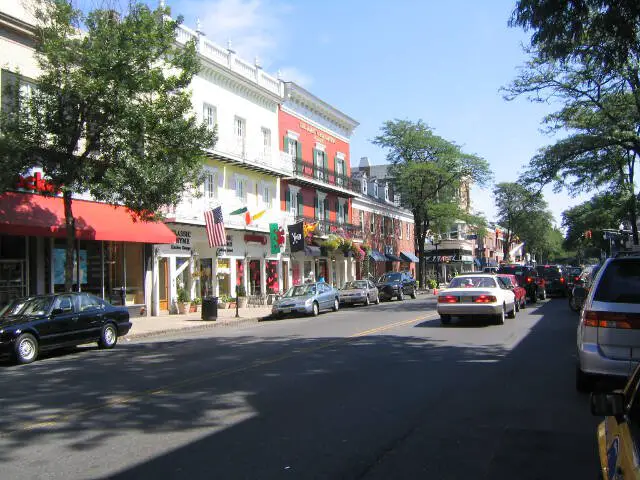
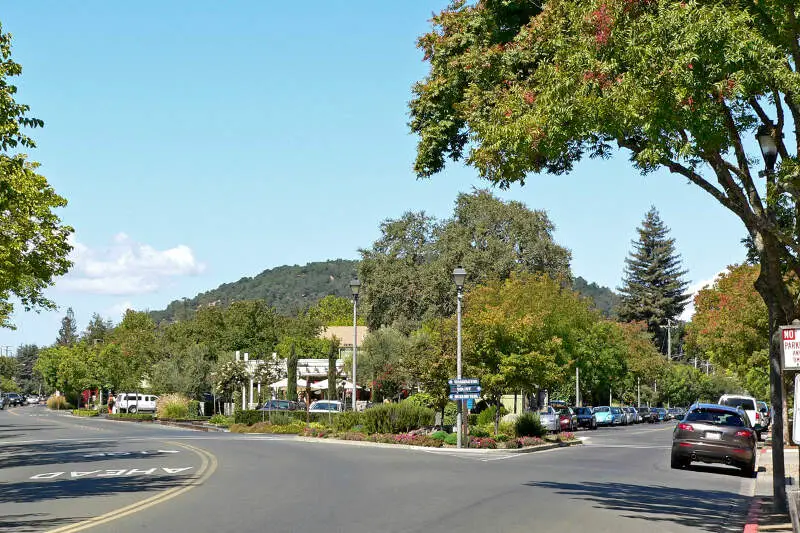
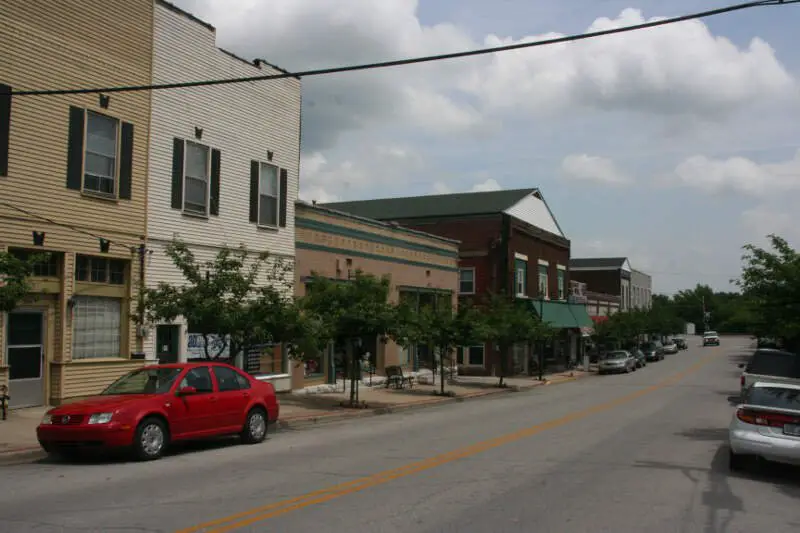
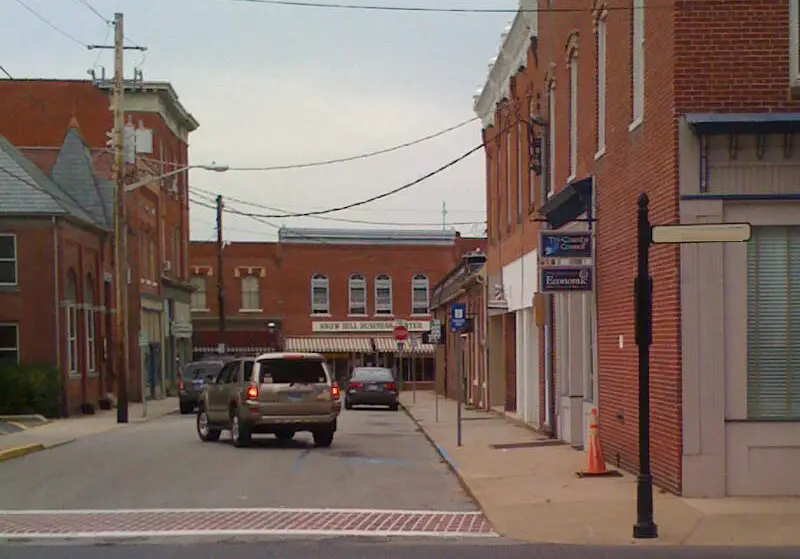
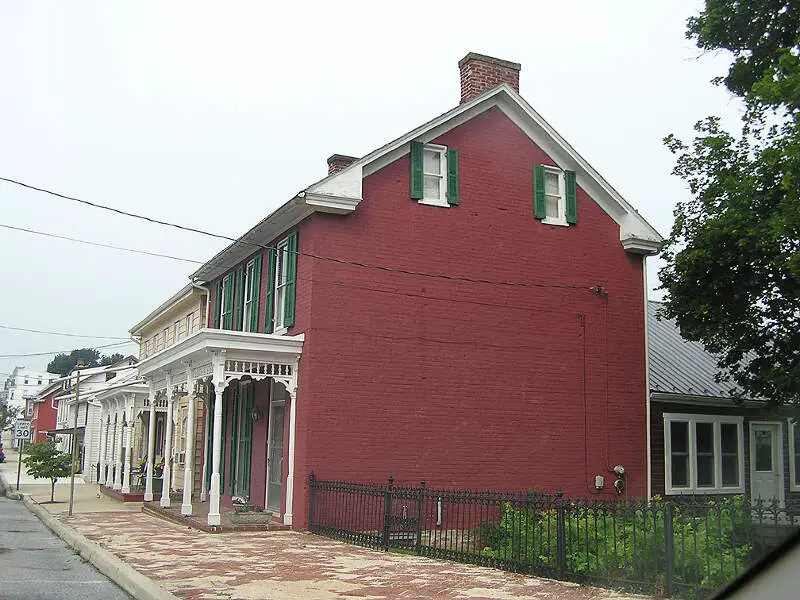
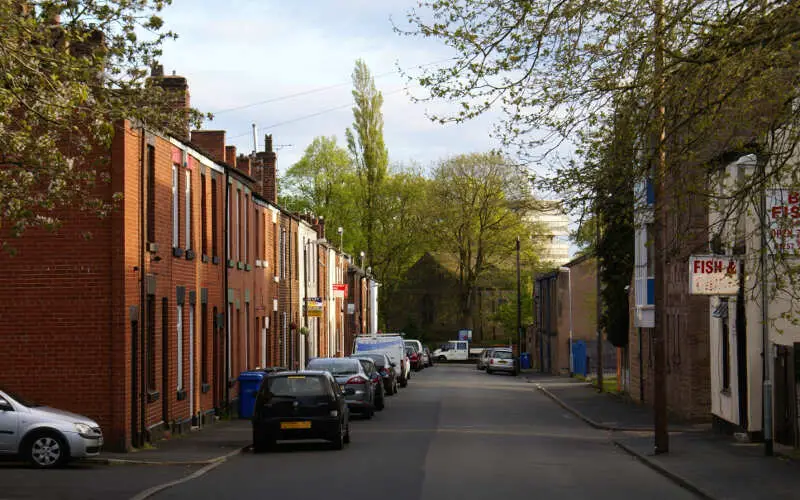
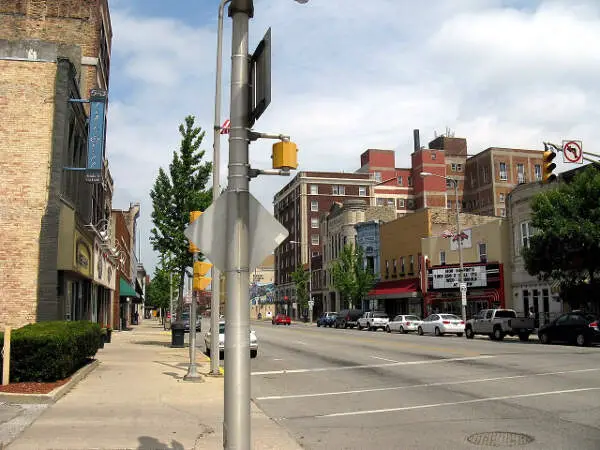
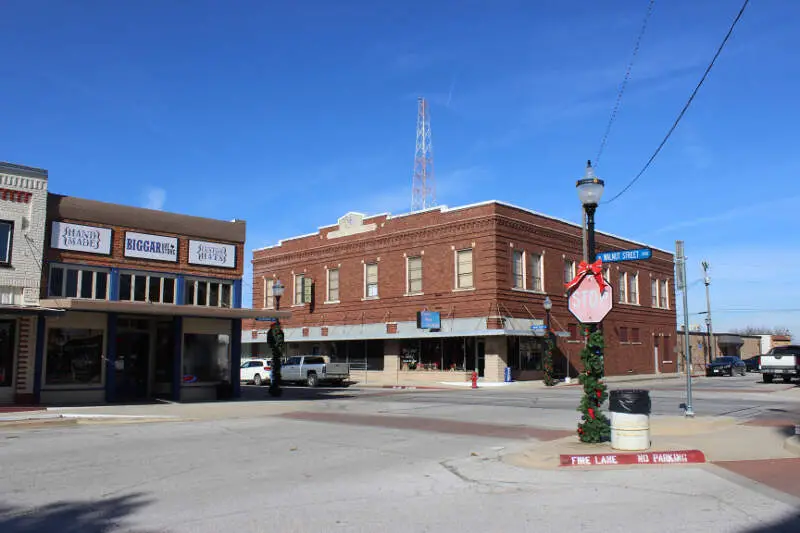
Omaha vs. Des Moines in photos
A side-by-side look at each city.






Cost of living
Des Moines is the cheaper city overall — 11% higher in Omaha than its rival. Index baseline: 100 = national average.
| Living expense | Omaha | Des Moines | US average |
|---|---|---|---|
| Overall | 100 | 90 | 100 |
| Services | 98 | 95 | 100 |
| Groceries | 101 | 93 | 100 |
| Health | 93 | 82 | 100 |
| Housing | 103 | 97 | 100 |
| Transportation | 97 | 90 | 100 |
| Utilities | 95 | 99 | 100 |
Lower index = cheaper. 100 = U.S. national average. Bar inside each cell scales relative to the highest value in the table.
Sources: HomeSnacks Cost of Living indices, normalized so 100 = U.S. national average. Drill in: Omaha cost of living, Des Moines cost of living, or the cheapest cities in America.
Housing breakdown
Home prices are higher in Omaha. Compare absolute price and price-to-income — a $500k home in a $100k-income city is very different from one in a $50k-income city.
| Metric | Omaha | Des Moines | United States |
|---|---|---|---|
| Median Home Value | $294,188 | $208,165 | $332,700 |
| Median Rent | $1,187 | $1,090 | $1,413 |
| Median Income | $73,201 | $65,932 | $80,734 |
| Home Value To Income | 4.0x | 3.2x | 4.1x |
| Rent To Monthly Income | 0.19x | 0.2x | 0.21x |
Source: U.S. Census Bureau ACS 2020-2024. See also states with the highest rent in America.
Crime
Omaha is the safer city — total crime rate of 3,531 per 100k people vs 3,829 for Des Moines. US average: 2,119.
| Crime (per 100k) | Omaha | Des Moines | US average |
|---|---|---|---|
| Total crime | 3,531 | 3,829 | 2,119 |
| Murder | 4 | 4 | 5 |
| Robbery | 47 | 75 | 61 |
| Aggravated Assault | 272 | 573 | 256 |
| Violent Crime | 369 | 703 | 359 |
| Burglary | 236 | 463 | 229 |
| Larceny | 2,264 | 2,142 | 1,272 |
| Car Theft | 662 | 522 | 259 |
| Property Crime | 3,162 | 3,126 | 1,760 |
Lower = safer. Bar inside each cell scales relative to the highest crime rate in the table.
Source: FBI Uniform Crime Reporting (2024). All rates are per 100,000 people. City pages: Omaha crime, Des Moines crime. See also: safest cities in America.
Diversity
Des Moines is more racially diverse — lower HHI (closer to 0) means a more even mix across groups.
| Group | Omaha | Des Moines | United States |
|---|---|---|---|
| White | 63.4% | 61.0% | 57.4% |
| African American | 11.4% | 11.1% | 11.9% |
| American Indian | 0.2% | 0.1% | 0.5% |
| Asian | 4.0% | 6.6% | 5.9% |
| Hawaiian | 0.0% | 0.1% | 0.2% |
| Other | 0.3% | 0.4% | 0.6% |
| Two Or More | 4.4% | 4.5% | 4.3% |
| Hispanic | 16.2% | 16.3% | 19.3% |
Source: U.S. Census ACS 2020-2024. Lower HHI = more even racial mix. See also: most diverse cities in America.
SnackAbility — overall quality of life
Omaha scores higher overall — 7/10 vs 5/10. SnackAbility is our 1–10 quality-of-life score; the median U.S. city scores a 7.
Scores are 0–10; both bars share the same scale.
SnackAbility is a HomeSnacks proprietary 1–10 score blending jobs, housing, education, commute, amenities, affordability, crime, and diversity. Median U.S. city ≈ 7. Data: Census, BLS, FBI. See also: best places to live in America.
Getting around: Omaha vs. Des Moines
How each city handles commuting, transit, walkability, and car culture — the day-to-day reality that shapes where you'd actually want to live.
Both Omaha and Des Moines are firmly car-first cities, and you'll feel the limits quickly without a vehicle. Omaha's Metro Area Transit (MAT) runs a decent bus network, but routes thin out fast past the inner neighborhoods. Des Moines has DART (Des Moines Area Regional Transit), which works well for downtown commuters but struggles with suburban coverage just the same.
Neither city has light rail. Omaha's larger footprint means longer drives across town, especially on I-680 and West Dodge Road during rush hour. Des Moines, with roughly half the population, keeps things tighter around the I-235 corridor, and many residents find cross-town trips genuinely quick.
If walkability matters, both cities' older neighborhoods offer the best scores: Omaha's Dundee and Des Moines' East Village. Suburban errands will still mean a car.
Jobs and careers in Omaha vs. Des Moines
The local job market, dominant industries, and which city to choose based on your career.
Omaha punches well above its weight for corporate headquarters. Berkshire Hathaway, Union Pacific, Mutual of Omaha, Kiewit, and Conagra all call it home, driving steady demand in finance, insurance, logistics, and engineering. The median household income of $73,201 reflects that, and the tech sector has been quietly growing around the Durham School of Architectural Engineering corridor and Aksarben Village.
Des Moines is the insurance capital of the Midwest. Principal Financial Group, Nationwide, EMC Insurance, and Wellmark are all headquartered there, and state government jobs add stability as Iowa's capital. The median household income of $65,932 is lower than Omaha's, but Des Moines' cost of living index of 90 (versus Omaha's 100, which matches the national average) means your dollar stretches further.
For early-career finance or insurance professionals, Des Moines has a tight job market with genuine upward mobility.
Weather and climate
What to expect day-to-day — sun, fog, heat, rain, and the seasonal extremes that shape the lifestyle.
Expect a full four seasons in both cities: hot, humid summers and cold, snowy winters. Omaha and Des Moines both sit in tornado alley, so spring brings dramatic thunderstorms alongside warming temperatures. Summer highs regularly push into the upper 80s and 90s°F in both places, with humidity making heat indexes feel punishing in July and August.
Winter is where you'll feel the difference most. Des Moines typically sees slightly more annual snowfall than Omaha, averaging around 33 inches per year versus Omaha's 29, and its location in central Iowa can expose it to unbroken wind.
Omaha's position along the Missouri River bluff doesn't spare it from bitter wind chills, but the city is marginally more sheltered than the open Des Moines plain. Neither city will appeal to anyone who dislikes winter; the tradeoff is genuinely beautiful, temperate falls.
Culture, nightlife, and entertainment
Food, music, neighborhoods, and the city vibe that gives each place its personality.
Omaha's Old Market is one of the genuinely charming urban districts you'll find in any mid-sized Midwest city, with cobblestone streets, independent restaurants, live music venues, and a weekend energy that draws the whole metro. The Benson neighborhood has a thriving indie rock scene, and the Holland Performing Arts Center and Joslyn Art Museum add real cultural depth. The College World Series every June fills downtown with a festive energy that's hard to replicate.
Des Moines has its own strong identity. Court Avenue is the main entertainment strip, and the East Village has developed a walkable mix of bars, boutiques, and coffee shops over the past decade. The Des Moines Art Center is excellent and free to visit.
The Iowa State Fair, held every August, draws visitors from across the country and is worth the trip on its own. Omaha's scene is larger and more varied, but Des Moines consistently over-delivers for its population size.
Outdoor activities and day trips
Parks, beaches, hikes, and the weekend escapes that define life outside the city limits.
Omaha's outdoor scene centers on the Missouri River corridor and its surrounding parks. Fontenelle Forest has more than 1,700 acres of hardwood forest with serious trail mileage, which is unusual this close to a city center. Zorinsky Lake Park is a local favorite for cycling, fishing, and kayaking.
The MoPac East Trail connects you to rural Nebraska if you want a longer ride, and the Lauritzen Gardens are worth a visit in spring and summer.
Des Moines leans on its rivers and trail network. Gray's Lake Park sits just south of downtown and is one of the most used urban parks in Iowa, with a pedestrian bridge and consistent activity year-round. Saylorville Lake to the north is the go-to for boating and camping.
The High Trestle Trail, a rail-trail stretching 25 miles west toward Woodward, has become a regional draw for cyclists. Both cities have solid outdoor access for their size, and Des Moines' trail connectivity is a particular strength.
Bottom line: which city is right for you?
Based on the head-to-head data above, here's the short version — pick the city that lines up with what you actually care about.
Choose Omaha if you prioritize…
- lower crime — a safer place to live, work, and raise a family.
- more affordable housing relative to Des Moines.
- a higher overall SnackAbility quality-of-life score.
Choose Des Moines if you prioritize…
- a lower cost of living (cheaper groceries, services, and day-to-day expenses).
- a more racially diverse community (lower HHI on Census data).
Methodology: winners are picked from public data — U.S. Census Bureau ACS (income, home value, rent, race/HHI), FBI Uniform Crime Reporting (crime rates per 100k), and HomeSnacks' proprietary SnackAbility quality-of-life score, which blends Bureau of Labor Statistics data with the above.
Other comparisons
Still weighing your options? See how these two cities stack up against other places we've compared head-to-head.