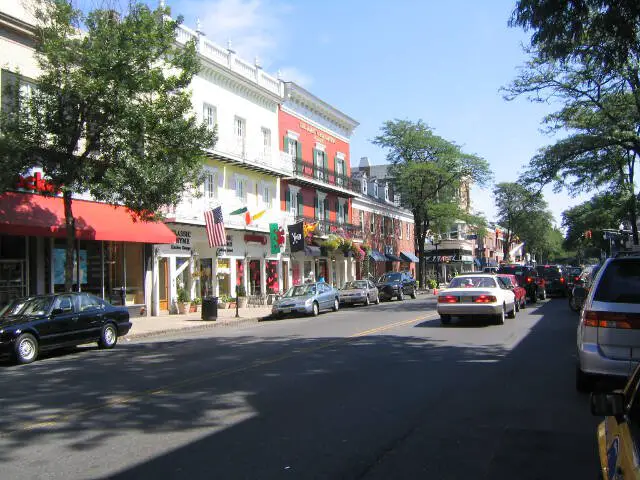
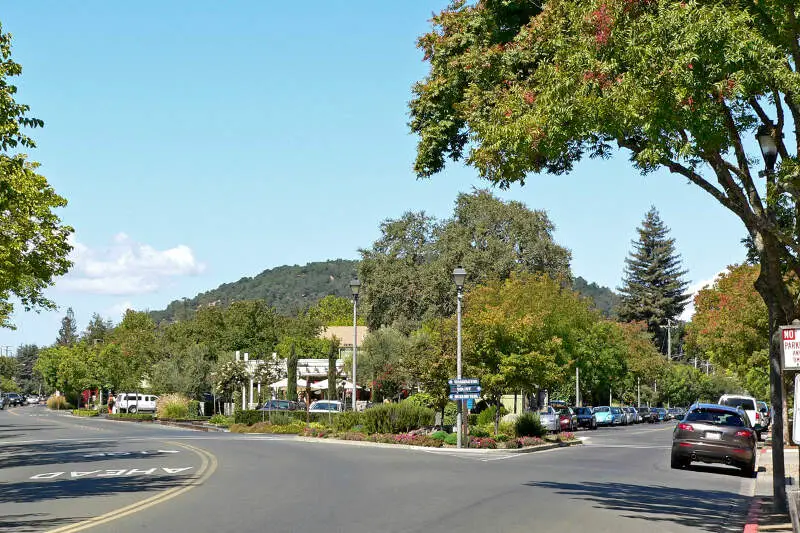
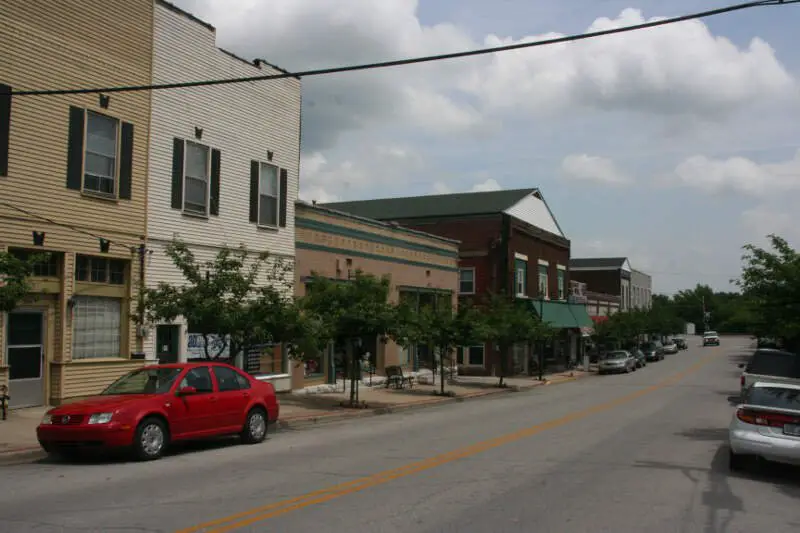
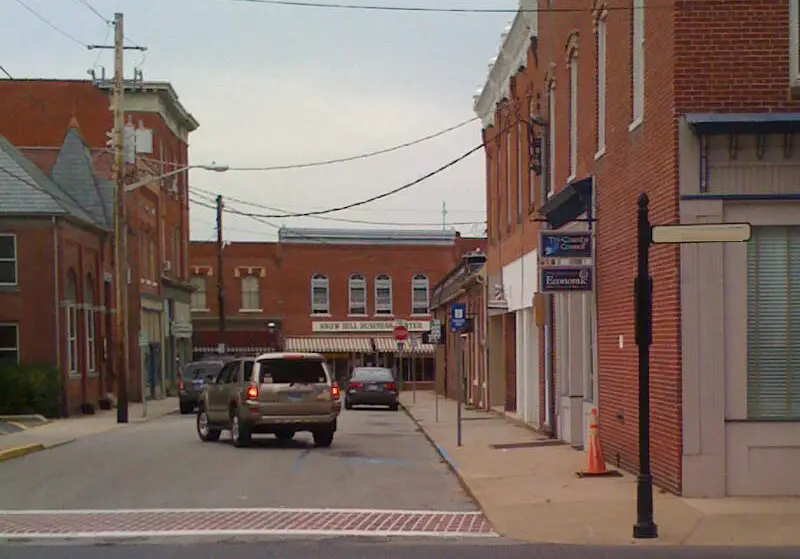
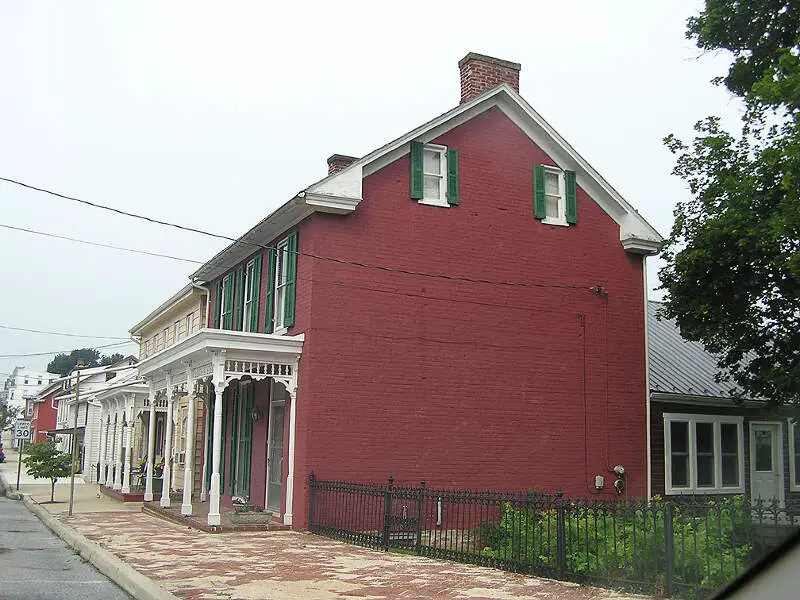
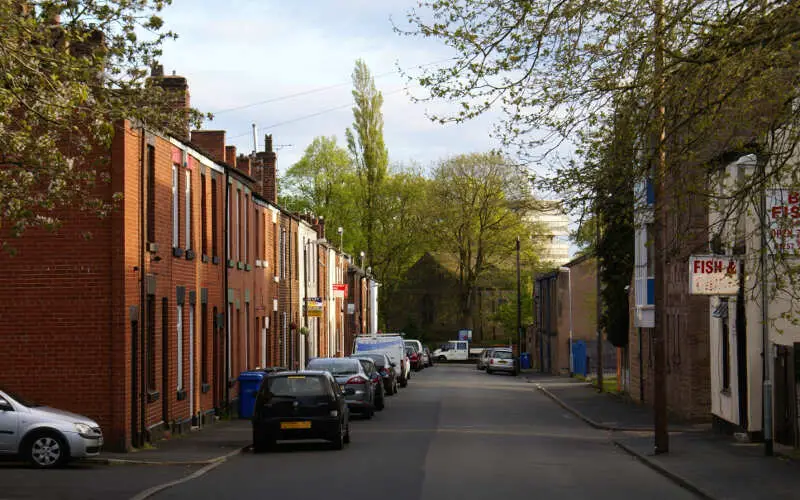
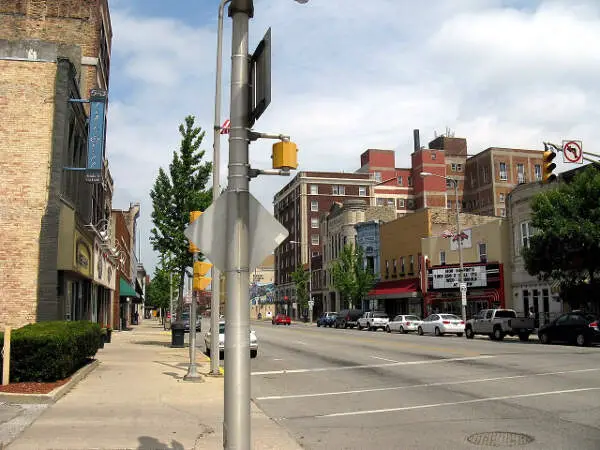
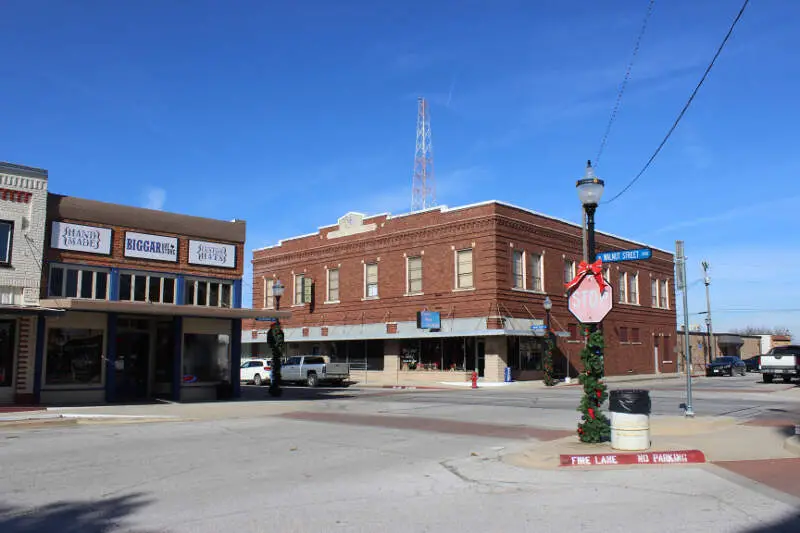
Omaha vs. Lincoln in photos
A side-by-side look at each city.





Cost of living
Lincoln is the cheaper city overall — 4% higher in Omaha than its rival. Index baseline: 100 = national average.
| Living expense | Omaha | Lincoln | US average |
|---|---|---|---|
| Overall | 100 | 96 | 100 |
| Services | 98 | 98 | 100 |
| Groceries | 101 | 96 | 100 |
| Health | 93 | 95 | 100 |
| Housing | 103 | 103 | 100 |
| Transportation | 97 | 97 | 100 |
| Utilities | 95 | 99 | 100 |
Lower index = cheaper. 100 = U.S. national average. Bar inside each cell scales relative to the highest value in the table.
Sources: HomeSnacks Cost of Living indices, normalized so 100 = U.S. national average. Drill in: Omaha cost of living, Lincoln cost of living, or the cheapest cities in America.
Housing breakdown
Home prices are higher in Omaha. Compare absolute price and price-to-income — a $500k home in a $100k-income city is very different from one in a $50k-income city.
| Metric | Omaha | Lincoln | United States |
|---|---|---|---|
| Median Home Value | $294,188 | $291,062 | $332,700 |
| Median Rent | $1,187 | $1,086 | $1,413 |
| Median Income | $73,201 | $71,867 | $80,734 |
| Home Value To Income | 4.0x | 4.1x | 4.1x |
| Rent To Monthly Income | 0.19x | 0.18x | 0.21x |
Source: U.S. Census Bureau ACS 2020-2024. See also states with the highest rent in America.
Crime
Lincoln is the safer city — total crime rate of 2,794 per 100k people vs 3,531 for Omaha. US average: 2,119.
| Crime (per 100k) | Omaha | Lincoln | US average |
|---|---|---|---|
| Total crime | 3,531 | 2,794 | 2,119 |
| Murder | 4 | 3 | 5 |
| Robbery | 47 | 41 | 61 |
| Aggravated Assault | 272 | 241 | 256 |
| Violent Crime | 369 | 348 | 359 |
| Burglary | 236 | 262 | 229 |
| Larceny | 2,264 | 1,864 | 1,272 |
| Car Theft | 662 | 320 | 259 |
| Property Crime | 3,162 | 2,446 | 1,760 |
Lower = safer. Bar inside each cell scales relative to the highest crime rate in the table.
Source: FBI Uniform Crime Reporting (2024). All rates are per 100,000 people. City pages: Omaha crime, Lincoln crime. See also: safest cities in America.
Diversity
Omaha is more racially diverse — lower HHI (closer to 0) means a more even mix across groups.
| Group | Omaha | Lincoln | United States |
|---|---|---|---|
| White | 63.4% | 76.3% | 57.4% |
| African American | 11.4% | 4.1% | 11.9% |
| American Indian | 0.2% | 0.3% | 0.5% |
| Asian | 4.0% | 4.4% | 5.9% |
| Hawaiian | 0.0% | 0.1% | 0.2% |
| Other | 0.3% | 0.3% | 0.6% |
| Two Or More | 4.4% | 5.4% | 4.3% |
| Hispanic | 16.2% | 9.0% | 19.3% |
Source: U.S. Census ACS 2020-2024. Lower HHI = more even racial mix. See also: most diverse cities in America.
SnackAbility — overall quality of life
Lincoln scores higher overall — 7.5/10 vs 7/10. SnackAbility is our 1–10 quality-of-life score; the median U.S. city scores a 7.
Scores are 0–10; both bars share the same scale.
SnackAbility is a HomeSnacks proprietary 1–10 score blending jobs, housing, education, commute, amenities, affordability, crime, and diversity. Median U.S. city ≈ 7. Data: Census, BLS, FBI. See also: best places to live in America.
Getting around: Omaha vs. Lincoln
How each city handles commuting, transit, walkability, and car culture — the day-to-day reality that shapes where you'd actually want to live.
Both Omaha and Lincoln are firmly car-dependent, but scale makes a real difference in your daily routine. Omaha's street grid sprawls across a larger footprint: the Dodge Street and 72nd Street corridors clog during peak hours, and the Metro Area Transit (MAT) bus network won't replace a car for most commutes. Eppley Airfield gives Omaha a clear edge if you travel for work, with direct flights to major hubs that Lincoln's smaller airport can't match.
Lincoln is more compact, which makes getting around feel less draining. StarTran covers the university area and downtown Haymarket reasonably well, and the city's bike trail network (including the Jamaica North Trail) is genuinely usable for recreation and some commutes. Neither city has light rail, but Lincoln's smaller footprint means less time in the car getting from one end of town to the other.
Jobs and careers in Omaha vs. Lincoln
The local job market, dominant industries, and which city to choose based on your career.
Omaha's economy is anchored by corporate headquarters in a way unusual for a city its size. Union Pacific Railroad, Berkshire Hathaway, Mutual of Omaha, Nebraska Medicine, and CHI Health all employ large white-collar workforces. The financial services and insurance sectors run deep, and TD Ameritrade's absorption into Schwab has kept a significant tech and finance presence downtown.
Lincoln's economy leans on the University of Nebraska (the city's largest employer) and state government, given its role as the capital. Nelnet (student loan servicing), Bryan Health, and Kawasaki Motors Manufacturing round out a smaller private sector. Median household income is nearly identical: $73,201 in Omaha, $71,867 in Lincoln, with Lincoln hitting those numbers through education, healthcare, and government rather than Fortune 500 employers.
Weather and climate
What to expect day-to-day — sun, fog, heat, rain, and the seasonal extremes that shape the lifestyle.
Sitting about 50 miles apart on the eastern Nebraska plains, Omaha and Lincoln share essentially the same climate: expect full-contact seasons. Summers push into the low-to-mid 90s°F with humidity that makes it feel hotter, spring brings genuine tornado risk across both metros, and winters deliver cold snaps well below freezing along with periodic ice and snow. Neither city is for people who want mild, boring weather.
The differences between the two are marginal: Omaha occasionally sees slightly more precipitation from the Missouri River valley, while Lincoln can feel a touch more exposed on its open terrain. Treat them as interchangeable for practical planning: pack a parka for January, own a good umbrella for April, and know where your nearest basement is from April through June. If weather is your deciding factor, it probably won't be.
Culture, nightlife, and entertainment
Food, music, neighborhoods, and the city vibe that gives each place its personality.
Omaha punches above its weight culturally. The Old Market neighborhood (cobblestone streets, independent restaurants, live music venues like Slowdown and Reverb) functions as a genuine urban core. The Joslyn Art Museum holds a serious permanent collection, and the Omaha Symphony performs at the Holland Performing Arts Center.
The College World Series at Charles Schwab Field brings a weeks-long festival atmosphere every June. The Benson neighborhood adds a grittier bar and indie music scene that keeps nightlife from feeling one-dimensional.
Lincoln's cultural identity is harder to separate from Cornhusker football. On game days, Memorial Stadium becomes the third-largest city in Nebraska. Beyond football, the Haymarket district has matured into a legitimate evening destination with craft breweries, farm-to-table restaurants, and the Lied Center for the Performing Arts hosting national touring acts.
The university pipeline keeps the local music and arts scene younger and more experimental than you might expect from a city of 295,000.
Outdoor activities and day trips
Parks, beaches, hikes, and the weekend escapes that define life outside the city limits.
Omaha's outdoor access centers on the Missouri River corridor. Fontenelle Forest in Bellevue offers more than 2,000 acres of bluff-top hardwood forest, with trail mileage unusual for a flatland city. Lauritzen Gardens and Chalco Hills Recreation Area add variety, and the riverfront trails along the Missouri have been steadily improved.
Henry Doorly Zoo, routinely ranked among the best in the country, is worth counting as an outdoor destination in its own right.
Lincoln's Wilderness Park is the sleeper hit: nearly 1,500 acres of creek-bottom trails running through the middle of the city, giving trail runners and mountain bikers a quick escape without leaving town. Pioneers Park adds wildlife exhibits and prairie restoration. Platte River State Park and the Niobrara River corridor are both within reasonable driving distance for day trips.
Lincoln's trail infrastructure is arguably more integrated into everyday life than Omaha's, which requires a bit more driving to reach the good stuff.
Bottom line: which city is right for you?
Based on the head-to-head data above, here's the short version — pick the city that lines up with what you actually care about.
Choose Omaha if you prioritize…
- more affordable housing relative to Lincoln.
- a more racially diverse community (lower HHI on Census data).
Choose Lincoln if you prioritize…
- a lower cost of living (cheaper groceries, services, and day-to-day expenses).
- lower crime — a safer place to live, work, and raise a family.
- a higher overall SnackAbility quality-of-life score.
Methodology: winners are picked from public data — U.S. Census Bureau ACS (income, home value, rent, race/HHI), FBI Uniform Crime Reporting (crime rates per 100k), and HomeSnacks' proprietary SnackAbility quality-of-life score, which blends Bureau of Labor Statistics data with the above.
Other comparisons
Still weighing your options? See how these two cities stack up against other places we've compared head-to-head.