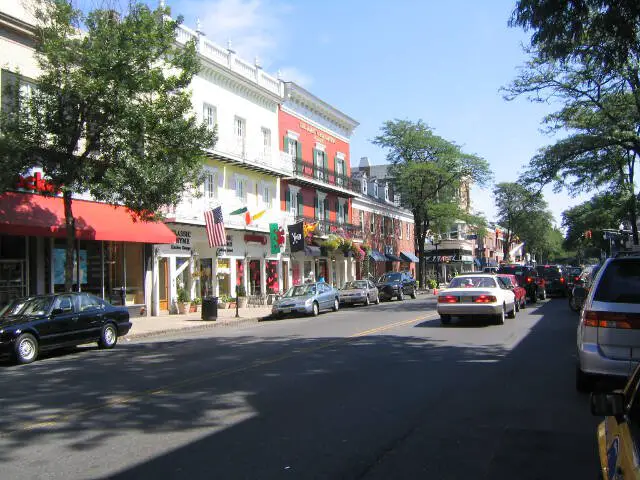
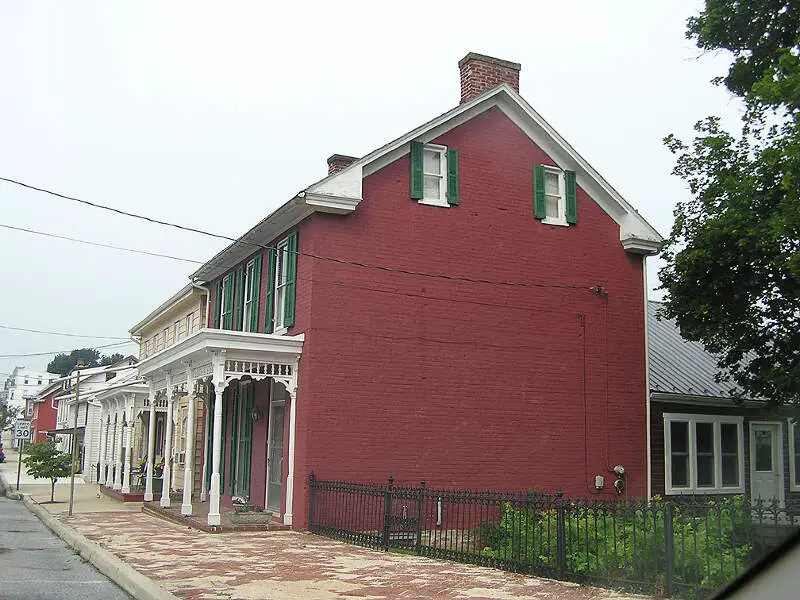
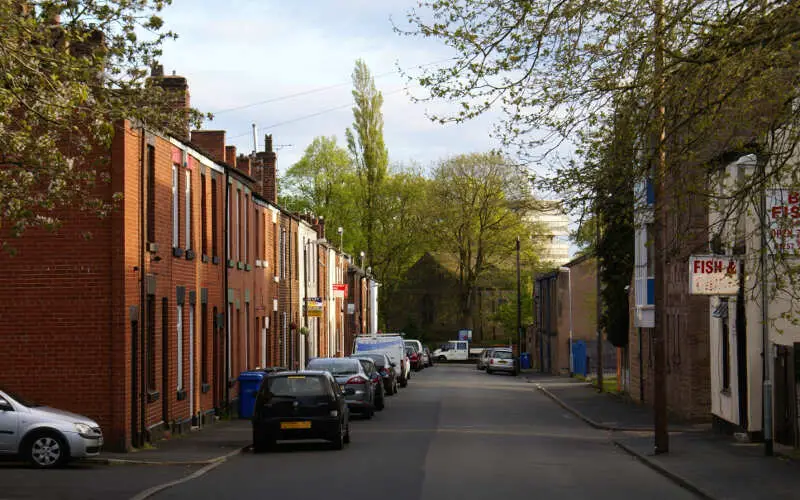
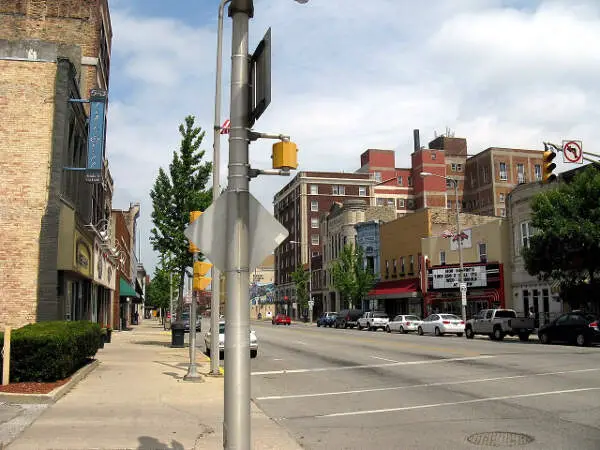
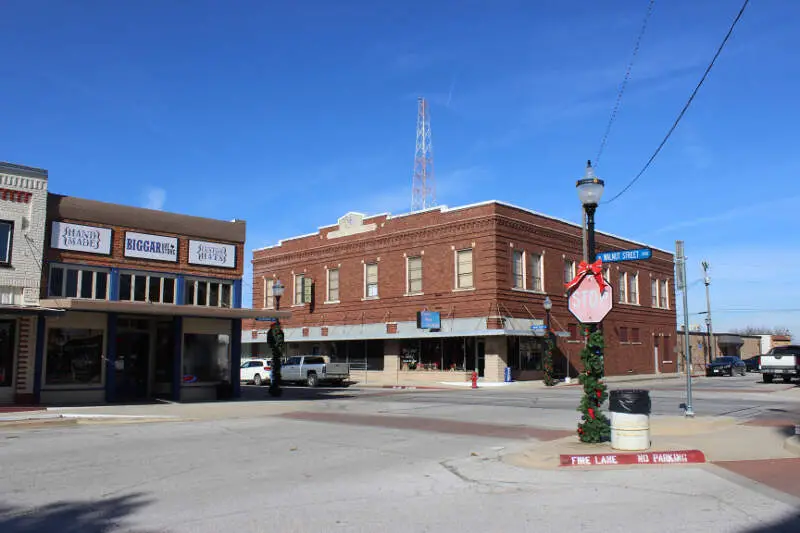
Philadelphia vs. Cleveland in photos
A side-by-side look at each city.
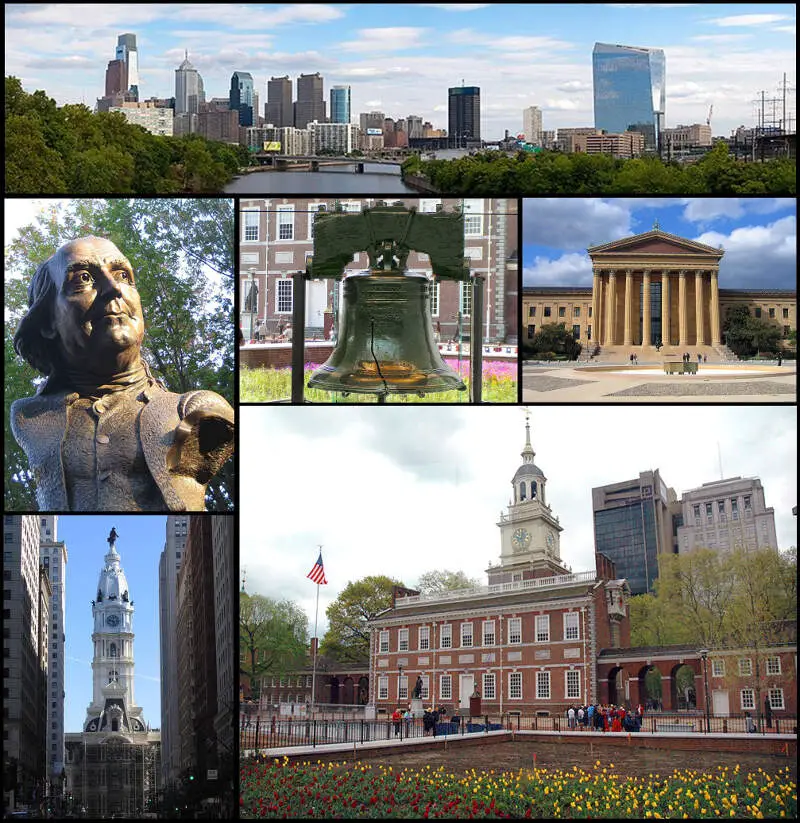
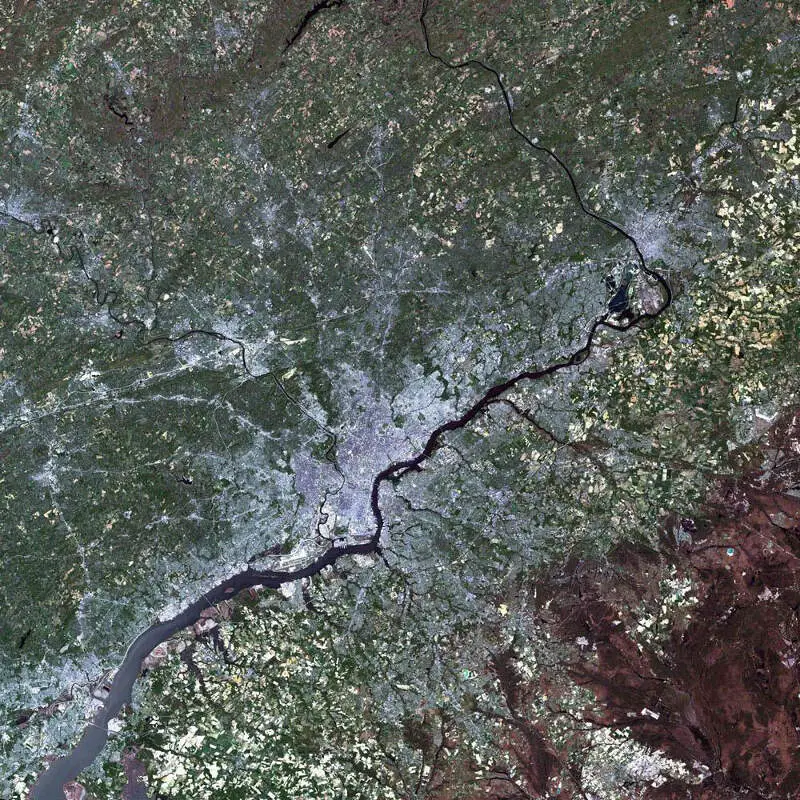

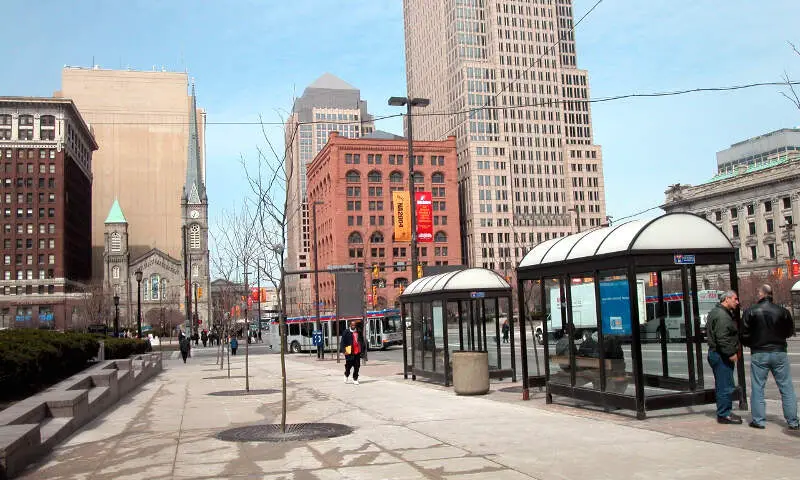
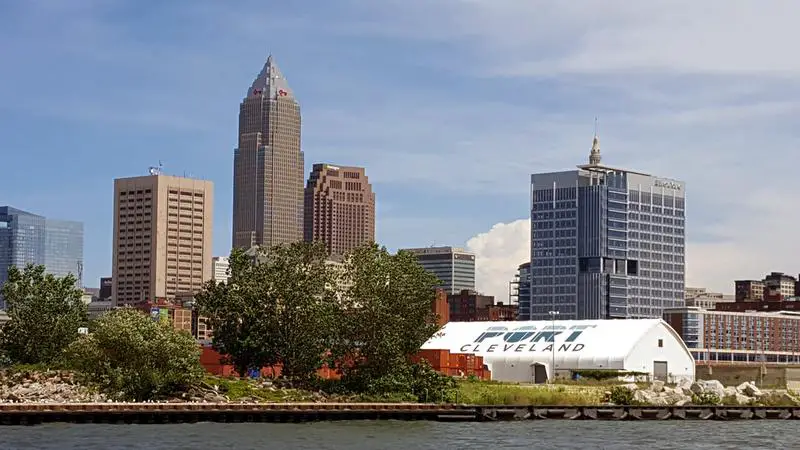

Cost of living
Cleveland is the cheaper city overall — 29% higher in Philadelphia than its rival. Index baseline: 100 = national average.
| Living expense | Philadelphia | Cleveland | US average |
|---|---|---|---|
| Overall | 103 | 80 | 100 |
| Services | 103 | 96 | 100 |
| Groceries | 100 | 91 | 100 |
| Health | 101 | 48 | 100 |
| Housing | 107 | 91 | 100 |
| Transportation | 99 | 98 | 100 |
| Utilities | 112 | 97 | 100 |
Lower index = cheaper. 100 = U.S. national average. Bar inside each cell scales relative to the highest value in the table.
Sources: HomeSnacks Cost of Living indices, normalized so 100 = U.S. national average. Drill in: Philadelphia cost of living, Cleveland cost of living, or the cheapest cities in America.
Housing breakdown
Home prices are higher in Philadelphia. Compare absolute price and price-to-income — a $500k home in a $100k-income city is very different from one in a $50k-income city.
| Metric | Philadelphia | Cleveland | United States |
|---|---|---|---|
| Median Home Value | $231,814 | $115,536 | $332,700 |
| Median Rent | $1,397 | $945 | $1,413 |
| Median Income | $61,953 | $40,801 | $80,734 |
| Home Value To Income | 3.7x | 2.8x | 4.1x |
| Rent To Monthly Income | 0.27x | 0.28x | 0.21x |
Source: U.S. Census Bureau ACS 2020-2024. See also states with the highest rent in America.
Crime
Philadelphia is the safer city — total crime rate of 5,457 per 100k people vs 5,987 for Cleveland. US average: 2,119.
| Crime (per 100k) | Philadelphia | Cleveland | US average |
|---|---|---|---|
| Total crime | 5,457 | 5,987 | 2,119 |
| Murder | 17 | 30 | 5 |
| Robbery | 273 | 389 | 61 |
| Aggravated Assault | 572 | 1,001 | 256 |
| Violent Crime | 909 | 1,561 | 359 |
| Burglary | 319 | 860 | 229 |
| Larceny | 3,224 | 2,419 | 1,272 |
| Car Theft | 1,006 | 1,146 | 259 |
| Property Crime | 4,548 | 4,426 | 1,760 |
Lower = safer. Bar inside each cell scales relative to the highest crime rate in the table.
Source: FBI Uniform Crime Reporting (2024). All rates are per 100,000 people. City pages: Philadelphia crime, Cleveland crime. See also: safest cities in America.
Diversity
Philadelphia is more racially diverse — lower HHI (closer to 0) means a more even mix across groups.
| Group | Philadelphia | Cleveland | United States |
|---|---|---|---|
| White | 33.2% | 33.7% | 57.4% |
| African American | 38.3% | 45.1% | 11.9% |
| American Indian | 0.1% | 0.1% | 0.5% |
| Asian | 7.9% | 2.6% | 5.9% |
| Hawaiian | 0.0% | 0.0% | 0.2% |
| Other | 0.8% | 0.6% | 0.6% |
| Two Or More | 4.1% | 4.6% | 4.3% |
| Hispanic | 15.6% | 13.2% | 19.3% |
Source: U.S. Census ACS 2020-2024. Lower HHI = more even racial mix. See also: most diverse cities in America.
SnackAbility — overall quality of life
Philadelphia scores higher overall — 6/10 vs 3/10. SnackAbility is our 1–10 quality-of-life score; the median U.S. city scores a 7.
Scores are 0–10; both bars share the same scale.
SnackAbility is a HomeSnacks proprietary 1–10 score blending jobs, housing, education, commute, amenities, affordability, crime, and diversity. Median U.S. city ≈ 7. Data: Census, BLS, FBI. See also: best places to live in America.
Getting around: Philadelphia vs. Cleveland
How each city handles commuting, transit, walkability, and car culture — the day-to-day reality that shapes where you'd actually want to live.
Philadelphia's SEPTA network gives you real alternatives to driving. The Market-Frankford Line cuts east to west, the Broad Street Line runs north to south, and regional rail reaches suburbs like the Main Line and Delaware County. In walkable neighborhoods like Rittenhouse Square, Fishtown, or Graduate Hospital, you can get by without a car most days.
I-76 and I-95 are notorious rush-hour bottlenecks, and parking in Center City is expensive.
Cleveland's RTA is much smaller. The Red Line connects Hopkins Airport to downtown and University Circle; the Blue and Green Lines serve the east-side suburbs. Most residents drive, but Cleveland's roads are far less congested than Philadelphia's, and downtown parking costs a fraction of what you'd pay in Philly.
For remote workers or single-car households, Cleveland's spread-out layout is manageable. For transit-first living, Philadelphia has a clear edge.
Jobs and careers in Philadelphia vs. Cleveland
The local job market, dominant industries, and which city to choose based on your career.
Philadelphia's median household income of $61,953 reflects a large, diversified economy. Anchor employers span health care (Jefferson Health, Penn Medicine, Children's Hospital of Philadelphia), higher education (Temple, Drexel, UPenn), and corporate headquarters like Comcast in Center City. A growing life-sciences corridor along the Schuylkill has drawn biotech and pharmaceutical firms, and proximity to major Mid-Atlantic markets keeps professional-services hiring steady.
The cost of living index sits at 103, just above the national average, so salaries go reasonably far.
Cleveland's median household income of $40,801 is lower, but the cost of living index of 80 means dollars go considerably further. The Cleveland Clinic and University Hospitals are the region's dominant employers and among the largest health-care systems in the country. Sherwin-Williams, KeyBank, and Progressive Insurance give the city a corporate-headquarters base that many cities its size lack.
If you're in health care, finance, or manufacturing, Cleveland's job market is more competitive than its income figures suggest once you factor in the affordability offset.
Weather and climate
What to expect day-to-day — sun, fog, heat, rain, and the seasonal extremes that shape the lifestyle.
Philadelphia sits in a humid subtropical transition zone. Summers are genuinely hot and muggy (July highs regularly hit the upper 80s), and winters are cold but not brutal, averaging around 22 inches of snow annually. Spring and fall are the sweet spot: mild temperatures and low humidity make neighborhoods like Manayunk and the parkway pleasant for months at a stretch.
Expect an occasional nor'easter that shuts the city down for a day or two each winter.
Cleveland pulls lake-effect snow off Lake Erie in a way Philadelphia never does, typically seeing 55 to 65 inches per year. The stretch from November through March can feel relentlessly gray. Summers, though, are a reward: temperatures are slightly milder than Philadelphia's, humidity is more manageable, and the lakefront comes alive.
If you're sensitive to long, overcast winters, Philadelphia's shorter cold season and more sunlight hours will feel like a significant upgrade.
Culture, nightlife, and entertainment
Food, music, neighborhoods, and the city vibe that gives each place its personality.
Philadelphia punches at a tier most mid-size cities can't touch. The Philadelphia Museum of Art, the Barnes Foundation, and the Mütter Museum give you a genuine world-class museum mile, and the theater and music scene runs from the Kimmel Center for the Performing Arts down to small venues in Fishtown and Northern Liberties. Reading Terminal Market and the Italian Market are cultural institutions in their own right.
Neighborhoods like Old City and South Street keep nightlife options deep seven nights a week. Eagles, Phillies, 76ers, and Flyers fandom is woven into the city's identity in a way that outsiders underestimate.
Cleveland's cultural footprint is impressive relative to its size. The Rock and Roll Hall of Fame draws visitors year-round, and the Cleveland Museum of Art (free general admission) rivals institutions in much larger cities. Playhouse Square is the second-largest theater district in the U.S. outside New York.
Ohio City and Tremont have carved out genuine dining and bar scenes, and the Gordon Square Arts District keeps independent venues alive. If you're coming from Philadelphia, the scale is smaller, but the quality of what Cleveland offers its roughly 366,000 residents is consistently underrated.
Outdoor activities and day trips
Parks, beaches, hikes, and the weekend escapes that define life outside the city limits.
Fairmount Park is one of the largest urban park systems in the country, and Philadelphia residents use it constantly: trail running and cycling along the Wissahickon Gorge, rowing on the Schuylkill, and weekend picnics on Kelly Drive. The Schuylkill River Trail connects Center City all the way to Valley Forge, and day trips to the Pocono Mountains or the Jersey Shore are under two hours. The Delaware River waterfront has grown into a genuine outdoor recreation corridor with kayak launches and beer gardens.
Cuyahoga Valley National Park sits almost entirely within the Cleveland metro area: 33,000 acres of gorges, waterfalls, and the Ohio & Erie Canal Towpath Trail, all without a long drive. The Metroparks "Emerald Necklace" wraps around the city with 18 reservations covering more than 25,000 acres. Lake Erie adds kayaking, fishing, and summer beach access at Edgewater Park.
Cleveland outcompetes Philadelphia on sheer trail mileage within a 30-minute drive, which is a real surprise for a city its size.
Bottom line: which city is right for you?
Based on the head-to-head data above, here's the short version — pick the city that lines up with what you actually care about.
Choose Philadelphia if you prioritize…
- lower crime — a safer place to live, work, and raise a family.
- more affordable housing relative to Cleveland.
- a more racially diverse community (lower HHI on Census data).
- a higher overall SnackAbility quality-of-life score.
Choose Cleveland if you prioritize…
- a lower cost of living (cheaper groceries, services, and day-to-day expenses).
Methodology: winners are picked from public data — U.S. Census Bureau ACS (income, home value, rent, race/HHI), FBI Uniform Crime Reporting (crime rates per 100k), and HomeSnacks' proprietary SnackAbility quality-of-life score, which blends Bureau of Labor Statistics data with the above.
Other comparisons
Still weighing your options? See how these two cities stack up against other places we've compared head-to-head.