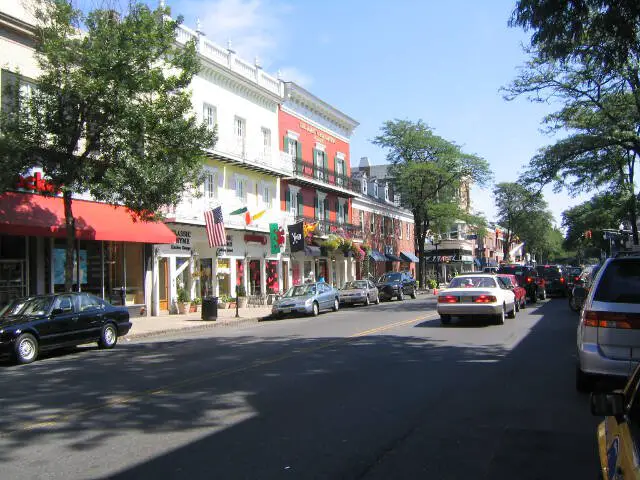
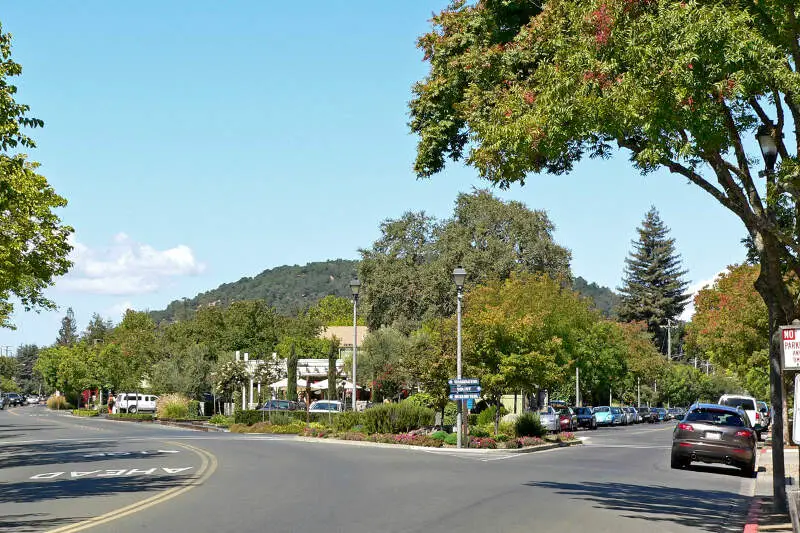
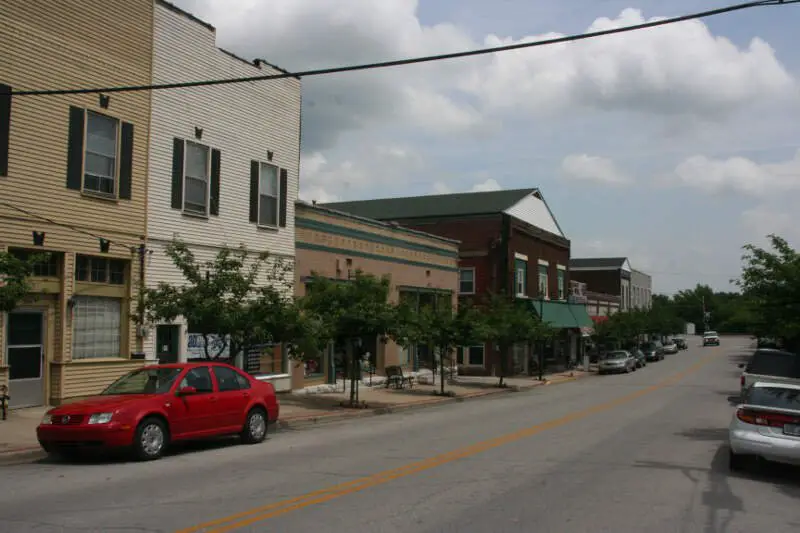
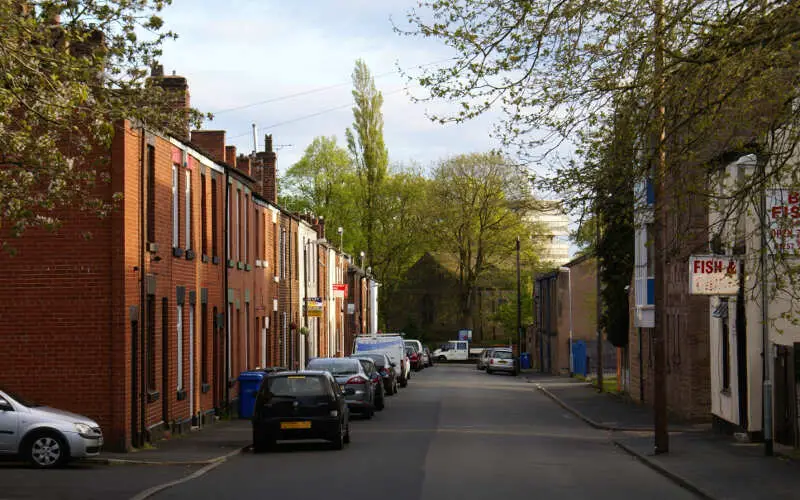
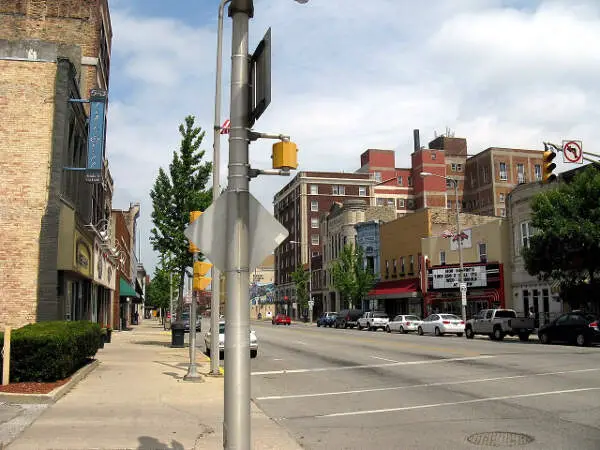
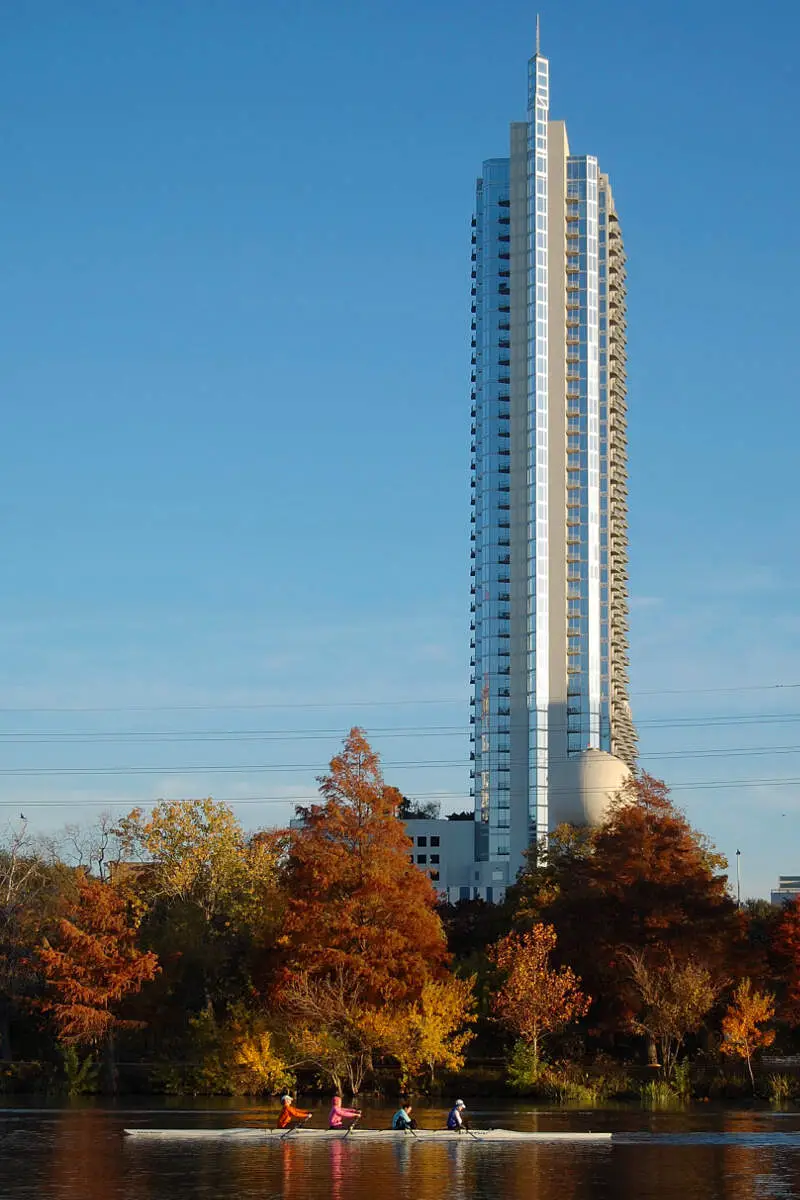
Austin vs. Seattle in photos
A side-by-side look at each city.





Cost of living
Austin is the cheaper city overall — 31% higher in Seattle than its rival. Index baseline: 100 = national average.
| Living expense | Austin | Seattle | US average |
|---|---|---|---|
| Overall | 124 | 181 | 100 |
| Services | 99 | 107 | 100 |
| Groceries | 101 | 111 | 100 |
| Health | 185 | 326 | 100 |
| Housing | 98 | 125 | 100 |
| Transportation | 109 | 112 | 100 |
| Utilities | 104 | 123 | 100 |
Lower index = cheaper. 100 = U.S. national average. Bar inside each cell scales relative to the highest value in the table.
Sources: HomeSnacks Cost of Living indices, normalized so 100 = U.S. national average. Drill in: Austin cost of living, Seattle cost of living, or the cheapest cities in America.
Housing breakdown
Home prices are higher in Seattle. Compare absolute price and price-to-income — a $500k home in a $100k-income city is very different from one in a $50k-income city.
| Metric | Austin | Seattle | United States |
|---|---|---|---|
| Median Home Value | $508,530 | $868,680 | $332,700 |
| Median Rent | $1,729 | $2,030 | $1,413 |
| Median Income | $93,658 | $123,860 | $80,734 |
| Home Value To Income | 5.4x | 7.0x | 4.1x |
| Rent To Monthly Income | 0.22x | 0.2x | 0.21x |
Source: U.S. Census Bureau ACS 2020-2024. See also states with the highest rent in America.
Crime
Austin is the safer city — total crime rate of 3,709 per 100k people vs 5,783 for Seattle. US average: 2,119.
| Crime (per 100k) | Austin | Seattle | US average |
|---|---|---|---|
| Total crime | 3,709 | 5,783 | 2,119 |
| Murder | 7 | 7 | 5 |
| Robbery | 85 | 221 | 61 |
| Aggravated Assault | 307 | 501 | 256 |
| Violent Crime | 467 | 775 | 359 |
| Burglary | 445 | 1,152 | 229 |
| Larceny | 2,198 | 2,882 | 1,272 |
| Car Theft | 599 | 974 | 259 |
| Property Crime | 3,242 | 5,008 | 1,760 |
Lower = safer. Bar inside each cell scales relative to the highest crime rate in the table.
Source: FBI Uniform Crime Reporting (2024). All rates are per 100,000 people. City pages: Austin crime, Seattle crime. See also: safest cities in America.
Diversity
Austin is more racially diverse — lower HHI (closer to 0) means a more even mix across groups.
| Group | Austin | Seattle | United States |
|---|---|---|---|
| White | 47.0% | 58.8% | 57.4% |
| African American | 7.3% | 6.4% | 11.9% |
| American Indian | 0.1% | 0.3% | 0.5% |
| Asian | 9.0% | 17.5% | 5.9% |
| Hawaiian | 0.0% | 0.2% | 0.2% |
| Other | 0.5% | 0.6% | 0.6% |
| Two Or More | 4.3% | 7.7% | 4.3% |
| Hispanic | 31.9% | 8.5% | 19.3% |
Source: U.S. Census ACS 2020-2024. Lower HHI = more even racial mix. See also: most diverse cities in America.
SnackAbility — overall quality of life
Seattle scores higher overall — 8.5/10 vs 7/10. SnackAbility is our 1–10 quality-of-life score; the median U.S. city scores a 7.
Scores are 0–10; both bars share the same scale.
SnackAbility is a HomeSnacks proprietary 1–10 score blending jobs, housing, education, commute, amenities, affordability, crime, and diversity. Median U.S. city ≈ 7. Data: Census, BLS, FBI. See also: best places to live in America.
Getting around: Austin vs. Seattle
How each city handles commuting, transit, walkability, and car culture — the day-to-day reality that shapes where you'd actually want to live.
Austin is a car city. I-35 and MoPac are parking lots during rush hour, and while Capital Metro runs buses and a single MetroRail commuter line out to Leander, most residents drive everywhere. The city is expanding its Project Connect rail network, but that buildout is years from maturity.
If you're relocating for a car-free lifestyle, Austin will frustrate you.
Seattle offers a multimodal alternative. Sound Transit's Link Light Rail runs from Lynnwood through downtown to the airport and east to Bellevue and Redmond, and King County Metro fills in the gaps. Ferries connect West Seattle and Bainbridge Island.
Neighborhoods like Capitol Hill, Ballard, and the University District are legitimately walkable. For commuters who want to leave the car at home, Seattle has a real head start on Austin.
Jobs and careers in Austin vs. Seattle
The local job market, dominant industries, and which city to choose based on your career.
Austin is one of the bigger tech relocation stories of the last decade. Tesla's gigafactory, Apple's $1 billion campus, Oracle's headquarters move, and Dell's longtime presence anchor a scene that also feeds thousands of startups. The median household income is $93,658, though the cost of living index of 124 means your dollar buys less than the national average.
Seattle pays more. Amazon's two-campus HQ dominates South Lake Union, Microsoft anchors nearby Redmond, and Boeing's commercial division still employs tens of thousands regionally. That demand pushes the median household income to $123,860, about $30,000 more than Austin.
The catch is a cost of living index of 181, which erodes those gains fast, particularly when median home values hit $868,680 versus Austin's $508,530.
Weather and climate
What to expect day-to-day — sun, fog, heat, rain, and the seasonal extremes that shape the lifestyle.
Austin runs hot. Summers routinely top 100°F for weeks at a stretch, and the sun is relentless from June through September. Winters are mild most years, but the city's vulnerability to ice storms (the February 2021 freeze is the obvious example) means that "mild" comes with an asterisk.
Spring and fall are genuinely beautiful, which helps balance the ledger.
Seattle trades Austin's heat for persistent grey. From October through March, expect low clouds, drizzle, and limited sun: not dramatic downpours, just relentless overcast. The payoff is a summer that rivals anywhere in the country: highs in the low 70s, almost no humidity, and long evenings.
Snowfall in the city is rare. If you're solar-powered, Austin wins the weather argument. If you can't stand heat and humidity, Seattle's cool summers are hard to beat.
Culture, nightlife, and entertainment
Food, music, neighborhoods, and the city vibe that gives each place its personality.
Austin leans into its "Live Music Capital of the World" identity every day of the week, not just during SXSW or ACL Festival. The Sixth Street corridor, Rainey Street's bar patios, and the venues clustered around South Congress give you live Texas country, blues, and indie rock on any given Tuesday. The food scene has matured well beyond barbecue, though Franklin Barbecue and la Barbecue remain pilgrimages worth planning.
Seattle's culture is quieter but deep. Capitol Hill is the anchor for nightlife, galleries, and the city's LGBTQ+ community, while Pioneer Square draws a more arts-and-warehouse-show crowd. Pike Place Market is tourist-facing but genuinely functional, and the coffee culture (Starbucks started here) means there's a serious third-place scene city-wide.
Seattle produced grunge, and that independent, slightly anti-commercial sensibility still runs through its music venues and record stores.
Outdoor activities and day trips
Parks, beaches, hikes, and the weekend escapes that define life outside the city limits.
Austin's outdoor life revolves around water and green spaces built to survive the heat. Barton Springs Pool, a natural spring-fed swimming hole inside Zilker Park, is the city's living room on a hot afternoon. The Barton Creek Greenbelt offers miles of shaded hiking and creek swimming close to downtown.
Day trips extend the range: Hamilton Pool, Enchanted Rock, and the Texas Hill Country wine region are all within two hours.
Seattle is ringed by wilderness at a scale Austin can't match. Mount Rainier is less than two hours away for hiking and late-season snow. The North Cascades and Olympic Peninsula are destinations for backpacking and kayaking.
Closer in, Discovery Park sits on a bluff above Puget Sound, and Tiger Mountain offers solid ridge hiking 30 minutes from downtown. If mountains, water, and year-round trail access matter to your decision, Seattle is the clear answer.
Bottom line: which city is right for you?
Based on the head-to-head data above, here's the short version — pick the city that lines up with what you actually care about.
Choose Austin if you prioritize…
- a lower cost of living (cheaper groceries, services, and day-to-day expenses).
- lower crime — a safer place to live, work, and raise a family.
- a more racially diverse community (lower HHI on Census data).
Choose Seattle if you prioritize…
- more affordable housing relative to Austin.
- a higher overall SnackAbility quality-of-life score.
Methodology: winners are picked from public data — U.S. Census Bureau ACS (income, home value, rent, race/HHI), FBI Uniform Crime Reporting (crime rates per 100k), and HomeSnacks' proprietary SnackAbility quality-of-life score, which blends Bureau of Labor Statistics data with the above.
Other comparisons
Still weighing your options? See how these two cities stack up against other places we've compared head-to-head.