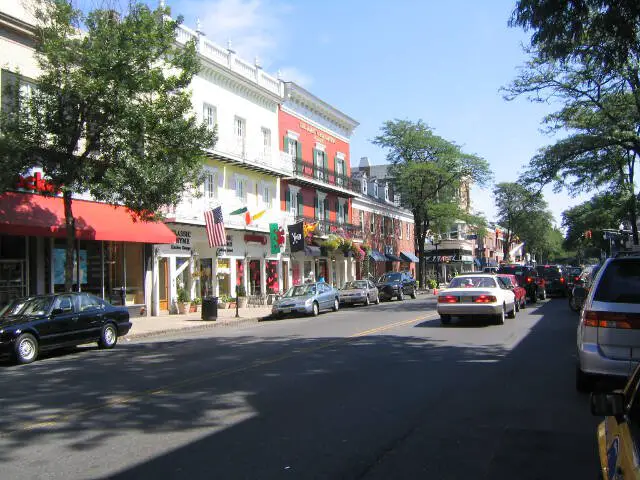
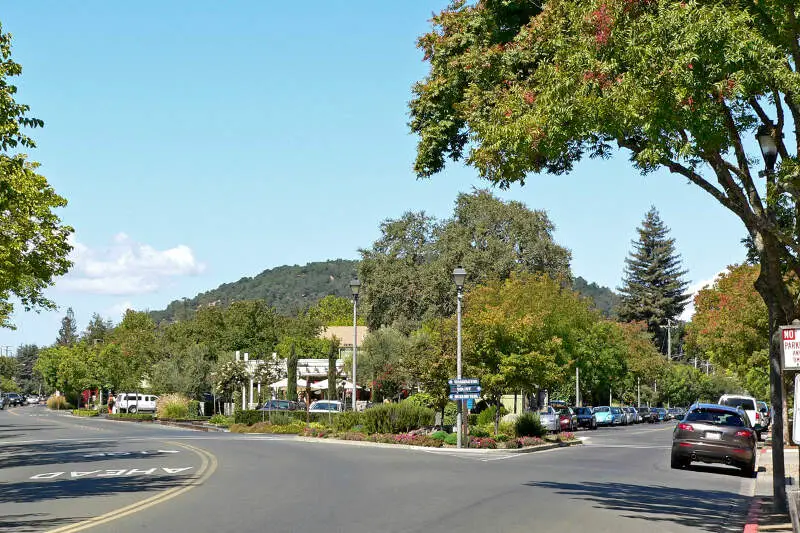
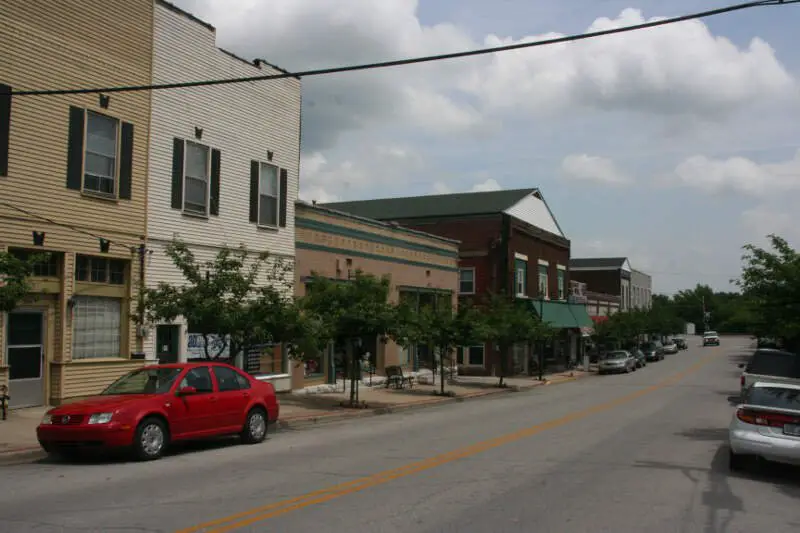
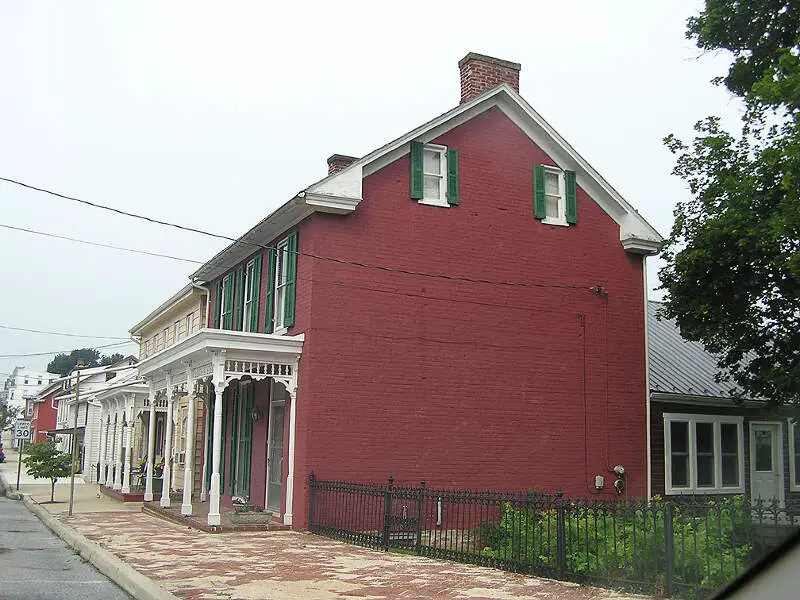
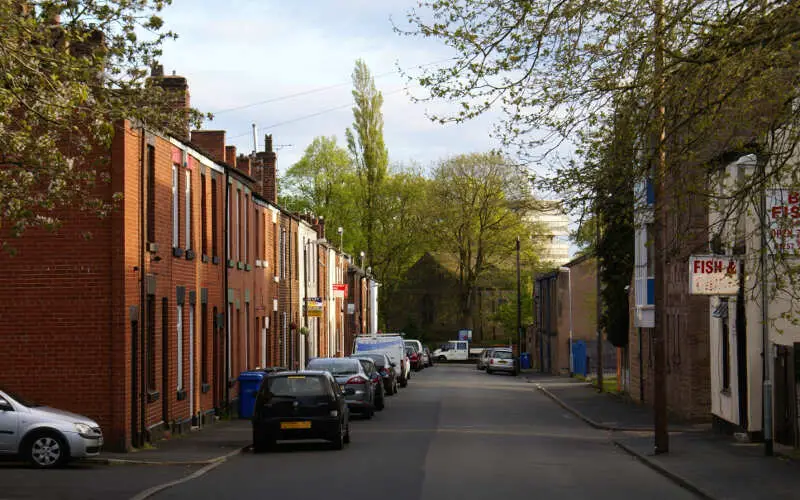
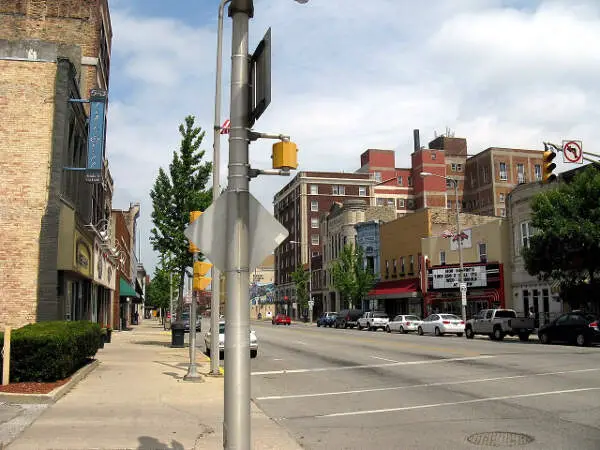
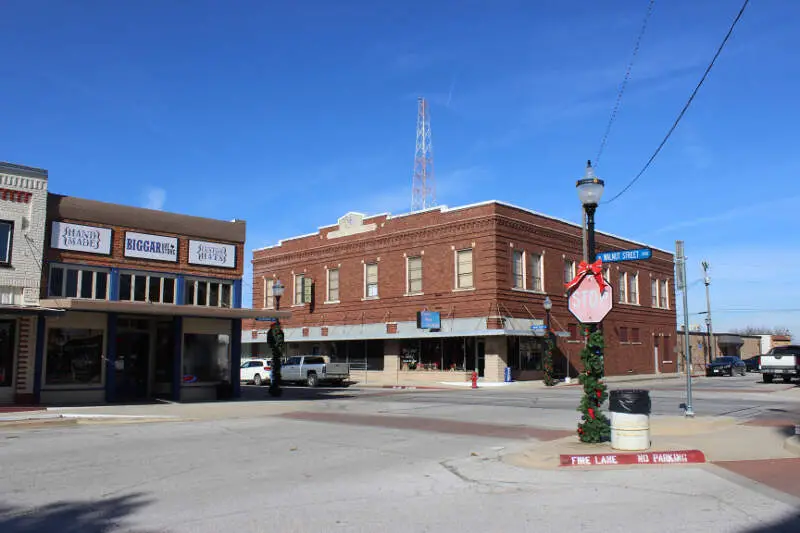
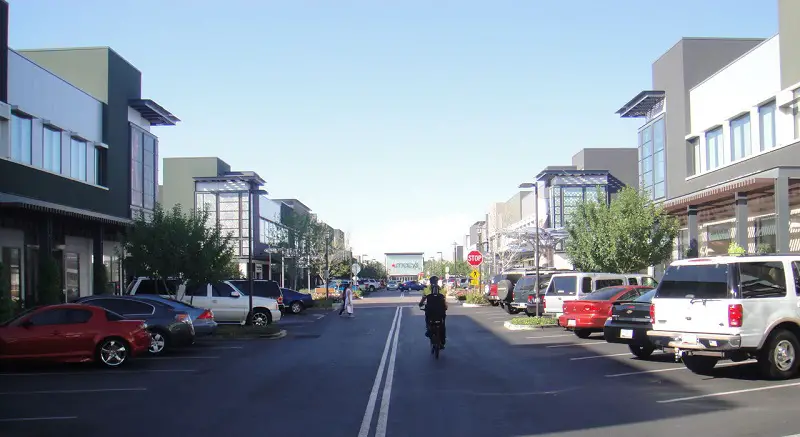
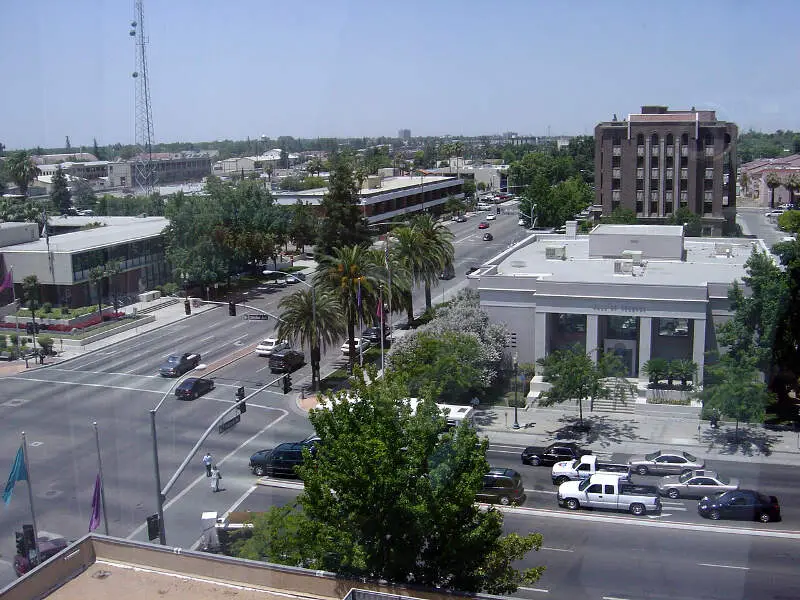
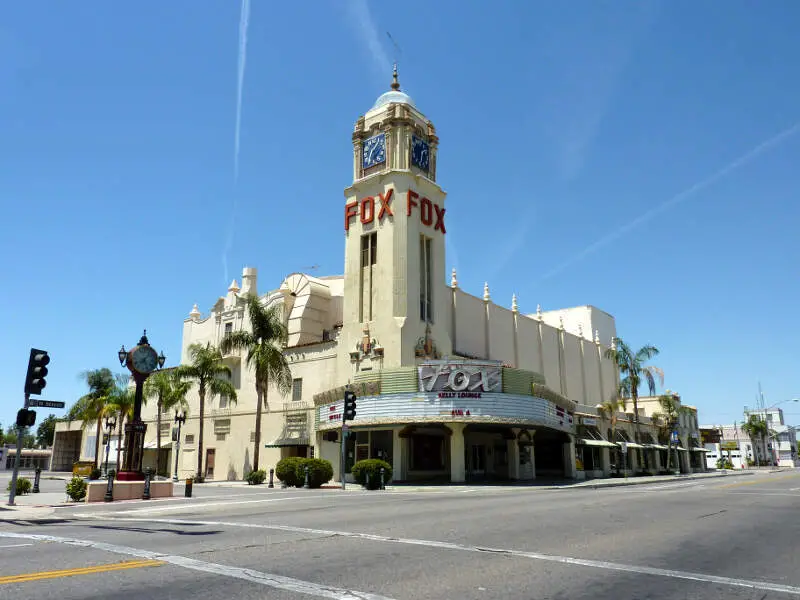
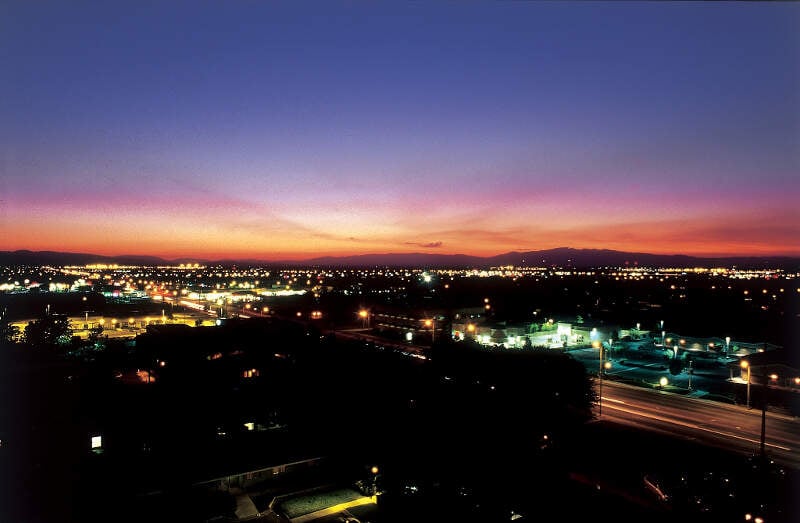
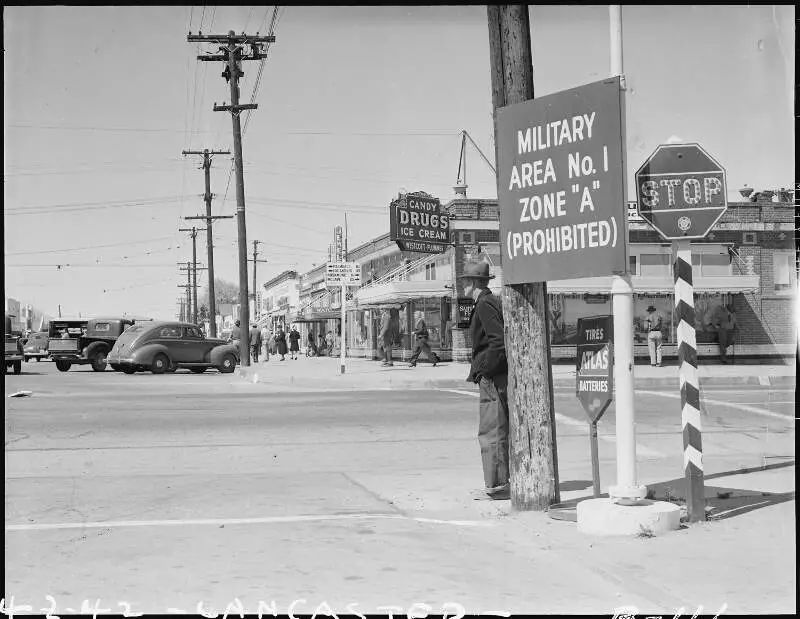
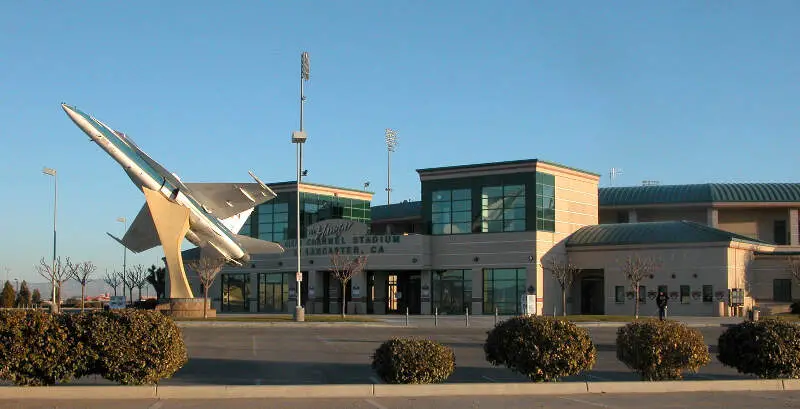
Bakersfield vs. Lancaster in photos
A side-by-side look at each city.
Cost of living
Bakersfield is the cheaper city overall — 2% higher in Lancaster than its rival. Index baseline: 100 = national average.
| Living expense | Bakersfield | Lancaster | US average |
|---|---|---|---|
| Overall | 124 | 127 | 100 |
| Services | 113 | 108 | 100 |
| Groceries | 117 | 118 | 100 |
| Health | 137 | 147 | 100 |
| Housing | 121 | 118 | 100 |
| Transportation | 118 | 118 | 100 |
| Utilities | 122 | 122 | 100 |
Lower index = cheaper. 100 = U.S. national average. Bar inside each cell scales relative to the highest value in the table.
Sources: HomeSnacks Cost of Living indices, normalized so 100 = U.S. national average. Drill in: Bakersfield cost of living, Lancaster cost of living, or the cheapest cities in America.
Housing breakdown
Home prices are higher in Lancaster. Compare absolute price and price-to-income — a $500k home in a $100k-income city is very different from one in a $50k-income city.
| Metric | Bakersfield | Lancaster | United States |
|---|---|---|---|
| Median Home Value | $396,047 | $465,846 | $332,700 |
| Median Rent | $1,472 | $1,764 | $1,413 |
| Median Income | $80,540 | $81,511 | $80,734 |
| Home Value To Income | 4.9x | 5.7x | 4.1x |
| Rent To Monthly Income | 0.22x | 0.26x | 0.21x |
Source: U.S. Census Bureau ACS 2020-2024. See also states with the highest rent in America.
Crime
Lancaster is the safer city — total crime rate of 2,755 per 100k people vs 3,024 for Bakersfield. US average: 2,119.
| Crime (per 100k) | Bakersfield | Lancaster | US average |
|---|---|---|---|
| Total crime | 3,024 | 2,755 | 2,119 |
| Murder | 7 | 18 | 5 |
| Robbery | 126 | 172 | 61 |
| Aggravated Assault | 381 | 598 | 256 |
| Violent Crime | 555 | 835 | 359 |
| Burglary | 538 | 385 | 229 |
| Larceny | 1,259 | 683 | 1,272 |
| Car Theft | 673 | 852 | 259 |
| Property Crime | 2,470 | 1,921 | 1,760 |
Lower = safer. Bar inside each cell scales relative to the highest crime rate in the table.
Source: FBI Uniform Crime Reporting (2024). All rates are per 100,000 people. City pages: Bakersfield crime, Lancaster crime. See also: safest cities in America.
Diversity
Lancaster is more racially diverse — lower HHI (closer to 0) means a more even mix across groups.
| Group | Bakersfield | Lancaster | United States |
|---|---|---|---|
| White | 27.6% | 23.5% | 57.4% |
| African American | 5.7% | 19.1% | 11.9% |
| American Indian | 0.4% | 0.2% | 0.5% |
| Asian | 7.8% | 4.1% | 5.9% |
| Hawaiian | 0.1% | 0.2% | 0.2% |
| Other | 0.7% | 0.6% | 0.6% |
| Two Or More | 3.1% | 4.1% | 4.3% |
| Hispanic | 54.7% | 48.2% | 19.3% |
Source: U.S. Census ACS 2020-2024. Lower HHI = more even racial mix. See also: most diverse cities in America.
SnackAbility — overall quality of life
Bakersfield and Lancaster tied at 6/10.
Scores are 0–10; both bars share the same scale.
SnackAbility is a HomeSnacks proprietary 1–10 score blending jobs, housing, education, commute, amenities, affordability, crime, and diversity. Median U.S. city ≈ 7. Data: Census, BLS, FBI. See also: best places to live in America.
Getting around: Bakersfield vs. Lancaster
How each city handles commuting, transit, walkability, and car culture — the day-to-day reality that shapes where you'd actually want to live.
Both cities are solidly car-dependent. In Bakersfield, Golden Empire Transit (GET) runs a city-wide bus network, but most residents drive Highway 99 or Highway 58 for errands and commutes. Cross-town distances in a city of 411,986 add up fast.
Amtrak's San Joaquins stops downtown, connecting to Fresno and Sacramento, though few locals rely on it for work.
Lancaster has a real advantage if you have ties to Los Angeles: Metrolink's Antelope Valley Line runs from Lancaster Station directly to LA Union Station, making a hybrid commute genuinely viable without the highway grind. Locally, Highway 14 handles most north-south traffic.
Neither city has walkable neighborhoods or practical bike infrastructure, but if your career points south toward Los Angeles, Lancaster's commuter rail connection is something Bakersfield simply can't match.
Jobs and careers in Bakersfield vs. Lancaster
The local job market, dominant industries, and which city to choose based on your career.
Bakersfield's economy runs on oil, gas, and agriculture. Chevron maintains a large regional presence, and the city's processing and logistics operations serve the broader San Joaquin Valley. Healthcare is equally central: Kern Medical and a network of regional hospitals employ thousands.
With a population of 411,986, Bakersfield has the breadth of a mid-sized city job market. Median household income sits at $80,540.
Lancaster's labor market is narrower but unusually strong in aerospace and defense. Edwards Air Force Base, Northrop Grumman, and Boeing operations in the Antelope Valley make aviation and defense contracting the dominant career track. Logistics and solar-energy employers have also clustered along Highway 14.
Median household income in Lancaster is $81,511, nearly matching Bakersfield despite less than half the population. The defense sector wages explain most of that gap.
Weather and climate
What to expect day-to-day — sun, fog, heat, rain, and the seasonal extremes that shape the lifestyle.
Bakersfield is one of the hottest cities in California. Summer highs regularly exceed 105°F, and annual rainfall barely reaches six inches.
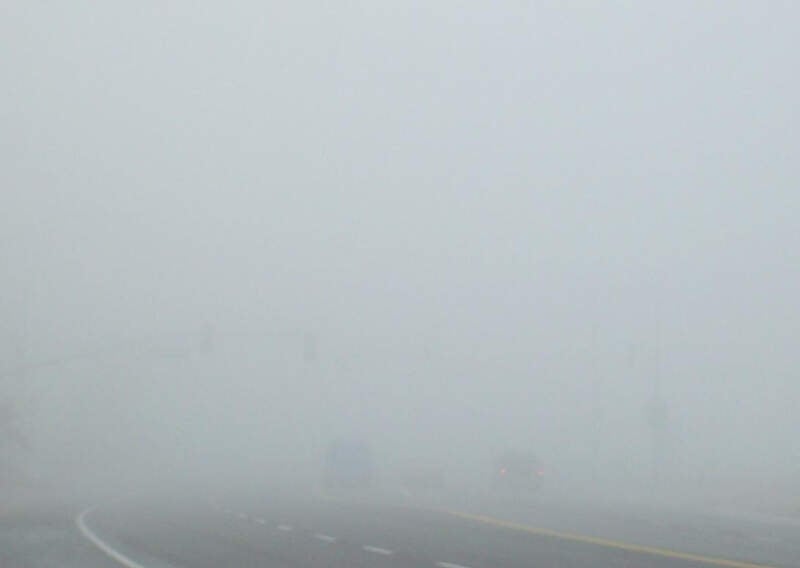
Tule fog settles over the valley floor from December through February, sometimes closing Highway 99 for hours at a stretch. Air quality is a persistent concern: Bakersfield consistently ranks near the top of national lists for ozone and particulate pollution, which matters if anyone in your household has respiratory issues.
Lancaster sits in the Mojave Desert at roughly 2,300 feet, which shaves several degrees off summer peaks compared to Bakersfield, though 100°F days still arrive in July and August.
Winters are a sharper contrast: overnight freezes are routine, and light snow falls most years. The high-desert air is cleaner and drier, with almost no fog. For most people, Lancaster's climate is the easier of the two to live with year-round.
Culture, nightlife, and entertainment
Food, music, neighborhoods, and the city vibe that gives each place its personality.
Bakersfield has genuine cultural depth rooted in the "Bakersfield Sound," the distinctive country style Buck Owens and Merle Haggard built here in the 1950s and '60s. Crystal Palace keeps that tradition alive nightly, and Mechanics Bank Arena draws touring concerts and minor-league hockey.
Downtown along Chester Avenue has a growing restaurant corridor, and the city's Mexican and Southeast Asian communities give the dining scene real range and variety.
Lancaster's cultural scene is smaller but developing. The Museum of Art and History (MOAH) hosts rotating exhibitions downtown, and The BLVD — Lancaster's revitalized main street — has independent restaurants, a weekly farmers' market, and occasional live music.
The Antelope Valley Fair is a big annual August draw. For late-night variety, Bakersfield offers considerably more ground to cover; Lancaster's after-dark options are limited to casual bars and dining.
Outdoor activities and day trips
Parks, beaches, hikes, and the weekend escapes that define life outside the city limits.
Bakersfield sits at the edge of serious mountain terrain. The Kern River canyon near Kernville is one of California's best whitewater kayaking and trout-fishing destinations, roughly 50 miles northeast. Sequoia National Park is about two hours away.
Closer in, Alfred Harrell Highway and the Kern River Parkway offer cycling and walking paths, though the flat valley floor limits local trail variety considerably.
Lancaster's best-known outdoor draw is the Antelope Valley California Poppy Reserve — in a strong rain year, the spring wildflower display draws visitors from across the state. The Mojave Desert surroundings have year-round hiking at spots like Piute Butte, and the Pacific Crest Trail cuts through the nearby San Gabriel Mountains.
Joshua Tree National Park is about 90 minutes south. If open desert landscapes and accessible day hikes appeal to you more than mountain rivers, Lancaster is the better fit.
Bottom line: which city is right for you?
Based on the head-to-head data above, here's the short version — pick the city that lines up with what you actually care about.
Choose Bakersfield if you prioritize…
- a lower cost of living (cheaper groceries, services, and day-to-day expenses).
Choose Lancaster if you prioritize…
- lower crime — a safer place to live, work, and raise a family.
- more affordable housing relative to Bakersfield.
- a more racially diverse community (lower HHI on Census data).
Methodology: winners are picked from public data — U.S. Census Bureau ACS (income, home value, rent, race/HHI), FBI Uniform Crime Reporting (crime rates per 100k), and HomeSnacks' proprietary SnackAbility quality-of-life score, which blends Bureau of Labor Statistics data with the above.
Other comparisons
Still weighing your options? See how these two cities stack up against other places we've compared head-to-head.