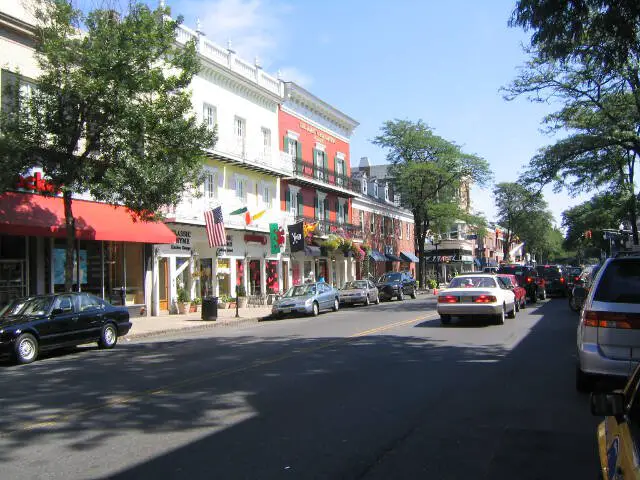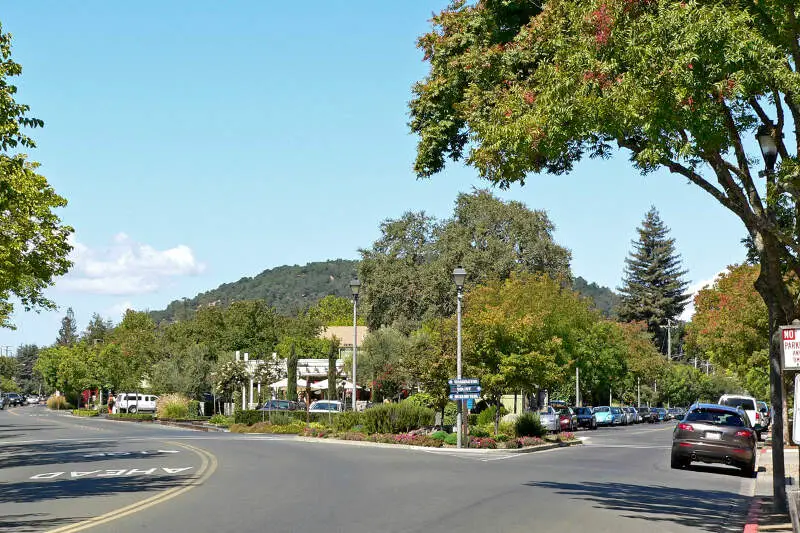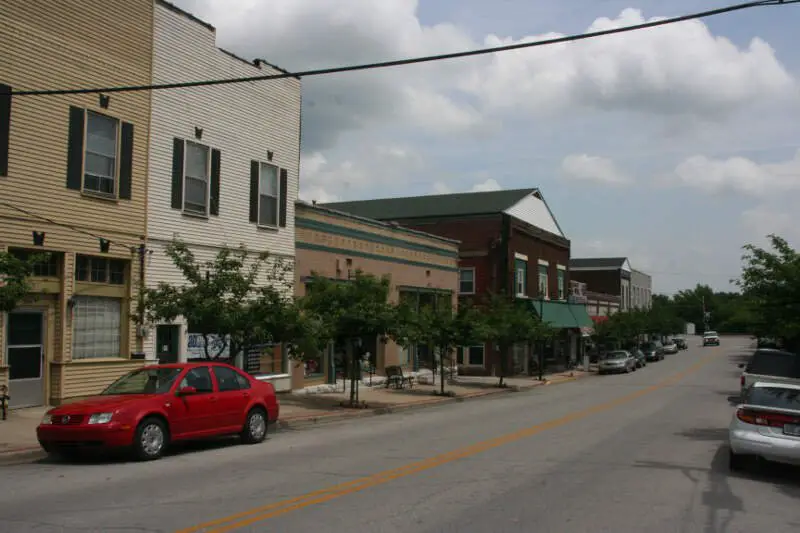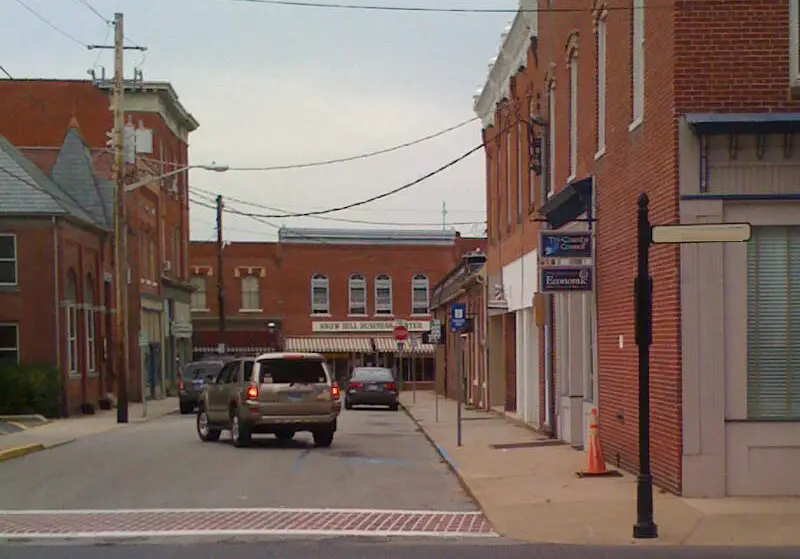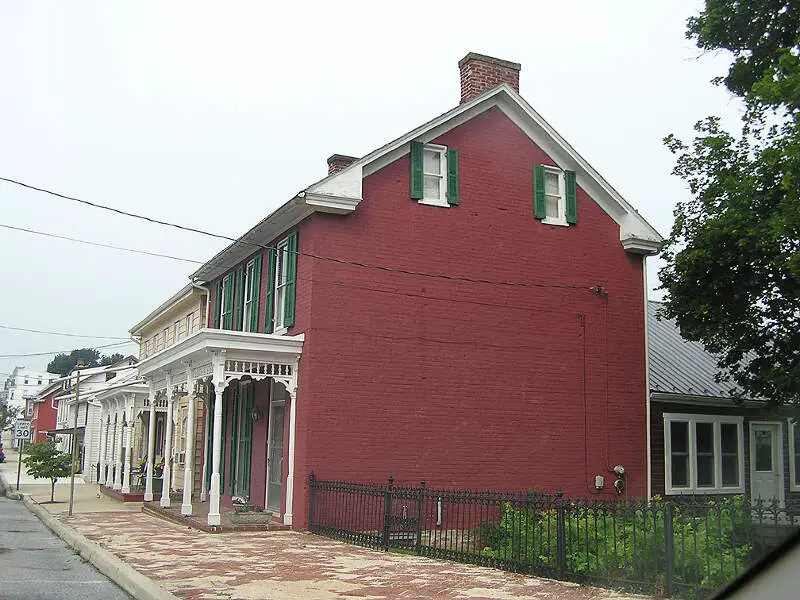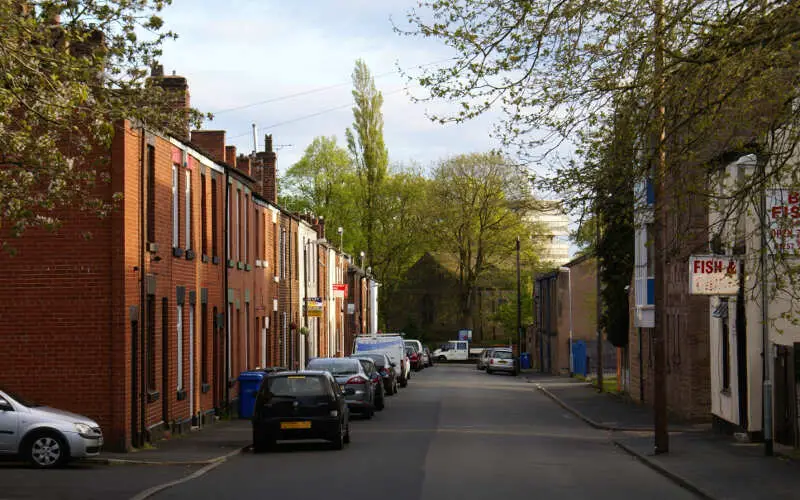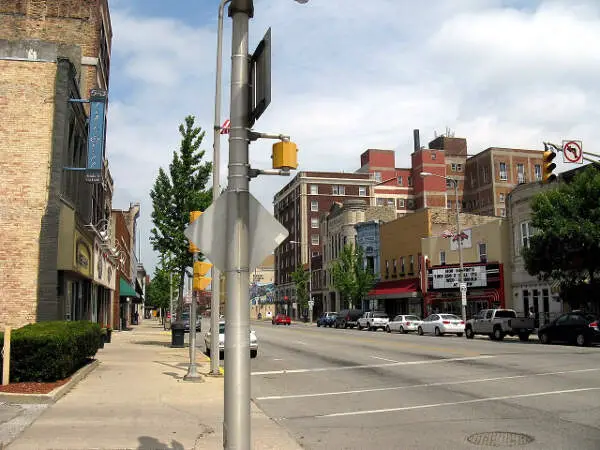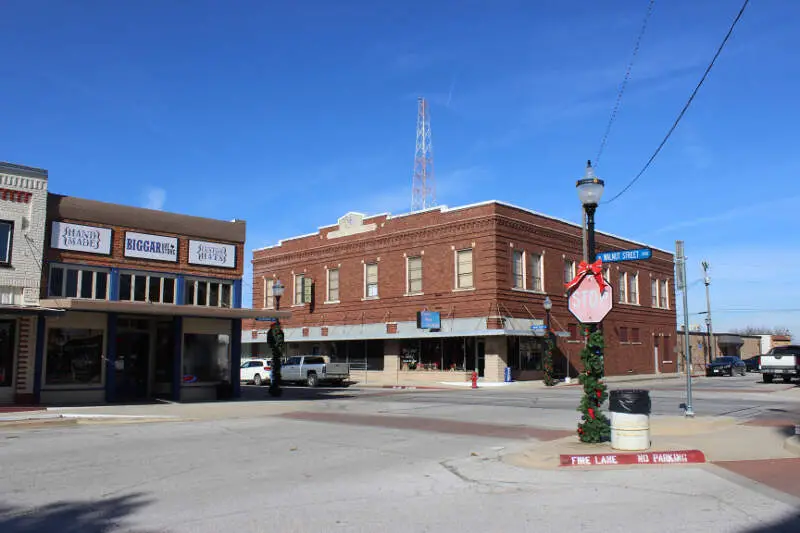
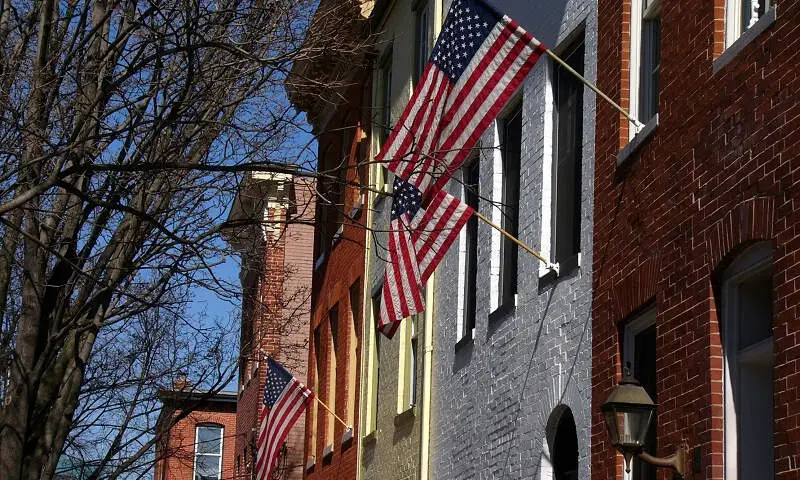
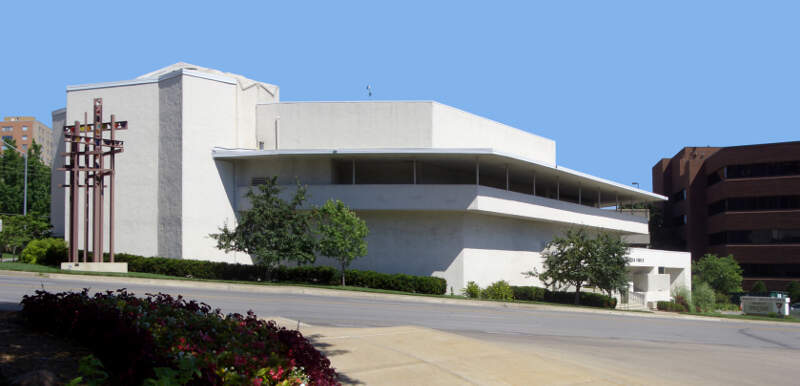
Baltimore vs. Kansas City in photos
A side-by-side look at each city.



Cost of living
Kansas City is the cheaper city overall — 11% higher in Baltimore than its rival. Index baseline: 100 = national average.
| Living expense | Baltimore | Kansas City | US average |
|---|---|---|---|
| Overall | 109 | 98 | 100 |
| Services | 109 | 99 | 100 |
| Groceries | 114 | 100 | 100 |
| Health | 99 | 95 | 100 |
| Housing | 114 | 95 | 100 |
| Transportation | 112 | 92 | 100 |
| Utilities | 109 | 95 | 100 |
Lower index = cheaper. 100 = U.S. national average. Bar inside each cell scales relative to the highest value in the table.
Sources: HomeSnacks Cost of Living indices, normalized so 100 = U.S. national average. Drill in: Baltimore cost of living, Kansas City cost of living, or the cheapest cities in America.
Housing breakdown
Home prices are higher in Kansas City. Compare absolute price and price-to-income — a $500k home in a $100k-income city is very different from one in a $50k-income city.
| Metric | Baltimore | Kansas City | United States |
|---|---|---|---|
| Median Home Value | $188,101 | $250,207 | $332,700 |
| Median Rent | $1,331 | $1,238 | $1,413 |
| Median Income | $62,177 | $69,166 | $80,734 |
| Home Value To Income | 3.0x | 3.6x | 4.1x |
| Rent To Monthly Income | 0.26x | 0.21x | 0.21x |
Source: U.S. Census Bureau ACS 2020-2024. See also states with the highest rent in America.
Crime
Baltimore is the safer city — total crime rate of 5,763 per 100k people vs 6,223 for Kansas City. US average: 2,119.
| Crime (per 100k) | Baltimore | Kansas City | US average |
|---|---|---|---|
| Total crime | 5,763 | 6,223 | 2,119 |
| Murder | 35 | 28 | 5 |
| Robbery | 573 | 254 | 61 |
| Aggravated Assault | 941 | 1,191 | 256 |
| Violent Crime | 1,606 | 1,547 | 359 |
| Burglary | 524 | 490 | 229 |
| Larceny | 2,582 | 2,454 | 1,272 |
| Car Theft | 1,051 | 1,731 | 259 |
| Property Crime | 4,157 | 4,676 | 1,760 |
Lower = safer. Bar inside each cell scales relative to the highest crime rate in the table.
Source: FBI Uniform Crime Reporting (2024). All rates are per 100,000 people. City pages: Baltimore crime, Kansas City crime. See also: safest cities in America.
Diversity
Kansas City is more racially diverse — lower HHI (closer to 0) means a more even mix across groups.
| Group | Baltimore | Kansas City | United States |
|---|---|---|---|
| White | 26.0% | 54.0% | 57.4% |
| African American | 58.5% | 25.2% | 11.9% |
| American Indian | 0.2% | 0.1% | 0.5% |
| Asian | 2.6% | 2.8% | 5.9% |
| Hawaiian | 0.0% | 0.2% | 0.2% |
| Other | 0.6% | 0.5% | 0.6% |
| Two Or More | 3.9% | 4.7% | 4.3% |
| Hispanic | 8.2% | 12.5% | 19.3% |
Source: U.S. Census ACS 2020-2024. Lower HHI = more even racial mix. See also: most diverse cities in America.
SnackAbility — overall quality of life
Baltimore scores higher overall — 6/10 vs 5/10. SnackAbility is our 1–10 quality-of-life score; the median U.S. city scores a 7.
Scores are 0–10; both bars share the same scale.
SnackAbility is a HomeSnacks proprietary 1–10 score blending jobs, housing, education, commute, amenities, affordability, crime, and diversity. Median U.S. city ≈ 7. Data: Census, BLS, FBI. See also: best places to live in America.
Getting around: Baltimore vs. Kansas City
How each city handles commuting, transit, walkability, and car culture — the day-to-day reality that shapes where you'd actually want to live.
Baltimore's transit infrastructure is noticeably denser than Kansas City's. MTA Maryland runs the Metro SubwayLink, Light RailLink, and an extensive bus network, and the MARC Penn Line gets you into Washington Union Station in roughly 40 minutes, a genuine alternative to driving I-95. The free Charm City Circulator covers Fells Point and Harbor East at no charge.
Parking downtown is expensive, and rush-hour traffic on the Baltimore Beltway (I-695) can be punishing.
Kansas City leans hard on the car. The RideKC bus network exists but coverage is thin outside the urban core, and the free KC Streetcar covers only a two-mile corridor along Main Street. If you commute by car, Kansas City's wider street grid and lower density generally mean less stop-and-go than Baltimore, but you will almost certainly need a vehicle for daily life there.
Jobs and careers in Baltimore vs. Kansas City
The local job market, dominant industries, and which city to choose based on your career.
Baltimore's economy centers on healthcare and education. Johns Hopkins University and Health System alone employs tens of thousands, and the University of Maryland Medical Center, biotech firms along the I-270 corridor, and federal agencies near Fort Meade (including the NSA) round out a stable, knowledge-heavy job market. Under Armour maintains its global headquarters in Port Covington.
The median household income sits at $62,177, notably below Kansas City's $69,166, partly because wage growth hasn't kept pace with the concentration of lower-wage service jobs.
Kansas City punches above its size in several sectors. Oracle Health (formerly Cerner) is a major tech employer, Hallmark Cards and H&R Block anchor the corporate base, and the city has become a logistics and animal health hub, with Overland Park just across the state line hosting several veterinary pharmaceutical firms. A cost of living index of 98 (versus Baltimore's 109) and the higher median income mean paychecks stretch further in KC.
Weather and climate
What to expect day-to-day — sun, fog, heat, rain, and the seasonal extremes that shape the lifestyle.
Baltimore sits in a humid subtropical transition zone, which means four genuine seasons but rarely brutal extremes. Summers are hot and muggy, with July highs regularly in the upper 80s, and winter brings cold rain and occasional nor'easters that can drop significant snow. Average winter lows dip into the upper 20s, and the city gets around 20 inches of snow in a typical year.
Spring and fall are pleasant, with mild temperatures and lower humidity.
Kansas City's climate is more volatile. Summers are slightly hotter and winters meaningfully colder, with January lows often in the teens and a real tornado season running April through June. The Great Plains location means dramatic temperature swings; a 50-degree drop in 24 hours is not unusual in spring or fall.
If you prefer predictable, mild weather, Baltimore edges out Kansas City. If you like storm-chasing country and wide-open skies, KC delivers.
Culture, nightlife, and entertainment
Food, music, neighborhoods, and the city vibe that gives each place its personality.
Baltimore has a scrappy, authentic cultural identity that larger cities often lack. The Inner Harbor anchors tourist activity, but neighborhoods like Hampden, Station North, and Mount Vernon are where local arts and dining actually live. Camden Yards is one of the best ballparks in baseball, and M&T Bank Stadium fills quickly when the Ravens are in town.
The National Aquarium and American Visionary Art Museum draw visitors from well outside the region. Fells Point and Federal Hill drive the bar and late-night scene, backed by a solid craft beer scene from local breweries.
Kansas City's calling cards are barbecue and jazz, and both reputations are well-earned. Joe's Kansas City and Arthur Bryant's are institutions, not tourist traps. The 18th and Vine Jazz District preserves a real piece of American music history.
The Crossroads Arts District has developed into a serious gallery and restaurant neighborhood. The Power and Light District handles mainstream nightlife, and with the Chiefs coming off a dynasty run, the sports energy in KC right now is hard to match.
Outdoor activities and day trips
Parks, beaches, hikes, and the weekend escapes that define life outside the city limits.
Baltimore's biggest outdoor asset is the Chesapeake Bay. Crabbing, kayaking, and sailing are genuine weekend activities, and the working waterfront gives the city a texture you won't find inland. Patapsco Valley State Park and Gunpowder Falls State Park offer solid trail running and mountain biking within 30 minutes of downtown.
Druid Hill Park covers green space inside the city itself. The Appalachian Trail and Shenandoah National Park are a two-hour drive, doable on a Saturday morning.
Kansas City's outdoor story centers on parkland and rivers. Swope Park, at roughly 1,800 acres, is one of the largest urban parks in the country and includes the Kansas City Zoo and extensive trail networks. Loose Park and Penguin Park fill neighborhood green-space needs well.
The Missouri River offers fishing and occasional paddling, and the Flint Hills of eastern Kansas (a short drive west) provide tallgrass prairie scenery unlike anything in the Mid-Atlantic. The Ozarks make a solid long weekend destination for hiking and float trips on the Current River.
Bottom line: which city is right for you?
Based on the head-to-head data above, here's the short version — pick the city that lines up with what you actually care about.
Choose Baltimore if you prioritize…
- lower crime — a safer place to live, work, and raise a family.
- a higher overall SnackAbility quality-of-life score.
Choose Kansas City if you prioritize…
- a lower cost of living (cheaper groceries, services, and day-to-day expenses).
- more affordable housing relative to Baltimore.
- a more racially diverse community (lower HHI on Census data).
Methodology: winners are picked from public data — U.S. Census Bureau ACS (income, home value, rent, race/HHI), FBI Uniform Crime Reporting (crime rates per 100k), and HomeSnacks' proprietary SnackAbility quality-of-life score, which blends Bureau of Labor Statistics data with the above.
Other comparisons
Still weighing your options? See how these two cities stack up against other places we've compared head-to-head.