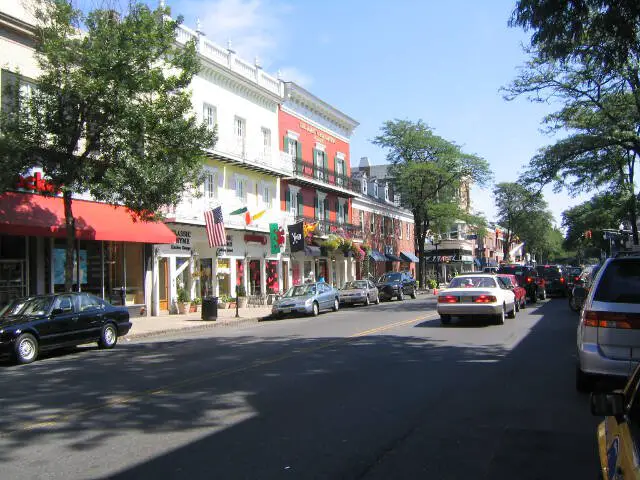
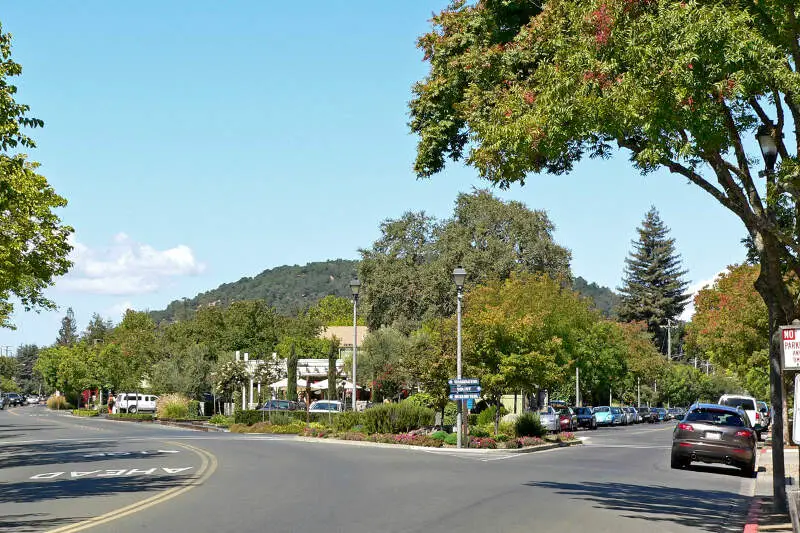
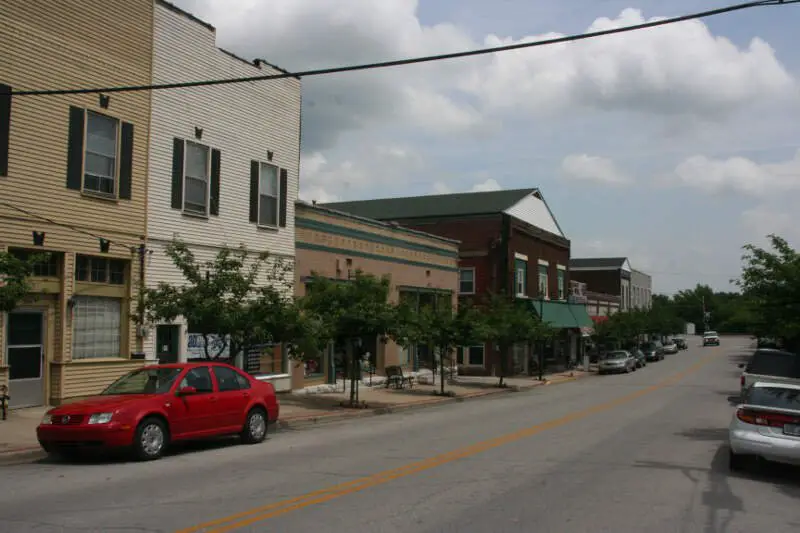
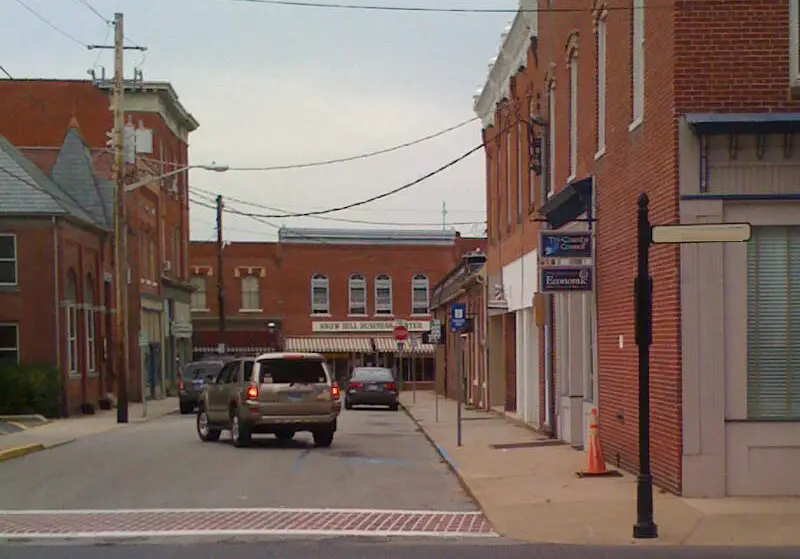
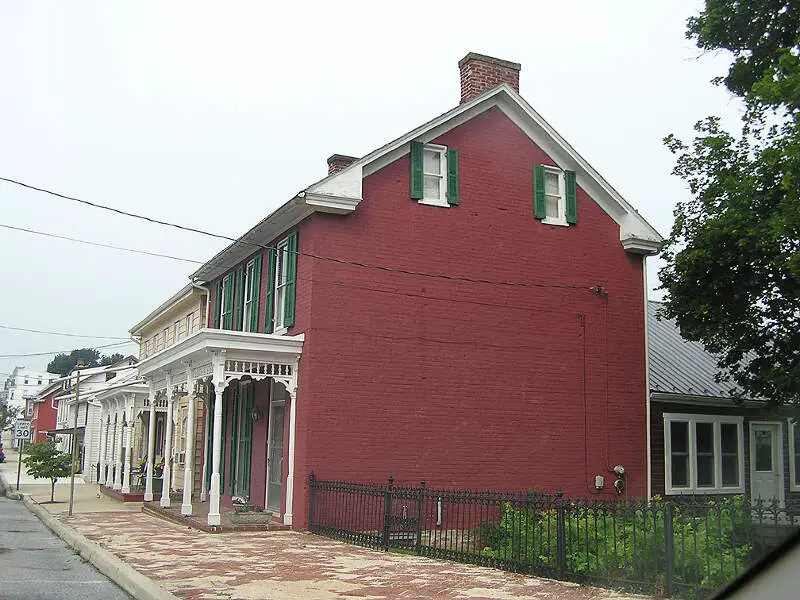
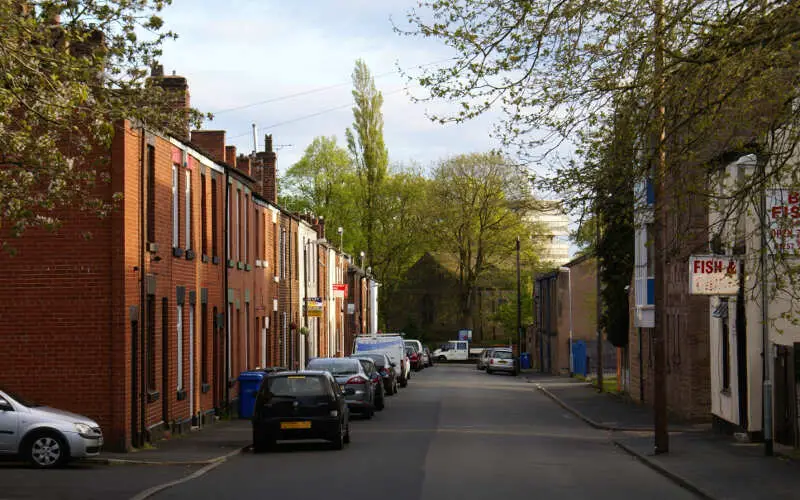
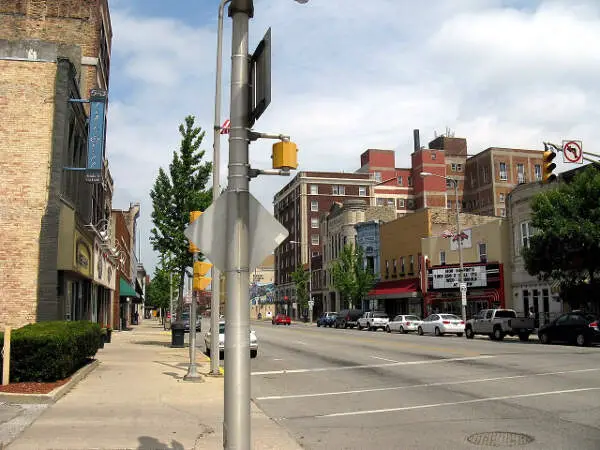
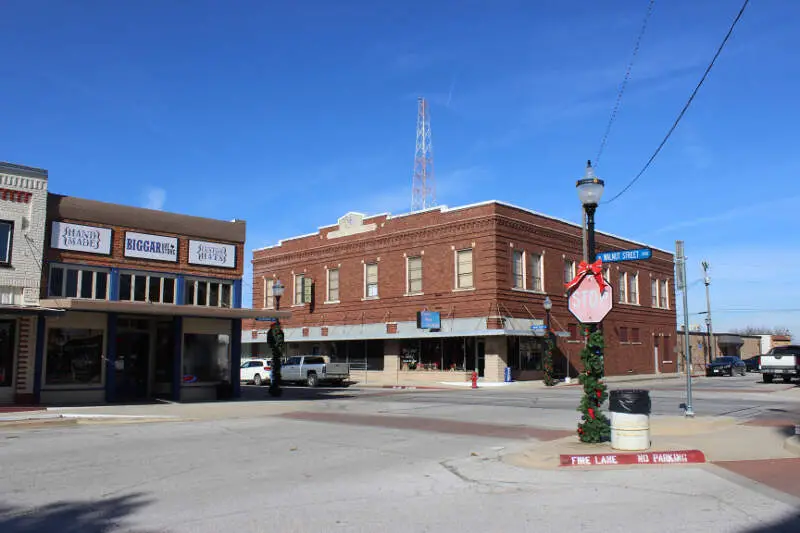
Durham vs. Raleigh in photos
A side-by-side look at each city.
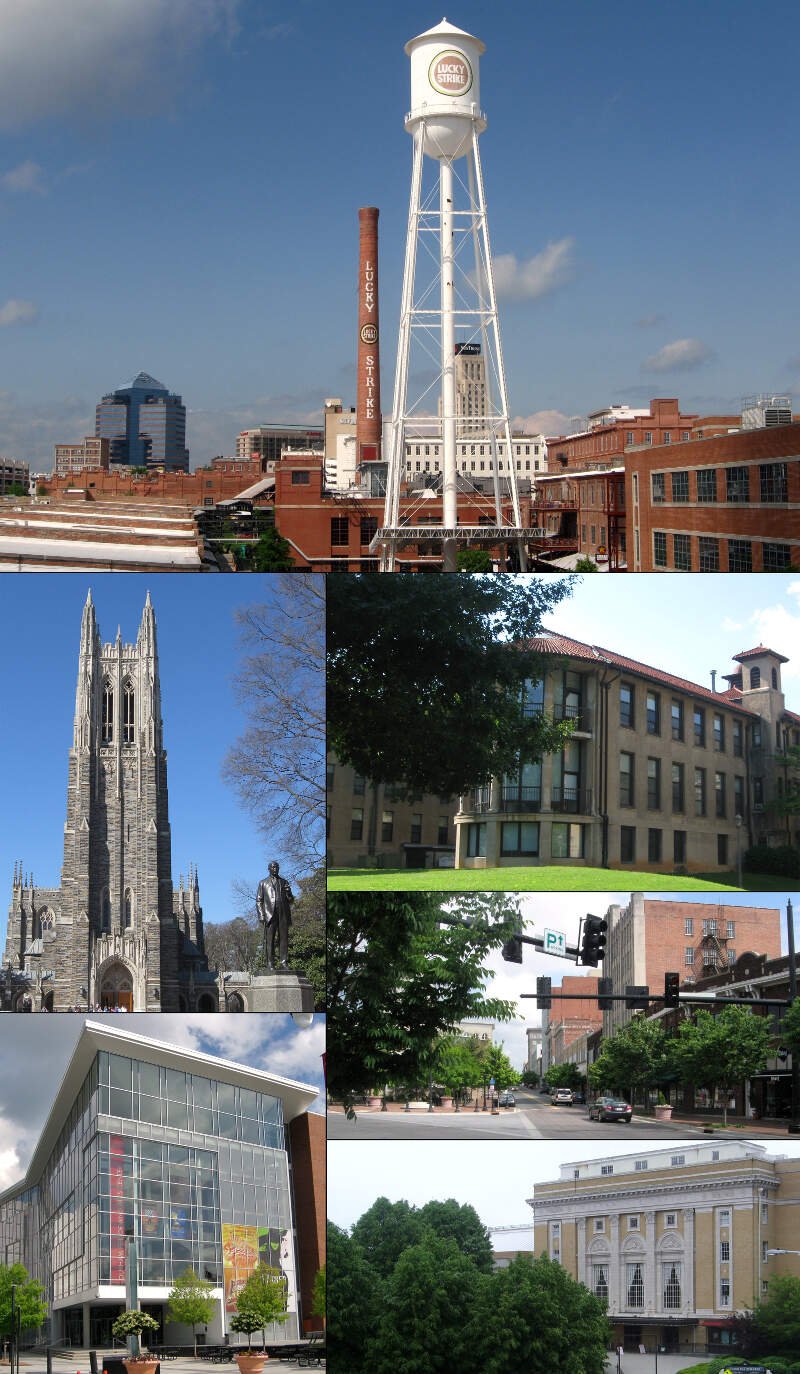

Cost of living
Durham is the cheaper city overall — 4% higher in Raleigh than its rival. Index baseline: 100 = national average.
| Living expense | Durham | Raleigh | US average |
|---|---|---|---|
| Overall | 111 | 116 | 100 |
| Services | 103 | 101 | 100 |
| Groceries | 100 | 101 | 100 |
| Health | 129 | 144 | 100 |
| Housing | 103 | 106 | 100 |
| Transportation | 103 | 100 | 100 |
| Utilities | 106 | 106 | 100 |
Lower index = cheaper. 100 = U.S. national average. Bar inside each cell scales relative to the highest value in the table.
Sources: HomeSnacks Cost of Living indices, normalized so 100 = U.S. national average. Drill in: Durham cost of living, Raleigh cost of living, or the cheapest cities in America.
Housing breakdown
Home prices are higher in Raleigh. Compare absolute price and price-to-income — a $500k home in a $100k-income city is very different from one in a $50k-income city.
| Metric | Durham | Raleigh | United States |
|---|---|---|---|
| Median Home Value | $396,394 | $433,996 | $332,700 |
| Median Rent | $1,508 | $1,572 | $1,413 |
| Median Income | $81,619 | $85,395 | $80,734 |
| Home Value To Income | 4.9x | 5.1x | 4.1x |
| Rent To Monthly Income | 0.22x | 0.22x | 0.21x |
Source: U.S. Census Bureau ACS 2020-2024. See also states with the highest rent in America.
Crime
Raleigh is the safer city — total crime rate of 3,308 per 100k people vs 4,419 for Durham. US average: 2,119.
| Crime (per 100k) | Durham | Raleigh | US average |
|---|---|---|---|
| Total crime | 4,419 | 3,308 | 2,119 |
| Murder | 12 | 5 | 5 |
| Robbery | 161 | 87 | 61 |
| Aggravated Assault | 389 | 361 | 256 |
| Violent Crime | 619 | 489 | 359 |
| Burglary | 450 | 279 | 229 |
| Larceny | 2,725 | 2,059 | 1,272 |
| Car Theft | 624 | 481 | 259 |
| Property Crime | 3,800 | 2,819 | 1,760 |
Lower = safer. Bar inside each cell scales relative to the highest crime rate in the table.
Source: FBI Uniform Crime Reporting (2024). All rates are per 100,000 people. City pages: Durham crime, Raleigh crime. See also: safest cities in America.
Diversity
Durham is more racially diverse — lower HHI (closer to 0) means a more even mix across groups.
| Group | Durham | Raleigh | United States |
|---|---|---|---|
| White | 40.3% | 51.1% | 57.4% |
| African American | 33.2% | 26.0% | 11.9% |
| American Indian | 0.2% | 0.2% | 0.5% |
| Asian | 5.8% | 5.2% | 5.9% |
| Hawaiian | 0.0% | 0.0% | 0.2% |
| Other | 0.5% | 0.5% | 0.6% |
| Two Or More | 4.7% | 4.4% | 4.3% |
| Hispanic | 15.2% | 12.6% | 19.3% |
Source: U.S. Census ACS 2020-2024. Lower HHI = more even racial mix. See also: most diverse cities in America.
SnackAbility — overall quality of life
Raleigh scores higher overall — 8/10 vs 6/10. SnackAbility is our 1–10 quality-of-life score; the median U.S. city scores a 7.
Scores are 0–10; both bars share the same scale.
SnackAbility is a HomeSnacks proprietary 1–10 score blending jobs, housing, education, commute, amenities, affordability, crime, and diversity. Median U.S. city ≈ 7. Data: Census, BLS, FBI. See also: best places to live in America.
Getting around: Durham vs. Raleigh
How each city handles commuting, transit, walkability, and car culture — the day-to-day reality that shapes where you'd actually want to live.
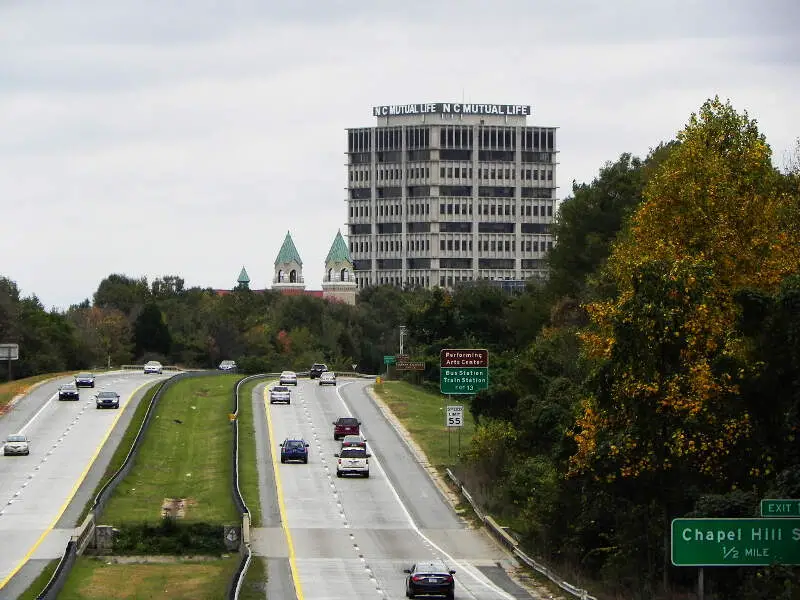
Both Durham and Raleigh are car-dependent, so plan on using I-40 and the Durham Freeway (147) in Durham or Raleigh's I-440 beltline and the I-540 outer loop. Neither city has heavy rail. The GoTriangle regional bus network connects the two cities and serves surrounding towns.
Durham's GoDurham buses cover the urban core reasonably well. Walkable pockets like downtown Durham and the Ninth Street District mean you can manage some errands without a car. Raleigh's GoRaleigh system is larger, and Raleigh Union Station anchors modest intercity rail via Amtrak's Piedmont service.
Raleigh has more highway infrastructure to handle its larger population of 481,031. Durham's more compact footprint can make shorter hops more manageable day to day.
Jobs and careers in Durham vs. Raleigh
The local job market, dominant industries, and which city to choose based on your career.
Research Triangle Park, straddling the Durham-Raleigh corridor, anchors both economies, drawing employers like IBM, Cisco, and a dense cluster of biotech and life-sciences firms. Durham leans heavily into healthcare and academia. Duke University and Duke Health are the dominant employers, alongside a growing startup scene centered around the American Tobacco Campus.
Raleigh's economy is more diversified: state government jobs abound given its role as the capital, NC State University drives research and spinoffs, and tech firms like Red Hat, Epic Games, and Bandwidth have put down significant roots. Median household income sits at $81,619 in Durham and slightly higher at $85,395 in Raleigh, reflecting Raleigh's broader private-sector base.
If you work in government, corporate tech, or want a wider range of large employers, Raleigh edges ahead. If biotech, health systems, or university-adjacent work is your focus, Durham is hard to beat.
Weather and climate
What to expect day-to-day — sun, fog, heat, rain, and the seasonal extremes that shape the lifestyle.
Durham and Raleigh share nearly identical climates. Both sit in the North Carolina Piedmont, which means hot, humid summers with highs regularly pushing into the low 90s, mild winters that occasionally dip below freezing, and pleasant springs and falls. Snow shows up a few times each winter, but accumulations are usually modest and melt quickly.
Neither city will prepare you for a Buffalo winter, but summer humidity is real and worth factoring in if you're relocating from a drier region. Spring severe weather, including thunderstorms and the occasional remnant of a Gulf hurricane, is part of life in both places.
The two cities sit only about 25 miles apart, so you won't find meaningful climate differences between them. Your choice between Durham and Raleigh should rest on other factors entirely.
Culture, nightlife, and entertainment
Food, music, neighborhoods, and the city vibe that gives each place its personality.
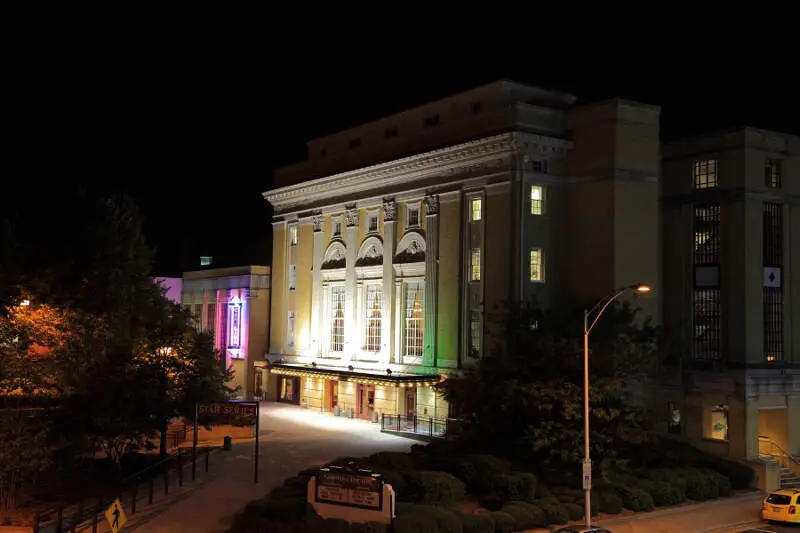
Durham's cultural scene runs deeper than its population of 291,467 suggests. The Durham Performing Arts Center (DPAC) consistently ranks among the top-grossing theater venues in the country, the 21c Museum Hotel blends contemporary art with lodging, and Durham Bulls Athletic Park gives the city a beloved minor-league baseball identity. The food and bar scene runs creative and independent: Fullsteam Brewery, The Pinhook, and a mix of James Beard-nominated restaurants lead the way.
Raleigh's larger size brings larger institutions. The NC Museum of Art, the NC Museum of Natural Sciences, and Glenwood South's restaurant-and-bar strip offer a more traditional big-city cultural spread. PNC Arena hosts the Carolina Hurricanes and major concerts.
If you prefer a tight-knit, arts-forward community with strong local character, Durham wins. If you want more volume and variety, Raleigh delivers.
Outdoor activities and day trips
Parks, beaches, hikes, and the weekend escapes that define life outside the city limits.
Durham's outdoor anchor is Eno River State Park, a stretch of river gorge just minutes from downtown where you can hike, fish, and kayak. The American Tobacco Trail offers a paved multi-use path through the city. Sarah P. Duke Gardens on the Duke campus is worth a regular visit.
Raleigh counters with William B. Umstead State Park, a 5,600-acre forest between downtown and RDU airport that feels far removed from the city, plus Falls Lake for boating and swimming and the Neuse River Greenway Trail for cycling and running. Jordan Lake is a shared day trip from either city.
Both Durham and Raleigh sit about three hours from the Blue Ridge Mountains and three hours from the Outer Banks coast, so weekend escapes are equally accessible from either city.
Bottom line: which city is right for you?
Based on the head-to-head data above, here's the short version — pick the city that lines up with what you actually care about.
Choose Durham if you prioritize…
- a lower cost of living (cheaper groceries, services, and day-to-day expenses).
- a more racially diverse community (lower HHI on Census data).
Choose Raleigh if you prioritize…
- lower crime — a safer place to live, work, and raise a family.
- more affordable housing relative to Durham.
- a higher overall SnackAbility quality-of-life score.
Methodology: winners are picked from public data — U.S. Census Bureau ACS (income, home value, rent, race/HHI), FBI Uniform Crime Reporting (crime rates per 100k), and HomeSnacks' proprietary SnackAbility quality-of-life score, which blends Bureau of Labor Statistics data with the above.
Other comparisons
Still weighing your options? See how these two cities stack up against other places we've compared head-to-head.