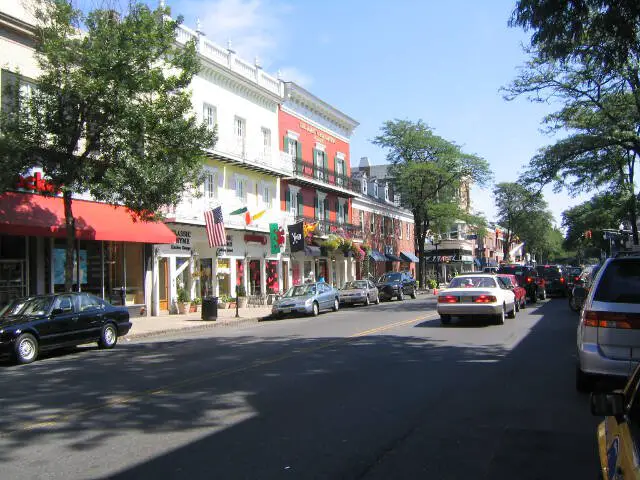
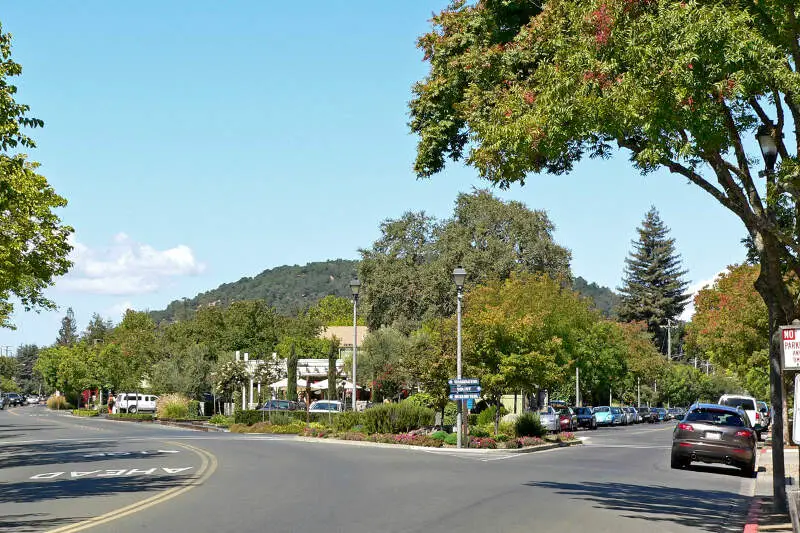
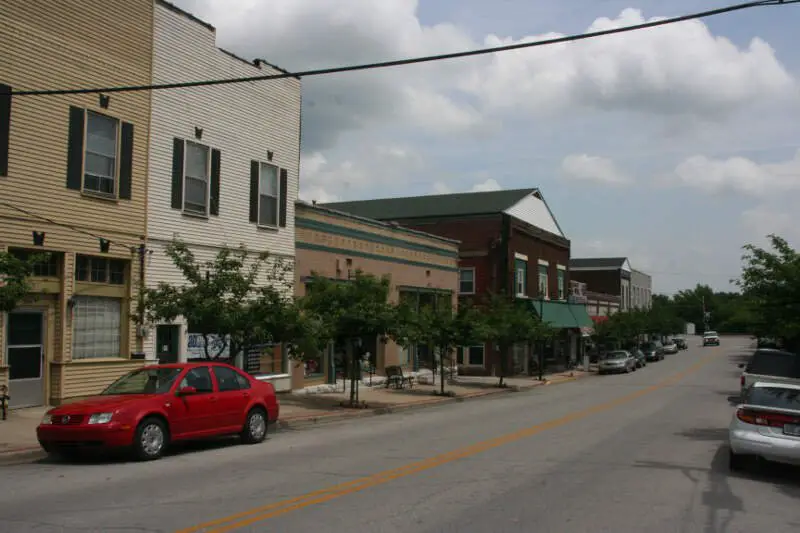
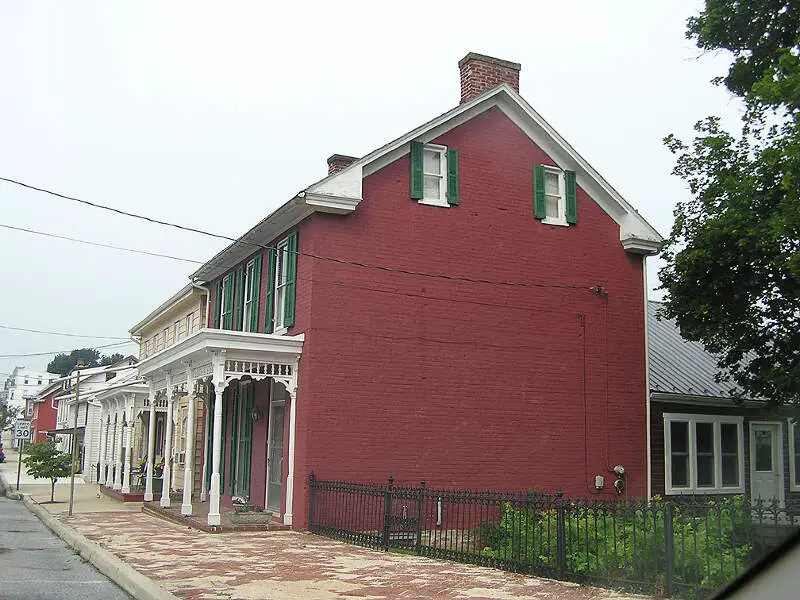
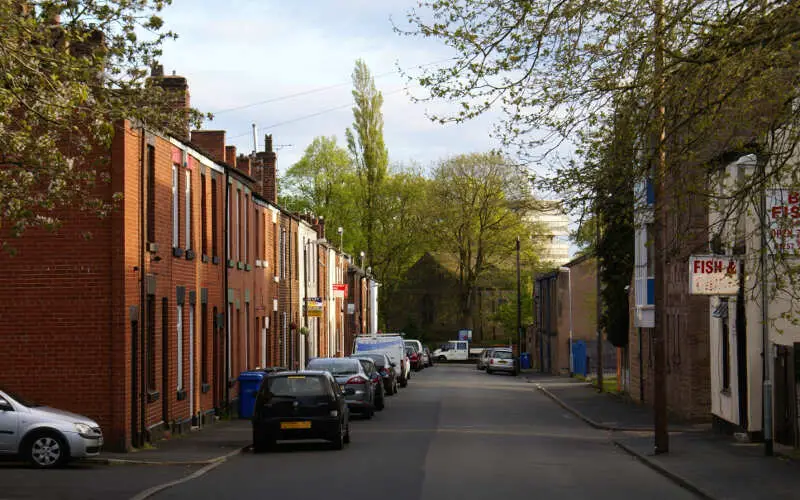
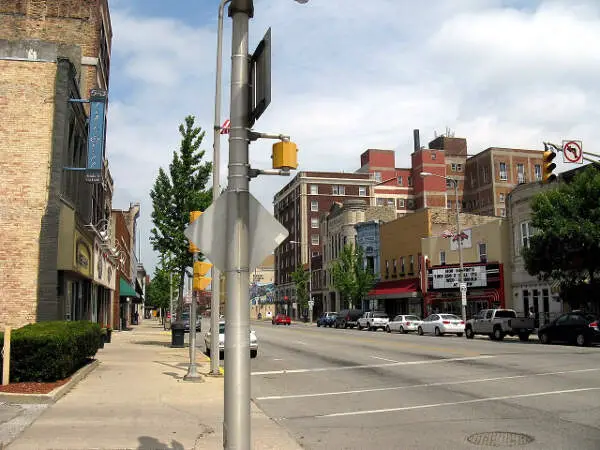
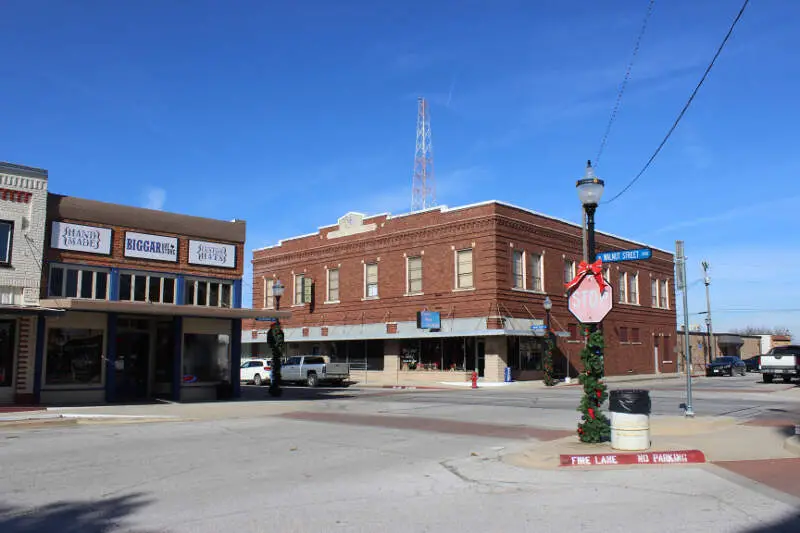
Raleigh vs. Atlanta in photos
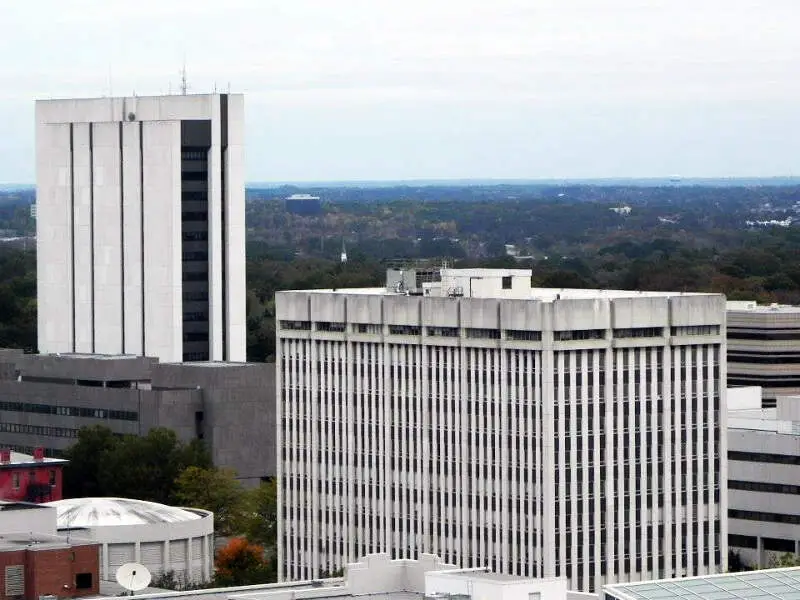
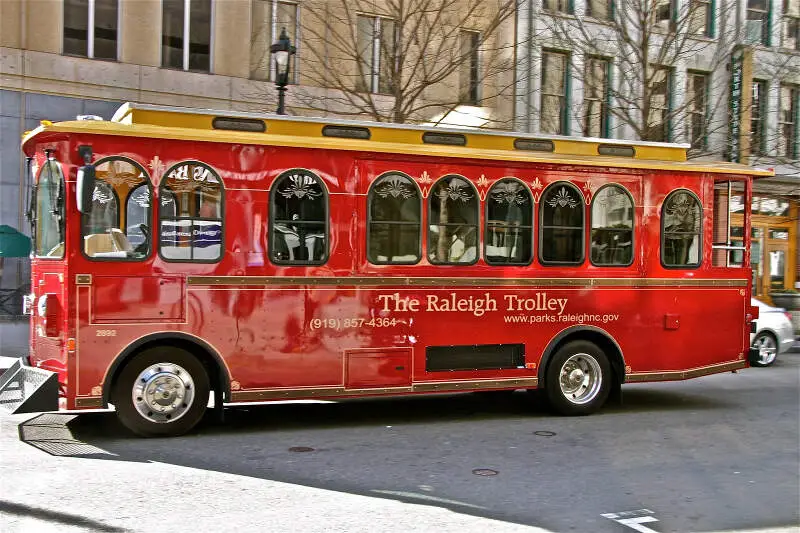
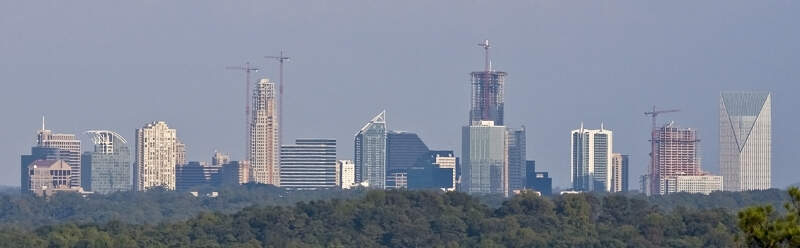
A side-by-side look at each city.



Cost of living
Raleigh is the cheaper city overall — 3% higher in Atlanta than its rival. Index baseline: 100 = national average.
| Living expense | Raleigh | Atlanta | US average |
|---|---|---|---|
| Overall | 116 | 119 | 100 |
| Services | 101 | 99 | 100 |
| Groceries | 101 | 102 | 100 |
| Health | 144 | 163 | 100 |
| Housing | 106 | 100 | 100 |
| Transportation | 100 | 106 | 100 |
| Utilities | 106 | 104 | 100 |
Lower index = cheaper. 100 = U.S. national average. Bar inside each cell scales relative to the highest value in the table.
Sources: HomeSnacks Cost of Living indices, normalized so 100 = U.S. national average. Drill in: Raleigh cost of living, Atlanta cost of living, or the cheapest cities in America.
Housing breakdown
Home prices are higher in Raleigh. Compare absolute price and price-to-income — a $500k home in a $100k-income city is very different from one in a $50k-income city.
| Metric | Raleigh | Atlanta | United States |
|---|---|---|---|
| Median Home Value | $433,996 | $385,599 | $332,700 |
| Median Rent | $1,572 | $1,711 | $1,413 |
| Median Income | $85,395 | $85,652 | $80,734 |
| Home Value To Income | 5.1x | 4.5x | 4.1x |
| Rent To Monthly Income | 0.22x | 0.24x | 0.21x |
Source: U.S. Census Bureau ACS 2020-2024. See also states with the highest rent in America.
Crime
Raleigh is the safer city — total crime rate of 3,308 per 100k people vs 4,600 for Atlanta. US average: 2,119.
| Crime (per 100k) | Raleigh | Atlanta | US average |
|---|---|---|---|
| Total crime | 3,308 | 4,600 | 2,119 |
| Murder | 5 | 26 | 5 |
| Robbery | 87 | 120 | 61 |
| Aggravated Assault | 361 | 537 | 256 |
| Violent Crime | 489 | 707 | 359 |
| Burglary | 279 | 347 | 229 |
| Larceny | 2,059 | 2,500 | 1,272 |
| Car Theft | 481 | 1,046 | 259 |
| Property Crime | 2,819 | 3,893 | 1,760 |
Lower = safer. Bar inside each cell scales relative to the highest crime rate in the table.
Source: FBI Uniform Crime Reporting (2024). All rates are per 100,000 people. City pages: Raleigh crime, Atlanta crime. See also: safest cities in America.
Diversity
Raleigh is more racially diverse — lower HHI (closer to 0) means a more even mix across groups.
| Group | Raleigh | Atlanta | United States |
|---|---|---|---|
| White | 51.1% | 38.1% | 57.4% |
| African American | 26.0% | 45.4% | 11.9% |
| American Indian | 0.2% | 0.1% | 0.5% |
| Asian | 5.2% | 5.2% | 5.9% |
| Hawaiian | 0.0% | 0.0% | 0.2% |
| Other | 0.5% | 0.5% | 0.6% |
| Two Or More | 4.4% | 4.4% | 4.3% |
| Hispanic | 12.6% | 6.3% | 19.3% |
Source: U.S. Census ACS 2020-2024. Lower HHI = more even racial mix. See also: most diverse cities in America.
SnackAbility — overall quality of life
Raleigh scores higher overall — 8/10 vs 7/10. SnackAbility is our 1–10 quality-of-life score; the median U.S. city scores a 7.
Scores are 0–10; both bars share the same scale.
SnackAbility is a HomeSnacks proprietary 1–10 score blending jobs, housing, education, commute, amenities, affordability, crime, and diversity. Median U.S. city ≈ 7. Data: Census, BLS, FBI. See also: best places to live in America.
Getting around: Raleigh vs. Atlanta
How each city handles commuting, transit, walkability, and car culture — the day-to-day reality that shapes where you'd actually want to live.
Raleigh is a car city. The GoRaleigh bus network covers the basics and the greenway system is expanding for cyclists, but if you commute by car you'll be on I-40 or the I-440 Beltline. Both are manageable by big-city standards, and RDU is compact and easy to use.
Atlanta has MARTA, a real heavy-rail system with two intersecting lines that can get you from the suburbs to Midtown or the airport without a car. The catch is coverage: MARTA doesn't reach enough of the metro to make car-free living realistic for most residents. Hartsfield-Jackson is the world's busiest airport, which is a genuine perk if you travel for work.
Traffic on I-285 and the downtown connector is legendarily brutal. Where you live relative to where you work will make or break your Atlanta commute.
Jobs and careers in Raleigh vs. Atlanta
The local job market, dominant industries, and which city to choose based on your career.
Both cities post nearly identical median household incomes: $85,395 in Raleigh versus $85,652 in Atlanta. The job ecosystems feel different, though.
Raleigh runs on Research Triangle Park, one of the largest research campuses in the country, with SAS Institute, Cisco, IBM, and Red Hat as anchors. NC State, Duke, and UNC keep a steady pipeline of tech, biotech, and academic talent nearby. The market leans toward mid-size companies and government contractors rather than Fortune 500 headquarters.
Atlanta is a corporate headquarters city: Delta, Coca-Cola, Home Depot, UPS, and CNN are all based there, and Georgia Tech keeps the tech talent pool deep. Finance, logistics, media, and enterprise tech all have real depth here, which means more lateral moves if your career needs them. Raleigh offers faster growth and slightly less competition; Atlanta offers more industry variety.
Weather and climate
What to expect day-to-day — sun, fog, heat, rain, and the seasonal extremes that shape the lifestyle.
Both cities get hot, humid summers. Highs regularly hit the low 90s from June through August, and neither place gives you much relief before September.
Winter is where they diverge. Raleigh sits at a slightly higher latitude and elevation, so it catches a few more ice and sleet events each year; the city tends to shut down hard when anything frozen falls because the infrastructure isn't built for it. Atlanta averages a few degrees warmer in winter but shares the same vulnerability to ice storms, and the 2014 "Snowpocalypse" is still a local legend.
Spring is genuinely beautiful in both cities, with dogwoods and azaleas peaking in March and April. If you're coming from the Midwest or Northeast, you'll find winters in both places mild, just occasionally treacherous rather than consistently cold.
Culture, nightlife, and entertainment
Food, music, neighborhoods, and the city vibe that gives each place its personality.
Raleigh has grown into a real food and arts city over the past decade. Glenwood South is the main nightlife corridor, the Warehouse District has drawn chefs and gallery owners, and the North Carolina Museum of Art anchors a strong cultural calendar. Durham is 25 minutes away and adds the American Tobacco Campus and an independent music scene worth the drive.
The vibe is mid-size and approachable: shorter lines, gentler prices, and crowds that skew younger than you might expect.
Atlanta operates at a different scale. The Atlanta BeltLine has reshaped the city's social geography, connecting Ponce City Market, Krog Street Market, and the Old Fourth Ward into a walkable entertainment corridor.
Hip-hop culture runs deep here, and the restaurant scene, driven by James Beard attention and a large diaspora community, is among the best in the South. If nightlife and cultural density matter to you, Atlanta is the clear winner.
Outdoor activities and day trips
Parks, beaches, hikes, and the weekend escapes that define life outside the city limits.
Raleigh sits in the Piedmont, so the terrain is gentle: good for road cycling and trail running but not dramatic. Falls Lake and Jordan Lake are within 30 minutes for swimming, kayaking, and fishing, and Eno River State Park has solid hiking right inside the metro.
The real outdoor draw from Raleigh is the drive. The Blue Ridge Parkway and Shenandoah are three to four hours out, far enough to plan around but close enough for a long weekend.
Atlanta gets you to serious mountains faster. The north Georgia mountains and the southern end of the Appalachian Trail are under two hours away. The Chattahoochee River National Recreation Area runs through the metro for paddling and trail access.
Stone Mountain draws hikers and cyclists year-round, and Piedmont Park is Atlanta's central green space for everyday use. If quick mountain access matters, Atlanta has the better geography.
Bottom line: which city is right for you?
Based on the head-to-head data above, here's the short version — pick the city that lines up with what you actually care about.
Choose Raleigh if you prioritize…
- a lower cost of living (cheaper groceries, services, and day-to-day expenses).
- lower crime — a safer place to live, work, and raise a family.
- more affordable housing relative to Atlanta.
- a more racially diverse community (lower HHI on Census data).
- a higher overall SnackAbility quality-of-life score.
Choose Atlanta if you prioritize…
- familiarity, family ties, or a job that pulls you to Atlanta.
Methodology: winners are picked from public data — U.S. Census Bureau ACS (income, home value, rent, race/HHI), FBI Uniform Crime Reporting (crime rates per 100k), and HomeSnacks' proprietary SnackAbility quality-of-life score, which blends Bureau of Labor Statistics data with the above.
Other comparisons
Still weighing your options? See how these two cities stack up against other places we've compared head-to-head.