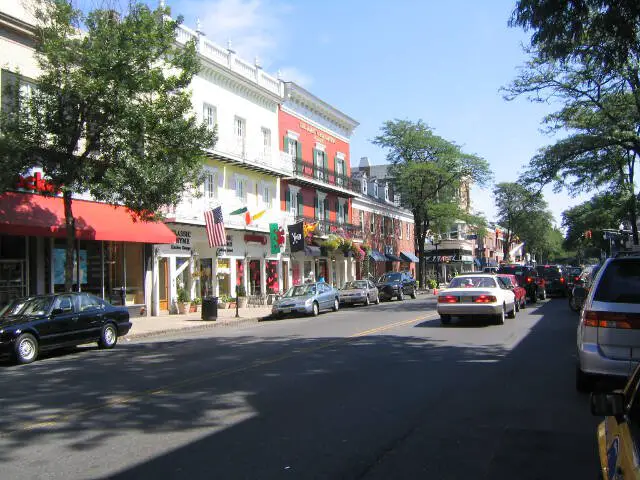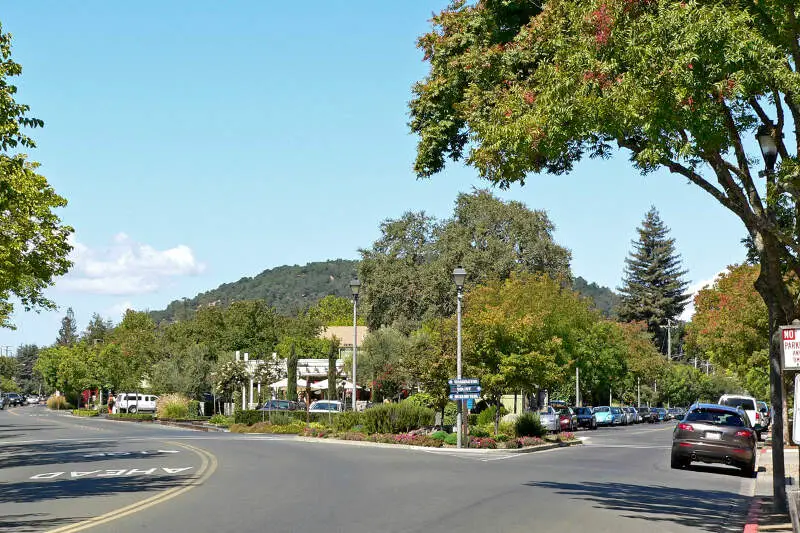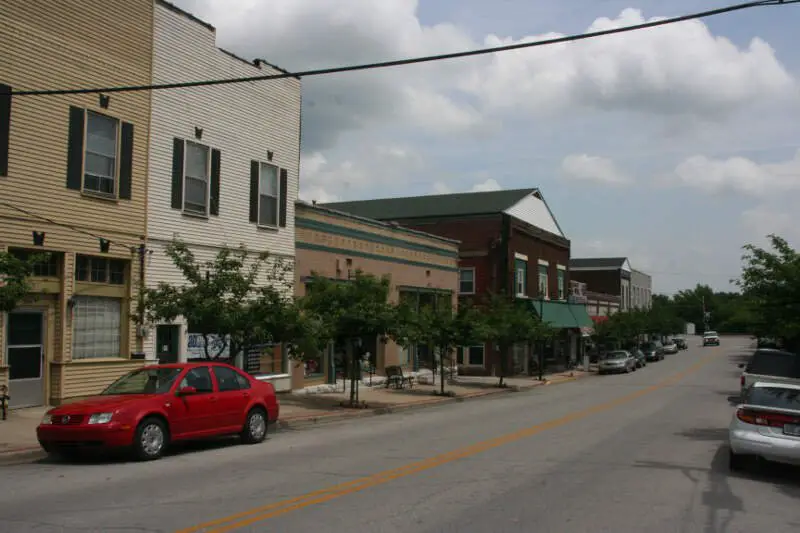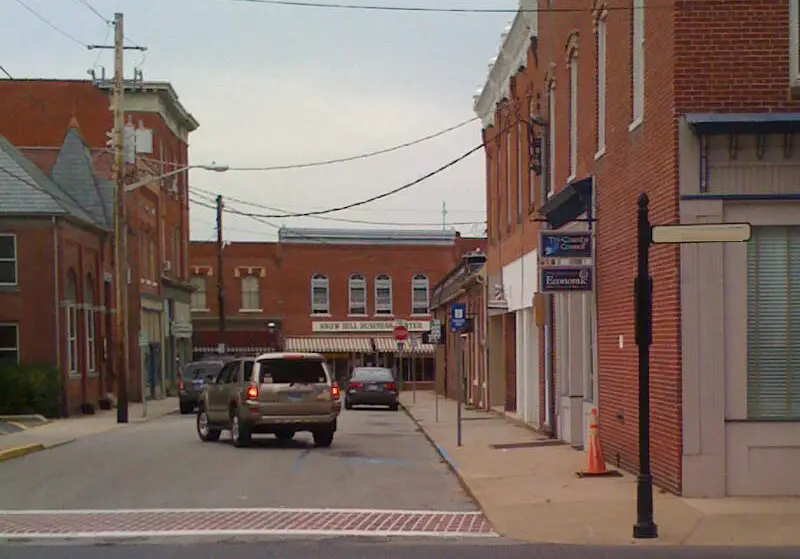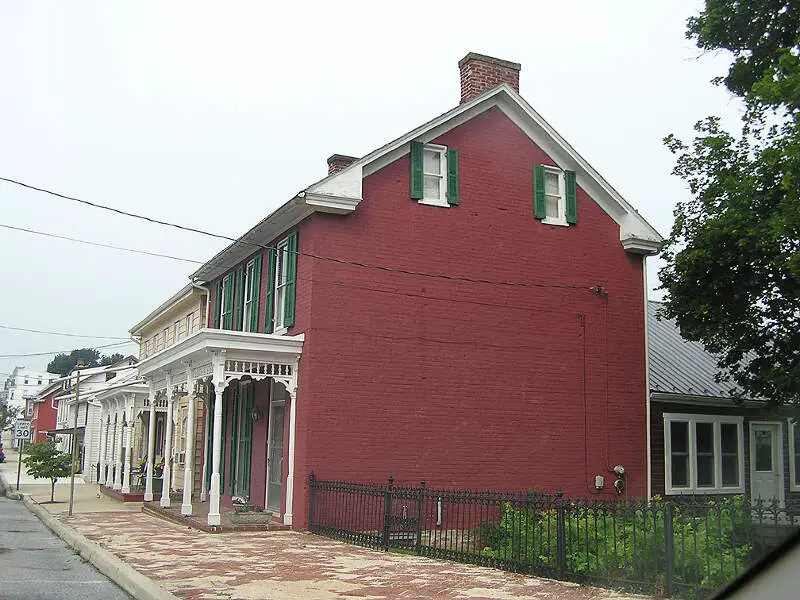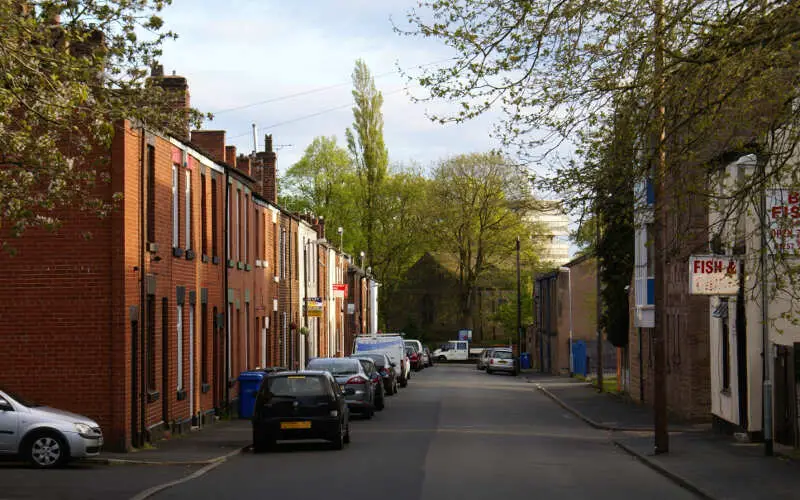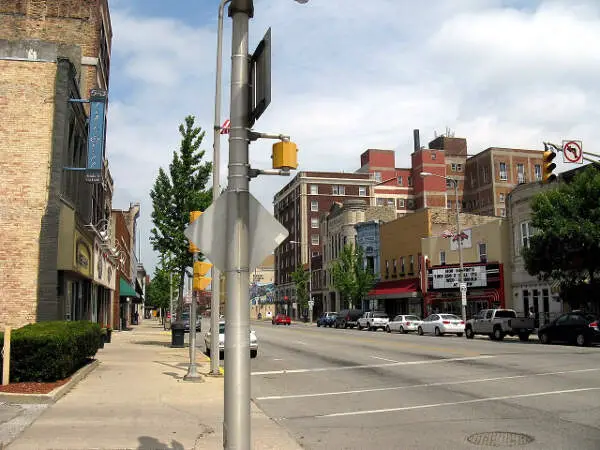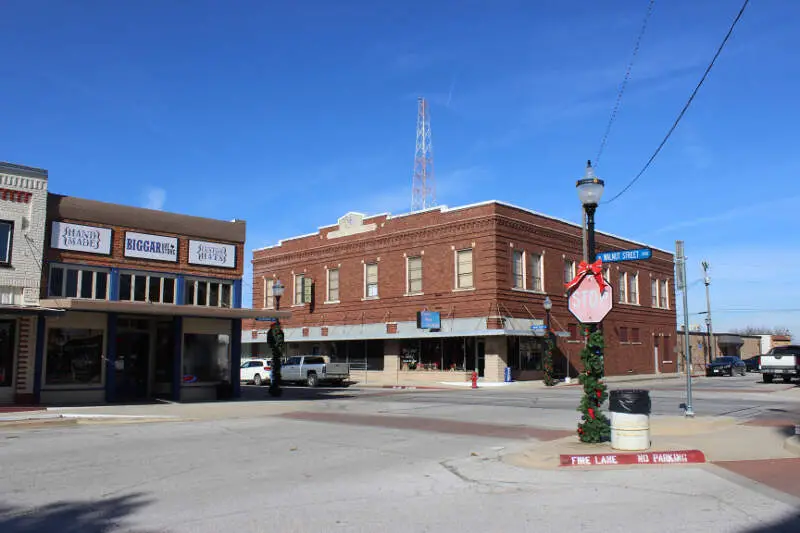
Garland vs. Plano in photos
A side-by-side look at each city.

Cost of living
Garland is the cheaper city overall — 17% higher in Plano than its rival. Index baseline: 100 = national average.
| Living expense | Garland | Plano | US average |
|---|---|---|---|
| Overall | 100 | 120 | 100 |
| Services | 99 | 97 | 100 |
| Groceries | 98 | 99 | 100 |
| Health | 104 | 176 | 100 |
| Housing | 101 | 101 | 100 |
| Transportation | 104 | 100 | 100 |
| Utilities | 101 | 105 | 100 |
Lower index = cheaper. 100 = U.S. national average. Bar inside each cell scales relative to the highest value in the table.
Sources: HomeSnacks Cost of Living indices, normalized so 100 = U.S. national average. Drill in: Garland cost of living, Plano cost of living, or the cheapest cities in America.
Housing breakdown
Home prices are higher in Plano. Compare absolute price and price-to-income — a $500k home in a $100k-income city is very different from one in a $50k-income city.
| Metric | Garland | Plano | United States |
|---|---|---|---|
| Median Home Value | $286,805 | $498,989 | $332,700 |
| Median Rent | $1,641 | $1,841 | $1,413 |
| Median Income | $76,320 | $112,253 | $80,734 |
| Home Value To Income | 3.8x | 4.4x | 4.1x |
| Rent To Monthly Income | 0.26x | 0.2x | 0.21x |
Source: U.S. Census Bureau ACS 2020-2024. See also states with the highest rent in America.
Crime
Plano is the safer city — total crime rate of 1,618 per 100k people vs 2,221 for Garland. US average: 2,119.
| Crime (per 100k) | Garland | Plano | US average |
|---|---|---|---|
| Total crime | 2,221 | 1,618 | 2,119 |
| Murder | 5 | 1 | 5 |
| Robbery | 61 | 27 | 61 |
| Aggravated Assault | 141 | 91 | 256 |
| Violent Crime | 233 | 152 | 359 |
| Burglary | 303 | 161 | 229 |
| Larceny | 1,284 | 1,163 | 1,272 |
| Car Theft | 401 | 142 | 259 |
| Property Crime | 1,988 | 1,466 | 1,760 |
Lower = safer. Bar inside each cell scales relative to the highest crime rate in the table.
Source: FBI Uniform Crime Reporting (2024). All rates are per 100,000 people. City pages: Garland crime, Plano crime. See also: safest cities in America.
Diversity
Garland is more racially diverse — lower HHI (closer to 0) means a more even mix across groups.
| Group | Garland | Plano | United States |
|---|---|---|---|
| White | 24.2% | 46.6% | 57.4% |
| African American | 15.1% | 8.7% | 11.9% |
| American Indian | 0.1% | 0.2% | 0.5% |
| Asian | 11.3% | 23.6% | 5.9% |
| Hawaiian | 0.0% | 0.0% | 0.2% |
| Other | 0.5% | 0.7% | 0.6% |
| Two Or More | 3.0% | 3.5% | 4.3% |
| Hispanic | 45.7% | 16.7% | 19.3% |
Source: U.S. Census ACS 2020-2024. Lower HHI = more even racial mix. See also: most diverse cities in America.
SnackAbility — overall quality of life
Plano scores higher overall — 8.5/10 vs 6/10. SnackAbility is our 1–10 quality-of-life score; the median U.S. city scores a 7.
Scores are 0–10; both bars share the same scale.
SnackAbility is a HomeSnacks proprietary 1–10 score blending jobs, housing, education, commute, amenities, affordability, crime, and diversity. Median U.S. city ≈ 7. Data: Census, BLS, FBI. See also: best places to live in America.
Getting around: Garland vs. Plano
How each city handles commuting, transit, walkability, and car culture — the day-to-day reality that shapes where you'd actually want to live.
Both Garland and Plano are car-dependent suburbs, but each has a DART light-rail link into Dallas. Garland's Blue Line runs through Downtown Garland, LBJ/Garland, and Garland stations along the eastern corridor. Plano's Red Line stops at Downtown Plano, Parker Road, and Bush Turnpike near the Legacy corridor, making a carless commute into Uptown or downtown Dallas more practical from Plano than from Garland.
For drivers, both cities sit inside the I-635 and US-75 grid. Plano's position along the Dallas North Tollway puts many of its largest employers within a short internal hop. Garland's main arteries, Garland Road, Northwest Highway, and I-30, funnel traffic toward eastern Dallas, which can mean a slower peak-hour grind for anyone heading downtown.
Jobs and careers in Garland vs. Plano
The local job market, dominant industries, and which city to choose based on your career.
Plano's median household income of $112,253 says it plainly: this is corporate-campus country. Toyota's North American headquarters, JPMorgan Chase's campus, Liberty Mutual, Capital One, and Ericsson all anchor the Legacy and Legacy West corridors, drawing white-collar workers in finance, tech, and operations management. If you work in one of those sectors, Plano may put you five minutes from the office.
Garland's economy is broader but more modest, which its $76,320 median household income reflects. Raytheon has a significant presence, and the city still has a manufacturing and logistics base alongside a growing healthcare sector. The cost-of-living index of 100 (versus Plano's 120) means a Garland paycheck goes further on everyday expenses, a real factor if you're weighing a lower-paying role against proximity to DFW's higher-wage suburban hubs to the north.
Weather and climate
What to expect day-to-day — sun, fog, heat, rain, and the seasonal extremes that shape the lifestyle.
Garland and Plano share virtually the same climate (they're about 20 miles apart), so neither gives you a meaningful edge here. Summers are long and punishing, routinely hitting triple digits from late June through September, and humidity off the Trinity corridor makes the heat index feel worse than the thermometer reads. Both cities average around 230 sunny days a year, which sounds great until August arrives.
Winters are mild and short, with average January lows in the upper 30s, but the DFW area gets sudden ice storms that can shut down roads for days — locals remember 2021 well. Spring brings pleasant stretches in the 60s and 70s, along with tornado season, so a weather radio or reliable alert app is a practical necessity in either city. You won't escape the Texas heat in either place, but winters here are nothing like what you'd face farther north.
Culture, nightlife, and entertainment
Food, music, neighborhoods, and the city vibe that gives each place its personality.
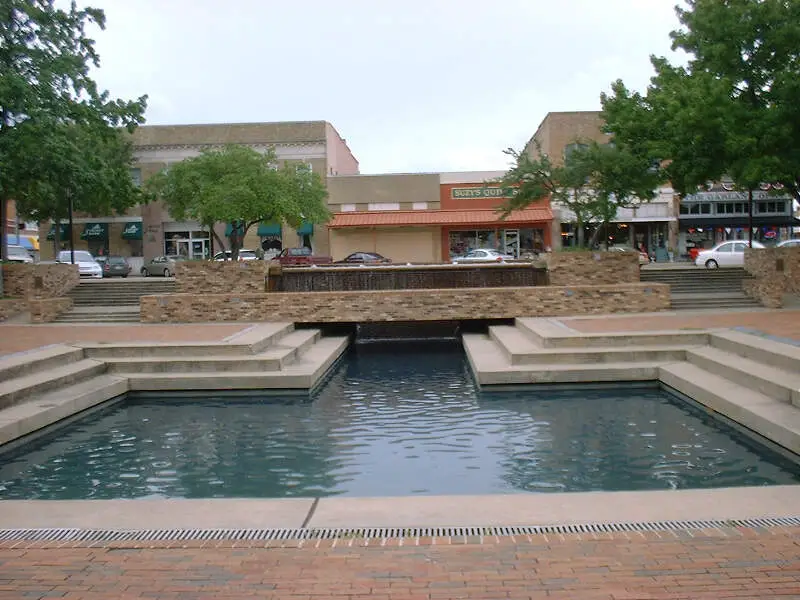
Plano's cultural life centers on Legacy West and the Downtown Plano Arts District. Legacy West is a walkable complex with dozens of restaurants, rooftop bars, and live-music venues that draw a younger professional crowd; Downtown Plano's historic brick streetscape hosts First Monday Art District events and a cluster of independent breweries and wine bars. The nightlife skews polished and suburban rather than gritty, but the options are solid for a city of its size.
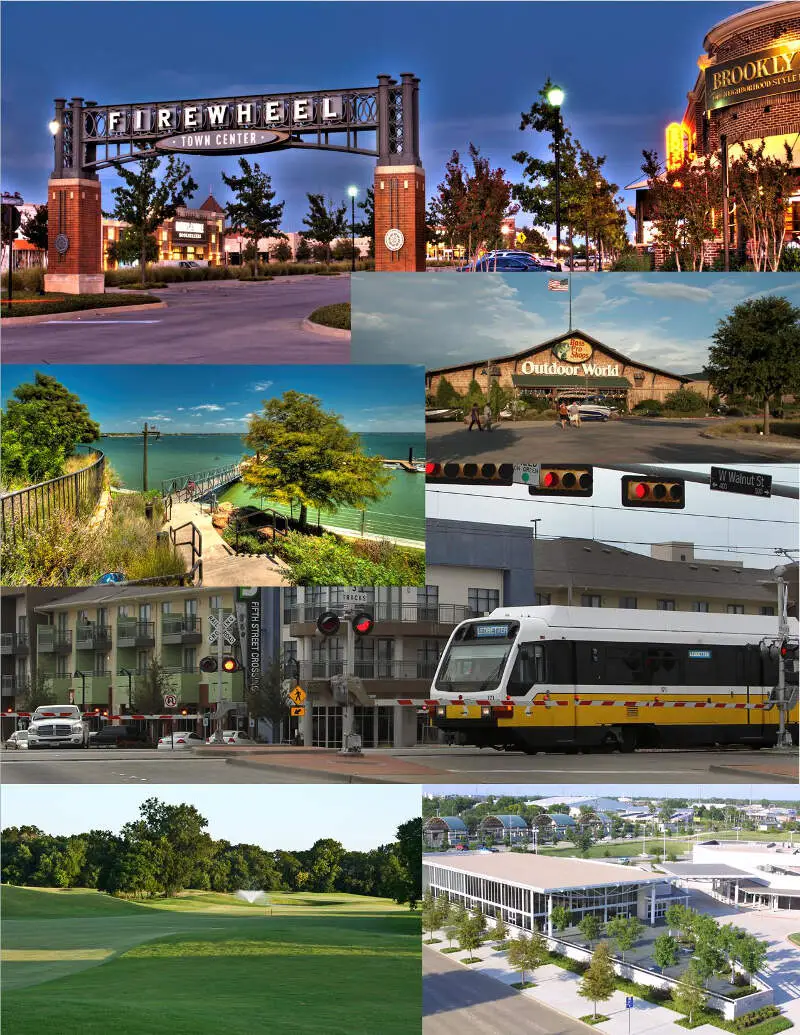
Garland punches above its weight on cultural diversity, which shows up directly in food and neighborhood character. The International District along Walnut Street has some of the best Vietnamese, Korean, and Latin American dining in the entire metro, a real edge over Plano's more chain-heavy scene. Firewheel Town Center is Garland's main social hub, and the city's large Hispanic community adds depth to local festivals and markets you won't find in Plano's more homogeneous suburbs.
Outdoor activities and day trips
Parks, beaches, hikes, and the weekend escapes that define life outside the city limits.
Garland's biggest outdoor draw is Lake Ray Hubbard, one of the largest urban lakes in Texas, right on the city's eastern edge. Sailing, kayaking, fishing, and waterfront dining at the Harbor development keep it busy on weekends. The Duck Creek Trail and Spring Creek Forest Preserve add paved and natural trails for cyclists and runners who want green space without a long drive.
Plano's park system is large and well-maintained for a city its size. Arbor Hills Nature Preserve is the standout: 200 acres of cross-timber forest with mountain-biking loops and elevated overlooks that feel nothing like a typical DFW suburb. Oak Point Park and Nature Preserve adds another 800-plus acres along Rowlett Creek with disc golf, fishing ponds, and long paved trail connections.
If everyday trail access matters more to you than open water, Plano holds the edge. If you want a lake on weekends, Garland wins.
Bottom line: which city is right for you?
Based on the head-to-head data above, here's the short version — pick the city that lines up with what you actually care about.
Choose Garland if you prioritize…
- a lower cost of living (cheaper groceries, services, and day-to-day expenses).
- a more racially diverse community (lower HHI on Census data).
Choose Plano if you prioritize…
- lower crime — a safer place to live, work, and raise a family.
- more affordable housing relative to Garland.
- a higher overall SnackAbility quality-of-life score.
Methodology: winners are picked from public data — U.S. Census Bureau ACS (income, home value, rent, race/HHI), FBI Uniform Crime Reporting (crime rates per 100k), and HomeSnacks' proprietary SnackAbility quality-of-life score, which blends Bureau of Labor Statistics data with the above.
Other comparisons
Still weighing your options? See how these two cities stack up against other places we've compared head-to-head.