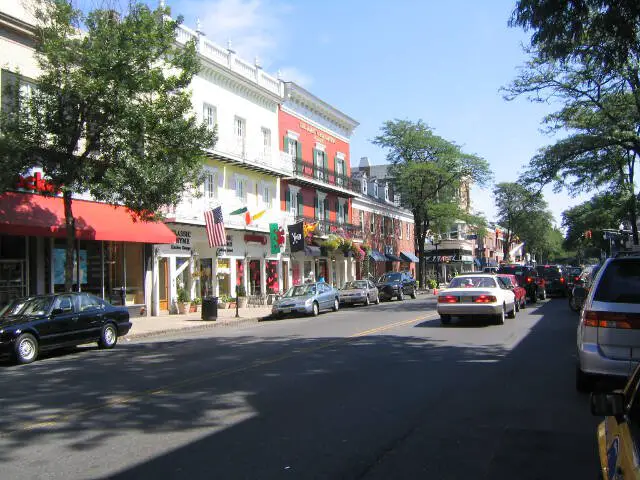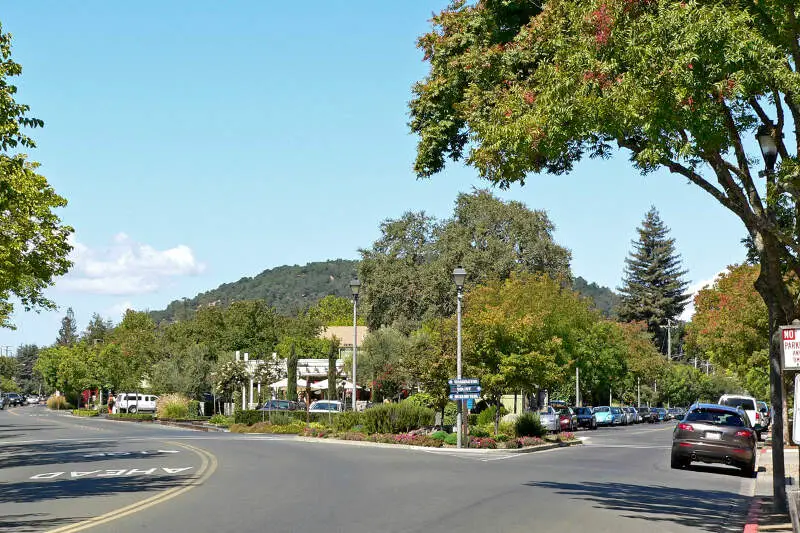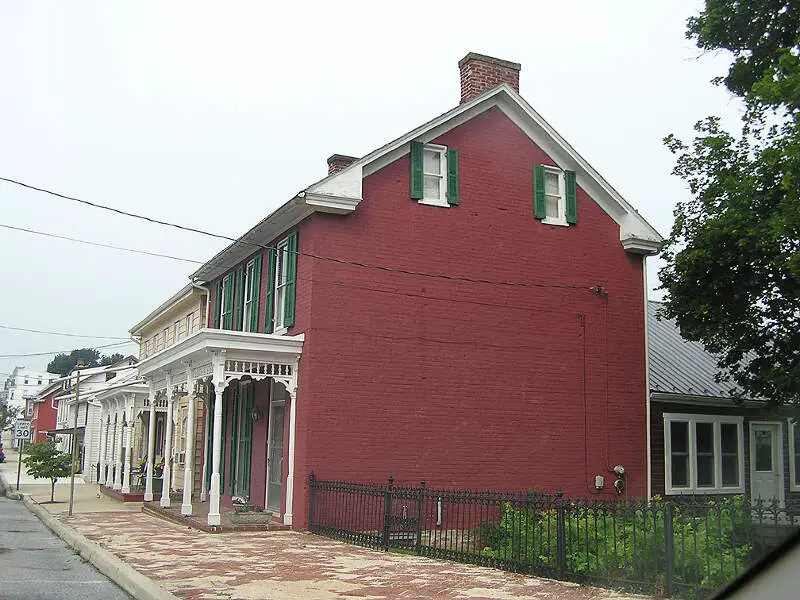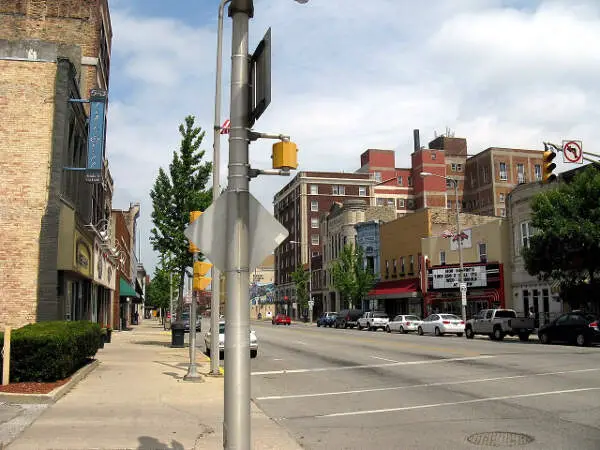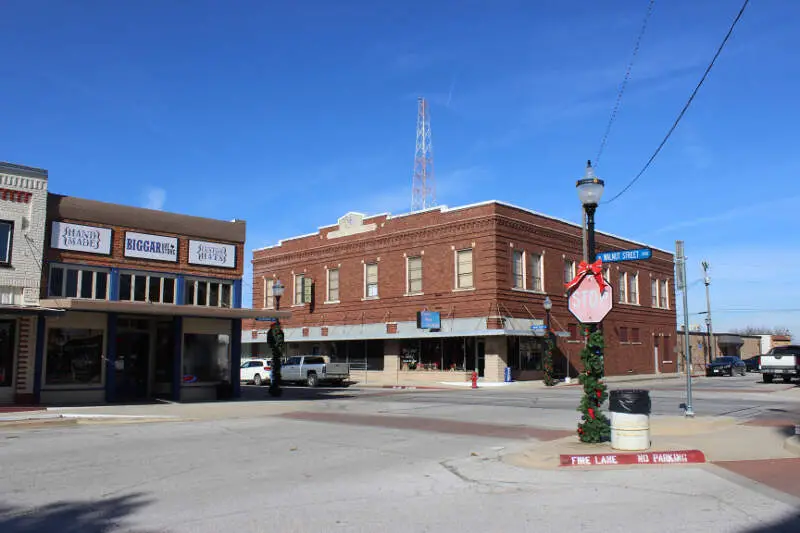
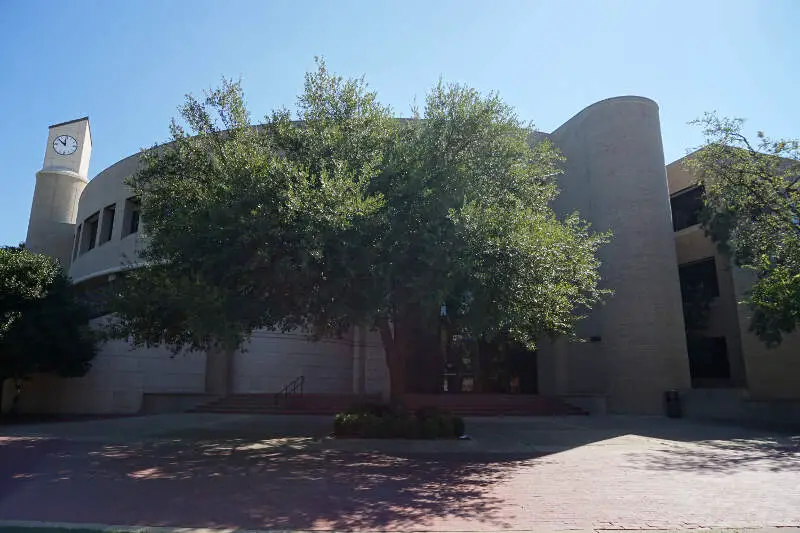
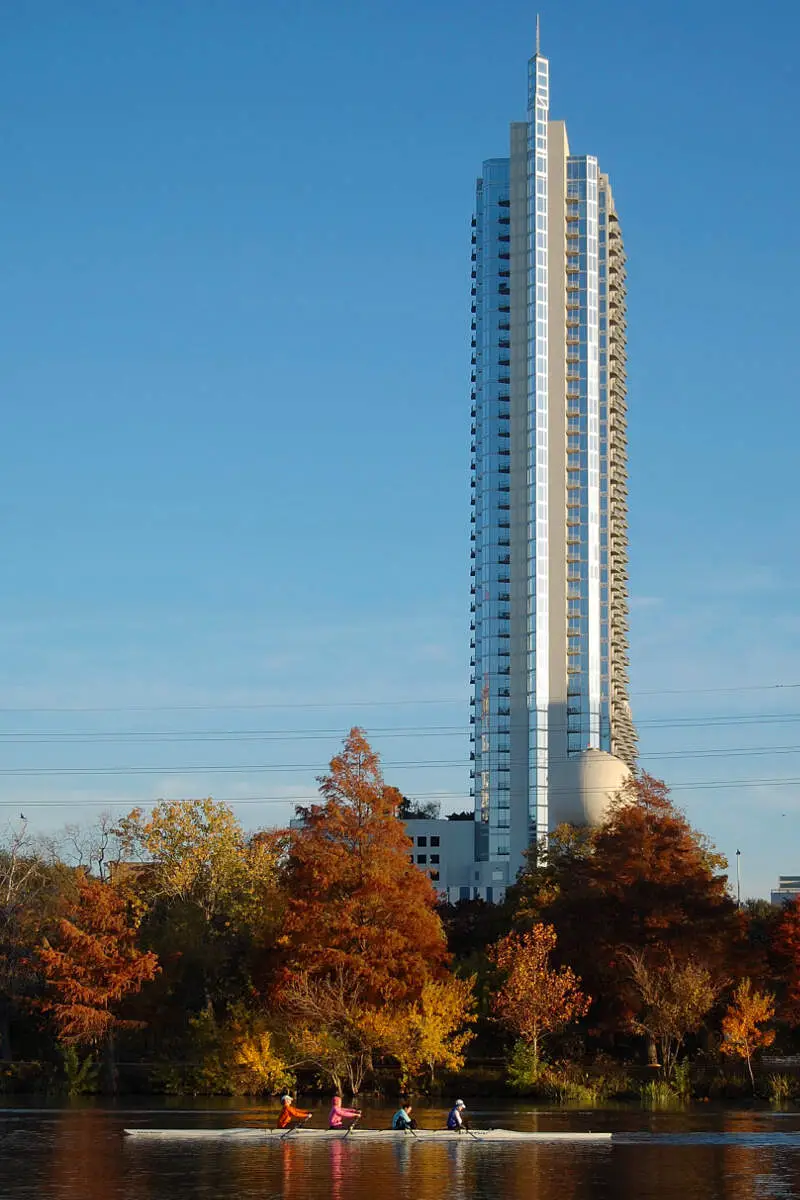
Plano vs. Austin in photos
A side-by-side look at each city.



Cost of living
Plano is the cheaper city overall — 3% higher in Austin than its rival. Index baseline: 100 = national average.
| Living expense | Plano | Austin | US average |
|---|---|---|---|
| Overall | 120 | 124 | 100 |
| Services | 97 | 99 | 100 |
| Groceries | 99 | 101 | 100 |
| Health | 176 | 185 | 100 |
| Housing | 101 | 98 | 100 |
| Transportation | 100 | 109 | 100 |
| Utilities | 105 | 104 | 100 |
Lower index = cheaper. 100 = U.S. national average. Bar inside each cell scales relative to the highest value in the table.
Sources: HomeSnacks Cost of Living indices, normalized so 100 = U.S. national average. Drill in: Plano cost of living, Austin cost of living, or the cheapest cities in America.
Housing breakdown
Home prices are higher in Austin. Compare absolute price and price-to-income — a $500k home in a $100k-income city is very different from one in a $50k-income city.
| Metric | Plano | Austin | United States |
|---|---|---|---|
| Median Home Value | $498,989 | $508,530 | $332,700 |
| Median Rent | $1,841 | $1,729 | $1,413 |
| Median Income | $112,253 | $93,658 | $80,734 |
| Home Value To Income | 4.4x | 5.4x | 4.1x |
| Rent To Monthly Income | 0.2x | 0.22x | 0.21x |
Source: U.S. Census Bureau ACS 2020-2024. See also states with the highest rent in America.
Crime
Plano is the safer city — total crime rate of 1,618 per 100k people vs 3,709 for Austin. US average: 2,119.
| Crime (per 100k) | Plano | Austin | US average |
|---|---|---|---|
| Total crime | 1,618 | 3,709 | 2,119 |
| Murder | 1 | 7 | 5 |
| Robbery | 27 | 85 | 61 |
| Aggravated Assault | 91 | 307 | 256 |
| Violent Crime | 152 | 467 | 359 |
| Burglary | 161 | 445 | 229 |
| Larceny | 1,163 | 2,198 | 1,272 |
| Car Theft | 142 | 599 | 259 |
| Property Crime | 1,466 | 3,242 | 1,760 |
Lower = safer. Bar inside each cell scales relative to the highest crime rate in the table.
Source: FBI Uniform Crime Reporting (2024). All rates are per 100,000 people. City pages: Plano crime, Austin crime. See also: safest cities in America.
Diversity
Plano is more racially diverse — lower HHI (closer to 0) means a more even mix across groups.
| Group | Plano | Austin | United States |
|---|---|---|---|
| White | 46.6% | 47.0% | 57.4% |
| African American | 8.7% | 7.3% | 11.9% |
| American Indian | 0.2% | 0.1% | 0.5% |
| Asian | 23.6% | 9.0% | 5.9% |
| Hawaiian | 0.0% | 0.0% | 0.2% |
| Other | 0.7% | 0.5% | 0.6% |
| Two Or More | 3.5% | 4.3% | 4.3% |
| Hispanic | 16.7% | 31.9% | 19.3% |
Source: U.S. Census ACS 2020-2024. Lower HHI = more even racial mix. See also: most diverse cities in America.
SnackAbility — overall quality of life
Plano scores higher overall — 8.5/10 vs 7/10. SnackAbility is our 1–10 quality-of-life score; the median U.S. city scores a 7.
Scores are 0–10; both bars share the same scale.
SnackAbility is a HomeSnacks proprietary 1–10 score blending jobs, housing, education, commute, amenities, affordability, crime, and diversity. Median U.S. city ≈ 7. Data: Census, BLS, FBI. See also: best places to live in America.
Getting around: Plano vs. Austin
How each city handles commuting, transit, walkability, and car culture — the day-to-day reality that shapes where you'd actually want to live.
Both Plano and Austin are car-dependent Texas cities, but the commute pain isn't equal. Plano sits inside the Dallas-Fort Worth grid, and the DART Red Line gives you a real alternative: you can ride from downtown Plano into downtown Dallas without touching the highway. US-75 (Central Expressway) and the Dallas North Tollway carry most of the daily traffic, and while rush hour builds, it rarely hits the standstill levels Austin drivers know by heart.
Austin's CapMetro bus network and the MetroRail Red Line exist, but they cover a fraction of where people actually live and work. I-35 through central Austin is one of the most congested stretches of highway in Texas, and the city's rapid growth has outpaced its road infrastructure. If cutting your daily drive time matters, Plano's layout and transit access give it a real edge.
Jobs and careers in Plano vs. Austin
The local job market, dominant industries, and which city to choose based on your career.
Plano punches well above its population in corporate headquarters. Toyota North America, JPMorgan Chase's technology campus, Frito-Lay, Liberty Mutual, and Ericsson all anchor the city, which helps explain the median household income of $112,253 — noticeably higher than Austin's $93,658. If you work in finance, telecom, or enterprise tech, the "Telecom Corridor" along US-75 gives you built-in job density.
Austin's job market has a higher national profile, driven by Dell, Apple, Tesla, Oracle, Google, and a dense layer of startups around The Domain and downtown. The city pulls in talent aggressively, which keeps salaries competitive even though the median household figure trails Plano's. Austin skews toward high-growth tech and creative industries; Plano offers more stable, established corporate roles.
Weather and climate
What to expect day-to-day — sun, fog, heat, rain, and the seasonal extremes that shape the lifestyle.
Summer is relentless in both cities — expect daytime highs in the 97–102°F range from late June through September, with humidity that makes shade feel inadequate. Plano's position in northern DFW brings more volatile winter weather: ice storms roll through a few times each decade, and freezing rain can shut down roads that never see snow removal equipment. The 2021 winter storm hit the entire state, but the DFW corridor saw some of the worst infrastructure failures.
Austin sits far enough south that winters are gentler on average: cold fronts pass through quickly, and hard freezes are shorter-lived. Spring in both cities brings warm days and dramatic thunderstorms, and Austin averages around 300 sunny days a year; Plano is comparable. Neither city really has a fall — summer just fades into a milder version of itself by October.
Culture, nightlife, and entertainment
Food, music, neighborhoods, and the city vibe that gives each place its personality.
Austin's cultural identity is loud and well-earned. The Red River Cultural District, Rainey Street, and the 6th Street corridor give you live music any night of the week, backed by a local scene that feeds SXSW and Austin City Limits. That creative energy extends into the food scene and art spaces; if nightlife and genuine character matter to you, Austin is the clear answer.
Plano's culture is quieter but not absent: Legacy West and the Shops at Legacy have drawn upscale dining and rooftop bars, and Deep Ellum — Dallas's historic music and arts neighborhood — is about 25 miles south and accessible via DART. Plano has also built a diverse restaurant scene along Spring Creek Parkway, reflecting its large Asian-American community. It's a comfortable place to live; it just won't remind you it exists the way Austin does.
Outdoor activities and day trips
Parks, beaches, hikes, and the weekend escapes that define life outside the city limits.
Barton Springs Pool, a spring-fed swimming hole inside Zilker Park, stays around 68°F year-round and draws locals through even the most brutal July weeks. The Barton Creek Greenbelt adds miles of hiking and swimming holes minutes from downtown, and Lake Travis and Lake Austin give you boating, paddleboarding, and cliff jumping at spots like Hippie Hollow. Day trips into the Texas Hill Country — Enchanted Rock, Pedernales Falls — are under two hours from Austin.
Plano has solid parks for a suburb: Arbor Hills Nature Preserve has forested trails that feel surprisingly removed from the surrounding sprawl, and Rowlett Creek Preserve adds mountain biking terrain. Lake Lavon and Lake Ray Hubbard are close enough for weekend boating. The options are tamer and less scenic than Austin's, but if your outdoor needs run to walking trails, youth sports fields, and casual lake access, Plano covers them without requiring a drive.
Bottom line: which city is right for you?
Based on the head-to-head data above, here's the short version — pick the city that lines up with what you actually care about.
Choose Plano if you prioritize…
- a lower cost of living (cheaper groceries, services, and day-to-day expenses).
- lower crime — a safer place to live, work, and raise a family.
- a more racially diverse community (lower HHI on Census data).
- a higher overall SnackAbility quality-of-life score.
Choose Austin if you prioritize…
- more affordable housing relative to Plano.
Methodology: winners are picked from public data — U.S. Census Bureau ACS (income, home value, rent, race/HHI), FBI Uniform Crime Reporting (crime rates per 100k), and HomeSnacks' proprietary SnackAbility quality-of-life score, which blends Bureau of Labor Statistics data with the above.
Other comparisons
Still weighing your options? See how these two cities stack up against other places we've compared head-to-head.