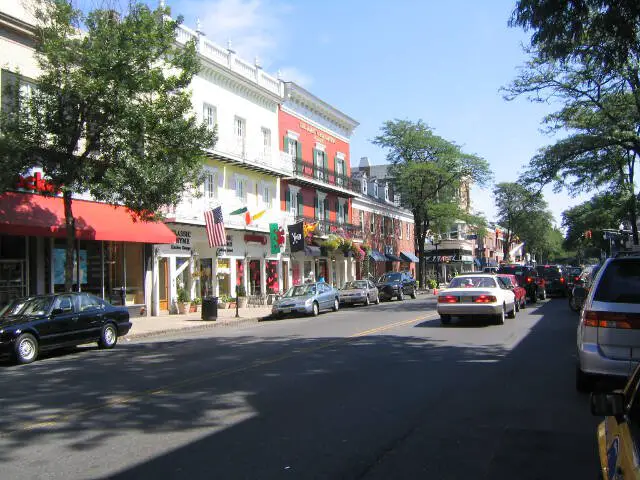
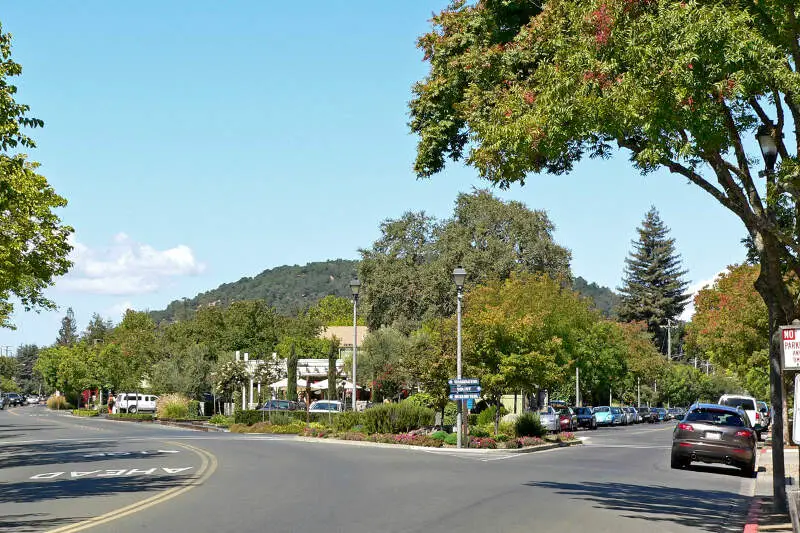
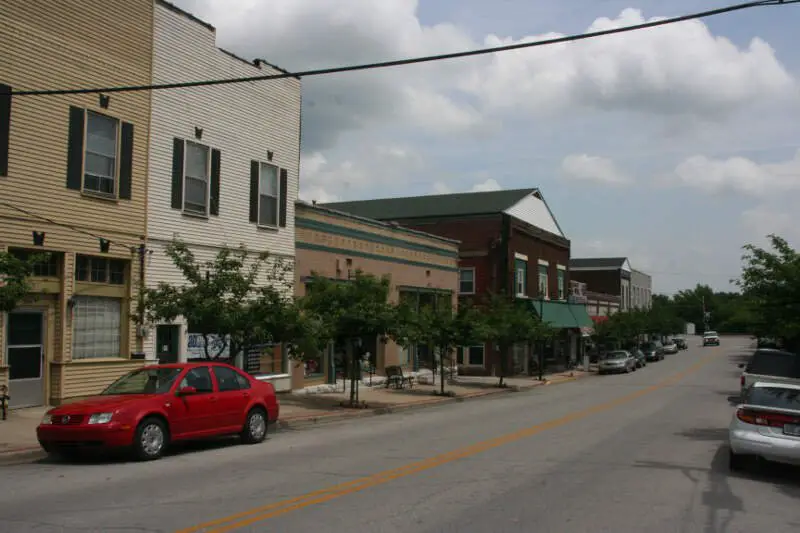
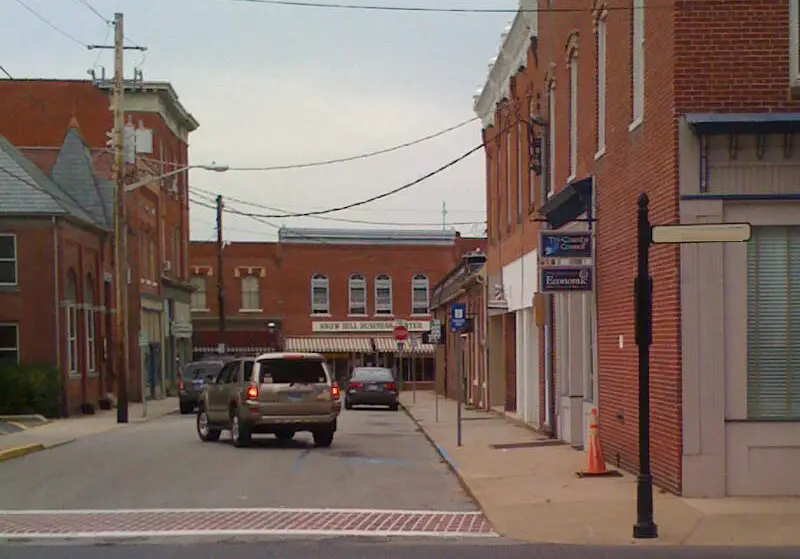
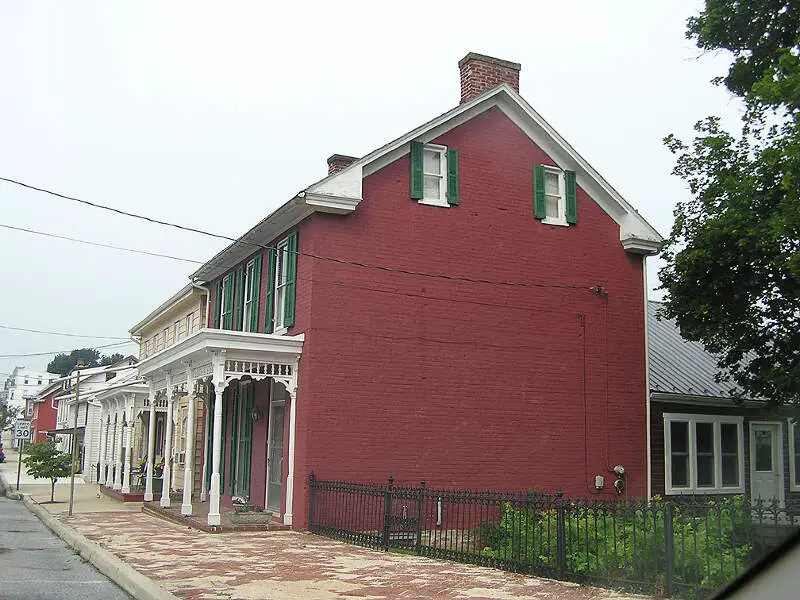
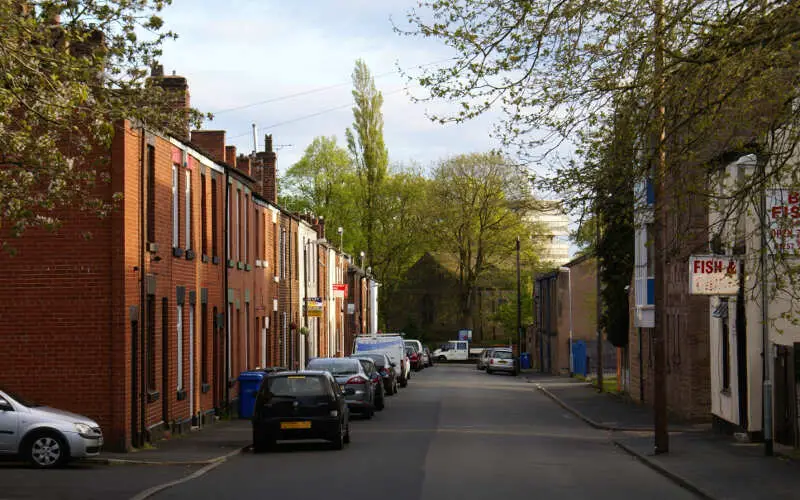
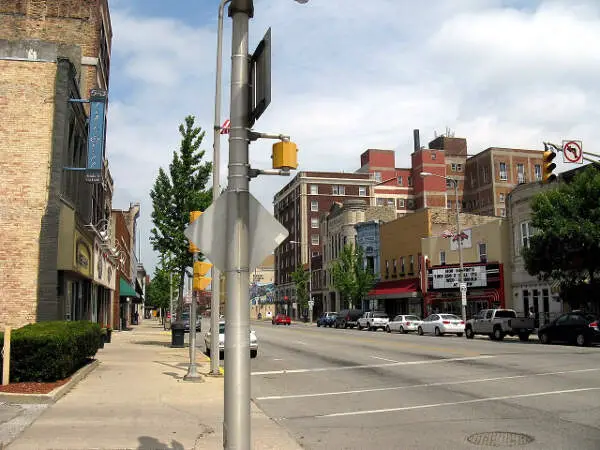
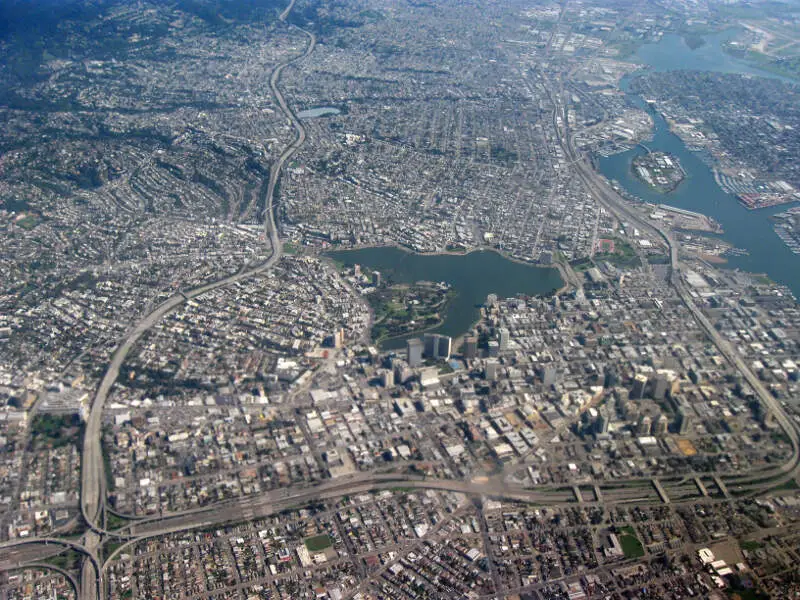
Oakland vs. Seattle in photos
A side-by-side look at each city.





Cost of living
Seattle is the cheaper city overall — 5% higher in Oakland than its rival. Index baseline: 100 = national average.
| Living expense | Oakland | Seattle | US average |
|---|---|---|---|
| Overall | 190 | 181 | 100 |
| Services | 115 | 107 | 100 |
| Groceries | 121 | 111 | 100 |
| Health | 334 | 326 | 100 |
| Housing | 128 | 125 | 100 |
| Transportation | 124 | 112 | 100 |
| Utilities | 134 | 123 | 100 |
Lower index = cheaper. 100 = U.S. national average. Bar inside each cell scales relative to the highest value in the table.
Sources: HomeSnacks Cost of Living indices, normalized so 100 = U.S. national average. Drill in: Oakland cost of living, Seattle cost of living, or the cheapest cities in America.
Housing breakdown
Home prices are higher in Seattle. Compare absolute price and price-to-income — a $500k home in a $100k-income city is very different from one in a $50k-income city.
| Metric | Oakland | Seattle | United States |
|---|---|---|---|
| Median Home Value | $716,248 | $868,680 | $332,700 |
| Median Rent | $1,979 | $2,030 | $1,413 |
| Median Income | $101,600 | $123,860 | $80,734 |
| Home Value To Income | 7.0x | 7.0x | 4.1x |
| Rent To Monthly Income | 0.23x | 0.2x | 0.21x |
Source: U.S. Census Bureau ACS 2020-2024. See also states with the highest rent in America.
Crime
Seattle is the safer city — total crime rate of 5,783 per 100k people vs 9,156 for Oakland. US average: 2,119.
| Crime (per 100k) | Oakland | Seattle | US average |
|---|---|---|---|
| Total crime | 9,156 | 5,783 | 2,119 |
| Murder | 19 | 7 | 5 |
| Robbery | 680 | 221 | 61 |
| Aggravated Assault | 1,158 | 501 | 256 |
| Violent Crime | 1,925 | 775 | 359 |
| Burglary | 787 | 1,152 | 229 |
| Larceny | 4,165 | 2,882 | 1,272 |
| Car Theft | 2,279 | 974 | 259 |
| Property Crime | 7,230 | 5,008 | 1,760 |
Lower = safer. Bar inside each cell scales relative to the highest crime rate in the table.
Source: FBI Uniform Crime Reporting (2024). All rates are per 100,000 people. City pages: Oakland crime, Seattle crime. See also: safest cities in America.
Diversity
Oakland is more racially diverse — lower HHI (closer to 0) means a more even mix across groups.
| Group | Oakland | Seattle | United States |
|---|---|---|---|
| White | 27.8% | 58.8% | 57.4% |
| African American | 19.7% | 6.4% | 11.9% |
| American Indian | 0.3% | 0.3% | 0.5% |
| Asian | 15.7% | 17.5% | 5.9% |
| Hawaiian | 0.4% | 0.2% | 0.2% |
| Other | 0.9% | 0.6% | 0.6% |
| Two Or More | 6.6% | 7.7% | 4.3% |
| Hispanic | 28.7% | 8.5% | 19.3% |
Source: U.S. Census ACS 2020-2024. Lower HHI = more even racial mix. See also: most diverse cities in America.
SnackAbility — overall quality of life
Seattle scores higher overall — 8.5/10 vs 7/10. SnackAbility is our 1–10 quality-of-life score; the median U.S. city scores a 7.
Scores are 0–10; both bars share the same scale.
SnackAbility is a HomeSnacks proprietary 1–10 score blending jobs, housing, education, commute, amenities, affordability, crime, and diversity. Median U.S. city ≈ 7. Data: Census, BLS, FBI. See also: best places to live in America.
Getting around: Oakland vs. Seattle
How each city handles commuting, transit, walkability, and car culture — the day-to-day reality that shapes where you'd actually want to live.
Oakland sits at the center of the Bay Area's transit web, so you have real options beyond a car. BART connects you to San Francisco in under 15 minutes from downtown stations like 19th Street, and AC Transit covers local bus routes across the flatlands and hills. Cycling is practical in neighborhoods like Temescal and the Grand Lake district, and the Bay Bridge connects drivers to SF, though you'll pay the toll heading west.
Seattle's Link Light Rail now runs from Northgate through Capitol Hill and into the Rainier Valley, but coverage still skips large residential swaths of the city. King County Metro buses fill those gaps, and passenger ferries to Bainbridge Island or Bremerton are a commuter lifeline on the west side. Both cities have higher-than-average commute friction; if you're driving daily, Oakland's freeway chokepoints on I-880 and I-580 rival Seattle's notorious SR-99 and I-5 backups.
Jobs and careers in Oakland vs. Seattle
The local job market, dominant industries, and which city to choose based on your career.
Oakland's job market has two tracks: legacy anchor employers (Kaiser Permanente, Clorox, and the Port of Oakland) alongside a growing wave of tech and creative firms priced out of San Francisco. Proximity to the South Bay and Silicon Valley means remote or hybrid tech roles are common, but those Bay Area salaries come against a cost of living index of 190, well above the national average. Median household income is $101,600.
Seattle skews harder toward the knowledge economy, with Amazon's massive HQ presence downtown, Microsoft's Redmond campus a short drive away, and Boeing anchoring aerospace jobs south of the city. That employer mix drives a meaningfully higher median household income of $123,860. Starbucks, Nordstrom, and a dense tier of biotech firms round out the picture.
If career trajectory in tech or life sciences is the priority, Seattle's current pipeline is deeper, though Oakland's access to the broader Bay Area ecosystem keeps it competitive.
Weather and climate
What to expect day-to-day — sun, fog, heat, rain, and the seasonal extremes that shape the lifestyle.
Oakland is often called one of the most temperate cities in the country, and it earns the label. Summers are warm and almost entirely dry; winters are mild, with rain concentrated between November and March. You'll rarely need more than a light jacket in July.
The trade-off is Karl the Fog, which can blanket the hills and waterfront on summer mornings before burning off by noon. Snow is essentially a non-event.
Seattle's reputation is worse than its numbers justify: roughly 150 cloudy days a year and steady drizzle from October through April. Annual rainfall is actually lower than many East Coast cities, but the gray persistence wears on some people. The summers are warm, long, and dry, and that July-to-September window rivals anywhere in the country.
If year-round sunshine matters to your quality of life, Oakland has a clear edge; if you can handle a gray winter for those summers, Seattle delivers.
Culture, nightlife, and entertainment
Food, music, neighborhoods, and the city vibe that gives each place its personality.
Oakland punches above its weight culturally. The Uptown district anchors a live music and gallery scene that's more affordable and often more adventurous than what you'll find across the Bay, and venues like the Fox Theater host national acts without arena-scale pricing. Jack London Square pulls weekend crowds to the waterfront.
The food scene along International Boulevard (Lao, Ethiopian, Mexican, and everything in between) reflects the city's deep demographic diversity. The Fruitvale neighborhood alone is worth exploring for restaurants and murals.
Seattle's cultural footprint is broader by population, and Capitol Hill remains the nightlife and arts hub, with bars, independent venues, and restaurants stretching into the Central District. Pike Place Market is a tourist magnet but also a working market locals actually use. Seattle's music heritage runs deep: Sub Pop Records launched here, and the live music calendar is consistently strong.
Both cities have distinct, genuine identities; Oakland feels grittier and more spontaneous, Seattle more polished.
Outdoor activities and day trips
Parks, beaches, hikes, and the weekend escapes that define life outside the city limits.
Oakland's backyard is the East Bay Regional Parks system, over 73 parks covering more than 125,000 acres. Redwood Regional Park and Tilden Regional Park are within 20 minutes of most neighborhoods, with serious hiking and mountain biking and none of the weekend crowds you'd hit in Marin. Lake Merritt provides an urban green loop right in the city.
Day trips to Point Reyes, Muir Woods, or Napa Valley wine country are all under 90 minutes.
Seattle's outdoor access is on a different scale. Mount Rainier is roughly two hours southeast, with year-round hiking and winter snowshoeing. The Olympic Peninsula to the west covers temperate rainforests and sea stacks.
Discovery Park sits inside city limits with 534 acres of trails and beach access. Lake Washington and the Ship Canal make kayaking and paddleboarding practical for city residents, and the Cascades are close enough for a weekend ski trip without major planning. If outdoor recreation is a deciding factor, Seattle has the geographical advantage.
Bottom line: which city is right for you?
Based on the head-to-head data above, here's the short version — pick the city that lines up with what you actually care about.
Choose Oakland if you prioritize…
- a more racially diverse community (lower HHI on Census data).
Choose Seattle if you prioritize…
- a lower cost of living (cheaper groceries, services, and day-to-day expenses).
- lower crime — a safer place to live, work, and raise a family.
- more affordable housing relative to Oakland.
- a higher overall SnackAbility quality-of-life score.
Methodology: winners are picked from public data — U.S. Census Bureau ACS (income, home value, rent, race/HHI), FBI Uniform Crime Reporting (crime rates per 100k), and HomeSnacks' proprietary SnackAbility quality-of-life score, which blends Bureau of Labor Statistics data with the above.
Other comparisons
Still weighing your options? See how these two cities stack up against other places we've compared head-to-head.