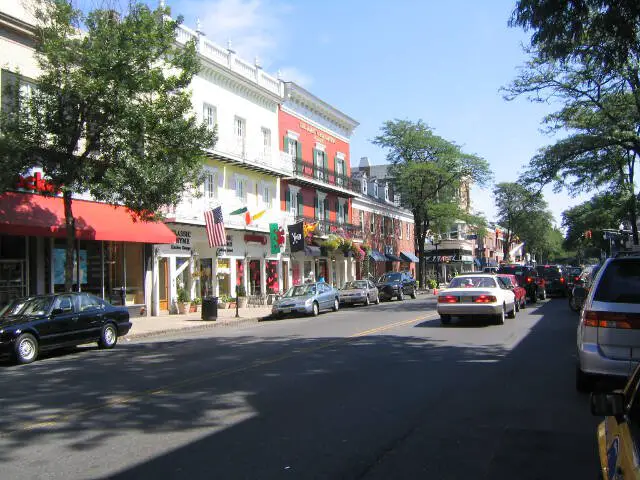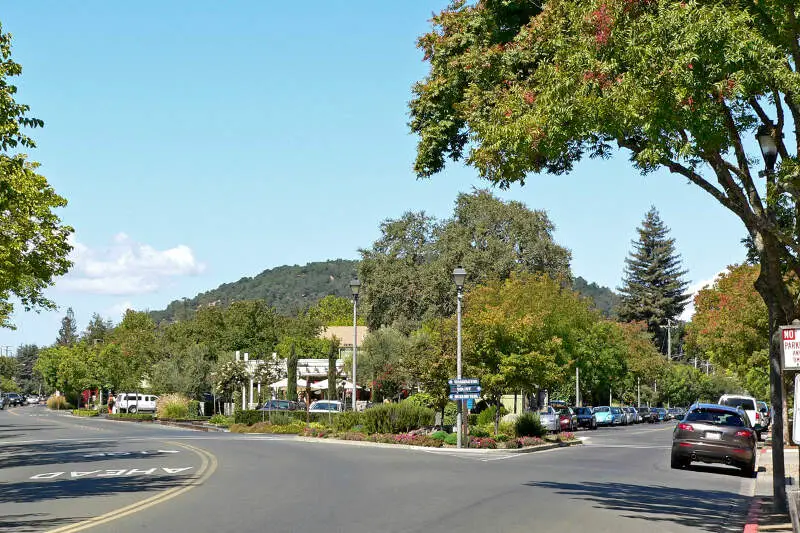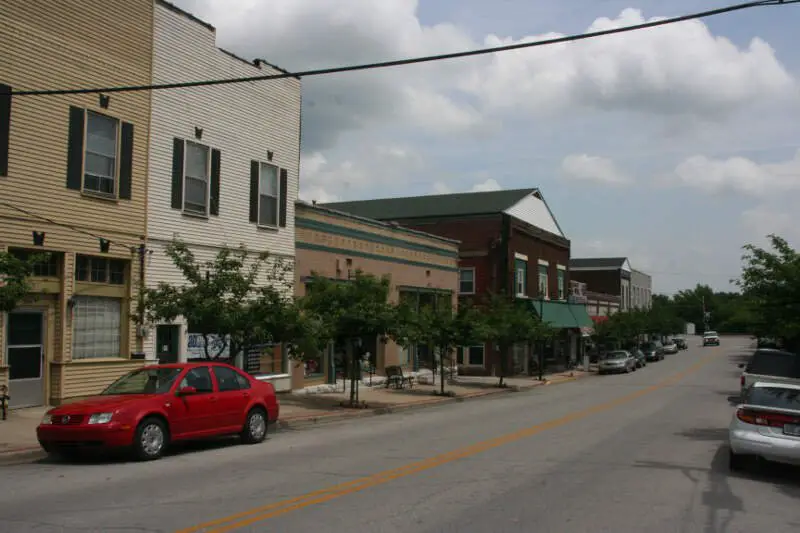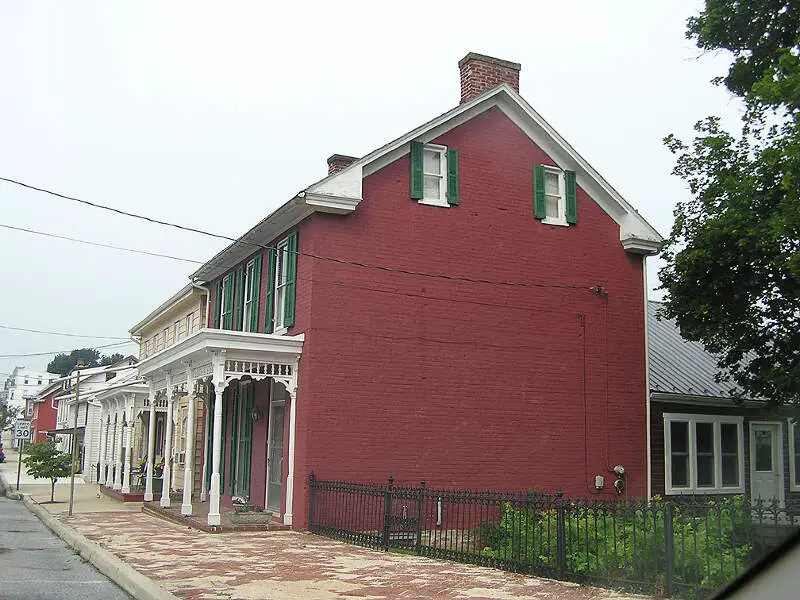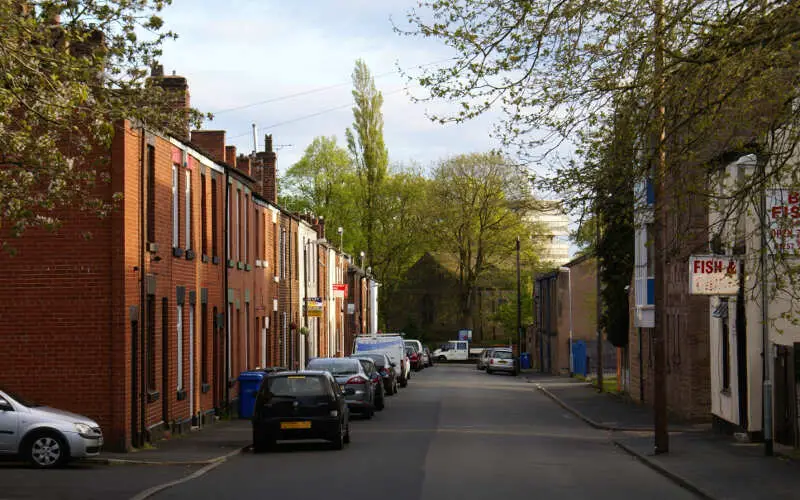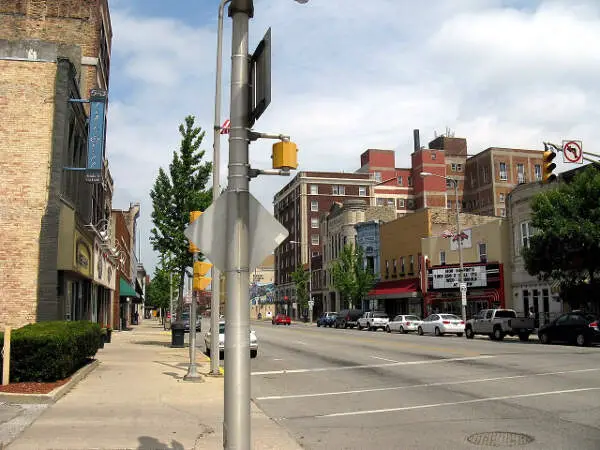
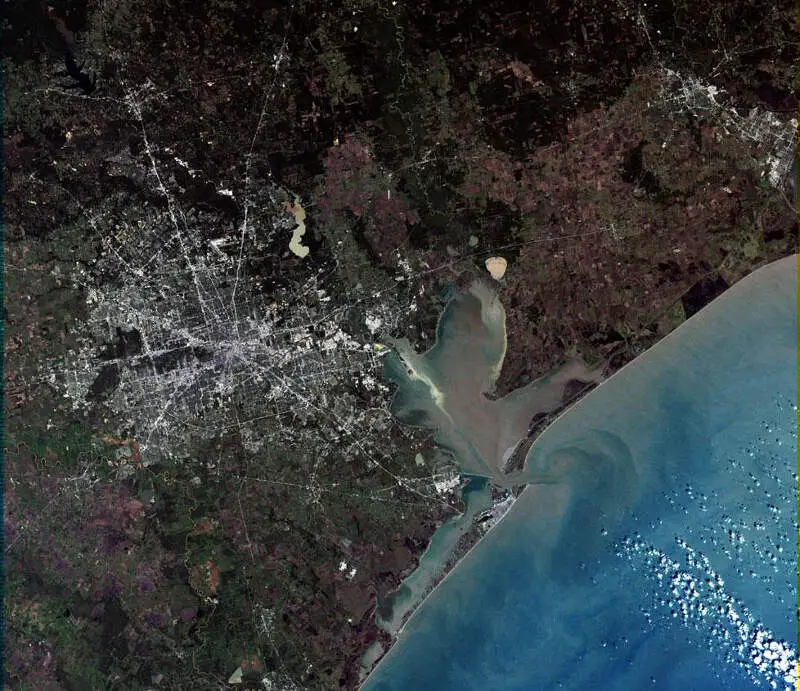
Oakland vs. Houston in photos
A side-by-side look at each city.




Cost of living
Houston is the cheaper city overall — 83% higher in Oakland than its rival. Index baseline: 100 = national average.
| Living expense | Oakland | Houston | US average |
|---|---|---|---|
| Overall | 190 | 104 | 100 |
| Services | 115 | 104 | 100 |
| Groceries | 121 | 98 | 100 |
| Health | 334 | 106 | 100 |
| Housing | 128 | 102 | 100 |
| Transportation | 124 | 104 | 100 |
| Utilities | 134 | 98 | 100 |
Lower index = cheaper. 100 = U.S. national average. Bar inside each cell scales relative to the highest value in the table.
Sources: HomeSnacks Cost of Living indices, normalized so 100 = U.S. national average. Drill in: Oakland cost of living, Houston cost of living, or the cheapest cities in America.
Housing breakdown
Home prices are higher in Oakland. Compare absolute price and price-to-income — a $500k home in a $100k-income city is very different from one in a $50k-income city.
| Metric | Oakland | Houston | United States |
|---|---|---|---|
| Median Home Value | $716,248 | $264,336 | $332,700 |
| Median Rent | $1,979 | $1,361 | $1,413 |
| Median Income | $101,600 | $64,813 | $80,734 |
| Home Value To Income | 7.0x | 4.1x | 4.1x |
| Rent To Monthly Income | 0.23x | 0.25x | 0.21x |
Source: U.S. Census Bureau ACS 2020-2024. See also states with the highest rent in America.
Crime
Houston is the safer city — total crime rate of 5,442 per 100k people vs 9,156 for Oakland. US average: 2,119.
| Crime (per 100k) | Oakland | Houston | US average |
|---|---|---|---|
| Total crime | 9,156 | 5,442 | 2,119 |
| Murder | 19 | 14 | 5 |
| Robbery | 680 | 274 | 61 |
| Aggravated Assault | 1,158 | 787 | 256 |
| Violent Crime | 1,925 | 1,148 | 359 |
| Burglary | 787 | 645 | 229 |
| Larceny | 4,165 | 2,946 | 1,272 |
| Car Theft | 2,279 | 703 | 259 |
| Property Crime | 7,230 | 4,293 | 1,760 |
Lower = safer. Bar inside each cell scales relative to the highest crime rate in the table.
Source: FBI Uniform Crime Reporting (2024). All rates are per 100,000 people. City pages: Oakland crime, Houston crime. See also: safest cities in America.
Diversity
Oakland is more racially diverse — lower HHI (closer to 0) means a more even mix across groups.
| Group | Oakland | Houston | United States |
|---|---|---|---|
| White | 27.8% | 23.2% | 57.4% |
| African American | 19.7% | 22.3% | 11.9% |
| American Indian | 0.3% | 0.1% | 0.5% |
| Asian | 15.7% | 6.9% | 5.9% |
| Hawaiian | 0.4% | 0.1% | 0.2% |
| Other | 0.9% | 0.4% | 0.6% |
| Two Or More | 6.6% | 2.8% | 4.3% |
| Hispanic | 28.7% | 44.2% | 19.3% |
Source: U.S. Census ACS 2020-2024. Lower HHI = more even racial mix. See also: most diverse cities in America.
SnackAbility — overall quality of life
Oakland scores higher overall — 7/10 vs 4/10. SnackAbility is our 1–10 quality-of-life score; the median U.S. city scores a 7.
Scores are 0–10; both bars share the same scale.
SnackAbility is a HomeSnacks proprietary 1–10 score blending jobs, housing, education, commute, amenities, affordability, crime, and diversity. Median U.S. city ≈ 7. Data: Census, BLS, FBI. See also: best places to live in America.
Getting around: Oakland vs. Houston
How each city handles commuting, transit, walkability, and car culture — the day-to-day reality that shapes where you'd actually want to live.
Getting around Oakland without a car is genuinely practical. BART connects you to San Francisco, the East Bay suburbs, and the airport, and AC Transit buses fill in the gaps. Neighborhoods like Rockridge, Temescal, and Uptown are walkable enough that many residents go car-free or car-light.
If you drive, the Bay Bridge is the obvious route into San Francisco, but expect tolls and peak-hour gridlock on I-880 and I-580.
Houston is a different story. The Metro light rail covers a narrow corridor from downtown through the Museum District and Texas Medical Center, but with the city's vast footprint and low density, a car is effectively mandatory for most residents.
Houston's freeways, including I-10, I-45, and the Beltway 8 loop, rank among the most congested in the South. If a long daily drive bothers you, that gap between these two cities is hard to ignore.
Jobs and careers in Oakland vs. Houston
The local job market, dominant industries, and which city to choose based on your career.
Oakland's median household income of $101,600 reflects its position inside the Bay Area's technology economy. Even if your employer is across the bay in San Francisco or down in Silicon Valley, Oakland is a viable and increasingly common home base.
The Port of Oakland drives logistics and trade jobs, and healthcare institutions like Highland Hospital and UCSF Benny cover another slice of the market. Creative industries, media, and nonprofits round out the job market, though high costs mean salaries need to keep pace.
Houston's median household income of $64,813 looks modest by comparison, but a cost of living index of 104 (nearly half Oakland's 190) means paychecks stretch further. The city's energy sector (ExxonMobil, Chevron, Halliburton) draws engineers and finance professionals.
The Texas Medical Center, the largest medical complex in the world, holds tens of thousands of healthcare jobs. NASA's Johnson Space Center adds aerospace and tech roles in the Clear Lake corridor.
Weather and climate
What to expect day-to-day — sun, fog, heat, rain, and the seasonal extremes that shape the lifestyle.
Oakland's climate is one of the most consistently mild in the country. The marine layer rolling in off the bay keeps summers in the mid-70s, winters above freezing, and snow is essentially unheard of.
The trade-off is a damp, grey June and July (locals call it "Junuary") and the occasional spare-the-air day when wildfire smoke rolls in from the Sierras. Still, you can plan outdoor activities year-round with confidence.
Houston sits in a humid subtropical zone. Summers mean weeks above 95°F with suffocating humidity from June through September; winters are mild and short, rarely dropping below 40°F.
The bigger concern is volatility: Houston sits in hurricane territory, and storms like Harvey have shown how seriously the city floods. If oppressive summer heat is a dealbreaker, that seasonal gap between Oakland and Houston is hard to overstate.
Culture, nightlife, and entertainment
Food, music, neighborhoods, and the city vibe that gives each place its personality.
Oakland punches well above its size culturally. The Fox Theater and the Paramount anchor a live-music and performing-arts scene with real history: the city is the birthplace of artists from Green Day to Too Short. The Uptown and Temescal neighborhoods fill on weekends with galleries, cocktail bars, and restaurants.
The Fruitvale district has some of the best Mexican and Central American food in the Bay Area, and the dining scene overall is diverse and nationally recognized. The catch is cost: median rent runs $1,979.
Houston's scale (2.3 million people compared to Oakland's 439,000) translates into genuine cultural breadth. The Montrose and Midtown neighborhoods offer dense nightlife, and the Museum District puts the Museum of Fine Arts, the Menil Collection, and the Contemporary Arts Museum within walking distance of each other.
The city's Vietnamese, West African, and Mexican food scenes are among the best in the country, and with median rent at $1,361, you can afford to go out more often.
Outdoor activities and day trips
Parks, beaches, hikes, and the weekend escapes that define life outside the city limits.
Oakland's biggest outdoor asset is what surrounds it. The East Bay Regional Park District manages more than 73 parks and 1,200 miles of trails directly behind the city: Redwood Regional Park is a 15-minute drive from downtown, and Tilden Regional Park offers ridge-line hikes with views of the bay.
Lake Merritt is a walkable urban lagoon right in the city center, popular for jogging and kayaking. Day trips to Point Reyes, Muir Woods, and Napa Valley are all under two hours by car.
Houston's terrain is flat and coastal, which shapes what outdoor recreation looks like. Buffalo Bayou Park and Memorial Park, a 1,500-acre green space that rivals New York's Central Park in size, give urban residents solid running and cycling options. The Bayou Greenways network threads 150 miles of trails across the city.
Galveston Island is about an hour's drive for beach days. The city trades dramatic elevation for accessible green space and easy Gulf Coast access.
Bottom line: which city is right for you?
Based on the head-to-head data above, here's the short version — pick the city that lines up with what you actually care about.
Choose Oakland if you prioritize…
- more affordable housing relative to Houston.
- a more racially diverse community (lower HHI on Census data).
- a higher overall SnackAbility quality-of-life score.
Choose Houston if you prioritize…
- a lower cost of living (cheaper groceries, services, and day-to-day expenses).
- lower crime — a safer place to live, work, and raise a family.
Methodology: winners are picked from public data — U.S. Census Bureau ACS (income, home value, rent, race/HHI), FBI Uniform Crime Reporting (crime rates per 100k), and HomeSnacks' proprietary SnackAbility quality-of-life score, which blends Bureau of Labor Statistics data with the above.
Other comparisons
Still weighing your options? See how these two cities stack up against other places we've compared head-to-head.