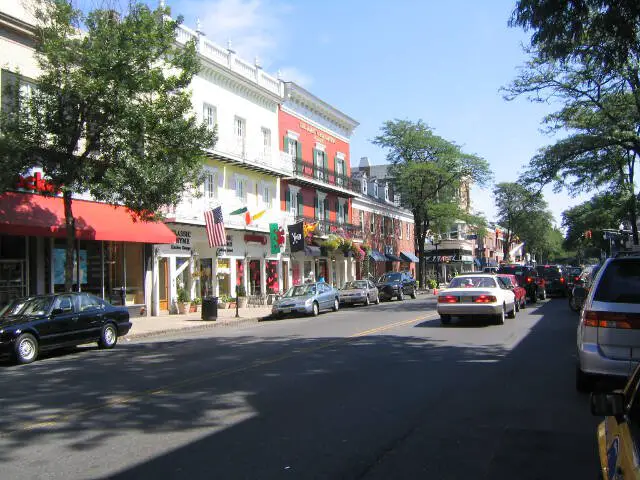
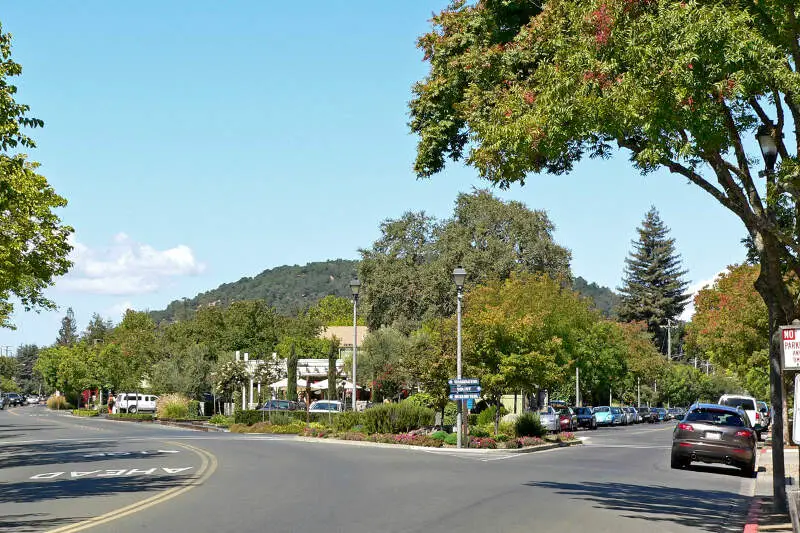
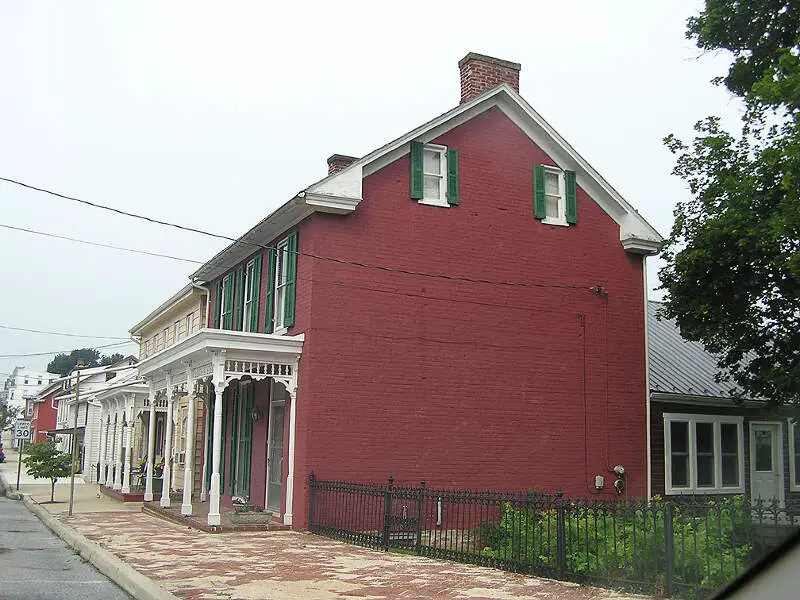
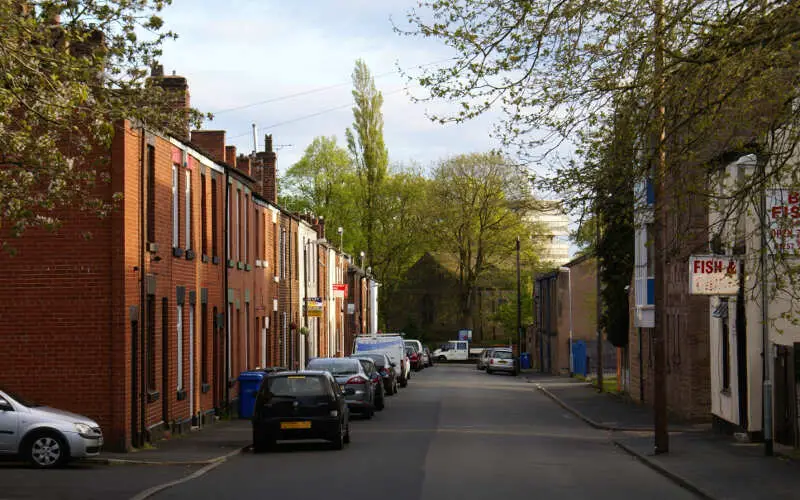
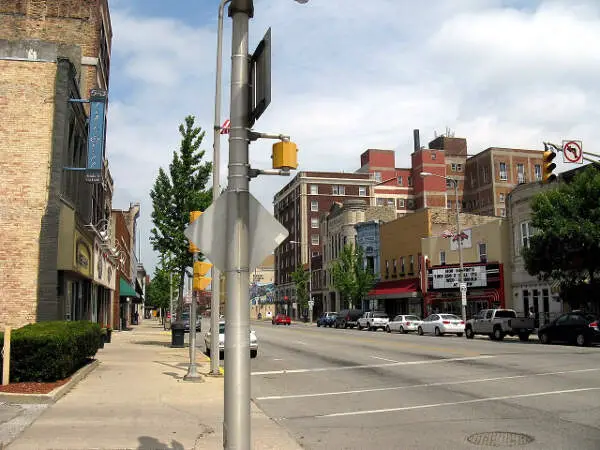
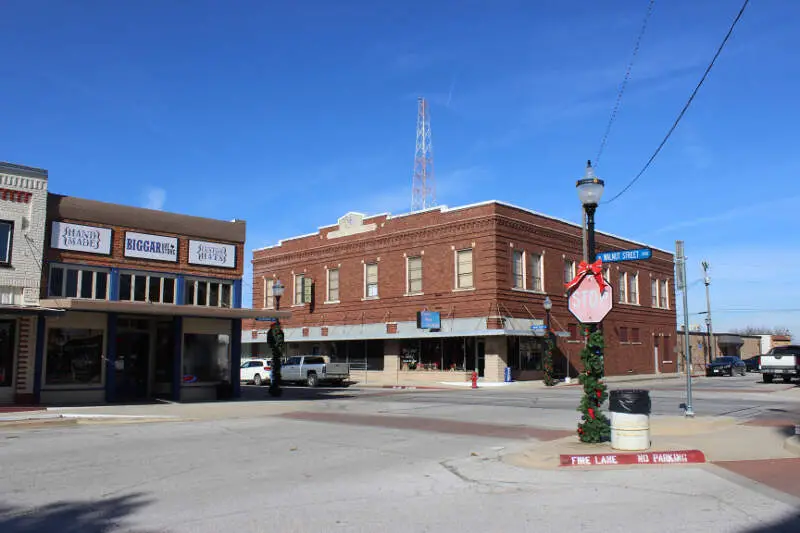
St. Paul vs. Minneapolis in photos
A side-by-side look at each city.





Cost of living
St. Paul is the cheaper city overall — 11% higher in Minneapolis than its rival. Index baseline: 100 = national average.
| Living expense | St. Paul | Minneapolis | US average |
|---|---|---|---|
| Overall | 103 | 116 | 100 |
| Services | 98 | 103 | 100 |
| Groceries | 105 | 100 | 100 |
| Health | 112 | 142 | 100 |
| Housing | 99 | 103 | 100 |
| Transportation | 107 | 107 | 100 |
| Utilities | 95 | 105 | 100 |
Lower index = cheaper. 100 = U.S. national average. Bar inside each cell scales relative to the highest value in the table.
Sources: HomeSnacks Cost of Living indices, normalized so 100 = U.S. national average. Drill in: St. Paul cost of living, Minneapolis cost of living, or the cheapest cities in America.
Housing breakdown
Home prices are higher in Minneapolis. Compare absolute price and price-to-income — a $500k home in a $100k-income city is very different from one in a $50k-income city.
| Metric | St. Paul | Minneapolis | United States |
|---|---|---|---|
| Median Home Value | $293,972 | $330,882 | $332,700 |
| Median Rent | $1,281 | $1,371 | $1,413 |
| Median Income | $73,394 | $80,846 | $80,734 |
| Home Value To Income | 4.0x | 4.1x | 4.1x |
| Rent To Monthly Income | 0.21x | 0.2x | 0.21x |
Source: U.S. Census Bureau ACS 2020-2024. See also states with the highest rent in America.
Crime
St. Paul is the safer city — total crime rate of 3,714 per 100k people vs 6,384 for Minneapolis. US average: 2,119.
| Crime (per 100k) | St. Paul | Minneapolis | US average |
|---|---|---|---|
| Total crime | 3,714 | 6,384 | 2,119 |
| Murder | 9 | 17 | 5 |
| Robbery | 127 | 340 | 61 |
| Aggravated Assault | 421 | 688 | 256 |
| Violent Crime | 624 | 1,132 | 359 |
| Burglary | 434 | 606 | 229 |
| Larceny | 1,963 | 2,806 | 1,272 |
| Car Theft | 693 | 1,841 | 259 |
| Property Crime | 3,090 | 5,253 | 1,760 |
Lower = safer. Bar inside each cell scales relative to the highest crime rate in the table.
Source: FBI Uniform Crime Reporting (2024). All rates are per 100,000 people. City pages: St. Paul crime, Minneapolis crime. See also: safest cities in America.
Diversity
St. Paul is more racially diverse — lower HHI (closer to 0) means a more even mix across groups.
| Group | St. Paul | Minneapolis | United States |
|---|---|---|---|
| White | 50.0% | 58.8% | 57.4% |
| African American | 15.7% | 18.5% | 11.9% |
| American Indian | 0.4% | 0.7% | 0.5% |
| Asian | 17.8% | 5.3% | 5.9% |
| Hawaiian | 0.0% | 0.0% | 0.2% |
| Other | 0.4% | 0.6% | 0.6% |
| Two Or More | 6.1% | 6.0% | 4.3% |
| Hispanic | 9.5% | 10.1% | 19.3% |
Source: U.S. Census ACS 2020-2024. Lower HHI = more even racial mix. See also: most diverse cities in America.
SnackAbility — overall quality of life
Minneapolis scores higher overall — 7/10 vs 6/10. SnackAbility is our 1–10 quality-of-life score; the median U.S. city scores a 7.
Scores are 0–10; both bars share the same scale.
SnackAbility is a HomeSnacks proprietary 1–10 score blending jobs, housing, education, commute, amenities, affordability, crime, and diversity. Median U.S. city ≈ 7. Data: Census, BLS, FBI. See also: best places to live in America.
Getting around: St. Paul vs. Minneapolis
How each city handles commuting, transit, walkability, and car culture — the day-to-day reality that shapes where you'd actually want to live.
The Green Line light rail runs from Union Depot in Lowertown St. Paul to downtown Minneapolis in about 45 minutes, no car required. That shared Metro Transit network gives Twin Cities commuters a real option, though Minneapolis has a denser bus network and the Blue Line extending south to the airport and Mall of America. St. Paul's street grid and lower density make driving more predictable, with cheaper downtown parking, but you'll still hit congestion on I-94 during rush hour.
Minneapolis consistently ranks among the most bike-friendly large cities in the country, backed by a protected lane network and the Midtown Greenway cutting across the south side. St. Paul has added bike infrastructure along the river and through Lowertown, but the gap between the two is still noticeable. If you commute by bike, Minneapolis has more to offer; if you'd rather drive and pay less for parking, St. Paul has the edge.
Jobs and careers in St. Paul vs. Minneapolis
The local job market, dominant industries, and which city to choose based on your career.
Minneapolis is the corporate heavyweight, home to Target, Best Buy, U.S. Bancorp, UnitedHealth Group, and Xcel Energy, all headquartered within a short drive of downtown. That concentration of Fortune 500 employers pushes median household income to $80,846 and supports a professional-services and tech ecosystem in neighborhoods like the North Loop. The cost of living index of 116 (vs. the U.S. average) reflects how much demand that job market creates.
St. Paul holds its own with 3M in Maplewood, Ecolab, Securian Financial, and a large state-government workforce centered around the Capitol complex. Median household income runs $73,394 — lower than Minneapolis, but a cost of living index of 103 means your dollar goes further. Healthcare and education jobs are strong in both cities through systems like Allina Health, M Health Fairview, and the University of Minnesota; if you're chasing salary ceiling, Minneapolis wins, but St. Paul competes on income-to-cost balance.
Weather and climate
What to expect day-to-day — sun, fog, heat, rain, and the seasonal extremes that shape the lifestyle.
Both cities share the same Upper Midwest climate: winters that regularly drop below zero, springs that arrive late and muddy, and summers that reward your patience with long days in the upper 70s to mid-80s. Minneapolis averages a few inches more snow annually, and wind chills will test any coat you own. Fall foliage along the Mississippi and in Como Park is the climate's clearest upside.
The weather itself is nearly identical — the two cities are about 10 miles apart. Minneapolis has the more extensive downtown skyway (nearly 8 miles of connected indoor walkways), which makes winter commuting far more bearable if you work in the core; St. Paul's version is smaller but covers the essentials. Neither city shuts down for snow, and both lean into winter with events like St. Paul's iconic Winter Carnival.
Culture, nightlife, and entertainment
Food, music, neighborhoods, and the city vibe that gives each place its personality.
First Avenue — where Prince recorded — anchors a live-music scene that draws national acts and local talent nightly. The Guthrie Theater on the riverfront, the Walker Art Center, and the North Loop bar scene give Minneapolis the cultural density of a much larger city. Uptown and Northeast Minneapolis add independent restaurants, galleries, and late-night options that run well past midnight.
St. Paul is quieter but has its own distinct personality, with Grand Avenue as one of the Twin Cities' best restaurant-and-boutique strips and Cathedral Hill around W. 7th Street adding a solid bar scene. Lowertown pulls in artists' lofts, the Farmers Market, and the Palace Theatre, while the Xcel Energy Center brings the Minnesota Wild and major concerts to downtown. If you prefer a neighborhood feel over a scene, St. Paul suits you; if you want density of options on a Friday night, Minneapolis wins.
Outdoor activities and day trips
Parks, beaches, hikes, and the weekend escapes that define life outside the city limits.
Minneapolis is built around water: the Chain of Lakes (Bde Maka Ska, Lake Harriet, Cedar Lake, and Lake of the Isles) gives you a nearly continuous loop of paved trails for running, cycling, and paddling within city limits. Minnehaha Falls and the gorge trail system along the Mississippi add dramatic terrain close to downtown. The city's park system is routinely rated among the best in the country, and you'll find yourself using it on weekday evenings too.
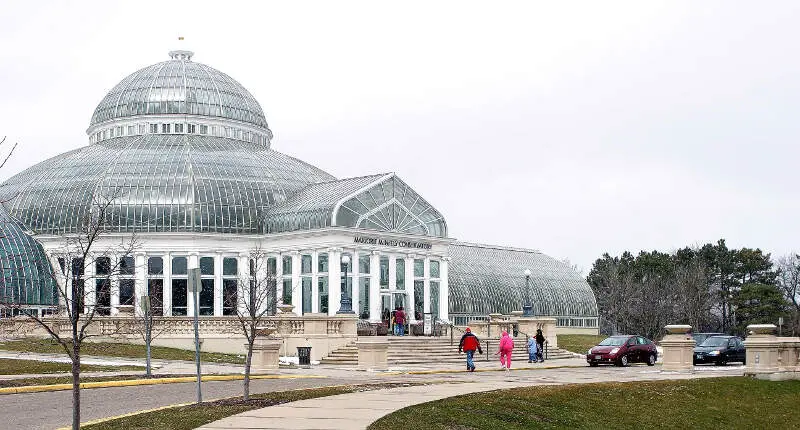
St. Paul's outdoor scene runs along the Mississippi bluffs and through its regional parks: Como Regional Park has a free zoo, conservatory, and a lakeside trail accessible year-round, while Battle Creek Regional Park on the southeast side has mountain biking and wooded hiking. For bigger trips, both cities are within a couple hours of the Boundary Waters Canoe Area Wilderness to the north and the Driftless Area to the southeast. Minneapolis has the edge in urban green space density; St. Paul offers more elbow room and a rougher feel at its best spots.
Bottom line: which city is right for you?
Based on the head-to-head data above, here's the short version — pick the city that lines up with what you actually care about.
Choose St. Paul if you prioritize…
- a lower cost of living (cheaper groceries, services, and day-to-day expenses).
- lower crime — a safer place to live, work, and raise a family.
- a more racially diverse community (lower HHI on Census data).
Choose Minneapolis if you prioritize…
- more affordable housing relative to St. Paul.
- a higher overall SnackAbility quality-of-life score.
Methodology: winners are picked from public data — U.S. Census Bureau ACS (income, home value, rent, race/HHI), FBI Uniform Crime Reporting (crime rates per 100k), and HomeSnacks' proprietary SnackAbility quality-of-life score, which blends Bureau of Labor Statistics data with the above.
Other comparisons
Still weighing your options? See how these two cities stack up against other places we've compared head-to-head.