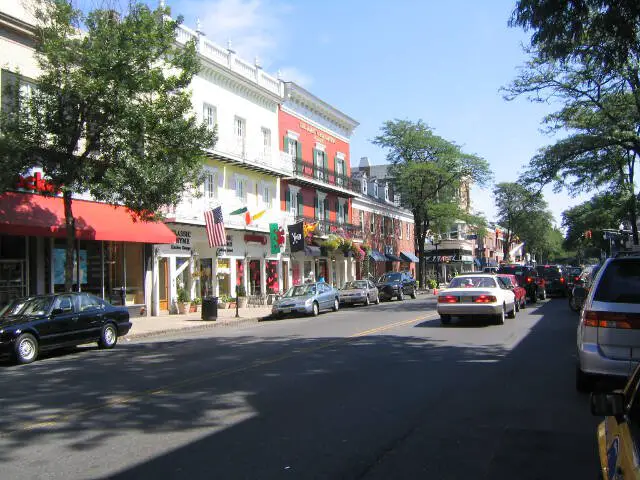
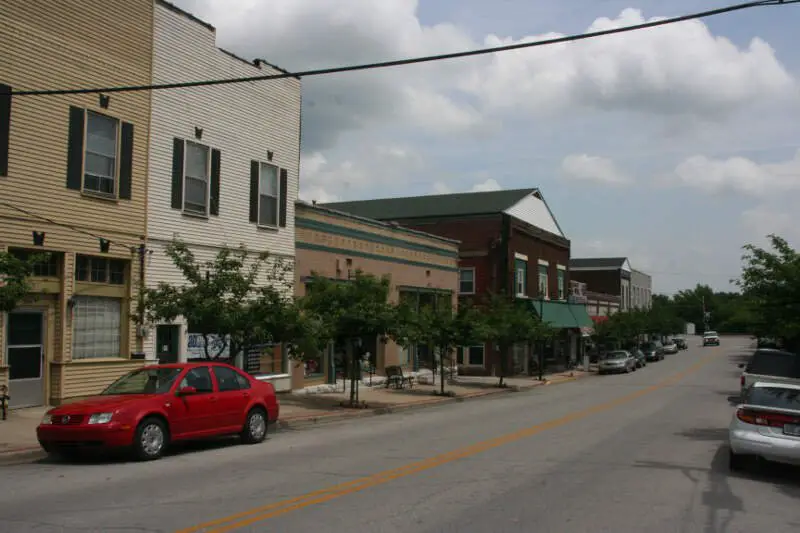
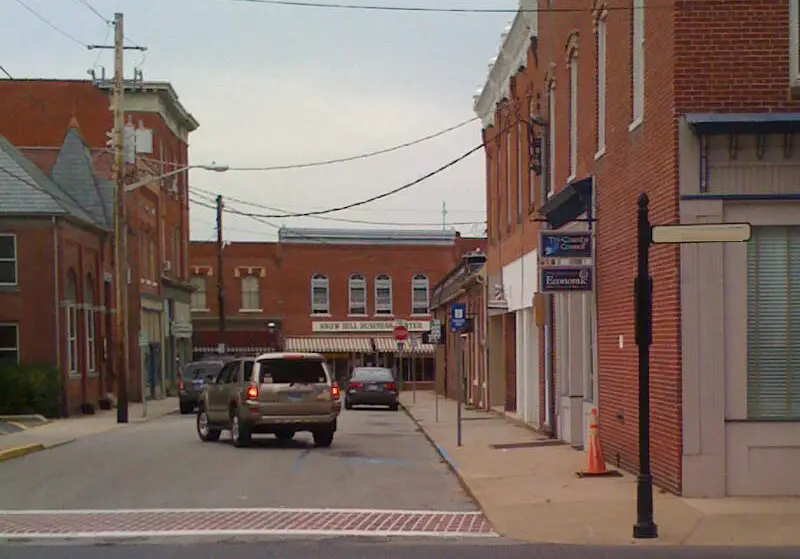
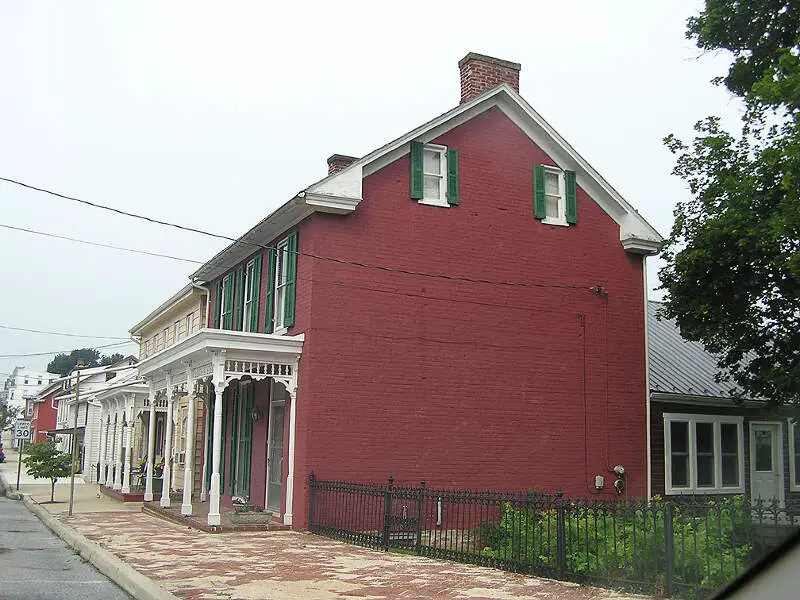
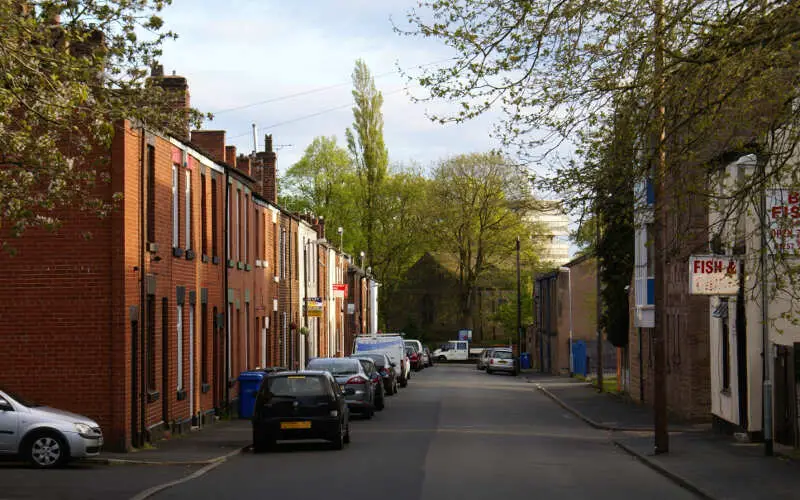
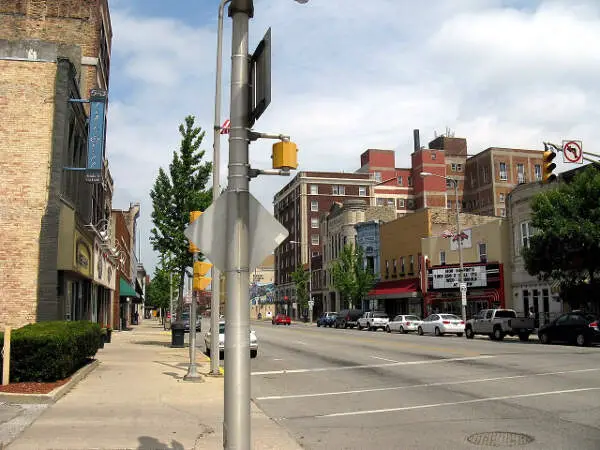
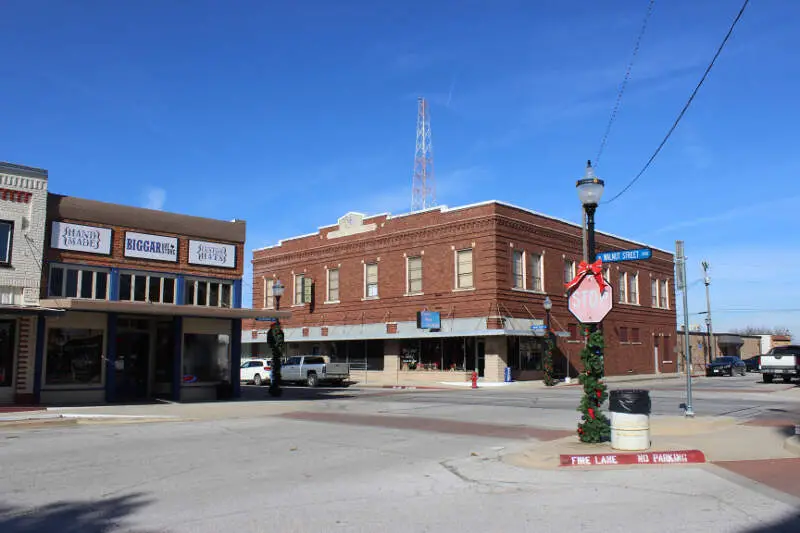
Indianapolis vs. Minneapolis in photos
A side-by-side look at each city.






Cost of living
Indianapolis is the cheaper city overall — 19% higher in Minneapolis than its rival. Index baseline: 100 = national average.
| Living expense | Indianapolis | Minneapolis | US average |
|---|---|---|---|
| Overall | 94 | 116 | 100 |
| Services | 97 | 103 | 100 |
| Groceries | 97 | 100 | 100 |
| Health | 84 | 142 | 100 |
| Housing | 100 | 103 | 100 |
| Transportation | 99 | 107 | 100 |
| Utilities | 95 | 105 | 100 |
Lower index = cheaper. 100 = U.S. national average. Bar inside each cell scales relative to the highest value in the table.
Sources: HomeSnacks Cost of Living indices, normalized so 100 = U.S. national average. Drill in: Indianapolis cost of living, Minneapolis cost of living, or the cheapest cities in America.
Housing breakdown
Home prices are higher in Minneapolis. Compare absolute price and price-to-income — a $500k home in a $100k-income city is very different from one in a $50k-income city.
| Metric | Indianapolis | Minneapolis | United States |
|---|---|---|---|
| Median Home Value | $229,209 | $330,882 | $332,700 |
| Median Rent | $1,156 | $1,371 | $1,413 |
| Median Income | $66,219 | $80,846 | $80,734 |
| Home Value To Income | 3.5x | 4.1x | 4.1x |
| Rent To Monthly Income | 0.21x | 0.2x | 0.21x |
Source: U.S. Census Bureau ACS 2020-2024. See also states with the highest rent in America.
Crime
Indianapolis is the safer city — total crime rate of 4,214 per 100k people vs 6,384 for Minneapolis. US average: 2,119.
| Crime (per 100k) | Indianapolis | Minneapolis | US average |
|---|---|---|---|
| Total crime | 4,214 | 6,384 | 2,119 |
| Murder | 20 | 17 | 5 |
| Robbery | 143 | 340 | 61 |
| Aggravated Assault | 656 | 688 | 256 |
| Violent Crime | 878 | 1,132 | 359 |
| Burglary | 518 | 606 | 229 |
| Larceny | 2,072 | 2,806 | 1,272 |
| Car Theft | 746 | 1,841 | 259 |
| Property Crime | 3,336 | 5,253 | 1,760 |
Lower = safer. Bar inside each cell scales relative to the highest crime rate in the table.
Source: FBI Uniform Crime Reporting (2024). All rates are per 100,000 people. City pages: Indianapolis crime, Minneapolis crime. See also: safest cities in America.
Diversity
Indianapolis is more racially diverse — lower HHI (closer to 0) means a more even mix across groups.
| Group | Indianapolis | Minneapolis | United States |
|---|---|---|---|
| White | 48.9% | 58.8% | 57.4% |
| African American | 27.6% | 18.5% | 11.9% |
| American Indian | 0.1% | 0.7% | 0.5% |
| Asian | 4.2% | 5.3% | 5.9% |
| Hawaiian | 0.0% | 0.0% | 0.2% |
| Other | 0.6% | 0.6% | 0.6% |
| Two Or More | 4.9% | 6.0% | 4.3% |
| Hispanic | 13.8% | 10.1% | 19.3% |
Source: U.S. Census ACS 2020-2024. Lower HHI = more even racial mix. See also: most diverse cities in America.
SnackAbility — overall quality of life
Minneapolis scores higher overall — 7/10 vs 5/10. SnackAbility is our 1–10 quality-of-life score; the median U.S. city scores a 7.
Scores are 0–10; both bars share the same scale.
SnackAbility is a HomeSnacks proprietary 1–10 score blending jobs, housing, education, commute, amenities, affordability, crime, and diversity. Median U.S. city ≈ 7. Data: Census, BLS, FBI. See also: best places to live in America.
Getting around: Indianapolis vs. Minneapolis
How each city handles commuting, transit, walkability, and car culture — the day-to-day reality that shapes where you'd actually want to live.
Indianapolis is a car city. The I-465 beltway loops the metro, and most residents drive to work at commute times close to the national average on roads that rarely back up badly. IndyGo's Red Line BRT runs along College Avenue, but frequency and coverage are thin compared to larger metros, so life without a car is genuinely inconvenient outside downtown.
Minneapolis gives you more options. Metro Transit's Blue Line light rail connects downtown to the airport and Mall of America; the Green Line runs to Saint Paul. The skyway system (80 blocks of enclosed pedestrian walkways) lets downtown workers get through brutal winters without a coat.
Biking is also practical, with protected lanes and the Midtown Greenway forming a real network. If you'd rather not drive daily, Minneapolis makes that work in a way Indianapolis doesn't.
Jobs and careers in Indianapolis vs. Minneapolis
The local job market, dominant industries, and which city to choose based on your career.
Indianapolis is a stronger job market than its size suggests. Eli Lilly, Salesforce (which has a prominent downtown tower), Rolls-Royce, Cummins, and the IU Health system give the city depth in life sciences, tech, and manufacturing. A cost of living index of 94 means salaries go further here than in most comparable metros, and median household income sits at $66,219.
Minneapolis has a concentration of Fortune 500 companies that few cities its size can match: Target, Best Buy, General Mills, UnitedHealth Group, and Medtronic all have headquarters or major campuses in the metro. That corporate depth pushes median household income to $80,846, though a cost of living index of 116 means you need that premium just to keep pace. For career growth in finance, healthcare technology, or consumer goods, Minneapolis has more rungs on the ladder.
Weather and climate
What to expect day-to-day — sun, fog, heat, rain, and the seasonal extremes that shape the lifestyle.
Indianapolis has a humid-continental climate: hot, humid summers that push into the low 90s and winters with regular snow that rarely stay brutal for more than a few weeks. Spring tornado risk is real; keeping a weather app handy in April and May is just local habit. It's not a mild city, but most transplants adjust.
Minneapolis winters are among the harshest of any major U.S. city. January lows of minus 10°F to minus 20°F are not unusual, and snow can arrive as early as October and linger into April. Summers flip things: warm, green, and less humid than Indianapolis.
If cold weather energizes you (skiing, ice fishing, skating on frozen lakes), Minneapolis winters have real appeal. Otherwise, Indianapolis is the softer landing.
Culture, nightlife, and entertainment
Food, music, neighborhoods, and the city vibe that gives each place its personality.
Indianapolis has a solid cultural base anchored by the Massachusetts Avenue Arts District, with indie restaurants, galleries, and the Phoenix Theatre in the mix. Lucas Oil Stadium draws Colts crowds, Gainbridge Fieldhouse hosts the Pacers, and the Indianapolis Motor Speedway makes May an event unlike anything else in the country. The dining scene in Fountain Square and Broad Ripple has grown considerably over the last decade.
Minneapolis has more cultural depth than most cities its size. First Avenue, where Prince recorded Purple Rain, has a national reputation as a live-music venue; the Walker Art Center, Guthrie Theater, and Minneapolis Institute of Art round out a serious arts scene. The North Loop has some of the best independent restaurants in the Upper Midwest, and the bar and live-music scene in Uptown stays active year-round.
Median rent runs $1,371 versus $1,156 in Indianapolis, so you'll pay a premium, but the cultural density tends to justify it.
Outdoor activities and day trips
Parks, beaches, hikes, and the weekend escapes that define life outside the city limits.
Indianapolis holds up well outdoors for a flat Midwestern city. Eagle Creek Park, one of the largest municipally owned parks in the country, has a reservoir popular for sailing, kayaking, and hiking; White River State Park puts trails within walking distance of downtown. Brown County State Park, about an hour south, has rugged terrain and fall foliage that regularly surprises visitors, and Hoosier National Forest is a workable day trip.
Minneapolis has an outdoor edge that its winter reputation tends to bury. The Chain of Lakes (Calhoun, Harriet, Isles, Cedar) links up swimming beaches, running paths, and paddleboarding spots that stand out even by major-city park standards. The Midtown Greenway and regional trail network make cycling realistic in most seasons.
For serious wilderness, the Boundary Waters Canoe Area Wilderness is roughly four hours north: a backcountry paddling destination that Indianapolis has nothing comparable to within a day's drive.
Bottom line: which city is right for you?
Based on the head-to-head data above, here's the short version — pick the city that lines up with what you actually care about.
Choose Indianapolis if you prioritize…
- a lower cost of living (cheaper groceries, services, and day-to-day expenses).
- lower crime — a safer place to live, work, and raise a family.
- a more racially diverse community (lower HHI on Census data).
Choose Minneapolis if you prioritize…
- more affordable housing relative to Indianapolis.
- a higher overall SnackAbility quality-of-life score.
Methodology: winners are picked from public data — U.S. Census Bureau ACS (income, home value, rent, race/HHI), FBI Uniform Crime Reporting (crime rates per 100k), and HomeSnacks' proprietary SnackAbility quality-of-life score, which blends Bureau of Labor Statistics data with the above.
Other comparisons
Still weighing your options? See how these two cities stack up against other places we've compared head-to-head.