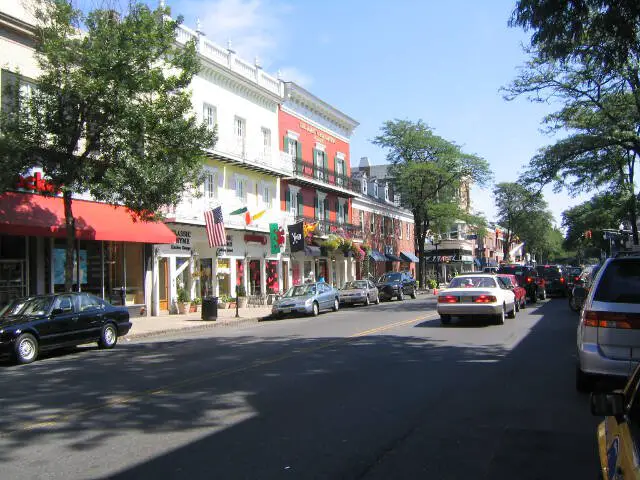
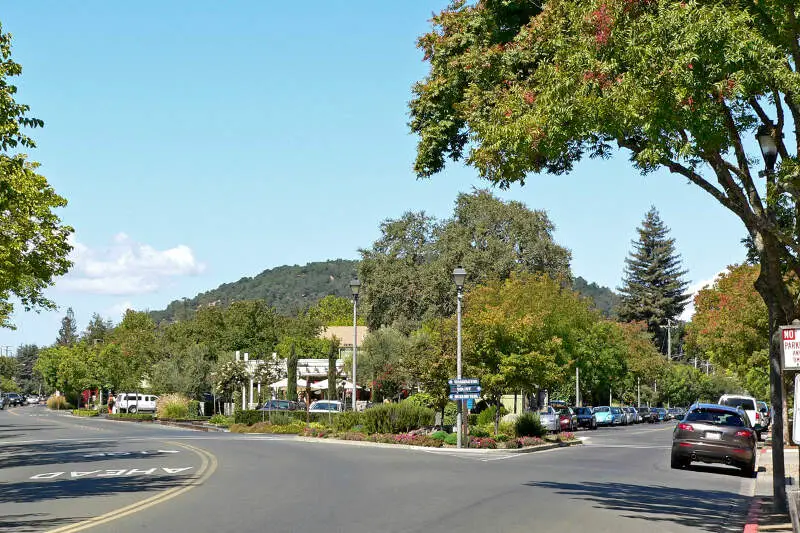
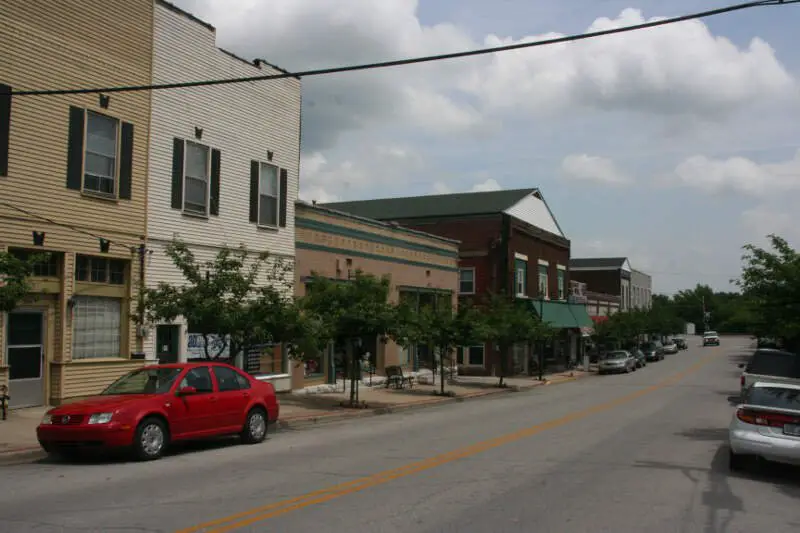
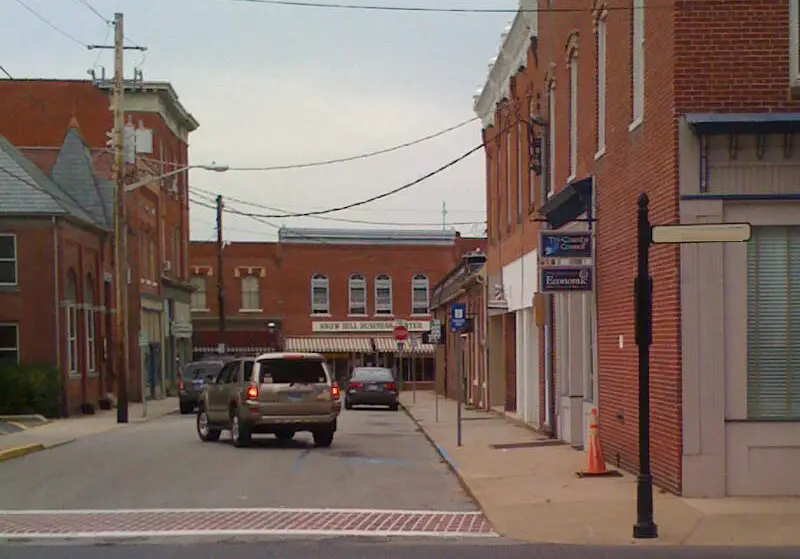
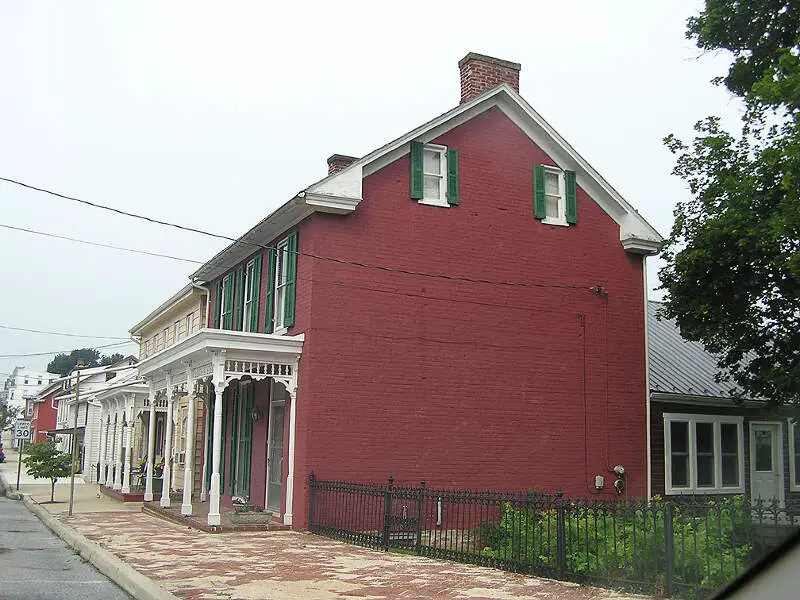
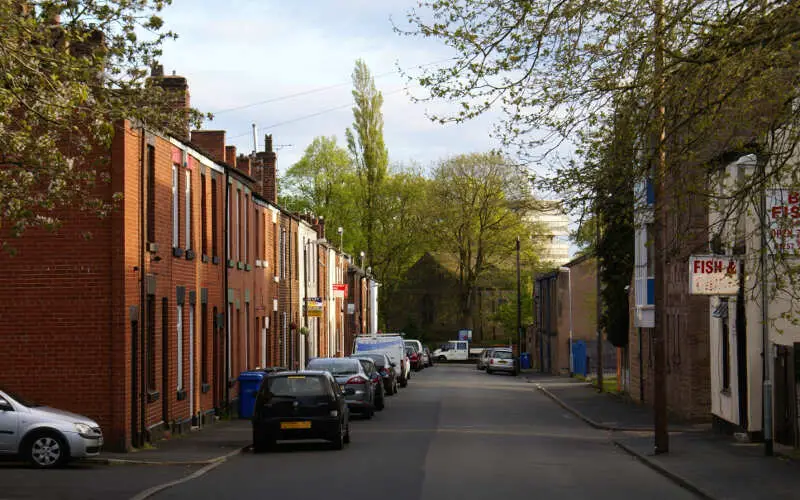
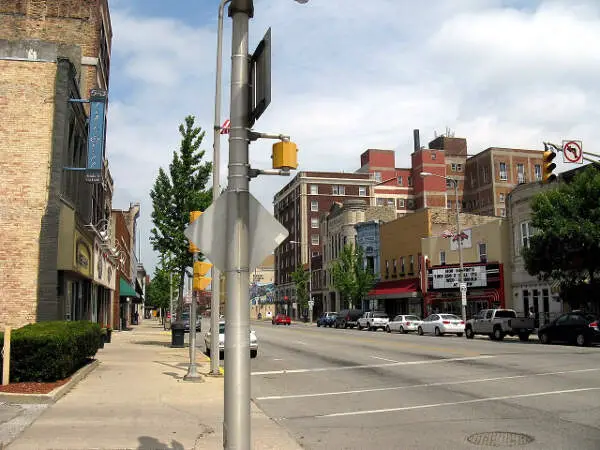
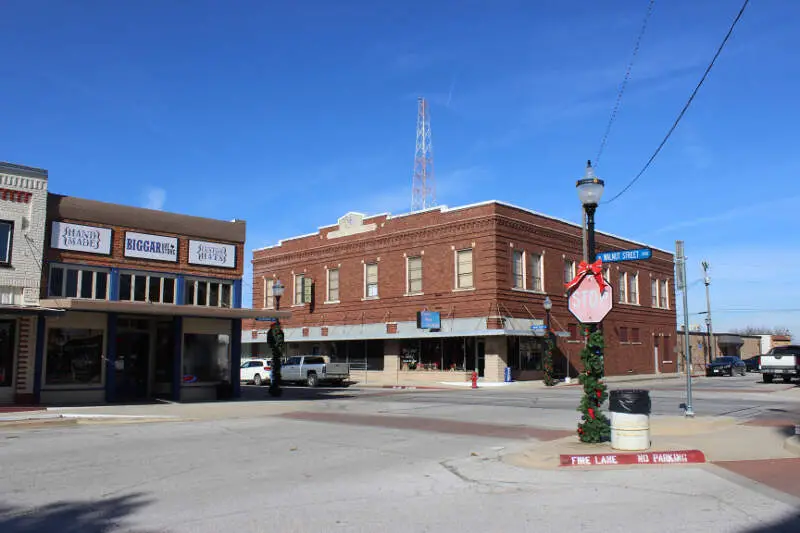
Wichita vs. Oklahoma City in photos
A side-by-side look at each city.

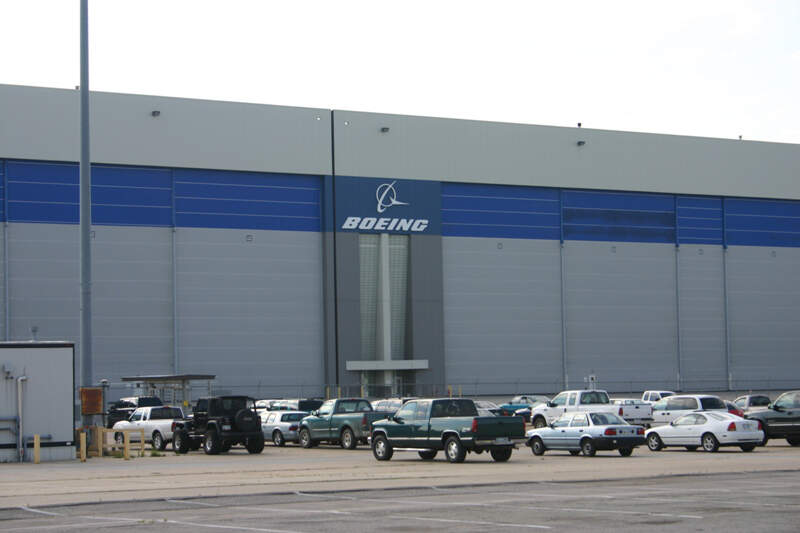

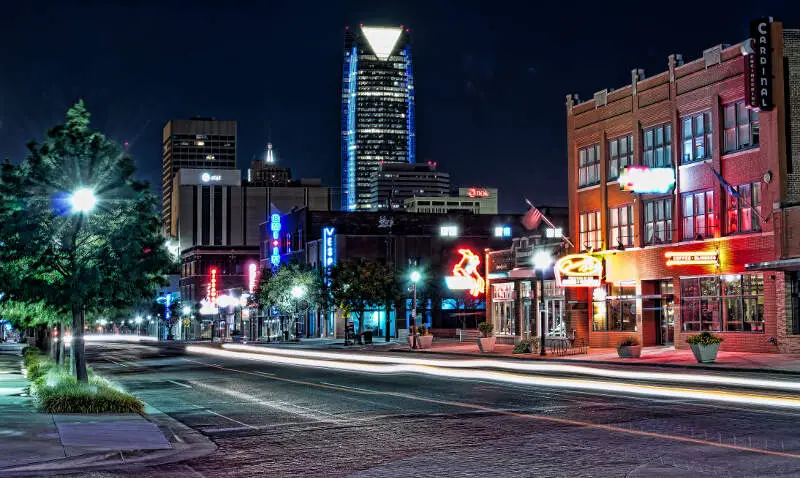
Cost of living
Wichita is the cheaper city overall — 4% higher in Oklahoma City than its rival. Index baseline: 100 = national average.
| Living expense | Wichita | Oklahoma City | US average |
|---|---|---|---|
| Overall | 92 | 96 | 100 |
| Services | 98 | 94 | 100 |
| Groceries | 92 | 97 | 100 |
| Health | 80 | 91 | 100 |
| Housing | 97 | 99 | 100 |
| Transportation | 95 | 99 | 100 |
| Utilities | 94 | 96 | 100 |
Lower index = cheaper. 100 = U.S. national average. Bar inside each cell scales relative to the highest value in the table.
Sources: HomeSnacks Cost of Living indices, normalized so 100 = U.S. national average. Drill in: Wichita cost of living, Oklahoma City cost of living, or the cheapest cities in America.
Housing breakdown
Home prices are higher in Oklahoma City. Compare absolute price and price-to-income — a $500k home in a $100k-income city is very different from one in a $50k-income city.
| Metric | Wichita | Oklahoma City | United States |
|---|---|---|---|
| Median Home Value | $202,719 | $206,712 | $332,700 |
| Median Rent | $975 | $1,130 | $1,413 |
| Median Income | $64,620 | $68,656 | $80,734 |
| Home Value To Income | 3.1x | 3.0x | 4.1x |
| Rent To Monthly Income | 0.18x | 0.2x | 0.21x |
Source: U.S. Census Bureau ACS 2020-2024. See also states with the highest rent in America.
Crime
Wichita is the safer city — total crime rate of 2,842 per 100k people vs 3,569 for Oklahoma City. US average: 2,119.
| Crime (per 100k) | Wichita | Oklahoma City | US average |
|---|---|---|---|
| Total crime | 2,842 | 3,569 | 2,119 |
| Murder | 8 | 10 | 5 |
| Robbery | 50 | 100 | 61 |
| Aggravated Assault | 447 | 493 | 256 |
| Violent Crime | 539 | 676 | 359 |
| Burglary | 263 | 583 | 229 |
| Larceny | 1,791 | 1,951 | 1,272 |
| Car Theft | 249 | 360 | 259 |
| Property Crime | 2,303 | 2,893 | 1,760 |
Lower = safer. Bar inside each cell scales relative to the highest crime rate in the table.
Source: FBI Uniform Crime Reporting (2024). All rates are per 100,000 people. City pages: Wichita crime, Oklahoma City crime. See also: safest cities in America.
Diversity
Oklahoma City is more racially diverse — lower HHI (closer to 0) means a more even mix across groups.
| Group | Wichita | Oklahoma City | United States |
|---|---|---|---|
| White | 59.5% | 50.1% | 57.4% |
| African American | 9.3% | 13.1% | 11.9% |
| American Indian | 0.4% | 2.1% | 0.5% |
| Asian | 4.9% | 4.5% | 5.9% |
| Hawaiian | 0.0% | 0.1% | 0.2% |
| Other | 0.5% | 0.5% | 0.6% |
| Two Or More | 6.4% | 7.6% | 4.3% |
| Hispanic | 19.0% | 22.1% | 19.3% |
Source: U.S. Census ACS 2020-2024. Lower HHI = more even racial mix. See also: most diverse cities in America.
SnackAbility — overall quality of life
Wichita scores higher overall — 7/10 vs 4/10. SnackAbility is our 1–10 quality-of-life score; the median U.S. city scores a 7.
Scores are 0–10; both bars share the same scale.
SnackAbility is a HomeSnacks proprietary 1–10 score blending jobs, housing, education, commute, amenities, affordability, crime, and diversity. Median U.S. city ≈ 7. Data: Census, BLS, FBI. See also: best places to live in America.
Getting around: Wichita vs. Oklahoma City
How each city handles commuting, transit, walkability, and car culture — the day-to-day reality that shapes where you'd actually want to live.
Both Wichita and Oklahoma City are drive-everywhere cities — owning a car isn't optional in either place. Wichita Transit covers the basics with infrequent routes that most residents skip. Oklahoma City's EMBARK system is equally thin, but the downtown OKC Streetcar adds a useful loop connecting Bricktown, Midtown, and the Arts District, giving OKC an edge for car-free errands in the urban core.
On the road, neither city has much congestion by national standards. Wichita's grid keeps cross-town trips predictable, and Oklahoma City's I-235 and I-44 spokes move traffic well outside rush hour. For flights, Wichita's Dwight D. Eisenhower National Airport is compact and easy, while OKC's Will Rogers World Airport has more nonstop routes, fitting for a city nearly twice Wichita's size.
Jobs and careers in Wichita vs. Oklahoma City
The local job market, dominant industries, and which city to choose based on your career.
Wichita's economy runs on aviation manufacturing. Spirit AeroSystems, Textron Aviation (Cessna and Beechcraft), and a cluster of aerospace suppliers give the city its self-styled "Air Capital of the World" label, and Koch Industries adds corporate and professional roles. The concentration is a real risk — a Boeing production cut ripples across the whole metro, and the median household income of $64,620 reflects a market that rises and falls with one industry.
Oklahoma City casts a wider net. Devon Energy and oil-and-gas still define the skyline and many paychecks, but Tinker Air Force Base (one of the state's largest employers), a growing healthcare corridor along the Broadway Extension, and expanding logistics and tech sectors spread the risk. The median household income of $68,656 reflects that breadth, and if energy prices concern you, OKC's mix offers more cushion than Wichita's aerospace dependency.
Weather and climate
What to expect day-to-day — sun, fog, heat, rain, and the seasonal extremes that shape the lifestyle.
Expect hot, humid summers and unpredictable winters in both cities — this is the southern Great Plains. Wichita summers regularly push past 95°F, and Oklahoma City, sitting about 160 miles south, runs a few degrees warmer and sees more 100-degree days by midsummer. Winters are a wildcard: both cities can be mild in December and hammered by ice storms in February, though Wichita typically gets slightly more snow accumulation.
Tornado season runs March through June in both cities — both sit firmly in Tornado Alley, so knowing your nearest shelter isn't optional. Oklahoma City has endured some of the most destructive tornadoes in U.S. history, including the 1999 Bridge Creek–Moore outbreak, and Wichita is no safer. A weather radio is a sensible housewarming purchase in either city.
Culture, nightlife, and entertainment
Food, music, neighborhoods, and the city vibe that gives each place its personality.
Oklahoma City has more entertainment options than Wichita, simply because it's bigger — nearly 700,000 residents support a richer scene. The NBA's Oklahoma City Thunder is the city's cultural centerpiece, and Paycom Center fills up on game nights; Bricktown's canal district, Automobile Alley's restaurants and bars, and the revitalized Midtown neighborhood add weekend options beyond sports. The Oklahoma City Museum of Art and the National Cowboy and Western Heritage Museum are worth your time.
Wichita's scene is smaller but worth knowing. Old Town handles bars and live music, and the Wichita Art Museum and Exploration Place give families and culture-minded visitors solid options. The annual Wichita River Festival draws big crowds each June, and if you'd rather become a regular than get lost in the crowd, the smaller footprint works in your favor.
Outdoor activities and day trips
Parks, beaches, hikes, and the weekend escapes that define life outside the city limits.
Neither city has dramatic terrain, but both have put real work into flat-land recreation. Wichita's Arkansas River trail system is the standout — a paved multi-use path through the heart of the city, with the Keeper of the Plains sculpture at its confluence with the Little Arkansas. Cheney Reservoir to the west draws anglers and sailboaters, and Sedgwick County Park gives families a large green buffer from the suburbs.
Oklahoma City leans on its lakes: Lake Hefner's 9-mile loop trail is a daily ritual for cyclists and joggers, and Lake Overholser offers quieter fishing and paddling. Scissortail Park, a 70-acre downtown greenspace that opened in 2019, hosts everything from yoga classes to outdoor concerts. For a day trip, the Wichita Mountains Wildlife Refuge near Lawton — about two hours from OKC — has bison herds and granite bouldering that neither city can match locally.
Bottom line: which city is right for you?
Based on the head-to-head data above, here's the short version — pick the city that lines up with what you actually care about.
Choose Wichita if you prioritize…
- a lower cost of living (cheaper groceries, services, and day-to-day expenses).
- lower crime — a safer place to live, work, and raise a family.
- a higher overall SnackAbility quality-of-life score.
Choose Oklahoma City if you prioritize…
- more affordable housing relative to Wichita.
- a more racially diverse community (lower HHI on Census data).
Methodology: winners are picked from public data — U.S. Census Bureau ACS (income, home value, rent, race/HHI), FBI Uniform Crime Reporting (crime rates per 100k), and HomeSnacks' proprietary SnackAbility quality-of-life score, which blends Bureau of Labor Statistics data with the above.
Other comparisons
Still weighing your options? See how these two cities stack up against other places we've compared head-to-head.