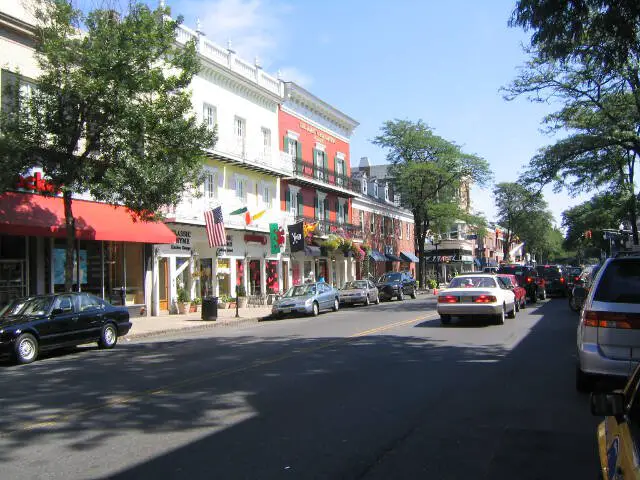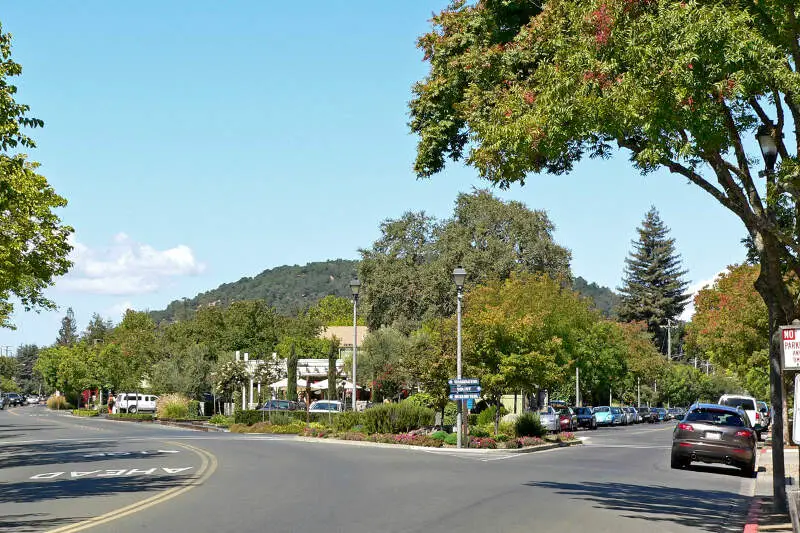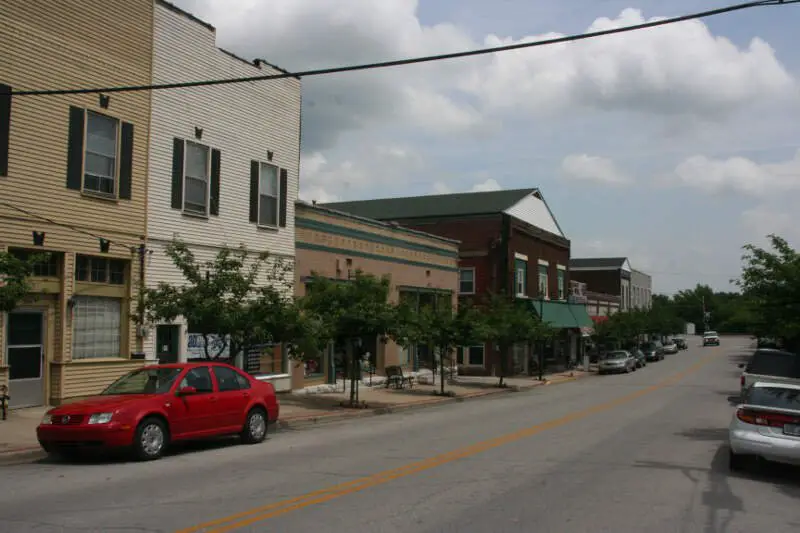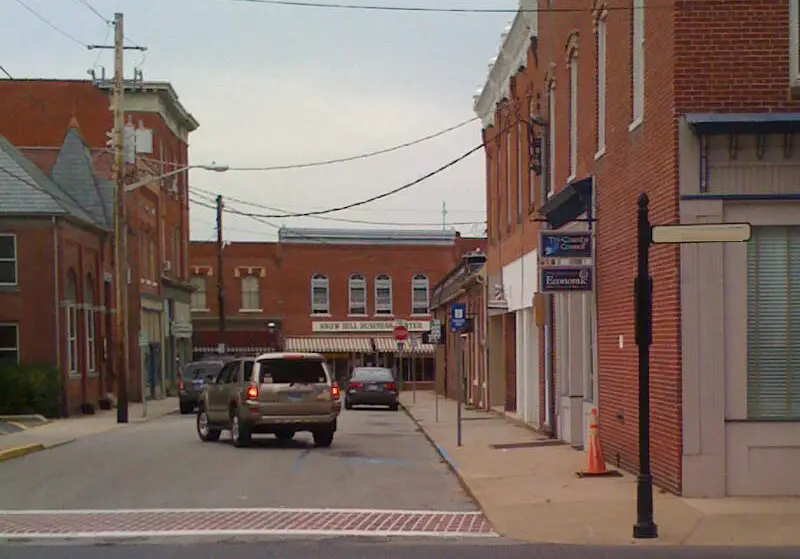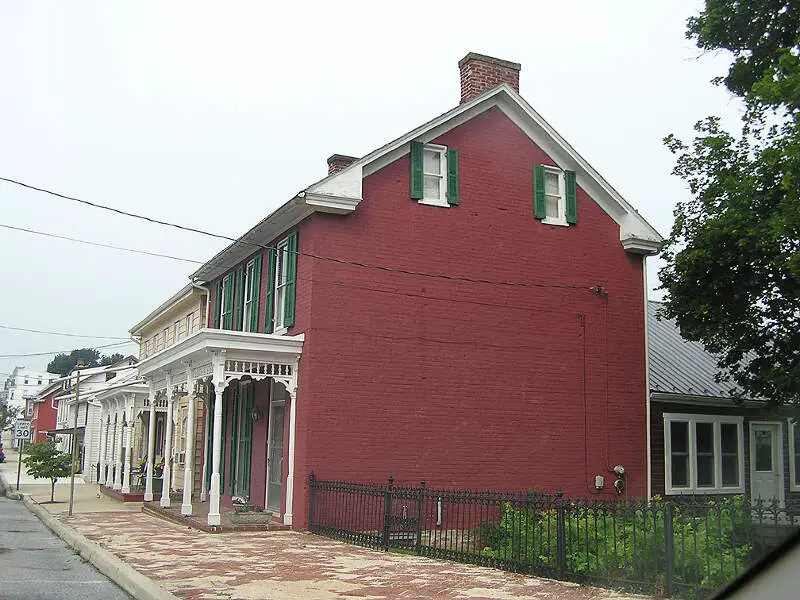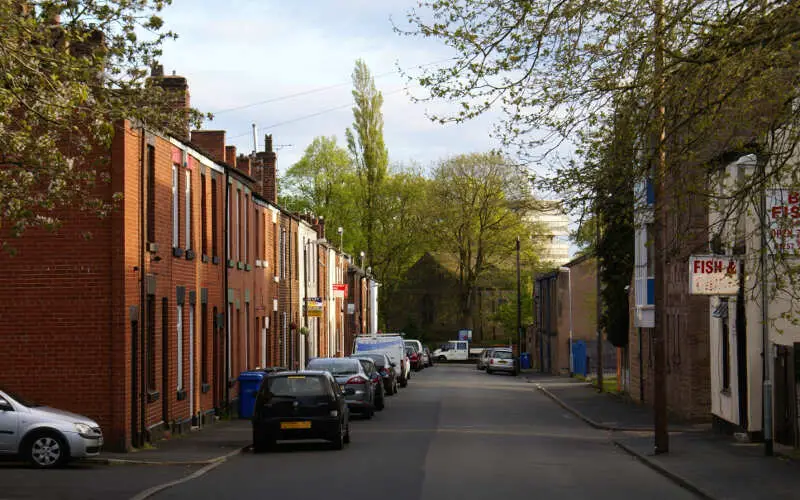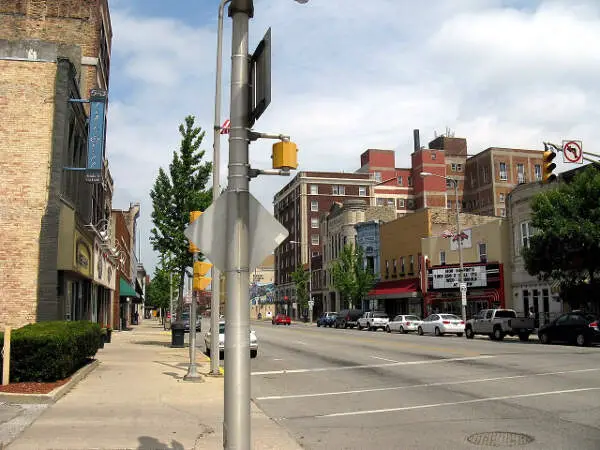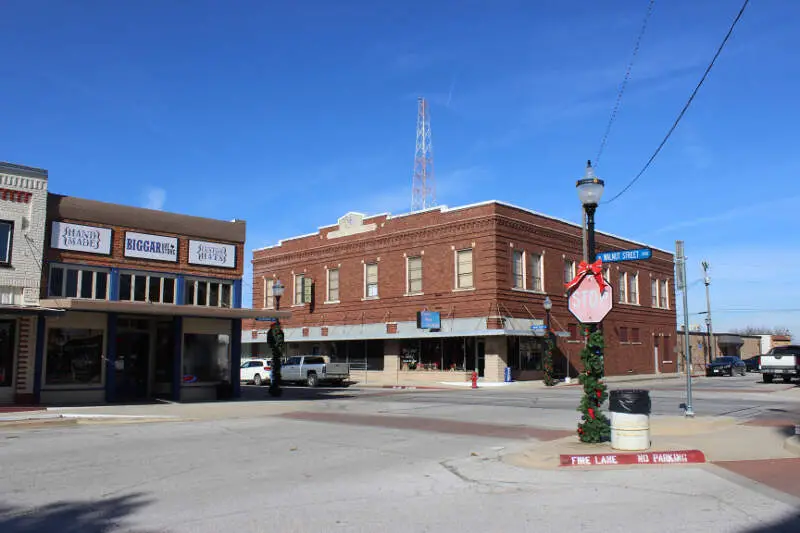
Wichita vs. Kansas City in photos
A side-by-side look at each city.




Cost of living
Wichita is the cheaper city overall — 6% higher in Kansas City than its rival. Index baseline: 100 = national average.
| Living expense | Wichita | Kansas City | US average |
|---|---|---|---|
| Overall | 92 | 98 | 100 |
| Services | 98 | 99 | 100 |
| Groceries | 92 | 100 | 100 |
| Health | 80 | 95 | 100 |
| Housing | 97 | 95 | 100 |
| Transportation | 95 | 92 | 100 |
| Utilities | 94 | 95 | 100 |
Lower index = cheaper. 100 = U.S. national average. Bar inside each cell scales relative to the highest value in the table.
Sources: HomeSnacks Cost of Living indices, normalized so 100 = U.S. national average. Drill in: Wichita cost of living, Kansas City cost of living, or the cheapest cities in America.
Housing breakdown
Home prices are higher in Kansas City. Compare absolute price and price-to-income — a $500k home in a $100k-income city is very different from one in a $50k-income city.
| Metric | Wichita | Kansas City | United States |
|---|---|---|---|
| Median Home Value | $202,719 | $250,207 | $332,700 |
| Median Rent | $975 | $1,238 | $1,413 |
| Median Income | $64,620 | $69,166 | $80,734 |
| Home Value To Income | 3.1x | 3.6x | 4.1x |
| Rent To Monthly Income | 0.18x | 0.21x | 0.21x |
Source: U.S. Census Bureau ACS 2020-2024. See also states with the highest rent in America.
Crime
Wichita is the safer city — total crime rate of 2,842 per 100k people vs 6,223 for Kansas City. US average: 2,119.
| Crime (per 100k) | Wichita | Kansas City | US average |
|---|---|---|---|
| Total crime | 2,842 | 6,223 | 2,119 |
| Murder | 8 | 28 | 5 |
| Robbery | 50 | 254 | 61 |
| Aggravated Assault | 447 | 1,191 | 256 |
| Violent Crime | 539 | 1,547 | 359 |
| Burglary | 263 | 490 | 229 |
| Larceny | 1,791 | 2,454 | 1,272 |
| Car Theft | 249 | 1,731 | 259 |
| Property Crime | 2,303 | 4,676 | 1,760 |
Lower = safer. Bar inside each cell scales relative to the highest crime rate in the table.
Source: FBI Uniform Crime Reporting (2024). All rates are per 100,000 people. City pages: Wichita crime, Kansas City crime. See also: safest cities in America.
Diversity
Kansas City is more racially diverse — lower HHI (closer to 0) means a more even mix across groups.
| Group | Wichita | Kansas City | United States |
|---|---|---|---|
| White | 59.5% | 54.0% | 57.4% |
| African American | 9.3% | 25.2% | 11.9% |
| American Indian | 0.4% | 0.1% | 0.5% |
| Asian | 4.9% | 2.8% | 5.9% |
| Hawaiian | 0.0% | 0.2% | 0.2% |
| Other | 0.5% | 0.5% | 0.6% |
| Two Or More | 6.4% | 4.7% | 4.3% |
| Hispanic | 19.0% | 12.5% | 19.3% |
Source: U.S. Census ACS 2020-2024. Lower HHI = more even racial mix. See also: most diverse cities in America.
SnackAbility — overall quality of life
Wichita scores higher overall — 7/10 vs 5/10. SnackAbility is our 1–10 quality-of-life score; the median U.S. city scores a 7.
Scores are 0–10; both bars share the same scale.
SnackAbility is a HomeSnacks proprietary 1–10 score blending jobs, housing, education, commute, amenities, affordability, crime, and diversity. Median U.S. city ≈ 7. Data: Census, BLS, FBI. See also: best places to live in America.
Getting around: Wichita vs. Kansas City
How each city handles commuting, transit, walkability, and car culture — the day-to-day reality that shapes where you'd actually want to live.
Both cities are built for car commuters, but the transit gap is real. Wichita relies almost entirely on Wichita Transit's bus network, which covers the basics but won't get you far without a car. The highway grid (I-135, I-235, and K-96) moves traffic reasonably well, and Wichita Dwight D. Eisenhower National Airport handles regional flights without the chaos of a major hub.
Kansas City gives you a bit more choice. The KC Streetcar runs through downtown and into the Crossroads Arts District, and the KCATA bus network is more extensive. Neighborhoods like River Market and the Plaza are actually walkable by Midwest standards.
The newly renovated Kansas City International Airport connects you nonstop to far more destinations. You'll do fine driving in either city, though Kansas City's inner-city traffic on I-70 and I-35 can stack up during rush hour in ways Wichita's rarely does.
Jobs and careers in Wichita vs. Kansas City
The local job market, dominant industries, and which city to choose based on your career.
Wichita punches well above its weight in one sector: aerospace. Spirit AeroSystems, Textron Aviation (home of Cessna and Beechcraft), and dozens of related suppliers make Wichita one of the most concentrated aviation manufacturing hubs in the world. If your career is in engineering, manufacturing, or supply chain tied to that industry, Wichita is hard to beat, and the median household income of $64,620 stretches further against a cost of living index of 92, well below the national average.
Kansas City's economy is broader and increasingly tech-forward. Oracle Health (formerly Cerner), T-Mobile's Midwest operations, Hallmark, and a growing startup scene in the Crossroads district offer more variety for professionals outside manufacturing. The median household income of $69,166 is higher, though so is the cost of living at 98.
For remote workers or career-changers, Kansas City's larger labor market simply offers more doors to knock on.
Weather and climate
What to expect day-to-day — sun, fog, heat, rain, and the seasonal extremes that shape the lifestyle.
Expect hot, sunny summers and cold, windy winters in both cities. You're squarely in tornado alley either way, and neither place lets you forget it in spring. Wichita averages around 85°F in July, gets roughly 15 inches of snow annually, and is persistently windy almost year-round.
The upside is more sunshine than most comparable Midwestern cities, and ice storms are less common than farther east. Kansas City sits about 180 miles northeast and runs slightly more humid, which makes its summer heat feel stickier. Winter brings more frequent ice storms, a genuine driving hazard that Wichita dodges more often.
Both cities see severe thunderstorm seasons in April and May that demand a good weather app and a basement plan. If you're sensitive to humidity, Wichita edges out Kansas City in summer comfort. If ice-free commutes matter, Wichita again has a modest advantage.
Culture, nightlife, and entertainment
Food, music, neighborhoods, and the city vibe that gives each place its personality.
Wichita's cultural footprint is solid for a city its size. Old Town is the main entertainment district, where bars, live music, and restaurants cluster around the historic warehouse blocks. The Wichita Art Museum holds a legitimate permanent collection, and the Keeper of the Plains sculpture at the confluence of the Arkansas and Little Arkansas rivers is a genuine landmark.
The pace is relaxed, crowds are manageable, and you'll rarely wait for a table on a Saturday night.
Kansas City operates in a different tier. The 18th and Vine Jazz District connects the city to a deep musical history, while the Power and Light District and the Crossroads Arts District keep weekend nights lively with a wider range of bars, galleries, and restaurants. Kansas City's BBQ scene (Joe's, Q39, Arthur Bryant's) is nationally recognized for good reason.
The Kauffman Center for the Performing Arts and a full calendar of Chiefs and Royals games give the city an event density Wichita can't match.
Outdoor activities and day trips
Parks, beaches, hikes, and the weekend escapes that define life outside the city limits.
Wichita's outdoor scene centers on its river corridors and the flat Great Plains landscape around it. The Arkansas River Trail system runs for miles through the city and is genuinely pleasant for cycling and running. Cheney Reservoir, about 25 miles west, draws anglers and sailboaters, and Sedgwick County Park is large enough for a real afternoon outdoors.
The Flint Hills, some of the last intact tallgrass prairie in North America, are an easy drive east and worth the trip for hikers who don't mind wide-open, treeless terrain.
Kansas City has more topographic variety and a denser parks network. Swope Park is one of the larger urban parks in the country, Loose Park is a neighborhood favorite, and Shawnee Mission Park across the state line in Kansas offers trails and a lake. Lake of the Ozarks is roughly two hours south, a legitimate weekend escape for boating and hiking that Wichita residents don't have a clean equivalent to.
If outdoor access matters, Kansas City's options are more varied. Wichita's are perfectly adequate for everyday use.
Bottom line: which city is right for you?
Based on the head-to-head data above, here's the short version — pick the city that lines up with what you actually care about.
Choose Wichita if you prioritize…
- a lower cost of living (cheaper groceries, services, and day-to-day expenses).
- lower crime — a safer place to live, work, and raise a family.
- a higher overall SnackAbility quality-of-life score.
Choose Kansas City if you prioritize…
- more affordable housing relative to Wichita.
- a more racially diverse community (lower HHI on Census data).
Methodology: winners are picked from public data — U.S. Census Bureau ACS (income, home value, rent, race/HHI), FBI Uniform Crime Reporting (crime rates per 100k), and HomeSnacks' proprietary SnackAbility quality-of-life score, which blends Bureau of Labor Statistics data with the above.
Other comparisons
Still weighing your options? See how these two cities stack up against other places we've compared head-to-head.