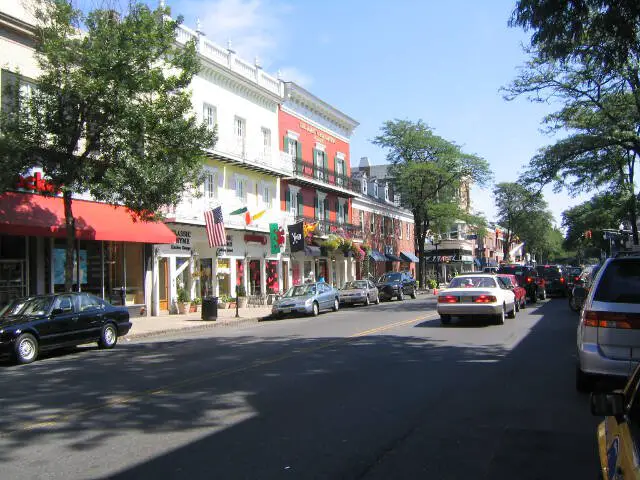
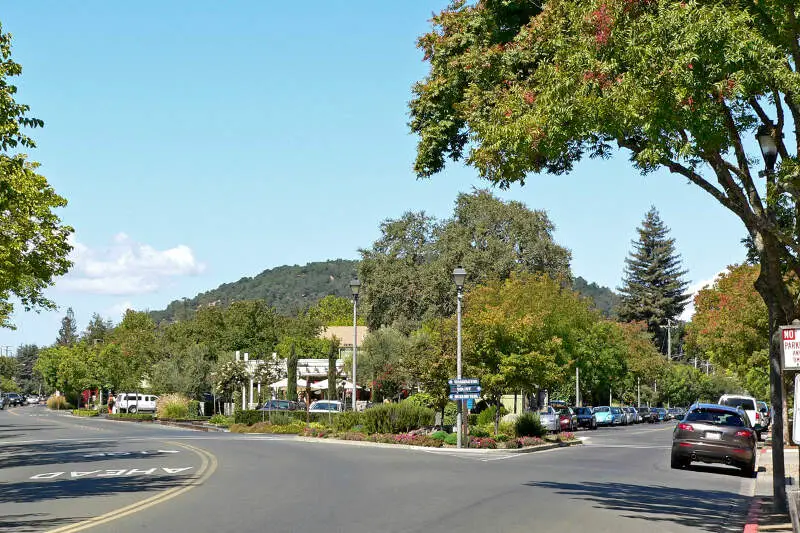
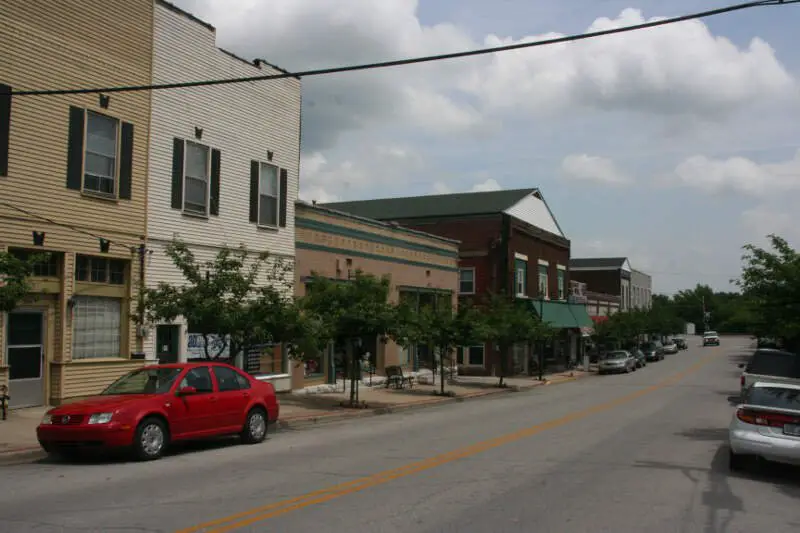
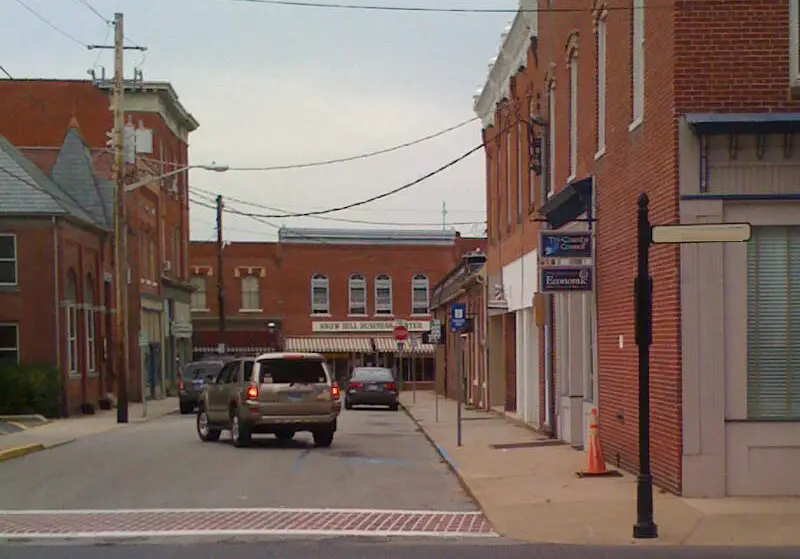
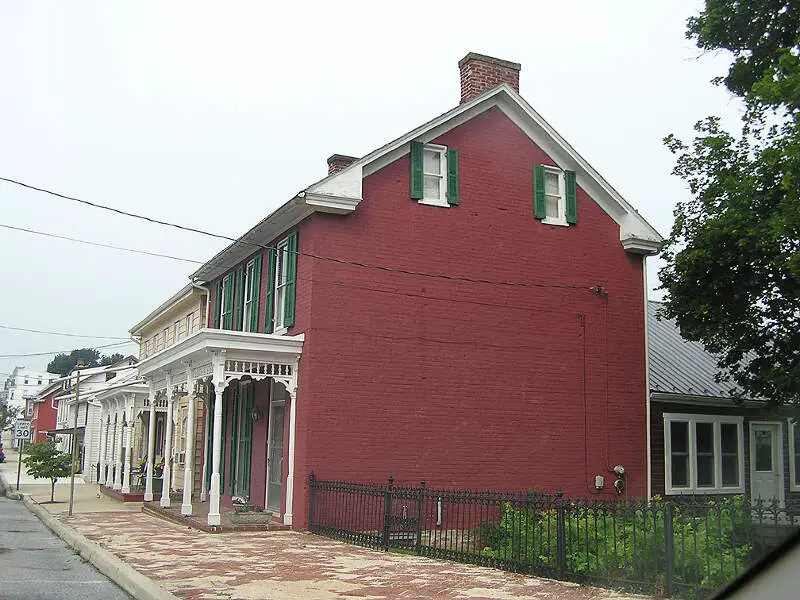
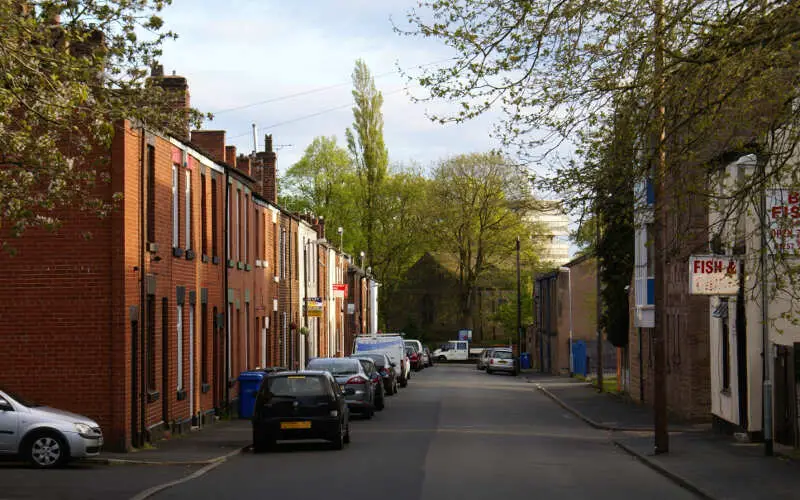
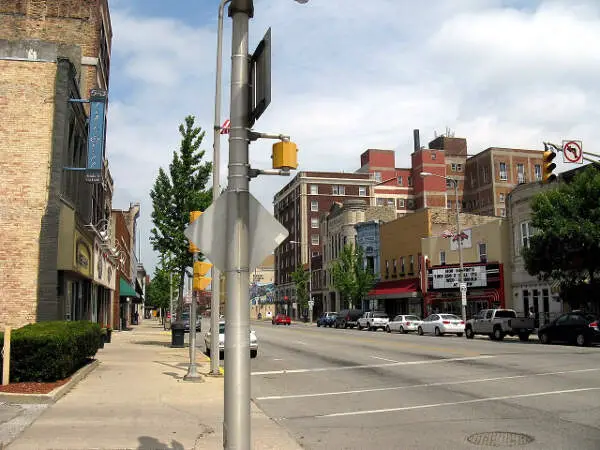
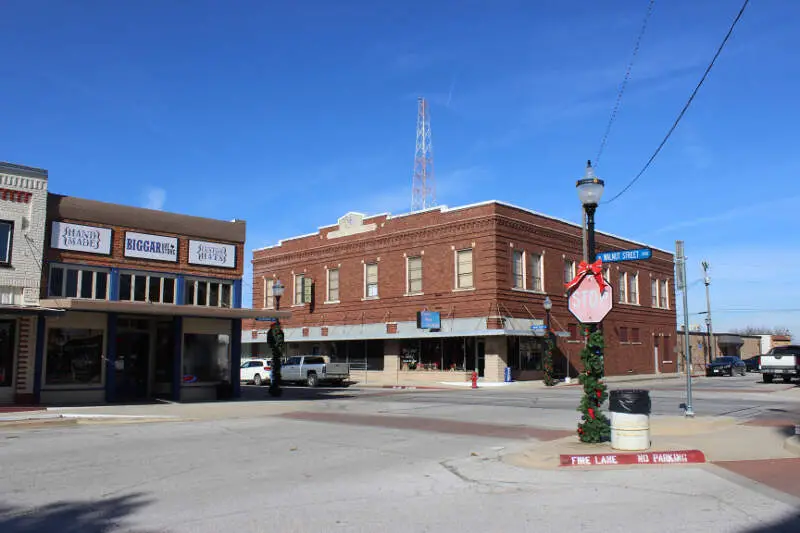
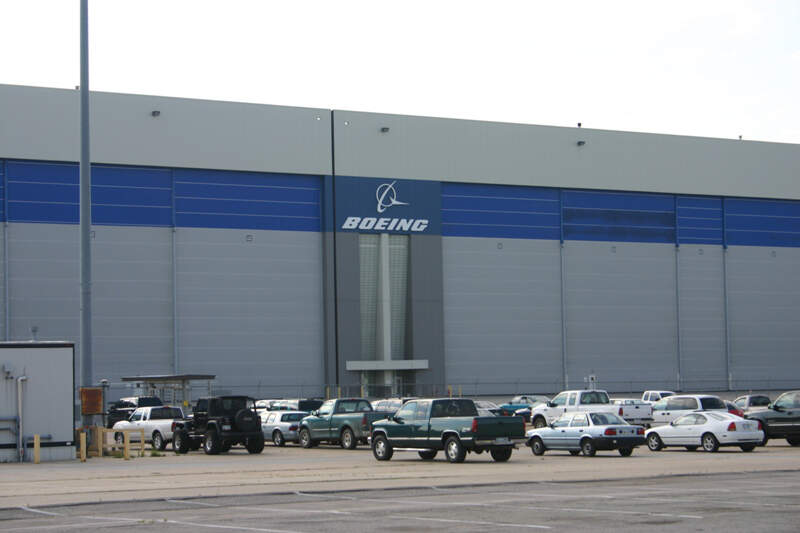
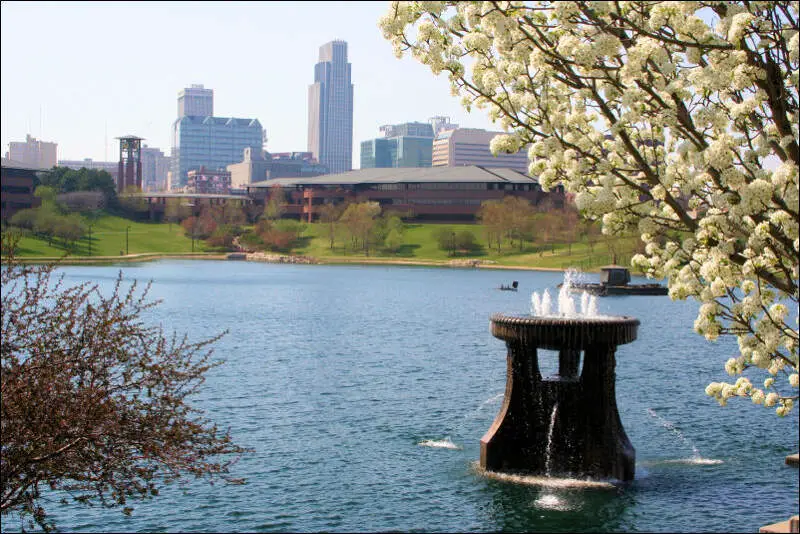
Wichita vs. Omaha in photos
A side-by-side look at each city.




Cost of living
Wichita is the cheaper city overall — 8% higher in Omaha than its rival. Index baseline: 100 = national average.
| Living expense | Wichita | Omaha | US average |
|---|---|---|---|
| Overall | 92 | 100 | 100 |
| Services | 98 | 98 | 100 |
| Groceries | 92 | 101 | 100 |
| Health | 80 | 93 | 100 |
| Housing | 97 | 103 | 100 |
| Transportation | 95 | 97 | 100 |
| Utilities | 94 | 95 | 100 |
Lower index = cheaper. 100 = U.S. national average. Bar inside each cell scales relative to the highest value in the table.
Sources: HomeSnacks Cost of Living indices, normalized so 100 = U.S. national average. Drill in: Wichita cost of living, Omaha cost of living, or the cheapest cities in America.
Housing breakdown
Home prices are higher in Omaha. Compare absolute price and price-to-income — a $500k home in a $100k-income city is very different from one in a $50k-income city.
| Metric | Wichita | Omaha | United States |
|---|---|---|---|
| Median Home Value | $202,719 | $294,188 | $332,700 |
| Median Rent | $975 | $1,187 | $1,413 |
| Median Income | $64,620 | $73,201 | $80,734 |
| Home Value To Income | 3.1x | 4.0x | 4.1x |
| Rent To Monthly Income | 0.18x | 0.19x | 0.21x |
Source: U.S. Census Bureau ACS 2020-2024. See also states with the highest rent in America.
Crime
Wichita is the safer city — total crime rate of 2,842 per 100k people vs 3,531 for Omaha. US average: 2,119.
| Crime (per 100k) | Wichita | Omaha | US average |
|---|---|---|---|
| Total crime | 2,842 | 3,531 | 2,119 |
| Murder | 8 | 4 | 5 |
| Robbery | 50 | 47 | 61 |
| Aggravated Assault | 447 | 272 | 256 |
| Violent Crime | 539 | 369 | 359 |
| Burglary | 263 | 236 | 229 |
| Larceny | 1,791 | 2,264 | 1,272 |
| Car Theft | 249 | 662 | 259 |
| Property Crime | 2,303 | 3,162 | 1,760 |
Lower = safer. Bar inside each cell scales relative to the highest crime rate in the table.
Source: FBI Uniform Crime Reporting (2024). All rates are per 100,000 people. City pages: Wichita crime, Omaha crime. See also: safest cities in America.
Diversity
Wichita is more racially diverse — lower HHI (closer to 0) means a more even mix across groups.
| Group | Wichita | Omaha | United States |
|---|---|---|---|
| White | 59.5% | 63.4% | 57.4% |
| African American | 9.3% | 11.4% | 11.9% |
| American Indian | 0.4% | 0.2% | 0.5% |
| Asian | 4.9% | 4.0% | 5.9% |
| Hawaiian | 0.0% | 0.0% | 0.2% |
| Other | 0.5% | 0.3% | 0.6% |
| Two Or More | 6.4% | 4.4% | 4.3% |
| Hispanic | 19.0% | 16.2% | 19.3% |
Source: U.S. Census ACS 2020-2024. Lower HHI = more even racial mix. See also: most diverse cities in America.
SnackAbility — overall quality of life
Wichita and Omaha tied at 7/10.
Scores are 0–10; both bars share the same scale.
SnackAbility is a HomeSnacks proprietary 1–10 score blending jobs, housing, education, commute, amenities, affordability, crime, and diversity. Median U.S. city ≈ 7. Data: Census, BLS, FBI. See also: best places to live in America.
Getting around: Wichita vs. Omaha
How each city handles commuting, transit, walkability, and car culture — the day-to-day reality that shapes where you'd actually want to live.
Both Wichita and Omaha are car-dependent Midwestern cities. Wichita runs Wichita Transit, a bus network covering major corridors with limited off-peak frequency. Omaha's Metro Area Transit (MAT) is a comparable bus-only system with slightly broader coverage, and neither city has light rail or commuter rail.
Dwight D. Eisenhower National Airport in Wichita and Eppley Airfield in Omaha both offer solid regional connections. Omaha has somewhat more nonstop options, thanks to its larger metro draw.
A personal vehicle is non-negotiable in both cities. Wichita's lower cost of living index (92 vs. Omaha's 100) means car ownership and fuel stretch a bit further there. Traffic is light in both places compared to larger metros, which you'll appreciate if you're moving from a coastal city.
Omaha's west-side grid slows around Dodge Street during rush hour. Wichita's K-96 and I-235 interchange handles most of its daily congestion.
Jobs and careers in Wichita vs. Omaha
The local job market, dominant industries, and which city to choose based on your career.
Wichita's economy is anchored by aerospace manufacturing. Spirit AeroSystems, Textron Aviation, and Boeing's local operations have earned Wichita the nickname "Air Capital of the World," and that industrial base supports a deep supply chain of engineering and skilled-trades jobs. Koch Industries, one of the largest private companies in the U.S., is headquartered here and employs thousands across its finance and operations arms.
Healthcare is a second pillar, with Wesley Medical Center and Via Christi as major employers. The median household income is $64,620, which trails the national average, but a cost of living index of 92 means your paycheck goes further than the raw number suggests.
Omaha has an unusual concentration of Fortune 500 companies for a metro its size. Berkshire Hathaway, Union Pacific Railroad, Mutual of Omaha, and First National Bank of Omaha are all headquartered there, making it a strong market for white-collar professionals. Nebraska Medicine and CHI Health anchor a large healthcare sector, and the median household income of $73,201 reflects that professional-services tilt.
If you're in tech, Omaha's Aksarben district has drawn data centers and startups, though the scene is still maturing compared to larger tech hubs.
Weather and climate
What to expect day-to-day — sun, fog, heat, rain, and the seasonal extremes that shape the lifestyle.
Wichita and Omaha both have continental climates with big seasonal swings. Wichita summers are hot and dry, with July highs regularly in the mid-90s°F, while winters are cold but milder than cities farther north, with January averages around 29°F. The city sits in Tornado Alley, so spring storm season is serious and locals keep a weather radio handy.
Annual precipitation runs about 31 inches, and snowfall is relatively light at roughly 15 inches per year.
Omaha's winters are noticeably harsher. January averages dip to about 22°F, and multi-day stretches below 0°F are not unusual. Summers are hot and more humid than Wichita's, with July highs in the low-to-mid 90s°F.
Omaha also sits in tornado country, gets around 30 inches of precipitation annually, and sees 25-plus inches of snow in an average winter. If cold tolerance factors into your decision, Wichita has a mild edge. Neither city is a soft landing for anyone trying to escape seasonal weather entirely.
Culture, nightlife, and entertainment
Food, music, neighborhoods, and the city vibe that gives each place its personality.
Wichita's cultural identity is rooted in its Western and aviation heritage. Old Town is the hub for bars, live music, and restaurants, and the nearby Delano neighborhood has added craft cocktail bars and independent dining in recent years. The Wichita Art Museum and the Museum of World Treasures offer solid options for a city this size.
The Keeper of the Plains sculpture at the confluence of the Arkansas and Little Arkansas rivers is a landmark worth seeing. The nightlife scene is unpretentious and affordable, which tracks with the cost-of-living advantage.
Omaha's Old Market district is one of the better urban neighborhoods in the Great Plains: cobblestone streets, converted warehouses, and a mix of acclaimed restaurants, jazz bars, and independent shops that are actually walkable. The Henry Doorly Zoo is consistently ranked among the best in the world and draws visitors from across the region.
The Benson and Dundee neighborhoods have a lively bar and live-music circuit. Omaha's arts infrastructure runs deeper overall, with the Joslyn Art Museum and the Holland Performing Arts Center as notable anchors, which partly reflects its higher median income and larger population.
Outdoor activities and day trips
Parks, beaches, hikes, and the weekend escapes that define life outside the city limits.
Wichita's outdoor scene centers on its river corridors and reservoirs. The Arkansas River Trail runs through the heart of the city and connects to Riverside Park, making it easy to bike or run without leaving town. Cheney Reservoir, about 20 miles west, is the go-to for sailing, fishing, and camping.
Sedgwick County Park has disc golf, trails, and picnic areas on a large scale. Botanica Wichita is a well-maintained botanical garden worth a visit in spring. Day trips to the Flint Hills, the largest remaining tallgrass prairie in North America, are a highlight unique to this part of Kansas.
Omaha's outdoor options lean heavily on its eastern edge along the Missouri River bluffs. Fontenelle Forest in Bellevue, just south of the city, has over 17 miles of trails through mature hardwood forest, more rugged than you'd expect for a metro area.
Lauritzen Gardens covers 100 acres and is one of the Midwest's premier botanical gardens. Lake Manawa, across the river in Iowa, is popular for water sports and camping. Platte River State Park is an easy 45-minute drive for canoe trips and cabin camping.
Omaha's proximity to wooded bluff terrain gives it a slight edge for trail runners and hikers over Wichita's flatter, more open landscape.
Bottom line: which city is right for you?
Based on the head-to-head data above, here's the short version — pick the city that lines up with what you actually care about.
Choose Wichita if you prioritize…
- a lower cost of living (cheaper groceries, services, and day-to-day expenses).
- lower crime — a safer place to live, work, and raise a family.
- a more racially diverse community (lower HHI on Census data).
Choose Omaha if you prioritize…
- more affordable housing relative to Wichita.
Methodology: winners are picked from public data — U.S. Census Bureau ACS (income, home value, rent, race/HHI), FBI Uniform Crime Reporting (crime rates per 100k), and HomeSnacks' proprietary SnackAbility quality-of-life score, which blends Bureau of Labor Statistics data with the above.
Other comparisons
Still weighing your options? See how these two cities stack up against other places we've compared head-to-head.