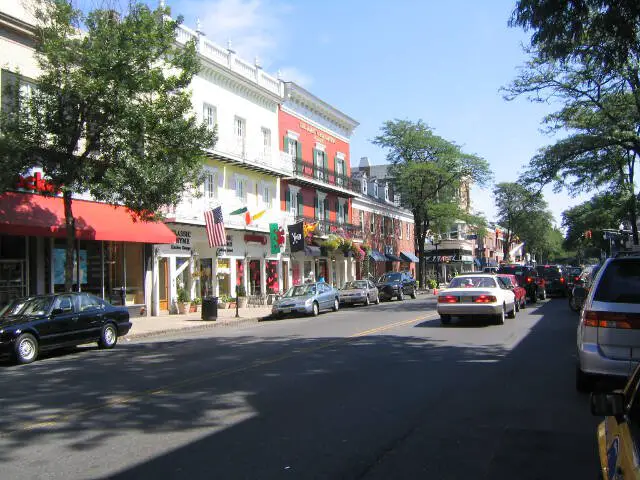
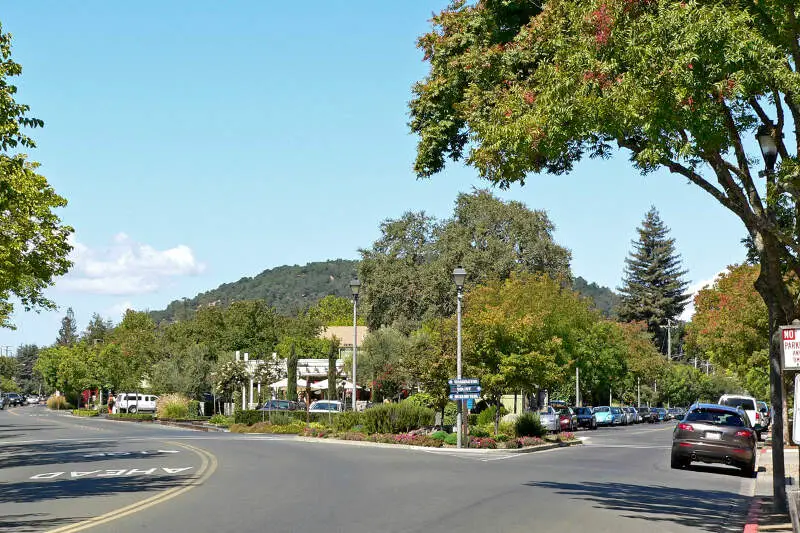
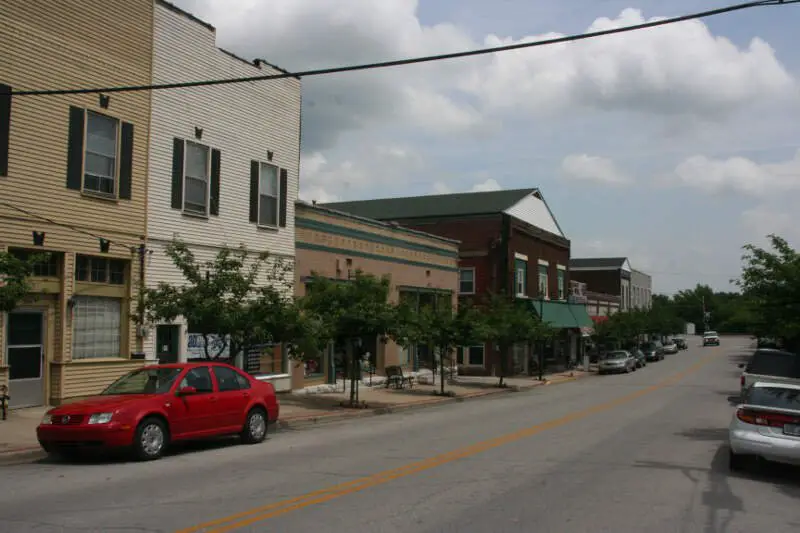
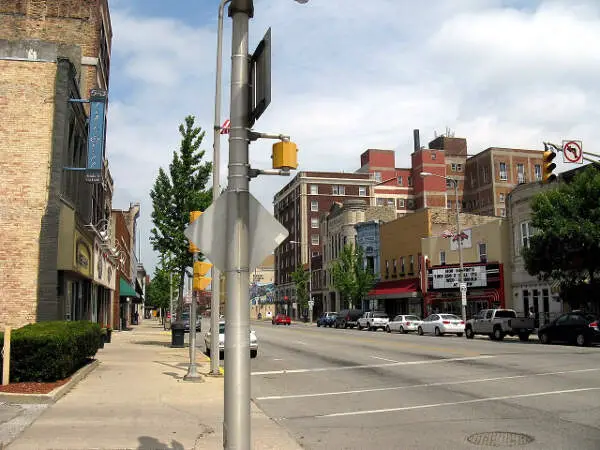
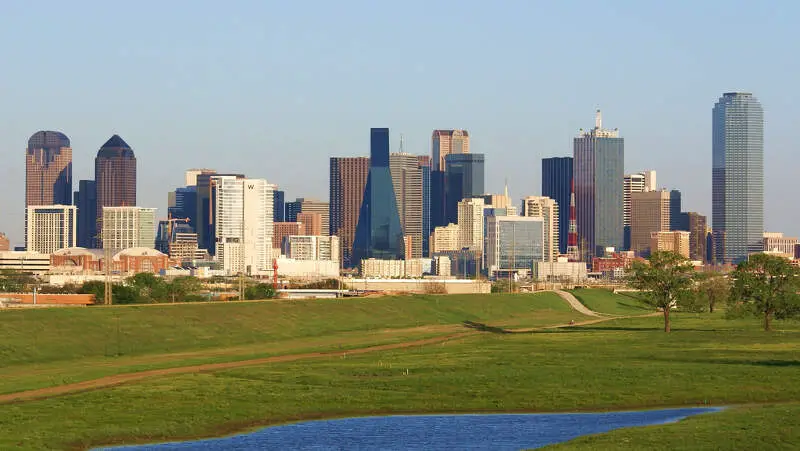
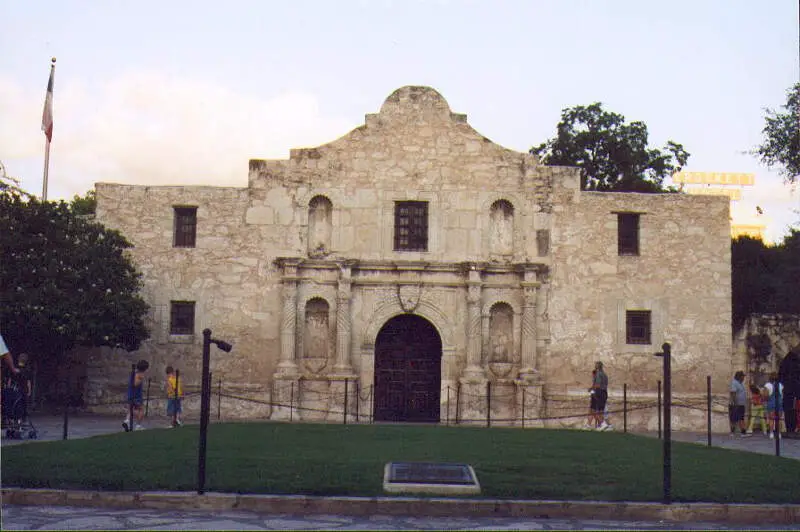
Arlington vs. San Antonio in photos
A side-by-side look at each city.


Cost of living
San Antonio is the cheaper city overall — 1% higher in Arlington than its rival. Index baseline: 100 = national average.
| Living expense | Arlington | San Antonio | US average |
|---|---|---|---|
| Overall | 99 | 98 | 100 |
| Services | 99 | 103 | 100 |
| Groceries | 99 | 101 | 100 |
| Health | 106 | 91 | 100 |
| Housing | 96 | 106 | 100 |
| Transportation | 102 | 103 | 100 |
| Utilities | 98 | 101 | 100 |
Lower index = cheaper. 100 = U.S. national average. Bar inside each cell scales relative to the highest value in the table.
Sources: HomeSnacks Cost of Living indices, normalized so 100 = U.S. national average. Drill in: Arlington cost of living, San Antonio cost of living, or the cheapest cities in America.
Housing breakdown
Home prices are higher in Arlington. Compare absolute price and price-to-income — a $500k home in a $100k-income city is very different from one in a $50k-income city.
| Metric | Arlington | San Antonio | United States |
|---|---|---|---|
| Median Home Value | $310,971 | $249,809 | $332,700 |
| Median Rent | $1,470 | $1,324 | $1,413 |
| Median Income | $75,171 | $65,056 | $80,734 |
| Home Value To Income | 4.1x | 3.8x | 4.1x |
| Rent To Monthly Income | 0.23x | 0.24x | 0.21x |
Source: U.S. Census Bureau ACS 2020-2024. See also states with the highest rent in America.
Crime
Arlington is the safer city — total crime rate of 2,896 per 100k people vs 5,218 for San Antonio. US average: 2,119.
| Crime (per 100k) | Arlington | San Antonio | US average |
|---|---|---|---|
| Total crime | 2,896 | 5,218 | 2,119 |
| Murder | 4 | 8 | 5 |
| Robbery | 60 | 108 | 61 |
| Aggravated Assault | 347 | 394 | 256 |
| Violent Crime | 483 | 594 | 359 |
| Burglary | 264 | 496 | 229 |
| Larceny | 1,738 | 3,292 | 1,272 |
| Car Theft | 411 | 836 | 259 |
| Property Crime | 2,413 | 4,624 | 1,760 |
Lower = safer. Bar inside each cell scales relative to the highest crime rate in the table.
Source: FBI Uniform Crime Reporting (2024). All rates are per 100,000 people. City pages: Arlington crime, San Antonio crime. See also: safest cities in America.
Diversity
Arlington is more racially diverse — lower HHI (closer to 0) means a more even mix across groups.
| Group | Arlington | San Antonio | United States |
|---|---|---|---|
| White | 34.1% | 23.0% | 57.4% |
| African American | 22.1% | 6.4% | 11.9% |
| American Indian | 0.1% | 0.1% | 0.5% |
| Asian | 7.3% | 2.9% | 5.9% |
| Hawaiian | 0.3% | 0.1% | 0.2% |
| Other | 0.4% | 0.5% | 0.6% |
| Two Or More | 3.5% | 2.4% | 4.3% |
| Hispanic | 32.2% | 64.6% | 19.3% |
Source: U.S. Census ACS 2020-2024. Lower HHI = more even racial mix. See also: most diverse cities in America.
SnackAbility — overall quality of life
Arlington scores higher overall — 6/10 vs 4/10. SnackAbility is our 1–10 quality-of-life score; the median U.S. city scores a 7.
Scores are 0–10; both bars share the same scale.
SnackAbility is a HomeSnacks proprietary 1–10 score blending jobs, housing, education, commute, amenities, affordability, crime, and diversity. Median U.S. city ≈ 7. Data: Census, BLS, FBI. See also: best places to live in America.
Getting around: Arlington vs. San Antonio
How each city handles commuting, transit, walkability, and car culture — the day-to-day reality that shapes where you'd actually want to live.
Arlington is one of the largest U.S. cities with virtually no fixed-route public transit, so if you commute by car, that's your only realistic option. The city has Via Arlington, an on-demand microtransit service that handles short local trips. Getting to Dallas or Fort Worth still means I-30, I-20, or SH-360, and traffic is a consistent factor in daily life.
San Antonio has VIA Metropolitan Transit, a bus network covering most of the city and connecting major corridors. It's still car-first, but downtown is walkable enough that residents near the River Walk or King William district can handle errands on foot. Both cities sit near cost-of-living indexes of 98–99, so neither punishes you at the gas pump relative to the national average.
Jobs and careers in Arlington vs. San Antonio
The local job market, dominant industries, and which city to choose based on your career.
Arlington's median household income is $75,171, about $10,000 higher than San Antonio's $65,056. Its position inside the DFW Metroplex is the main driver: major employers include GM Financial, the University of Texas at Arlington, and a hospitality and events economy built around AT&T Stadium and Globe Life Field. Access to the broader Dallas and Fort Worth job markets gives white-collar and tech workers a lot of options.
San Antonio's biggest employers are USAA, Valero Energy, H-E-B, and Joint Base San Antonio, which spans Lackland, Fort Sam Houston, and Randolph and represents one of the country's largest military presences. The University Health system and several universities make healthcare and education significant employers as well. San Antonio's lower income numbers partly reflect its larger share of service and military-adjacent jobs, but career options across industries are genuinely broad in a metro of 1.4 million.
Weather and climate
What to expect day-to-day — sun, fog, heat, rain, and the seasonal extremes that shape the lifestyle.
Both cities deliver full Texas summers, with stretches of 100°F or higher from June through August and humidity that makes it feel worse. Arlington and the broader DFW area sit in a more active severe-weather corridor, so spring brings legitimate tornado risk and winter occasionally delivers ice storms that shut down highways. If you moved from a northern state, the rare DFW ice event will still catch you off guard.
San Antonio runs a few degrees warmer in January and sees somewhat less winter precipitation, making it closer to a year-round outdoor city. Summers are equally punishing, but the Hill Country proximity offers a slight elevation escape on weekend trips.
Neither city gets meaningful snowfall in a typical year. If avoiding icy roads is a priority, San Antonio's winters are marginally more forgiving, while Arlington trades a slightly cooler average for the occasional dramatic freeze.
Culture, nightlife, and entertainment
Food, music, neighborhoods, and the city vibe that gives each place its personality.
Arlington's cultural identity is tightly wrapped around big-league sports and entertainment. AT&T Stadium (home of the Cowboys) and Globe Life Field (home of the Rangers) sit within walking distance of each other in the Entertainment District, and Six Flags Over Texas has been drawing visitors since 1961. Distinct neighborhood nightlife is sparse, though the areas around the stadium complex have grown into a strip of bars and restaurants on game days.
San Antonio is a different animal. The River Walk anchors a genuine tourism economy, but locals gravitate to the Pearl District for craft breweries, weekend farmers markets, and farm-to-table restaurants, or to the Southtown arts district along South Alamo Street for galleries and live music.
The city's deep Tejano and Mexican-American heritage shows up in everything from its food scene to the Día de los Muertos celebrations at Hemisfair. If cultural texture and walkable neighborhood nightlife matter to you, San Antonio has a clear edge.
Outdoor activities and day trips
Parks, beaches, hikes, and the weekend escapes that define life outside the city limits.
Arlington's best outdoor asset is River Legacy Parks, a 1,300-acre greenbelt along the Trinity River with mountain biking trails and kayak launches within city limits. Lake Arlington adds fishing and watercraft access, and the broader DFW park system means you're rarely far from green space. The terrain is flat and unmistakably suburban; if you want dramatic scenery, you're driving for it.
San Antonio puts you within striking distance of the Texas Hill Country. Natural Bridge Caverns, Enchanted Rock State Natural Area, and Garner State Park are all within 90 minutes.
The River Walk stretches miles for cycling and jogging, and the Mission Reach extension connects all five historic missions along a scenic trail corridor. For serious hikers, kayakers, or anyone who wants a weekend escape into real topography, San Antonio's location gives it a clear advantage over Arlington.
Bottom line: which city is right for you?
Based on the head-to-head data above, here's the short version — pick the city that lines up with what you actually care about.
Choose Arlington if you prioritize…
- lower crime — a safer place to live, work, and raise a family.
- more affordable housing relative to San Antonio.
- a more racially diverse community (lower HHI on Census data).
- a higher overall SnackAbility quality-of-life score.
Choose San Antonio if you prioritize…
- a lower cost of living (cheaper groceries, services, and day-to-day expenses).
Methodology: winners are picked from public data — U.S. Census Bureau ACS (income, home value, rent, race/HHI), FBI Uniform Crime Reporting (crime rates per 100k), and HomeSnacks' proprietary SnackAbility quality-of-life score, which blends Bureau of Labor Statistics data with the above.
Other comparisons
Still weighing your options? See how these two cities stack up against other places we've compared head-to-head.