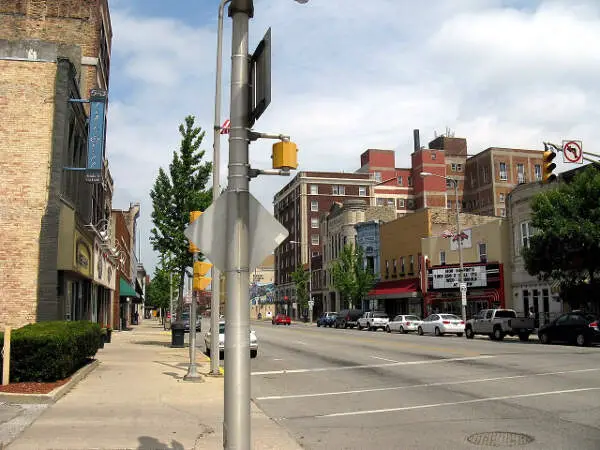
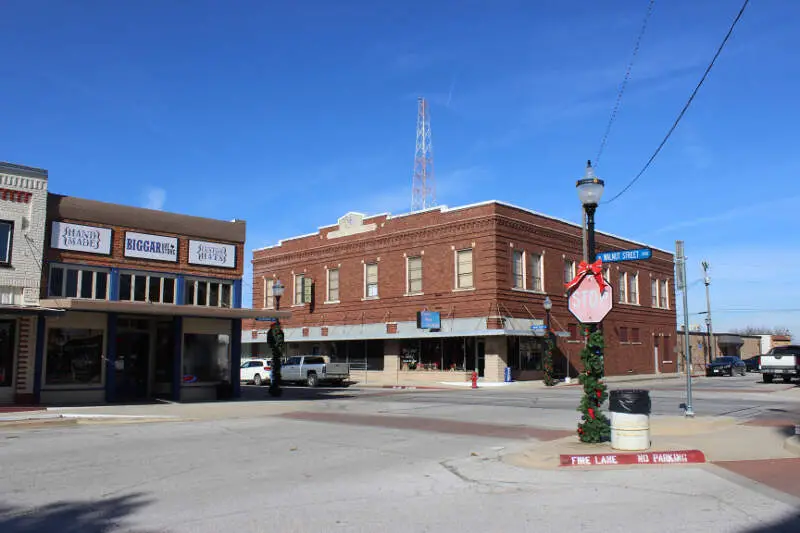
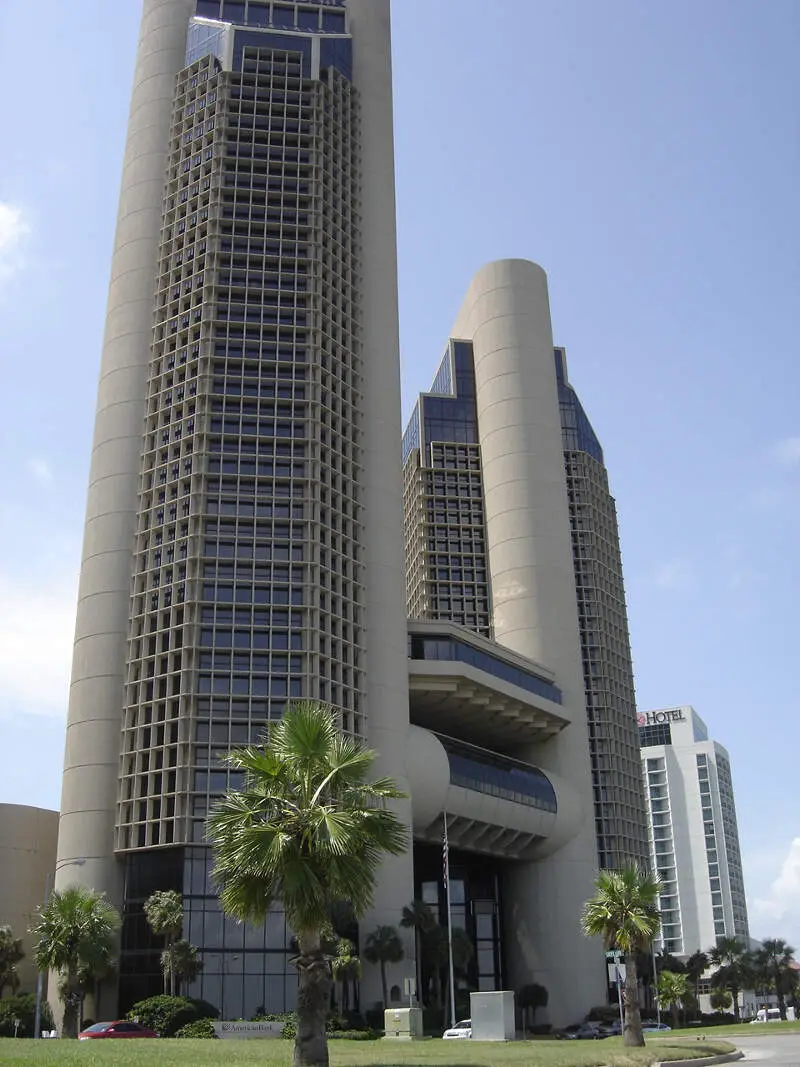
Corpus Christi vs. San Antonio in photos
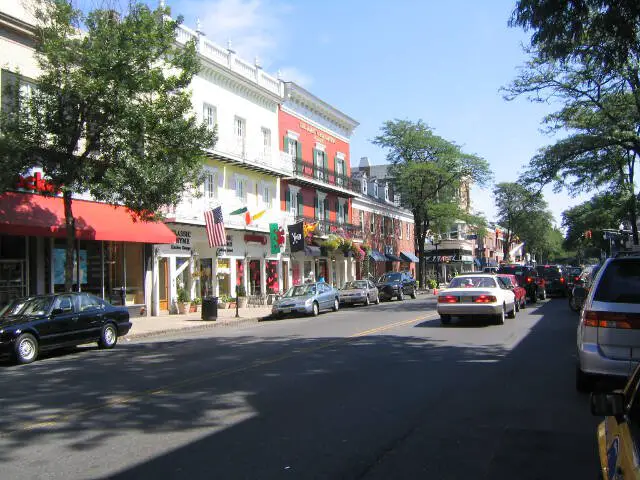
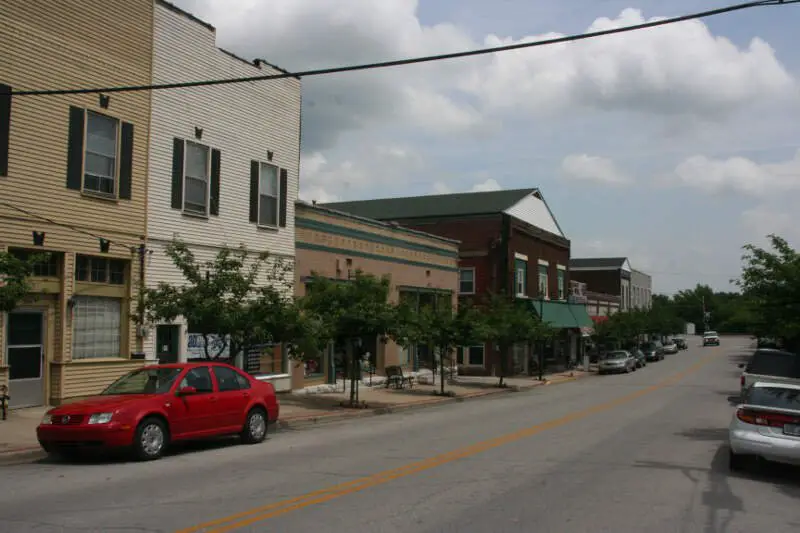
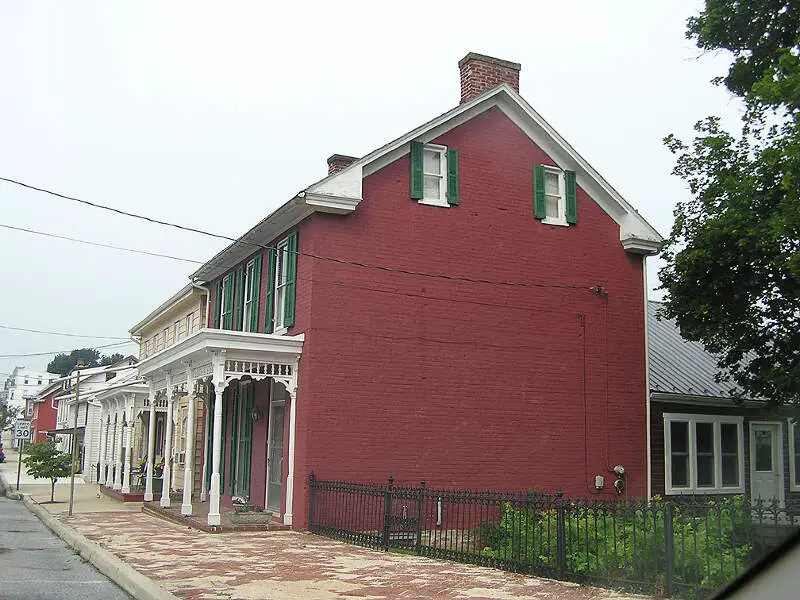
A side-by-side look at each city.

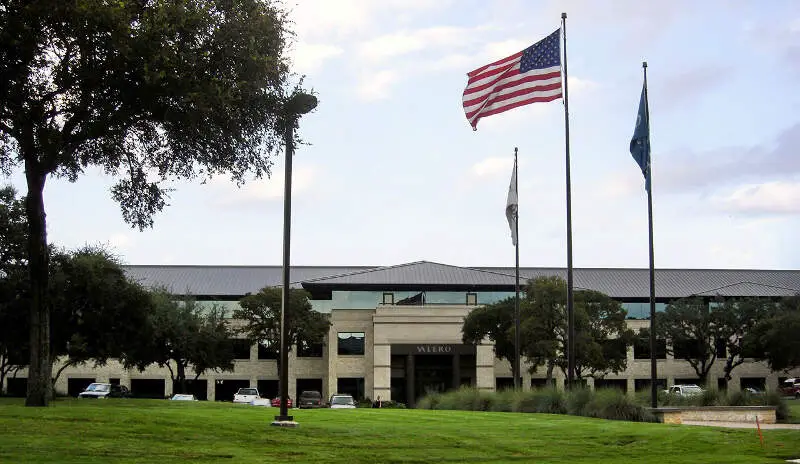

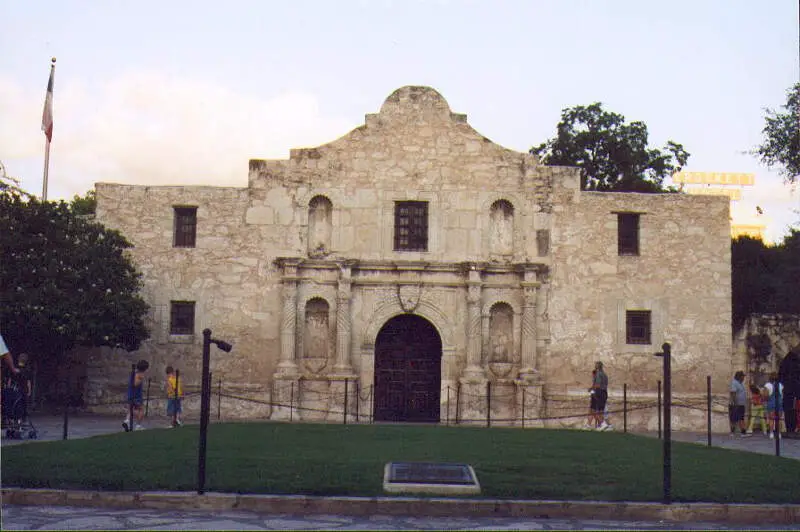
Cost of living
San Antonio is the cheaper city overall — 2% higher in Corpus Christi than its rival. Index baseline: 100 = national average.
| Living expense | Corpus Christi | San Antonio | US average |
|---|---|---|---|
| Overall | 100 | 98 | 100 |
| Services | 95 | 103 | 100 |
| Groceries | 99 | 101 | 100 |
| Health | 95 | 91 | 100 |
| Housing | 102 | 106 | 100 |
| Transportation | 104 | 103 | 100 |
| Utilities | 100 | 101 | 100 |
Lower index = cheaper. 100 = U.S. national average. Bar inside each cell scales relative to the highest value in the table.
Sources: HomeSnacks Cost of Living indices, normalized so 100 = U.S. national average. Drill in: Corpus Christi cost of living, San Antonio cost of living, or the cheapest cities in America.
Housing breakdown
Home prices are higher in San Antonio. Compare absolute price and price-to-income — a $500k home in a $100k-income city is very different from one in a $50k-income city.
| Metric | Corpus Christi | San Antonio | United States |
|---|---|---|---|
| Median Home Value | $223,501 | $249,809 | $332,700 |
| Median Rent | $1,292 | $1,324 | $1,413 |
| Median Income | $67,394 | $65,056 | $80,734 |
| Home Value To Income | 3.3x | 3.8x | 4.1x |
| Rent To Monthly Income | 0.23x | 0.24x | 0.21x |
Source: U.S. Census Bureau ACS 2020-2024. See also states with the highest rent in America.
Crime
Corpus Christi is the safer city — total crime rate of 3,875 per 100k people vs 5,218 for San Antonio. US average: 2,119.
| Crime (per 100k) | Corpus Christi | San Antonio | US average |
|---|---|---|---|
| Total crime | 3,875 | 5,218 | 2,119 |
| Murder | 9 | 8 | 5 |
| Robbery | 116 | 108 | 61 |
| Aggravated Assault | 665 | 394 | 256 |
| Violent Crime | 864 | 594 | 359 |
| Burglary | 522 | 496 | 229 |
| Larceny | 2,099 | 3,292 | 1,272 |
| Car Theft | 390 | 836 | 259 |
| Property Crime | 3,011 | 4,624 | 1,760 |
Lower = safer. Bar inside each cell scales relative to the highest crime rate in the table.
Source: FBI Uniform Crime Reporting (2024). All rates are per 100,000 people. City pages: Corpus Christi crime, San Antonio crime. See also: safest cities in America.
Diversity
Corpus Christi is more racially diverse — lower HHI (closer to 0) means a more even mix across groups.
| Group | Corpus Christi | San Antonio | United States |
|---|---|---|---|
| White | 29.2% | 23.0% | 57.4% |
| African American | 3.8% | 6.4% | 11.9% |
| American Indian | 0.1% | 0.1% | 0.5% |
| Asian | 2.5% | 2.9% | 5.9% |
| Hawaiian | 0.1% | 0.1% | 0.2% |
| Other | 0.3% | 0.5% | 0.6% |
| Two Or More | 2.0% | 2.4% | 4.3% |
| Hispanic | 62.0% | 64.6% | 19.3% |
Source: U.S. Census ACS 2020-2024. Lower HHI = more even racial mix. See also: most diverse cities in America.
SnackAbility — overall quality of life
Corpus Christi and San Antonio tied at 4/10.
Scores are 0–10; both bars share the same scale.
SnackAbility is a HomeSnacks proprietary 1–10 score blending jobs, housing, education, commute, amenities, affordability, crime, and diversity. Median U.S. city ≈ 7. Data: Census, BLS, FBI. See also: best places to live in America.
Getting around: Corpus Christi vs. San Antonio
How each city handles commuting, transit, walkability, and car culture — the day-to-day reality that shapes where you'd actually want to live.
Both cities are firmly car-dependent, but scale changes the experience considerably. In Corpus Christi, you'll rarely hit traffic that rivals a larger metro: the grid is manageable, and the rebuilt Harbor Bridge corridor has eased downtown access. There's no light rail, and the Regional Transportation Authority bus network is thin, so a car is essentially required for daily life.
San Antonio is a different animal. VIA Metropolitan Transit runs an extensive bus network, and the city has invested in bus rapid transit along key corridors, but with 1.4 million people sprawling across Loop 410 and beyond to Loop 1604, rush hour on I-35 or US-281 can be genuinely punishing. If you commute by car, budget real time in the morning and evening windows — Corpus Christi's smaller footprint keeps that pressure considerably lower.
Jobs and careers in Corpus Christi vs. San Antonio
The local job market, dominant industries, and which city to choose based on your career.
Corpus Christi's economy is anchored by the Port of Corpus Christi (one of the busiest in the US by tonnage), a strong petrochemical and liquefied natural gas export sector, Naval Air Station Corpus Christi, and a regional healthcare market led by Christus Spohn. The median household income runs $67,394 versus San Antonio's $65,056, a gap that goes further given the cost difference between the two cities.
San Antonio's employment base is much broader: USAA, Valero Energy, H-E-B, and Toyota's North American manufacturing plant are among the flagship employers. Joint Base San Antonio (combining Lackland, Randolph, and Fort Sam Houston) employs tens of thousands directly and supports a large contractor ecosystem. The growing tech and cybersecurity sector, clustering around the Port San Antonio innovation campus, is adding higher-wage roles that Corpus Christi can't match in volume.
Weather and climate
What to expect day-to-day — sun, fog, heat, rain, and the seasonal extremes that shape the lifestyle.
If you like warm weather, both cities deliver, though the Gulf Coast location shapes each experience differently. Corpus Christi's climate is cooled by near-constant sea breezes off the Gulf, which keeps summer highs a few degrees below what you'd see inland and makes beachside afternoons tolerable even in July and August. The trade-off is humidity and hurricane exposure: the city sits in a direct strike zone, and storm season runs June through November.
San Antonio sits about 210 miles inland, so summer temperatures regularly push past 100°F with less relief from wind. Winters are mild in both cities, though San Antonio sees slightly more cold fronts and the occasional ice event that can freeze the city (see 2021). Annual rainfall is lower in San Antonio, but either way, expect long, hot summers and short, mild winters — that part of Texas life is non-negotiable in both places.
Culture, nightlife, and entertainment
Food, music, neighborhoods, and the city vibe that gives each place its personality.
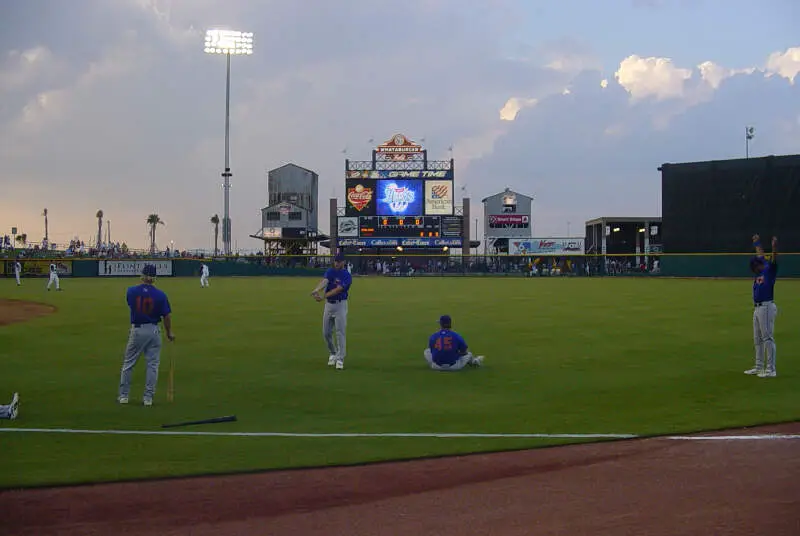
Corpus Christi's personality is shaped by its coastal identity and its status as the birthplace of Tejano icon Selena Quintanilla — the Selena Museum and the waterfront mirador draw devoted visitors year-round. The Texas State Aquarium, the USS Lexington museum ship, and Whataburger Field (home of the Hooks, Houston Astros' Double-A affiliate) fill out a small but real cultural core. The bar and restaurant scene along Chaparral Street and the Southside has grown, but nightlife options are limited compared to a major metro.
San Antonio operates at an entirely different scale. The River Walk threads through a dining and entertainment district that runs day and night, and the Pearl District has become one of the more acclaimed urban revitalization projects in the South, packed with independent restaurants, a weekend farmers market, and boutique hotels. The Spurs, Fiesta SA, the historic missions UNESCO World Heritage Site, and a busy live music circuit give San Antonio cultural depth that Corpus Christi can't match in volume.
Outdoor activities and day trips
Parks, beaches, hikes, and the weekend escapes that define life outside the city limits.
Padre Island National Seashore — the longest undeveloped stretch of barrier island in the US — sits minutes from Corpus Christi and offers surf fishing, kayaking, and some of the best shorebird watching on the continent. Mustang Island State Park adds more beach access, and Aransas National Wildlife Refuge, a short drive north, is the wintering ground of the endangered whooping crane. If you live for saltwater fishing, offshore access from the Port Aransas jetties is hard to beat.
San Antonio trades the coast for the Hill Country: Natural Bridge Caverns, Government Canyon State Natural Area, and the Guadalupe River tubing corridor around New Braunfels are all within an hour, with Friedrich Wilderness Park offering rugged hiking right inside city limits. Canyon Lake is a popular weekend destination for boating and swimming. San Antonio's outdoor options cover more terrain variety, but if catching redfish in the surf or watching dolphins from a kayak is your idea of a good Saturday, Corpus Christi wins outright.
Bottom line: which city is right for you?
Based on the head-to-head data above, here's the short version — pick the city that lines up with what you actually care about.
Choose Corpus Christi if you prioritize…
- lower crime — a safer place to live, work, and raise a family.
- a more racially diverse community (lower HHI on Census data).
Choose San Antonio if you prioritize…
- a lower cost of living (cheaper groceries, services, and day-to-day expenses).
- more affordable housing relative to Corpus Christi.
Methodology: winners are picked from public data — U.S. Census Bureau ACS (income, home value, rent, race/HHI), FBI Uniform Crime Reporting (crime rates per 100k), and HomeSnacks' proprietary SnackAbility quality-of-life score, which blends Bureau of Labor Statistics data with the above.
Other comparisons
Still weighing your options? See how these two cities stack up against other places we've compared head-to-head.