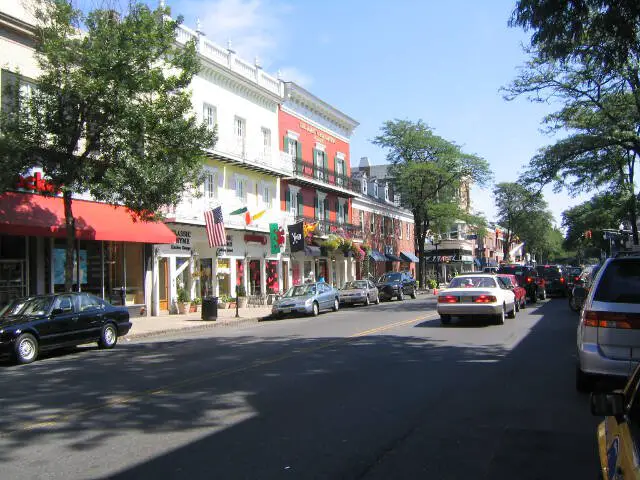
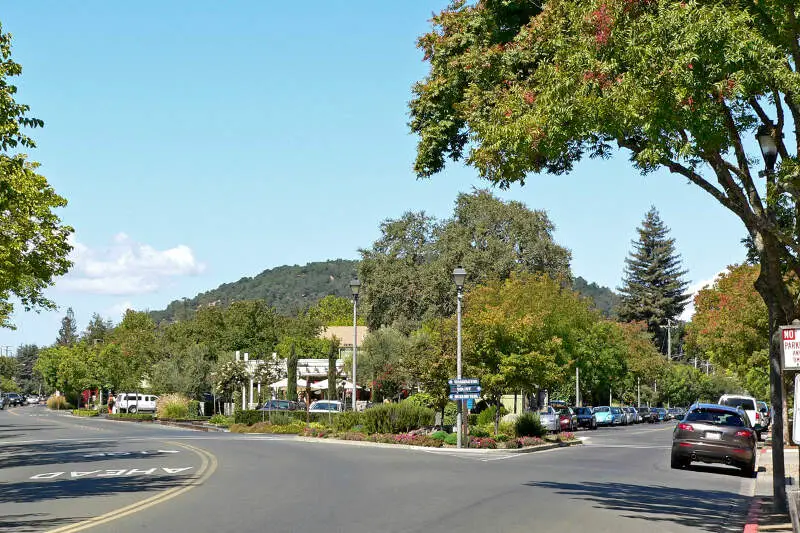
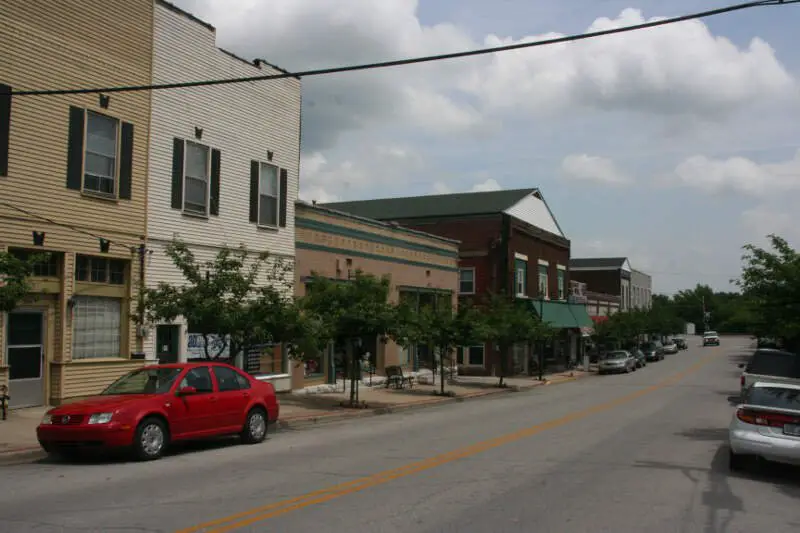
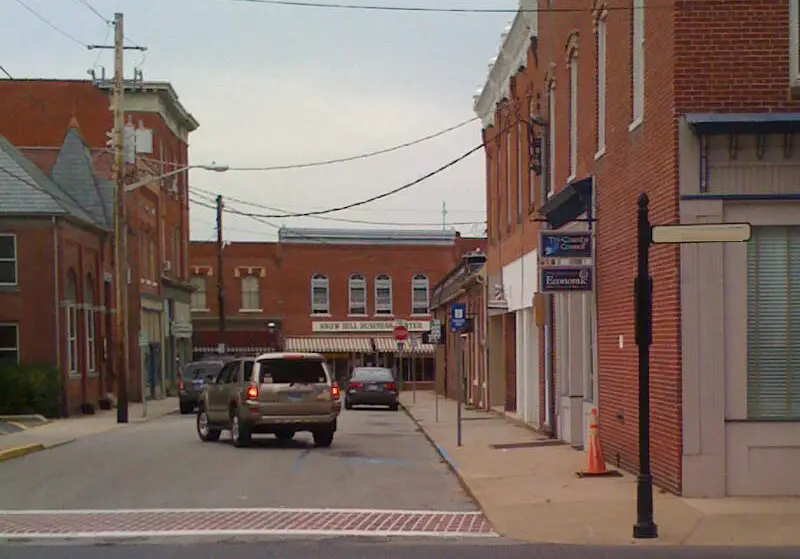
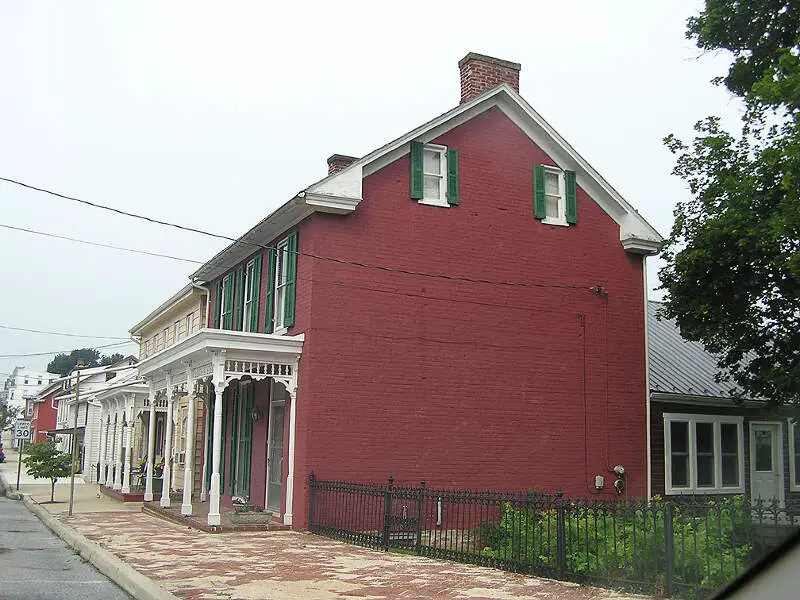
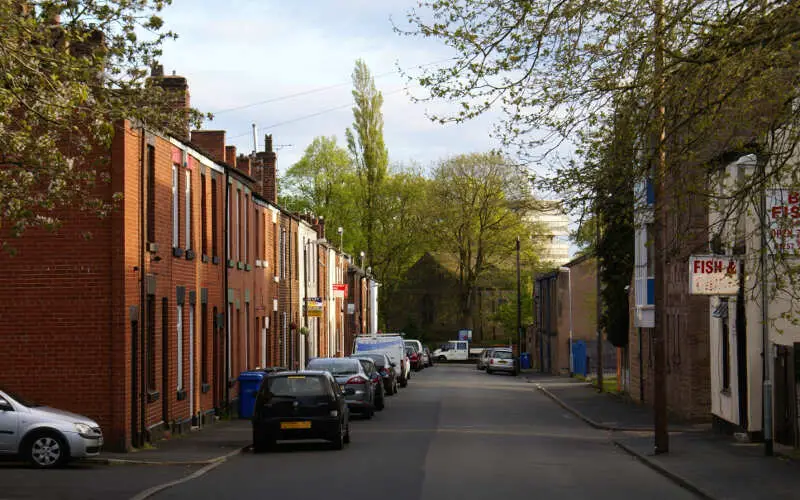
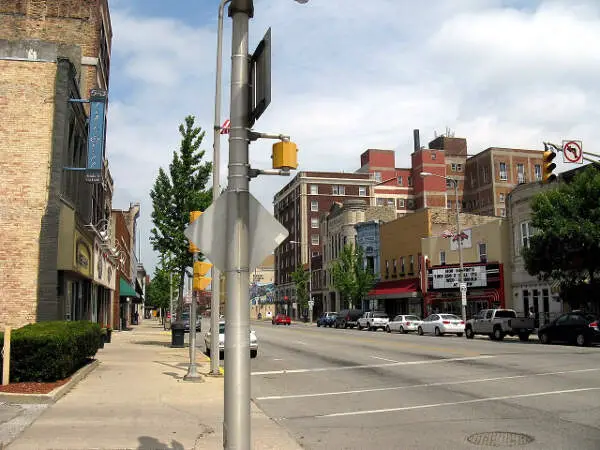
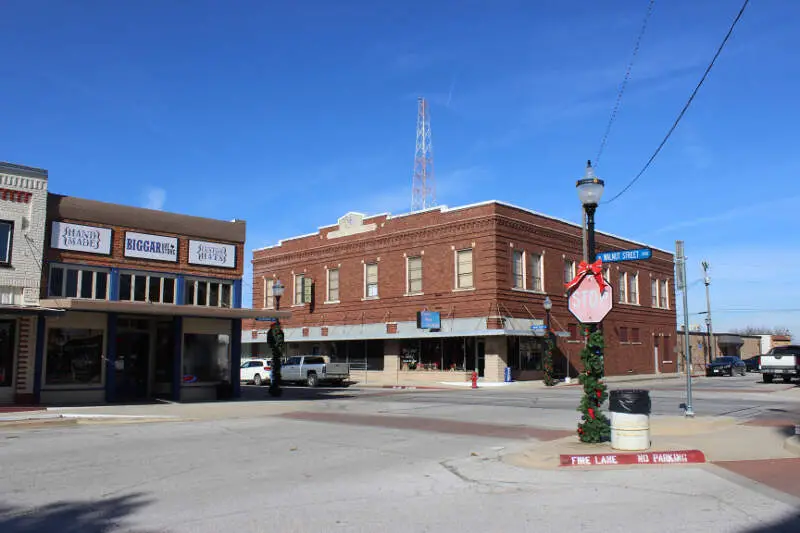
Colorado Springs vs. Fort Collins in photos
A side-by-side look at each city.
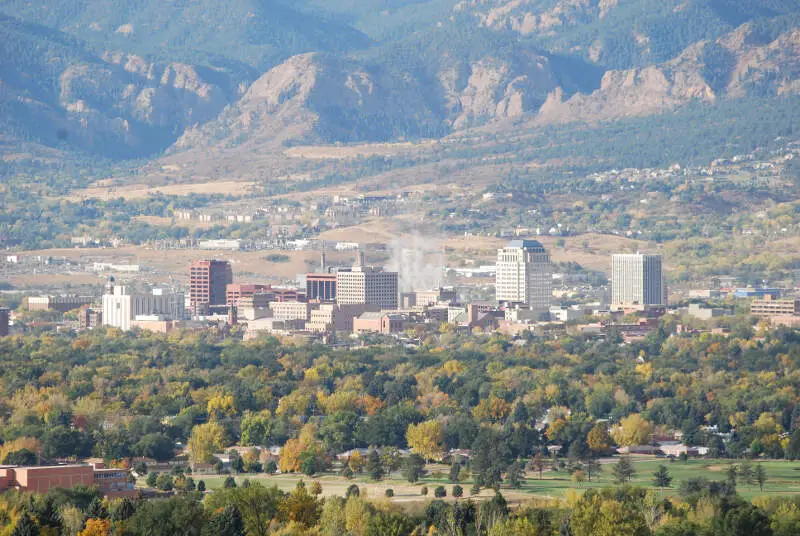
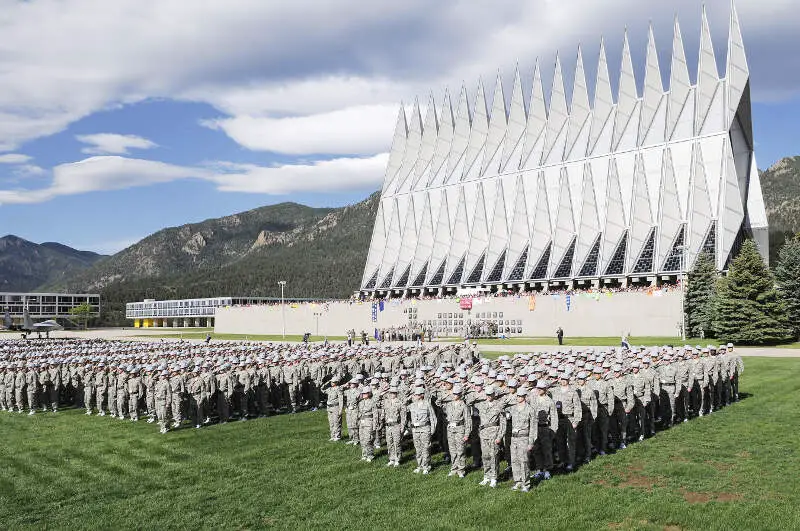
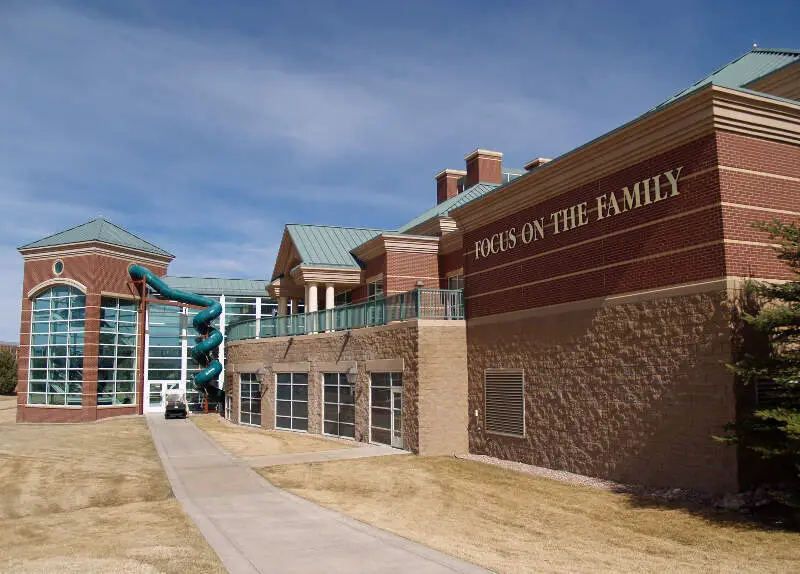
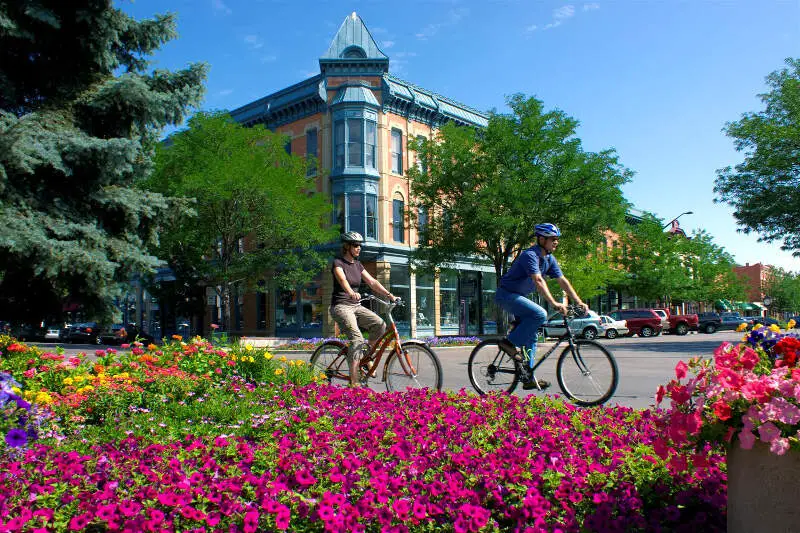
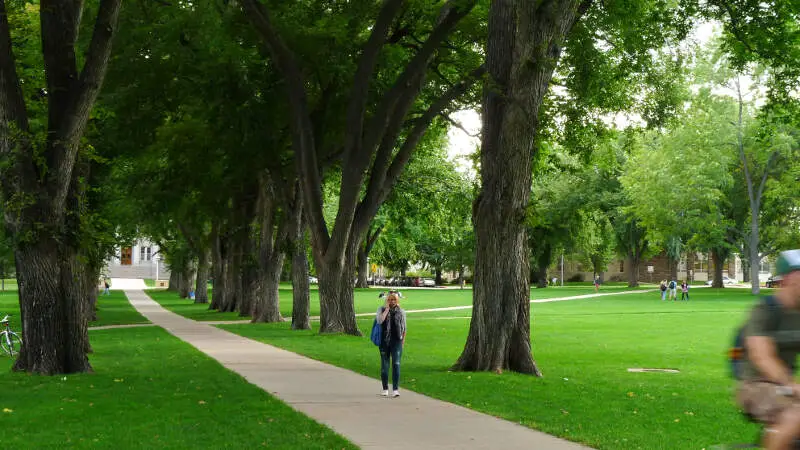
Cost of living
Colorado Springs is the cheaper city overall — 10% higher in Fort Collins than its rival. Index baseline: 100 = national average.
| Living expense | Colorado Springs | Fort Collins | US average |
|---|---|---|---|
| Overall | 122 | 135 | 100 |
| Services | 103 | 104 | 100 |
| Groceries | 108 | 104 | 100 |
| Health | 152 | 195 | 100 |
| Housing | 112 | 105 | 100 |
| Transportation | 109 | 108 | 100 |
| Utilities | 104 | 109 | 100 |
Lower index = cheaper. 100 = U.S. national average. Bar inside each cell scales relative to the highest value in the table.
Sources: HomeSnacks Cost of Living indices, normalized so 100 = U.S. national average. Drill in: Colorado Springs cost of living, Fort Collins cost of living, or the cheapest cities in America.
Housing breakdown
Home prices are higher in Fort Collins. Compare absolute price and price-to-income — a $500k home in a $100k-income city is very different from one in a $50k-income city.
| Metric | Colorado Springs | Fort Collins | United States |
|---|---|---|---|
| Median Home Value | $449,451 | $563,815 | $332,700 |
| Median Rent | $1,648 | $1,690 | $1,413 |
| Median Income | $84,818 | $85,070 | $80,734 |
| Home Value To Income | 5.3x | 6.6x | 4.1x |
| Rent To Monthly Income | 0.23x | 0.24x | 0.21x |
Source: U.S. Census Bureau ACS 2020-2024. See also states with the highest rent in America.
Crime
Fort Collins is the safer city — total crime rate of 2,428 per 100k people vs 4,164 for Colorado Springs. US average: 2,119.
| Crime (per 100k) | Colorado Springs | Fort Collins | US average |
|---|---|---|---|
| Total crime | 4,164 | 2,428 | 2,119 |
| Murder | 8 | 2 | 5 |
| Robbery | 78 | 25 | 61 |
| Aggravated Assault | 529 | 223 | 256 |
| Violent Crime | 716 | 273 | 359 |
| Burglary | 530 | 229 | 229 |
| Larceny | 2,227 | 1,742 | 1,272 |
| Car Theft | 692 | 184 | 259 |
| Property Crime | 3,449 | 2,155 | 1,760 |
Lower = safer. Bar inside each cell scales relative to the highest crime rate in the table.
Source: FBI Uniform Crime Reporting (2024). All rates are per 100,000 people. City pages: Colorado Springs crime, Fort Collins crime. See also: safest cities in America.
Diversity
Colorado Springs is more racially diverse — lower HHI (closer to 0) means a more even mix across groups.
| Group | Colorado Springs | Fort Collins | United States |
|---|---|---|---|
| White | 65.2% | 77.3% | 57.4% |
| African American | 5.3% | 1.3% | 11.9% |
| American Indian | 0.2% | 0.3% | 0.5% |
| Asian | 2.9% | 3.3% | 5.9% |
| Hawaiian | 0.2% | 0.1% | 0.2% |
| Other | 0.6% | 0.6% | 0.6% |
| Two Or More | 6.4% | 4.3% | 4.3% |
| Hispanic | 19.3% | 12.8% | 19.3% |
Source: U.S. Census ACS 2020-2024. Lower HHI = more even racial mix. See also: most diverse cities in America.
SnackAbility — overall quality of life
Fort Collins scores higher overall — 7.5/10 vs 7/10. SnackAbility is our 1–10 quality-of-life score; the median U.S. city scores a 7.
Scores are 0–10; both bars share the same scale.
SnackAbility is a HomeSnacks proprietary 1–10 score blending jobs, housing, education, commute, amenities, affordability, crime, and diversity. Median U.S. city ≈ 7. Data: Census, BLS, FBI. See also: best places to live in America.
Getting around: Colorado Springs vs. Fort Collins
How each city handles commuting, transit, walkability, and car culture — the day-to-day reality that shapes where you'd actually want to live.
Both Colorado Springs and Fort Collins are firmly car country, but they differ in how livable life without a car can be. Colorado Springs has Mountain Metro Transit, a bus network covering the city's sprawling 195-square-mile footprint, though service is infrequent enough that most of its 487,000 residents drive. I-25 is the main commuter spine, and traffic stays manageable near downtown and the north side, though the Powers Boulevard corridor crawls during peak hours.
Fort Collins punches above its weight for a city of 170,000. Transfort's MAX Bus Rapid Transit line runs a dedicated corridor from South College to Old Town, and the city consistently ranks among the most bicycle-friendly in the country.
A dense network of protected lanes means Colorado State University students and downtown workers genuinely commute by bike year-round. If you're coming from a larger metro and want the option of leaving the car at home a few days a week, Fort Collins makes that realistic in a way Colorado Springs doesn't.
Jobs and careers in Colorado Springs vs. Fort Collins
The local job market, dominant industries, and which city to choose based on your career.
The two cities sit at nearly the same median household income: $84,818 in Colorado Springs versus $85,070 in Fort Collins. They get there through very different industries.
Colorado Springs is heavily anchored to military and defense. Fort Carson, Peterson Space Force Base, Schriever Space Force Base, and the NORAD/NORTHCOM headquarters collectively employ tens of thousands and support a large network of defense contractors like Lockheed Martin and SAIC. Healthcare is the other pillar, with UCHealth Memorial and Centura Health as major employers.
Fort Collins leans on Colorado State University, which is both a top employer and the reason a tech and clean-energy cluster developed here. Companies with roots in the old HP/Agilent lineage, now including Keysight Technologies, anchor a white-collar tech base. The craft beverage industry (New Belgium, Odell, Anheuser-Busch's local facility) adds manufacturing jobs.
Fort Collins's cost of living index of 135 versus Colorado Springs's 122 means your comparable salary goes a bit further south on I-25.
Weather and climate
What to expect day-to-day — sun, fog, heat, rain, and the seasonal extremes that shape the lifestyle.
Both cities sit on Colorado's Front Range and share the same signature climate: 300-plus days of sunshine per year, low humidity, and four genuine seasons. Colorado Springs sits at around 6,035 feet, which gives it cooler summers than Denver (July highs hover in the low 80s) and cold, sometimes snowy winters. Afternoon thunderstorms roll through regularly in July and August.
The city also sits in a wind corridor that can produce dramatic chinook warming events in winter, melting a foot of snow in a single afternoon.
Fort Collins, at roughly 4,984 feet, runs a few degrees warmer in summer and can feel more exposed to eastern plains heat during August. Winters are cold but not brutal by mountain standards. Snowfall is modest compared to the high country, though the city does get periodic heavy dumps from upslope storms off the Rockies.
Both cities are far more temperate than the national average, and neither requires the extreme weather gear you'd need if you moved to the mountains proper.
Culture, nightlife, and entertainment
Food, music, neighborhoods, and the city vibe that gives each place its personality.
Colorado Springs has a more conservative, military-influenced culture than most Colorado cities, but it has genuine pockets of creative energy. Manitou Springs (technically a separate municipality just west of downtown) is an artsy, funky enclave with galleries, independent restaurants, and the Pikes Peak Cog Railway as a neighbor. Old Colorado City, the historic strip along Colorado Avenue, has evolved into a solid dining and boutique shopping corridor.
The Broadmoor resort anchors a luxury hospitality scene, and the U.S. Olympic and Paralympic Museum gives the city a legitimate cultural landmark.
Fort Collins's Old Town is one of the most genuinely walkable and lively downtown districts of any city its size in Colorado. On weekend nights, the stretch around Mountain Avenue and College Avenue fills with brewpubs, live music venues, and independent restaurants drawing both students and long-term residents. The Aggie Theatre and Washington's are reliable spots for touring acts.
Fort Collins has a younger median age, driven by CSU, and the bar and restaurant scene reflects that energy. If nightlife and walkable urbanism matter to you, Fort Collins edges ahead despite being less than a third the size of Colorado Springs.
Outdoor activities and day trips
Parks, beaches, hikes, and the weekend escapes that define life outside the city limits.
Colorado Springs might be the single best-positioned city on the Front Range for outdoor access. Garden of the Gods (a free, city-owned park with 300-foot red sandstone formations) sits minutes from downtown and draws hikers and rock climbers from across the country. Pikes Peak looms directly above the city and is accessible by cog railway, road, or a demanding 26-mile round-trip trail.
Cheyenne Mountain State Park and Red Rock Canyon Open Space add more trail miles within the city limits, and the Royal Gorge is an easy 45-minute drive southwest.
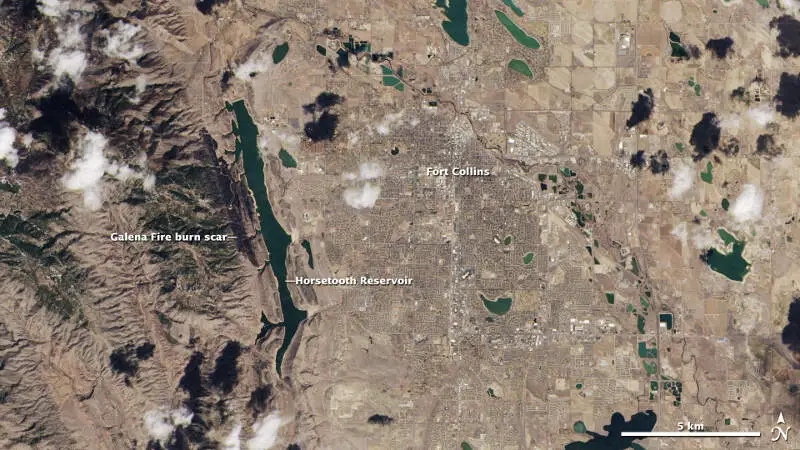
Fort Collins holds its own through sheer variety of water and mountain access. Horsetooth Reservoir, just west of town, is the go-to for sailing, kayaking, paddleboarding, and swimming all summer. The Cache la Poudre River (Colorado's only federally designated Wild and Scenic River) runs right through the canyon above town and offers some of the state's best whitewater rafting.
Rocky Mountain National Park is roughly an hour's drive, making Estes Park a realistic half-day trip. Fort Collins also has an unusually complete urban trail system that connects neighborhoods to open space without touching a road.
Bottom line: which city is right for you?
Based on the head-to-head data above, here's the short version — pick the city that lines up with what you actually care about.
Choose Colorado Springs if you prioritize…
- a lower cost of living (cheaper groceries, services, and day-to-day expenses).
- a more racially diverse community (lower HHI on Census data).
Choose Fort Collins if you prioritize…
- lower crime — a safer place to live, work, and raise a family.
- more affordable housing relative to Colorado Springs.
- a higher overall SnackAbility quality-of-life score.
Methodology: winners are picked from public data — U.S. Census Bureau ACS (income, home value, rent, race/HHI), FBI Uniform Crime Reporting (crime rates per 100k), and HomeSnacks' proprietary SnackAbility quality-of-life score, which blends Bureau of Labor Statistics data with the above.
Other comparisons
Still weighing your options? See how these two cities stack up against other places we've compared head-to-head.