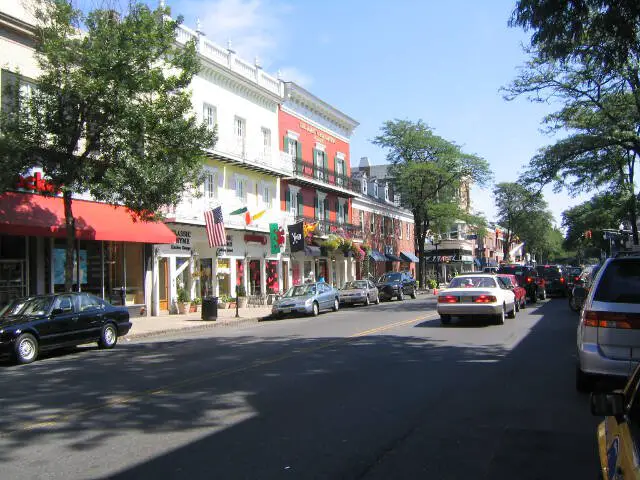
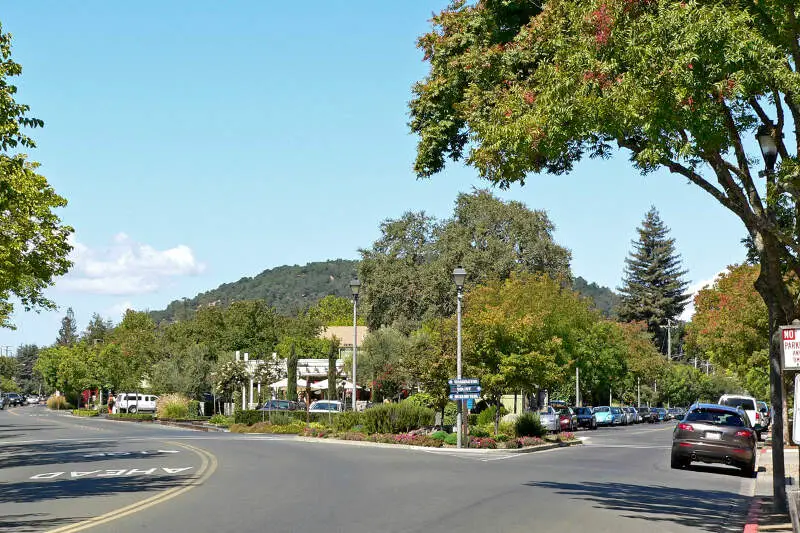
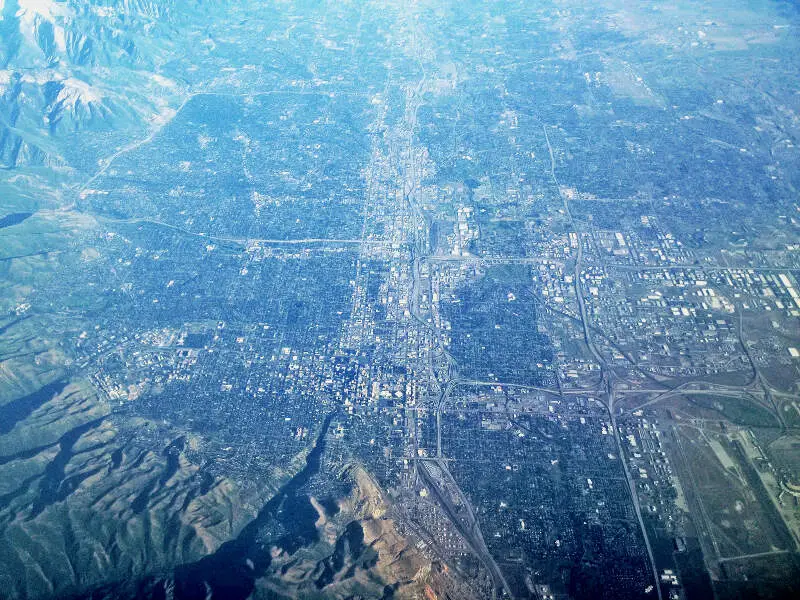
Colorado Springs vs. Salt Lake City in photos
A side-by-side look at each city.
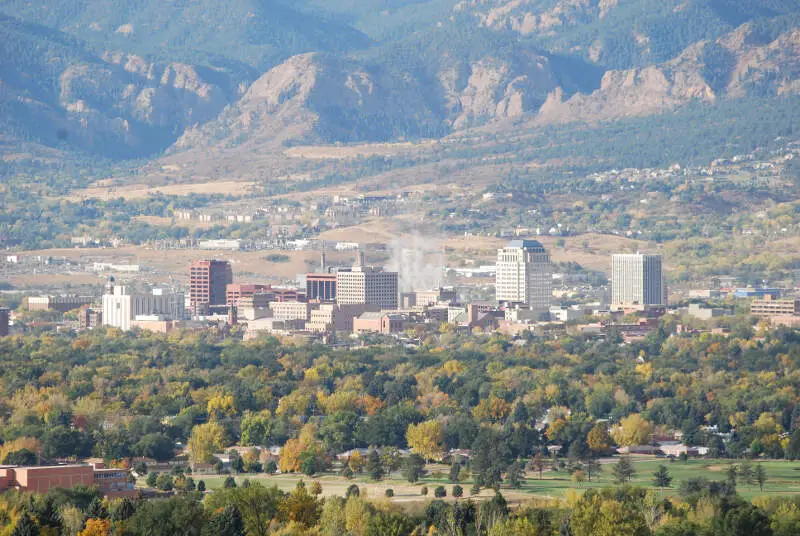
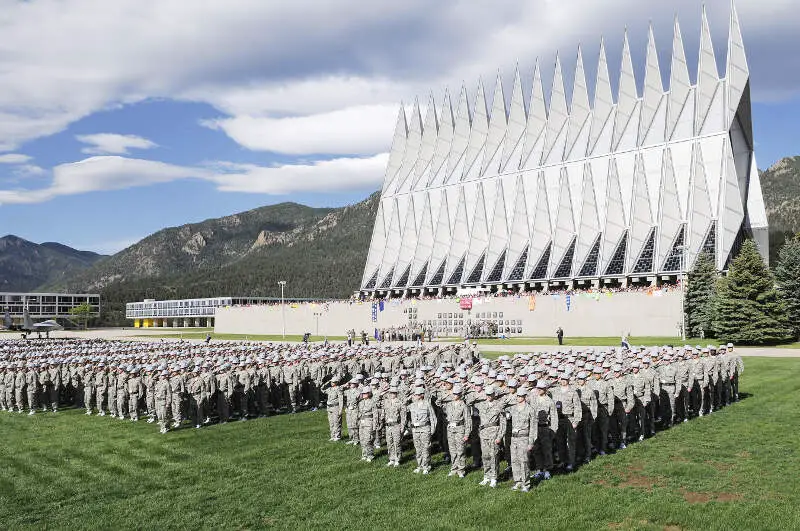
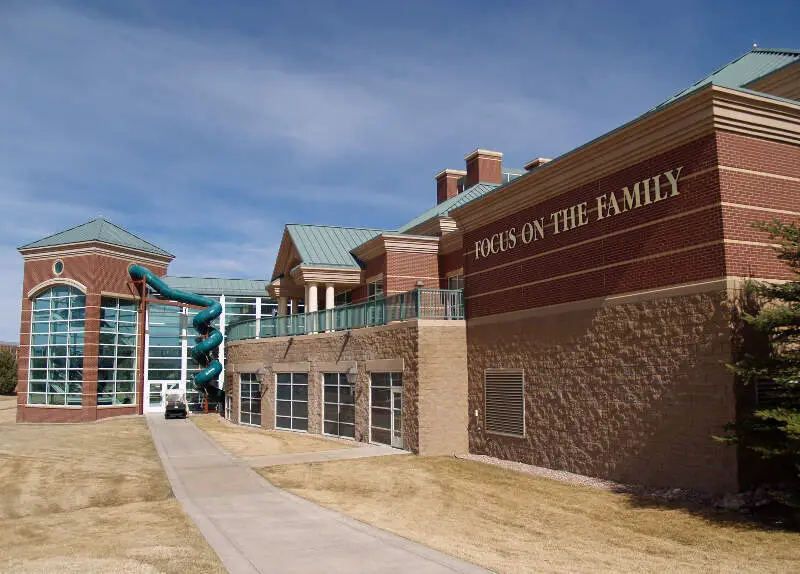
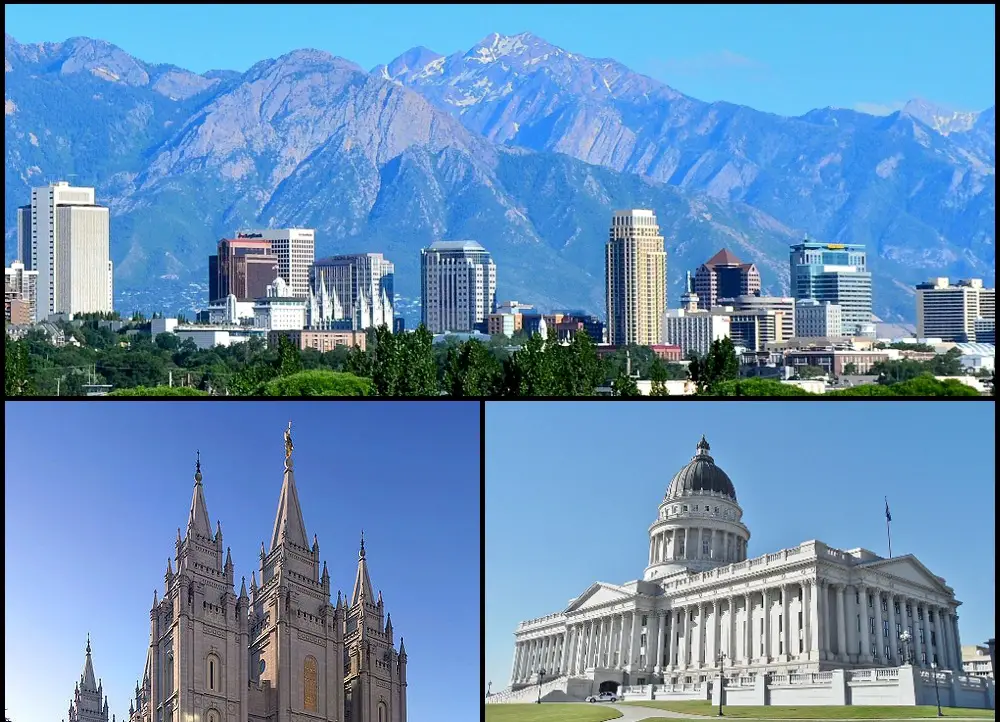

Cost of living
Colorado Springs is the cheaper city overall — 2% higher in Salt Lake City than its rival. Index baseline: 100 = national average.
| Living expense | Colorado Springs | Salt Lake City | US average |
|---|---|---|---|
| Overall | 122 | 124 | 100 |
| Services | 103 | 102 | 100 |
| Groceries | 108 | 105 | 100 |
| Health | 152 | 162 | 100 |
| Housing | 112 | 104 | 100 |
| Transportation | 109 | 106 | 100 |
| Utilities | 104 | 112 | 100 |
Lower index = cheaper. 100 = U.S. national average. Bar inside each cell scales relative to the highest value in the table.
Sources: HomeSnacks Cost of Living indices, normalized so 100 = U.S. national average. Drill in: Colorado Springs cost of living, Salt Lake City cost of living, or the cheapest cities in America.
Housing breakdown
Home prices are higher in Salt Lake City. Compare absolute price and price-to-income — a $500k home in a $100k-income city is very different from one in a $50k-income city.
| Metric | Colorado Springs | Salt Lake City | United States |
|---|---|---|---|
| Median Home Value | $449,451 | $573,181 | $332,700 |
| Median Rent | $1,648 | $1,414 | $1,413 |
| Median Income | $84,818 | $75,090 | $80,734 |
| Home Value To Income | 5.3x | 7.6x | 4.1x |
| Rent To Monthly Income | 0.23x | 0.23x | 0.21x |
Source: U.S. Census Bureau ACS 2020-2024. See also states with the highest rent in America.
Crime
Colorado Springs is the safer city — total crime rate of 4,164 per 100k people vs 6,064 for Salt Lake City. US average: 2,119.
| Crime (per 100k) | Colorado Springs | Salt Lake City | US average |
|---|---|---|---|
| Total crime | 4,164 | 6,064 | 2,119 |
| Murder | 8 | 5 | 5 |
| Robbery | 78 | 183 | 61 |
| Aggravated Assault | 529 | 517 | 256 |
| Violent Crime | 716 | 864 | 359 |
| Burglary | 530 | 551 | 229 |
| Larceny | 2,227 | 4,185 | 1,272 |
| Car Theft | 692 | 464 | 259 |
| Property Crime | 3,449 | 5,200 | 1,760 |
Lower = safer. Bar inside each cell scales relative to the highest crime rate in the table.
Source: FBI Uniform Crime Reporting (2024). All rates are per 100,000 people. City pages: Colorado Springs crime, Salt Lake City crime. See also: safest cities in America.
Diversity
Salt Lake City is more racially diverse — lower HHI (closer to 0) means a more even mix across groups.
| Group | Colorado Springs | Salt Lake City | United States |
|---|---|---|---|
| White | 65.2% | 64.4% | 57.4% |
| African American | 5.3% | 2.3% | 11.9% |
| American Indian | 0.2% | 0.5% | 0.5% |
| Asian | 2.9% | 4.9% | 5.9% |
| Hawaiian | 0.2% | 1.5% | 0.2% |
| Other | 0.6% | 0.3% | 0.6% |
| Two Or More | 6.4% | 5.3% | 4.3% |
| Hispanic | 19.3% | 20.8% | 19.3% |
Source: U.S. Census ACS 2020-2024. Lower HHI = more even racial mix. See also: most diverse cities in America.
SnackAbility — overall quality of life
Colorado Springs scores higher overall — 7/10 vs 6/10. SnackAbility is our 1–10 quality-of-life score; the median U.S. city scores a 7.
Scores are 0–10; both bars share the same scale.
SnackAbility is a HomeSnacks proprietary 1–10 score blending jobs, housing, education, commute, amenities, affordability, crime, and diversity. Median U.S. city ≈ 7. Data: Census, BLS, FBI. See also: best places to live in America.
Getting around: Colorado Springs vs. Salt Lake City
How each city handles commuting, transit, walkability, and car culture — the day-to-day reality that shapes where you'd actually want to live.
Colorado Springs runs almost entirely on cars. Mountain Metro Transit operates a bus network, but routes are sparse outside the downtown core, and without light rail you will almost certainly need a vehicle for daily errands and commutes along the I-25 corridor. If you live on the north end near the Air Force Academy and work downtown, expect 20-30 minutes each way on a good day — longer during snow events on Monument Hill.
Salt Lake City is the clear winner if you want transit options. UTA's TRAX light rail connects the airport, downtown, the University of Utah, and Sandy, while FrontRunner commuter rail runs north to Ogden and south to Provo. Cycling has improved along 900 South and through Sugar House, and if you work downtown or near the university, going car-light is realistic — something nearly impossible in Colorado Springs.
Jobs and careers in Colorado Springs vs. Salt Lake City
The local job market, dominant industries, and which city to choose based on your career.
Colorado Springs leans heavily on the military-defense complex. Fort Carson, Peterson Space Force Base, Schriever Space Force Base, and NORAD/NORTHCOM together employ tens of thousands, backed by contractors including Lockheed Martin and Raytheon. UCHealth and Centura Health round out the major employers, and median household income sits at $84,818 — well above Salt Lake City's $75,090 — partly because defense and federal jobs push wages up.
Salt Lake City punches above its weight in tech: the "Silicon Slopes" corridor from Salt Lake south through Lehi hosts Adobe, Qualtrics, Domo, Goldman Sachs, and dozens of fast-growing startups. Zions Bank and Intermountain Health anchor finance and healthcare hiring. The outdoor industry — Black Diamond, Skullcandy, Backcountry — adds jobs you won't find in Colorado Springs, and for anyone in tech or finance, Salt Lake's job market density is hard to beat for a city its size.
Weather and climate
What to expect day-to-day — sun, fog, heat, rain, and the seasonal extremes that shape the lifestyle.
Colorado Springs sits at roughly 6,000 feet, which keeps summer highs in the mid-80s while nights cool off enough for a jacket. You'll see around 300 days of sunshine annually, but afternoon thunderstorms roll in fast during July and August. Winters bring cold snaps and periodic heavy snowfall, especially after upslope events from the east — though the city tends to clear out quickly at that elevation.
Salt Lake City sits about 1,800 feet lower, which means noticeably hotter summers: triple-digit days in July are not unusual along the valley floor. Temperature inversions trap pollution and wildfire smoke in the Salt Lake Valley for days at a time, which matters if you have respiratory sensitivities. Both cities are semi-arid and sunny, but if summer heat or winter inversions are dealbreakers, Colorado Springs has the edge on livable air year-round.
Culture, nightlife, and entertainment
Food, music, neighborhoods, and the city vibe that gives each place its personality.
Colorado Springs is one of the more politically conservative large cities in the West, home to Focus on the Family and a heavily evangelical community, and that shapes the social scene more than many newcomers expect. Tejon Street and Old Colorado City have solid restaurants and breweries, and neighboring Manitou Springs has a quirky, arts-forward character. Nightlife is limited for a city its size, and the entertainment calendar leans toward family and outdoor events.
Salt Lake City's culture is still shaped by the LDS church, but the city has diversified fast. The 9th and 9th neighborhood, the Granary District, and Sugar House have a growing craft cocktail and independent restaurant scene — Utah's liquor laws are less restrictive than they used to be, though you'll still notice the quirks. The Utah Jazz, Pioneer Theatre Company, and venues like The Depot give Salt Lake a cultural density that will surprise anyone expecting a sleepy religious town, and the scene moves faster than anything you'll find in Colorado Springs.
Outdoor activities and day trips
Parks, beaches, hikes, and the weekend escapes that define life outside the city limits.
Colorado Springs is essentially built inside a playground. Garden of the Gods offers world-class sandstone formations ten minutes from downtown, Pikes Peak is visible from nearly every neighborhood, and Red Rock Canyon Open Space has technical trails without leaving city limits. Cheyenne Mountain State Park and the Waldo Canyon Trail corridor add to an already deep list, with the Sangre de Cristo range reachable within 30 minutes.
Salt Lake City's edge is the Wasatch Mountains right on the eastern edge of town: Little Cottonwood Canyon leads to Alta and Snowbird (two of the best ski resorts in North America), while Big Cottonwood takes you to Brighton and Solitude, and Park City is 45 minutes away. Hiking, trail running, and climbing in the Wasatch are exceptional three seasons a year. For pure ski-season access, Salt Lake wins; for year-round variety at the doorstep, including climbing and red-rock day trips to Moab, Colorado Springs holds its own.
Bottom line: which city is right for you?
Based on the head-to-head data above, here's the short version — pick the city that lines up with what you actually care about.
Choose Colorado Springs if you prioritize…
- a lower cost of living (cheaper groceries, services, and day-to-day expenses).
- lower crime — a safer place to live, work, and raise a family.
- a higher overall SnackAbility quality-of-life score.
Choose Salt Lake City if you prioritize…
- more affordable housing relative to Colorado Springs.
- a more racially diverse community (lower HHI on Census data).
Methodology: winners are picked from public data — U.S. Census Bureau ACS (income, home value, rent, race/HHI), FBI Uniform Crime Reporting (crime rates per 100k), and HomeSnacks' proprietary SnackAbility quality-of-life score, which blends Bureau of Labor Statistics data with the above.
Other comparisons
Still weighing your options? See how these two cities stack up against other places we've compared head-to-head.