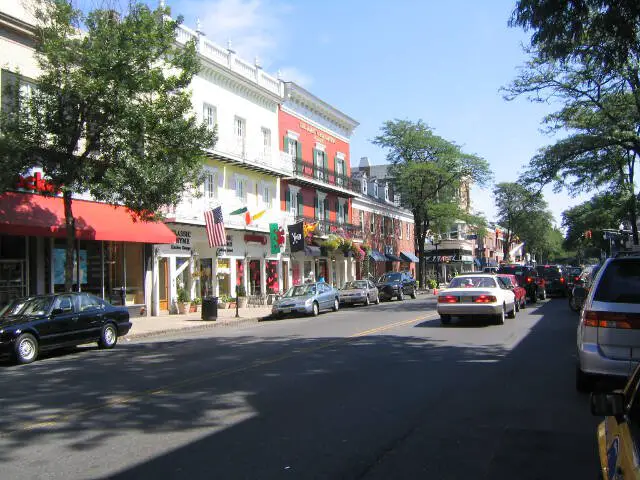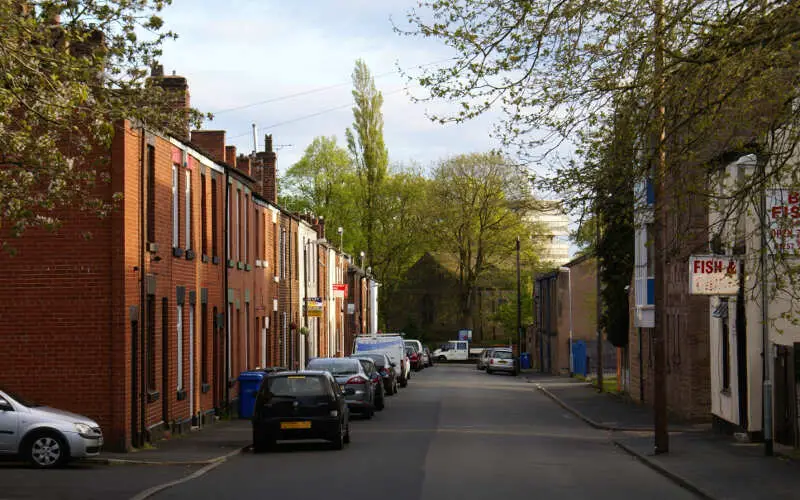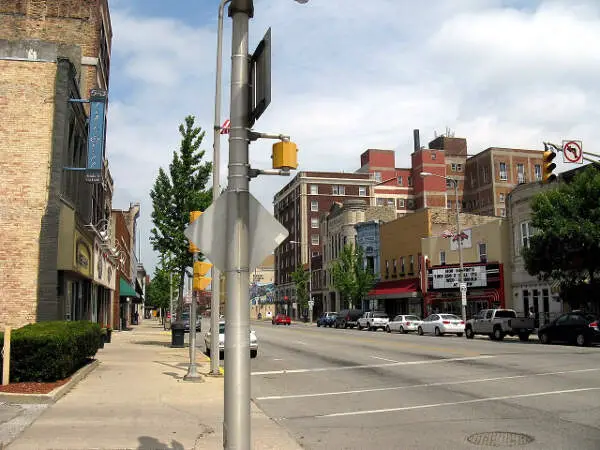
Detroit vs. Atlanta in photos
A side-by-side look at each city.





Cost of living
Detroit is the cheaper city overall — 30% higher in Atlanta than its rival. Index baseline: 100 = national average.
| Living expense | Detroit | Atlanta | US average |
|---|---|---|---|
| Overall | 83 | 119 | 100 |
| Services | 100 | 99 | 100 |
| Groceries | 98 | 102 | 100 |
| Health | 45 | 163 | 100 |
| Housing | 94 | 100 | 100 |
| Transportation | 102 | 106 | 100 |
| Utilities | 99 | 104 | 100 |
Lower index = cheaper. 100 = U.S. national average. Bar inside each cell scales relative to the highest value in the table.
Sources: HomeSnacks Cost of Living indices, normalized so 100 = U.S. national average. Drill in: Detroit cost of living, Atlanta cost of living, or the cheapest cities in America.
Housing breakdown
Home prices are higher in Detroit. Compare absolute price and price-to-income — a $500k home in a $100k-income city is very different from one in a $50k-income city.
| Metric | Detroit | Atlanta | United States |
|---|---|---|---|
| Median Home Value | $75,357 | $385,599 | $332,700 |
| Median Rent | $1,074 | $1,711 | $1,413 |
| Median Income | $39,938 | $85,652 | $80,734 |
| Home Value To Income | 1.9x | 4.5x | 4.1x |
| Rent To Monthly Income | 0.32x | 0.24x | 0.21x |
Source: U.S. Census Bureau ACS 2020-2024. See also states with the highest rent in America.
Crime
Atlanta is the safer city — total crime rate of 4,600 per 100k people vs 6,087 for Detroit. US average: 2,119.
| Crime (per 100k) | Detroit | Atlanta | US average |
|---|---|---|---|
| Total crime | 6,087 | 4,600 | 2,119 |
| Murder | 31 | 26 | 5 |
| Robbery | 184 | 120 | 61 |
| Aggravated Assault | 1,474 | 537 | 256 |
| Violent Crime | 1,781 | 707 | 359 |
| Burglary | 703 | 347 | 229 |
| Larceny | 2,344 | 2,500 | 1,272 |
| Car Theft | 1,258 | 1,046 | 259 |
| Property Crime | 4,305 | 3,893 | 1,760 |
Lower = safer. Bar inside each cell scales relative to the highest crime rate in the table.
Source: FBI Uniform Crime Reporting (2024). All rates are per 100,000 people. City pages: Detroit crime, Atlanta crime. See also: safest cities in America.
Diversity
Atlanta is more racially diverse — lower HHI (closer to 0) means a more even mix across groups.
| Group | Detroit | Atlanta | United States |
|---|---|---|---|
| White | 10.8% | 38.1% | 57.4% |
| African American | 75.0% | 45.4% | 11.9% |
| American Indian | 0.2% | 0.1% | 0.5% |
| Asian | 1.7% | 5.2% | 5.9% |
| Hawaiian | 0.0% | 0.0% | 0.2% |
| Other | 0.6% | 0.5% | 0.6% |
| Two Or More | 3.4% | 4.4% | 4.3% |
| Hispanic | 8.3% | 6.3% | 19.3% |
Source: U.S. Census ACS 2020-2024. Lower HHI = more even racial mix. See also: most diverse cities in America.
SnackAbility — overall quality of life
Atlanta scores higher overall — 7/10 vs 3/10. SnackAbility is our 1–10 quality-of-life score; the median U.S. city scores a 7.
Scores are 0–10; both bars share the same scale.
SnackAbility is a HomeSnacks proprietary 1–10 score blending jobs, housing, education, commute, amenities, affordability, crime, and diversity. Median U.S. city ≈ 7. Data: Census, BLS, FBI. See also: best places to live in America.
Getting around: Detroit vs. Atlanta
How each city handles commuting, transit, walkability, and car culture — the day-to-day reality that shapes where you'd actually want to live.
In Detroit, you'll almost certainly commute by car. The highway grid of I-75, I-94, and I-96 handles most of that load, and the DDOT bus network and QLine streetcar thin out fast beyond Midtown and New Center. Shorter distances and lighter congestion mean Detroit commutes rarely get out of hand, though.
Atlanta is just as car-dependent, but MARTA's rail lines (Red, Gold, Blue, and Green) give Buckhead, Midtown, and airport-bound commuters a real option. Atlanta's I-285 and I-75/85 interchange routinely rank among the worst bottlenecks in the Southeast. The Atlanta Beltline adds a growing network of car-free trails connecting neighborhoods.
If walkability and transit access matter to you, Atlanta edges ahead. Just expect the traffic tax if you drive.
Jobs and careers in Detroit vs. Atlanta
The local job market, dominant industries, and which city to choose based on your career.
Detroit's economy still orbits the auto industry. General Motors, Stellantis, and Ford all have major presences here, and their supplier ecosystems touch thousands of jobs. Healthcare (Henry Ford Health, Detroit Medical Center) and Wayne State University anchor the employment base too.
The median household income of $39,938 reflects decades of deindustrialization, though the comeback is real in pockets like the tech-adjacent Corktown district.
Atlanta's median household income is $85,652. The city has built a diversified economy around Fortune 500 headquarters: Coca-Cola, Delta Air Lines, Home Depot, and NCR among them, plus a tech corridor drawing Google, Microsoft, and dozens of startups. Atlanta also has a growing film and TV production industry.
If career growth and salary potential drive your move, Atlanta's job market is substantially stronger right now.
Weather and climate
What to expect day-to-day — sun, fog, heat, rain, and the seasonal extremes that shape the lifestyle.
Detroit sits in the Great Lakes climate zone, which means real winters: lake-effect snow, temperatures below freezing from December through February, and grey stretches that test your patience. Summers are pleasant, with warm days in the low 80s and lower humidity than you might expect.
Atlanta is warmer year-round. Winters are mild enough that snowfall is rare, though the city famously shuts down when ice does arrive. Summers are long, humid, and hot, with highs in the upper 80s and 90s from May through September and a heat index that regularly pushes past 100°F.
If cold winters are a dealbreaker, Atlanta wins easily. If you'd rather tolerate cold than sweat through a six-month summer, Detroit's climate will suit you better.
Culture, nightlife, and entertainment
Food, music, neighborhoods, and the city vibe that gives each place its personality.
Detroit's music legacy is real: it gave the world Motown, techno, and rock-and-roll, and venues like the Fox Theatre, the Fillmore, and dozens of small clubs in Corktown and Midtown still carry that weight. Eastern Market on weekends, the Detroit Institute of Arts, and a sports calendar with Lions, Tigers, Red Wings, and Pistons games give you plenty to do without spending much.
Atlanta's culture scene is broader and faster-moving. Neighborhoods like Inman Park, Old Fourth Ward, and Virginia-Highland have dense restaurant and bar districts, a strong hip-hop scene, and a film industry active enough that celebrity sightings are oddly common.
Atlanta's dining variety and nightlife options are wider than Detroit's. Detroit's scene is more affordable, though, and arguably more distinctive.
Outdoor activities and day trips
Parks, beaches, hikes, and the weekend escapes that define life outside the city limits.
Detroit's best outdoor asset is Belle Isle, the 982-acre island park in the Detroit River with beaches, a nature center, and skyline views you won't find anywhere else in the Midwest. The Detroit Riverwalk stretches three miles along the waterfront and connects to Dequindre Cut, a greenway through the city's east side. Day trips can reach Lake Erie beaches, Sleeping Bear Dunes, and Traverse City wine country.
Atlanta's outdoor options are more varied within city limits. Piedmont Park is Midtown's main green space, and the Atlanta Beltline's trail network threads through dozens of neighborhoods. Stone Mountain Park is a quick drive east, and the Chattahoochee River National Recreation Area has kayaking and hiking right on the city's edge.
The Appalachian Trail is under two hours north, making Atlanta a real base for serious outdoor recreation.
Bottom line: which city is right for you?
Based on the head-to-head data above, here's the short version — pick the city that lines up with what you actually care about.
Choose Detroit if you prioritize…
- a lower cost of living (cheaper groceries, services, and day-to-day expenses).
- more affordable housing relative to Atlanta.
Choose Atlanta if you prioritize…
- lower crime — a safer place to live, work, and raise a family.
- a more racially diverse community (lower HHI on Census data).
- a higher overall SnackAbility quality-of-life score.
Methodology: winners are picked from public data — U.S. Census Bureau ACS (income, home value, rent, race/HHI), FBI Uniform Crime Reporting (crime rates per 100k), and HomeSnacks' proprietary SnackAbility quality-of-life score, which blends Bureau of Labor Statistics data with the above.
Other comparisons
Still weighing your options? See how these two cities stack up against other places we've compared head-to-head.