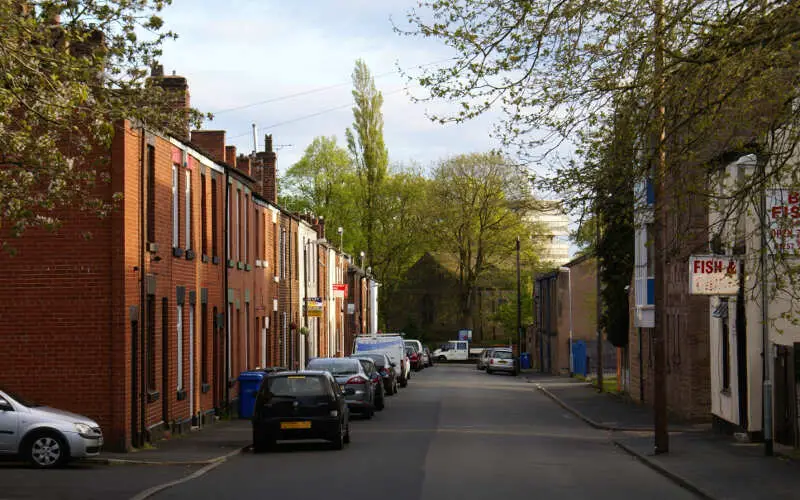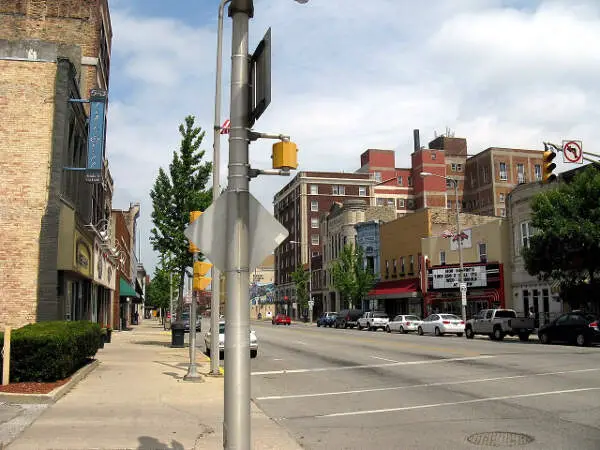
St. Louis vs. Detroit in photos
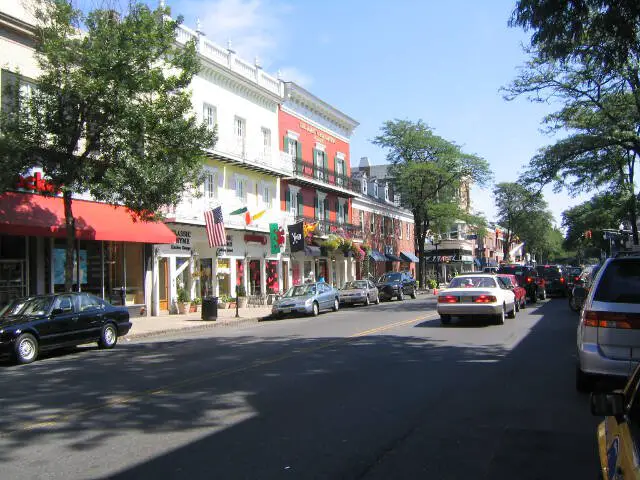
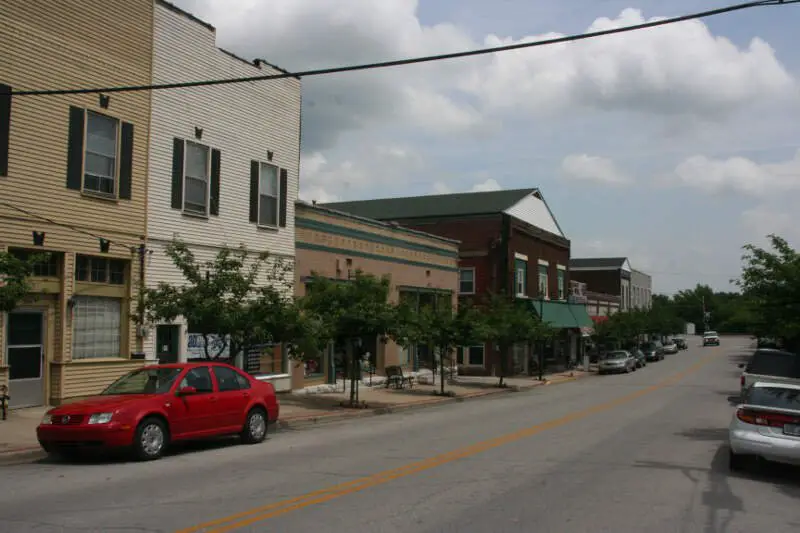
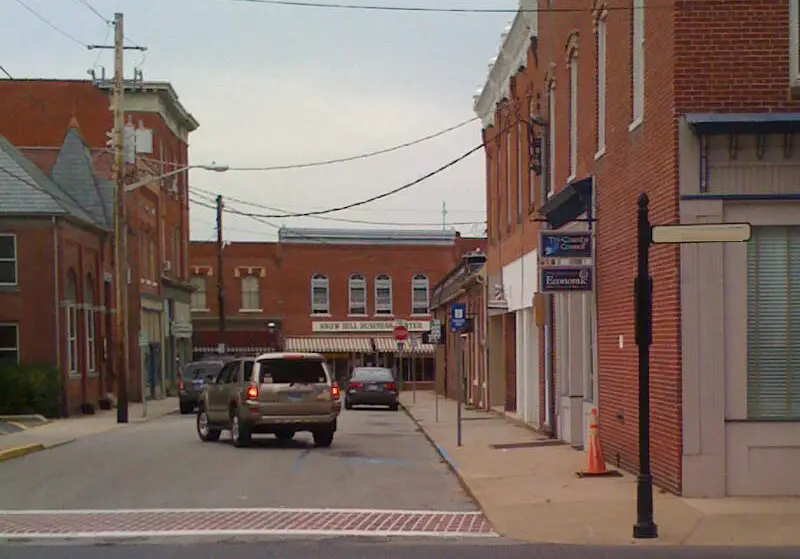
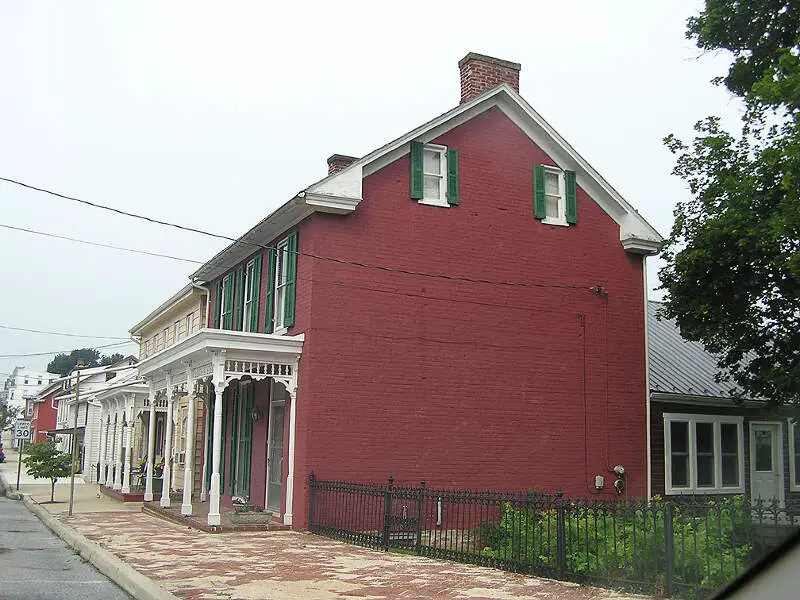
A side-by-side look at each city.




Cost of living
Detroit is the cheaper city overall — 7% higher in St. Louis than its rival. Index baseline: 100 = national average.
| Living expense | St. Louis | Detroit | US average |
|---|---|---|---|
| Overall | 89 | 83 | 100 |
| Services | 98 | 100 | 100 |
| Groceries | 96 | 98 | 100 |
| Health | 82 | 45 | 100 |
| Housing | 97 | 94 | 100 |
| Transportation | 96 | 102 | 100 |
| Utilities | 95 | 99 | 100 |
Lower index = cheaper. 100 = U.S. national average. Bar inside each cell scales relative to the highest value in the table.
Sources: HomeSnacks Cost of Living indices, normalized so 100 = U.S. national average. Drill in: St. Louis cost of living, Detroit cost of living, or the cheapest cities in America.
Housing breakdown
Home prices are higher in Detroit. Compare absolute price and price-to-income — a $500k home in a $100k-income city is very different from one in a $50k-income city.
| Metric | St. Louis | Detroit | United States |
|---|---|---|---|
| Median Home Value | $181,927 | $75,357 | $332,700 |
| Median Rent | $997 | $1,074 | $1,413 |
| Median Income | $56,160 | $39,938 | $80,734 |
| Home Value To Income | 3.2x | 1.9x | 4.1x |
| Rent To Monthly Income | 0.21x | 0.32x | 0.21x |
Source: U.S. Census Bureau ACS 2020-2024. See also states with the highest rent in America.
Crime
Detroit is the safer city — total crime rate of 6,087 per 100k people vs 7,074 for St. Louis. US average: 2,119.
| Crime (per 100k) | St. Louis | Detroit | US average |
|---|---|---|---|
| Total crime | 7,074 | 6,087 | 2,119 |
| Murder | 54 | 31 | 5 |
| Robbery | 250 | 184 | 61 |
| Aggravated Assault | 1,005 | 1,474 | 256 |
| Violent Crime | 1,367 | 1,781 | 359 |
| Burglary | 820 | 703 | 229 |
| Larceny | 3,412 | 2,344 | 1,272 |
| Car Theft | 1,475 | 1,258 | 259 |
| Property Crime | 5,707 | 4,305 | 1,760 |
Lower = safer. Bar inside each cell scales relative to the highest crime rate in the table.
Source: FBI Uniform Crime Reporting (2024). All rates are per 100,000 people. City pages: St. Louis crime, Detroit crime. See also: safest cities in America.
Diversity
St. Louis is more racially diverse — lower HHI (closer to 0) means a more even mix across groups.
| Group | St. Louis | Detroit | United States |
|---|---|---|---|
| White | 44.4% | 10.8% | 57.4% |
| African American | 42.1% | 75.0% | 11.9% |
| American Indian | 0.2% | 0.2% | 0.5% |
| Asian | 3.5% | 1.7% | 5.9% |
| Hawaiian | 0.0% | 0.0% | 0.2% |
| Other | 0.5% | 0.6% | 0.6% |
| Two Or More | 4.0% | 3.4% | 4.3% |
| Hispanic | 5.3% | 8.3% | 19.3% |
Source: U.S. Census ACS 2020-2024. Lower HHI = more even racial mix. See also: most diverse cities in America.
SnackAbility — overall quality of life
St. Louis scores higher overall — 4/10 vs 3/10. SnackAbility is our 1–10 quality-of-life score; the median U.S. city scores a 7.
Scores are 0–10; both bars share the same scale.
SnackAbility is a HomeSnacks proprietary 1–10 score blending jobs, housing, education, commute, amenities, affordability, crime, and diversity. Median U.S. city ≈ 7. Data: Census, BLS, FBI. See also: best places to live in America.
Getting around: St. Louis vs. Detroit
How each city handles commuting, transit, walkability, and car culture — the day-to-day reality that shapes where you'd actually want to live.
Both St. Louis and Detroit are car-first cities. St. Louis runs MetroLink light rail on two lines, the Red and Blue, connecting Lambert Airport through downtown to Clayton and Shrewsbury. MetroBus fills in the gaps, but suburban coverage is thin.
If you live in Midtown or the Central West End, car-free life is workable; elsewhere, you'll want a vehicle.
Detroit's transit is sparser. The QLINE streetcar runs just 3.3 miles along Woodward Avenue, and the People Mover is a downtown-only loop. DDOT and SMART buses cover the city and suburbs, but frequency is inconsistent.
Detroit spreads farther than most Midwest cities, so you'll drive everywhere. Its cost of living index (83 vs. St. Louis's 89) means your gas budget goes a bit further there.
Jobs and careers in St. Louis vs. Detroit
The local job market, dominant industries, and which city to choose based on your career.
St. Louis punches above its population weight in white-collar industries. BJC HealthCare and SSM Health are among the region's largest employers, and Edward Jones, Centene, and Emerson Electric give finance and tech professionals solid options. Washington University and Saint Louis University keep research and biotech active.
Median household income sits at $56,160.
General Motors is headquartered in Detroit, Ford is minutes away in Dearborn, and the supplier ecosystem runs deep across the metro. Rocket Companies (Quicken Loans) has diversified the downtown job market into fintech, and Henry Ford Health and the Detroit Medical Center are major healthcare employers.
Median household income is $39,938, notably lower than St. Louis's $56,160, so weigh salary offers against Detroit's lower cost of living index of 83.
Weather and climate
What to expect day-to-day — sun, fog, heat, rain, and the seasonal extremes that shape the lifestyle.
St. Louis has a humid subtropical climate, but summer is no joke. July highs routinely push into the low 90s°F with thick humidity, and snowfall averages around 15 inches in winter.
The bigger wildcard is severe weather: St. Louis sits in a tornado corridor, and spring storm season is real. Expect sharp swings between seasons.
Detroit runs colder and snowier, with lake-effect snow from Lake Erie and Lake Huron pushing winters to 30 to 40 inches of accumulation. Summers top out in the upper 70s to low 80s, and the Great Lakes cut the worst heat spikes.
If you hate shoveling, St. Louis is the easier call; if you can't stand oppressive summer humidity, Detroit's milder July is the better trade. Neither city has a gentle winter.
Culture, nightlife, and entertainment
Food, music, neighborhoods, and the city vibe that gives each place its personality.
Blueberry Hill in The Loop hosted Chuck Berry for decades, and the bar and restaurant scene in Soulard, Cherokee Street, and Maplewood has more depth than most cities this size. The City Museum is a one-of-a-kind architectural playground, and the Fox Theatre books major touring productions.
Soulard's Mardi Gras is the second-largest in the country. Cardinals baseball and Blues hockey keep sports bars packed for most of the year.
Motown was born in Detroit and techno was invented here; that musical history still runs through the club scene, especially around the Movement Electronic Music Festival each Memorial Day weekend. Eastern Market is one of the largest public markets in the country and doubles as a weekend social hub.
Corktown has turned into a serious dining and bar neighborhood, and the Detroit Institute of Arts holds a major permanent collection. Lions, Tigers, Red Wings, and Pistons fans fill four major venues downtown.
Outdoor activities and day trips
Parks, beaches, hikes, and the weekend escapes that define life outside the city limits.
Forest Park covers 1,371 acres, larger than New York's Central Park, and admission is free, including the St. Louis Zoo and the Saint Louis Art Museum. The Gateway Arch National Park runs along the Mississippi riverfront.
Day trips open up fast: Castlewood State Park and the Meramec River corridor are under an hour out. Float trips on the Meramec or Current River draw crowds every summer, and the Missouri Botanical Garden is among the best in North America.
Belle Isle is Detroit's main park, a 982-acre island in the Detroit River with beaches, a nature center, and skyline views. The Huron-Clinton Metroparks ring the metro with hiking and paddling.
Detroit's real outdoor draw is how close it sits to Michigan's interior. Sleeping Bear Dunes National Lakeshore is four hours away, Pictured Rocks works for a long weekend, and hundreds of inland lakes are within 90 minutes for fishing and kayaking.
Bottom line: which city is right for you?
Based on the head-to-head data above, here's the short version — pick the city that lines up with what you actually care about.
Choose St. Louis if you prioritize…
- a more racially diverse community (lower HHI on Census data).
- a higher overall SnackAbility quality-of-life score.
Choose Detroit if you prioritize…
- a lower cost of living (cheaper groceries, services, and day-to-day expenses).
- lower crime — a safer place to live, work, and raise a family.
- more affordable housing relative to St. Louis.
Methodology: winners are picked from public data — U.S. Census Bureau ACS (income, home value, rent, race/HHI), FBI Uniform Crime Reporting (crime rates per 100k), and HomeSnacks' proprietary SnackAbility quality-of-life score, which blends Bureau of Labor Statistics data with the above.
Other comparisons
Still weighing your options? See how these two cities stack up against other places we've compared head-to-head.