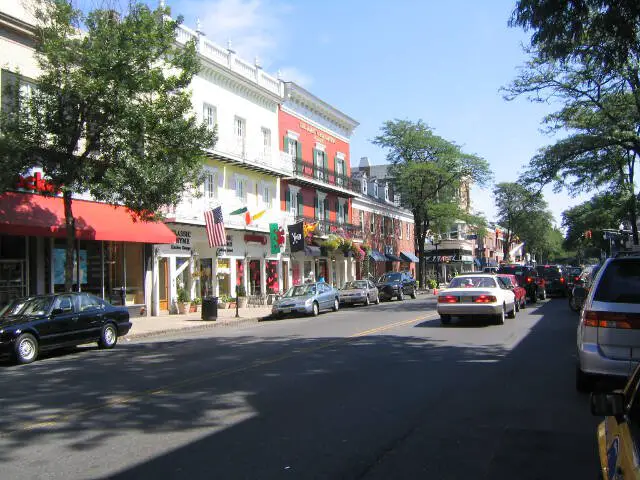
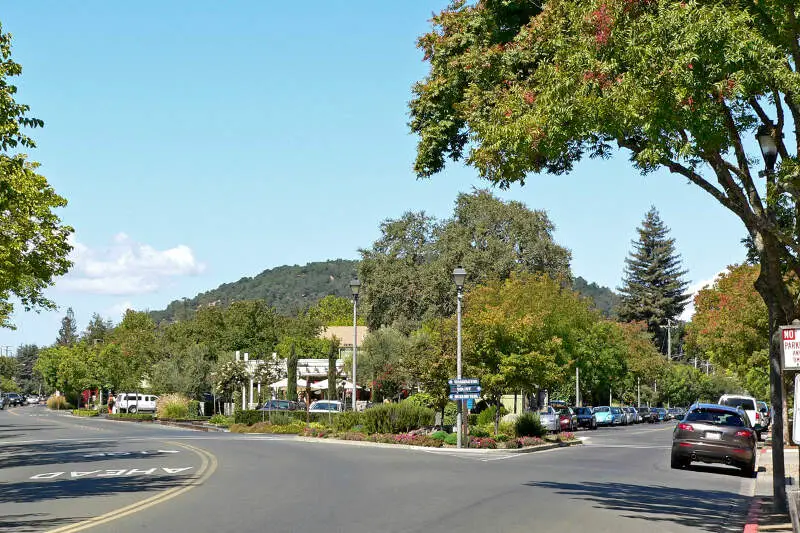
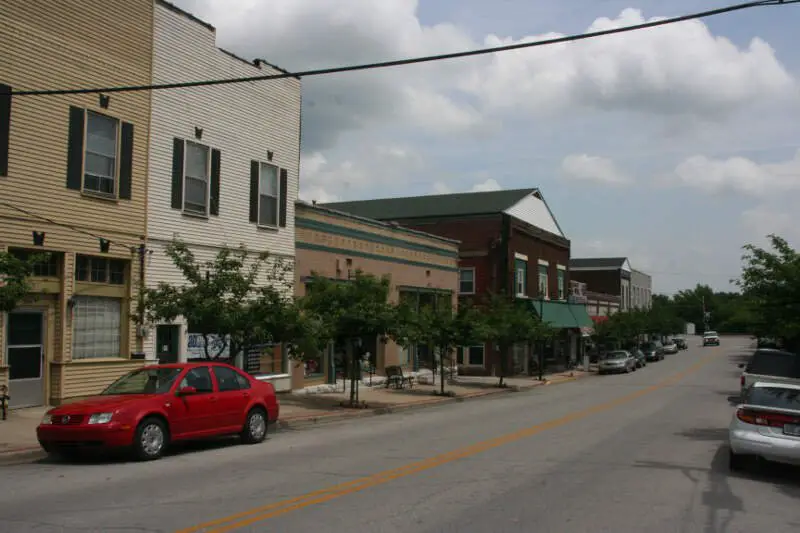
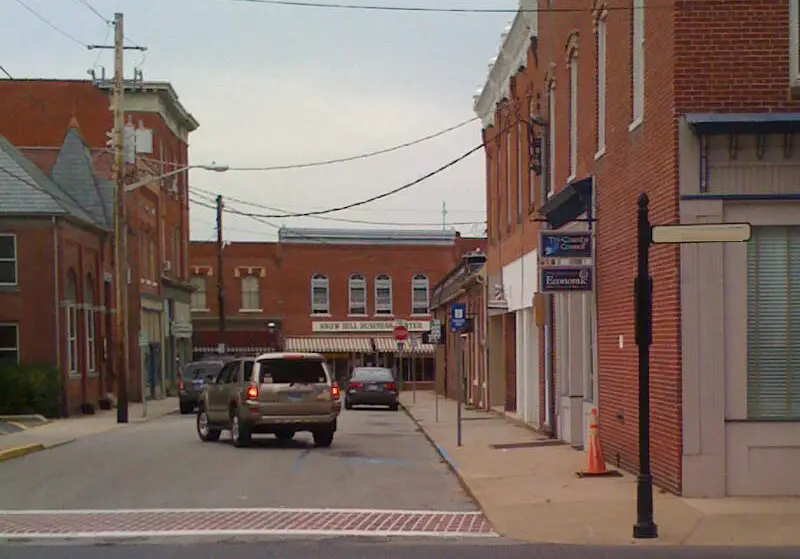
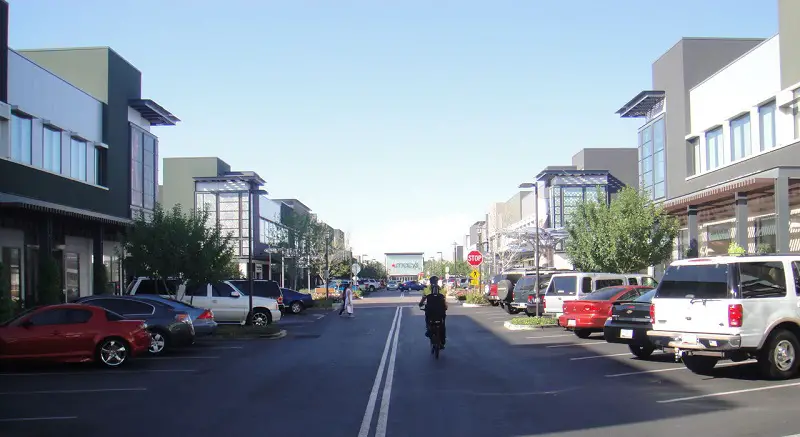
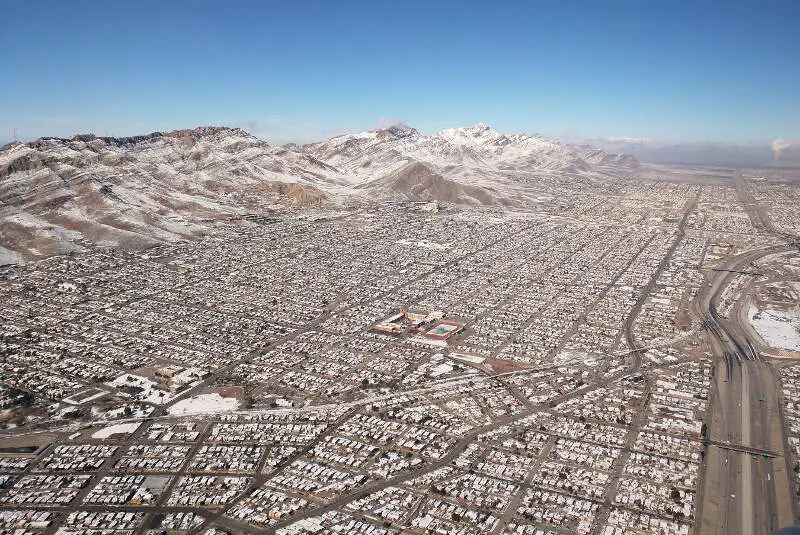
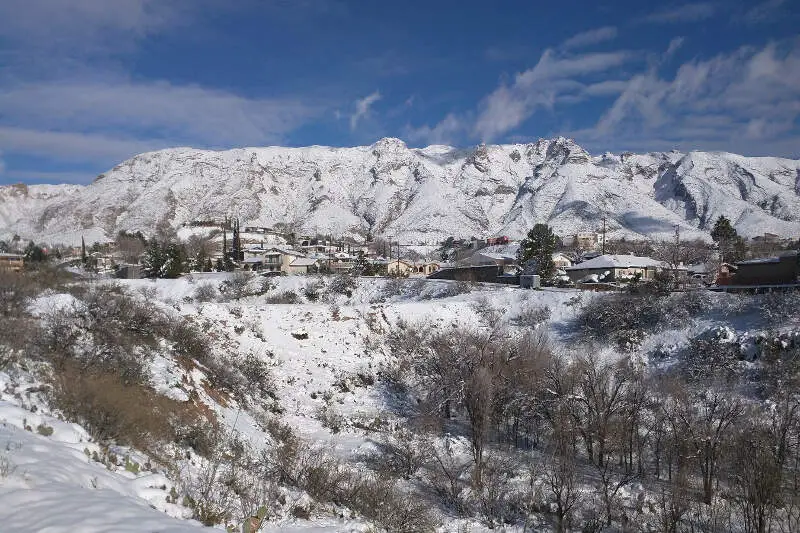
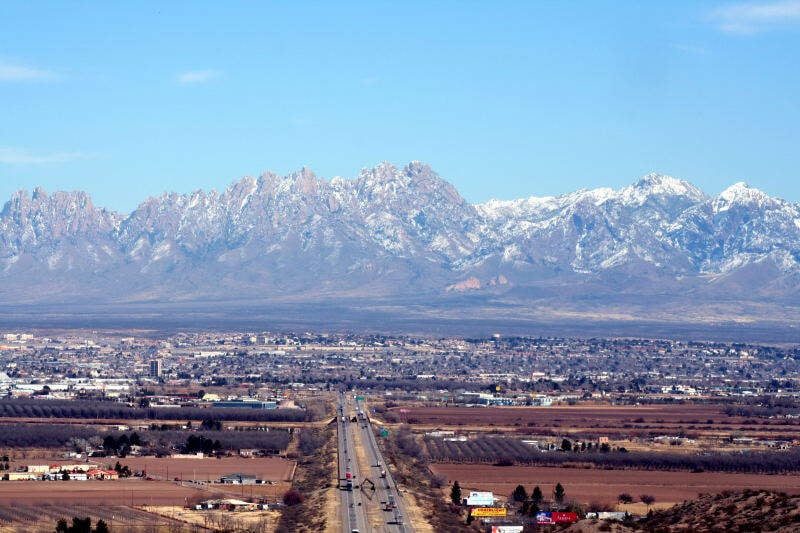
El Paso vs. Las Cruces in photos
A side-by-side look at each city.

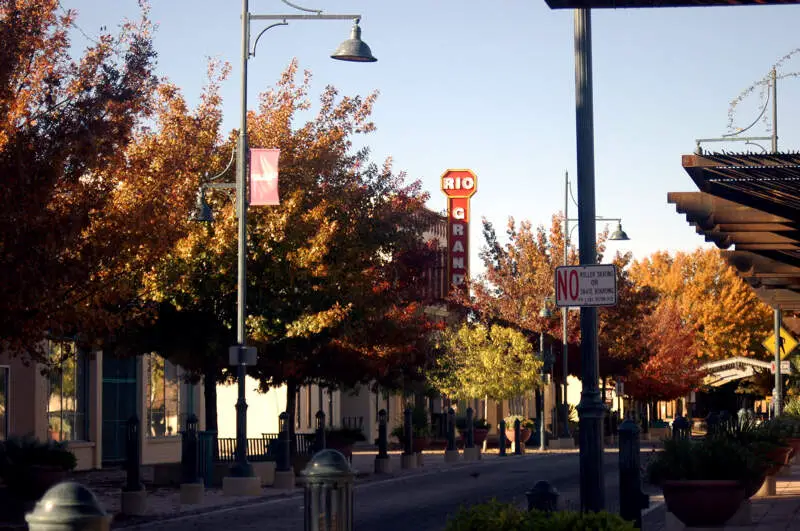
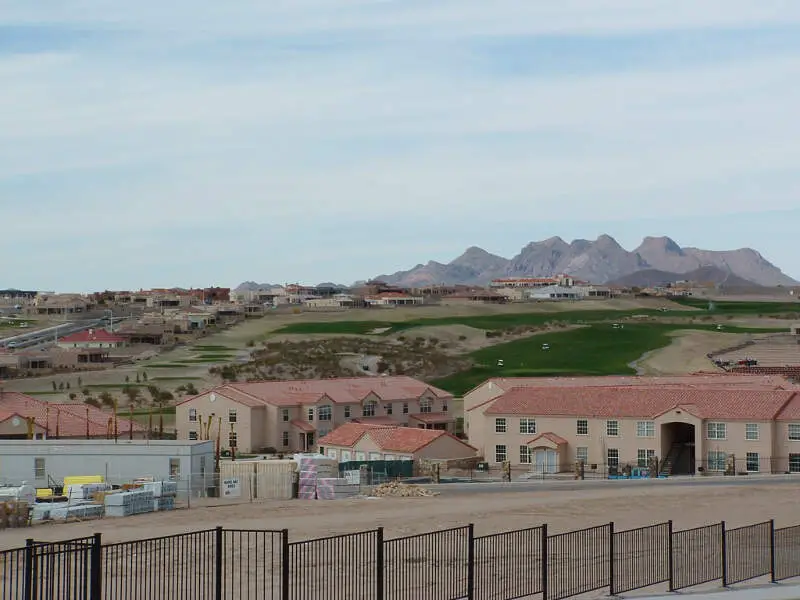
Cost of living
Las Cruces is the cheaper city overall — 2% higher in El Paso than its rival. Index baseline: 100 = national average.
| Living expense | El Paso | Las Cruces | US average |
|---|---|---|---|
| Overall | 95 | 93 | 100 |
| Services | 99 | 94 | 100 |
| Groceries | 100 | 101 | 100 |
| Health | 79 | 85 | 100 |
| Housing | 104 | 99 | 100 |
| Transportation | 107 | 97 | 100 |
| Utilities | 98 | 95 | 100 |
Lower index = cheaper. 100 = U.S. national average. Bar inside each cell scales relative to the highest value in the table.
Sources: HomeSnacks Cost of Living indices, normalized so 100 = U.S. national average. Drill in: El Paso cost of living, Las Cruces cost of living, or the cheapest cities in America.
Housing breakdown
Home prices are higher in Las Cruces. Compare absolute price and price-to-income — a $500k home in a $100k-income city is very different from one in a $50k-income city.
| Metric | El Paso | Las Cruces | United States |
|---|---|---|---|
| Median Home Value | $234,774 | $290,022 | $332,700 |
| Median Rent | $1,073 | $974 | $1,413 |
| Median Income | $59,745 | $55,422 | $80,734 |
| Home Value To Income | 3.9x | 5.2x | 4.1x |
| Rent To Monthly Income | 0.22x | 0.21x | 0.21x |
Source: U.S. Census Bureau ACS 2020-2024. See also states with the highest rent in America.
Crime
El Paso is the safer city — total crime rate of 1,772 per 100k people vs 5,593 for Las Cruces. US average: 2,119.
| Crime (per 100k) | El Paso | Las Cruces | US average |
|---|---|---|---|
| Total crime | 1,772 | 5,593 | 2,119 |
| Murder | 3 | 12 | 5 |
| Robbery | 37 | 58 | 61 |
| Aggravated Assault | 238 | 592 | 256 |
| Violent Crime | 278 | 720 | 359 |
| Burglary | 140 | 737 | 229 |
| Larceny | 1,072 | 3,443 | 1,272 |
| Car Theft | 281 | 693 | 259 |
| Property Crime | 1,494 | 4,873 | 1,760 |
Lower = safer. Bar inside each cell scales relative to the highest crime rate in the table.
Source: FBI Uniform Crime Reporting (2024). All rates are per 100,000 people. City pages: El Paso crime, Las Cruces crime. See also: safest cities in America.
Diversity
Las Cruces is more racially diverse — lower HHI (closer to 0) means a more even mix across groups.
| Group | El Paso | Las Cruces | United States |
|---|---|---|---|
| White | 12.0% | 32.6% | 57.4% |
| African American | 3.2% | 1.9% | 11.9% |
| American Indian | 0.2% | 0.8% | 0.5% |
| Asian | 1.3% | 1.7% | 5.9% |
| Hawaiian | 0.2% | 0.0% | 0.2% |
| Other | 0.3% | 0.2% | 0.6% |
| Two Or More | 1.6% | 2.4% | 4.3% |
| Hispanic | 81.2% | 60.3% | 19.3% |
Source: U.S. Census ACS 2020-2024. Lower HHI = more even racial mix. See also: most diverse cities in America.
SnackAbility — overall quality of life
Las Cruces scores higher overall — 6/10 vs 5/10. SnackAbility is our 1–10 quality-of-life score; the median U.S. city scores a 7.
Scores are 0–10; both bars share the same scale.
SnackAbility is a HomeSnacks proprietary 1–10 score blending jobs, housing, education, commute, amenities, affordability, crime, and diversity. Median U.S. city ≈ 7. Data: Census, BLS, FBI. See also: best places to live in America.
Getting around: El Paso vs. Las Cruces
How each city handles commuting, transit, walkability, and car culture — the day-to-day reality that shapes where you'd actually want to live.
El Paso is the larger city by far, and its size shows on the roads. Interstate 10 cuts right through downtown, and if you commute by car you'll deal with real rush-hour congestion near the I-10/US-54 interchange. Sun Metro, the city's bus network, covers most of the metro, but headways are long enough that most residents drive anyway — parking is generally cheap and plentiful outside of downtown.
Las Cruces is considerably easier to get around by car: traffic rarely stacks up for long, and most errands take under 15 minutes. RoadRUNNER Transit serves the city, but routes are limited and oriented mainly toward NMSU and the downtown corridor.
Neither city has rail or meaningful ride-share coverage, so plan to own a vehicle in both places. The 45-mile I-10 corridor connecting them makes commuting between the two possible, but not painless at a daily cadence.
Jobs and careers in El Paso vs. Las Cruces
The local job market, dominant industries, and which city to choose based on your career.
El Paso's economy has a few large anchors. Fort Bliss, one of the biggest Army installations in the country, drives thousands of active-duty and civilian defense jobs, and the city's border position feeds a steady logistics, manufacturing, and international trade sector. UTEP and Texas Tech University Health Sciences Center add healthcare and education employment, and median household income sits at $59,745 — the city's size means more industries to move across if your first role doesn't fit.
Las Cruces leans heavily on New Mexico State University and the federal presence at White Sands Missile Range, which pulls in aerospace, engineering, and research talent. The public sector and healthcare round out most of the remaining employment. With a median household income of $55,422 and a smaller overall market, career mobility is narrower — professionals in specialized fields often commute to El Paso or work remotely to expand their options.
Weather and climate
What to expect day-to-day — sun, fog, heat, rain, and the seasonal extremes that shape the lifestyle.
Both cities sit in the Chihuahuan Desert at roughly 3,800 to 3,900 feet elevation, so their climates are nearly identical — expect hot summers regularly pushing past 100°F, mild winters where freezes are short-lived, and somewhere north of 300 sunny days a year. Humidity stays low most of the year, which makes the heat more bearable than coastal cities at similar temperatures. A monsoon pattern runs from July through September, bringing brief afternoon thunderstorms that cool things down before the heat returns.
If you're sensitive to cold, both cities are forgiving: hard freezes are rare, and snow on the valley floor is an occasional novelty rather than a seasonal reality. Las Cruces sits a touch higher, so winter nights can run slightly cooler, but the day-to-day difference is negligible.
The main trade-off is summer. Late-July afternoons in either place will keep you indoors between noon and sundown.
Culture, nightlife, and entertainment
Food, music, neighborhoods, and the city vibe that gives each place its personality.
El Paso's cultural identity is deeply tied to its border position — the city and Ciudad Juárez across the Rio Grande function almost as a single binational community, and that shapes everything from the food scene to the music to the bilingual texture of daily life. The downtown Cincinnati Entertainment District draws a lively bar and live-music crowd on weekends, UTEP sports pack the Sun Bowl, and the El Paso Museum of Art anchors a growing arts corridor. You'll find a real variety of restaurants, from family-run Tex-Mex spots in the Lower Valley to newer craft beer bars on the east side.
Las Cruces has a quieter but genuine scene. Old Mesilla, the historic plaza a few miles south of downtown, gives the area a distinctive character: adobe architecture, local galleries, and the double-steeple Basilica of San Albino draw weekend visitors.
The NMSU campus brings a college-town energy, with live music at venues like High Desert Brewing. The scene is smaller, but it doesn't feel thin if a slower-paced social life suits you.
Outdoor activities and day trips
Parks, beaches, hikes, and the weekend escapes that define life outside the city limits.
El Paso's biggest outdoor asset is Franklin Mountains State Park, the largest urban state park in the United States, which rises to over 7,000 feet and offers miles of hiking and mountain biking trails visible from virtually anywhere in the city. Hueco Tanks State Park to the northeast is a bouldering destination with a global following, and Guadalupe Mountains National Park — about 100 miles east on US-62/180 — gives you true backcountry hiking and the highest peak in Texas. The Rio Grande bosque offers flatter trail options closer to the valley floor.
Las Cruces has strong outdoor access of its own. The Organ Mountains-Desert Peaks National Monument rises just east of town, with trails ranging from easy canyon walks to strenuous summit scrambles.
White Sands National Park, roughly 50 miles northeast via US-70, is one of the most striking landscapes in the Southwest: gypsum dunes that stay cool enough to walk even in summer. Mesilla Valley Bosque State Park along the Rio Grande covers the close-in options for birding and flat-terrain walks.
Bottom line: which city is right for you?
Based on the head-to-head data above, here's the short version — pick the city that lines up with what you actually care about.
Choose El Paso if you prioritize…
- lower crime — a safer place to live, work, and raise a family.
Choose Las Cruces if you prioritize…
- a lower cost of living (cheaper groceries, services, and day-to-day expenses).
- more affordable housing relative to El Paso.
- a more racially diverse community (lower HHI on Census data).
- a higher overall SnackAbility quality-of-life score.
Methodology: winners are picked from public data — U.S. Census Bureau ACS (income, home value, rent, race/HHI), FBI Uniform Crime Reporting (crime rates per 100k), and HomeSnacks' proprietary SnackAbility quality-of-life score, which blends Bureau of Labor Statistics data with the above.
Other comparisons
Still weighing your options? See how these two cities stack up against other places we've compared head-to-head.