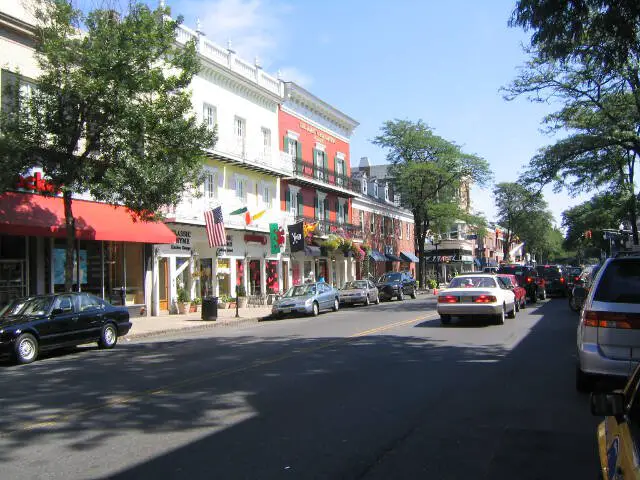
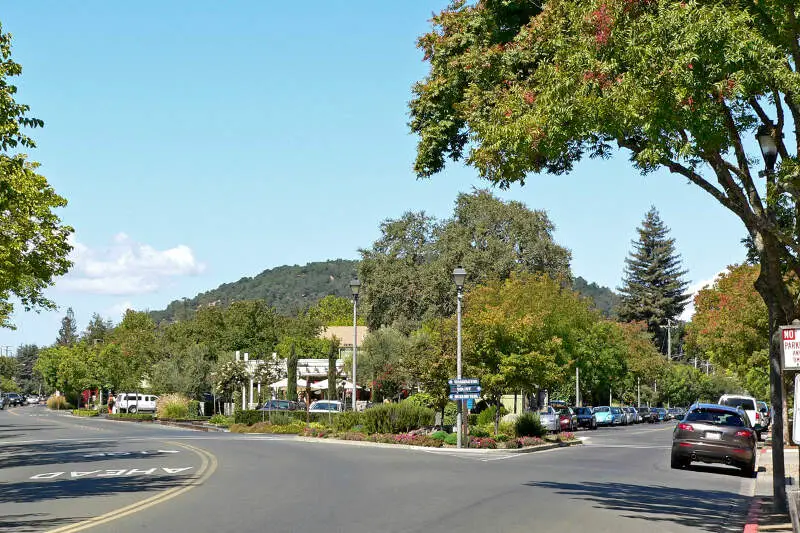
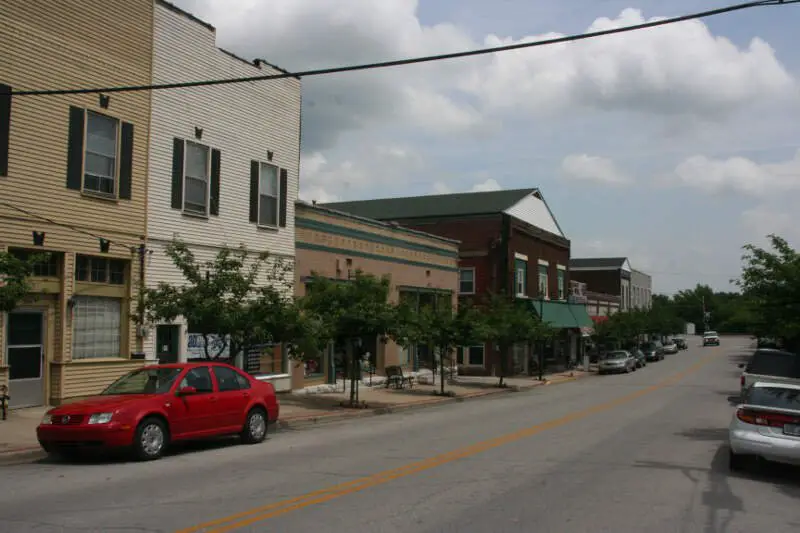
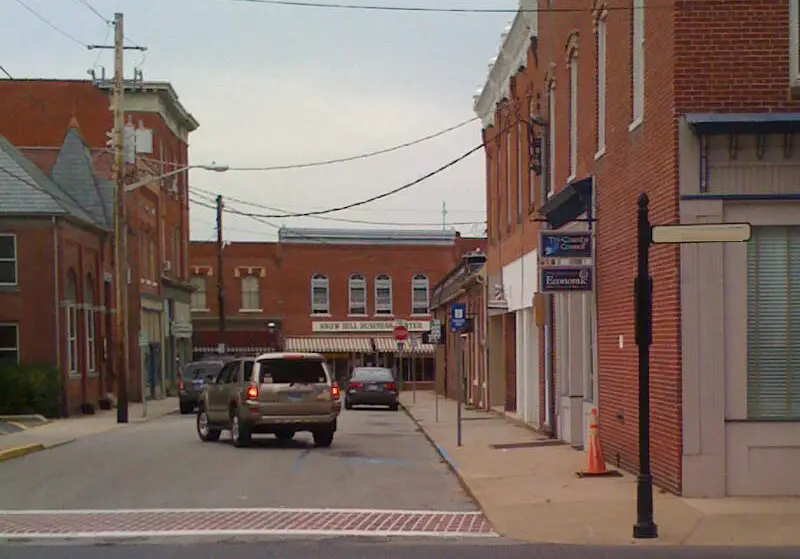
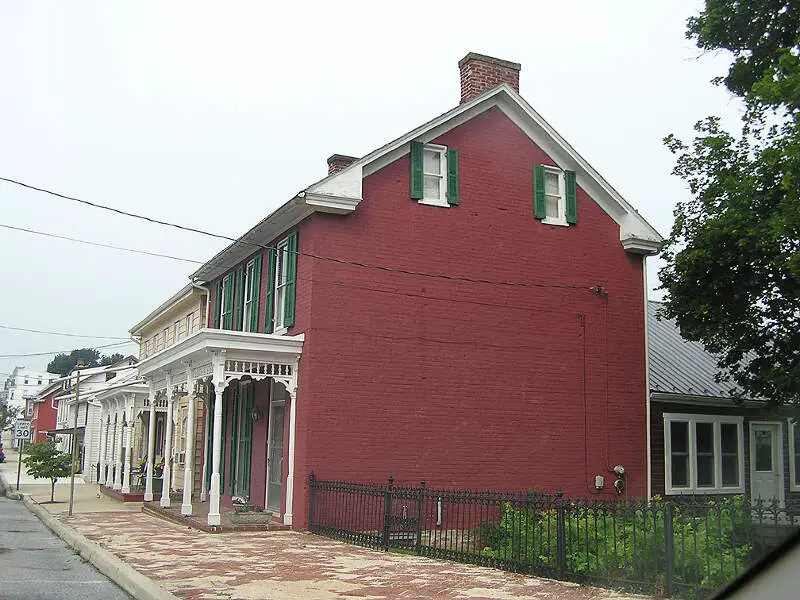
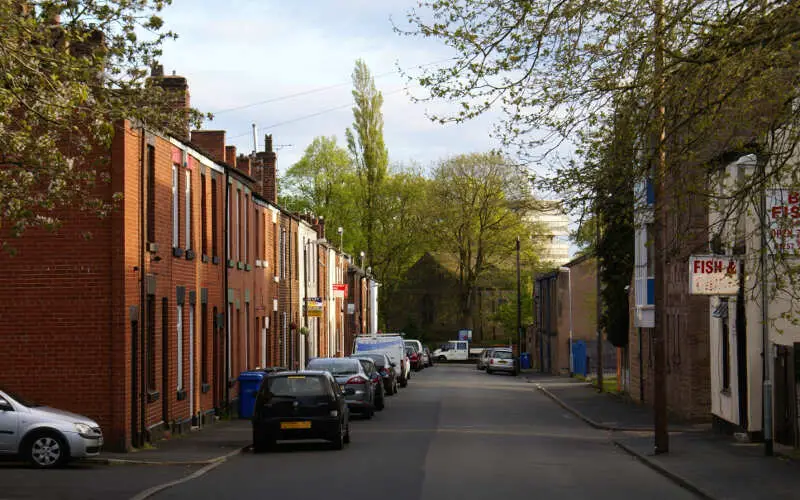
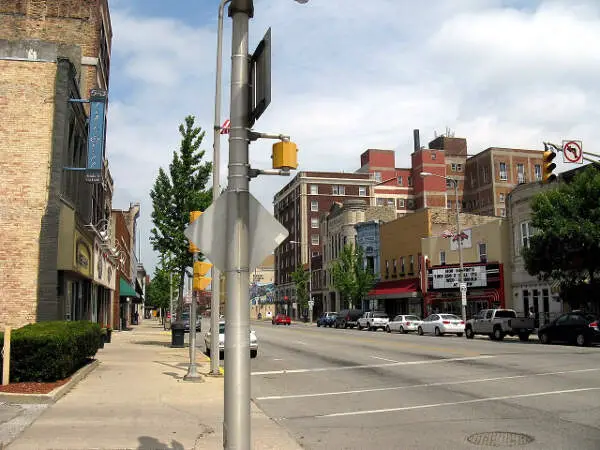
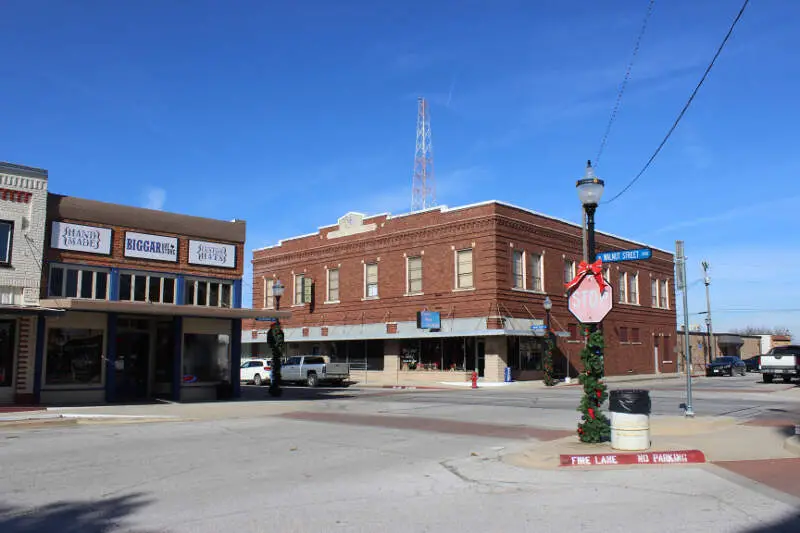
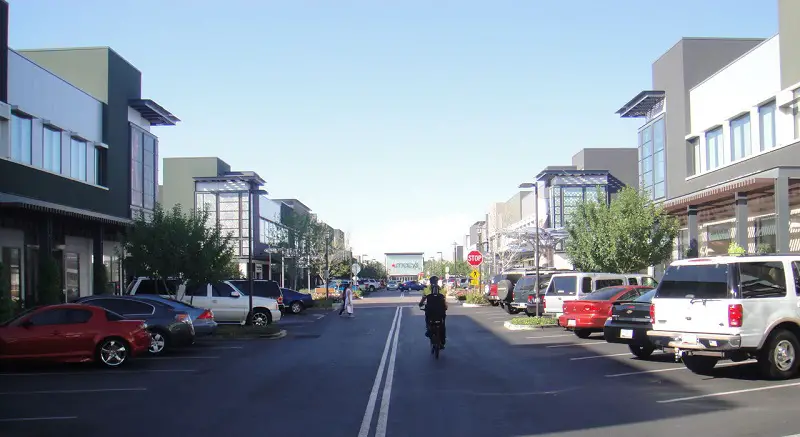
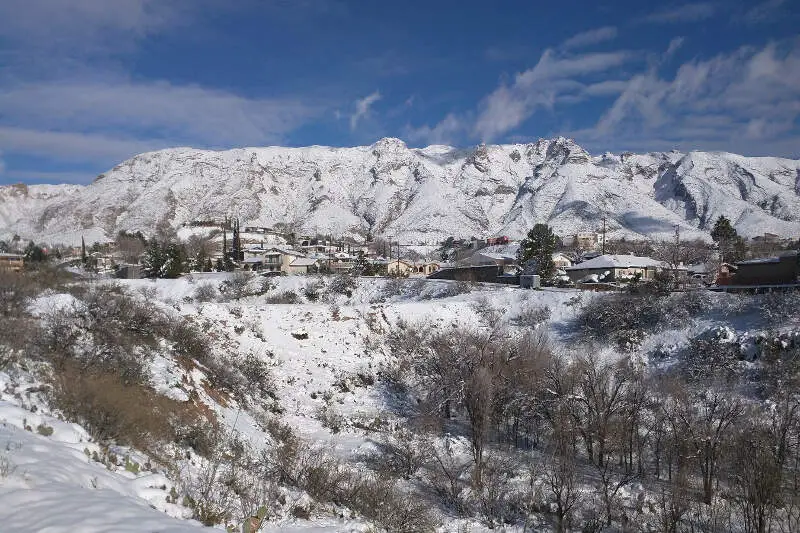
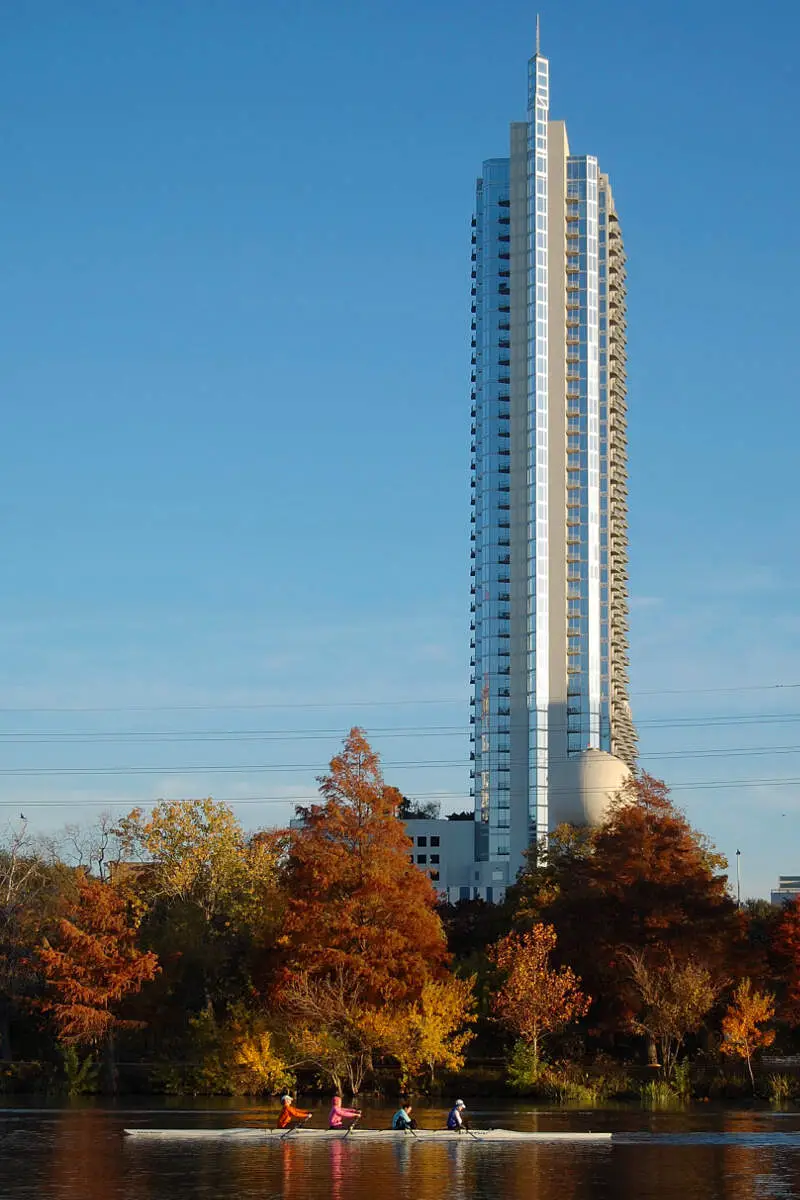
El Paso vs. Austin in photos
A side-by-side look at each city.




Cost of living
El Paso is the cheaper city overall — 23% higher in Austin than its rival. Index baseline: 100 = national average.
| Living expense | El Paso | Austin | US average |
|---|---|---|---|
| Overall | 95 | 124 | 100 |
| Services | 99 | 99 | 100 |
| Groceries | 100 | 101 | 100 |
| Health | 79 | 185 | 100 |
| Housing | 104 | 98 | 100 |
| Transportation | 107 | 109 | 100 |
| Utilities | 98 | 104 | 100 |
Lower index = cheaper. 100 = U.S. national average. Bar inside each cell scales relative to the highest value in the table.
Sources: HomeSnacks Cost of Living indices, normalized so 100 = U.S. national average. Drill in: El Paso cost of living, Austin cost of living, or the cheapest cities in America.
Housing breakdown
Home prices are higher in Austin. Compare absolute price and price-to-income — a $500k home in a $100k-income city is very different from one in a $50k-income city.
| Metric | El Paso | Austin | United States |
|---|---|---|---|
| Median Home Value | $234,774 | $508,530 | $332,700 |
| Median Rent | $1,073 | $1,729 | $1,413 |
| Median Income | $59,745 | $93,658 | $80,734 |
| Home Value To Income | 3.9x | 5.4x | 4.1x |
| Rent To Monthly Income | 0.22x | 0.22x | 0.21x |
Source: U.S. Census Bureau ACS 2020-2024. See also states with the highest rent in America.
Crime
El Paso is the safer city — total crime rate of 1,772 per 100k people vs 3,709 for Austin. US average: 2,119.
| Crime (per 100k) | El Paso | Austin | US average |
|---|---|---|---|
| Total crime | 1,772 | 3,709 | 2,119 |
| Murder | 3 | 7 | 5 |
| Robbery | 37 | 85 | 61 |
| Aggravated Assault | 238 | 307 | 256 |
| Violent Crime | 278 | 467 | 359 |
| Burglary | 140 | 445 | 229 |
| Larceny | 1,072 | 2,198 | 1,272 |
| Car Theft | 281 | 599 | 259 |
| Property Crime | 1,494 | 3,242 | 1,760 |
Lower = safer. Bar inside each cell scales relative to the highest crime rate in the table.
Source: FBI Uniform Crime Reporting (2024). All rates are per 100,000 people. City pages: El Paso crime, Austin crime. See also: safest cities in America.
Diversity
Austin is more racially diverse — lower HHI (closer to 0) means a more even mix across groups.
| Group | El Paso | Austin | United States |
|---|---|---|---|
| White | 12.0% | 47.0% | 57.4% |
| African American | 3.2% | 7.3% | 11.9% |
| American Indian | 0.2% | 0.1% | 0.5% |
| Asian | 1.3% | 9.0% | 5.9% |
| Hawaiian | 0.2% | 0.0% | 0.2% |
| Other | 0.3% | 0.5% | 0.6% |
| Two Or More | 1.6% | 4.3% | 4.3% |
| Hispanic | 81.2% | 31.9% | 19.3% |
Source: U.S. Census ACS 2020-2024. Lower HHI = more even racial mix. See also: most diverse cities in America.
SnackAbility — overall quality of life
Austin scores higher overall — 7/10 vs 5/10. SnackAbility is our 1–10 quality-of-life score; the median U.S. city scores a 7.
Scores are 0–10; both bars share the same scale.
SnackAbility is a HomeSnacks proprietary 1–10 score blending jobs, housing, education, commute, amenities, affordability, crime, and diversity. Median U.S. city ≈ 7. Data: Census, BLS, FBI. See also: best places to live in America.
Getting around: El Paso vs. Austin
How each city handles commuting, transit, walkability, and car culture — the day-to-day reality that shapes where you'd actually want to live.
El Paso runs on Sun Metro, its bus network, plus a small downtown streetcar line, but most residents drive. The city's grid layout and low density mean traffic rarely becomes a serious headache, and you won't find the freeway gridlock that plagues larger Texas metros. If you commute by car, El Paso is relatively painless.
Austin's CapMetro operates buses and the MetroRail Red Line, and Project Connect is slowly adding light rail, but the system still struggles to serve a city that grew faster than its transit. Congestion on I-35 and MoPac is a daily reality, and Austin consistently ranks among the worst U.S. cities for commute times.
If getting around without a car matters to you, El Paso's modest network still beats Austin's in day-to-day usability, simply because the roads are less congested.
Jobs and careers in El Paso vs. Austin
The local job market, dominant industries, and which city to choose based on your career.
El Paso's economy leans on Fort Bliss (one of the largest Army installations in the country), the University of Texas at El Paso (UTEP), healthcare systems like Del Sol and Providence, and cross-border manufacturing tied to the maquiladora industry in Juárez. The trade and logistics sector is substantial given the city's position as a major U.S.-Mexico port of entry. Median household income sits at $59,745, below the national average.
Austin is one of the country's top tech hubs. Dell's global headquarters is here, and Apple, Tesla, Oracle, and Google have all made major Austin investments in recent years. The University of Texas and state government add a large, stable employment base on top of the startup ecosystem.
That demand for talent pushes median household income to $93,658, a 57% premium over El Paso. If you're in tech, finance, or a knowledge-economy field, Austin's job market is considerably deeper.
Weather and climate
What to expect day-to-day — sun, fog, heat, rain, and the seasonal extremes that shape the lifestyle.
El Paso sits in the Chihuahuan Desert and is one of the sunniest cities in the U.S., with roughly 300 clear days per year. Summers regularly top 100°F, but low humidity makes it more bearable than coastal heat. Winters are mild and brief; the main downsides are spring dust storms and persistent dryness year-round.
Austin has a humid subtropical climate: summers are brutally hot and muggy, with July and August averaging well above 95°F and heat indexes that can feel punishing. Winters are generally mild, but the city is vulnerable to ice storms — the February 2021 freeze was a stark reminder. Austin gets significantly more rainfall than El Paso, which keeps the Hill Country rivers running and things green, but flash flood watches are a regular part of life.
If you prefer dry heat and sunshine, El Paso wins; if you want more seasonal variety and can handle humidity, Austin delivers that.
Culture, nightlife, and entertainment
Food, music, neighborhoods, and the city vibe that gives each place its personality.
El Paso has a culture unlike anywhere else in Texas, shaped by its position on the U.S.-Mexico border and its majority Hispanic population. The Segundo Barrio neighborhood, the El Paso Museum of Art, and the revitalized Downtown arts district reflect that heritage. The city's music scene draws from norteño, country, and rock traditions.
You can cross into Ciudad Juárez for a meal or a market, and the vibe around town is unhurried. You won't find much of the tech-bro transplant energy that now defines Austin.
Austin bills itself as the Live Music Capital of the World, and the claim holds up: the Red River Cultural District and Sixth Street host hundreds of venues, and festivals like South by Southwest and Austin City Limits Music Festival draw global crowds. The food scene is serious, from barbecue institutions like Franklin to a dense stretch of James Beard-recognized restaurants.
Median rent of $1,729 means the cultural amenities come at a price. El Paso, at a median rent of $1,073, offers a quieter but culturally rich alternative that doesn't require a big-city budget.
Outdoor activities and day trips
Parks, beaches, hikes, and the weekend escapes that define life outside the city limits.
El Paso is surrounded by desert and mountain terrain. Franklin Mountains State Park sits inside the city limits and, at roughly 26,000 acres, is one of the largest urban parks in the United States, with hiking and mountain biking and views of the Rio Grande valley. Hueco Tanks State Park is a world-class bouldering destination, and a two-hour drive gets you to White Sands National Park and Guadalupe Mountains National Park.
If you like desert landscapes and solitude, El Paso has more going for it than most cities its size.
Austin's outdoor scene centers on water and greenery. Barton Springs Pool, a spring-fed swimming hole in Zilker Park, is an institution. The Barton Creek Greenbelt offers miles of hiking and swimming just minutes from downtown, and Lady Bird Lake draws paddleboarders and kayakers year-round.
McKinney Falls State Park is a popular weekend escape, and Enchanted Rock and Hamilton Pool are both within 90 minutes for longer day trips. Austin's options lean greener and wetter than El Paso's desert escapes. Which you prefer mostly comes down to whether your ideal Saturday involves bouldering in the Chihuahuan Desert or floating a spring-fed river.
Bottom line: which city is right for you?
Based on the head-to-head data above, here's the short version — pick the city that lines up with what you actually care about.
Choose El Paso if you prioritize…
- a lower cost of living (cheaper groceries, services, and day-to-day expenses).
- lower crime — a safer place to live, work, and raise a family.
Choose Austin if you prioritize…
- more affordable housing relative to El Paso.
- a more racially diverse community (lower HHI on Census data).
- a higher overall SnackAbility quality-of-life score.
Methodology: winners are picked from public data — U.S. Census Bureau ACS (income, home value, rent, race/HHI), FBI Uniform Crime Reporting (crime rates per 100k), and HomeSnacks' proprietary SnackAbility quality-of-life score, which blends Bureau of Labor Statistics data with the above.
Other comparisons
Still weighing your options? See how these two cities stack up against other places we've compared head-to-head.