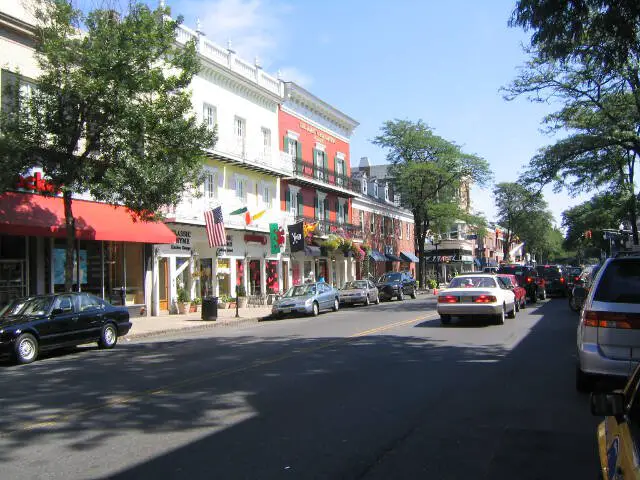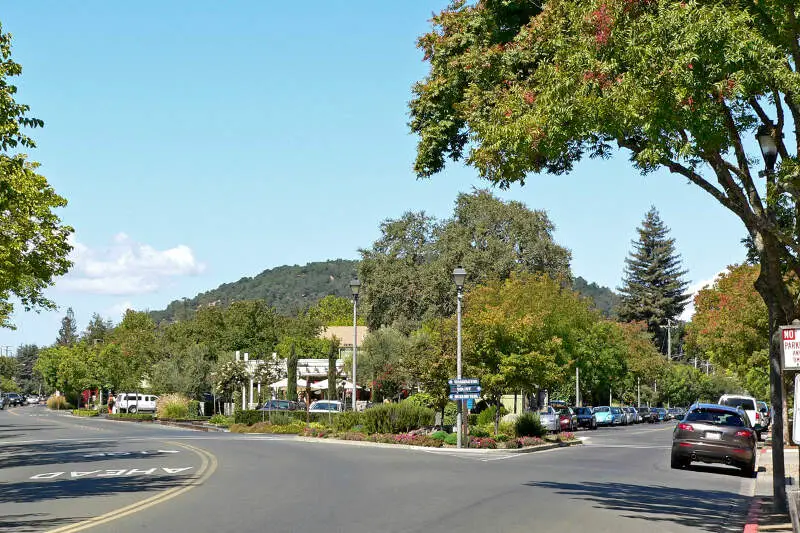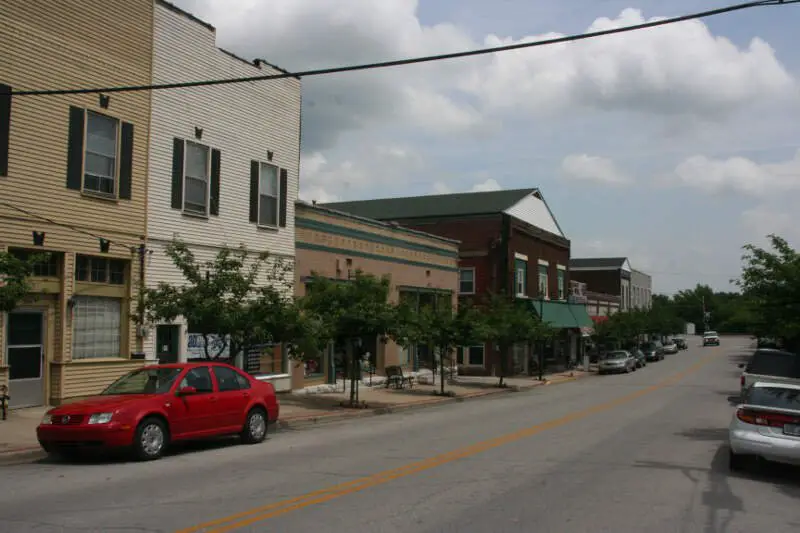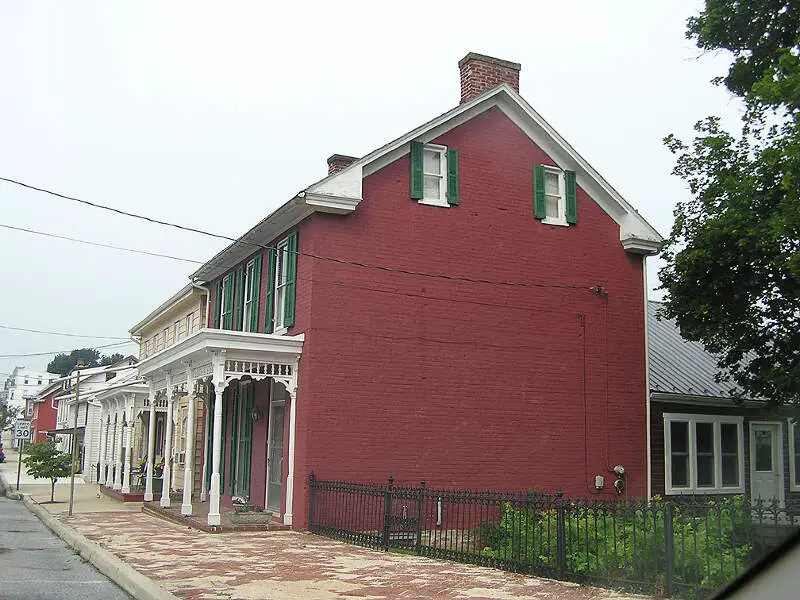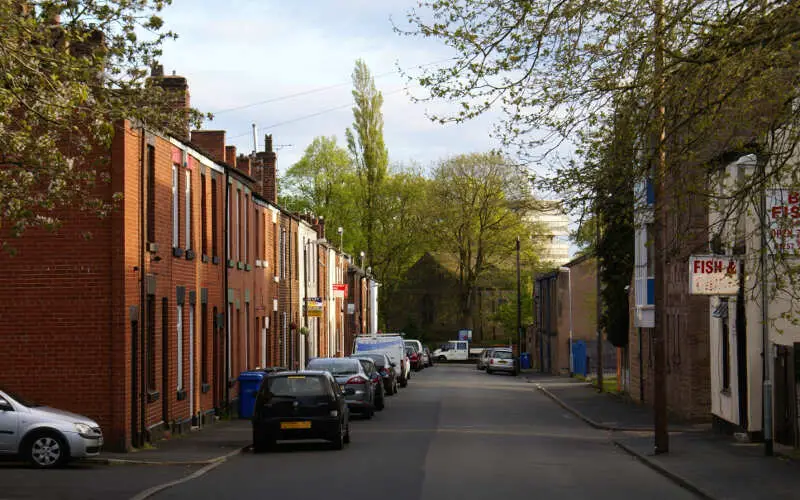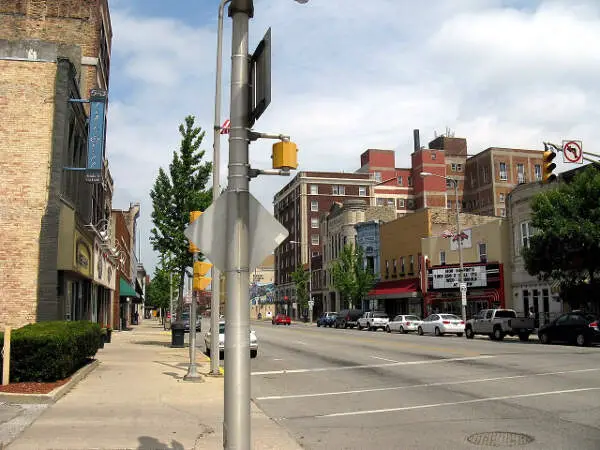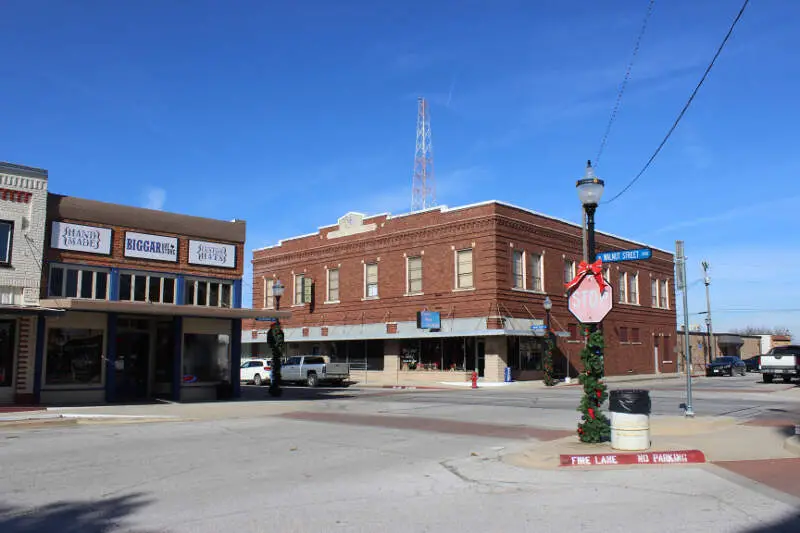
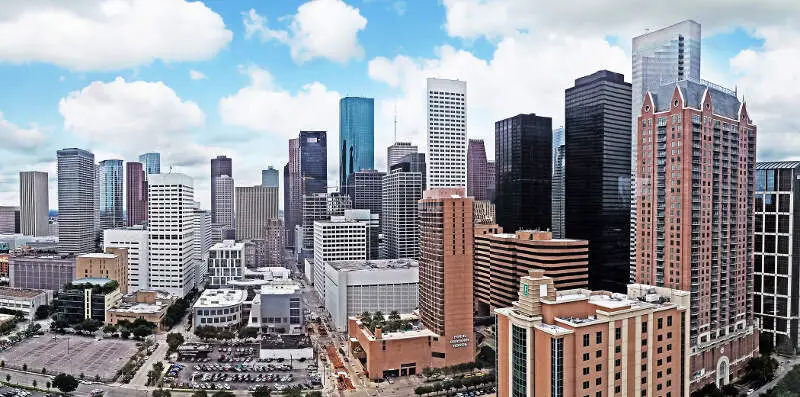
El Paso vs. Houston in photos
A side-by-side look at each city.




Cost of living
El Paso is the cheaper city overall — 9% higher in Houston than its rival. Index baseline: 100 = national average.
| Living expense | El Paso | Houston | US average |
|---|---|---|---|
| Overall | 95 | 104 | 100 |
| Services | 99 | 104 | 100 |
| Groceries | 100 | 98 | 100 |
| Health | 79 | 106 | 100 |
| Housing | 104 | 102 | 100 |
| Transportation | 107 | 104 | 100 |
| Utilities | 98 | 98 | 100 |
Lower index = cheaper. 100 = U.S. national average. Bar inside each cell scales relative to the highest value in the table.
Sources: HomeSnacks Cost of Living indices, normalized so 100 = U.S. national average. Drill in: El Paso cost of living, Houston cost of living, or the cheapest cities in America.
Housing breakdown
Home prices are higher in Houston. Compare absolute price and price-to-income — a $500k home in a $100k-income city is very different from one in a $50k-income city.
| Metric | El Paso | Houston | United States |
|---|---|---|---|
| Median Home Value | $234,774 | $264,336 | $332,700 |
| Median Rent | $1,073 | $1,361 | $1,413 |
| Median Income | $59,745 | $64,813 | $80,734 |
| Home Value To Income | 3.9x | 4.1x | 4.1x |
| Rent To Monthly Income | 0.22x | 0.25x | 0.21x |
Source: U.S. Census Bureau ACS 2020-2024. See also states with the highest rent in America.
Crime
El Paso is the safer city — total crime rate of 1,772 per 100k people vs 5,442 for Houston. US average: 2,119.
| Crime (per 100k) | El Paso | Houston | US average |
|---|---|---|---|
| Total crime | 1,772 | 5,442 | 2,119 |
| Murder | 3 | 14 | 5 |
| Robbery | 37 | 274 | 61 |
| Aggravated Assault | 238 | 787 | 256 |
| Violent Crime | 278 | 1,148 | 359 |
| Burglary | 140 | 645 | 229 |
| Larceny | 1,072 | 2,946 | 1,272 |
| Car Theft | 281 | 703 | 259 |
| Property Crime | 1,494 | 4,293 | 1,760 |
Lower = safer. Bar inside each cell scales relative to the highest crime rate in the table.
Source: FBI Uniform Crime Reporting (2024). All rates are per 100,000 people. City pages: El Paso crime, Houston crime. See also: safest cities in America.
Diversity
Houston is more racially diverse — lower HHI (closer to 0) means a more even mix across groups.
| Group | El Paso | Houston | United States |
|---|---|---|---|
| White | 12.0% | 23.2% | 57.4% |
| African American | 3.2% | 22.3% | 11.9% |
| American Indian | 0.2% | 0.1% | 0.5% |
| Asian | 1.3% | 6.9% | 5.9% |
| Hawaiian | 0.2% | 0.1% | 0.2% |
| Other | 0.3% | 0.4% | 0.6% |
| Two Or More | 1.6% | 2.8% | 4.3% |
| Hispanic | 81.2% | 44.2% | 19.3% |
Source: U.S. Census ACS 2020-2024. Lower HHI = more even racial mix. See also: most diverse cities in America.
SnackAbility — overall quality of life
El Paso scores higher overall — 5/10 vs 4/10. SnackAbility is our 1–10 quality-of-life score; the median U.S. city scores a 7.
Scores are 0–10; both bars share the same scale.
SnackAbility is a HomeSnacks proprietary 1–10 score blending jobs, housing, education, commute, amenities, affordability, crime, and diversity. Median U.S. city ≈ 7. Data: Census, BLS, FBI. See also: best places to live in America.
Getting around: El Paso vs. Houston
How each city handles commuting, transit, walkability, and car culture — the day-to-day reality that shapes where you'd actually want to live.
El Paso is a car-first city, and most residents drive to work along I-10 or US-54. Sun Metro runs the local bus network, and a streetcar line connects Downtown to the UTEP campus and nearby neighborhoods, but coverage is thin enough that you'll almost certainly need a vehicle for daily life. The smaller scale does mean commutes are more manageable than in Texas's bigger metros.
Houston is just as car-dependent. METRORail has three light-rail lines serving the Texas Medical Center, Museum District, and Downtown, but they cover a narrow slice of a city that sprawls in every direction. Rush hour on I-610 or I-45 can turn a five-mile trip into a 40-minute slog; if you're weighing the two, El Paso's smaller footprint generally means less time stuck in traffic.
Jobs and careers in El Paso vs. Houston
The local job market, dominant industries, and which city to choose based on your career.
El Paso's economy centers on Fort Bliss, one of the largest U.S. Army installations in the country, which supports thousands of military and civilian jobs. The University Medical Center of El Paso and the city's position as a major border crossing add healthcare, logistics, and retail trade employment. Median household income sits at $59,745, and a cost of living index of 95 means your dollar goes further than the national average.
Houston is one of the most economically diverse metros in the United States. The energy sector, with ExxonMobil, Chevron, and scores of oilfield-services firms headquartered along the Energy Corridor, is the backbone, but the Texas Medical Center (the world's largest medical complex), the Port of Houston, and a growing tech scene add real breadth. Median household income is $64,813, higher than El Paso's, though the cost of living index of 104 offsets part of that gap.
Weather and climate
What to expect day-to-day — sun, fog, heat, rain, and the seasonal extremes that shape the lifestyle.
El Paso sits in the Chihuahuan Desert at 3,700 feet, which gives it around 300 sunny days a year and some of the driest air in Texas. Summers are hot, with highs routinely in the mid-90s, but low humidity makes the heat more bearable than the numbers suggest. Winters are mild and brief, snow is rare, and the elevation means genuinely cool evenings after scorching afternoons.
Houston's summers are defined by oppressive heat and humidity; stepping outside in July feels like walking into a warm, wet towel, with heat index values regularly topping 105°F. Winters are mild but gray, and the city sits in hurricane country: Harvey in 2017 is a serious consideration, and heavy rainfall regularly floods low-lying neighborhoods. If you prefer dry air and sunshine, El Paso is the obvious choice.
Culture, nightlife, and entertainment
Food, music, neighborhoods, and the city vibe that gives each place its personality.
El Paso's identity is shaped by its border location: the city shares a metro area with Ciudad Juárez, and that connection runs through daily life. You'll find it in the Tex-Mex food scene along Stanton Street and Mesa Avenue, in the murals of the Segundo Barrio, and at festivals like Chalk the Block. Downtown has seen real revitalization, UTEP gives the city a consistent cultural pulse, and it's a tight-knit community where locals tend to know one another.
The Museum District puts 19 institutions, including the Museum of Fine Arts, the Menil Collection, and the Houston Museum of Natural Science, within a walkable radius. Montrose is the city's most eclectic neighborhood, with independent bars, queer-friendly venues, and restaurants spanning dozens of cuisines. Houston also supports four major professional sports franchises and a theater district, with a dining scene shaped by one of the most ethnically diverse populations in the country.
Outdoor activities and day trips
Parks, beaches, hikes, and the weekend escapes that define life outside the city limits.
Franklin Mountains State Park sits inside El Paso's city limits, with more than 100 miles of hiking and mountain-biking trails and panoramic views of the Rio Grande valley. Hueco Tanks State Park, about 32 miles east, is a world-renowned bouldering destination that draws climbers from across the country. White Sands National Park is a 90-minute drive, and the Sacramento Mountains beyond Cloudcroft make for a cool-weather escape in summer.
Houston is flat and often humid, so outdoor options lean toward parks and bayous rather than trails and peaks. Buffalo Bayou Park has miles of trails winding along the bayou through Downtown, and Hermann Park anchors the Museum District with a Japanese garden, pedal boats, and open lawns. Galveston Island is about an hour south for Gulf Coast beaches, not the Caribbean but a solid day trip; serious hikers will need to drive to the Hill Country or Big Bend for genuine elevation.
Bottom line: which city is right for you?
Based on the head-to-head data above, here's the short version — pick the city that lines up with what you actually care about.
Choose El Paso if you prioritize…
- a lower cost of living (cheaper groceries, services, and day-to-day expenses).
- lower crime — a safer place to live, work, and raise a family.
- a higher overall SnackAbility quality-of-life score.
Choose Houston if you prioritize…
- more affordable housing relative to El Paso.
- a more racially diverse community (lower HHI on Census data).
Methodology: winners are picked from public data — U.S. Census Bureau ACS (income, home value, rent, race/HHI), FBI Uniform Crime Reporting (crime rates per 100k), and HomeSnacks' proprietary SnackAbility quality-of-life score, which blends Bureau of Labor Statistics data with the above.
Other comparisons
Still weighing your options? See how these two cities stack up against other places we've compared head-to-head.