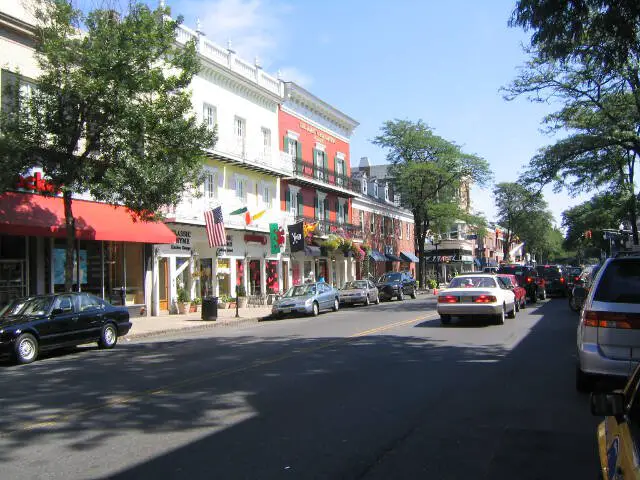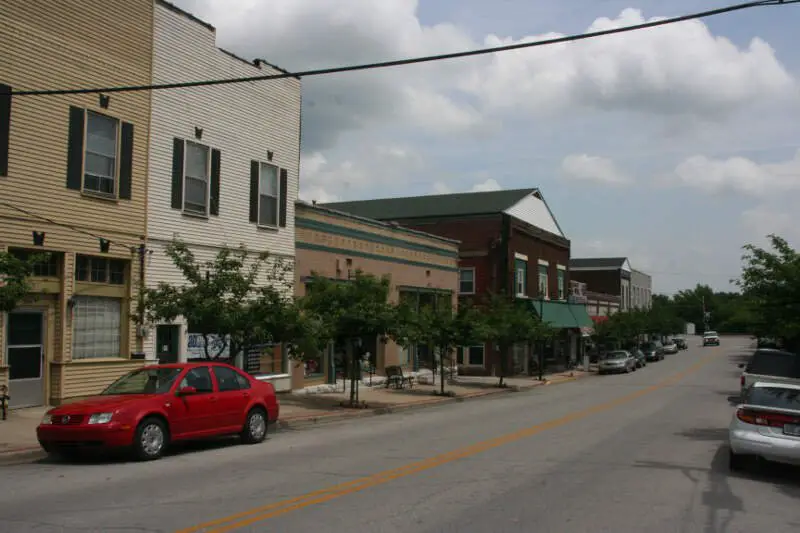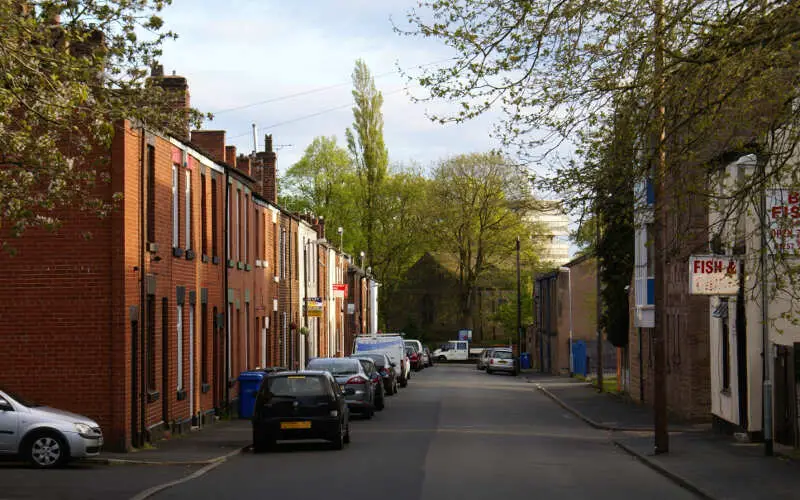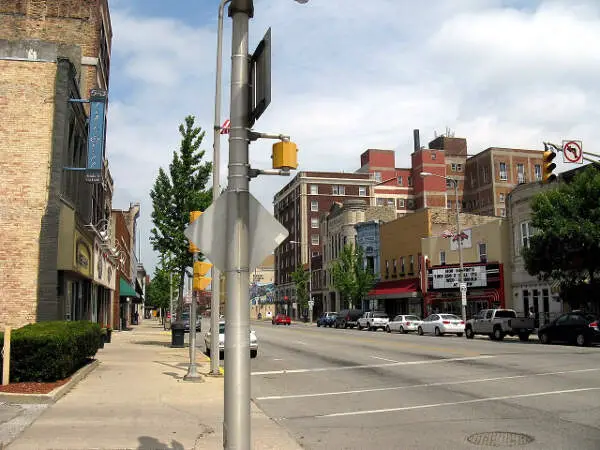
Minneapolis vs. Houston in photos
A side-by-side look at each city.





Cost of living
Houston is the cheaper city overall — 12% higher in Minneapolis than its rival. Index baseline: 100 = national average.
| Living expense | Minneapolis | Houston | US average |
|---|---|---|---|
| Overall | 116 | 104 | 100 |
| Services | 103 | 104 | 100 |
| Groceries | 100 | 98 | 100 |
| Health | 142 | 106 | 100 |
| Housing | 103 | 102 | 100 |
| Transportation | 107 | 104 | 100 |
| Utilities | 105 | 98 | 100 |
Lower index = cheaper. 100 = U.S. national average. Bar inside each cell scales relative to the highest value in the table.
Sources: HomeSnacks Cost of Living indices, normalized so 100 = U.S. national average. Drill in: Minneapolis cost of living, Houston cost of living, or the cheapest cities in America.
Housing breakdown
Home prices are higher in Minneapolis. Compare absolute price and price-to-income — a $500k home in a $100k-income city is very different from one in a $50k-income city.
| Metric | Minneapolis | Houston | United States |
|---|---|---|---|
| Median Home Value | $330,882 | $264,336 | $332,700 |
| Median Rent | $1,371 | $1,361 | $1,413 |
| Median Income | $80,846 | $64,813 | $80,734 |
| Home Value To Income | 4.1x | 4.1x | 4.1x |
| Rent To Monthly Income | 0.2x | 0.25x | 0.21x |
Source: U.S. Census Bureau ACS 2020-2024. See also states with the highest rent in America.
Crime
Houston is the safer city — total crime rate of 5,442 per 100k people vs 6,384 for Minneapolis. US average: 2,119.
| Crime (per 100k) | Minneapolis | Houston | US average |
|---|---|---|---|
| Total crime | 6,384 | 5,442 | 2,119 |
| Murder | 17 | 14 | 5 |
| Robbery | 340 | 274 | 61 |
| Aggravated Assault | 688 | 787 | 256 |
| Violent Crime | 1,132 | 1,148 | 359 |
| Burglary | 606 | 645 | 229 |
| Larceny | 2,806 | 2,946 | 1,272 |
| Car Theft | 1,841 | 703 | 259 |
| Property Crime | 5,253 | 4,293 | 1,760 |
Lower = safer. Bar inside each cell scales relative to the highest crime rate in the table.
Source: FBI Uniform Crime Reporting (2024). All rates are per 100,000 people. City pages: Minneapolis crime, Houston crime. See also: safest cities in America.
Diversity
Houston is more racially diverse — lower HHI (closer to 0) means a more even mix across groups.
| Group | Minneapolis | Houston | United States |
|---|---|---|---|
| White | 58.8% | 23.2% | 57.4% |
| African American | 18.5% | 22.3% | 11.9% |
| American Indian | 0.7% | 0.1% | 0.5% |
| Asian | 5.3% | 6.9% | 5.9% |
| Hawaiian | 0.0% | 0.1% | 0.2% |
| Other | 0.6% | 0.4% | 0.6% |
| Two Or More | 6.0% | 2.8% | 4.3% |
| Hispanic | 10.1% | 44.2% | 19.3% |
Source: U.S. Census ACS 2020-2024. Lower HHI = more even racial mix. See also: most diverse cities in America.
SnackAbility — overall quality of life
Minneapolis scores higher overall — 7/10 vs 4/10. SnackAbility is our 1–10 quality-of-life score; the median U.S. city scores a 7.
Scores are 0–10; both bars share the same scale.
SnackAbility is a HomeSnacks proprietary 1–10 score blending jobs, housing, education, commute, amenities, affordability, crime, and diversity. Median U.S. city ≈ 7. Data: Census, BLS, FBI. See also: best places to live in America.
Getting around: Minneapolis vs. Houston
How each city handles commuting, transit, walkability, and car culture — the day-to-day reality that shapes where you'd actually want to live.
Minneapolis has one of the more functional transit systems among mid-size American cities. Metro Transit's Blue Line connects downtown to the airport and Mall of America, while the Green Line runs the dense University Avenue corridor into St. Paul. The skyway network lets downtown workers move between buildings without stepping outside in January, and the bike lane infrastructure makes cycling genuinely practical spring through fall.
Houston is one of the most car-dependent large cities in the country. The METRORail has limited reach, and most residents navigate a sprawling grid of freeways, including the infamously wide I-10 Katy Freeway corridor. If you're relocating from a transit-friendly city, budget for a car and expect to spend real time on the road, though parking is cheap and abundant almost everywhere.
Jobs and careers in Minneapolis vs. Houston
The local job market, dominant industries, and which city to choose based on your career.
Minneapolis punches above its population weight as a corporate headquarters city. Target, Best Buy, UnitedHealth Group, General Mills, and U.S. Bank all have major presences here, anchoring strong professional sectors in retail, finance, health insurance, and consumer goods. The median household income of $80,846 reflects that concentration of white-collar and technical employment, and the University of Minnesota feeds a steady pipeline of talent into local biotech and medical device firms like Medtronic.
Houston's economy is broader by scale but more volatile. The energy sector (ExxonMobil, Chevron, Shell, and dozens of mid-sized operators) still defines the job market, though the Texas Medical Center, the largest medical complex in the world, has made healthcare a real second pillar. The median household income of $64,813 sits lower than Minneapolis, partly reflecting Houston's wider income spread across a much larger and more diverse population.
Weather and climate
What to expect day-to-day — sun, fog, heat, rain, and the seasonal extremes that shape the lifestyle.
If you're choosing between these cities based on weather, you're choosing between two different kinds of discomfort. Minneapolis winters are serious: average January highs around 20°F, snowfall measured in feet per season, and wind chills that make those numbers feel worse. Summers run warm and sunny with less humidity than the latitude suggests, and most people adapt to the cold.
Houston swings to the opposite extreme: winters are mild and frost-free, but summers bring months of 90-plus degree heat paired with Gulf humidity that makes the air feel like a warm wet towel. Hurricane season runs June through November, and flooding is a real recurring concern, as Hurricane Harvey's catastrophic 2017 impact made clear. If heat bothers you more than cold, Minneapolis wins this one.
Culture, nightlife, and entertainment
Food, music, neighborhoods, and the city vibe that gives each place its personality.
Minneapolis has a cultural output that consistently surprises people who've never been. First Avenue, where Prince recorded "Purple Rain," anchors a live music scene that's unusually deep for a city its size, and the Guthrie Theater is one of the premier regional theaters in the country. The Walker Art Center and Minneapolis Institute of Art cover the visual arts, while neighborhoods like the North Loop and Uptown offer independent restaurants, bars, and boutiques worth exploring on foot.
Houston's size buys cultural breadth: the Museum District clusters the Museum of Fine Arts, the Menil Collection, and Space Center Houston within a short drive of each other. Montrose is the city's most eclectic neighborhood, with dive bars, acclaimed restaurants, and LGBTQ+ venues packed into a walkable strip. The food scene reflects Houston's demographic diversity, with some of the best Vietnamese, Nigerian, Indian, and Tex-Mex kitchens in the country.
Outdoor activities and day trips
Parks, beaches, hikes, and the weekend escapes that define life outside the city limits.
Minneapolis's outdoor identity centers on water. The Chain of Lakes (Calhoun, now Bde Maka Ska, plus Harriet, Isles, and Cedar) forms a connected park loop that fills with runners, cyclists, and paddlers from May through October, and Theodore Wirth Regional Park has mountain biking right inside city limits. For longer escapes, the Boundary Waters Canoe Area Wilderness is a half-day drive north, though the outdoor season runs about five to six months total.
Houston is flat coastal plain, and Buffalo Bayou Park gives the city a green spine along the downtown waterfront while Memorial Park hosts one of the largest urban forests in the country. The Gulf of Mexico is a 50-mile drive, making Galveston a realistic weekend beach trip. Year-round warmth means you can use the outdoors in January, but summer heat pushes most activity to early mornings or evenings from June through September.
Bottom line: which city is right for you?
Based on the head-to-head data above, here's the short version — pick the city that lines up with what you actually care about.
Choose Minneapolis if you prioritize…
- more affordable housing relative to Houston.
- a higher overall SnackAbility quality-of-life score.
Choose Houston if you prioritize…
- a lower cost of living (cheaper groceries, services, and day-to-day expenses).
- lower crime — a safer place to live, work, and raise a family.
- a more racially diverse community (lower HHI on Census data).
Methodology: winners are picked from public data — U.S. Census Bureau ACS (income, home value, rent, race/HHI), FBI Uniform Crime Reporting (crime rates per 100k), and HomeSnacks' proprietary SnackAbility quality-of-life score, which blends Bureau of Labor Statistics data with the above.
Other comparisons
Still weighing your options? See how these two cities stack up against other places we've compared head-to-head.