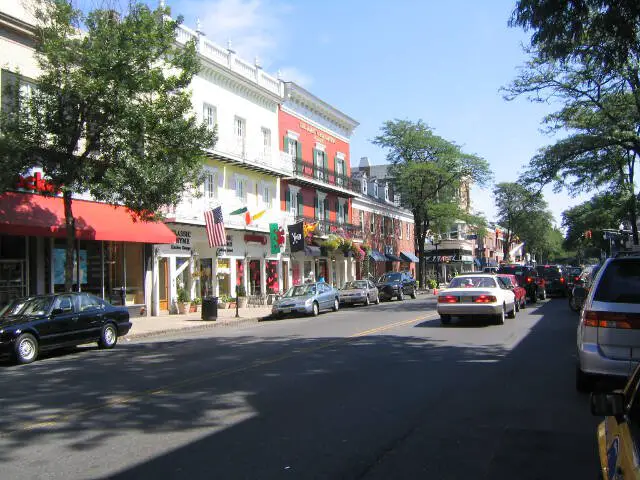
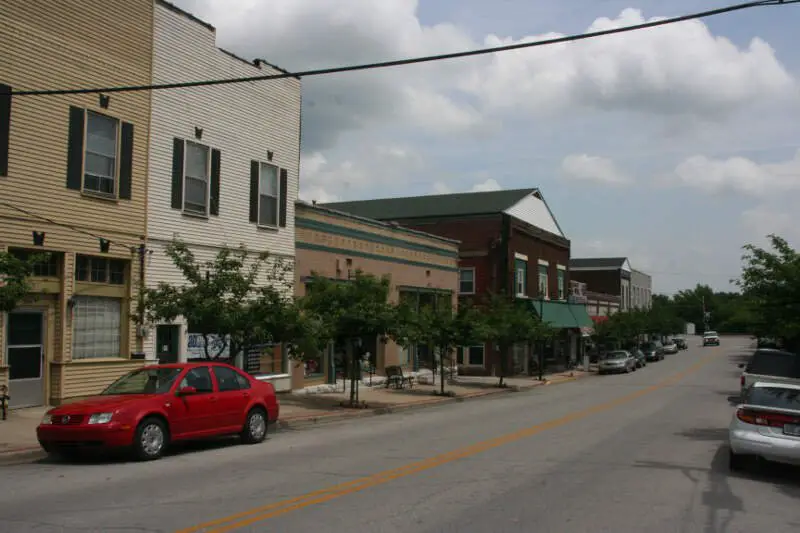
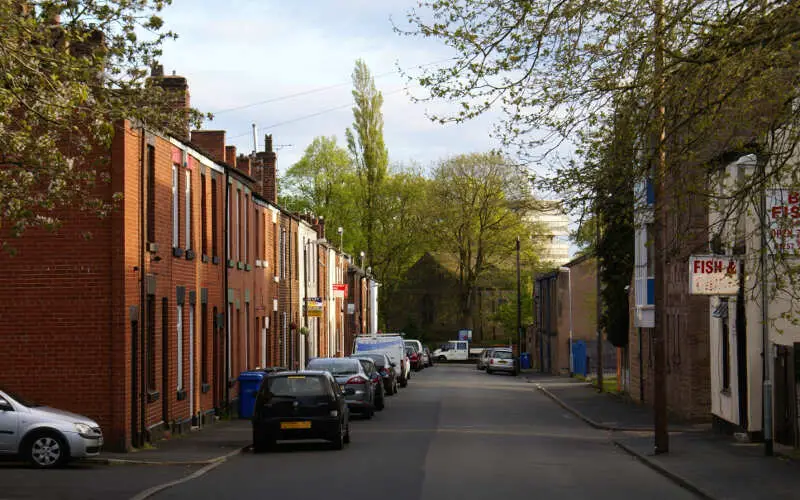
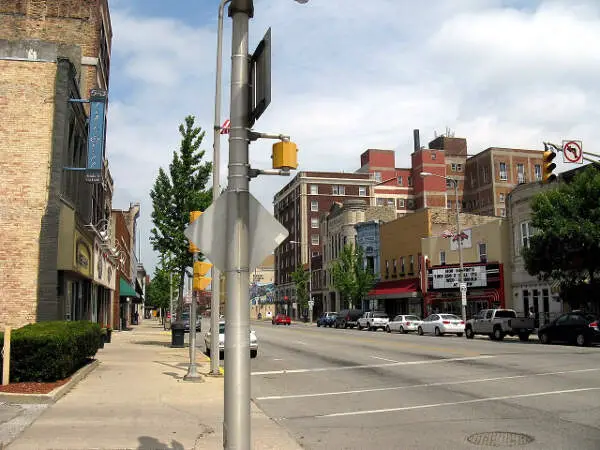
Milwaukee vs. Miami in photos
A side-by-side look at each city.



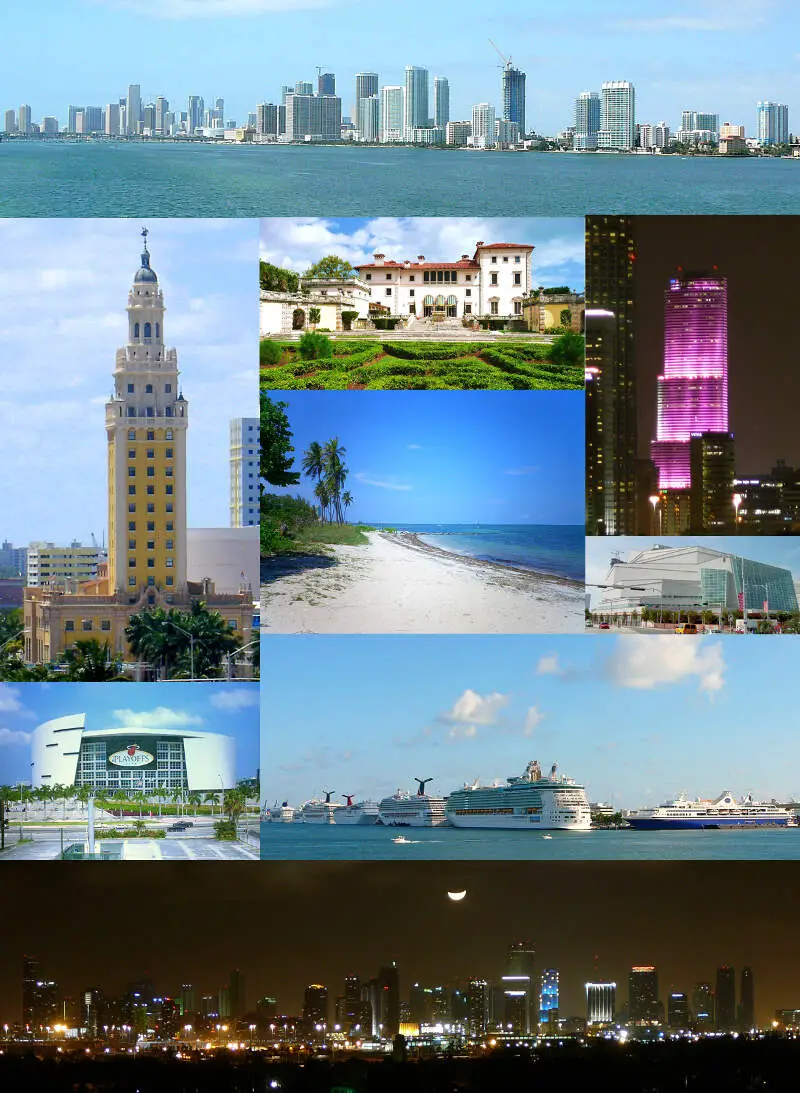
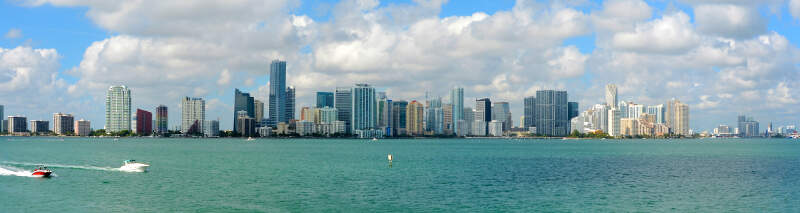

Cost of living
Milwaukee is the cheaper city overall — 27% higher in Miami than its rival. Index baseline: 100 = national average.
| Living expense | Milwaukee | Miami | US average |
|---|---|---|---|
| Overall | 95 | 131 | 100 |
| Services | 101 | 106 | 100 |
| Groceries | 98 | 110 | 100 |
| Health | 77 | 169 | 100 |
| Housing | 102 | 108 | 100 |
| Transportation | 104 | 121 | 100 |
| Utilities | 103 | 120 | 100 |
Lower index = cheaper. 100 = U.S. national average. Bar inside each cell scales relative to the highest value in the table.
Sources: HomeSnacks Cost of Living indices, normalized so 100 = U.S. national average. Drill in: Milwaukee cost of living, Miami cost of living, or the cheapest cities in America.
Housing breakdown
Home prices are higher in Miami. Compare absolute price and price-to-income — a $500k home in a $100k-income city is very different from one in a $50k-income city.
| Metric | Milwaukee | Miami | United States |
|---|---|---|---|
| Median Home Value | $220,136 | $579,563 | $332,700 |
| Median Rent | $1,059 | $1,758 | $1,413 |
| Median Income | $54,234 | $62,462 | $80,734 |
| Home Value To Income | 4.1x | 9.3x | 4.1x |
| Rent To Monthly Income | 0.23x | 0.34x | 0.21x |
Source: U.S. Census Bureau ACS 2020-2024. See also states with the highest rent in America.
Crime
Miami is the safer city — total crime rate of 3,468 per 100k people vs 4,132 for Milwaukee. US average: 2,119.
| Crime (per 100k) | Milwaukee | Miami | US average |
|---|---|---|---|
| Total crime | 4,132 | 3,468 | 2,119 |
| Murder | 24 | 6 | 5 |
| Robbery | 308 | 95 | 61 |
| Aggravated Assault | 1,031 | 348 | 256 |
| Violent Crime | 1,431 | 473 | 359 |
| Burglary | 388 | 294 | 229 |
| Larceny | 1,255 | 2,290 | 1,272 |
| Car Theft | 1,057 | 410 | 259 |
| Property Crime | 2,701 | 2,995 | 1,760 |
Lower = safer. Bar inside each cell scales relative to the highest crime rate in the table.
Source: FBI Uniform Crime Reporting (2024). All rates are per 100,000 people. City pages: Milwaukee crime, Miami crime. See also: safest cities in America.
Diversity
Milwaukee is more racially diverse — lower HHI (closer to 0) means a more even mix across groups.
| Group | Milwaukee | Miami | United States |
|---|---|---|---|
| White | 31.7% | 12.1% | 57.4% |
| African American | 37.9% | 11.9% | 11.9% |
| American Indian | 0.3% | 0.1% | 0.5% |
| Asian | 5.0% | 1.6% | 5.9% |
| Hawaiian | 0.0% | 0.0% | 0.2% |
| Other | 0.3% | 0.6% | 0.6% |
| Two Or More | 3.9% | 2.2% | 4.3% |
| Hispanic | 20.9% | 71.5% | 19.3% |
Source: U.S. Census ACS 2020-2024. Lower HHI = more even racial mix. See also: most diverse cities in America.
SnackAbility — overall quality of life
Miami scores higher overall — 5/10 vs 4/10. SnackAbility is our 1–10 quality-of-life score; the median U.S. city scores a 7.
Scores are 0–10; both bars share the same scale.
SnackAbility is a HomeSnacks proprietary 1–10 score blending jobs, housing, education, commute, amenities, affordability, crime, and diversity. Median U.S. city ≈ 7. Data: Census, BLS, FBI. See also: best places to live in America.
Getting around: Milwaukee vs. Miami
How each city handles commuting, transit, walkability, and car culture — the day-to-day reality that shapes where you'd actually want to live.
Getting around Milwaukee means owning a car for most residents. The Milwaukee County Transit System (MCTS) runs buses throughout the county, and a downtown streetcar called The Hop covers the Historic Third Ward and lower East Side, but coverage thins quickly in the suburbs. For most jobs outside the urban core, expect a car-centric commute.
Miami also defaults to car ownership despite having the Metrorail heavy-rail line and the free downtown Metromover loop. Traffic on I-95 and the Palmetto Expressway is genuinely punishing during rush hour, and Miami's cost of living index of 131 versus Milwaukee's 95 means higher insurance, tolls, and fuel costs cut deeper into your budget. If you're near a Metrorail station in Brickell or Coral Gables, transit is usable, but most of Miami's sprawl still demands a car.
Jobs and careers in Milwaukee vs. Miami
The local job market, dominant industries, and which city to choose based on your career.
Milwaukee's economy leans on manufacturing, healthcare, and professional services. Major employers include Harley-Davidson, Rockwell Automation, and Kohl's (headquartered in nearby Menomonee Falls), alongside large health systems like Froedtert and Aurora. The median household income is $54,234, and a cost of living index of 95 means that salary stretches further than it would on either coast.
Miami's median household income of $62,462 looks better on paper, but a cost of living index of 131 erodes a meaningful chunk of that advantage.
The city's strongest sectors are international finance, trade through the Port of Miami, tourism and hospitality, and a growing tech corridor concentrated in Brickell.
If your career is in fintech, Latin American business, or hospitality management, Miami offers connections and deal flow that Milwaukee simply can't match.
Weather and climate
What to expect day-to-day — sun, fog, heat, rain, and the seasonal extremes that shape the lifestyle.
Milwaukee delivers four distinct seasons, and some of them are genuinely harsh. Lake Michigan moderates summer heat but amplifies winter cold and produces lake-effect snow from November through March. Summers are pleasant, with highs in the mid-80s and low humidity by July, but January averages in the mid-teens mean you'll need a serious coat and real winter tires.
Miami is essentially the opposite: a tropical climate with warm, humid summers and hurricane season running June through November. Winters are the selling point, with dry, sunny days in the mid-70s from December through February and almost no heating costs.
If you hate cold weather, the choice is simple. If you find relentless heat and humidity draining, or hurricane season makes you nervous, Milwaukee's temperate summers and brisk autumns may feel like a fair trade-off for the icy winters.
Culture, nightlife, and entertainment
Food, music, neighborhoods, and the city vibe that gives each place its personality.
Milwaukee has a genuine cultural identity built around festivals, breweries, and neighborhood character. Summerfest — billed as the world's largest music festival — draws major acts to the lakefront every summer, and the neighborhood bar scene on Brady Street, in Walker's Point, and around Fiserv Forum keeps things lively year-round. The city's Polish, German, and African American heritage shapes everything from food to architecture.
Miami's cultural life is broader and louder. Little Havana and Little Haiti have some of the most distinctive immigrant neighborhood cultures in the country. Wynwood's street-art district and gallery scene anchors a serious contemporary art world, and Art Basel Miami Beach turns South Beach into a global art hub each December.
Nightlife in Brickell and South Beach is genuinely world-class. Miami costs more to enjoy (median rent of $1,758 versus Milwaukee's $1,059), but the range and energy of what's on offer is hard to match.
Outdoor activities and day trips
Parks, beaches, hikes, and the weekend escapes that define life outside the city limits.
Milwaukee's best outdoor asset is its Lake Michigan shoreline. Bradford Beach and South Shore Park are legitimate summer destinations, and the Oak Leaf Trail loops 135 miles through Milwaukee County's well-maintained park system. Day trips reach Kettle Moraine State Forest in about 45 minutes, and Door County's bluffs and orchards are a popular three-hour drive north for a weekend escape.
Miami's outdoor life centers on water and year-round warmth. South Beach, Crandon Park on Key Biscayne, and the Virginia Key shoreline give you easy access to the Atlantic, while Biscayne National Park (mostly underwater) offers snorkeling and kayaking just south of the city. The Florida Keys are a two-hour drive down US-1, and Everglades National Park is about an hour west, with airboat tours, hiking, and wildlife watching.
If outdoor living drives your decision, Miami's climate and geography give it a clear edge.
Bottom line: which city is right for you?
Based on the head-to-head data above, here's the short version — pick the city that lines up with what you actually care about.
Choose Milwaukee if you prioritize…
- a lower cost of living (cheaper groceries, services, and day-to-day expenses).
- a more racially diverse community (lower HHI on Census data).
Choose Miami if you prioritize…
- lower crime — a safer place to live, work, and raise a family.
- more affordable housing relative to Milwaukee.
- a higher overall SnackAbility quality-of-life score.
Methodology: winners are picked from public data — U.S. Census Bureau ACS (income, home value, rent, race/HHI), FBI Uniform Crime Reporting (crime rates per 100k), and HomeSnacks' proprietary SnackAbility quality-of-life score, which blends Bureau of Labor Statistics data with the above.
Other comparisons
Still weighing your options? See how these two cities stack up against other places we've compared head-to-head.