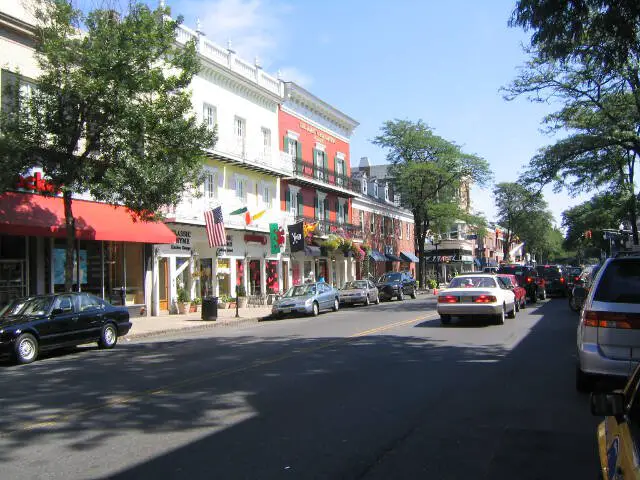
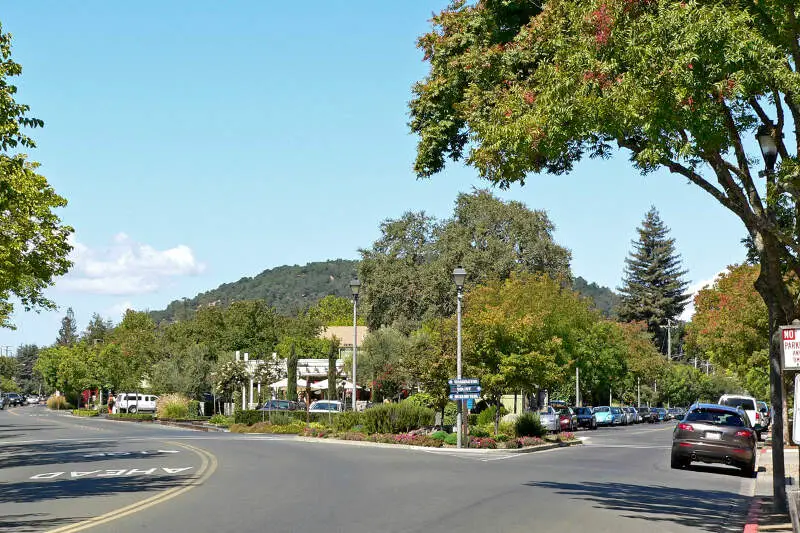
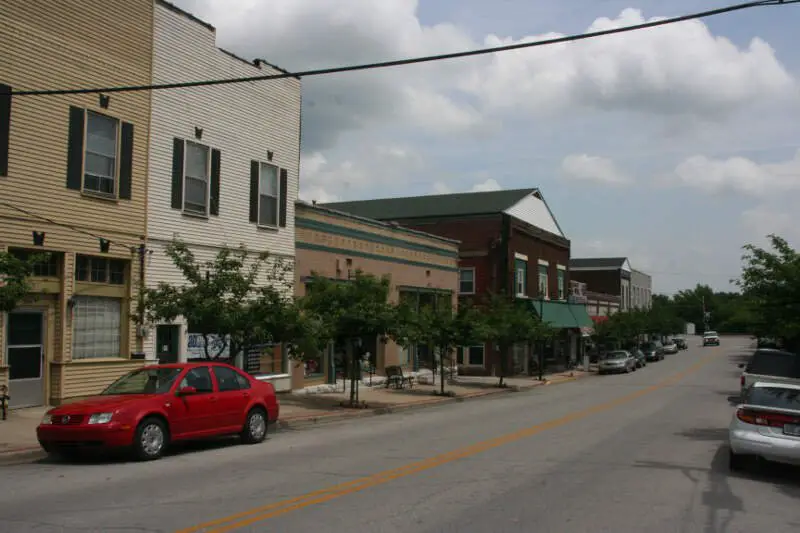
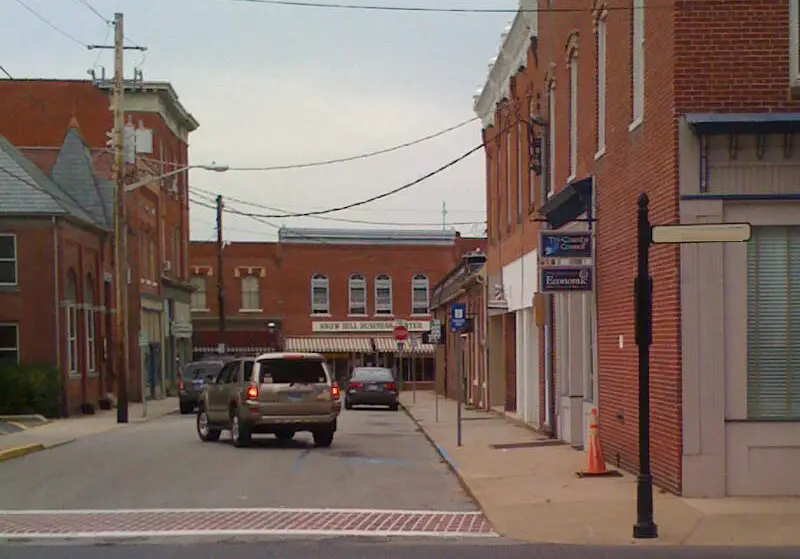
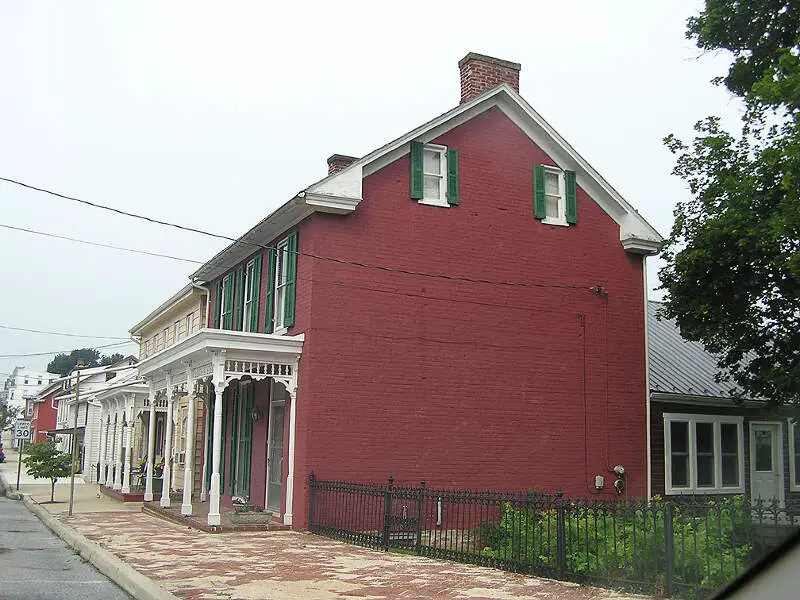
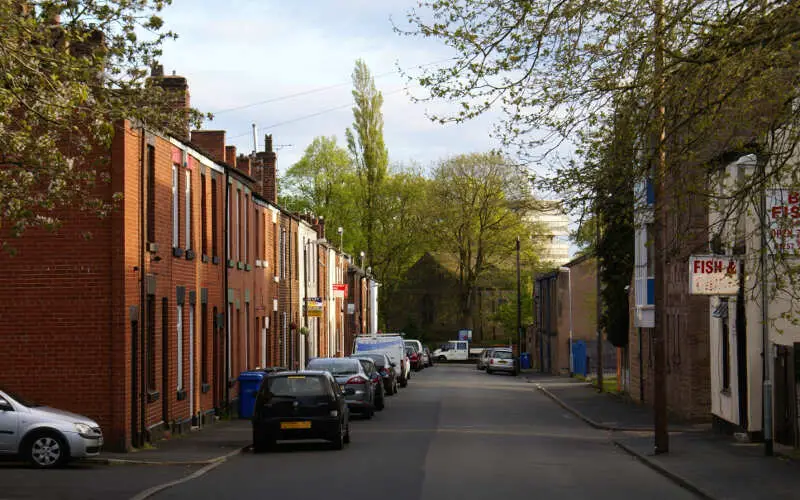
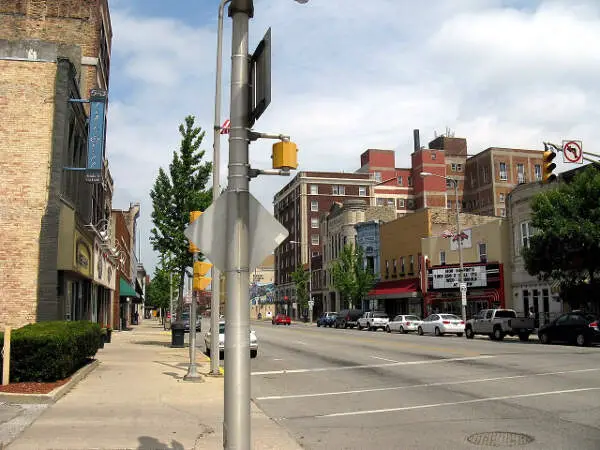
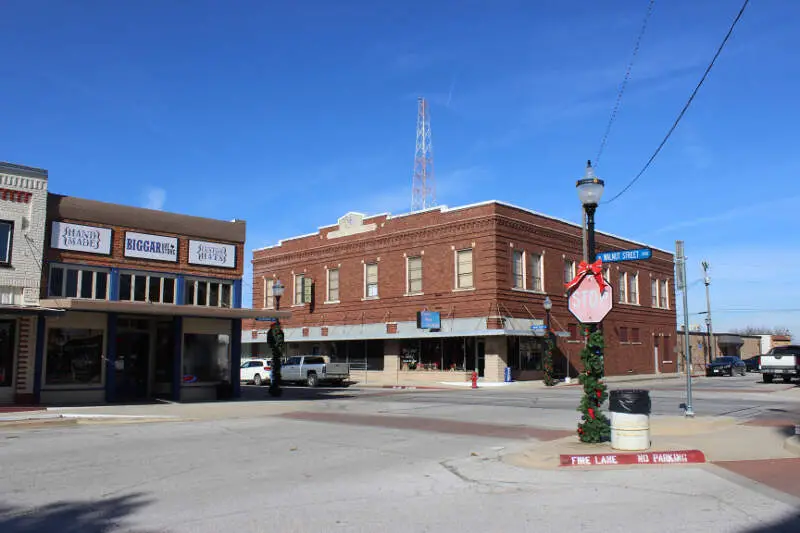
Milwaukee vs. Orlando in photos
A side-by-side look at each city.
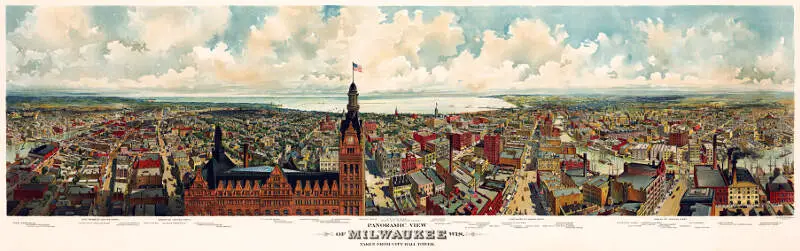

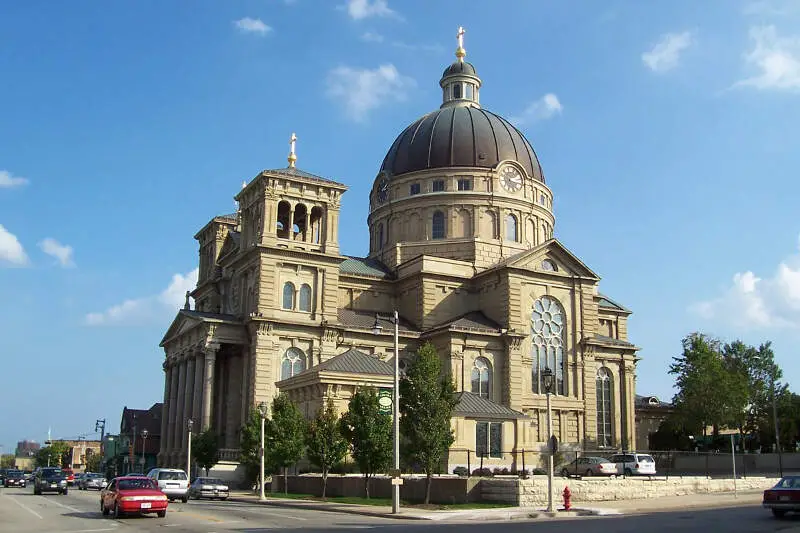
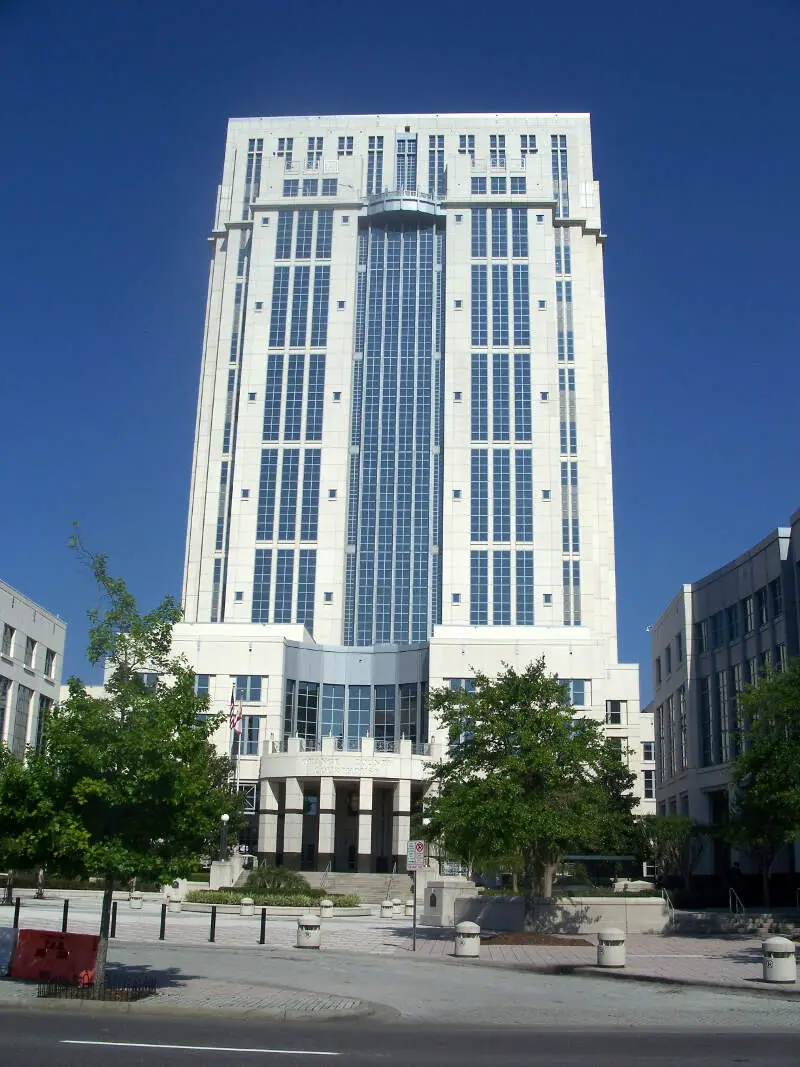

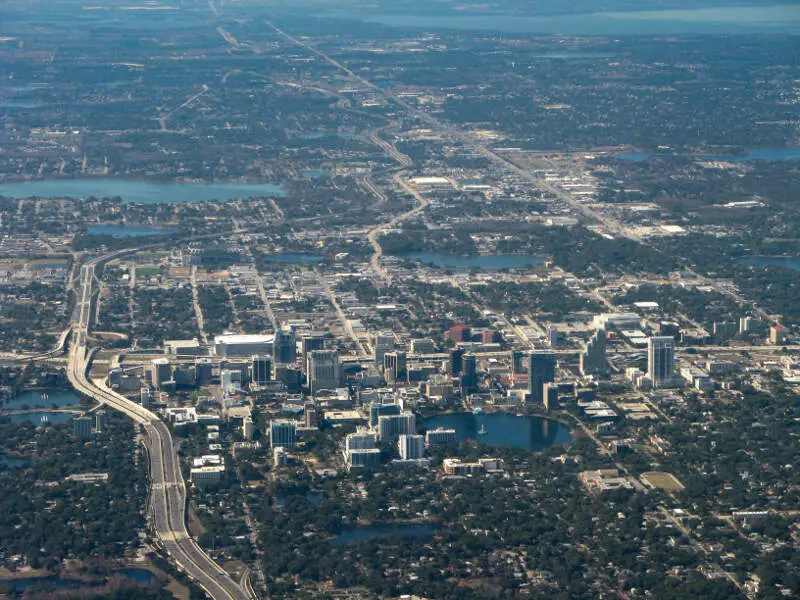
Cost of living
Milwaukee is the cheaper city overall — 18% higher in Orlando than its rival. Index baseline: 100 = national average.
| Living expense | Milwaukee | Orlando | US average |
|---|---|---|---|
| Overall | 95 | 116 | 100 |
| Services | 101 | 106 | 100 |
| Groceries | 98 | 106 | 100 |
| Health | 77 | 143 | 100 |
| Housing | 102 | 108 | 100 |
| Transportation | 104 | 110 | 100 |
| Utilities | 103 | 103 | 100 |
Lower index = cheaper. 100 = U.S. national average. Bar inside each cell scales relative to the highest value in the table.
Sources: HomeSnacks Cost of Living indices, normalized so 100 = U.S. national average. Drill in: Milwaukee cost of living, Orlando cost of living, or the cheapest cities in America.
Housing breakdown
Home prices are higher in Orlando. Compare absolute price and price-to-income — a $500k home in a $100k-income city is very different from one in a $50k-income city.
| Metric | Milwaukee | Orlando | United States |
|---|---|---|---|
| Median Home Value | $220,136 | $374,135 | $332,700 |
| Median Rent | $1,059 | $1,747 | $1,413 |
| Median Income | $54,234 | $72,336 | $80,734 |
| Home Value To Income | 4.1x | 5.2x | 4.1x |
| Rent To Monthly Income | 0.23x | 0.29x | 0.21x |
Source: U.S. Census Bureau ACS 2020-2024. See also states with the highest rent in America.
Crime
Milwaukee is the safer city — total crime rate of 4,132 per 100k people vs 4,864 for Orlando. US average: 2,119.
| Crime (per 100k) | Milwaukee | Orlando | US average |
|---|---|---|---|
| Total crime | 4,132 | 4,864 | 2,119 |
| Murder | 24 | 10 | 5 |
| Robbery | 308 | 137 | 61 |
| Aggravated Assault | 1,031 | 616 | 256 |
| Violent Crime | 1,431 | 836 | 359 |
| Burglary | 388 | 450 | 229 |
| Larceny | 1,255 | 3,174 | 1,272 |
| Car Theft | 1,057 | 405 | 259 |
| Property Crime | 2,701 | 4,028 | 1,760 |
Lower = safer. Bar inside each cell scales relative to the highest crime rate in the table.
Source: FBI Uniform Crime Reporting (2024). All rates are per 100,000 people. City pages: Milwaukee crime, Orlando crime. See also: safest cities in America.
Diversity
Orlando is more racially diverse — lower HHI (closer to 0) means a more even mix across groups.
| Group | Milwaukee | Orlando | United States |
|---|---|---|---|
| White | 31.7% | 31.2% | 57.4% |
| African American | 37.9% | 22.2% | 11.9% |
| American Indian | 0.3% | 0.0% | 0.5% |
| Asian | 5.0% | 4.8% | 5.9% |
| Hawaiian | 0.0% | 0.0% | 0.2% |
| Other | 0.3% | 1.0% | 0.6% |
| Two Or More | 3.9% | 5.3% | 4.3% |
| Hispanic | 20.9% | 35.4% | 19.3% |
Source: U.S. Census ACS 2020-2024. Lower HHI = more even racial mix. See also: most diverse cities in America.
SnackAbility — overall quality of life
Orlando scores higher overall — 6/10 vs 4/10. SnackAbility is our 1–10 quality-of-life score; the median U.S. city scores a 7.
Scores are 0–10; both bars share the same scale.
SnackAbility is a HomeSnacks proprietary 1–10 score blending jobs, housing, education, commute, amenities, affordability, crime, and diversity. Median U.S. city ≈ 7. Data: Census, BLS, FBI. See also: best places to live in America.
Getting around: Milwaukee vs. Orlando
How each city handles commuting, transit, walkability, and car culture — the day-to-day reality that shapes where you'd actually want to live.
Milwaukee runs on the Milwaukee County Transit System (MCTS) bus network, which serves most neighborhoods adequately if you live close to major corridors like Wisconsin Avenue or North Avenue, but car ownership is effectively required for the suburbs and South Side. The Hop streetcar connects the Third Ward to Downtown and Fiserv Forum, though its coverage remains limited. Traffic is manageable compared to most metros its size.
Orlando is almost entirely car-dependent, built around the I-4 corridor and a web of toll roads. SunRail commuter rail has a narrow north-south spine but skips most of where people actually need to go. Theme park shift schedules and tourist congestion on I-Drive and US-192 add unpredictable friction to commutes.
If you work in Lake Nona, Maitland, or the International Drive area, budget extra time and tolls. Neither city is transit-friendly, but Orlando's sprawl makes a car far more indispensable.
Jobs and careers in Milwaukee vs. Orlando
The local job market, dominant industries, and which city to choose based on your career.
Milwaukee's economy leans on manufacturing, healthcare, and financial services. Major employers include Northwestern Mutual, Harley-Davidson, Johnson Controls, Froedtert Health, and Aurora Health Care. The city punches above its weight in insurance and engineering.
Marquette University and UW-Milwaukee feed a steady talent pipeline. Median household income sits at $54,234, well below the national average, though a cost of living index of 95 helps your paycheck stretch further.
Orlando's job market is broader and higher-paying on paper, with a median household income of $72,336, but much of that reflects sectors beyond tourism. UCF, AdventHealth, Lockheed Martin, and a growing tech and simulation corridor around Lake Nona and the I-4 tech spine offer real career depth. Disney, Universal, and the broader hospitality industry still employ a large slice of the workforce, which means more entry-level and seasonal roles than the income figure implies.
A cost of living index of 116 eats into that wage advantage.
Weather and climate
What to expect day-to-day — sun, fog, heat, rain, and the seasonal extremes that shape the lifestyle.
Milwaukee sits on Lake Michigan, which shapes its weather dramatically. Winters are genuinely cold, with January highs near 28°F, and lake-effect snow can pile up fast. Summers bring July highs in the mid-80s and lower humidity than most of the Midwest.
Spring and fall are short but beautiful, especially along the lakefront. If you can handle five months of serious winter, the payoff is real seasonal variety.
Orlando is the flip side: mild winters with January highs around 72°F attract snowbirds for good reason. Summer runs long and punishing, with June through September bringing near-daily afternoon thunderstorms, heat indices past 105°F, and near-tropical humidity. Hurricane season (June–November) adds a genuine preparedness consideration, though Orlando's inland location softens direct impacts.
If you hate cold, Orlando wins easily; if oppressive summer heat is your dealbreaker, Milwaukee's trade-off makes more sense.
Culture, nightlife, and entertainment
Food, music, neighborhoods, and the city vibe that gives each place its personality.
Milwaukee has a genuine, underrated cultural identity built on German and Polish heritage, world-class brewing, and a strong arts scene. The Historic Third Ward hosts independent restaurants, galleries, and the Milwaukee Public Market. Brady Street draws a younger crowd, while Walker's Point has become a hub for LGBTQ+ nightlife and new restaurants.
Summerfest, billed as the world's largest music festival, takes over the lakefront every summer. The Milwaukee Art Museum's Calatrava-designed wing alone is worth a visit.
Orlando tends to get reduced to its theme parks, but neighborhoods like Mills 50, Thornton Park, and College Park offer local dining and a more grounded nightlife scene. Winter Park (just north) brings upscale boutiques, the Morse Museum, and leafy brick streets. Downtown Orlando's bar district around Orange Avenue is lively on weekends.
The city draws a transient population tied to tourism and university enrollment, which creates energy but can make it harder to build lasting roots compared to Milwaukee's more settled community fabric.
Outdoor activities and day trips
Parks, beaches, hikes, and the weekend escapes that define life outside the city limits.
Milwaukee's outdoor life centers on Lake Michigan. Bradford Beach and South Shore Park are genuine urban beach escapes in summer, and the Oak Leaf Trail system loops 125 miles through Milwaukee County parks for cyclists and runners. A two-hour drive north puts you in Door County for hiking, kayaking, and cherry orchards.
Kettle Moraine State Forest, about an hour west, has serious trail running and cross-country skiing in winter. The lakefront is the city's greatest public asset, and it's free.
Orlando trades mountains and coastline for a different set of options. Wekiwa Springs State Park and Blue Spring State Park have freshwater swimming in crystal-clear springs, a genuinely unique Florida experience. The St. Johns River is good for kayaking and fishing, and Ocala National Forest sits about 90 minutes out.
Ocean beaches at New Smyrna and Cocoa Beach are roughly an hour's drive. Disney's Fort Wilderness and the trail networks in surrounding counties add more options, though summer heat compresses the comfortable window for most of them.
Bottom line: which city is right for you?
Based on the head-to-head data above, here's the short version — pick the city that lines up with what you actually care about.
Choose Milwaukee if you prioritize…
- a lower cost of living (cheaper groceries, services, and day-to-day expenses).
- lower crime — a safer place to live, work, and raise a family.
Choose Orlando if you prioritize…
- more affordable housing relative to Milwaukee.
- a more racially diverse community (lower HHI on Census data).
- a higher overall SnackAbility quality-of-life score.
Methodology: winners are picked from public data — U.S. Census Bureau ACS (income, home value, rent, race/HHI), FBI Uniform Crime Reporting (crime rates per 100k), and HomeSnacks' proprietary SnackAbility quality-of-life score, which blends Bureau of Labor Statistics data with the above.
Other comparisons
Still weighing your options? See how these two cities stack up against other places we've compared head-to-head.