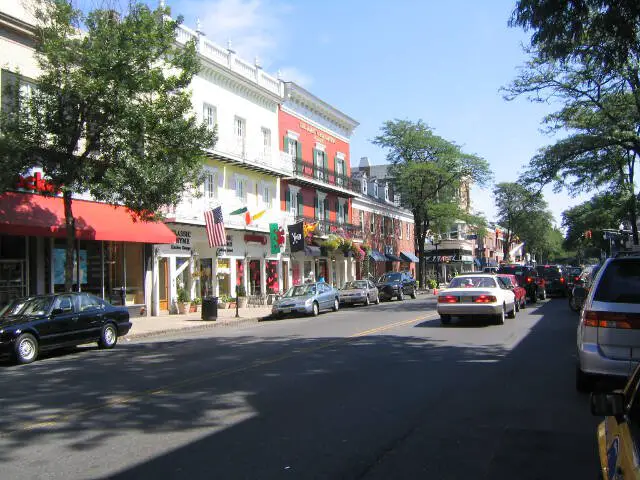
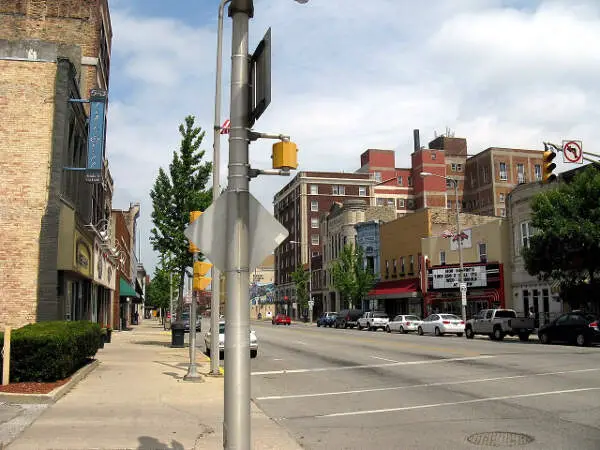
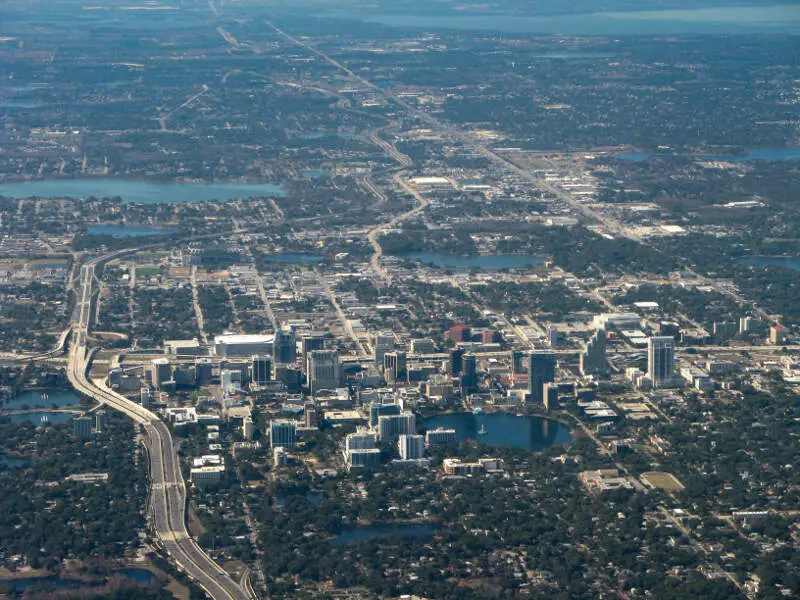
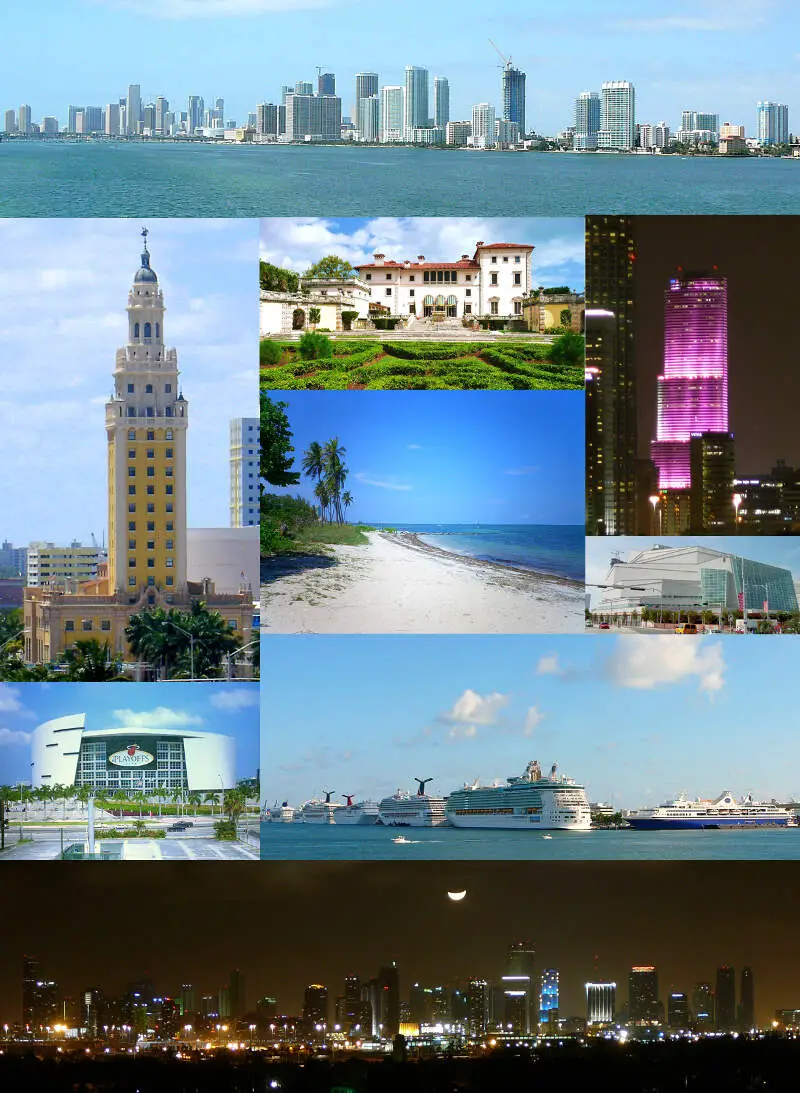
Orlando vs. Miami in photos
A side-by-side look at each city.


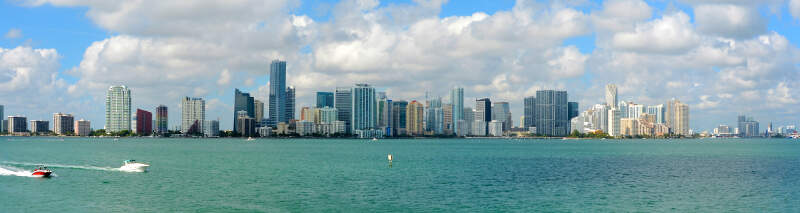

Cost of living
Orlando is the cheaper city overall — 11% higher in Miami than its rival. Index baseline: 100 = national average.
| Living expense | Orlando | Miami | US average |
|---|---|---|---|
| Overall | 116 | 131 | 100 |
| Services | 106 | 106 | 100 |
| Groceries | 106 | 110 | 100 |
| Health | 143 | 169 | 100 |
| Housing | 108 | 108 | 100 |
| Transportation | 110 | 121 | 100 |
| Utilities | 103 | 120 | 100 |
Lower index = cheaper. 100 = U.S. national average. Bar inside each cell scales relative to the highest value in the table.
Sources: HomeSnacks Cost of Living indices, normalized so 100 = U.S. national average. Drill in: Orlando cost of living, Miami cost of living, or the cheapest cities in America.
Housing breakdown
Home prices are higher in Miami. Compare absolute price and price-to-income — a $500k home in a $100k-income city is very different from one in a $50k-income city.
| Metric | Orlando | Miami | United States |
|---|---|---|---|
| Median Home Value | $374,135 | $579,563 | $332,700 |
| Median Rent | $1,747 | $1,758 | $1,413 |
| Median Income | $72,336 | $62,462 | $80,734 |
| Home Value To Income | 5.2x | 9.3x | 4.1x |
| Rent To Monthly Income | 0.29x | 0.34x | 0.21x |
Source: U.S. Census Bureau ACS 2020-2024. See also states with the highest rent in America.
Crime
Miami is the safer city — total crime rate of 3,468 per 100k people vs 4,864 for Orlando. US average: 2,119.
| Crime (per 100k) | Orlando | Miami | US average |
|---|---|---|---|
| Total crime | 4,864 | 3,468 | 2,119 |
| Murder | 10 | 6 | 5 |
| Robbery | 137 | 95 | 61 |
| Aggravated Assault | 616 | 348 | 256 |
| Violent Crime | 836 | 473 | 359 |
| Burglary | 450 | 294 | 229 |
| Larceny | 3,174 | 2,290 | 1,272 |
| Car Theft | 405 | 410 | 259 |
| Property Crime | 4,028 | 2,995 | 1,760 |
Lower = safer. Bar inside each cell scales relative to the highest crime rate in the table.
Source: FBI Uniform Crime Reporting (2024). All rates are per 100,000 people. City pages: Orlando crime, Miami crime. See also: safest cities in America.
Diversity
Orlando is more racially diverse — lower HHI (closer to 0) means a more even mix across groups.
| Group | Orlando | Miami | United States |
|---|---|---|---|
| White | 31.2% | 12.1% | 57.4% |
| African American | 22.2% | 11.9% | 11.9% |
| American Indian | 0.0% | 0.1% | 0.5% |
| Asian | 4.8% | 1.6% | 5.9% |
| Hawaiian | 0.0% | 0.0% | 0.2% |
| Other | 1.0% | 0.6% | 0.6% |
| Two Or More | 5.3% | 2.2% | 4.3% |
| Hispanic | 35.4% | 71.5% | 19.3% |
Source: U.S. Census ACS 2020-2024. Lower HHI = more even racial mix. See also: most diverse cities in America.
SnackAbility — overall quality of life
Orlando scores higher overall — 6/10 vs 5/10. SnackAbility is our 1–10 quality-of-life score; the median U.S. city scores a 7.
Scores are 0–10; both bars share the same scale.
SnackAbility is a HomeSnacks proprietary 1–10 score blending jobs, housing, education, commute, amenities, affordability, crime, and diversity. Median U.S. city ≈ 7. Data: Census, BLS, FBI. See also: best places to live in America.
Getting around: Orlando vs. Miami
How each city handles commuting, transit, walkability, and car culture — the day-to-day reality that shapes where you'd actually want to live.
Orlando is a car city, full stop. I-4, SR 408, SR 417, and the Florida Turnpike connect most neighborhoods, but traffic on I-4 through downtown is reliably miserable during rush hour. SunRail covers a north-south commuter rail corridor, and Lynx handles local buses, but neither is enough for most residents to skip a car.
If you commute by car, budget for toll roads; they're unavoidable in the eastern and western suburbs.
Miami has a denser transit network: Metrorail, Metromover, and the TriRail corridor up to Fort Lauderdale and West Palm make car-free living genuinely feasible in Brickell, Wynwood, or the Roads. That said, Miami traffic on I-95 and the Palmetto Expressway rivals anything Orlando throws at you, and Uber surge pricing at South Beach on a Friday night can sting. If proximity to an airport matters, Miami International edges Orlando International for international route options, though OIA has grown considerably.
Jobs and careers in Orlando vs. Miami
The local job market, dominant industries, and which city to choose based on your career.
Orlando's economy runs on tourism and hospitality (Walt Disney World, Universal Orlando, and the broader International Drive corridor employ tens of thousands), but that's only part of the story. Healthcare (AdventHealth, Orlando Health), defense and aerospace (Lockheed Martin, L3Harris in nearby Melbourne), and a fast-growing tech sector around the University of Central Florida make the job market more diversified than its theme-park reputation suggests. With a median household income of $72,336, Orlando workers actually out-earn their Miami counterparts despite a lower cost of living.
Miami's economy leans heavily on finance, international trade, real estate, and tourism; Brickell is the city's Latin American banking hub. The post-2020 influx of tech firms and hedge funds from New York and California has added well-paying white-collar jobs, but those haven't fully offset Miami's historically lower wages.
Median household income sits at $62,462, and with a cost of living index of 131 versus Orlando's 116, paychecks stretch noticeably less far. For career mobility in finance or international business, Miami wins; for overall purchasing power, Orlando holds a real edge.
Weather and climate
What to expect day-to-day — sun, fog, heat, rain, and the seasonal extremes that shape the lifestyle.
Both cities are hot, subtropical, and wet in summer: expect afternoon thunderstorms almost daily from June through September, temperatures regularly in the low-to-mid 90s, and humidity that makes the heat feel more aggressive. Winters are the payoff: Orlando averages highs in the low 70s from December through February, with occasional cold fronts dropping overnight lows into the 40s. It does frost in Orlando a few times a decade, which surprises transplants.
Miami runs slightly warmer year-round, rarely dipping below 60 even overnight in January. If you truly never want to wear a jacket, Miami has Orlando beat. Hurricane exposure is meaningfully higher in Miami; the southeast Florida peninsula puts it in the direct path of more storm tracks than Central Florida, which sees weakened storms but less direct landfall risk.
Either city demands attention to hurricane season (June–November), good insurance, and a storm kit in the garage.
Culture, nightlife, and entertainment
Food, music, neighborhoods, and the city vibe that gives each place its personality.
Orlando's cultural life has matured well beyond its theme-park identity. Downtown's Wall Street Plaza and Mills 50 district anchor a lively bar and restaurant scene; the Dr. Phillips Center for the Performing Arts books serious touring productions; and neighborhoods like Thornton Park and College Park have independent restaurant scenes that hold up on their own. The UCF student population keeps live music venues and casual nightlife healthy year-round.
Still, if late-night club culture is a priority, Orlando is a night out; Miami is a lifestyle.
Miami's cultural footprint is substantial. Little Havana, Little Haiti, Wynwood's gallery district, and the Art Deco Historic District on South Beach together give it a cultural mix few American cities match. The nightlife, clubs in South Beach and Brickell that don't fill until midnight, is world-class and world-priced.
Miami Art Basel draws a global crowd every December. Spanish is a working first language in much of the city, and that bilingual character shapes everything from restaurant menus to radio stations. If urban culture with an international character matters to you, Miami is the clear choice.
Outdoor activities and day trips
Parks, beaches, hikes, and the weekend escapes that define life outside the city limits.
Orlando is inland Florida, which means lakes (hundreds of them) rather than beaches. The Butler Chain of Lakes is a local favorite for kayaking, paddleboarding, and fishing; Wekiwa Springs State Park offers spring-fed swimming and canoe runs; and the West Orange Trail gives cyclists a paved corridor through the suburbs. Actual beach access requires a 45-to-60-minute drive to New Smyrna Beach or Cocoa Beach on the Atlantic side, or about the same time to reach Clearwater on the Gulf.
Day trips to Blue Spring State Park for manatee watching are worth the calendar entry in winter.
Miami puts saltwater recreation within minutes of most zip codes. Biscayne National Park is right at the city's edge for snorkeling and paddling; Virginia Key and Crandon Park offer uncrowded beach alternatives to South Beach; and the Florida Keys, one of the world's premier diving and sport-fishing destinations, begin just an hour south on US-1. Everglades National Park is about an hour southwest, making it a realistic half-day trip.
If easy, regular access to warm ocean water and reef diving matters more than affordable home prices, Miami's outdoor geography is hard to beat.
Bottom line: which city is right for you?
Based on the head-to-head data above, here's the short version — pick the city that lines up with what you actually care about.
Choose Orlando if you prioritize…
- a lower cost of living (cheaper groceries, services, and day-to-day expenses).
- a more racially diverse community (lower HHI on Census data).
- a higher overall SnackAbility quality-of-life score.
Choose Miami if you prioritize…
- lower crime — a safer place to live, work, and raise a family.
- more affordable housing relative to Orlando.
Methodology: winners are picked from public data — U.S. Census Bureau ACS (income, home value, rent, race/HHI), FBI Uniform Crime Reporting (crime rates per 100k), and HomeSnacks' proprietary SnackAbility quality-of-life score, which blends Bureau of Labor Statistics data with the above.
Other comparisons
Still weighing your options? See how these two cities stack up against other places we've compared head-to-head.