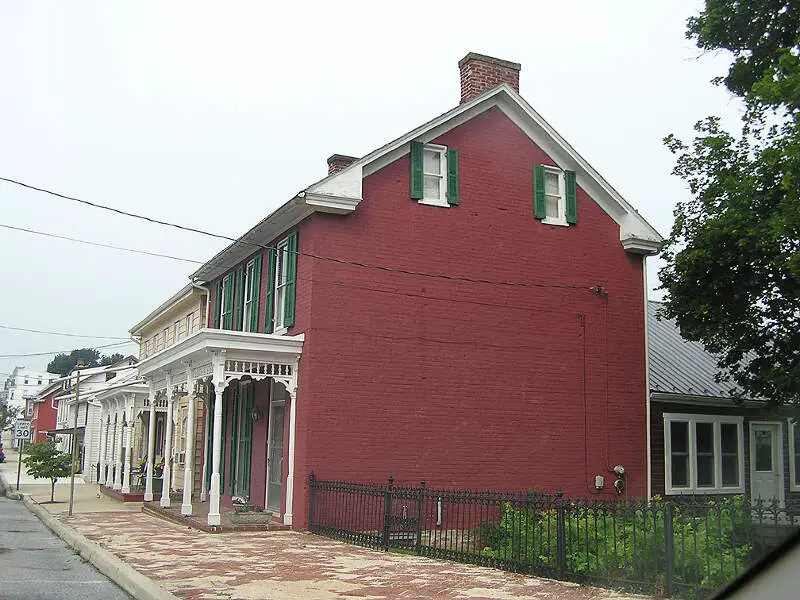
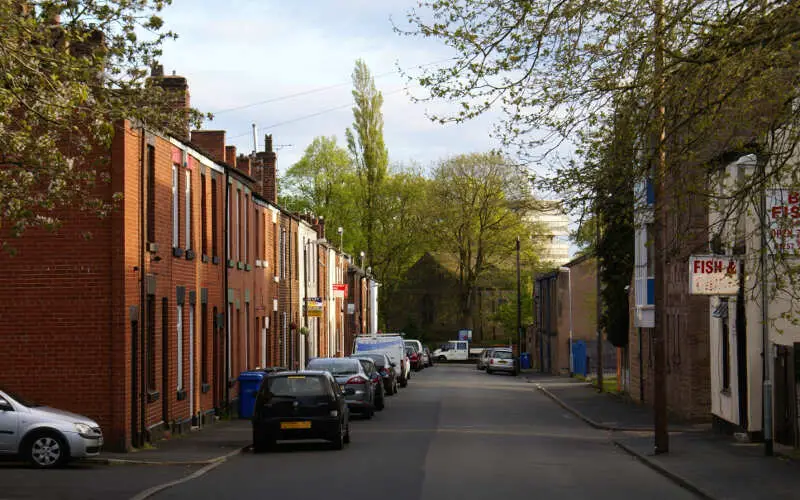
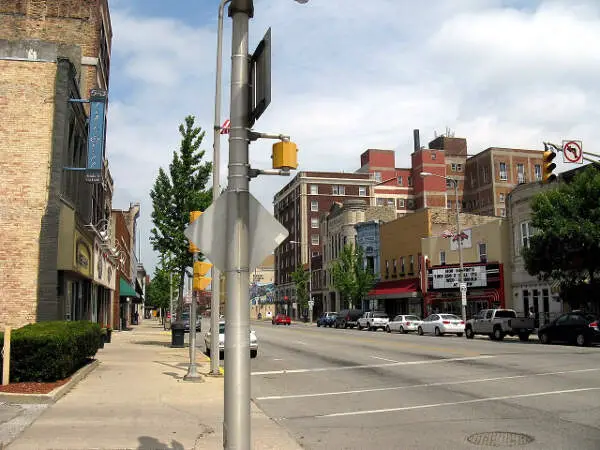
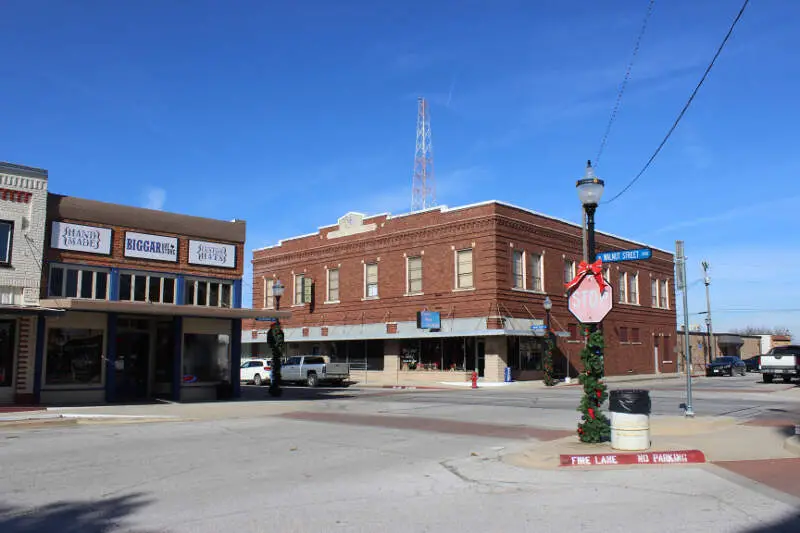
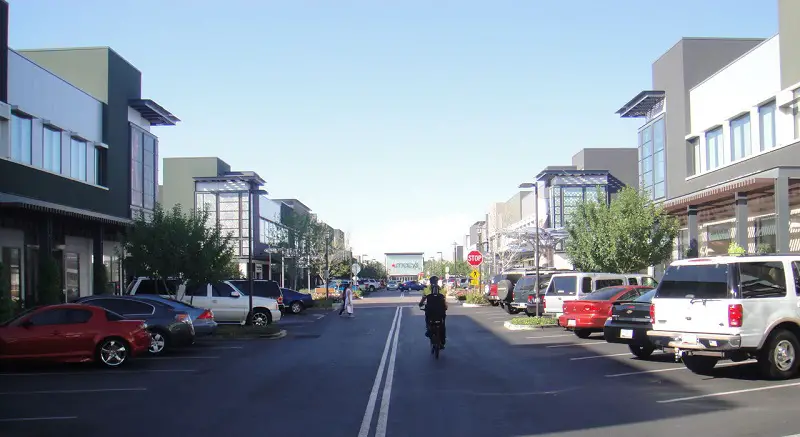
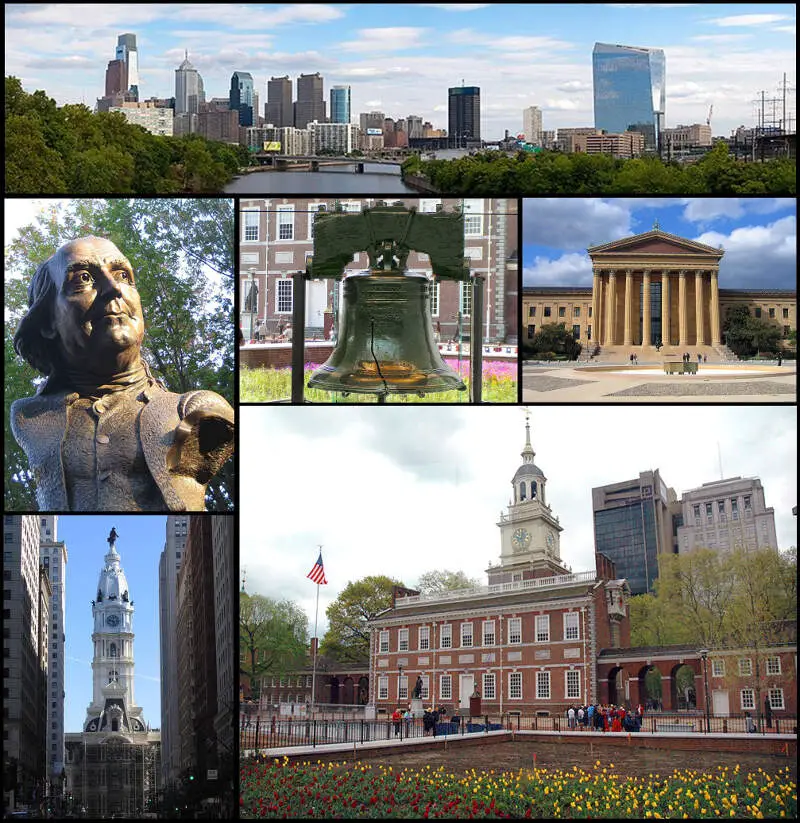
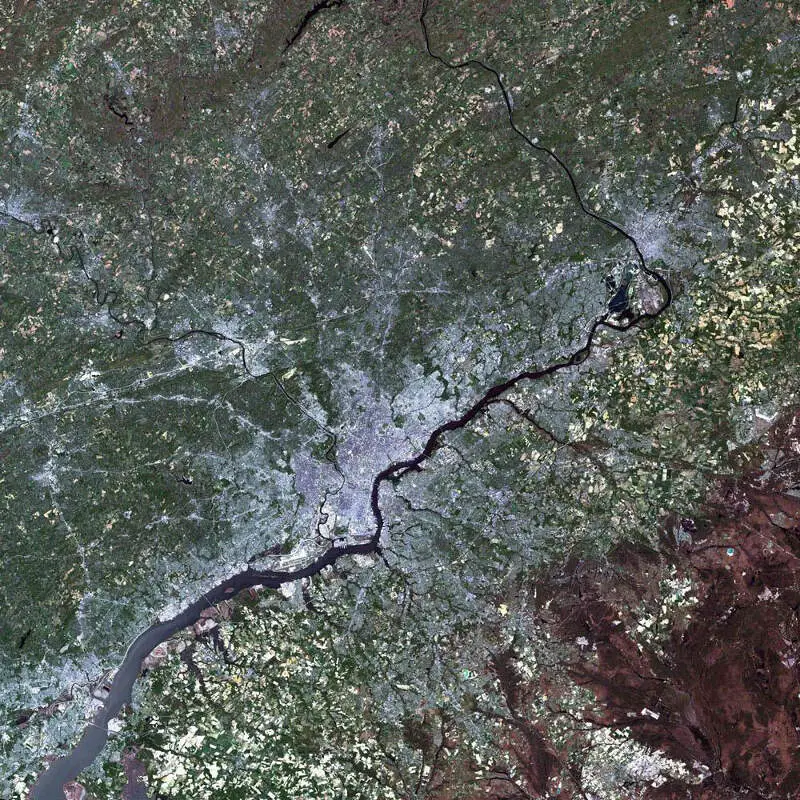
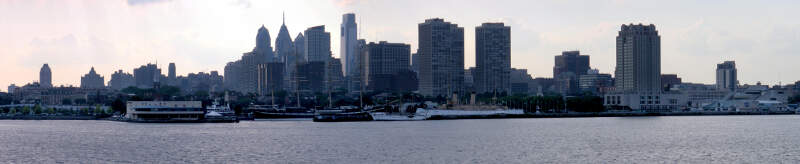
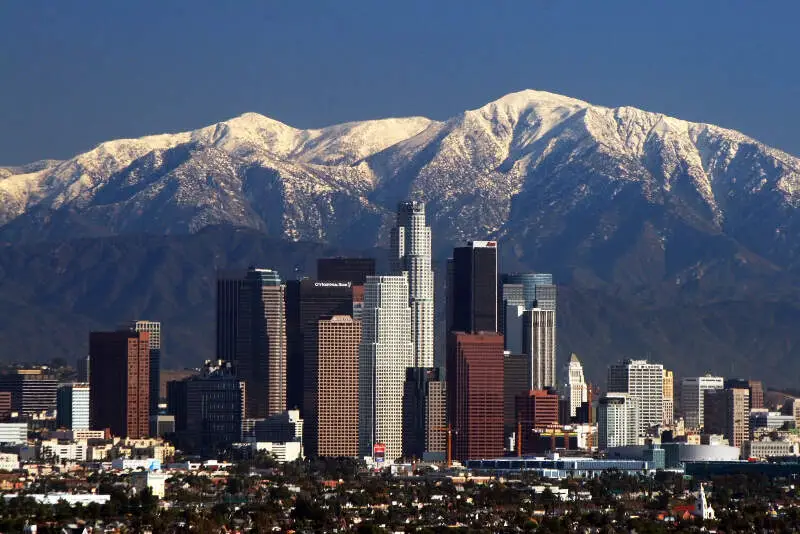
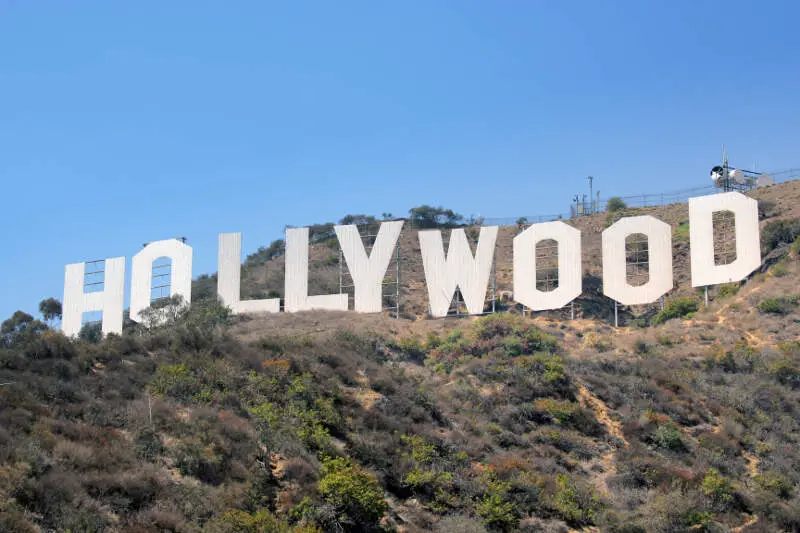
Philadelphia vs. Los Angeles in photos
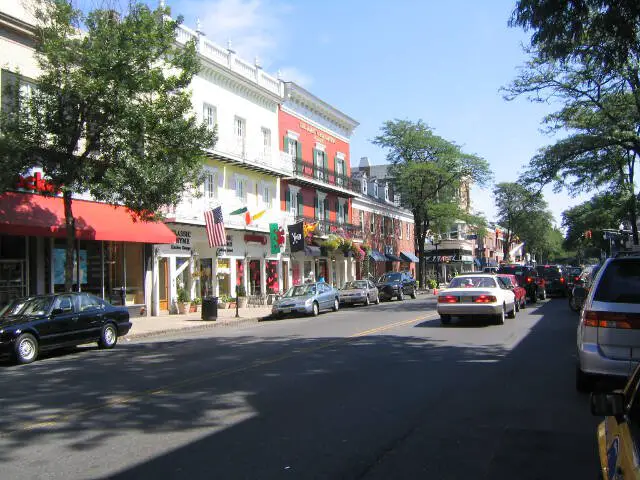
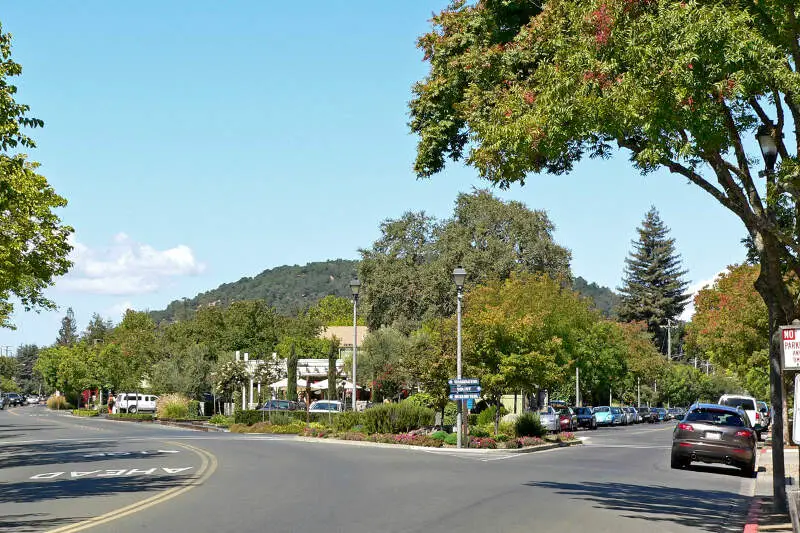
A side-by-side look at each city.

Cost of living
Philadelphia is the cheaper city overall — 42% higher in Los Angeles than its rival. Index baseline: 100 = national average.
| Living expense | Philadelphia | Los Angeles | US average |
|---|---|---|---|
| Overall | 103 | 179 | 100 |
| Services | 103 | 117 | 100 |
| Groceries | 100 | 123 | 100 |
| Health | 101 | 309 | 100 |
| Housing | 107 | 128 | 100 |
| Transportation | 99 | 128 | 100 |
| Utilities | 112 | 134 | 100 |
Lower index = cheaper. 100 = U.S. national average. Bar inside each cell scales relative to the highest value in the table.
Sources: HomeSnacks Cost of Living indices, normalized so 100 = U.S. national average. Drill in: Philadelphia cost of living, Los Angeles cost of living, or the cheapest cities in America.
Housing breakdown
Home prices are higher in Los Angeles. Compare absolute price and price-to-income — a $500k home in a $100k-income city is very different from one in a $50k-income city.
| Metric | Philadelphia | Los Angeles | United States |
|---|---|---|---|
| Median Home Value | $231,814 | $952,183 | $332,700 |
| Median Rent | $1,397 | $1,933 | $1,413 |
| Median Income | $61,953 | $81,939 | $80,734 |
| Home Value To Income | 3.7x | 11.6x | 4.1x |
| Rent To Monthly Income | 0.27x | 0.28x | 0.21x |
Source: U.S. Census Bureau ACS 2020-2024. See also states with the highest rent in America.
Crime
Los Angeles is the safer city — total crime rate of 2,212 per 100k people vs 5,457 for Philadelphia. US average: 2,119.
| Crime (per 100k) | Philadelphia | Los Angeles | US average |
|---|---|---|---|
| Total crime | 5,457 | 2,212 | 2,119 |
| Murder | 17 | 7 | 5 |
| Robbery | 273 | 210 | 61 |
| Aggravated Assault | 572 | 471 | 256 |
| Violent Crime | 909 | 728 | 359 |
| Burglary | 319 | 373 | 229 |
| Larceny | 3,224 | 852 | 1,272 |
| Car Theft | 1,006 | 260 | 259 |
| Property Crime | 4,548 | 1,484 | 1,760 |
Lower = safer. Bar inside each cell scales relative to the highest crime rate in the table.
Source: FBI Uniform Crime Reporting (2024). All rates are per 100,000 people. City pages: Philadelphia crime, Los Angeles crime. See also: safest cities in America.
Diversity
Philadelphia is more racially diverse — lower HHI (closer to 0) means a more even mix across groups.
| Group | Philadelphia | Los Angeles | United States |
|---|---|---|---|
| White | 33.2% | 28.1% | 57.4% |
| African American | 38.3% | 8.1% | 11.9% |
| American Indian | 0.1% | 0.1% | 0.5% |
| Asian | 7.9% | 11.9% | 5.9% |
| Hawaiian | 0.0% | 0.1% | 0.2% |
| Other | 0.8% | 0.7% | 0.6% |
| Two Or More | 4.1% | 3.8% | 4.3% |
| Hispanic | 15.6% | 47.2% | 19.3% |
Source: U.S. Census ACS 2020-2024. Lower HHI = more even racial mix. See also: most diverse cities in America.
SnackAbility — overall quality of life
Philadelphia and Los Angeles tied at 6/10.
Scores are 0–10; both bars share the same scale.
SnackAbility is a HomeSnacks proprietary 1–10 score blending jobs, housing, education, commute, amenities, affordability, crime, and diversity. Median U.S. city ≈ 7. Data: Census, BLS, FBI. See also: best places to live in America.
Getting around: Philadelphia vs. Los Angeles
How each city handles commuting, transit, walkability, and car culture — the day-to-day reality that shapes where you'd actually want to live.
Getting around Philadelphia without a car is genuinely practical. SEPTA runs the Market-Frankford Line, the Broad Street Line, regional rail out to the suburbs, and a web of buses and trolleys. If you live in Center City, Fishtown, or South Philly, you can realistically skip car ownership entirely.
Biking is increasingly viable, especially along the Schuylkill River Trail corridor. For regional trips, 30th Street Station puts you on Amtrak to New York in under two hours.
Los Angeles is the opposite equation. The Metro rail system has expanded — the D Line extension now reaches Westwood, and the A Line connects downtown to Long Beach — but the city's geography still means most residents drive. Sprawl across the Westside, the Valley, and South Bay makes a single transit line rarely enough.
Expect to spend real time on the 405 or 101 if you commute by car; traffic is a daily variable that shapes life in ways Philadelphia's simply does not.
Jobs and careers in Philadelphia vs. Los Angeles
The local job market, dominant industries, and which city to choose based on your career.
Philadelphia's economy leans heavily on healthcare, education, and finance. Penn Medicine, Jefferson Health, and Children's Hospital of Philadelphia are among the region's largest employers, and the cluster of universities — Penn, Drexel, Temple — generates a steady research and biotech sector. The median household income sits at $61,953, which is lower than LA's, but the cost of living index of 103 (essentially the U.S. average) means your dollar travels considerably further here.
Los Angeles is a different labor market. Entertainment, tech, and aerospace anchor the economy — think NBCUniversal, SpaceX in Hawthorne, and a thick layer of streaming and creator-economy companies across Burbank, Culver City, and Silicon Beach in Playa Vista. The median household income of $81,939 sounds stronger, but the cost of living index of 179 means that gap closes fast.
If your career is in film, gaming, or aerospace, LA's professional network is simply unmatched anywhere else in the country.
Weather and climate
What to expect day-to-day — sun, fog, heat, rain, and the seasonal extremes that shape the lifestyle.
Philadelphia gives you all four seasons, which is either a selling point or a deal-breaker depending on your temperament. Summers are hot and humid — July regularly reaches the upper 80s with thick air — and winters bring genuine cold, with snowstorms several times a season. Budget for a winter wardrobe and a good snow scraper.
Spring and fall are the payoff: mild temperatures and foliage along the Wissahickon or on the Ben Franklin Parkway.
Los Angeles offers the climate most of the country daydreams about. Expect roughly 285 sunny days a year, mild winters that rarely dip below 50°F in most neighborhoods, and dry summers along the coast. That said, the inland valleys — the San Fernando Valley, the Inland Empire — can push 105°F in August, and wildfire smoke has become a reliable seasonal presence in recent years.
If you're relocating from the East Coast, the lack of dramatic seasons takes some adjustment, but the trade-off for year-round outdoor usability is hard to argue with.
Culture, nightlife, and entertainment
Food, music, neighborhoods, and the city vibe that gives each place its personality.
Philadelphia punches well above its size culturally. The Philadelphia Museum of Art, the Barnes Foundation, and the Kimmel Center anchor a dense arts corridor along the Benjamin Franklin Parkway. Neighborhoods do most of the heavy lifting for nightlife.
Fishtown has become one of the best bar-and-restaurant strips on the East Coast, Old City draws weekend crowds for its colonial history and gallery scene, and South Street remains a reliably eclectic stretch. The Philly food scene — from Reading Terminal Market to the wave of James Beard-nominated chefs — is worth coming back to year after year.
Los Angeles operates on a different scale of cultural production. Hollywood and the music industry mean LA produces culture rather than just curating it. Silver Lake, Los Feliz, and Highland Park have distinct neighborhood identities with strong independent music and food scenes.
The Getty, LACMA, and the Broad cover the fine-arts side, while neighborhoods like Koreatown and Boyle Heights reflect a depth of multicultural life that is genuinely hard to find elsewhere. Nightlife skews late and scattered, with no single strip the way Fishtown concentrates things in Philly.
Outdoor activities and day trips
Parks, beaches, hikes, and the weekend escapes that define life outside the city limits.
Fairmount Park is one of the largest urban park systems in the country, sitting right inside Philadelphia's city limits. The Wissahickon Gorge — miles of wooded trails along a creek, inside the city — catches most newcomers off guard. Beyond the city, you have the Poconos within two hours for hiking and skiing, the Jersey Shore beaches about 90 minutes east, and Brandywine Valley trails to the southwest.
For a mid-Atlantic city, the day-trip radius is strong.
Los Angeles has outdoor access at a scale that is hard to match. Griffith Park gives you hiking and the observatory right from the city's core; the Santa Monica Mountains run along the northern edge of the basin with dozens of trailheads accessible from Malibu to Studio City. Beaches from Santa Monica to El Matador stretch the length of the coast, and Big Bear Lake for skiing or Joshua Tree for desert hiking are under three hours.
If spending time outdoors factors heavily into where you live, LA's year-round access — no ice, no mud season — puts it well ahead of Philadelphia.
Bottom line: which city is right for you?
Based on the head-to-head data above, here's the short version — pick the city that lines up with what you actually care about.
Choose Philadelphia if you prioritize…
- a lower cost of living (cheaper groceries, services, and day-to-day expenses).
- a more racially diverse community (lower HHI on Census data).
Choose Los Angeles if you prioritize…
- lower crime — a safer place to live, work, and raise a family.
- more affordable housing relative to Philadelphia.
Methodology: winners are picked from public data — U.S. Census Bureau ACS (income, home value, rent, race/HHI), FBI Uniform Crime Reporting (crime rates per 100k), and HomeSnacks' proprietary SnackAbility quality-of-life score, which blends Bureau of Labor Statistics data with the above.
Other comparisons
Still weighing your options? See how these two cities stack up against other places we've compared head-to-head.